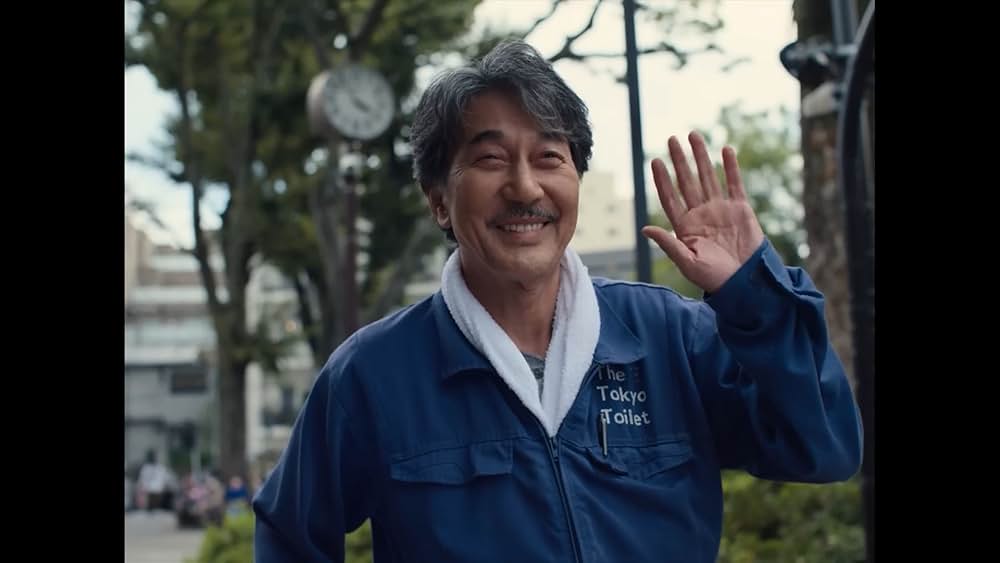
We often praise video games for their capacity to reshape our worldview, but every so often a film emerges that does the same with surprising subtlety. That was my experience with Perfect Days, a Japanese drama directed by Wim Wenders. Stripped of flashy effects and bombastic plots, this quietly profound piece zeroes in on the essential: the human, the simple, the real. Few recent works—whether cinema or gaming—have unsettled me as deeply. If you’re willing to slow down and embrace a contemplative pace, Perfect Days might just shift your perspective on life itself.
A Lesson in Minimalism
From the opening sequences, Perfect Days positions itself in direct opposition to our “more is better” culture. Hirayama, played with serene restraint by Kōji Yakusho, is an ex-salaryman who has left behind corporate ambitions to clean public restrooms in Tokyo. The premise might strike some as underwhelming—no car chases, no CGI monsters—yet this very restraint is the film’s strength. Wenders invites us to observe each sweep of a mop and every turn of a key as if they were the grandest gestures imaginable.
This aesthetic of quiet contemplation calls to mind other meditative experiences across media. In the gaming world, titles like Journey and Spiritfarer similarly find beauty in simplicity, encouraging players to savor each moment rather than chase high scores. Anime such as Barakamon or even certain chapters of Persona also explore how small rituals—writing, gardening, drifting through a sleepy town—can reveal unexpected depths. Perfect Days stands alongside these works by demonstrating that minimalism is not the absence of content, but the art of focusing on what matters.
Hirayama: The Unlikely Anti-Hero
At the film’s core is Hirayama’s daily routine: laundering a pair of uniforms, polishing ceramic sinks, ferrying tomatoes for a local farmer. Wenders stages these tasks with reverence, turning the mundane into micro-scenes of poetic power. We see Hirayama at dawn, stretching before work, as the city yawns awake around him. We watch him pause under a train overpass to listen to ambient soundscapes: distant traffic, bird calls, the hum of life.
Yakusho’s performance—honored with the Best Actor Award at Cannes—anchors this world in authenticity. There’s no grand character arc filled with melodramatic beats. Instead, his transformation happens in increments: deep breathing, a newfound curiosity about city life, small acts of kindness toward strangers. In a way, Hirayama is every one of us who’s ever fantasized about walking away from stress to rediscover peace. His is a mirror for that silent wish to rebuild identity around values rather than status.
Cinematic Craft: Poetry in the Ordinary
Technically, Perfect Days is a master class in evocative restraint. Cinematographer Benoît Delhomme captures Tokyo not as a neon labyrinth but as a canvas of subdued hues and textured light. Interior shots of restrooms become sanctuaries of stillness, while wide cityscapes emphasize humanity’s small scale against an ever-shifting urban backdrop. The editing—by Juliane Lorenz—is deliberate, allowing long takes that let emotion seep in unhurriedly.
The soundtrack complements this approach with vintage rock guitar riffs and ambient motifs that never overwhelm. A crackling cassette tape, a busker’s distant chords: these auditory details ground us in the film’s present moment. There are no swelling orchestras or thundering bass drops—every note feels earned. Wenders, a Westerner interpreting Japanese minimalism, navigates cultural nuances with respect, crafting a work that feels authentically rooted in Tokyo life while bearing the director’s signature sense of frame and rhythm.
Resonance for Gamers and Story-Seekers
In video game discourse, we talk endlessly about the ideal “systemic loop,” balancing challenge with reward, grind with gratification. Perfect Days demonstrates that the most memorable loops are often the simplest. When was the last time you paused a game just to watch an NPC go about its routine, or lingered after a cutscene to breathe in an environment? Titles like Animal Crossing and Stardew Valley celebrate these interludes, teaching us that mindful pacing can yield deeper emotional payoffs.
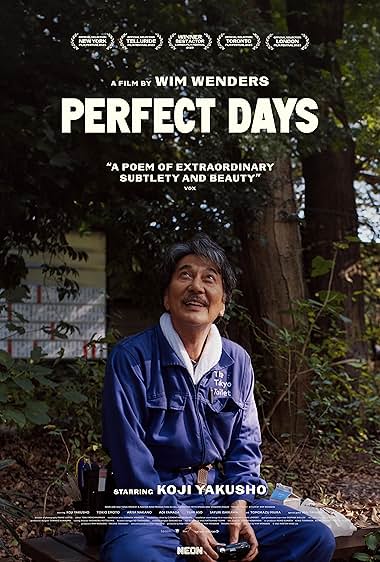
More broadly, the film challenges our obsession with acceleration. We’re conditioned to multitask, to chase ever-faster dopamine hits, to treat life as a checklist. Perfect Days asks us to slow that tempo until each moment counts. For players fatigued by frenetic action or narrative glut, this movie is a reminder that letting go of urgency can be exhilarating in its own right. It’s a rare invitation to recalibrate how we engage with art and entertainment.
Balancing Subjectivity and Analysis
Of course, this unhurried style won’t be everyone’s cup of tea. Viewers seeking high-stakes tension or rapid-fire storytelling may find the pace too languid. There are stretches where dialogue is sparse and the focus is squarely on atmosphere. Yet this very sparseness is an artistic choice, not a flaw. By stripping away excess, Perfect Days exposes the bare bones of lived experience.
From an analytical standpoint, the film also prompts questions worth exploring further: How does routine shape identity? What role does environment play in mental well-being? How can art resist the commercial demand for spectacle? Future discussions might compare Perfect Days to other contemplative works, or study audience reactions to minimalist narratives versus mainstream blockbusters. Such inquiries could deepen our understanding of why simplicity often hits hardest.
Why Perfect Days Matters
In an era dominated by sensory overload—whether through blockbuster films, AAA games, or social media feeds—Perfect Days pushes back with serenity. It doesn’t preach or proselytize; it simply shows one man finding contentment in tasks most would overlook. That quiet rebellion against the “always more” mentality resonates beyond the screen.
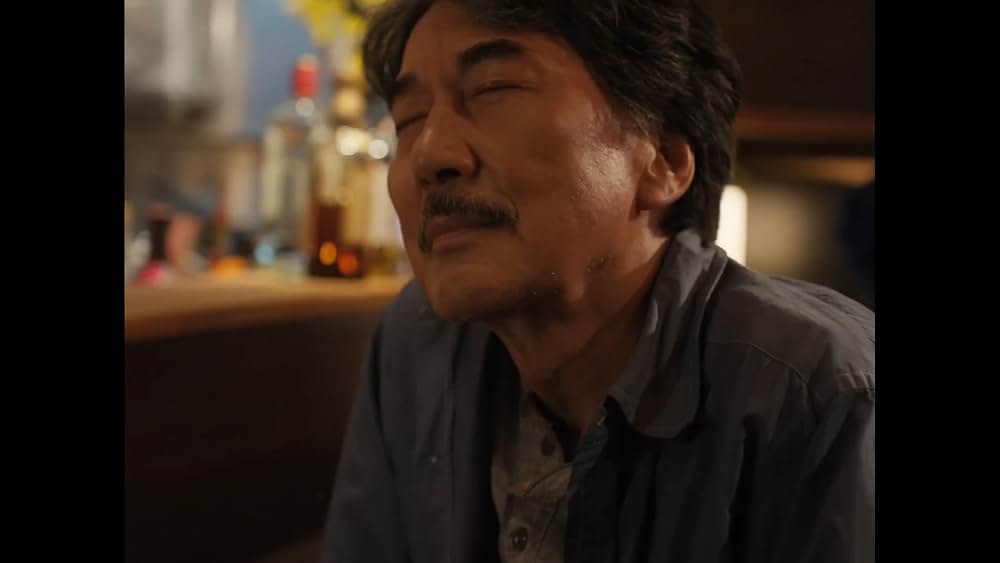
For cinephiles, it’s a testament to the enduring power of character-driven storytelling. For gamers, it’s a mirror reflecting our own routines: logging in, clearing quests, cultivating digital spaces. And for anyone craving a moment of pause, it’s a breath of fresh air. Two hours spent in Hirayama’s company may leave you more mindful of your morning coffee ritual or the way sunlight filters through your window.
Conclusion: Embracing the Ordinary
Perfect Days is more than a film—it’s a philosophical statement. It reminds us that in the mundane lies the miraculous, and that routine, handled with care, becomes profound. Whether you’re drawn to its cinematic artistry, intrigued by Yakusho’s nuanced performance, or simply in need of a reset from life’s velocity, this quiet gem delivers.
So next time you feel burned out chasing the new and the sensational, consider pressing pause and giving yourself a “perfect day.” You might just rediscover why the simplest moments can shine the brightest.
Laisser un commentaire