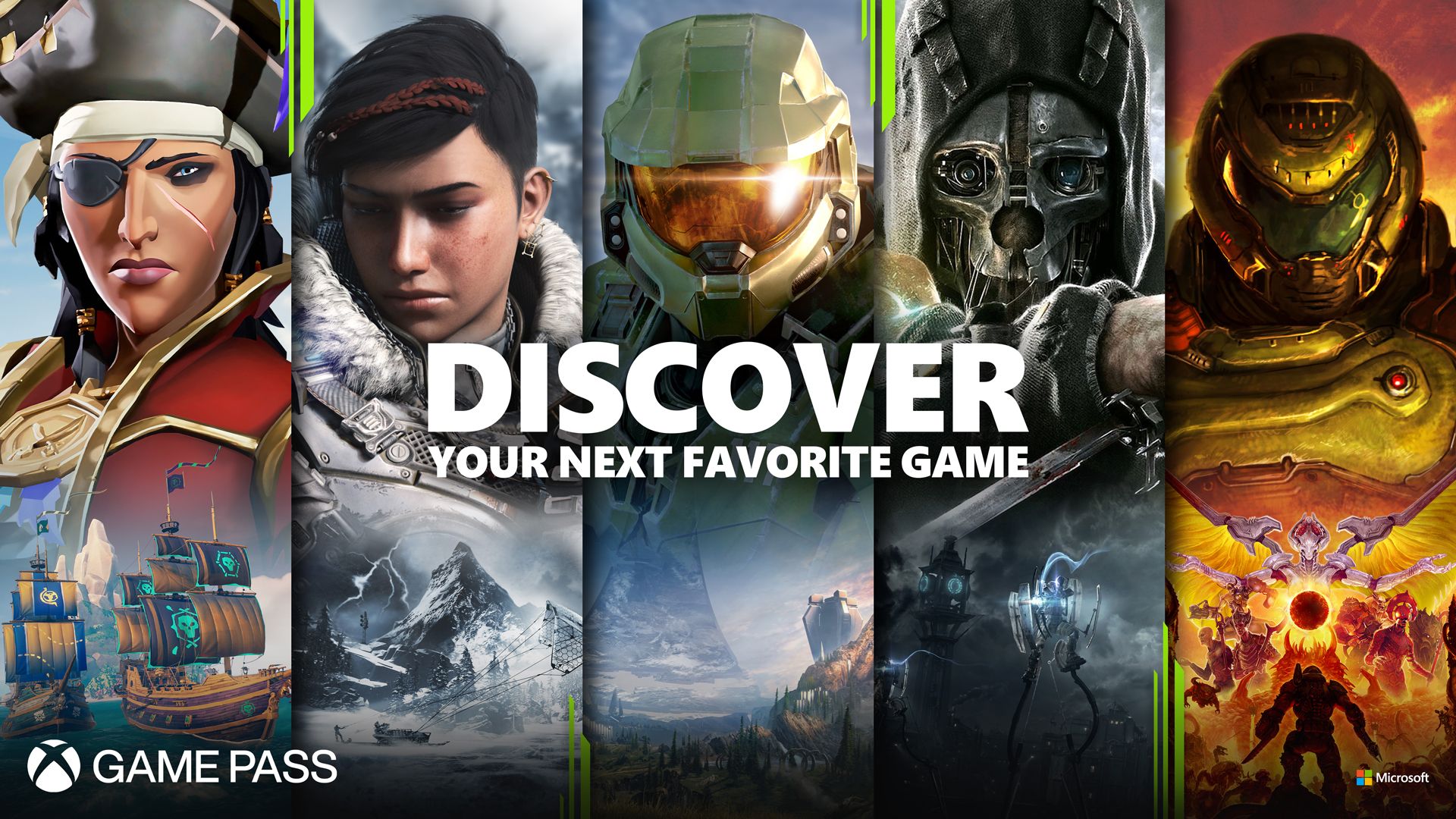
When a veteran like Raphaël Colantonio—co-creator of Dishonored and founder of Arkane Studios—raises the alarm on Game Pass, gamers pay attention. His critique, fueled by recent Xbox layoffs and cancelled titles, questions whether unlimited subscriptions might ultimately undermine the creative spirit of the industry.
Why Colantonio Calls Game Pass “Unsustainable”
- According to Colantonio, Game Pass cannibalizes traditional sales, despite Microsoft’s early assurances that it wouldn’t.
- He argues the model relies on endless subsidies, which can’t last forever.
- His preferred vision: use Game Pass to explore retro catalogs, not to launch every new blockbuster day one.
Colantonio’s bluntness on social media—“Why is nobody talking about the elephant in the room? Game Pass is choking the market”—resonates with developers who once celebrated subscription growth. He warns that if every publisher chases the “all-you-can-play” formula, budgets for riskier, more inventive projects will shrink.
Industry Ripples: Layoffs and Cancellations
Microsoft recently announced 9,000 layoffs and the cancellation of high-profile projects like Rare’s Everwild and the Perfect Dark reboot. While Game Pass isn’t solely to blame, its financial structure seems to demand rapid returns on investment, putting creative experiments at risk.
Counterpoints: Why Gamers Still Love Game Pass
From a player’s perspective, access to day-one blockbusters for a modest monthly fee is irresistible. Smaller studios also report spikes in discovery and player engagement when their games hit the service. For many, the value proposition outweighs concerns—at least in the short term.
Balancing Act: Risks, Rewards, and Alternatives
To build a more sustainable ecosystem, stakeholders could explore hybrid models:
- Tiered subscriptions: Entry-level plans for retro or indie titles, premium tiers for AAA launches.
- Time-limited trials: Short access windows to new releases, encouraging full-price purchases from interested players.
- Revenue-share adjustments: Bonuses for titles that perform above a certain threshold, rewarding innovation.
Further research could examine subscriber retention, developer revenue breakdowns, and player spending habits to inform these hybrid approaches.

The Road Ahead: Innovation vs. Abundance
The core debate isn’t just about who pays. It’s about preserving a space for unorthodox, daring games that don’t fit the blockbuster mold. As Colantonio and other industry figures point out, an unchecked subscription model risks a “Netflix effect”—an abundance of formulaic titles tailored to algorithms rather than bold creative visions.
TL;DR: Is Game Pass a Gift or a Trojan Horse?
Game Pass offers unprecedented value to players and new exposure for developers. But without careful rebalancing—whether through capped offerings, revenue incentives, or editorial curation—the model could erode the very diversity it once promised to champion. The real question for gamers and creators: do we want limitless access at the cost of tomorrow’s daring experiences?
Laisser un commentaire