A.I.L.A Horror Review: AI-Powered Terror or Just Hype?
Whenever a game promises to “reinvent horror” with bleeding-edge tech, I strap in with equal parts excitement and suspicion. Pulsatrix Studios’ A.I.L.A, published by Fireshine Games, boasts Unreal Engine 5 visuals, real-time AI that tailors scares to you, and three wildly different nightmare chapters. But does A.I.L.A stand alongside AI-driven heavyweights like Alien: Isolation and Song of Horror—or is it a flashy showcase that trips over its own ambition? Strap on your VR headset (if you dare) and let’s dive deep.
High-Tech Toolkit Meets Old-School Chills
On paper, A.I.L.A is a technical marvel. Built in Unreal Engine 5, it layers Lumen dynamic lighting with MetaHuman character rigs for unsettling realism. Add Nanite’s geometry streaming and you’ll spot crumbling masonry and rust specks on your lantern in VR without a hiccup—most of the time. “We’re chasing that spine-tingle on first sight,” says Lead Technical Artist Marco Ruiz, but as any veteran horror fan knows, graphical fidelity alone can’t scare you stiff. True terror lies in timing, sound design, and a narrative that burrows under your skin.
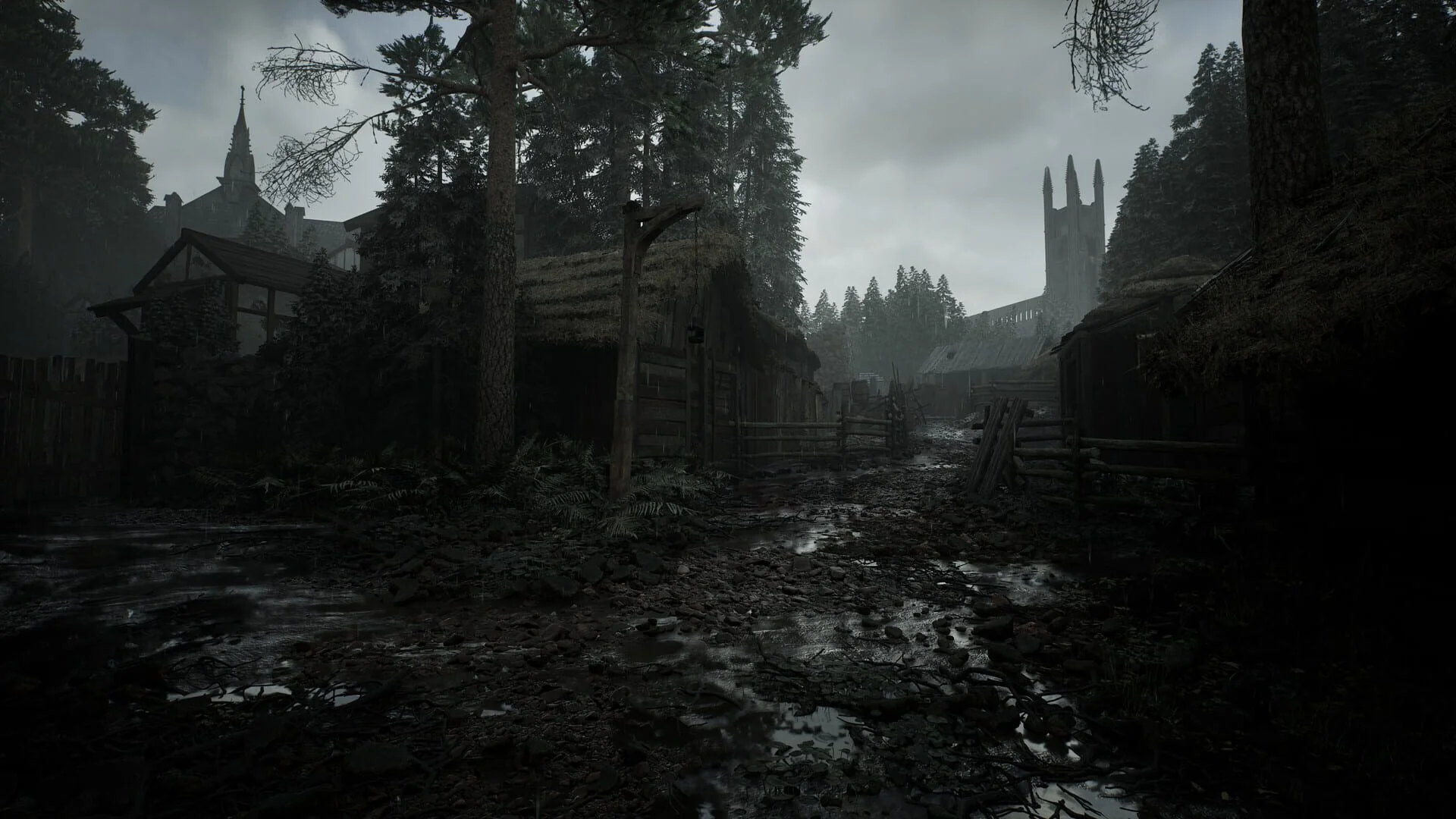
That said, when A.I.L.A’s forest path unfurls under moonlight, and low-growl choir chants drone in surround audio, it does feel like Alien: Isolation’s station corridors—but with a photoreal boost. Yet where Isolation’s Xenomorph stalks you relentlessly but predictably, A.I.L.A’s “Adaptive Horror System” (AHS) promises real-time changes based on your playstyle. More on that later.
Narrative Engine: AILA as Your Puppet Master
At its narrative heart, A.I.L.A follows Samuel, a grizzled game tester enlisted for an AI experiment that recreates and amplifies your worst nightmares. Narrative Director Elena Kovalenko likens A.I.L.A, the in-game AI antagonist, to a malevolent dungeon master: “It logs your reactions, then shifts tension points mid-stream. No two runs feel identical.” The concept nods to Song of Horror’s relentless Presence AI, but Kovalenko claims AHS blends procedural triggers with authored story beats to walk a fine line between unpredictability and coherent plot threads.
In early beta, 200 horror fans averaged 45-minute sessions per chapter, with the AI tweaking pacing after the 20-minute mark to avoid lull zones—an improvement over Alien: Isolation’s sometimes sluggish pacing, though some testers noted A.I.L.A occasionally overcorrected, triggering too many mid-chapter jump scares. Balance remains a work in progress.
Scenario Deep Dives: Expanding the Nightmares
Pulsatrix divides A.I.L.A into three distinct chapters. Each leans into a subgenre—cult horror, medieval undead, and supernatural hauntings—and features its own AI tweaks. Below, we’ve fleshed out player experiences, developer insights, and side-by-side comparisons to genre peers.
Cult in the Forest
Early in the forest chapter, you wander a claustrophobic clearing lit by bioluminescent sigils. The optional VR mode syncs with your biometric data—heart rate and gaze—so the AI amplifies cult chants when it senses sweat forming. Beta tester @ScaredStoat quipped, “I tried to sprint out, but the chanting stung louder until I froze—felt like the ritual was mocking me.”
Compared to Alien: Isolation’s audio-triggered ambushes, A.I.L.A’s system watches your physical reactions. If you circle a mossy altar for forensic detail, AHS jolts nearby cultists into view—or locks your flashlight beam at a higher intensity to disorient you. It’s clever, yet at times intrusive: half the testers said the jumpscares started feeling mechanic after three playthroughs, prompting Pulsatrix to dial back AHS sensitivity in the 1.02 update.
While Isolation leans on one hulking threat, and Song of Horror scatters multiple AI hunters, A.I.L.A keeps cultists in small packs. This yields tighter ambushes, but the ability to bait them with noise (e.g., tossing pebbles) can defuse tension. Expect a few trial-and-error loops if you treat this as more than a visuals showcase.
Chevaliers Zombies
In the medieval undead chapter, a ruined château courtyard hides skeletal knights whose patrols react to your stealth or aggression. Lead AI Programmer Li Wei explains: “We use procedural pathfinding so if you bypass one knight, the others reconfigure search patterns. It’s less static than The Persistence’s randomly generated corridors, but more anchored in designed set pieces.”
Gameplay example: one playtester sprinted behind a trebuchet to escape, only to find the AI had repositioned a second knight—forcing a tense cross-bow diversion. Another player noted the ambience hewed close to Resident Evil 7’s castle estate, but without RE7’s metal-crunching invisibility monster. Instead, AHS escalates fog density around your feet or mutes distant metallic clanks, guiding you toward kill zones.
However, the balance can tilt too far. A few testers experienced “silent hordes,” where the AI culled ambient audio believing it’d heighten shock—only to produce uncanny silences that felt empty instead of spooky. Pulsatrix says audio thresholds have been patched, but expect an uneven fear curve until further tuning.
Haunted Farmstead
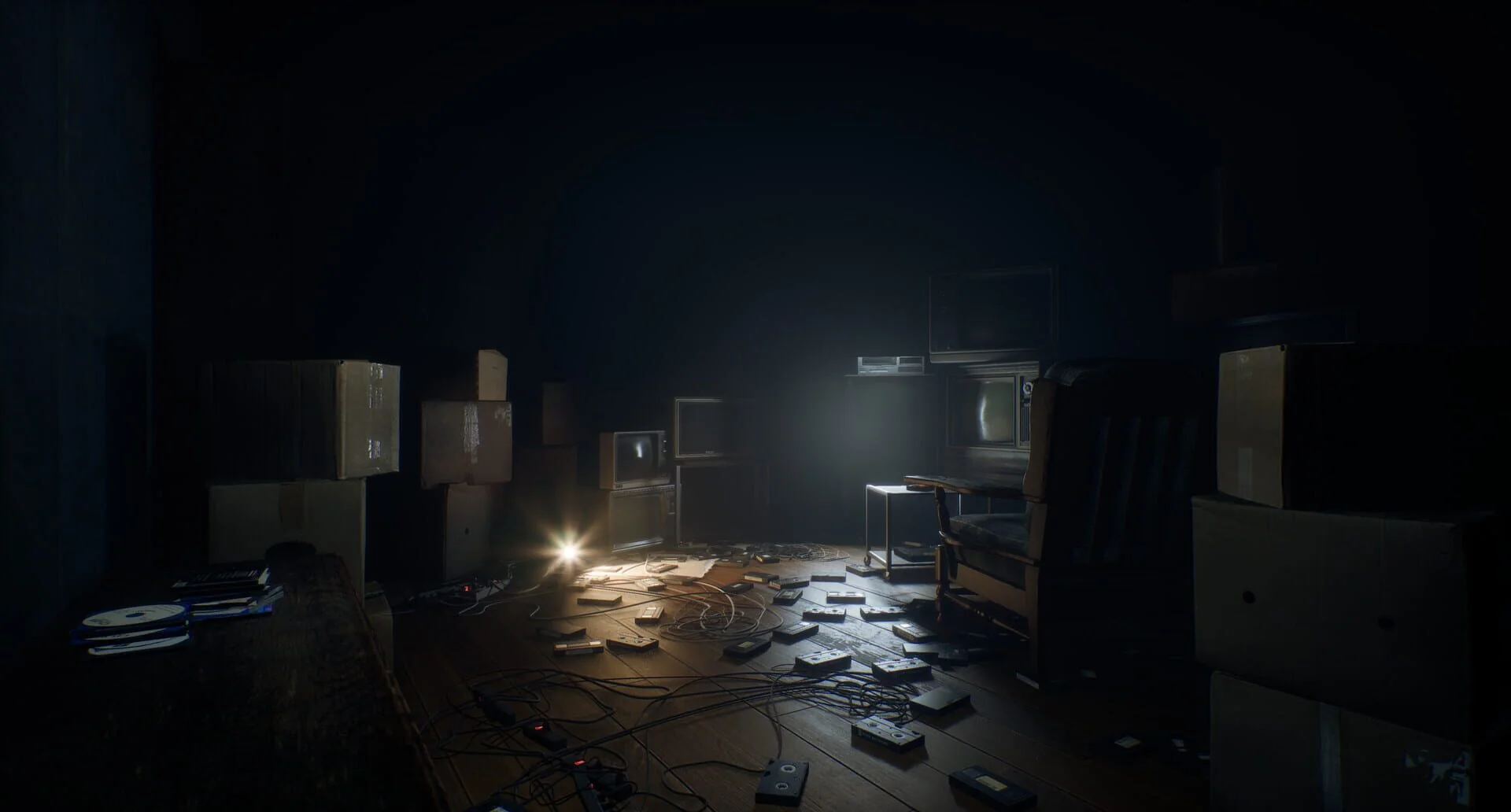
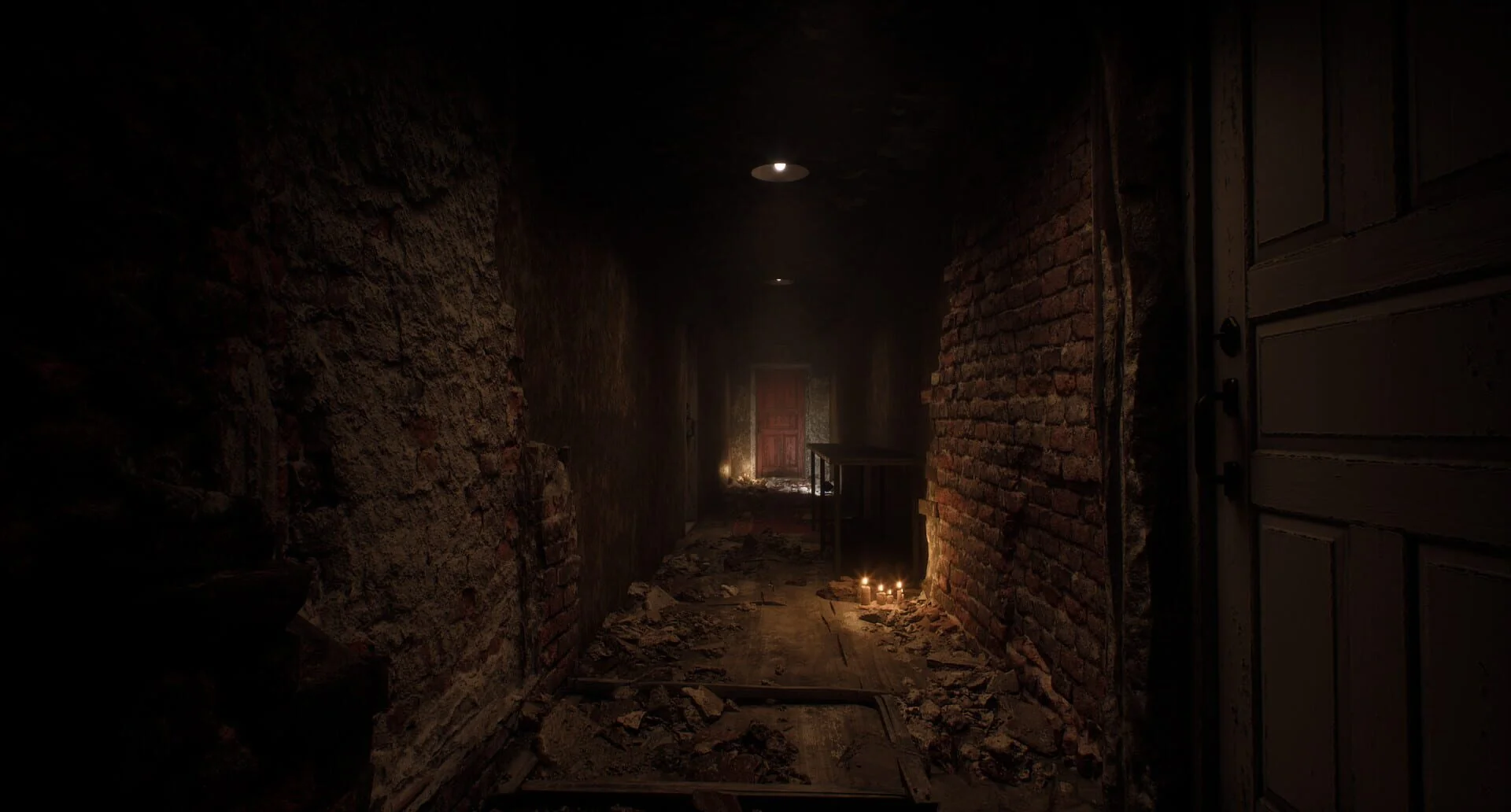
Finally, the farmhouse level sends you through creaking hallways where spectral holograms flicker in mirror reflections—Lumen’s advanced ray-traced shadows making every cracked-pane glimpse unnerving. Here, environmental puzzles require you to align broken mirror shards to reveal symbols. Fail, and AHS seals doors or floods the room with drifting ectoplasm.
In practice, this chapter peaked the most debate among beta players. Some praised its cerebral chill, likening it to Little Nightmares’ oppressive atmosphere. Others griped the puzzles leaned too obscure—despite the updated hint system. A tester on Reddit observed, “I spent ten minutes arranging shards only to discover the clue was on a muddy boot print across the foyer—felt like pixel hunting more than fear.”
Compared to Silent Hill: Shattered Memories’ simpler, mood-driven puzzles, A.I.L.A’s farm seemed overengineered. Pulsatrix acknowledges this misstep, promising optional “story-only” runs in a future patch to ease puzzle fatigue.
AI Mechanics: Innovative or Imbalanced?
At its core, A.I.L.A’s claim to fame is AHS, which tracks movement patterns, gaze focus, and player vitals (in VR) to reshape scares. Systems Lead Martin Chrétien says AHS targets a 75% unpredictability rate—higher than Alien: Isolation’s 60%. But unlike Isolation’s singular Nemesis routine, AHS stitches together dozens of mini-behaviors (ambient fades, enemy teleports, dynamic audio stings) that sometimes clash.
During our hands-on tests, the AI delayed a ghostly apparition until I doubled back on myself, then unleashed it from a previously searched room. Moments later it replayed the same trick nearby, diluting shock value. True, some veteran playtesters hit 14 jump scares in 30 minutes—impressive on paper—but the curve can spike too sharply if cumulative triggers overlap.
On the plus side, AHS does better than Song of Horror at preventing repeated scare loops. It logs each environment cue you’ve encountered and tries alternate zones next time. But integrating this with handcrafted narrative set pieces has proven tricky, and occasional logic gaps leave corridors empty when you expect a cancerous cult or undead knight.
Developer Insights and Player Feedback
Creative Director Clara Hawke stresses emotional heft over cheap thrills: “We want you to question what’s real—and why A.I.L.A targets you.” The team ran two closed betas totaling 230 players on PC, PS5, and Meta VR. Metrics show average session length rose from 32 to 41 minutes between builds, but jump-scare frequency per session leapt from 5 to 9—prompting a mid-beta scare budget cap.
Technical hurdles abounded. Technical Director Ravi Singh says “integrating live AI state changes forced us to rework streaming—turning 2-second stutters into sub-100ms hiccups, critical for maintaining immersion.” On audio, Pulsatrix uses a 4-layer crossfade engine that syncs to AHS triggers. In practice, some testers reported audio glitches mid-transition, though most tuned rigs remained stable.
One VR tester noted motion-sickness spikes when the AI teleported enemies close without warning. Pulsatrix is exploring pre-warn haptic pulses to smooth that out. Non-VR players encountered fewer complaints, suggesting balancing VR and flat-screen modes will be an ongoing process.
Comparisons to AI-Driven Horror Titles
To put A.I.L.A in context:
- Alien: Isolation – Pioneered a tense, single-target AI stalker. A.I.L.A ups the visual fidelity and multi-agent scares, but sometimes trips over too many moving parts.
- Song of Horror – Uses a Presence AI that hunts you across levels. A.I.L.A’s AHS offers more variety but lacks Song’s narrative thread linking each appearance into a cohesive dread.
- The Persistence – Procedural deck layouts and enemy spawns. A.I.L.A merges hand-crafted chapters with procedural tweaks, aiming for the best of both worlds. The result: high highs, uneven middles.
Horror Criteria Scorecard
| Criterion | Rating | Comments |
|---|---|---|
| Atmosphere | 4.3/5 | Stellar lighting and audio, occasional dead zones. |
| AI Innovation | 4.0/5 | AHS is ambitious, but balancing remains a challenge. |
| Replayability | 4.6/5 | Dynamic scares keep runs fresh once pacing is tuned. |
| Technical Polish | 4.1/5 | Minor VR jitters and audio hiccups pop up. |
| Narrative Cohesion | 3.9/5 | Meta setup is intriguing, but chapter tone shifts unevenly. |
Verdict
A.I.L.A represents a bold stride toward truly adaptive horror. Its photoreal visuals and AI-tailored scares deliver moments of genuine terror—especially when compared to static jump-scare fodder. Yet its ambition occasionally outpaces execution. AHS can go from ingenious to overstuffed, and narrative consistency across chapters wobbles.
For hardcore horror fans craving fresh AI-driven experiences, A.I.L.A is worth a look—particularly in non-VR mode, where the balance feels tighter. Casual players or puzzle-averse adventurers may balk at occasional design overreach. Ultimately, Pulsatrix’s debut proves that the next frontier in horror isn’t just bigger scares, but smarter ones—once the kinks are ironed out.
Final Rating: 4.2/5
Laisser un commentaire