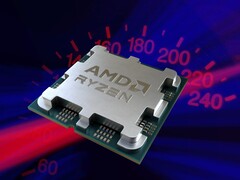
When rumors surface suggesting that AMD’s next-generation Ryzen processors could easily surpass 6 GHz—and possibly climb far higher—any serious PC hardware enthusiast perks up. As a gamer who’s followed the AMD vs. Intel saga for years, I find myself torn between excitement and skepticism. What do these lofty clock speeds really mean for game performance? In this opinion piece, I’ll unpack the leaks, clarify technical implications, and explain why the “frequency vs. core count” debate remains wide open.
Where Do These Rumors Come From?
The speculation largely stems from reports circulated by well-known hardware leak channels, which claim AMD’s future Ryzen lineup—potentially based on Zen 6 or Zen 7 architectures—aims for clock speeds well beyond the 6 GHz mark. These accounts mention internal targets so ambitious that even insiders hesitate to quote precise numbers. The core idea is that a radical process-node shift at TSMC (possibly down to N3 or even N2) would enable such a frequency leap.
It’s important to note: AMD has not confirmed any figures. All details remain unverified until official announcements or engineering samples surface.
Explaining Key Terms
Before diving deeper, let’s define a few terms:
- Clock Speed (GHz): Measures how many cycles a CPU core can complete in one second. Higher clock speeds generally improve single-threaded performance.
- IPC (Instructions Per Clock): Represents how many instructions a CPU can execute in each clock cycle. Both high IPC and high clock speed are crucial for gaming.
- Process Node: Refers to the semiconductor manufacturing process (e.g., 7 nm, 5 nm, 3 nm). Smaller nodes often enable higher efficiency and clock rates.
Frequency vs. Core Count: The Ongoing Debate
On one hand, Intel’s rumored monster CPU boasting 52 cores targets heavy-threaded workloads like content creation and server tasks. On the other, AMD appears to double down on raw clock speed to reclaim the performance crown in gaming.
Why does frequency matter so much for gamers? Most modern AAA titles rely heavily on single-thread and lightly threaded performance. Beyond 8 to 12 cores, game engines typically struggle to leverage extra threads effectively. Pushing each core to higher clocks and pairing that with strong IPC can yield more tangible frame-rate gains in 1080p and 1440p gaming scenarios than simply adding more cores.
Opinion: While multicore CPUs shine in streaming and productivity, gaming still rewards higher clock speeds and efficiency per core.
Technical Hurdles and Power Considerations
A significant jump in frequency raises questions about heat, power draw, and stability. Historically, when processors chase ever-higher clocks, they risk soaring power consumption and thermal throttling—issues AMD overcame with its Ryzen 7000 series through refined power management and architecture improvements.
Key challenges AMD must address:
- Thermal Design Power (TDP): How to maintain reasonable TDP targets without resorting to extreme cooling solutions.
- Voltage Scaling: Ensuring voltage increases don’t negate efficiency gains from the new process node.
- Die Yield: Achieving consistent high-clock silicon yields, which impacts production costs and retail prices.
Until AMD publishes official specifications or we see silicon samples, the extent to which these hurdles have been overcome remains conjecture.
Real-World Gaming Impact
Assuming AMD does deliver a Ryzen chip surpassing 6 GHz on multiple cores, what difference would that make for PC gamers?
- Smoother Frame Rates: Higher base and boost clocks typically translate to more consistent frame pacing in CPU-bound scenarios—think competitive shooters or strategy games.
- Better High-Refresh-Rate Performance: Gamers using 240 Hz or 360 Hz monitors would benefit most, where every additional MHz helps push frames over the top.
- Enhanced Streaming and Recording: The improved single-thread performance also aids live streaming without sacrificing in-game FPS.
Note: Synthetic benchmark records make great headlines, but real gains show up in actual gameplay tests. Until independent reviewers validate these numbers, it’s prudent to temper expectations.
Pricing and Market Positioning
One common pitfall in hardware launches is premium pricing. If AMD markets its ultra-high-clock Ryzen CPUs at a steep price, mainstream gamers may stick with current-generation chips or rival Intel offerings. Balancing price against performance has been a strength for AMD in recent years—upholding that track record will be crucial.
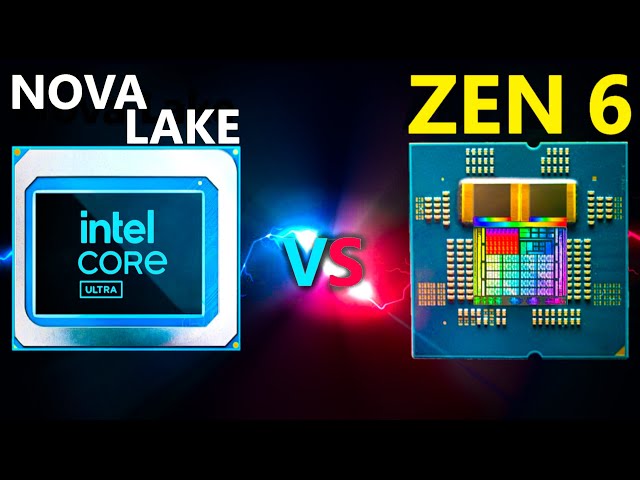
Potential scenarios:
- Flagship Enthusiast SKU: A top-end Ryzen targeting extreme overclockers and high-end gamers at a premium price.
- Mid-Range Contender: A slightly trimmed-down model that still offers clocks above 6 GHz, priced more accessibly for the broader gaming community.
Looking Ahead: What to Watch For
Rather than banking on unconfirmed leaks, here’s what gamers and hardware watchers should keep an eye on:
- Official AMD Roadmaps: Conference keynotes or investor presentations where specification reveals are most reliable.
- Engineering Samples: Early CPU samples in tech outlets give real data on clocks, thermals, and power draw.
- Independent Benchmarks: Third-party testing in real game titles—both single-player and multiplayer—to judge actual performance uplift.
Until we see tangible evidence, all claims about exceeding 6 GHz should be taken with a healthy dose of skepticism.
Conclusion: Stay Excited, Stay Grounded
As a long-time observer of the CPU wars, I welcome the prospect of AMD pushing clock speeds into new territory. If achieved, this could be a real boon for gamers who demand every extra frame. Yet without concrete data on pricing, thermals, and sustained performance in titles, it’s too early to crown a new champion.
TL;DR: Leaks suggest AMD’s next Ryzen CPUs will push well past 6 GHz, aiming to outpace Intel’s core-heavy approach. This strategy aligns with gaming needs, but the final verdict hinges on confirmed specs, power efficiency, and actual benchmarks in games—not just marketing headlines.
Stay tuned for official details and hands-on reviews before planning your next CPU upgrade.
Laisser un commentaire