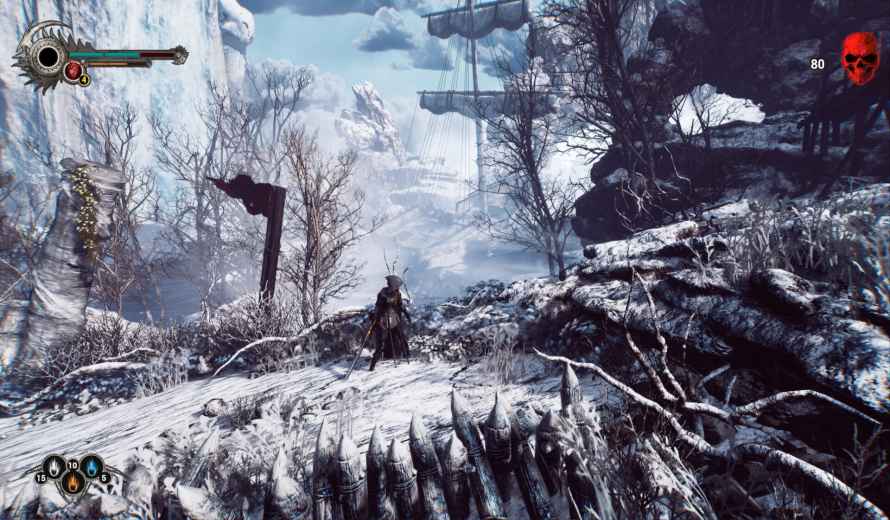
Every indie announcement carries a spark of curiosity, but few have set my radar ablaze like the latest teaser from Roman studio ActionGames.c.l.r. The small but passionate team has just released fresh screenshots and confirmed that a playable demo of Darkness: Prince of Shadows is imminent. As a longtime follower of their work since DarkenDerek: The Last Fallen, I’m eager to see how this dark-themed, 2.5D sidescroller evolves when placed in gamers’ hands.
Background
Founded by three veterans of the local indie scene, ActionGames.c.l.r. first drew attention with DarkenDerek: The Last Fallen. That title showcased promising combat fundamentals and a taste for narrative, even if its scope sometimes exceeded its budget. With Darkness: Prince of Shadows, the team aims to refine their approach: a tighter action-adventure framework, more focused world-building, and a stronger narrative spine. Early feedback on their prototype helped shape monster designs, environment layouts, and a pacing structure that balances challenge and discovery.
Based in Rome, the studio blends Italian artistic heritage—its Gothic cathedrals, classical mythology, and modern horror cinema—into a style all their own. While Dante’s Inferno and classic God of War entries are obvious touchstones, the developers promise a poetic twist, weaving allegory alongside fast-paced combat. Their small scale forces judicious design choices, so every enemy encounter, platform segment, or environmental puzzle must justify its presence. This lean mindset could yield a game that feels both rich and tightly produced.
Game Mechanics
Darkness: Prince of Shadows builds on the 2.5D sidescroller formula by combining fluid, hack-and-slash combat with precision platforming. Players will navigate labyrinthine ruins and shadow-infested spires, leaping across broken ledges, grappling past spikes, and solving light-and-shadow puzzles. Combat relies on chaining light and heavy attacks, parrying enemy strikes, and unleashing special abilities tied to an in-game energy meter. Early hints suggest a modest skill tree for unlocking new moves, encouraging multiple playstyles from defensive counter-pacing to aggressive combo strings.
In addition to standard foes, the demo is expected to feature miniboss duels that test reaction speed and strategic thinking. These encounters may introduce environmental hazards—collapsing floors, swinging blades, pools of corrosive mist—that force players to adapt on the fly. While the full range of weapons and magic remains under wraps, developer notes allude to an arsenal of spectral blades and mythic relics, each with unique properties. The key will be balancing challenge without veering into unfair trial-and-error frustration.
Visual Aesthetic and Narrative Influences
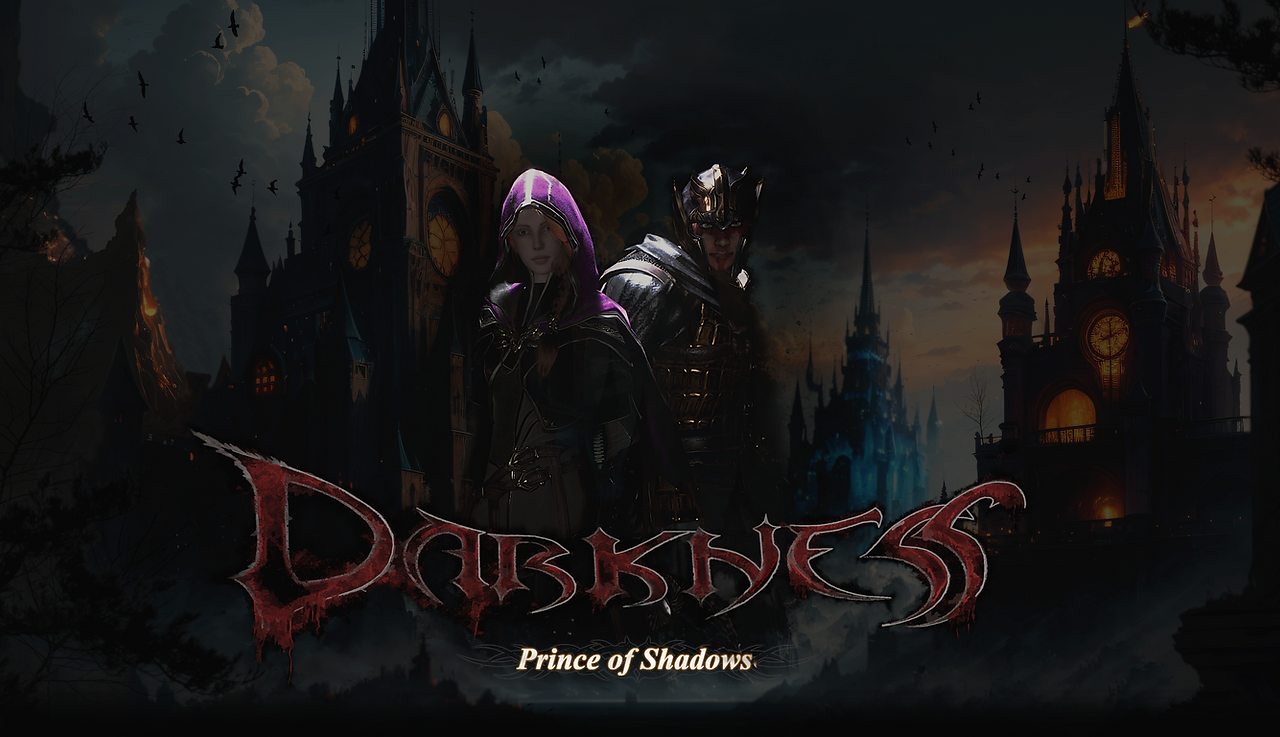
The aesthetic of Darkness: Prince of Shadows is its calling card: heavy contrast between harsh light sources and deep shadows, intricate Gothic architecture, and textures that evoke crumbling stone and ancient bloodstains. Screenshots highlight dynamic lighting effects—flames flickering against gargoyle-adorned archways, moonbeams filtering through shattered windows. The team’s Italian heritage surfaces in sculptural details and a muted color palette punctuated by splashes of crimson. This visual identity aims to evoke the feeling of a dark fable, where beauty and brutality coalesce at every turn.
Narratively, the game promises a mythic strand woven through a personal tale of redemption and sacrifice. Drawing loosely from Dante’s descent into the Inferno, players assume the role of a fallen prince seeking to reclaim lost honor and restore balance to a realm shrouded in eternal night. Through environmental storytelling—cryptic inscriptions, hidden murals, and whispered voiceovers—the game will hint at a deeper lore. If executed well, these narrative breadcrumbs could elevate the experience beyond pure action into something genuinely memorable.
Localization and Community Impact
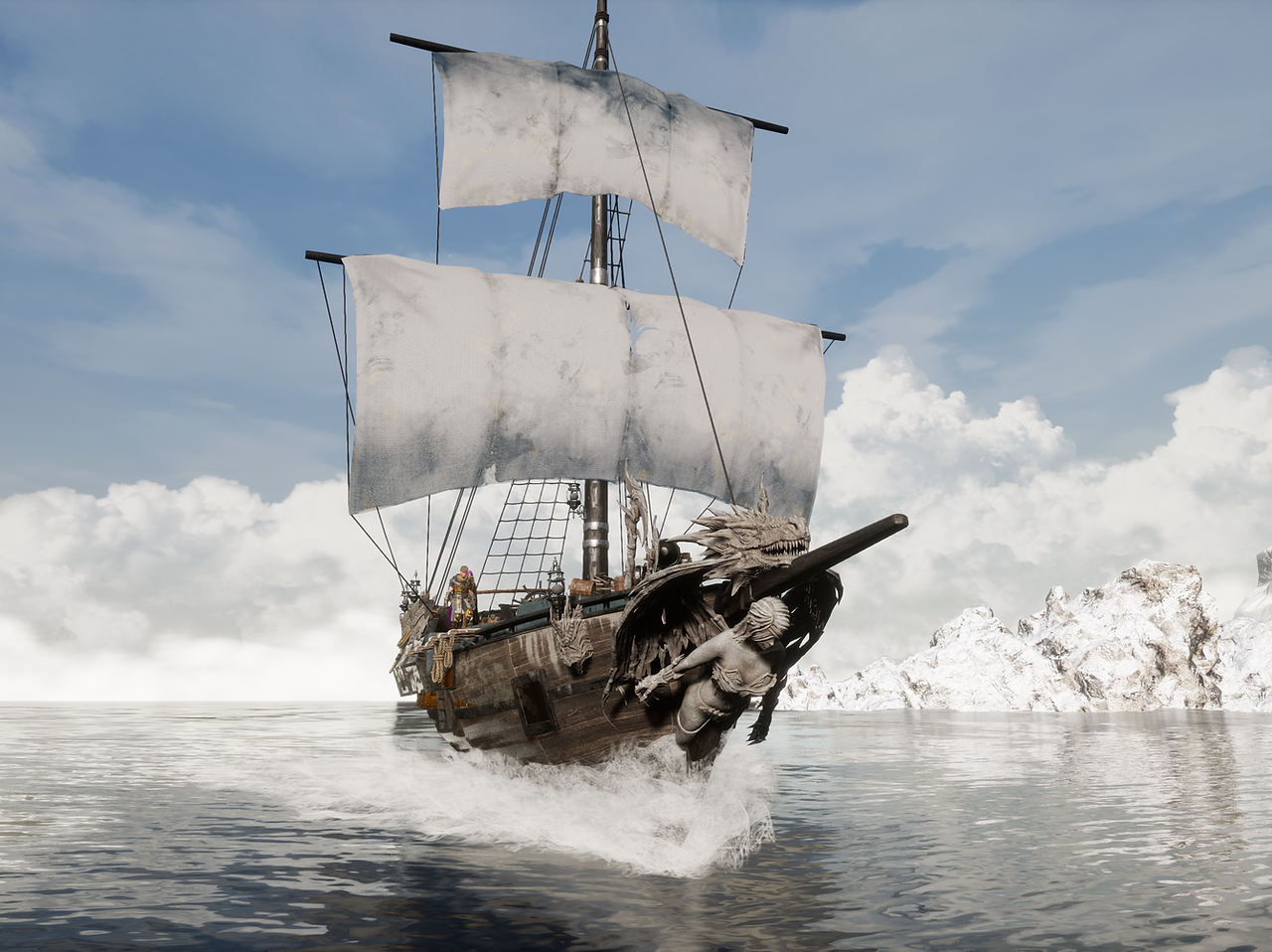
One of the game’s standout features is its planned support for seven languages: English, Italian, Spanish, French, German, Japanese, and Chinese. For a studio of this size, that commitment is remarkably ambitious. While menus and UI elements appear localized from the start, voice acting currently remains in English pending future investment. The developers view broad language support as crucial for reaching diverse markets and fostering a global community. It also signals respect for non-English audiences often underserved by small indie teams.
Communication is equally critical. After a prolonged period of silence, the sudden teaser drop—complete with cryptic social media posts—has reignited conversation among indie aficionados. A well-timed demo release on Steam would allow players to share feedback, generate word-of-mouth momentum, and build trust in a crowded marketplace. Community testing can uncover bugs and balancing issues far sooner, potentially shaping the final product. However, too much mystery without substance can backfire, so the upcoming demo must deliver on the promise of polished gameplay.
Potential Challenges and Criticisms
Despite its promise, Darkness: Prince of Shadows faces inherent risks. The small team size means resources are limited, and an overly ambitious scope could lead to delays or feature cuts. Performance optimization in a dynamic 2.5D environment—especially with complex lighting and particle effects—might strain older hardware. Additionally, aiming for global localization introduces logistical hurdles in translation accuracy and cultural nuance. If the demo reveals rough edges or balance issues, critics may question whether this project can truly deliver on its lofty aspirations.
Another potential pitfall is genre comparison. Hack-and-slash sidescrollers are plentiful, and borrowing visual and mechanical cues from heavyweights like God of War or Castlevania can invite unflattering comparisons. To stand out, the game must carve its own identity through unique level design, storytelling, or gameplay innovations. Only by transforming inspirations into original ideas can the studio avoid being labeled derivative. The upcoming demo will be the first real test of this creative alchemy.
Conclusion
Ultimately, Darkness: Prince of Shadows has all the ingredients of a standout indie adventure: a distinctive Gothic aesthetic, robust localization plans, and a demo poised to prove the team’s mettle. While the road ahead holds challenges—from technical hurdles to market competition—the project merits close attention. Soon, players will have the chance to judge for themselves, pad in hand.
Laisser un commentaire