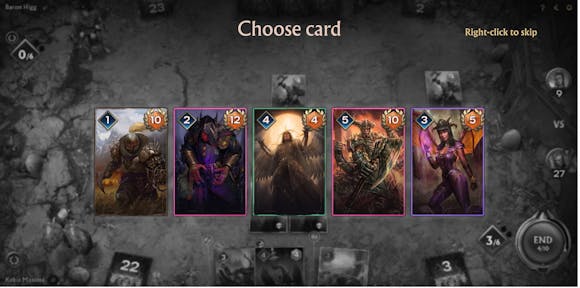
Honestly, whenever a new collectible card game promises to dodge the usual “pay-to-win” traps, my hype radar spikes—and so does my skepticism. After years watching the genre sink under predatory microtransactions, the announcement of Dfiance caught my attention… but is this really the fresh breeze strategic players have been waiting for, or just a marketing pitch too good to be true?
Zero Pay-to-Win: Bold Claim or Hollow Promise?
Dfiance enters the arena waving the anti-pay-to-win banner: a model where deck mastery, not wallet size, decides the outcome of matches. That pledge alone sets it apart from titans like Hearthstone or Yu-Gi-Oh! Duel Links, where progression often ties directly to purchases or relentless grinding. If Dfiance can maintain this stance long term, it would be one of the rare free-to-play titles that truly puts skill first.
History, however, is littered with titles that launch on principle only to backpedal once budgets balloon. The real test will come when Dfiance ramps up post-launch monetization—will cosmetic skins and season passes suffice, or will the temptation to introduce power cards prove irresistible? For now, the open demo feels like a trust-building exercise, inviting players to judge the model’s viability before financial pressures mount.
Deep Tactical Gameplay: More Than “Another Hearthstone”
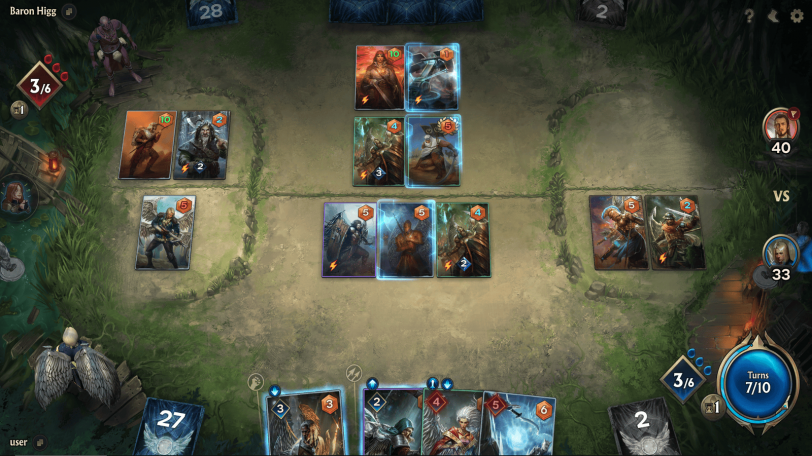
Most CCGs trot out the same core loop: draw, play, attack. Dfiance aims to break the mold with multiple “lanes,” each governed by its own terrain bonus and resource flow. This forces players to weigh split-second decisions: commit forces to a contested lane for control tokens, or shore up a weaker flank to deny your opponent momentum? It’s a system that evokes the strategic richness of games like Faeria or Duelyst, where board positioning can turn the tide in a heartbeat.
Tempo remains central: a well-timed card can snap a lane from defensive holding pattern into an all-out assault. Add in unit-specific abilities—healers that can jump lanes, siege engines that ignore blockers—and you end up with a battlefield that demands constant awareness. Deck-building, too, feels less cookie-cutter thanks to flexible slot limits and a modular mana curve. Will certain archetypes inevitably dominate? Almost certainly—but the breadth of options during the demo suggests plenty of room for creative brews.
Competitive Ecosystem: Modes for Every Player
- Ranked Matches: Climb seasonal ladders with leaderboard rewards that focus on cosmetics rather than power boosts.
- Tournaments: Scheduled cups for solo competitors and teams, complete with match replays and commentary tools.
- Custom Lobbies: Private games against friends or community figures, ideal for strategy testing and casual fun.
- Spectator Mode: Watch high-level play live, with real-time stats and lane-by-lane breakdowns—perfect for learning and community events.
By offering a full suite of PvP features from day one, the indie studio behind Dfiance signals it has serious competitive ambitions. A robust spectator mode not only supports aspiring pros but also fuels community engagement—an essential ingredient for a living, breathing esports scene.
Visuals and Audio: Immersion Over Blandness
At first glance, Dfiance’s art style leans into classic fantasy tropes—knights, dragons, spellcasters—but each unit arrives with distinct animations that avoid the “flat card” syndrome. Spells ripple over the battlefield, environmental effects shift as lanes change hands, and even ambient sounds respond to the match tempo. In a genre where visual fatigue is a real risk, these touches of polish can strengthen the player-card bond and keep the meta feeling fresh.
Of course, flashy effects can sometimes obscure clarity, so it will be crucial for the final release to balance spectacle with readability. Early feedback on the demo praises legibility, but only a larger player base will reveal whether seasonal updates can maintain both flair and focus.
Monetization Model: Walking the Tightrope
So far, Dfiance hints at monetization through optional cosmetics, battle passes featuring non-gameplay rewards, and possibly a rotating card rental system for newcomers. This approach, if executed fairly, could sidestep the usual pitfalls of loot-box fatigue and pay-to-progress. Yet, without hard numbers on cosmetic pricing and reward frequency, it’s impossible to fully assess sustainability.
Rather than invent figures, what Dfiance needs is ongoing transparency: drop rates for cosmetic items, the frequency of free battle pass tiers, and clear community channels for revenue feedback. As someone who’s seen indie studios pivot under investor pressure, I’ll be watching those metrics closely once the game exits demo and enters full release.
Early Access and Community Involvement
One standout move is the public demo, available now on PC via Steam. Inviting players into a live-build environment encourages direct feedback loops, crowdsourced balancing, and bug reporting before millions of users flood in. It’s a risk—bugs and server hiccups get amplified—but it’s also a sign of confidence that community voices will shape the final product.
Forums already buzz with strategy discussions, deck techs, and feature requests. If the developers maintain responsive patch notes and open dialogue, Dfiance could foster the kind of grassroots loyalty that elevates niche titles into sleeper hits.
What to Watch: Risks and Red Flags
- Monetization Creep: Will new card expansions remain earnable through gameplay, or slip behind paywalls?
- Balance Overload: Multiple lanes and unit abilities mean a heavier patch cycle—will the studio keep pace?
- Community Health: Toxicity can thrive even in pay-to-win-free environments—are moderation tools robust enough?
These are the pressure points that will determine whether Dfiance stays true to its mission or gradually folds under growth demands.
TL;DR: A Fresh Contender—or Another Broken Promise?
Dfiance stakes a bold claim: truly skill-based PvP, zero pay-to-win, deep lane-driven tactics, and a full competitive suite right out of the gate. The demo delivers on most of these fronts, but long-term success hinges on responsible monetization, consistent balance updates, and sustained community engagement. If the studio holds its nerve, we could finally see a CCG that truly respects strategy over spending—and the genre could use nothing more.
I’m keeping my controller—and my wallet—at the ready.
Laisser un commentaire