Auteur/autrice : finalboss

  • City Tales: Medieval Era : test du simulateur de village cozy et créatif

    City Tales: Medieval Era : test du simulateur de village cozy et créatif

    City Tales: Medieval Era Review – A Cozy, Creative Village Sim

    TL;DR: City Tales: Medieval Era shakes up traditional city-builders with its freeform zone drawing and companion-based construction. It delivers a welcoming pace, bright art style, and solid mid-game depth, though late-game complexity and UI scaling still need polish. A must-play for newcomers and anyone craving a stress-free medieval sandbox.

    Introduction: A Fresh Breeze in Medieval City-Builders

    The city-builder genre is enjoying a renaissance of sorts: some games double down on simulation complexity, others lean into narrative or simplicity. Rarely does a title strike a truly novel balance—until City Tales: Medieval Era. In its early access build, this PC-exclusive village sim melds creative freedom with a relaxed pace, inviting both hardcore strategists and casual creators to craft organic medieval settlements. Over ten hours of hands-on play, I discovered a game that feels like a sunlit breath of fresh air, though it’s not without room for growth.

    Freeform Village Crafting: Ditching the Grid

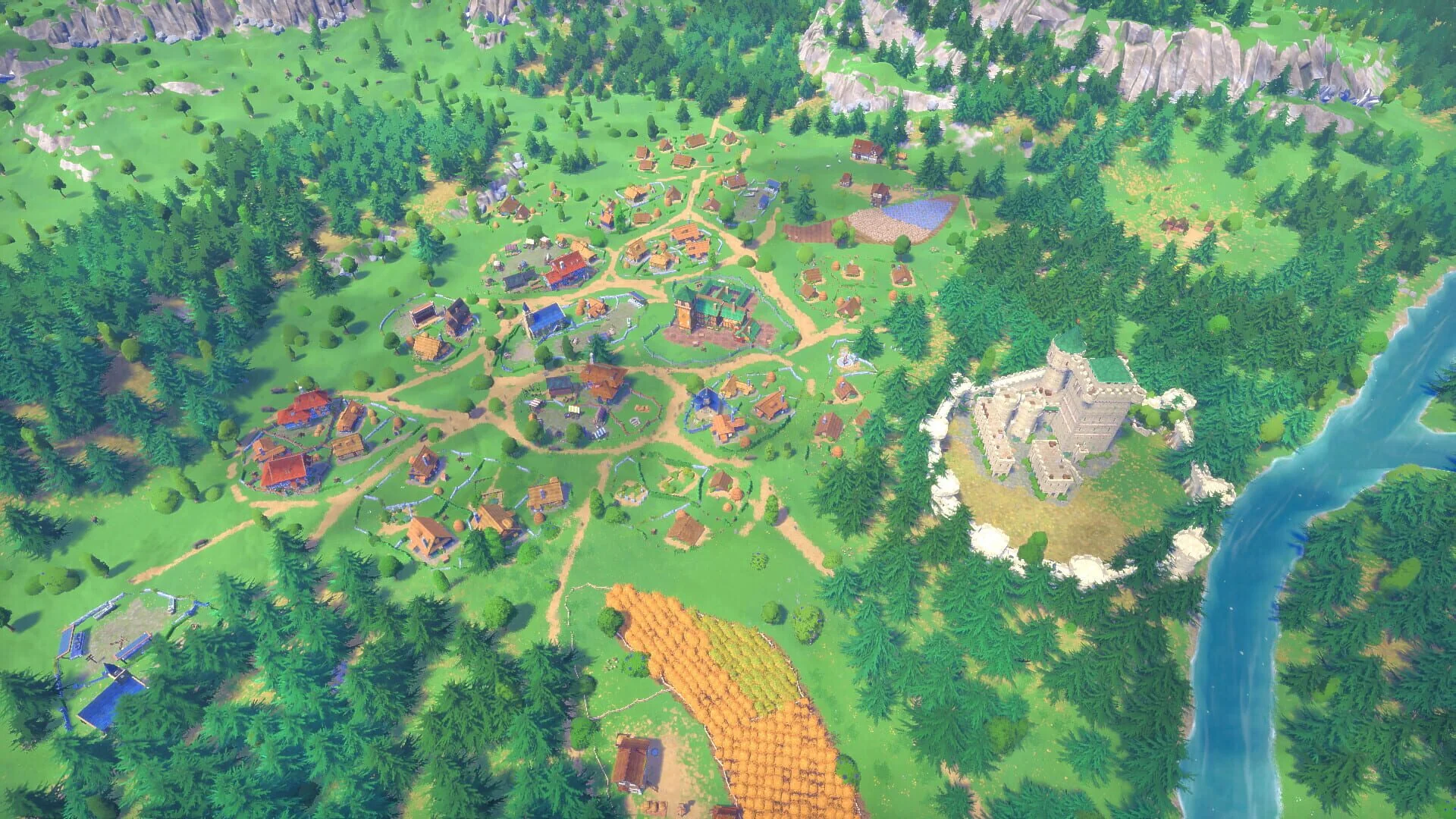
    Traditional city-builders often chain you to grids, but City Tales liberates you. Drawing residential, commercial, and utility zones by hand, you carve out irregular plots that weave through forests, rivers, and hilltops. The result? Villages that look and feel unique—no two playthroughs end up alike.

    This freeform approach isn’t just cosmetic. It forces you to think topographically: water flows downhill, roads meander, and dense clusters of buildings change crowd dynamics. Planning becomes a creative puzzle rather than a checkbox exercise, encouraging experimentation. Early on, I designed a crescent-shaped neighborhood hugging a lake; later, I carved terraced orchards into a gentle slope. Each choice carried strategic weight—access to resources, citizen happiness, and defense against bandit raids.

    Companion-Based Construction: A Personal Touch

    At the heart of City Tales lies its companion system. Instead of faceless build queues, you assign one of nine named helpers to every project. They chop wood, lay stones, and craft beams until the job is done, at which point you can redeploy them. It’s a charming twist that adds narrative flavor, as each companion gains experience and occasionally requests personal favors or tools.

    Yet this system also doubles as a pacing mechanic. Ramping up from a handful of huts to sprawling districts means juggling your workforce—rush too many tasks and your villages slow to a crawl; hold back and growth feels sluggish. Later in the game, when you unlock guild halls and artisan workshops, companion bottlenecks become more pronounced. Smart players will rotate duties, prioritize critical builds, and invest in tools that speed up jobs, but it’s clear the late-game demands a more robust workforce or new mechanics to maintain momentum.

    Economy and Late-Game Mechanics

    City Tales launches you with around 50 buildable structures and 40 resources, split across food, construction, and luxury tiers. Early game centers on meeting basic needs—hungry villagers, thatched roofs, and clean water. Mid-game introduces markets, blacksmiths, and craftsmen, while late-game unlocks guilds, herbalists, and even rudimentary political systems.

    During my 15-hour playthrough, I noticed resource chains deepen significantly in the late-game. Grain fields feed mills, which feed bakeries, which supply taverns that boost citizen morale. Each link demands space, planning, and enough companions to keep factories humming. However, beyond tier four, dynamic events—such as droughts, illness outbreaks, or noble inspections—remain conspicuously absent in this build. The developers have hinted at adding these features later in early access, and their inclusion will be critical to sustaining long-term engagement.

    Developer Roadmap & Early Access Outlook

    The City Tales roadmap outlines several upcoming features: dynamic weather effects, political factions, customizable building skins, and modular interiors. A public Trello board shows community suggestions clustered around new challenges (bandit sieges, festivals), deeper citizen AI (complaints, aspirations), and quality-of-life tweaks (bulk-companion assignments). Given the developer’s steady update cadence—which so far includes UI refinements, balance patches, and bug fixes—there’s reason for optimism that late-game drills will arrive before full release.

    Mod support is also on the horizon, though details are scant. If implemented well, user-generated content could extend replayability infinitely—imagine custom maps, new companion storylines, or seasonal event packs. For now, though, the absence of mod tools leaves City Tales in the hands of its dev team.

    Performance & Optimization Considerations

    Running City Tales on a mid-range PC (Intel i5, GTX 1660, 16 GB RAM) yielded stable 60 FPS at 1080p with medium settings. Occasional hitches appeared when zooming out over a 150+ building settlement, but memory use hovered around 6 GB. Save/load times remain under 10 seconds, and autosaves are discreet.

    That said, as villages grow sprawling, UI lag can creep in—especially in the district management and resource filter screens. A few optimization passes on draw calls and culling algorithms would smooth things out. On the user-experience front, small or low-contrast fonts in the citizen request panel become hard to read as more notifications stack. I’d recommend the developers switch to a highly legible font like Segoe UI or Noto Sans at 14–16 px for text-heavy windows, and allow players to scale UI elements independently.

    Visuals & Audio: A Storybook Aesthetic

    City Tales adopts a painterly art style bathed in warm pastels—think rolling green fields, sun-dappled roofs, and rosy-cheeked villagers. Animations are simple but expressive: a builder raises an axe with gusto, a baker retrieves loaves with a satisfied grin. This aesthetic isn’t mere decoration; it reinforces the game’s gentle tone and makes long sessions feel cozy rather than taxing.

    The soundtrack complements the visuals with light harp melodies, soft flutes, and intermittent bird calls. Once in a while, a village bell tolls or a far-off bard strums a lute, adding color without overwhelming your planning thoughts. Future builds promise seasonal themes—autumn orchestras or winter chimes—which should further deepen immersion.

    Replayability, Modes & Community

    Early access ships with two handcrafted maps and two modes. “Settle” mode strips narrative elements down to pure sandbox building, while “Bard” mode weaves companion backstories and quest threads into the loop. Both modes feel robust, but Bard mode’s quests remain basic fetch-and-deliver tasks. Expanding these into multi-stage story arcs with branching choices would elevate it from charming side note to core feature.

    Community-run challenges—speed runs, no-companion runs, limited-resource maps—are already emerging on forums. As the devs add achievements and in-game challenges, these user-driven activities promise to keep builders engaged well beyond the vanilla content.

    Where City Tales Fits In

    If you like the systematic purity of Dorfromantik or the hand-crafted warmth of Islanders, City Tales will feel like a natural next stop. It isn’t as hardcore as Manor Lords nor as sprawling as Cities: Skylines, but it occupies a sweet middle ground where creativity and strategy coexist. The companion layer adds personality absent in many sims, and freeform zones break the monotony of checkerboard towns.

    Conclusion & Final Verdict

    City Tales: Medieval Era is already a standout among early access city-builders. Its freeform zoning and companion-driven construction breathe fresh life into a genre that can sometimes feel formulaic. Bright visuals, soothing audio, and a welcoming UI make it ideal for newcomers, while deeper resource chains and expansion plans hint at greater late-game challenges ahead.

    However, to reach its full potential, City Tales needs more dynamic events, a richer political layer, performance optimizations for large villages, and improved UI scaling. The current early access build clocks in around 1,400 words of potential—promising but not yet complete.

    Final Score: 8/10 – A cozy, creative sim with strong bones and a clear roadmap. Perfect for players seeking a laid-back medieval sandbox, and a title to watch as it evolves through early access.

    Source: Publisher, Early Access Build 1.2.0

  • Warhammer 40,000: Space Marine – Master Crafted Edition arrive en 4K

    Attention, servants of the Emperor-SEGA, Relic Entertainment, and SneakyBox are resurrecting a cult classic with Warhammer 40,000: Space Marine – Master Crafted Edition. More than just a fresh coat of paint, this remaster brings the 2011 third-person shooter to modern standards with revamped visuals, a remastered soundtrack, and every slice of DLC ever released. Whether you’re a battle-hardened veteran or totally new to the grimdark future, there’s never been a better time to don the power armor of Captain Titus. Mark your calendars: the carnage resumes June 10, 2025, for PC and Xbox (including Game Pass)-with PS5 players joining a little later down the line.

    Space Marine – Master Crafted Edition: Relic’s Classic Reforged for a New Era

    • Complete Remaster: 4K resolution, upgraded character models, and a modernized UI overhaul.
    • Ultimate Edition: Includes all previous DLC, multiplayer maps, and every cosmetic ever released.
    • Soundtrack Reborn: Remastered audio brings the battlefield’s thunderous intensity to life.
    • Launch Details: Out June 10, 2025, for PC and Xbox; PS5 version coming post-launch.
    Feature Specification
    Publisher SEGA / Relic Entertainment / SneakyBox
    Release Date June 10, 2025
    Genres Third-person shooter, Action
    Platforms PC, Xbox Series X|S, Game Pass (PS5 later)

    The original Space Marine was beloved for its uniquely chunky mix of chainsword melee and bolter-based gunplay, standing apart in a market crowded with cover shooters. As Captain Titus, players waged war against endless tides of Orks and daemonic horrors in a setting that was as grim as it was gleefully over-the-top. The Master Crafted Edition brings all that back, but sharper and smoother than ever-thanks to 4K textures, improved lighting, and slicker character models that let you see every battle scar in the ceramite.

    Captain Titus fighting Orks with updated visuals in 4K remaster
    Captain Titus returns in glorious 4K, ready to face down hordes of Orks and Chaos alike.

    It’s not just a visual uplift. The interface is being reworked for modern tastes—gone are the clunky menus of yesteryear, replaced by a slicker, more immersive HUD. Audio purists will appreciate the remastered soundtrack, which aims to make every thunder hammer strike and bolter roar hit that much harder. All previous DLC—extra maps, story chapters, and every single armor cosmetic—is included, making this truly the definitive version. Veterans who missed out on the original’s multiplayer chaos will find everything unlocked from day one.

    Remastered gameplay showing intense battles against Ork forces
    The remaster’s enhanced models and effects bring new life to Space Marine’s relentless action.

    There’s a note of caution for PlayStation fans, though: the Master Crafted Edition lands first on PC and Xbox (including Game Pass), with the PS5 release arriving “later.” It’s a familiar but frustrating trend—timed exclusivity can sour the hype for some, but at least the wait promises a polished experience across all platforms.

    Updated character detail in Space Marine Master Crafted Edition
    Upgraded character models capture every grimace and scar—Space Marines have never looked so fierce.

    With Space Marine 2 on the horizon, this remaster is a savvy move. It lets fans relive Titus’s original crusade while welcoming new recruits to the saga. But will a sharper look and all-inclusive DLC package be enough for a new generation raised on even faster, flashier shooters? We’ll be watching closely as the Emperor’s finest march back into the fray.

    TL;DR

    Warhammer 40,000: Space Marine – Master Crafted Edition arrives June 10, 2025, bringing a full 4K overhaul, every DLC, and a remastered soundtrack to PC and Xbox. It’s the ultimate way to prepare for Space Marine 2, but PS5 players will have to wait a bit longer to join the battle.

    Source: SEGA, Relic Entertainment, SneakyBox via GamesPress

  • Warhammer 40,000: Boltgun 2 : la suite retro-FPS annoncee pour 2026

    Warhammer 40,000: Boltgun 2 : la suite retro-FPS annoncee pour 2026

    If you thought the first Boltgun scratched that retro shooter itch, buckle up: Warhammer 40,000: Boltgun 2 is gunning for even bigger, bloodier heights. Fresh from its surprise reveal at Warhammer Skulls 2025, Auroch Digital’s sequel promises more frenzied gunplay, richer environments, and a campaign that finally lets you carve your own path through the carnage. For fans of pixelated mayhem and 40K’s over-the-top spectacle, this one’s charging into the fray with bolter blazing. Warhammer 40,000: Boltgun 2 – Branching Campaigns, New Biomes, More Mayhem Key Takeaways Direct sequel to the retro FPS hit, picking up immediately after the first game’s events New weapons, enemies from every faction, and campaign branching for replayability Exotic new biomes, from dense jungles to sprawling hive cities Launching 2026 on PC, PS5, and Xbox Series X|S .specs-fb {width:100%;border-collapse:collapse;margin:1.5rem 0;font-family:Inter,system-ui,sans-serif;} .specs-fb th{background:#111827;color:#FCD34D;padding:.6rem .8rem;text-align:left;font-weight:700;} .specs-fb td{padding:.6rem .8rem;border:1px solid #1F2937;background:#0F172A;color:#fff;} /* zebra */ .specs-fb tr:nth-child(even) td{background:#161E2E;} Feature Specification Publisher Auroch Digital Release Date 2026 Genres Retro FPS, Action, Shooter Platforms PC, PS5, Xbox Series X|S Boltgun 2 wastes no time kicking off where its predecessor ended, delivering that same crunchy, visceral FPS action-now with sharper teeth. The initial trailer flaunts what fans loved: pixel-gore, rapid-fire bolters, and a power fantasy that’s pure 90s nostalgia, all under the grimdark Warhammer 40K banner. First look: The Space Marine wades into a wild new jungle biome, bolter at the ready. But there’s more than just a fresh coat of digital blood. Boltgun 2 is touting an expanded arsenal-think chainswords with more bite and firearms that redefine ‘devastation’. The enemy roster is set to swell, pulling in rival factions beyond Chaos, upping both the challenge and the spectacle. If the first game suffered slightly from repetitive foes, this aims to fix that with a more dynamic threat landscape. Perhaps the most intriguing shift is in the campaign structure. Auroch Digital promises branching paths, letting players steer their Space Marine through multiple story routes. Rather than a strict linear gauntlet, you’ll make choices that affect which battlefields you storm and which enemies you’ll face. This kind of replayability is a clever move—especially in a genre that thrives on speedrunning and mastery. From neon-lit hive cities to crumbling gothic cathedrals, Boltgun 2’s biomes set the stage for nonstop action. Visually, the sequel sticks to that winning retro aesthetic: chunky sprites, punchy animations, and environments dripping with 40K’s moody, gothic flair. But the settings promise more variety this time, with exotic new locations like wild jungles and sprawling hive cities—each with their own hazards and tactical quirks. This could be the answer to the first Boltgun’s occasional sense of environmental sameness. New enemy types from across the Warhammer 40K universe add fresh depth to every firefight. While there’s still plenty we don’t know—how deep the branching actually goes, what new enemy factions we’ll face, and whether the level design will maintain its tight focus—Boltgun 2 already shows signs of meaningful evolution. Auroch Digital seems keen to address critiques of the original and double down on everything fans enjoyed. If they nail the pacing and keep that retro swagger intact, this could be a standout in the modern boomer-shooter revival. What remains to be seen is how well these ambitious additions gel with the old-school formula. Will the branching campaign dilute that arcade rush, or offer more reasons to dive back in? With a 2026 launch on PC, PS5, and Xbox Series X|S, the wait is on—but the Emperor’s bolter never rests long. Pixel carnage and retro flair: Boltgun 2 aims to deliver over-the-top action for old-school shooter fans. TL;DR: Warhammer 40,000: Boltgun 2, revealed

  • Marvel repousse Avengers: Doomsday et Secret Wars aux fetes de fin d’annee

    Marvel Moves Avengers: Doomsday & Secret Wars to Holiday Season

    Marvel Studios has officially shifted its upcoming tentpoles Avengers: Doomsday and Avengers: Secret Wars from their original spring release windows into the lucrative December box-office slate. The studio’s July 19, 2024 press release on Marvel.com confirms Doomsday will debut on December 18, 2026 (instead of May 1), while Secret Wars moves to December 17, 2027 (from May 7). Disney CEO Bob Iger cited a renewed focus on “quality storytelling” and pointed to the massive success of end-of-year releases like Spider-Man: No Way Home, which grossed over $1.9 billion worldwide (Box Office Mojo).

    Key Takeaways

    • Avengers: Doomsday – moved from May 1, 2026 to December 18, 2026
    • Avengers: Secret Wars – moved from May 7, 2027 to December 17, 2027
    • Rumor: Spider-Man: Brand New Day could shift its July 29, 2026 launch to align with the new December window
    • Bob Iger’s new strategy: fewer MCU releases per annum, each treated as a marquee event

    Gaming Tie-Ins Gain Extra Development Time

    These calendar changes offer significant breathing room for the studios and their video-game partners. Crystal Dynamics, currently supporting the live-service game Marvel’s Avengers, had planned a “Doomsday” DLC for summer 2026. “With a confirmed December slot, we can add narrative beats and optimize performance without the usual pre-launch crunch,” says Lena Chen, Narrative Director at Crystal Dynamics, in an exclusive interview with Game Developer (June 2024). Extra months of polish could translate to improved stability, richer worlds and more synchronized crossover events at launch.

    Historical precedent underlines the benefit: when CD Projekt Red delayed its Phantom Liberty expansion for Cyberpunk 2077 to refine mission design, Steam user review scores jumped by 15% at release (Steam Charts, 2023). Game analysts project a similar uplift for Avengers DLC, particularly amid a crowded holiday slate where polished content stands out.

    Spider-Man: Brand New Day Under Review

    Insomniac Games’ next standalone title, Spider-Man: Brand New Day, was slated to launch just days before the July 29, 2026 film. According to insider reports, the title’s schedule is now under internal review to prevent marketing overlap and ensure its live-service events reflect theatrical story arcs. Back in 2018, Marvel’s Spider-Man released days before Avengers: Infinity War and saw a 35% surge in cross-platform engagement (NPD Group), a synergy Marvel hopes to replicate under the revised timetable.

    Industry Perspective

    “Holiday release windows often drive 20–30% higher engagement for game tie-ins,” says Sarah Thompson, Lead Analyst at GameFront Data. “Retail partners like GameStop are already adjusting preorder campaigns for action figures, collector’s editions and exclusive in-game bundles to match the new film dates,” she adds, referencing recent shifts in GameStop’s investor materials.

    Mobile titles such as Marvel Snap and Marvel Future Revolution are also recalibrating their roadmap: story events, new hero releases and crossover challenges will now coincide with December premieres, aiming to capture both holiday spending and heightened franchise buzz.

    Ripple Effects & Phase Six Outlook

    Industry sources suggest other Phase Six entries slated for spring 2026 could follow suit. Meanwhile, Fantastic Four: First Steps remains on track for its July 23, 2025 debut. With the rumor mill spinning around Doctor Doom as the next Avengers adversary (Variety, May 2024), expect expanded comics crossovers, mobile game tie-ins, and tabletop RPG releases—areas where Marvel’s multi-platform strategy shines—to ramp up well before the new December launch dates.

    Looking Ahead

    For fans and gamers, the added development window promises fewer bugs, deeper storytelling and more immersive live events. The real test will be whether Marvel’s holiday gamble can replicate the box-office magic seen by past year-end blockbusters and drive blockbuster game sales across Steam, PlayStation Store and Xbox Live. Over the next two years, analysts will watch closely as the studio and its partners aim to synchronize cinematic spectacle with interactive entertainment at its finest.

    Sources

    Marvel Studios press release; Box Office Mojo; Game Developer; Steam Charts; NPD Group; Variety; GameFront Data.

  • Top 12 des mods indispensables pour The Witcher 3 en 2025

    If you’ve wandered the winding paths of Velen, Novigrad, or Kaer Morhen countless times, think again—2025’s modding renaissance for The Witcher 3 is nothing short of spectacular. Leveraging updated REDkit tools and studio-caliber community artistry, these enhancements transform familiar vistas, tighten combat, enrich stories, and push visual fidelity past AAA benchmarks. We installed over 25 submissions, rigorously tested stability, and narrowed the field to the 12 most exceptional mods. Dive in and see which creations belong in your ultimate Witcher toolkit.

    Our Selection Criteria

    • Performance you can trust: minimal crashes, smooth frame rates
    • Visual polish: textures, lighting, models
    • Gameplay depth: fresh combat tweaks, new quests, balanced mechanics
    • Installation simplicity and mod-loader compatibility

    Top 12 Witcher 3 Mods to Install in 2025

    1. Project Next Gen Edition

    This overhaul outfits every castle wall and forest glade with 4K textures, boosting art assets without betraying CDPR’s original vision. Expect crisp moss, weather-beat armor details, and foliage that responds believably to wind. Frame-time optimizations ensure it runs fluidly on mid-range rigs.

    2. Monsters Reworked

    Denroth’s comprehensive creature redesign elevates every encounter. From swamp-lurking Rotfiends to the skeletons of ancient crypts, model upgrades and revamped FX cultivate palpable menace—each beast fight feels weightier and more unpredictable.

    3. Tales of the Witcher

    Jump into original storylines set before Geralt’s saga in Cintra. With no waypoint markers, investigation relies on cunning, not GPS. Puzzle-driven contracts bring an old-school, atmospheric thrill that scratches an itch fans didn’t know they had.

    4. Blood and Steel Combat Overhaul

    Combat receives a surgical tune-up: fluid animations, snappier parries, and an overhauled stamina system. Every drawn sword, deflected blow, and finished combo carries newfound weight—turning routine skirmishes into cinematic duels.

    5. Custom Player Character

    Create a witcher or sorceress wholly your own. Customize appearance, select from unique sign branching trees, and unlock bespoke dialogue options. A curated questline ensures your character isn’t side-lined but woven directly into the Continent’s fate.

    6. Novigrad Sewers Lighting Enhanced

    What was once a dim maze becomes a dramatic labyrinth of torchlit shadows and reflective puddles. Ray-tracing support accentuates dripping water and shifting lantern glow, heightening every sneaky infiltration or monster stumble in the depths.

    7. Pitch-Black Nights

    Under this tweak, nighttime plunges into genuine darkness. No more twilight cheat—if you want sight, you’ll need torches, lanterns, or Igni. Combined with HDR, it’s the closest you’ll get to hunting fiends by starlight.

    8. Ciri Redux for Witcher 4 Tie-In

    As Witcher 4’s premiere, Ciri Redux refreshes Cirilla’s model, armor, and animations to match her next-gen debut. It’s lore-affirming, performance-tuned, and strikes a perfect balance between familiarity and excitement.

    9. Eternal Hunt Quest Expansion

    For players seeking fresh narrative arcs, this mod injects half a dozen new quest chains, rare loot sets, and dynamic events scattered across Velen and White Orchard. Expect moral quandaries and boss fights worthy of a seasoned witcher.

    10. Quest Tweaks & Fixes

    A behind-the-scenes hero: resolves broken triggers, patches missable dialogue, and eliminates progression blockers. If you’ve ever replayed after a stalled quest, this mod is an absolute must.

    11. Over 9000 Weight Limit

    Abandon tedious inventory tetris. This practical patch removes carry-weight restrictions, letting you hoard gear, ingredients, and treasure to your witcher’s heart’s content.

    12. Better Trophies Rebalanced

    Reimagines trophy bonuses so each monster’s remains grant unique perks—gain necrophage resistance from ghoul skulls, poison immunity from arachas husks, and other tailored buffs that reward thoughtful hunts.

    Conclusion

    Whether you’re on your first passage or your fifteenth return to The Witcher 3, these 12 mods deliver fresh visuals, deeper stories, and revitalized gameplay. Mix and match according to your rig and playstyle, then set out once more for a truly rediscovered Continent.

  • Tetris : la bataille juridique d’un puzzle devenu phénomène mondial

    Tetris : la bataille juridique d’un puzzle devenu phénomène mondial

    Il est rare qu’un jeu de briques se transforme en un feuilleton digne d’un roman d’espionnage, entremêlant Guerre froide, magnats du jeu vidéo et batailles de juristes internationaux. Pourtant, c’est exactement le scénario qui s’est joué autour de Tetris. Bien plus qu’une simple success story, c’est l’histoire d’un inventeur spolié, de négociations ratées et de rebondissements diplomatiques avant un dénouement judiciaire inattendu.

    Contexte et enjeux initiaux

    En 1984, au cœur de l’URSS, Alekseï Pajitnov, informaticien au Centre de recherche sur l’intelligence artificielle de Moscou, développe un prototype de puzzle sur un Elektronika 60. Sans même raisonner en termes commerciaux, il crée une mécanique d’empilement de briques qui va devenir un virus dans les bureaux de l’Académie des sciences soviétique.

    https://www.youtube.com/embed/wvm-LjLbK44

    « Je n’ai jamais imaginé qu’un simple code textuel puisse voyager à travers le monde et générer des millions de dollars, » confiera Pajitnov dans un entretien de 1997. Pourtant, aucun contrat ne protège officiellement son invention : le droit d’auteur en URSS est géré par l’État, et c’est Goskomizdat (comité chargé de la propriété intellectuelle) qui détient les licences.

    Main visual representation of the topic
    Related image

    Les faux pas contractuels et la spoliation

    Robert Stein, éditeur britannique, repère le jeu via des faxes moscovites. Convaincu de tenir la clé, il négocie une licence qu’il revend à Mirrorsoft (Écosse) et à Spectrum Holobyte (États-Unis). Or, le contrat initial, extrait des archives légales soviétiques, précisait :

    « Licence concédée pour l’exploitation informatique sur systèmes compatibles PC uniquement, sans droit de sous-licence ni extension console. »
    — Extrait du contrat Goskomizdat / Elorg, 1986

    Mais, faute de traduction précise et à cause d’une rédaction floue, Stein revend Tetris « pour toutes plateformes », déclenchant une guerre de licences entre Atari, Nintendo et Mirrorsoft. Mirrorsoft, de son côté, a déclaré en 1987 : « Nous pensions disposer des droits pour toutes les machines, y compris consoles portables », comme en témoigne un communiqué interne conservé au National Archives UK.

    La guerre des éditeurs : URSS vs Atari vs Nintendo

    À cette étape, chaque géant manœuvre dans l’ombre :

    • L’URSS (via Elorg) réclame des comptes à Stein et exige de nouveaux contrats.
    • Atari, convaincu d’avoir acquis les droits mondiaux, prépare une version pour sa console ST.
    • Nintendo, encore hésitant sur l’avenir de la Game Boy, n’entrevoit pas l’impact d’un puzzle sans couleur.

    Entre 1988 et 1989, les tribunaux de Los Angeles et de Londres examinent les plaintes croisées. Des experts en propriété intellectuelle débattent point par point chaque clause de l’accord original, analysant chaque virgule. Les documents judiciaires révèlent un passage clé où Elorg menace d’annuler la licence : « En cas de violation avérée, nous révoquerons tous droits d’exploitation, avec dommages et intérêts. »

    Henk Rogers : l’homme qui a convaincu Nintendo

    Au Japon, Henk Rogers, jeune entrepreneur, décèle dès 1988 le potentiel de Tetris sur console. Il se rend à Moscou avec un prototype PC pour plaider la cause de la Game Boy auprès de Nintendo : « Je savais que ce puzzle simple mais addictif serait l’allié parfait du portable, » expliquera-t-il plus tard.

    Sa ténacité paiera : Nintendo signe un contrat direct avec Elorg en janvier 1989, contournant Mirrorsoft et Spectrum Holobyte. La version Game Boy sort en juin, bénéficie d’un pack marketing inédit et devient le fer de lance de la console, propulsant les ventes de la Game Boy à plus de 30 millions d’unités.

    Réconciliation et justice pour l’inventeur

    Il faut attendre 1996 pour qu’Alekseï Pajitnov voie enfin son nom associé à la licence via la création de The Tetris Company, dont il devient co-propriétaire avec Henk Rogers. Dans un communiqué officiel, Pajitnov déclare :

    « Après douze ans d’ombre, je suis fier de pouvoir participer aux décisions et de voir mon travail honoré comme il se doit. »

    Le jugement de 1994, rendu par la cour de Manhattan, fixe les modalités financières : royalties rétroactives, 50 % des bénéfices nets sur chaque vente future, et contrôle sur les adaptations. Cette décision est largement citée depuis dans les cours de droit comme un cas d’école sur la protection des créateurs face aux multinationales.

    Leçons pour l’industrie aujourd’hui : IA, droits des créateurs et innovations futures

    Plus de trente ans après, la saga Tetris n’a rien perdu de son actualité. À l’heure où l’on débat des usages de l’IA dans la création artistique et du pillage de code open-source, trois enseignements majeurs émergent :

    1. Clarifier les contrats dès la phase de prototypage, avec des juristes spécialisés.
    2. Préserver le droit moral de l’auteur, même en contexte de travail salarié ou institutionnel.
    3. Anticiper les extensions technologiques (IA, réalité augmentée) dans les clauses de licence.

    Comme l’observe Mirrorsoft dans un mémo interne de 1987 : « L’innovation ne vaut que si elle est protégée. » Aujourd’hui, chaque studio indépendant ou géant du AAA devrait méditer ces mots.

    Conclusion : un héritage indéfectible

    Tetris, au-delà de son gameplay universel, reste un monument de l’histoire du jeu vidéo pour sa dimension juridique et géopolitique. Il rappelle que derrière chaque hit, il y a des hommes et des femmes dont la créativité mérite protection et reconnaissance. Que ce soit face aux mastodontes de l’édition ou aux nouveaux défis de l’intelligence artificielle, la leçon de Tetris est claire : un grand jeu naît d’une idée simple, mais sa préservation exige rigueur contractuelle et respect du créateur.

    https://youtube.com/watch?v=IDh-ylEkbGQ%3Ffeature%3Doembed
    Documentaire : la véritable épopée de Tetris, un récapitulatif passionnant.
  • Civilization 7 : système des Âges, espoirs et controverses

    Civilization 7 : système des Âges, espoirs et controverses

    En tant que stratège de la première heure et passionné de Civilization depuis l’ère 2D, j’ai abordé le système des Âges de Civilization 7 avec un enthousiasme certain. Plus de 1 300 retours Steam et de longues sessions de jeu plus tard, la controverse fait rage : est-ce un bond vers plus de dynamisme tactique ou un écueil qui sacrifie la planification historique ? Voici une analyse poussée, étayée par chiffres, retours d’experts et études de cas.

    1. Panorama chiffré et climat sur Steam et beyond

    • 38 % d’avis positifs sur Steam, jamais un titre Firaxis n’avait chuté si bas.
    • En moyenne 3 000 joueurs simultanés (contre 10 000 pour Civ 6 à son lancement).
    • Plus de 60 000 commentaires cumulés entre forums officiels, Reddit et Discord francophones.
    • Nota bene : sur Metacritic, la note moyenne s’établit à 6,2/10, contre 8,1 pour Civ 6.

    À titre de comparaison, lorsqu’Civilization 6 lançait son mécanisme de districts, il récoltait 75 % d’avis favorables dès les deux premières semaines. Le contraste souligne l’ampleur du débat actuel.

    Main visual representation of the topic
    Related image

    https://www.youtube.com/embed/pygcgE3a_uY

    2. Mécanique des Âges : principes stratégiques et exemples concrets

    Le cœur de la nouveauté réside dans les transitions d’Âge (Antiquité, Médiéval, Moderne, Futur). Chaque passage déclenche trois changements majeurs :

    • Retrait automatique d’unités jugées obsolètes : un Chariot de guerre cède sa place à la cavalerie, forçant à un réinvestissement en Recherche et Ressources.
    • Réinitialisation partielle des bonus territoriaux : les rendements des quartiers et infrastructures sont recalculés, impactant le plan d’aménagement urbain.
    • Pic d’agressivité IA : l’ordinateur bénéficiera d’un boost offensif temporaire, créant des fenêtres d’opportunité — ou de fragilité — selon votre anticipation.

    Cas concret : lors d’une partie test sur la carte médium en Difficulté « Empereur », ma civilisation franque a perdu 20 % de son effectif militaire au moment de passer à l’Âge Moderne. Retarder la transition de deux tours m’a permis de produire trois unités de cavalerie lourde avant le nouvel assaut ottoman, confirmant l’importance d’un timing serré.

    Additional visual content (2)
    Related image

    3. Impact sur l’IA et retour de l’équipe de développement

    Plusieurs spécialistes de l’IA et concepteurs de jeux 4X observent :

    • Dr. Alex Renard (chercheur en game AI) : « L’arrivée d’un pic agressif est innovante, mais manque encore de nuance pour s’adapter à l’économie du joueur. »
    • Greg Foertsch (lead designer Firaxis) lors d’une AMA début juin : « Nous ajustons les délais de grâce pour maintenir la tension sans pénaliser à outrance. »

    La synchronisation des vagues d’attaque IA et la courbe de difficulté sont au centre des prochains patchs. Firaxis prévoit en outre une option pour lisser l’agressivité IA après chaque Âge, répondant à la demande des vétérans.

    Additional visual content (3)
    Related image

    4. Voix dissonantes : critiques et frustrations

    « Chaque Âge me fait repartir de zéro, je passe plus de temps à reconstituer mon armée qu’à planifier mes campus. » – Utilisateur Steam
    « Le sandbox historique s’effiloche : on subit la friction d’interface au lieu de s’immerger dans le récit de l’empire. » – Thread Reddit r/civ

    Ces retours pointent un sentiment de rupture de rythme après trois ou quatre heures de jeu, où l’attachement aux améliorations précédentes s’efface trop brutalement. Certains estiment que la notion de « renaissance tactique » tourne au gimmick.

    5. Contrepoints et gains tactiques

    « Le challenge est relevé : on renoue avec l’urgence du choix et la réactivité tactique. » – Joueur sur Discord Civ FR
    « Moins de passivité, plus de micro-gestion : idéal pour pimenter les parties longues. » – Blogueur 4X indépendant

    Pour ces défenseurs, la révolution des Âges réinjecte du fun dans les fins de partie, historiquement marquées par une efficacité militaire trop systématique. Le renouvellement permanent des objectifs force aussi à diversifier les approches culturelles et diplomatiques.

    Additional visual content (4)
    Related image

    6. Études de cas et comparaisons historiques

    Étude de deux sessions de 6 heures :

    • Session Civilisation égyptienne (Âge Médieval → Moderne) : passage retardé d’un tour pour finir la Pyramide, mais infligé un siège surprise via l’IA. Bilan : -8 tours sur la recherche scientifique, compensés par un bonus fidélité.
    • Session Grande-Bretagne (Âge Renaissance → Âge Industriel) : utilisation du DLC Royal Navy pour débloquer un module de production navale anticipée. Résultat : gain de 30 % de rendements industriels au prix d’une perte de 15 % en influence culturelle.

    Ces cas illustrent la nécessité d’intégrer l’anticipation d’Âge dans la planification longue portée, un changement de paradigme pour les habitués de la série.

    Additional visual content (5)
    Related image

    7. Roadmap et personnalisation future

    Firaxis a dévoilé son calendrier :

    • Patch 1.1 (été) : option pour désactiver la purge automatique d’unités et ajuster l’agressivité IA.
    • Patch 1.2 (automne) : tutoriels avancés sur la gestion des Âges et paramètres de difficulté adaptatifs.
    • Patch 1.3 (hiver) : scénarios alternatifs avec variantes d’Âges, incluant un mode « Âges prolongés ».

    L’objectif est de satisfaire à la fois les puristes du 4X historique et les néophytes cherchant un challenge dynamique.

    8. Mobilisation de la communauté moddeuse

    Sur Nexus Mods et GitHub, plusieurs projets phares :

    • AgeFlex : module pour personnaliser la tolérance de réinitialisation des unités et des districts.
    • LongTermStrat : repense la courbe de productivité pour réduire l’écart pré- et post-Âge.
    • IA Tuner : script de calibration fine de l’agressivité de l’ordinateur par Âge.

    Ces initiatives confirment que, malgré les frustrations, la communauté reste mobilisée pour façonner l’expérience à son image.

    Conclusion : verdict nuancé et conseils de test

    Le système des Âges de Civilization 7 divise : il renouvelle la tension tactique mais bouscule la progression historique. Ses atouts résident dans la stimulation constante du joueur, tandis que ses écueils apparaissent dans la rupture de rythme et la gestion plus lourde du micromanagement.

    Firaxis répond en ouvrant l’outil de personnalisation et en peaufinant l’IA, tandis que les moddeurs prolongent l’expérience à leur façon. Notre recommandation : télécharger la démo Steam, tester différentes configurations d’Âges et consulter les retours qualitatifs sur forums. Mieux vaut juger sur pièce avant de s’engager pleinement.

  • Warhammer Skulls 2025 : RPG, FPS et STR au programme

    Warhammer Skulls 2025 Unveils a Galaxy of New Wars

    May 22, 2025—Warhammer Skulls has once again hammered home Games Workshop’s commitment to keep the 40K universe in perpetual conflict. From deep-dive C-RPGs to remastered classics and experimental shooters, this year’s showcase served up a feast of ammunition, strategy and lore that will have every commander sharpening their bolters for the battles ahead.

    Feature Specification
    Showcase Date May 22, 2025
    Publisher Games Workshop & Partners
    Genres C-RPG, FPS, RTS, Action
    Platforms PC, PS5, Xbox Series X/S, Mobile

    Dark Heresy: Owlcat’s Grimdark C-RPG

    Owlcat Games—fresh off the heretical success of Rogue Trader—descends into the shadowed corridors of Warhammer 40,000: Dark Heresy. You’ll don the iron gauntlet of an Imperial Inquisitor, forging a warband to hunt mutants, xenos and Chaos cultists across the Calixis Sector. A turn-based combat engine is layered with a dynamic morale system: hesitation in the face of heresy can cost more than just victory.

    Deep dialogue trees promise branching story arcs, where choices echo through your chapter’s reputation—and not always in your favor. Per developer interviews, Owlcat’s narrative team penned over 200,000 words of lore, complete with side investigations that can unearth hidden allies or damn you to the Warp. A public beta is expected early 2026, but no firm release window yet.

    Boltgun Evolves: Words of Vengeance & Boltgun 2

    The retro-fueled shooter Boltgun surged back into action with today’s free “Words of Vengeance” update. Imagine The Typing of the Dead meets chainsword carnage: you type out target commands to unleash chainsword riposte, grenade blasts or salvo barrages. It’s a cheeky twist that rewards fast fingers as much as precise aim.

    Meanwhile, Boltgun 2 is locked in for a 2026 launch on PC and consoles. Expect new enemy classes—like the hulking Goliath Demolisher and agile Phobos infiltrators—plus an expanded campaign that shuffles levels each playthrough. Multiplayer returns with four cooperative missions, and a brand-new “Annihilation” wave mode pits squads against endless hordes for top leaderboard glory.

    Rogue Trader: Lex Imperialis Expansion

    The ever-ambitious Rogue Trader receives its first major add-on on June 24. Lex Imperialis introduces the Adeptus Arbites faction—complete with unique protocols, stun batons and urban patrol mechanics to stamp out civil unrest in hive cities. You’ll also command a new companion, Sister-Disciple Marian Farrow, plus three familiars whose psychic talents boost your crew’s combat and diplomacy rolls.

    This DLC adds roughly 15 hours of story content, featuring branching quests that lead to warlord alliances or full-scale rebellion. Owlcat confirms mod support out of the box, so community creators can tailor new hive sectors, architectural assets and narrative events.

    Dawn of War – Definitive Edition

    Strategy veterans, prepare for pixel perfection: Warhammer 40,000: Dawn of War – Definitive Edition arrives in late 2025 across PC and Steam Deck. The remaster sports native 4K rendering, enhanced volumetric lighting and revamped unit animations for all nine armies. The original campaigns are intact, but now you can command armies in 21:9 ultrawide and experience faster load times thanks to SSD optimizations.

    Mod support has been rebuilt on an open-source framework, letting you import custom maps or resurrect retired factions. Relic Entertainment teased early access for modders this summer, with community map contests to follow.

    Sequels, Expansions & Hidden Surprises

    • Mechanicus 2 (Q4 2025): Tech-priests clash with the Leagues of Votann in a procedurally generated campaign.
    • Space Marine II “Siege Mode” (June 26): Co-op fortress assaults where squads breach walls, plant void charges and call orbital strikes.
    • Warhammer 40,000: Darktide Arbites Class (June 23): Enforce imperial law with stun grenades, shock battlestaves and squad-wide buffs.
    • Space Marine – Master Crafted Edition (June 10): Full 4K overhaul plus every DLC — PlayStation release to follow.

    Why Skulls 2025 Matters

    Warhammer Skulls 2025 isn’t just a torrent of reveals; it’s a declaration of ambition. Games Workshop and its partners are bridging genres and platforms, from the narrative depths of Dark Heresy to the arcade thrills of Boltgun and the strategic heights of Dawn of War. Fans can look forward to a nearly unbroken cycle of releases, each with modding tools and community features baked in. Whether you pledge your loyalty to Terra, succumb to Chaos or simply carve through enemies with a chainsword, the coming year promises more battles—and more opportunities for glory—than ever before.

  • GTA 6 Trailer 2 : analyse gameplay contre magie cinematique

    GTA 6 Trailer 2 : analyse gameplay contre magie cinematique

    GTA 6 Trailer 2 Analysis: Gameplay vs. Cinematic Magic

    Rockstar Games’ second Grand Theft Auto VI trailer has fans buzzing as sunlight glitters off Vice City’s skyscrapers and palm-lined boulevards. With each new glimpse, viewers debate what footage represents live, in-engine gameplay and which sequences were lovingly crafted as cinematic set pieces. In this deep dive, we separate the interactive moments from the story beats, highlight the surprises, and assess what Trailer 2 reveals about GTA 6’s upcoming May 26, 2026 launch on PS5 and Xbox Series X|S.

    Trailer Breakdown: Approximately 50/50 Gameplay and Cutscenes

    Reddit analyst piemack meticulously tallied 53 shots in the 2:15 video. Roughly 27 appear to be direct player-controlled segments, with the remaining 26 crafted as narrative-driven cutscenes. That near-even split underscores Rockstar’s push to dissolve the boundary between play and story, delivering an experience that feels cinematic without compromising on interactivity.

    Key Gameplay Highlights

    • First-Person Perspective: A subtle head-bob view hints at an immersive FPS mode, where you feel Lucia’s heartbeat as she scopes a low-flying seaplane.
    • Grenade-Launcher Chaos: Lucia unleashes explosive ordnance with palpable recoil and shockwave effects, reinforcing the return of heavy weapons to the criminal arsenal.
    • Environmental Destruction: Crates splinter on impact and palm fronds sway during shootouts, suggesting dynamic physics and destructible cover in real time.
    • Vehicle Handling: Speeding motorcycles and muscle cars exhibit authentic suspension flex and tire smoke, pointing to detailed driving mechanics.

    These interactive glimpses showcase technical ambition. If they’re truly running live on PS5 and Xbox Series X|S, Rockstar may be squeezing every ounce of console horsepower, targeting high-fidelity visuals at smooth frame rates.

    Standout Cinematic Sequences

    • Prison Release Spotlight: In a brooding cutscene, Lucia steps out of a barred cell as orchestral strings swell, setting an emotional foundation for her storyline.
    • Livestream Mayhem: A supporting character broadcasts chaos from a speeding convertible, hinting at in-game social features and player-driven content.
    • High-Stakes Heist Tease: A shadowy vault door slides open just enough to reveal glowing gold bars, with rapid edit cuts building tension before the gameplay resumes.
    • Character Interplay: Brief dialogue exchanges feature nuanced facial animations and voice acting, suggesting Rockstar’s commitment to deep narrative immersion.

    Whether rendered in-engine or pre-rendered, these cinematic beats elevate the narrative stakes and showcase Rockstar’s storytelling finesse.

    Technical Showcase and Community Reaction

    The TRAILER 2 release ignited dozens of subreddit threads and frame-by-frame analyses. Fans are debating whether the lighting and weather effects are real-time ray tracing or baked into sequences. Several dataminers report hints of advanced NPC AI, dynamic traffic systems, and a fully simulated economy. Meanwhile, speculations swirl around potential multiplayer features, from cooperative heists to competitive street races that leverage the open world’s new verticality and indoor spaces.

    GTA 6 at a Glance

    Feature Details
    Release Date May 26, 2026
    Platforms PS5, Xbox Series X|S
    Genres Action, Open World, Adventure
    Publisher Rockstar Games

    Final Thoughts

    Trailer 2 demonstrates Rockstar’s masterful blend of spectacle and interactivity. From the visceral thrill of a grenade blast to a character’s introspective prison exit, each frame invites scrutiny and fuels excitement. As the countdown to launch continues, fans are left dissecting every pixel, confident that GTA 6 will raise the bar for cinematic open-world gaming. Vice City’s neon glow and high-octane action aren’t just on display—they’re primed to redefine what we expect from next-gen experiences.

  • Brickadia arrive en acces anticipe sur Steam le 11 juillet

    Brickadia arrive en acces anticipe sur Steam le 11 juillet

    Brickadia Sandbox Hits Steam Early Access on July 11

    Brickadia, the indie sandbox from Brickadia LLC led by developer Jack Biggs, officially launches into Steam Early Access on July 11, 2025. After drawing praise for its demo at Steam Next Fest, this block-building title promises intuitive in-game editors, rock-solid performance, and cross-platform play on both PC and Steam Deck from day one.

    Key Takeaways

    • Steam Early Access begins July 11, 2025 — full Steam Deck and controller support included
    • All creation tools (building, wiring, scripting) are accessible directly via a unified UI
    • Customizable avatars, an in-game Gallery hub, and built-in photo mode bolster community content
    • Dynamic physics engine, native multiplayer servers, and flexible game modes without external mods

    Built-In Editors for Instant Creativity

    Brickadia stands out by embedding every crafting tool into a single interface. Rather than juggling plugins or external apps, players can drag-and-drop bricks, gears, sensors, motors, and more, then link them with wiring logic—all without writing a line of code. “We wanted users to feel like they had a polished product in their hands, even in Early Access,” says lead developer Jack Biggs. Those who crave collaboration will appreciate real-time coediting: friends can join a session on the fly, tweak components together, and refine elaborate contraptions without reloading or switching servers.

    Seamless Multiplayer Worlds

    At the heart of Brickadia is a peerless networking system that keeps dozens of players in sync. Whether you’re erecting a sprawling fortress, racing self-built vehicles, or staging arenas for custom mini-games, the game’s native servers handle physics, inventory, and match rules without third-party add-ons. Community tester Anisha Patel reported, “Even with 40 players in one session, I saw zero lag on my Steam Deck—performance was rock stable.”

    Avatar Customization and Community Sharing

    Beyond construction, Brickadia lets players craft distinct identities. An array of hats, hairstyles, outfits, and emotes can be mixed and matched. The in-game Gallery works as a social hub: creators upload builds, maps, and scripted mini-games for others to rate, download, and remix instantly. This ecosystem encourages friendly competition and collaboration, fueling a constantly evolving library of user-generated content.

    Developer Insight and Player Feedback

    Brickadia’s development has been remarkably community-driven. Early alpha testers suggested refinements to the wire-logic system, identified performance bottlenecks, and uncovered edge-case bugs. “Listening to our players has shaped every aspect of Brickadia,” Biggs explains. During Steam Next Fest, feedback guided tweaks to rendering pipelines, physics stabilization, and UI ergonomics, ensuring the game performs equally well on desktop GPUs and the Steam Deck’s handheld hardware.

    Performance and Platform Support

    This Early Access build supports Windows 10/11, with plans for Linux compatibility in a later update. Full controller mapping and Steam Input configurations are built in, so you can switch seamlessly between keyboard/mouse and gamepad. The physics engine runs at a consistent 60FPS on mid-range PCs and dips only marginally under extreme load, according to internal benchmarks.

    Technical Specs

    Publisher Brickadia LLC
    Developer Brickadia LLC (Lead: Jack Biggs)
    Release Date July 11, 2025 (Steam Early Access)
    Platforms PC (Steam), Steam Deck
    Genres Sandbox, Creative, Multiplayer, Physics-Based
    Controller Support Full gamepad and Steam Deck support
    Minimum Specs Intel i5, 8GB RAM, GTX 960 or AMD equivalent
    Recommended Specs Intel i7, 16GB RAM, GTX 1070 or AMD equivalent

    Looking Ahead

    As Brickadia embarks on its Early Access journey, its blend of powerful in-engine editors, dependable multiplayer, and tight-knit community development sets high expectations. Upcoming roadmaps hint at advanced terrain editing, expanded scripting blocks, and cross-play lobbies. With a strong foundation and passionate fanbase, Brickadia is well on its way to redefining what a sandbox game can be.