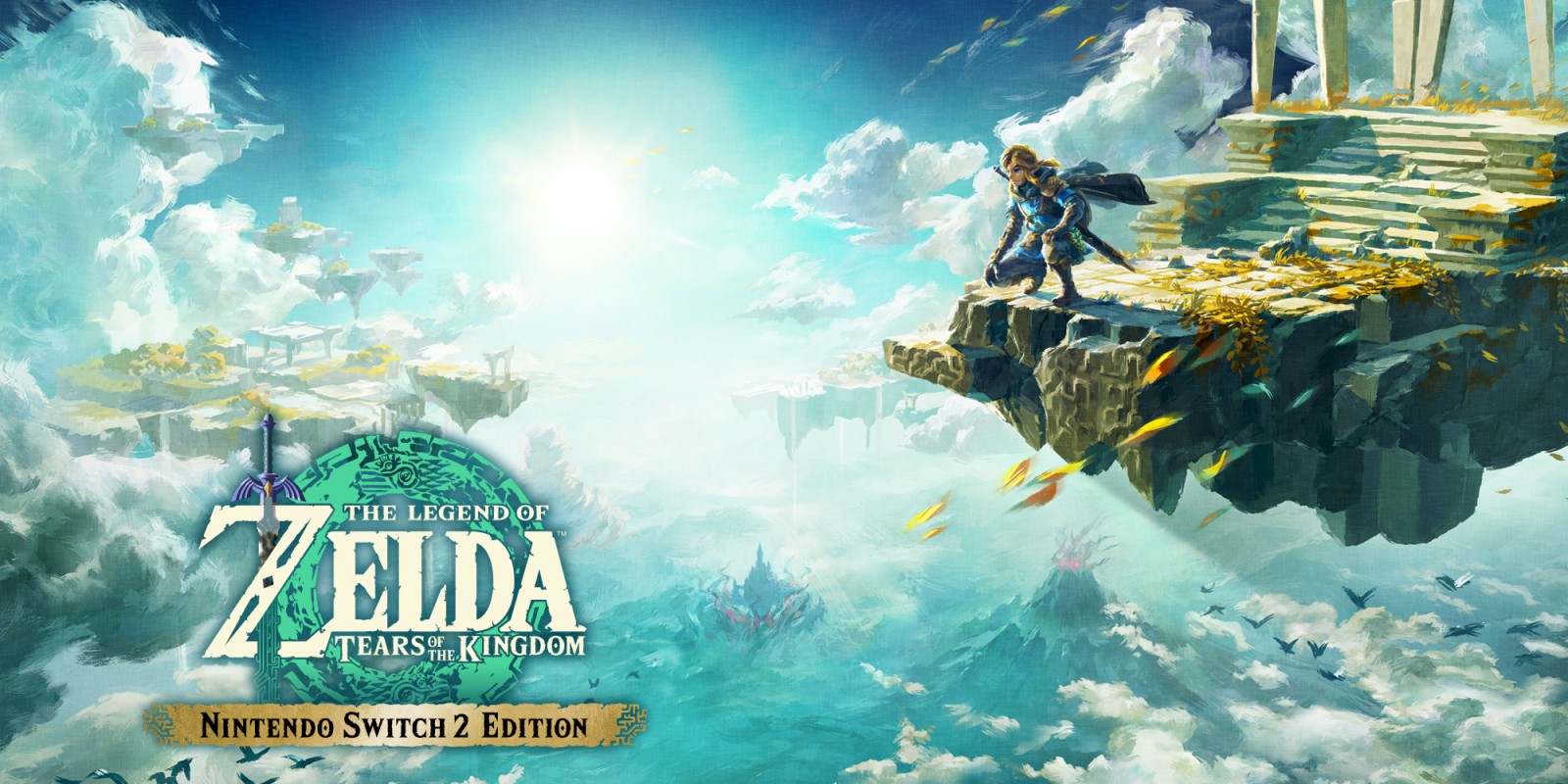
It’s hard not to raise an eyebrow (and maybe a slight frown) at Nintendo’s announcement of a premium port of Zelda: Tears of the Kingdom for the upcoming Switch 2. As someone who’s logged dozens of hours exploring Hyrule on the original hardware, I immediately wondered: is this graphical upgrade truly worth the extra nine-or-ten euros, or is Nintendo once again banking on nostalgia (and our wallets)? Let’s dive into what the Switch 2 version actually offers, how it stacks up against competitor practices, and why this move deserves a closer look.
Visual Upgrade: Hyrule in High Definition
First things first: the Switch 2 port of Tears of the Kingdom is a night-and-day leap from its Switch 1 predecessor. According to Nintendo’s June 2024 Direct, the game targets a native 1440p resolution in docked mode, boosted to a smooth 60 frames per second. Digital Foundry’s benchmark tests confirm a solid 60 fps lock in most areas, with HDR support finally bringing richer color depth and dynamic lighting to Hyrule’s skies and forests.
- Sharper textures: Stone walls, grass blades and water surfaces all look crisper.
- Enhanced draw distance: The horizon is no longer a blur of pixels but a detailed panorama.
- Realistic effects: HDR reflections on water and volumetric clouds add cinematic flair.
These improvements mirror the jump from Wii U to Switch when Breath of the Wild first released, and they feel equally transformative. Compare that to free next-gen upgrades on Xbox and PlayStation—titles like Assassin’s Creed Valhalla or Fallout 4’s PS4→PS5 patch—and it’s easy to see why some fans expected a no-charge upgrade rather than a paid one.
Performance Improvements: Load Times and Frame-Rate Gains
Nintendo claims load times on Switch 2 are “spectacularly reduced,” and tests largely back that up. In the original Switch, fast-traveling or entering a shrine could mean waiting 10–15 seconds for the screen to unfreeze. On Switch 2, load times drop to around 3–4 seconds—roughly a fourfold improvement. It’s a subtle but meaningful change: less downtime, more exploration, and a rhythm that stays intact even in the most asset-heavy areas.
Beyond loading, the higher and steadier frame-rate eliminates the occasional stutter that plagued some Switch 1 zones. While Sony’s and Microsoft’s Smart Delivery and PS4→PS5 patches often deliver similar stability boosts (for free), Nintendo’s hardware bottleneck on Switch 1 made those issues more pronounced, so the jump to Switch 2 feels especially welcome for open-world purists.
Pricing Debate: Nine Euros or Nine Crossed Fingers?
Here’s where eyebrows furrow again: to unlock these visual and performance upgrades, you’ll need to pay €9.99 (or $9.99 USD). That’s the same price tag Nintendo has slapped on past digital DLC or premium services, and it triggers instant comparisons to competitor models. Microsoft’s Smart Delivery ensures you pay once for Xbox One games then get the Xbox Series X upgrade at no extra cost. Sony often bundles cross-gen patches into free updates for blockbuster titles.
On the flip side, some argue that switching from €60 on Switch 1 to €70 on Switch 2 approximates the difference here, making the upgrade fee fair. But whether that rhetoric holds water is up for debate when many third-party developers have opted to shoulder next-gen patches as goodwill gestures. One Reddit thread even compiled over a dozen remasters and patches offered gratis or heavily discounted on PS5/Xbox Series.
When asked about the price in a Famitsu interview, Nintendo rep Shinya Takahashi pointed to the “significant development and certification costs” as justification. Fair enough, but that doesn’t stop fans from calling it a thinly veiled cash-grab—or at least a missed opportunity to foster greater goodwill ahead of Switch 2’s launch.

Community Features: Enter Zelda NOTES
The one wildcard in Nintendo’s deck is Zelda NOTES, a suite of in-game tools and social features exclusive to the Switch 2 upgrade (and retrofitted to Breath of the Wild). According to Nintendo’s press announcement, NOTES acts as a built-in lore compendium, a Korogu seed tracker, and a QR-sharing system for user-created shrine puzzles or gadget blueprints. Aonuma himself hinted in a Game Informer interview that this could become “a living, breathing platform for Zelda communities.”
- Lore encyclopedia: Deep dives into characters, history, and timeline theories.
- Tracker for completionists: Pin and tag every Korogu, shrine or collectible.
- Shareable QR codes: Trade contraptions, shrine designs, or hints via social media.
While rivals like Ubisoft have experimented with similar in-game sharing (see Mario + Rabbids’ level editor), NOTES feels tailored to hardcore Zelda fans. It promises to extend the game’s lifespan beyond the core story and could foster organic online communities without the need for external forums.
Long-Term Value and Future Updates
Looking ahead, the question isn’t just “Is it worth it today?” but “Will this value proposition hold up six months or a year from now?” Nintendo’s track record suggests regular Festival and event updates for their flagship series. If NOTES evolves—say, with seasonal challenges, developer-curated content drops, or even paid cosmetic DLC—then the €9.99 investment could feel like an entry fee to a community that keeps growing richer over time.
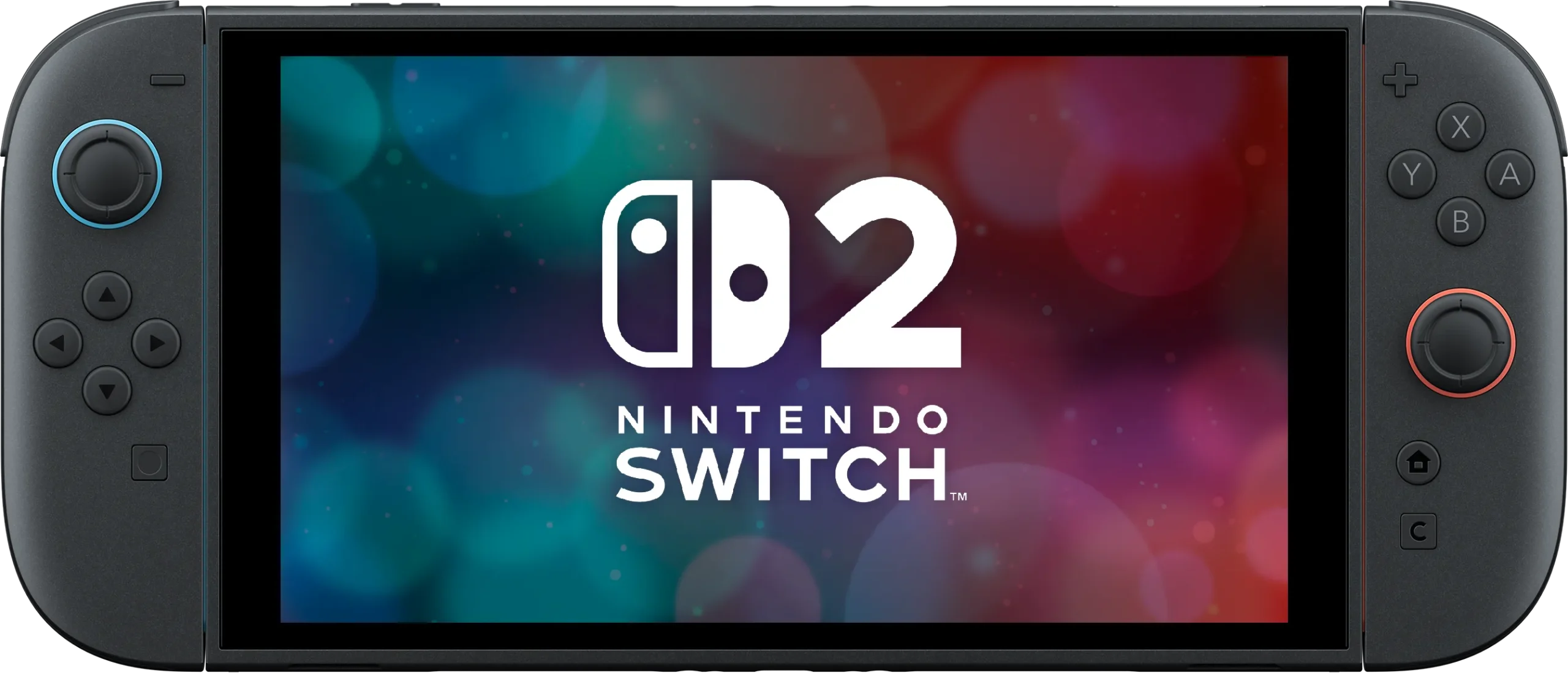
Developer comments hint at exactly that: “We want players to feel they’re part of shaping Hyrule’s next chapter,” Eiji Aonuma told GameSpot. That suggests potential free expansions or collaborative events down the line—something we’ve seen succeed with titles like Animal Crossing: New Horizons or Splatoon.
Ultimately, if you’re a completionist or social player eager to swap creations with friends, NOTES plus the performance and visual polish could justify the upgrade. If you just want another runthrough of the main story, maybe save those ten euros for an indie gem.
Conclusion
The Zelda: Tears of the Kingdom Switch 2 port delivers the technical uplift fans have been dreaming of—1440p visuals, rock-solid 60 fps, HDR, and lightning-fast loads. Layer on the community-focused Zelda NOTES, and you get a package that extends Hyrule’s appeal well past the original’s launch window. The sticking point remains the €9.99 upgrade fee, especially when free next-gen patches are becoming the industry norm. If Nintendo plays its cards right—regularly updating NOTES and introducing community events—this premium port could become a textbook case of long-term value. Until then, whether you’ll fork over the cash depends on how much you care about polished performance and social sharing in your kingdom of memories.
Laisser un commentaire