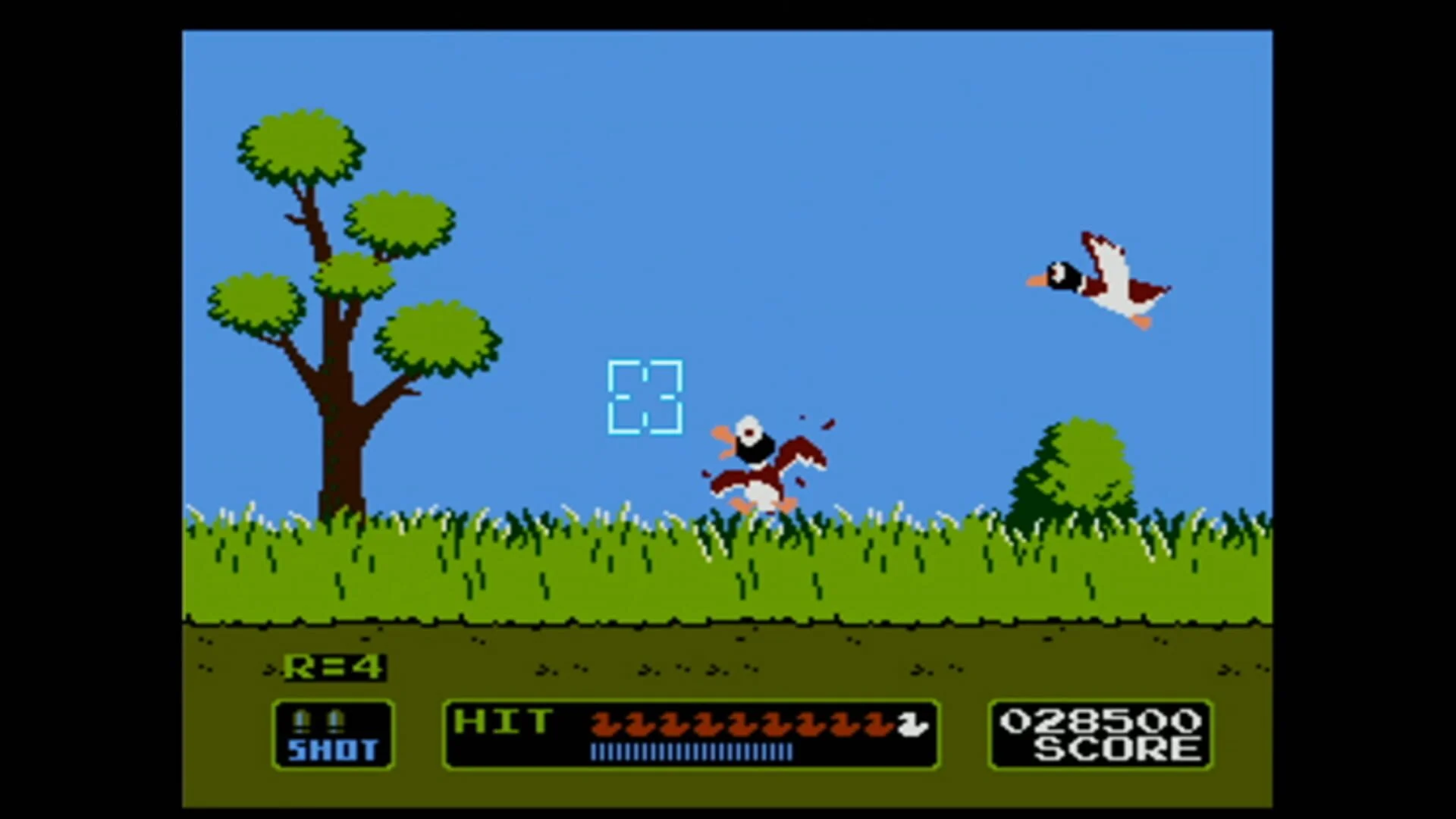
It’s moments like these that remind us why we love dissecting classic games: decades on, they still have surprises to unveil. Recently, the gaming community discovered that Duck Hunt, Nintendo’s iconic light-gun shooter for the NES, contains a hidden two-player mode allowing one player to control the ducks via the second controller port. As a longtime enthusiast of video game history and multiplayer evolution, I had one of those “How did I miss that?” reactions. The fact that Nintendo tucked this feature into such a well-known title—and that most players never noticed—speaks volumes about the era’s design secrets.
From Famicom to NES: Setting the Scene
Duck Hunt first appeared in Japan in 1984 on the Family Computer (Famicom), before launching internationally a year later on the NES. It showcased the light-gun peripheral, the NES Zapper, which players pointed at CRT screens to shoot ducks as they darted across the landscape. Alongside Super Mario Bros., Duck Hunt helped define the early NES library and became a staple of family gaming nights. Yet, back then, documentation was sparse. Cartridge labels provided minimal instructions, and in-game menus were basic. If a feature wasn’t spelled out clearly, it often went unnoticed.
Uncovering the Secret Two-Player Easter Egg
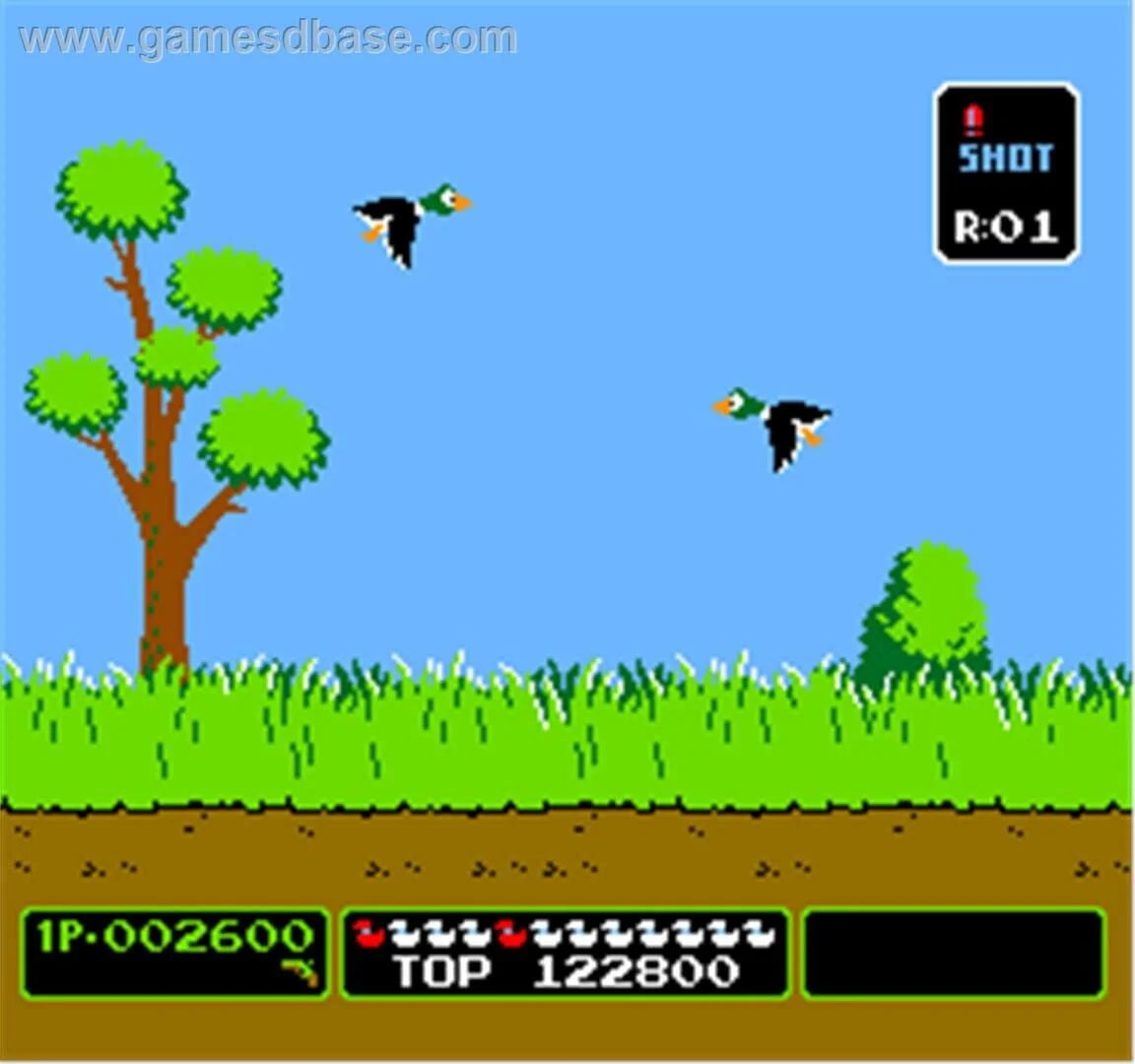
Fast forward nearly forty years, and fans have pieced together that slotting a standard NES controller into Port 2 lets a second player influence the ducks’ flight. Instead of being a passive target, the bird becomes an active participant in this shooter game, turning a solo pastime into a playful duel. One Reddit user summed up the community reaction: “I grew up on Duck Hunt and never knew my sibling could mess with my shots in real time!” On Twitter, another gamer joked, “So Duck Hunt was secretly a PvP arena. I feel betrayed and delighted.”
Why This Discovery Matters
At first glance, a hidden two-player mode in Duck Hunt might seem like a quaint curiosity. But it actually reshapes our understanding of how Nintendo approached game design in the mid-1980s. We already knew Big N sprinkled Easter eggs throughout its early catalog—think of Mario’s warp zones or the hidden corners in Punch-Out!!—but here’s a case where the community only recently peeled back another layer of its legacy.
This revelation illustrates the broader magic of retro gaming: titles that feel fully mineable can still surprise us. For older players, it’s a reminder of hours spent exploring limited menus and dusty instruction booklets. For younger enthusiasts, it highlights how much ingenuity was packed into often overlooked cartridges. It also casts a spotlight on the culture of shared knowledge in gaming’s pre-internet heyday—rumors spread in schoolyards and through word of mouth, not rapid-fire online guides.
Community Reactions and Memorable Quotes
Across forums and social media, reactions have ranged from nostalgic laughter to earnest calls to rehost nostalgic game nights:
- “Imagine backyard tournaments where one kid is the shooter and the other is the flapping duck—epic chaos!” – Comment on a popular retro-gaming YouTube channel.
- “This is the kind of stuff that makes me adore NES games all over again. They feel alive.” – Post on a retro chat room.
- “Someone should port this mechanic into a modern indie game as a tribute.” – Tweet from an indie developer.
These responses underscore how a small, hidden feature can spark fresh enthusiasm for a forty-year-old title.
Impact on Retro Gaming Perceptions
Discoveries like this alter the way we approach preservation and play of retro titles. They encourage a deeper dive into code and hardware emulation, pushing preservationists to look beyond gameplay capture and toward controller mapping intricacies. Retro streaming communities have already started experimenting: some broadcast two-screen setups showing shooter versus duck perspectives, turning a simple light-gun demo into a spectator-friendly duel.
For historians and preservationists, this secret mode also raises questions about how many other Easter eggs remain undiscovered. It suggests that thorough archival work—involving original hardware, cartridges, and peripheral compatibility tests—is vital. Enthusiasts are now calling for collaborative research projects to catalog undocumented features across early console games, rather than relying solely on published design documents or magazine scans.
Architectural Constraints and Creative Ingenuity
Nintendo’s hardware constraints forced designers to innovate. With only two controller ports and limited memory, developers had to be judicious about extra features. That they managed to code a two-player duck controller at all speaks to their creativity. The feature likely remained hidden because official manuals focused on selling the Zapper as a solo experience, while marketing materials emphasized the single-player thrill of shooting ducks.
In the context of mid-’80s development, documenting every minor feature wasn’t feasible. The days of exhaustive patch notes or DLC didn’t exist. Instead, curious players who experimented with every button became the unsung heroes of discovery. This hidden mode is a tribute to that spirit of experimentation.
Looking Ahead: Preserving Gaming’s Secrets
While we celebrate Duck Hunt’s long-buried twist, it also serves as a call to action. Video game preservation isn’t just about saving ROMs or documenting release dates—it’s about capturing the full breadth of a game’s functionality. Efforts like high-fidelity hardware emulation and community-driven testing protocols will be essential to uncover more of these hidden mechanics.
Future research could include controlled archives of original hardware tests and oral histories from early developers, to shed light on design intentions. By combining code analysis with interviews, historians might confirm whether other understated modes were deliberately buried or simply oversights.
Conclusion: The Ever-Evolving Legacy of Duck Hunt
In the end, Duck Hunt’s secret two-player mode exemplifies why classic games endure. They tell a story not only of their time but of the ongoing relationship between developers and players. Even after four decades, these titles can surprise us, reminding us that the history of gaming is a living, breathing narrative. So dust off your Zapper, plug in a second controller, and get ready for a new kind of showdown—because some secrets are worth uncovering, no matter how old they are.
Leave a Reply