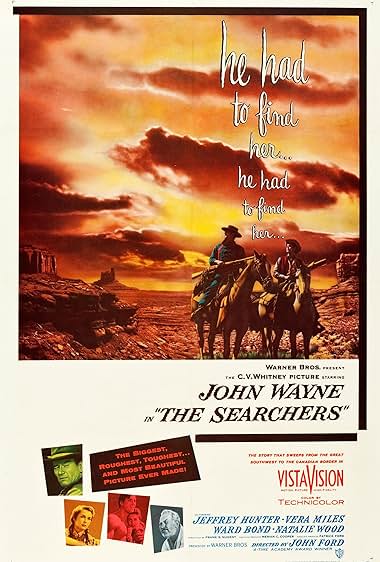
Ethan Edwards: The Western Antihero That Changed Everything
As both a dedicated gamer and lifelong cinephile, I’ve often pigeonholed cinema’s biggest icons into neat compartments. To me—and many others—John Wayne was the untouchable paragon of traditional heroism, the kind of cowboy who never shirked from the high road. Revisiting The Searchers (1956), however, reminded me that even the most rock-solid legends can upend expectations—and that risk-taking is exactly what etches a work into immortality.
Breaking the Mold: Wayne’s Most Uncomfortable Role
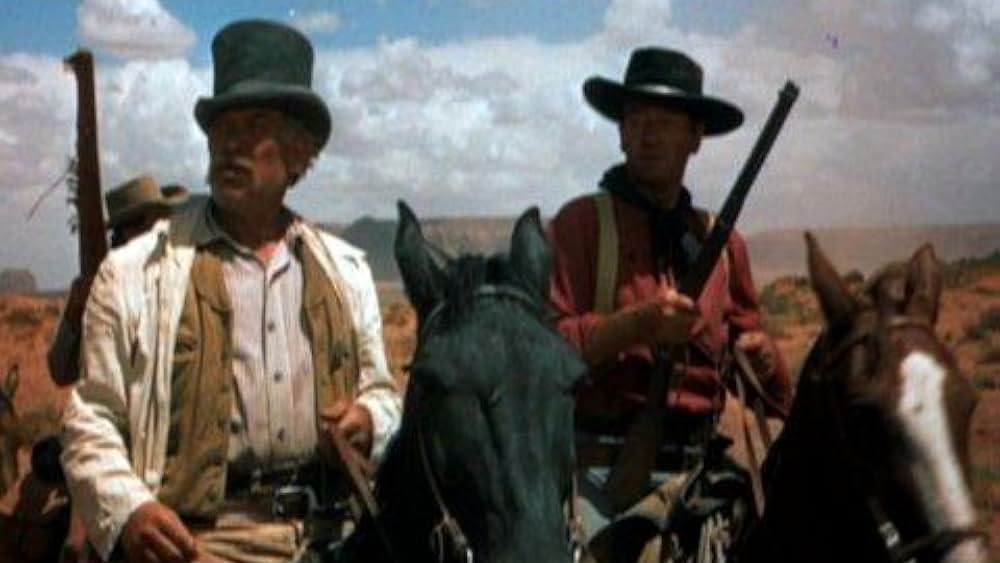
When John Ford cast Wayne as Ethan Edwards, he handed the actor a role that was a far cry from his trademark straight-arrow protagonist. Ethan is a war-scarred veteran consumed by hatred, driven by savage vengeance and unfiltered racism. From the opening scenes, where Edwards returns to a slaughtered homestead, the film refuses to let us settle into typical Western cheer. Instead, it forces us to confront a hero who’s as menacing as he is determined—an ignoble blend of grit and moral rot.
In a decade when Hollywood still clung to black-and-white morality, The Searchers painted its lead in jagged grayscale. Unlike Wayne’s usual virtuous champions, Edwards embodies a deeply conflicted psyche. His hate springs not from some noble code but from an obsession that borders on madness. That level of moral ambiguity was almost unheard of in 1956, and even now, it feels subversive.
Reinventing the Western Hero: From Myth to Mirror
Beyond Wayne’s performance, Ford’s directorial choice to treat violence as unsettling rather than celebratory revolutionized the genre’s narrative potential. Letting Edwards’ racism stand unvarnished—and refusing to offer him a clean redemption arc—holds a mirror to America’s own darker impulses. The film doesn’t excuse his obsession; it lays bare its corrosive consequences.
This deliberate discomfort paved the way for later Westerns like Unforgiven, where Clint Eastwood’s characters wrestle with guilt and moral compromise. It also echoes in television antiheroes such as Walter White, whose transformation from sympathetic to terrifying owes a debt to Ethan’s unflinching complexity. By undercutting the cowboy myth, The Searchers expanded storytelling possibilities, showing that a Western could double as a moral battleground.
Legacy in Modern Gaming and Storycraft
The Searchers’ influence stretches far beyond the silver screen—right into the worlds we explore as gamers. Contemporary franchises like Red Dead Redemption and narrative epics such as The Last of Us thrive on protagonists who are flawed, burdensome, and haunted by past choices. Their emotional impact traces back to Ford’s willingness to center a hero who is, at times, the villain of his own story.
Game designers today regularly cite the need for “real stakes” and “ethical tension”—buzzwords that find a powerful exemplar in Ethan Edwards. When you lead a digital cowboy on a rescue mission yet question whether you’re saving the right people, you’re playing with the same narrative dissonance planted by Ford in 1956. For players hungry for mature storytelling, that uneasy tension remains a masterclass in how to embed moral quandaries within an action-driven plot.
Of course, to push this exploration further, it would be invaluable to interview narrative directors and writers who openly acknowledge The Searchers as a touchstone. Such research could crystallize the specific mechanics they borrowed and how they adapted them for interactive media.
What It Means Today
More than six decades later, Ethan Edwards is still the blueprint for heroes who can’t be neatly labeled “good.” He reminds us that true courage sometimes lies in examining our own shadows rather than striking a perfect pose on horseback. Whether you’re building a game world or simply savoring film history, acknowledging The Searchers’ daring gambit is essential: it’s a testament to how one audacious twist can change an entire genre forever.
Next time you load up a game or cue up a Western marathon, spare a thought for that embittered veteran who dared to wear his scars in plain sight. He’s not the cowboy you expected—and that’s exactly why his legend endures.
Leave a Reply