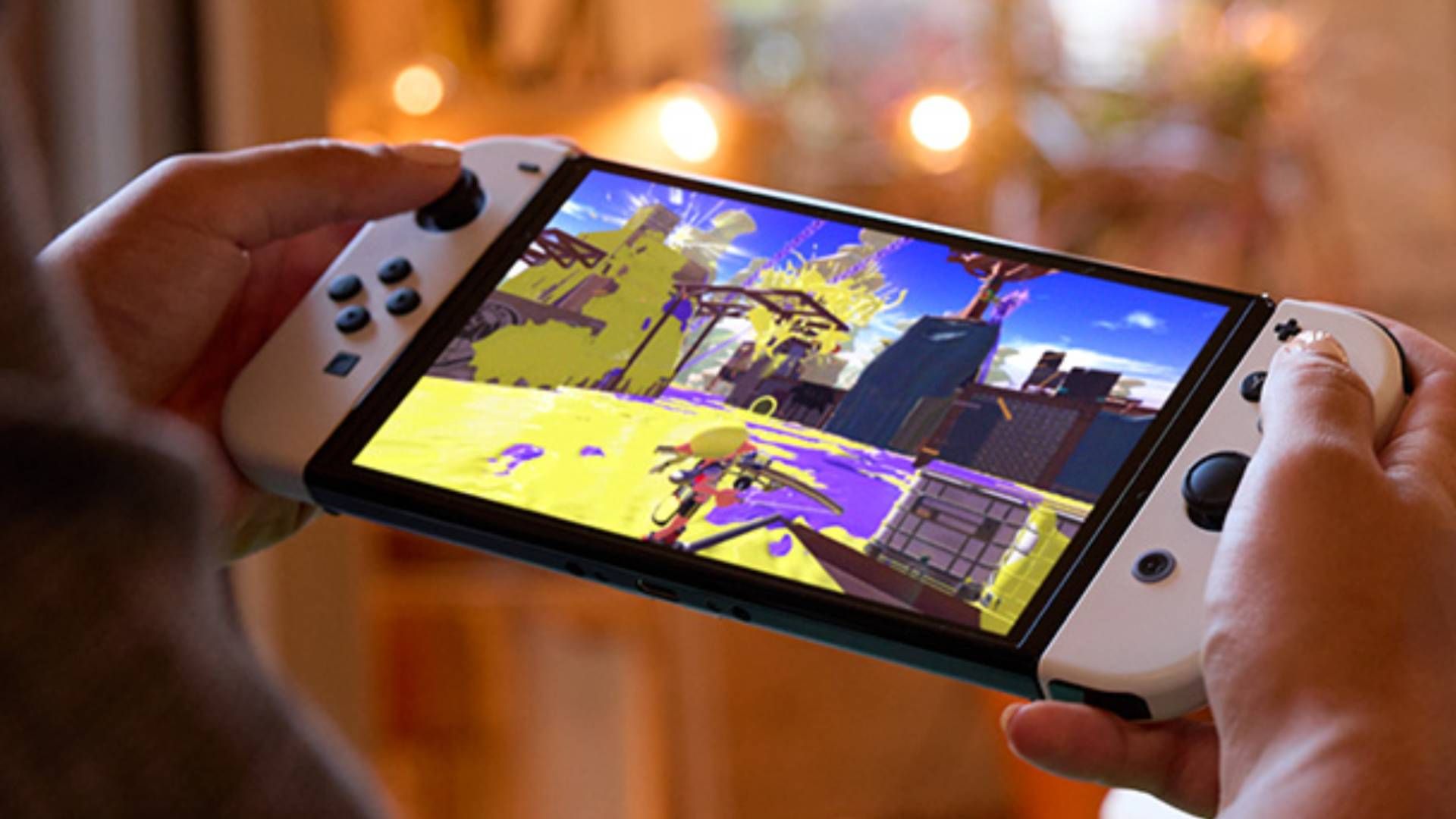
The launch of a new Nintendo console always sends ripples through the gaming community. But when Nintendo unveiled the Switch 2 at €469.99, more than a few eyebrows shot skyward. On one hand, there’s genuine tech progress; on the other, the weight of inflation. The core question looms large: can this price tag satisfy gamers who crave more than just another incremental update?
Upgraded Performance—Yet a Steeper Price
Nintendo officially claims that the Switch 2 marks its first true generational jump. On paper, it supports 4K output at 60 fps in docked mode, HDR10 color depth, and variable refresh rates up to 120 Hz on its 7.9-inch LCD screen. Under the hood sits a custom Nvidia Tegra-based chip paired with roughly 12 GB of RAM—enough, ostensibly, to handle many modern multiplatform titles without excessive downgrades.
All that muscle comes at a premium: €469.99 for the console alone, or €509.99 bundled with Mario Kart World. Historically, Nintendo has prided itself on accessibility—both in gameplay and pricing. For comparison, the original Switch launched at €329.99, and even the premium Switch OLED topped out around €350. This time, Nintendo is operating in PS5/Xbox Series X price territory. It’s a bold gamble for a company long associated with family-friendly affordability.
Compared to Nintendo’s Legacy
Looking back, major Nintendo hardware debuts were headline-makers but rarely bank-busters. The GameCube launched at a comparable price to its rivals, yet its unique titles and affordable accessories kept fans engaged. The Wii redefined motion gaming without out-pricing families. Even when the 3DS overcame a rocky start, its eventual price cuts cemented its success.
Contrast that with today: collectors still reminisce about the limited-run “chainsaw” controller for Resident Evil 4 on GameCube—initially €50, now commanding four-figure sums on resale markets. That kind of cult cachet trusted in nostalgia; the Switch 2’s high launch price, however, bets on cutting-edge specs rather than collector fever. Will that resonate with Nintendo’s core audience, who’ve come to expect a balance of innovation and value?
Alternative Options in the Market
For under €500, gamers can choose a PS5, Xbox Series X, or even high-end handhelds like Valve’s Steam Deck. Each platform offers distinct strengths: exclusive blockbusters, robust online ecosystems, or extensive indie libraries. The new Steam Deck OLED, for instance, pushes portable visuals with minimal price hikes, while Sony’s DualSense controller remains a benchmark for haptic immersion.
By comparison, the Switch 2 sells a hybrid experience—console and handheld in one. But it must prove that its blend of versatility and power truly outshines investing separately in living-room and portable devices. For families prioritizing co-op or nostalgic Nintendo franchises, the math may still favor last-gen Switch models long after official support wanes.
Gamer Expectations and Early Impressions
I’ll admit, I approached the Switch 2 reveal with cautious optimism. Memories of the original Switch hype include rosy battery-life promises that faded into reality. And while the specs list appears generous—DLSS-style upscaling, basic ray tracing support, a beefed-up fan in the dock—I’m keen to see real-world endurance tests and thermal benchmarks. Early impressions from hands-on demos praise screen sharpness and smooth performance, but echo a familiar caveat: “Wait for full reviews.”
Community chatter reflects a split: tech enthusiasts applaud Nintendo’s hardware ambition; budget-minded families fret over future game prices and subscription costs. My own anecdote: a friend already budgeting for a summer vacation is torn between setting aside €500 for a Switch 2 or securing tickets for a lifetime favorite band. The value proposition suddenly extends beyond pure specs and into personal priorities.
What’s Next for Nintendo and Its Audience?
Long-term, the Switch 2’s success likely hinges on three pillars: a strong launch lineup, steady third-party support, and competitive subscription services. Nintendo is known for blockbuster exclusives—Zelda, Metroid, Pokémon—but multiplatform releases will need to match or surpass performance on rival systems. Meanwhile, the expanded online offerings must justify both the hardware cost and the annual fee for online play.
Areas for future analysis include comparative battery-life measurements, frame-rate consistency checks in third-party games, and head-to-head price/value breakdowns against upcoming console refreshes. As more data emerges, we’ll gain clarity on whether the premium purchase truly aligns with long-term gaming habits and budgets.
Conclusion: A Pricey Leap or a Worthy Evolution?
The Nintendo Switch 2 unquestionably checks the technical boxes enthusiasts have dreamed of for years. Yet at almost €470, it shifts Nintendo’s philosophy from “fun accessible” to “high-end hybrid.” If you crave top-tier portability and don’t blink at investing upfront, it could be the ultimate all-in-one device. But for many—families, casual players, collectors with thinner wallets—the steep entry price may feel like a bridge too far. In the end, the biggest question remains: will the Switch 2’s performance and software ecosystem justify its premium for years to come, or will it settle into the same dusty museum of overhyped hardware that history has sometimes shown us?
Leave a Reply