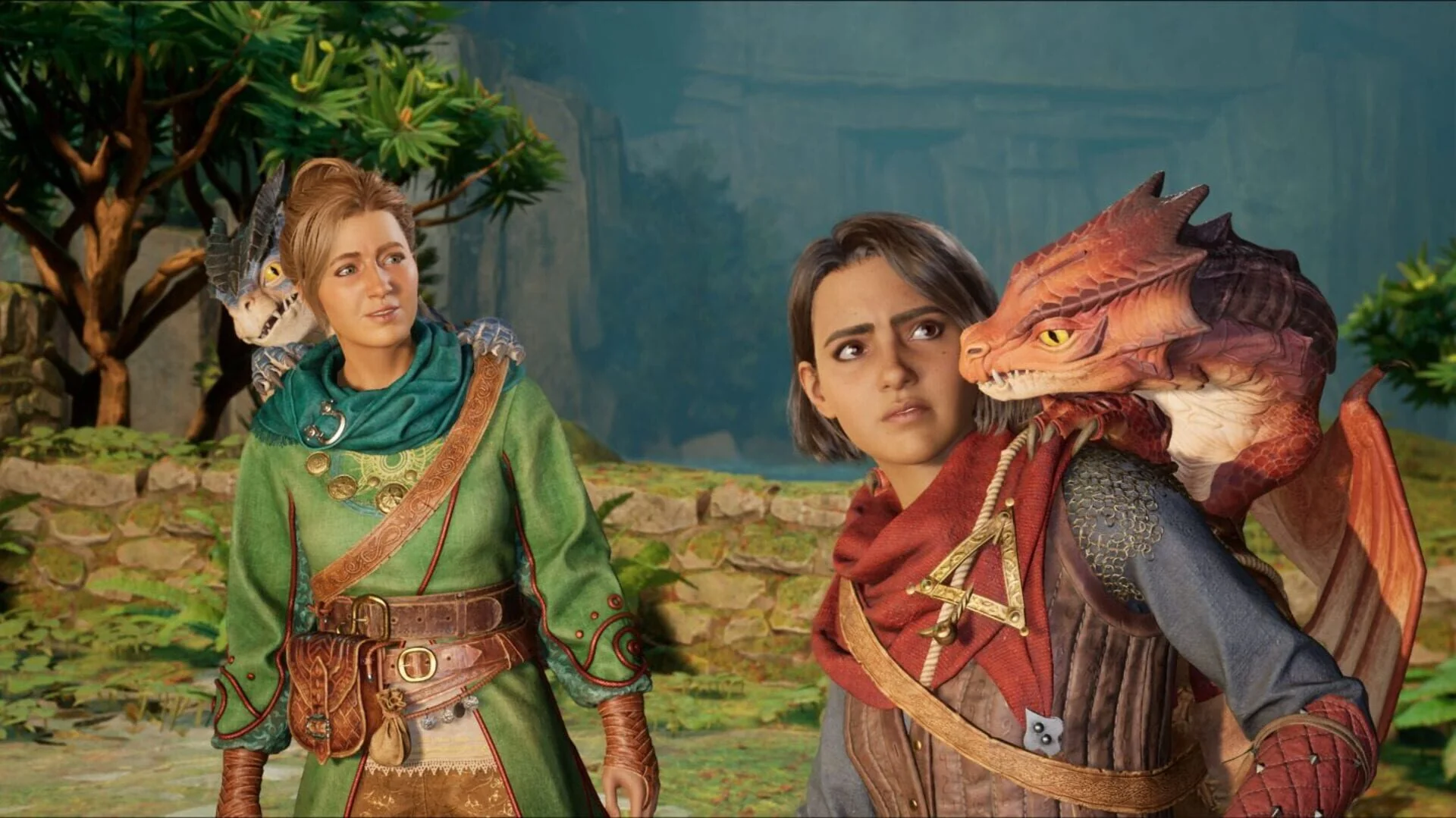
You can’t overlook Split Fiction on Switch 2 if you care about co-op games that blend emotions, unpredictable gameplay, and pure couch fun. Hazelight Studio, the mind behind It Takes Two, raises the bar again—though not without a few technical detours. If you were hoping for silky-smooth framerates and ultra-detailed textures on Nintendo’s console, you might have to temper your excitement. Yet for two players on the sofa, this inventive adventure is tailor-made… provided you come prepared.
Gameplay Variety: Expect the Unexpected
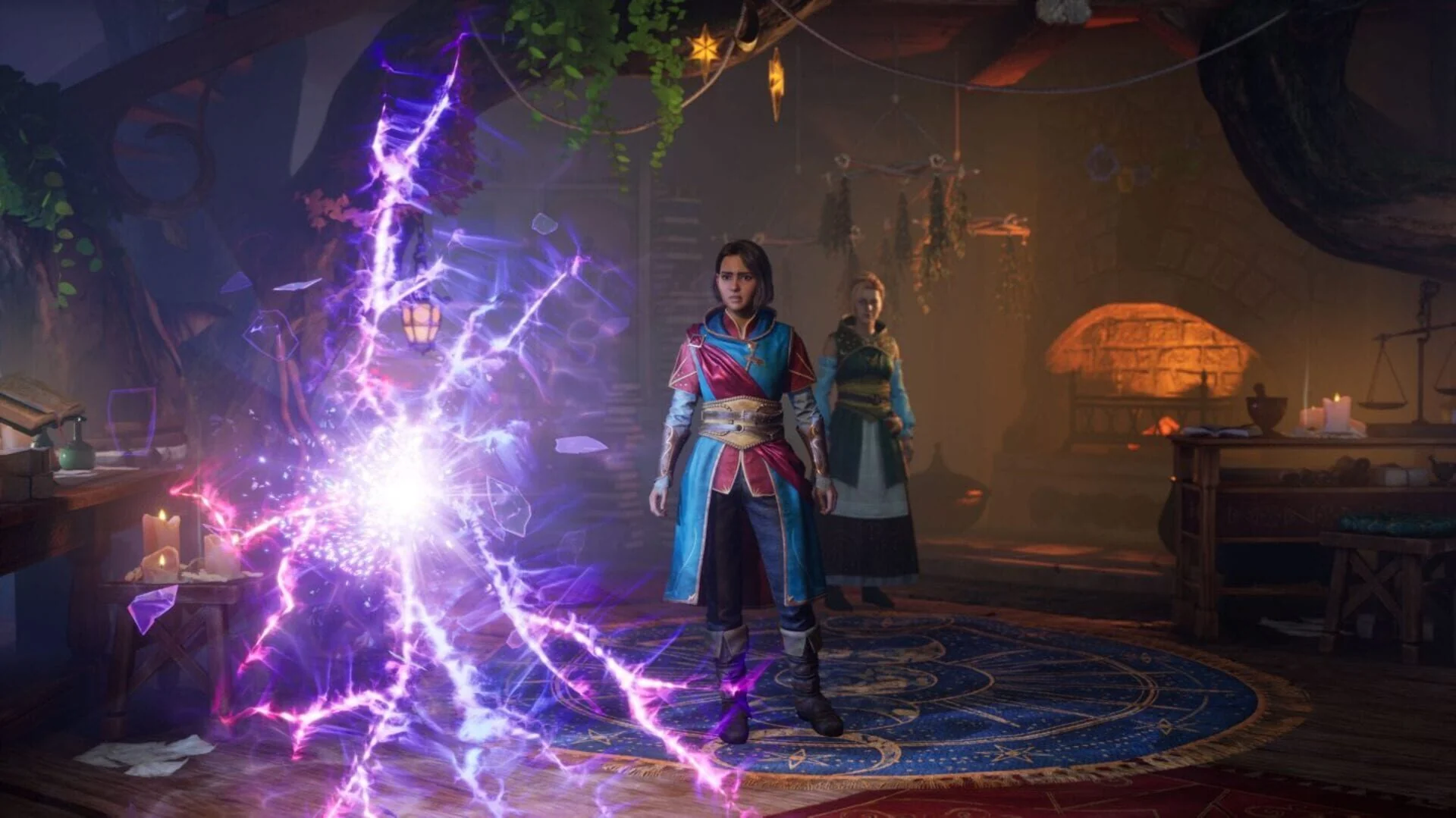
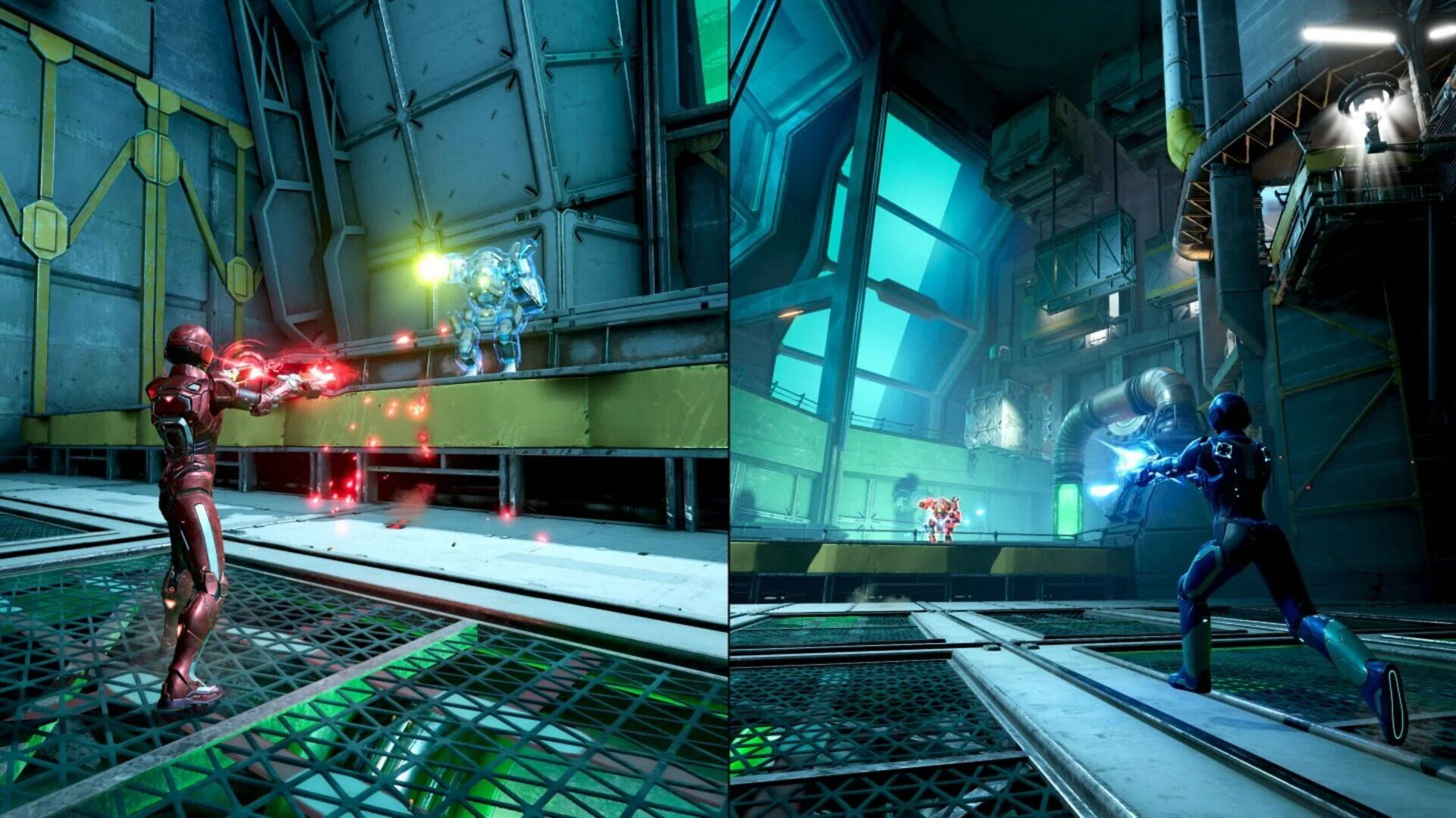
Split Fiction pairs two writers, Mio and Zoé, thrown into a scientific experiment gone awry. Their worlds—one rooted in sci-fi, the other in unbridled fantasy—alternate at every turn. On one level, you’ll herd talking animals in a whimsical fable; on the next, you’ll swoop through mountains in a high-speed wingsuit chase. Mashing platforming, action, puzzle-solving, and story-driven scenes, the game keeps you guessing and forces you to adapt your cooperation.
Glossary:
- Framerate: images per second; higher rates make motion smoother.
- Textures: surface detail on 3D models; sharper textures improve visual clarity.
- Docked vs. Handheld: TV mode (docked) or portable play (handheld).
Technical Trade-offs on Switch 2
Despite the Switch 2’s improved hardware, Split Fiction caps at 30 frames per second to maintain stability—a noticeable step down if you’re used to 60 fps on PC or other consoles. Textures lose some crispness, especially in docked mode where environmental details can look “buzzy” during fast action. Handheld play also shows reduced clarity in busy scenes. These aren’t deal-breakers for fans of Nintendo’s hybrid, but the visual downgrade is clear when you’ve seen higher-end versions.
Local Multiplayer Hurdles
The real catch? You can’t experience the full game with just a pair of Joy-Con split between players. A second controller—whether another set of Joy-Con or a Pro Controller—is mandatory. That extra expense can sting, particularly for households sharing a single console. It’s an understandable design choice given the game’s complex controls, but it’s worth budgeting for if you plan to host co-op sessions.
Pros and Cons at a Glance
- Pros: Fresh cooperative mechanics, emotionally charged narrative, inventive level design, ideal for two players.
- Cons: 30 fps limit, downgraded textures, mandatory extra controller for local co-op.
Why the Cooperative Experience Matters
More than a simple two-player mode, Split Fiction is built around collaboration: you and your partner become extensions of each other’s creativity. Puzzles demand clear communication, precise timing, and a dash of improvisation—perfect for friends, couples, or siblings reconnecting over the same sofa. In an era where online play dominates, this face-to-face teamwork is refreshingly rare.
Who Should Play?
If you prioritize social gaming and narrative-driven co-op, Switch 2’s version remains a standout despite its technical trade-offs. Casual gamers and families will treasure the charm and variety. However, if razor-sharp graphics and high framerates are non-negotiable, you may find more satisfaction on PC or other consoles.
Conclusion
Split Fiction on Switch 2 proves that heart and innovation can outweigh graphical compromises—just don’t forget that extra controller. Dive in with a friend for one of the most inventive couch co-op experiences available.
Leave a Reply