Marathon makes death feel expensive again
The first time my squad wiped in Marathon, it wasn’t dramatic. No last-man-standing clutch, no cinematic explosion. We just got outplayed, fast, and watched an entire run’s worth of hard-earned gear vanish in two seconds of muzzle flash. And that was exactly the moment I realized Bungie had something dangerous on its hands again.
This reboot of the classic Marathon name is not Destiny with an extraction mode tacked on. It’s a lean, vicious PvPvE shooter where a 25-minute timer, a hostile alien city, and other players grind you down, run after run. The highs are huge: the gunfeel is absurdly good, the art and soundtrack are razor-sharp, and the faction-driven “death loop” progression pulled me into just-one-more-run territory far too often. But it’s also wrapped in a cluttered interface and a Japanese localization (fonts, wording, UI density) that regularly tripped me up when I swapped to the JP client.
After a week of living in Tau Ceti IV, here’s how Marathon actually plays when you’re the one bleeding loot on the floor.
Key Takeaways
- Gunplay is phenomenal – snappy time-to-kill, crunchy feedback, and classic Bungie weapon feel make every fight terrifying and addictive.
- 25-minute runs are perfectly tuned – short, brutal loops where “push deeper or extract now?” never stops being stressful.
- PvPvE tension is real – AI threats, vertical maps, and other squads combine into a constant low-level panic instead of artificial jump scares.
- Runner Shells and factions add depth – distinct class-style shells, six factions, and sponsor kits create long-term goals beyond just hoarding loot.
- UI and inventory feel messy – reading gear and managing implants is way more confusing than it should be, especially with the Japanese font and layout.
- Aesthetics and soundtrack are killer – hard-edged visuals and industrial electro give Marathon a personality most extraction shooters lack.
- Early meta is wobbly – certain shells (hi, Assassin) feel overtuned, but it’s the kind of imbalance live patches can realistically fix.
- Verdict: an excellent, high-skill extraction shooter with real bite, held back by UX/localization – 8.5/10 today, with room to grow.
The core loop: 25 minutes of pressure and regret
Marathon is built around discreet 25-minute “runs” into a slice of Tau Ceti IV. You drop in as a Runner, sprint to contracts, crack open vaults, tussle with AI guardians, and inevitably collide with other players trying to do the same. Then you decide: do we extract now with what we have, or gamble the last five minutes chasing one more objective?
On my third night, my trio had what felt like a dream run: clean contracts, two purple-tier weapons, a rare implant, plus enough scrap to make our sponsor happy. The timer showed 7:40 left. Extraction was two buildings away. We pushed one more vault.
I don’t remember the names of the guys who erased us in a corridor ten seconds later, but I still remember the sound their rifles made. Bungie tuned time-to-kill aggressively low here. You don’t get the floaty forgiveness of Destiny; peeking the wrong angle or misjudging sound cues is instantly lethal. And because you lose everything you brought in and everything you found, it stings in a way a lot of “live service” shooters have forgotten.
The magic is that this doesn’t feel cheap. When I died, I usually knew why. I rotated late, I got greedy, I ignored a flanking route. The loop punishes bad decisions, not dice rolls, and the 25-minute cap stops runs from dragging into Tarkov-length marathons without losing that same knot-in-your-stomach risk.
Gunfeel: Bungie’s old trick, new cruelty
If Marathon didn’t feel good to shoot, the whole thing would collapse. Thankfully, that’s the one thing Bungie has absolutely nailed.
Weapons kick, snap, and thunk in ways that reminded me why people stuck with Destiny for years. Assault rifles have this subtle upward drag you ride like a wave; hand cannons aren’t just loud, they’re arrogant. Hit detection is tight, recoil patterns feel learnable rather than chaotic, and even hip-firing a cheap SMG in a panic has a satisfying logic to it.
The low TTK flips that good feeling into fear. You don’t get many “messy” gunfights where two teams stand in the open dumping mags. It’s mostly ambushes, snap duels around cover, and lightning-fast third-party wipes. When you win those, the combination of audio, hit-stop, and enemy collapse is absurdly gratifying. When you lose, you stare at your empty inventory and re-evaluate your life choices.

AI enemies help sell the fantasy too. They’re not super complex, but their pathing and aggression keep you honest. More than once, we tried to silently clean up a PvP scrap, only to have a roaming pack of bots blow our cover and funnel both squads into chaos.
Runner Shells, factions, and sponsor kits: the “death loop” brainworm
The trick that kept me coming back wasn’t just the risk of losing loot; it was the feeling that death itself was feeding my account.
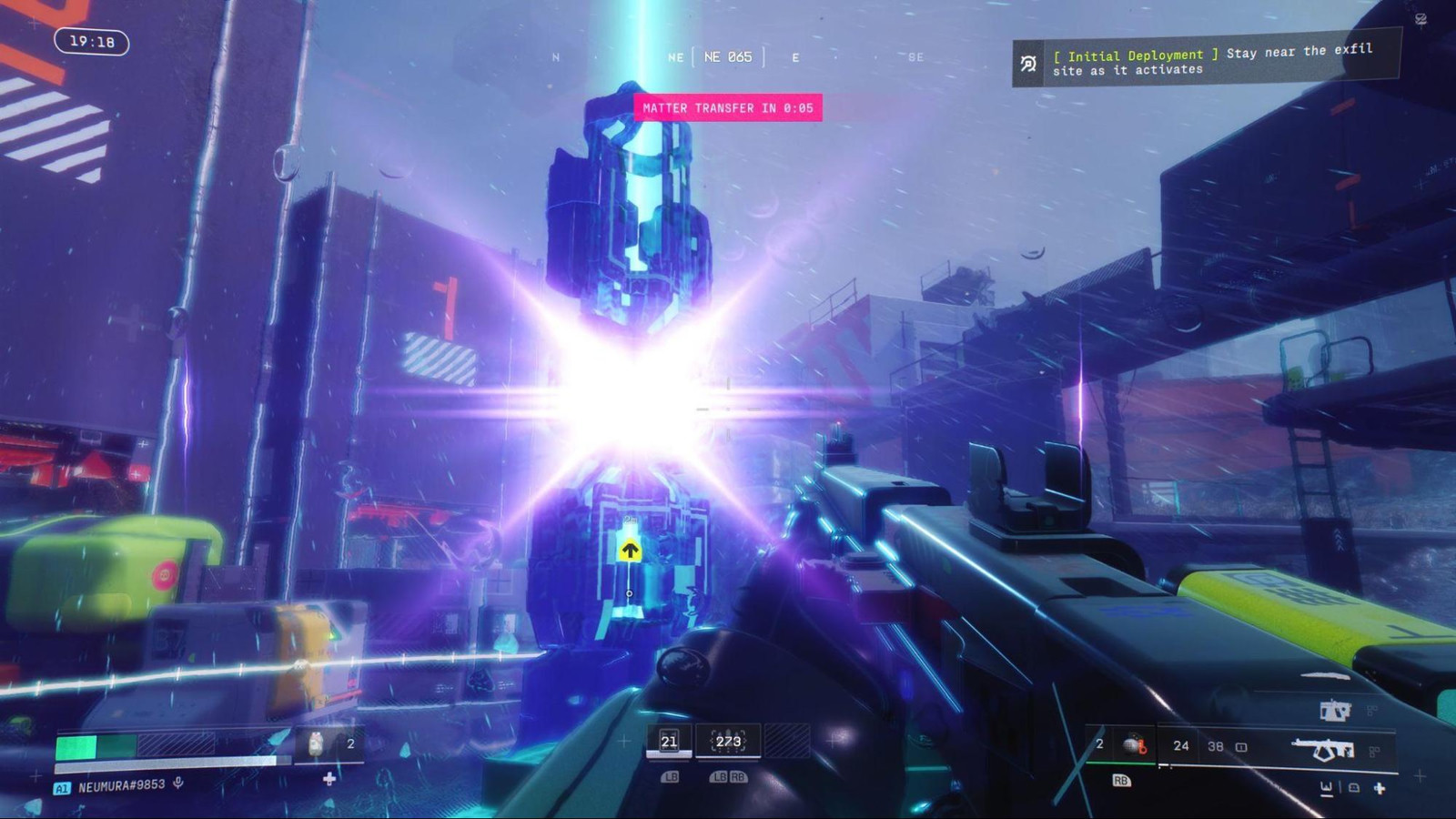
Each Runner Shell is basically a distinct playstyle with its own active and passive tools. The sneaky Assassin shell – which is absolutely overtuned right now – turns you into a hit-and-run nightmare with invisibility windows that feel unfair when you’re on the receiving end. Thief leans into loot denial, specializing in grabbing gear and bailing, while Triage plays combat medic with deployable drones and emergency stabilizations.
By my tenth hour, our squad had quietly fallen into roles: one Assassin to break fights, one more tanky shell to hold angles, and a support to keep the greed in check. The shells aren’t just stat packages; they have enough identity that swapping changes how you read the map.
On top of that sit six factions and sponsor kits. Factions give you long-term contracts – rebuild this vault, sabotage that rival, deliver X amount of exotic scrap – that spin your failures into progress. Even a disastrous wipe might tick a sponsor objective, or get you closer to unlocking a faction perk or blueprint.
This is Marathon’s “death loop”: no run is truly wasted if you’re always inching a bar somewhere. Lose your legendary rifle? Sure, that hurts, but you might also have completed a contract that opens up a whole new mod tree or a permanent buff for your favorite shell. It scratches the same itch as roguelites, but inside a hardcore PvPvE wrapper.
Tau Ceti IV: a hostile playground, not just a backdrop
Marathon’s single launch location, the alien world of Tau Ceti IV, could easily have been “generic sci-fi ruins” like we’ve seen a thousand times. Instead, it leans hard into a vivid, almost toxic color palette and brutally sharp geometry.
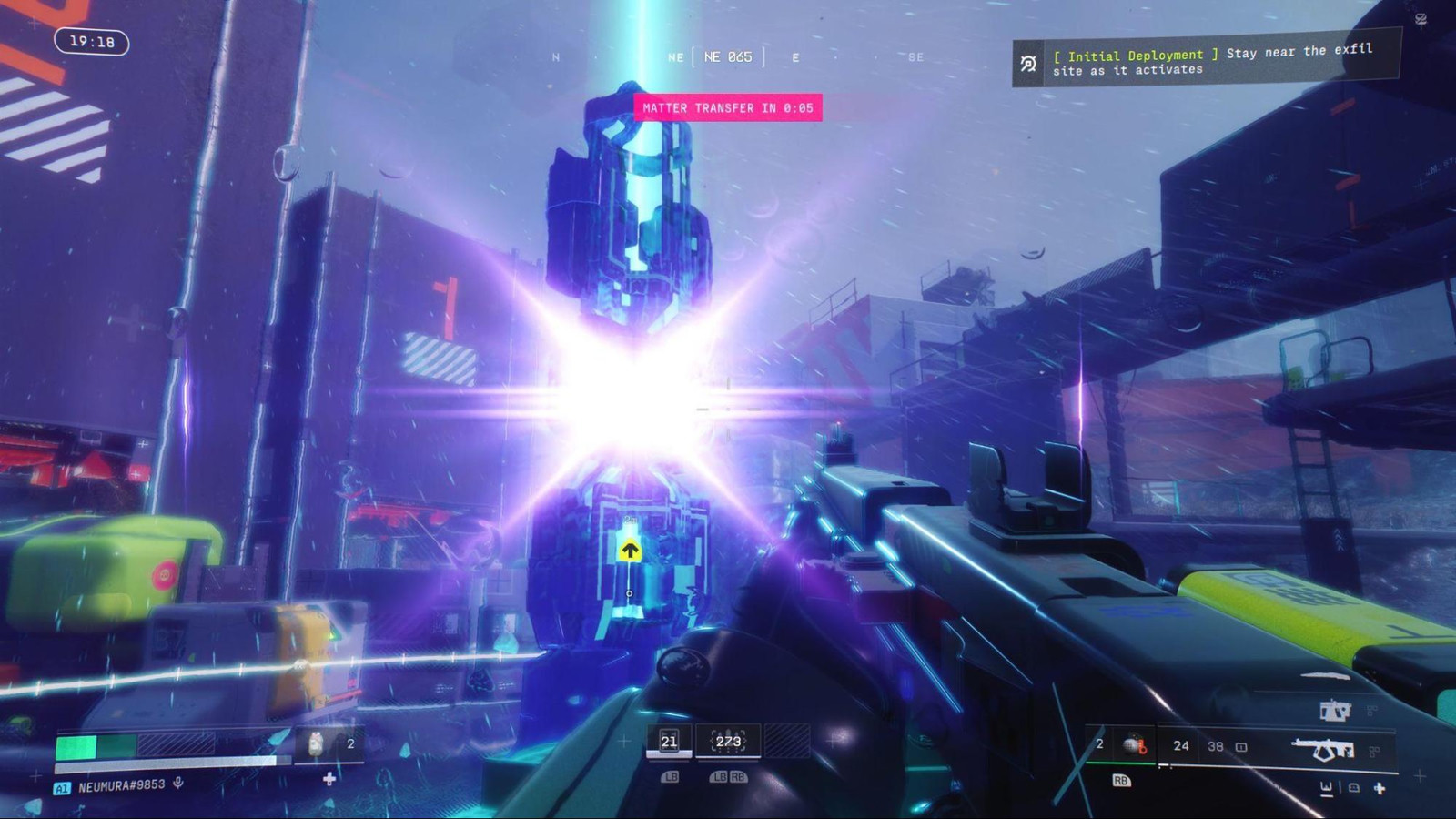
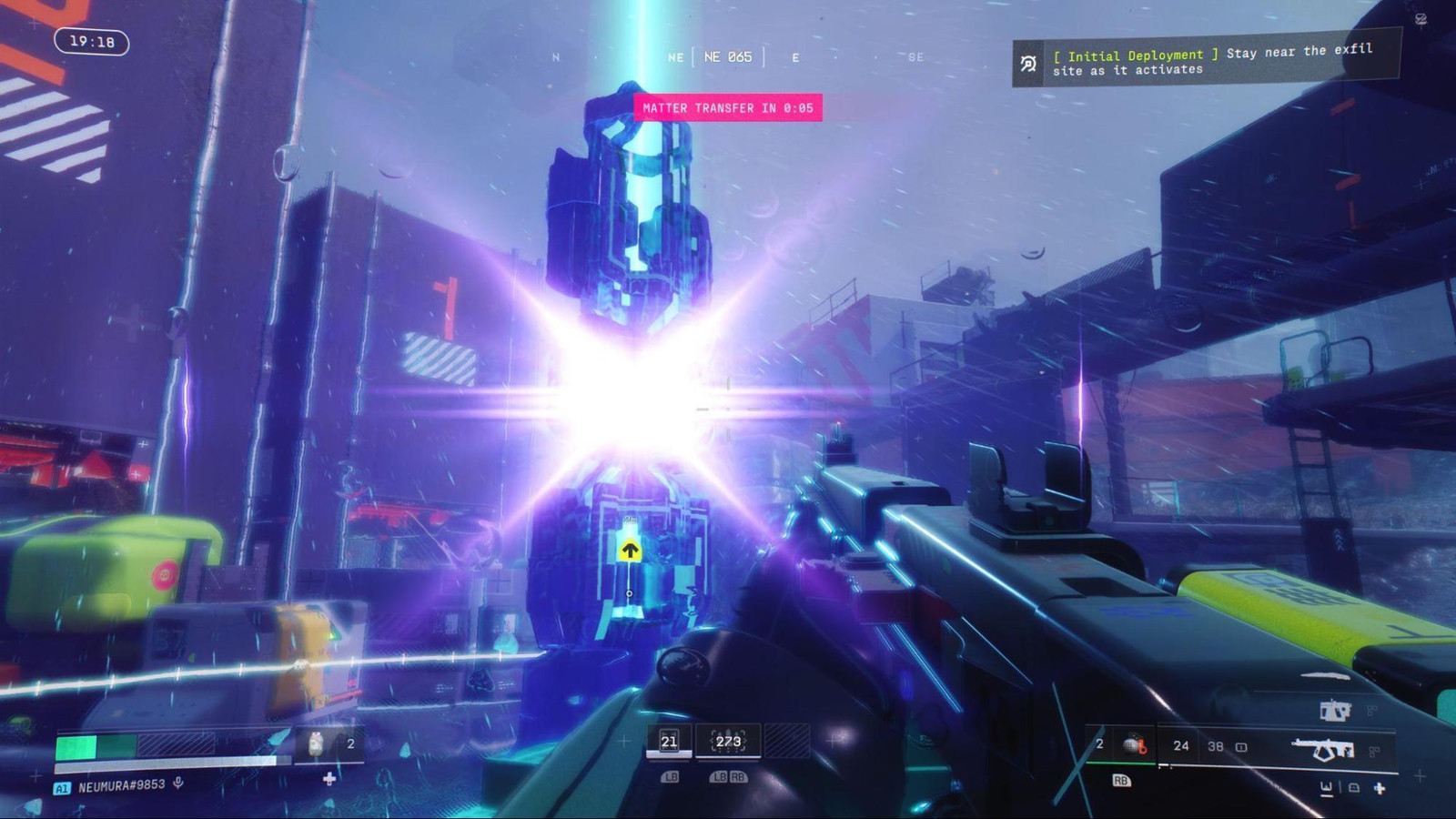
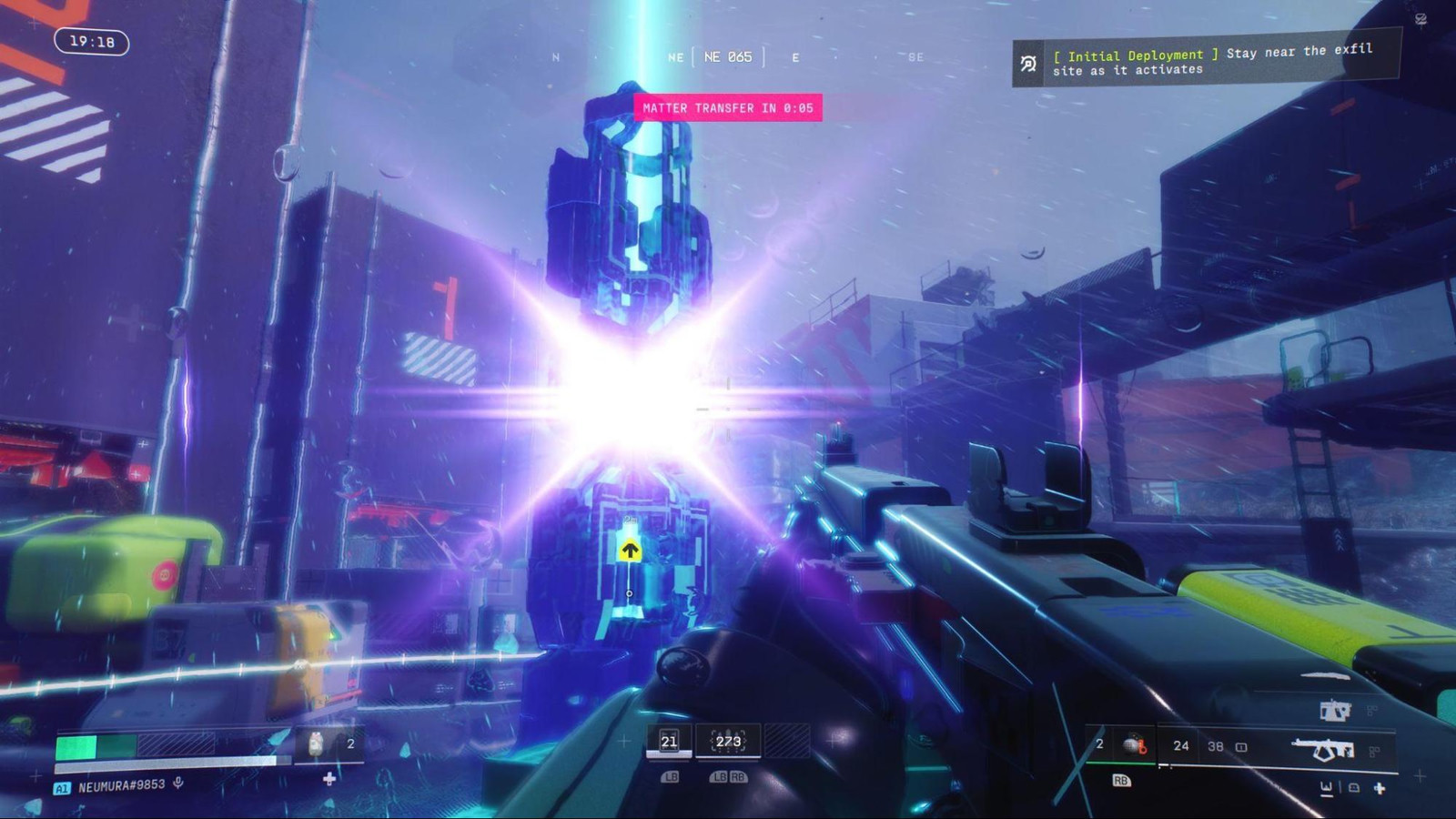
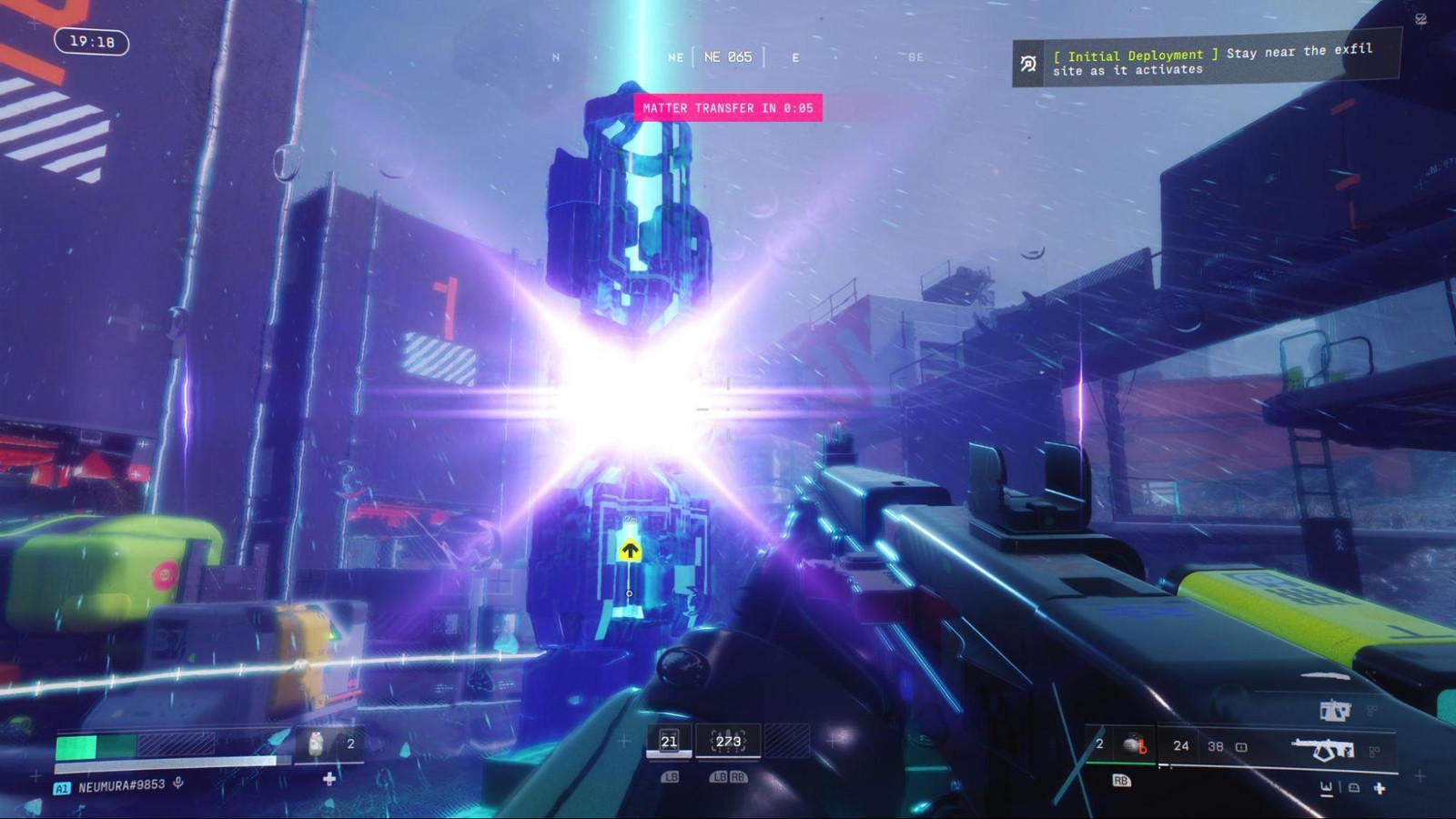
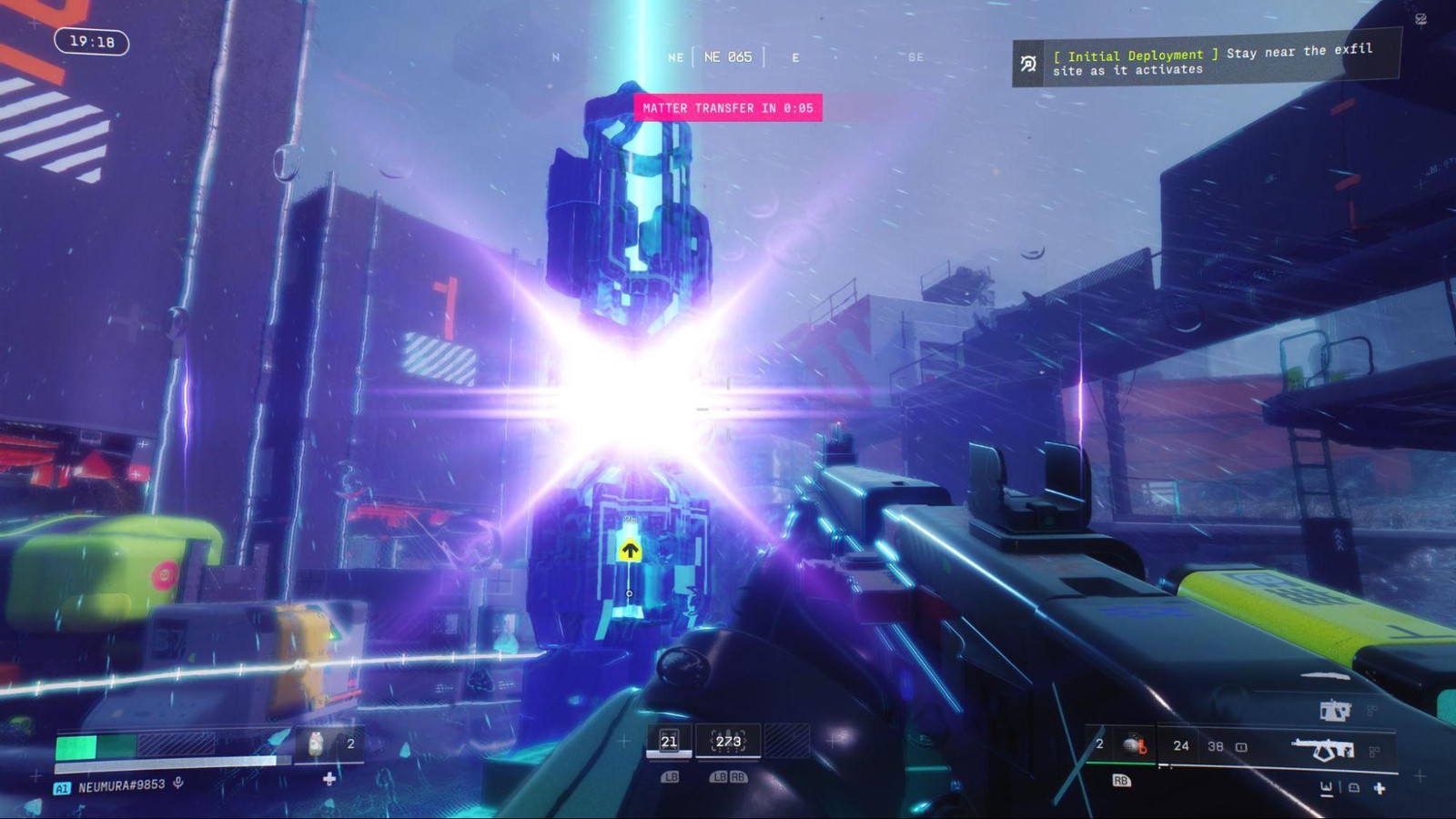
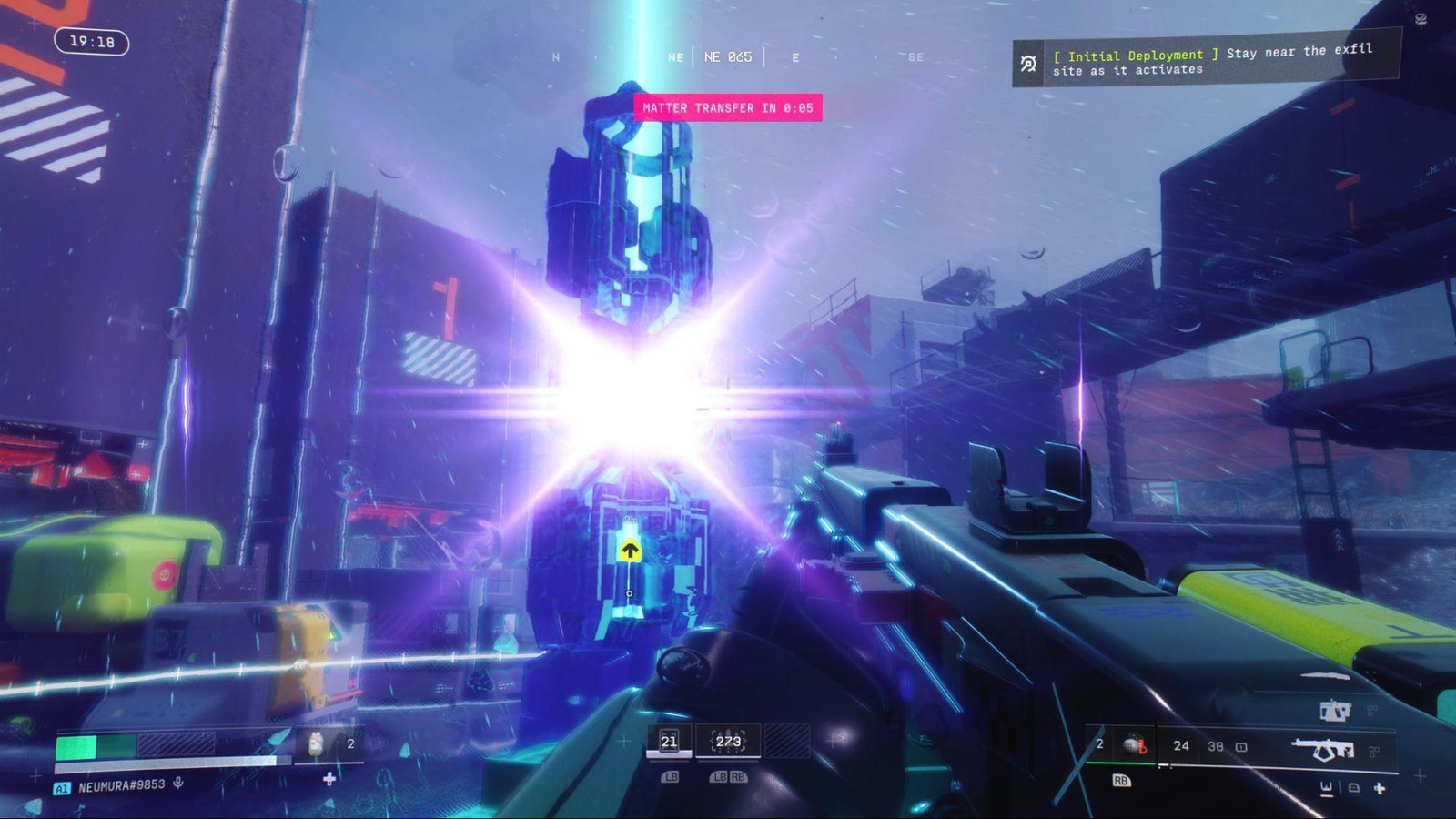
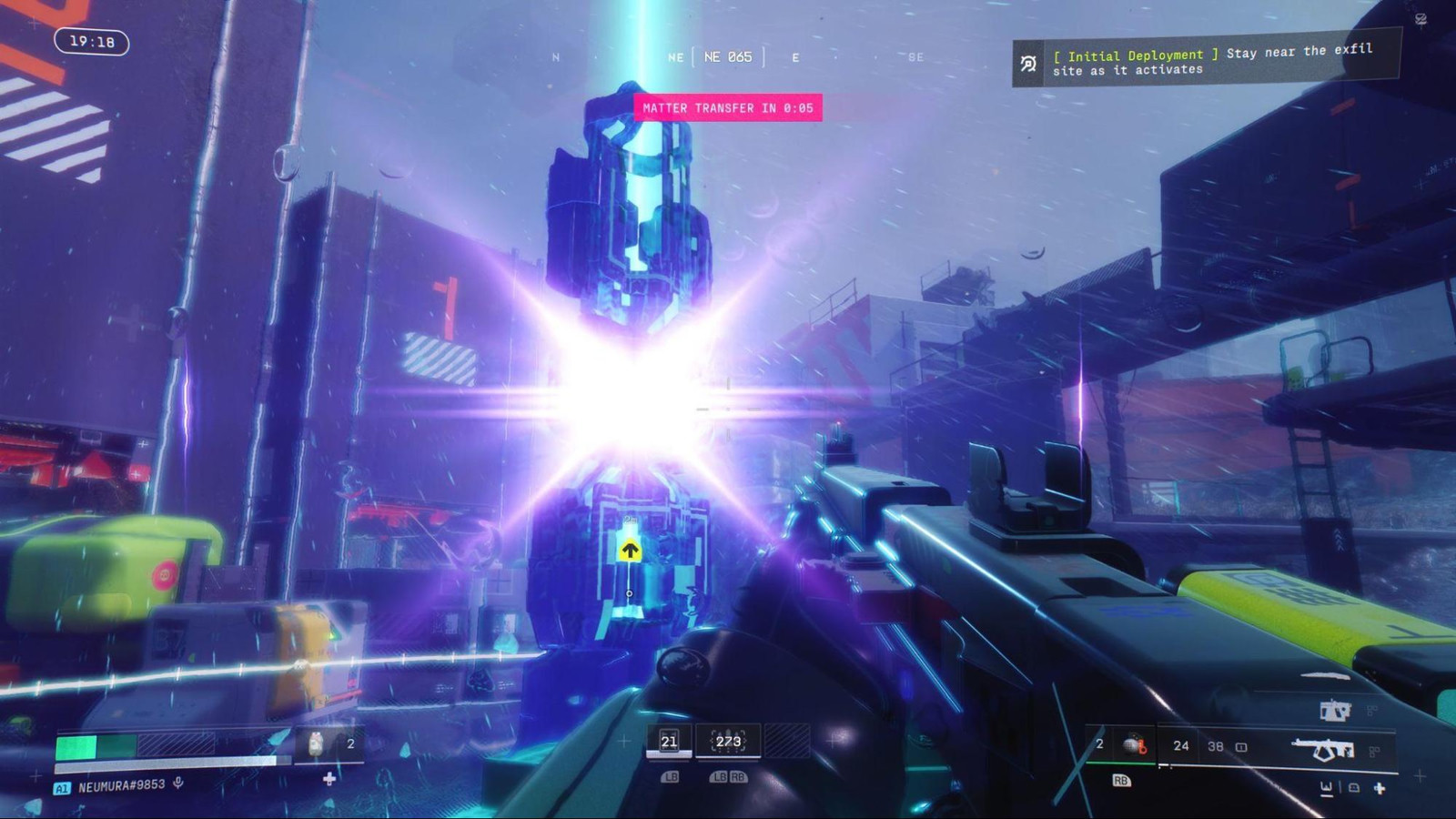
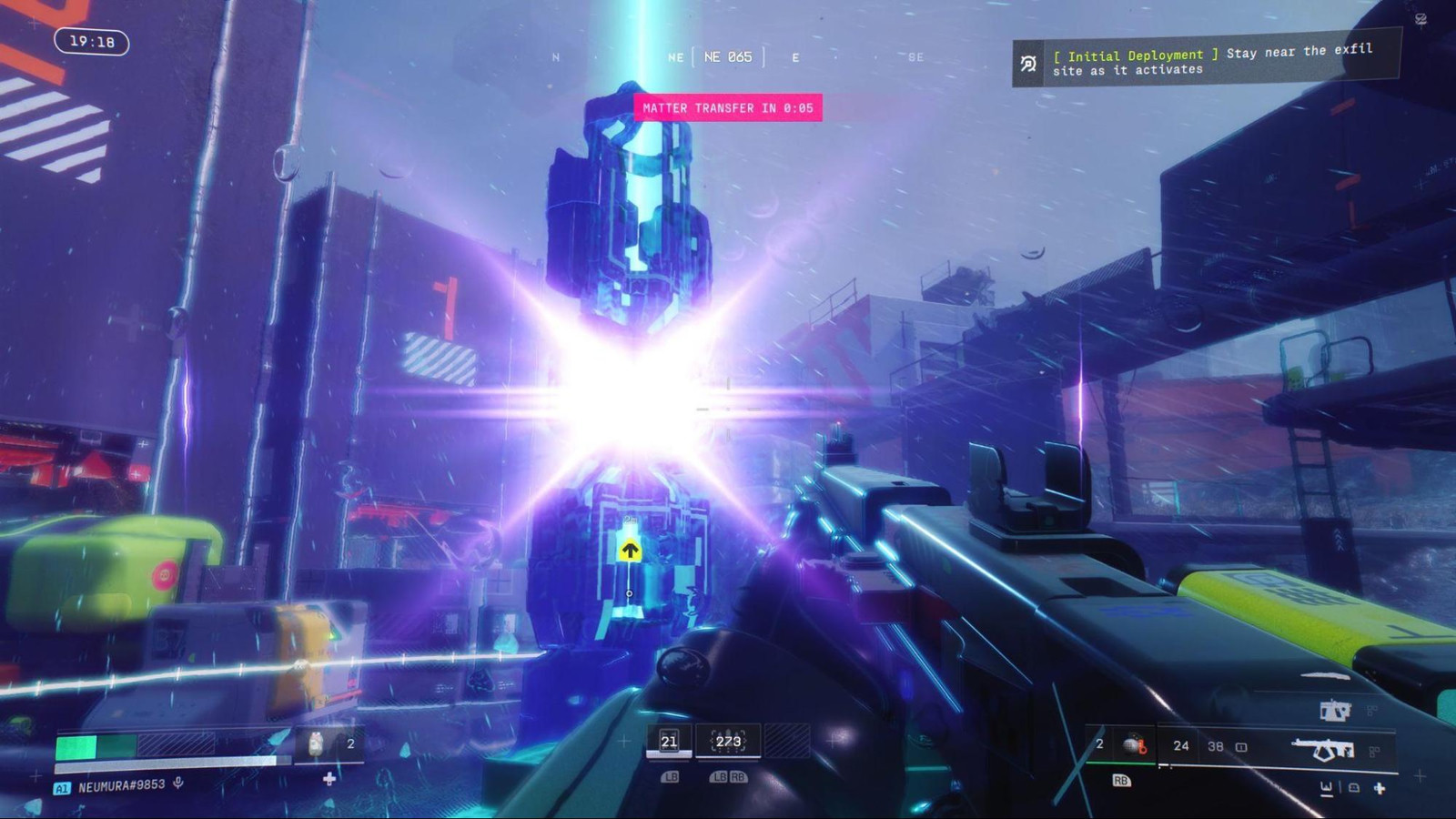
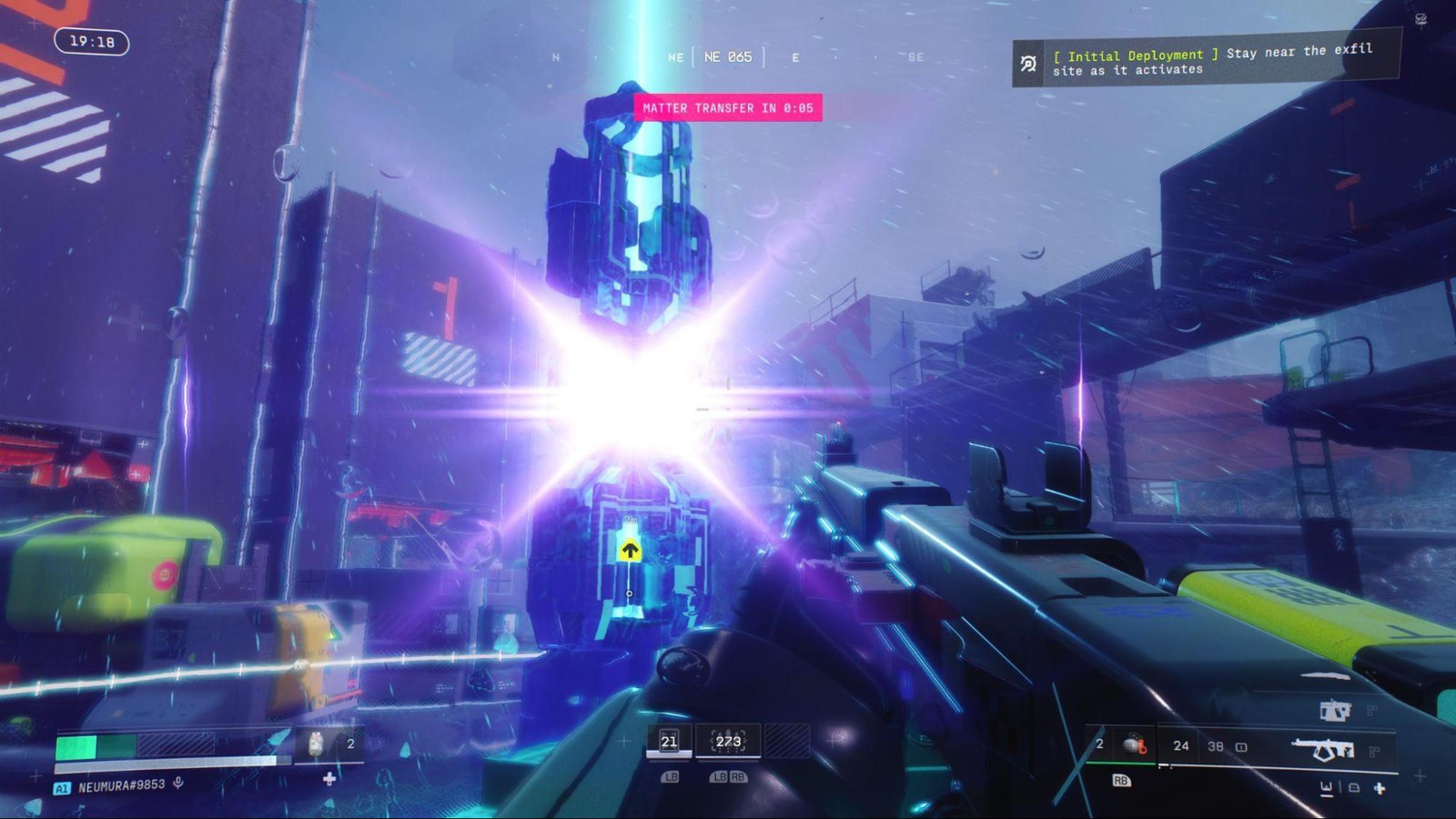
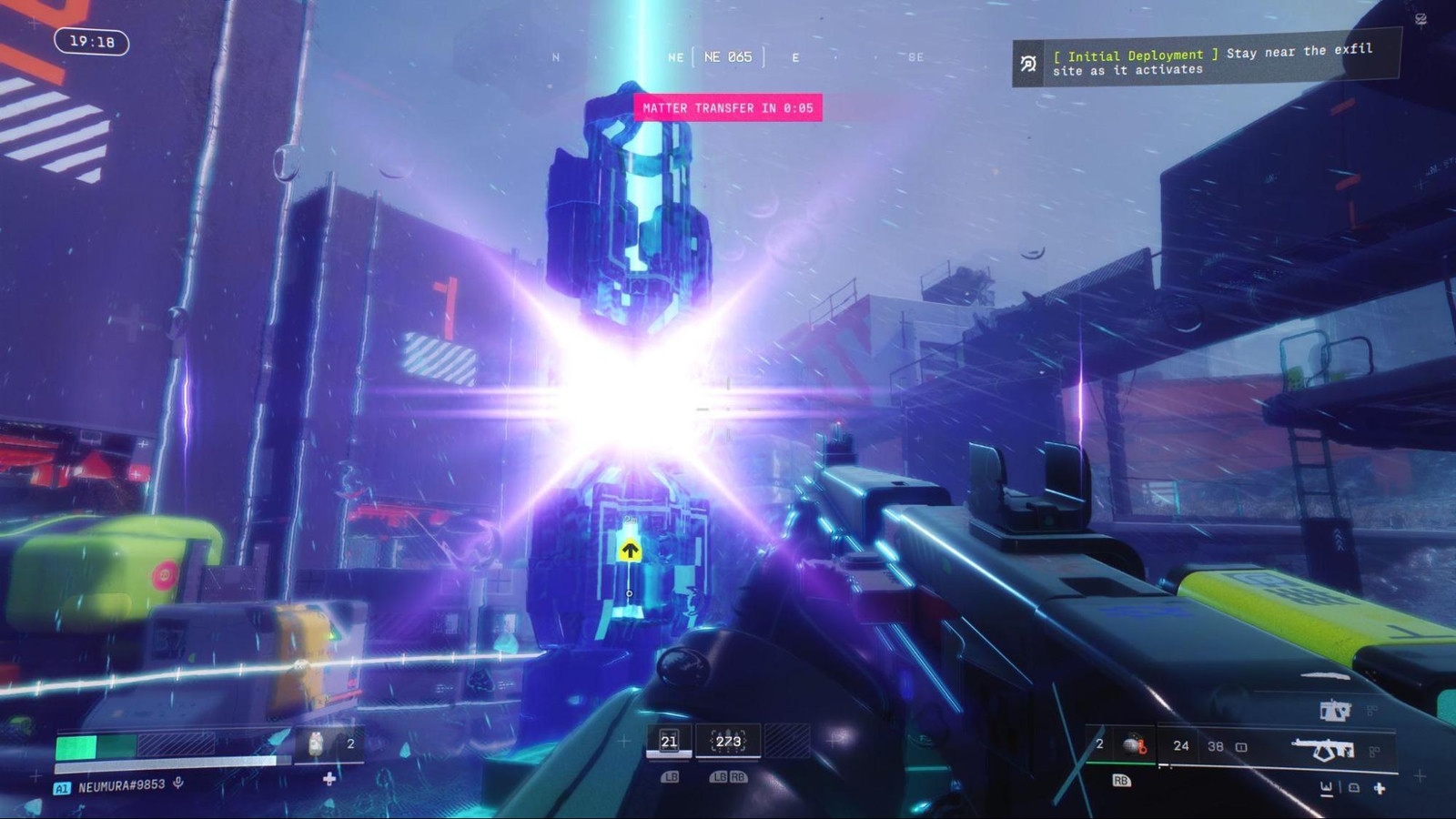
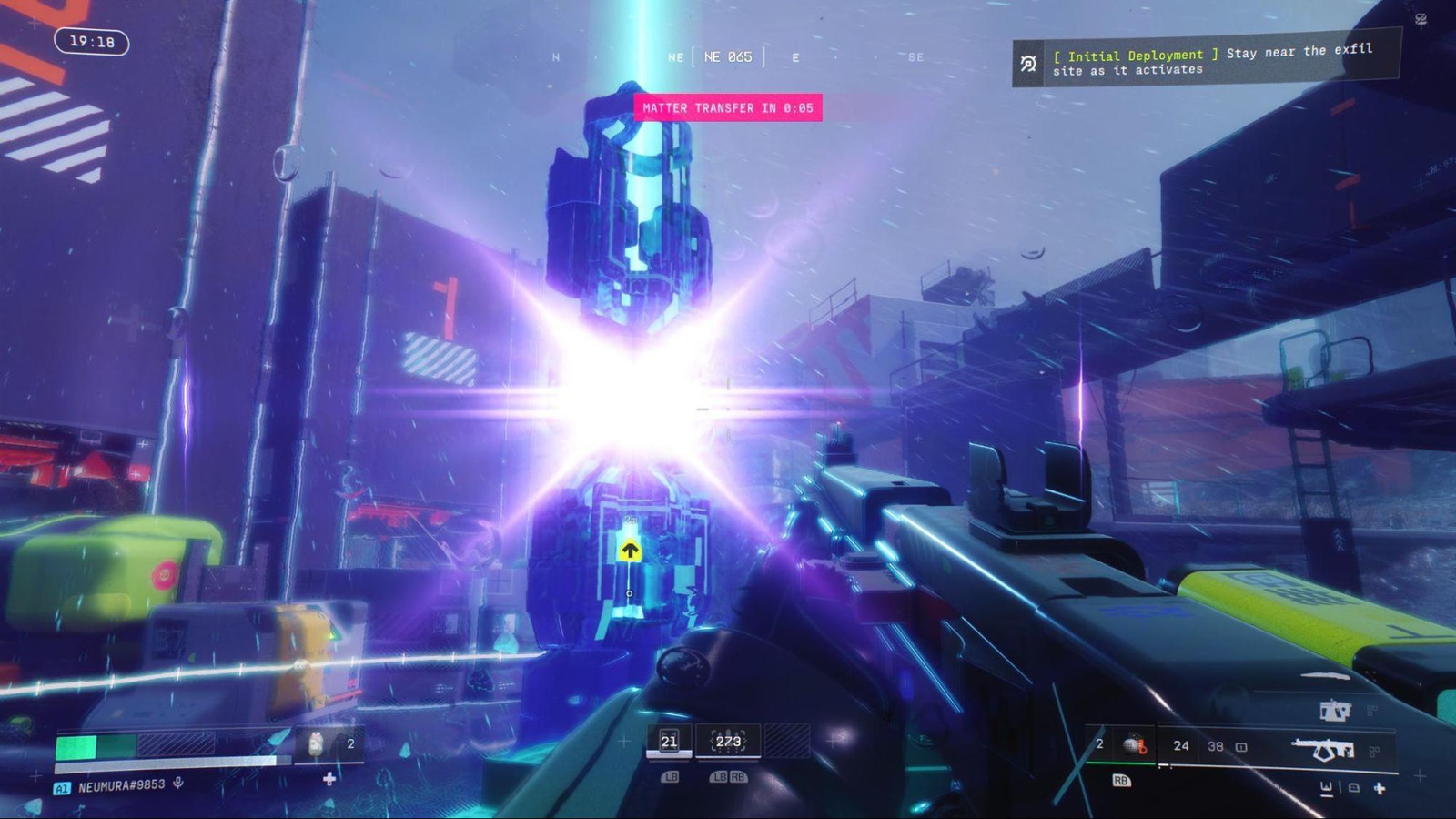
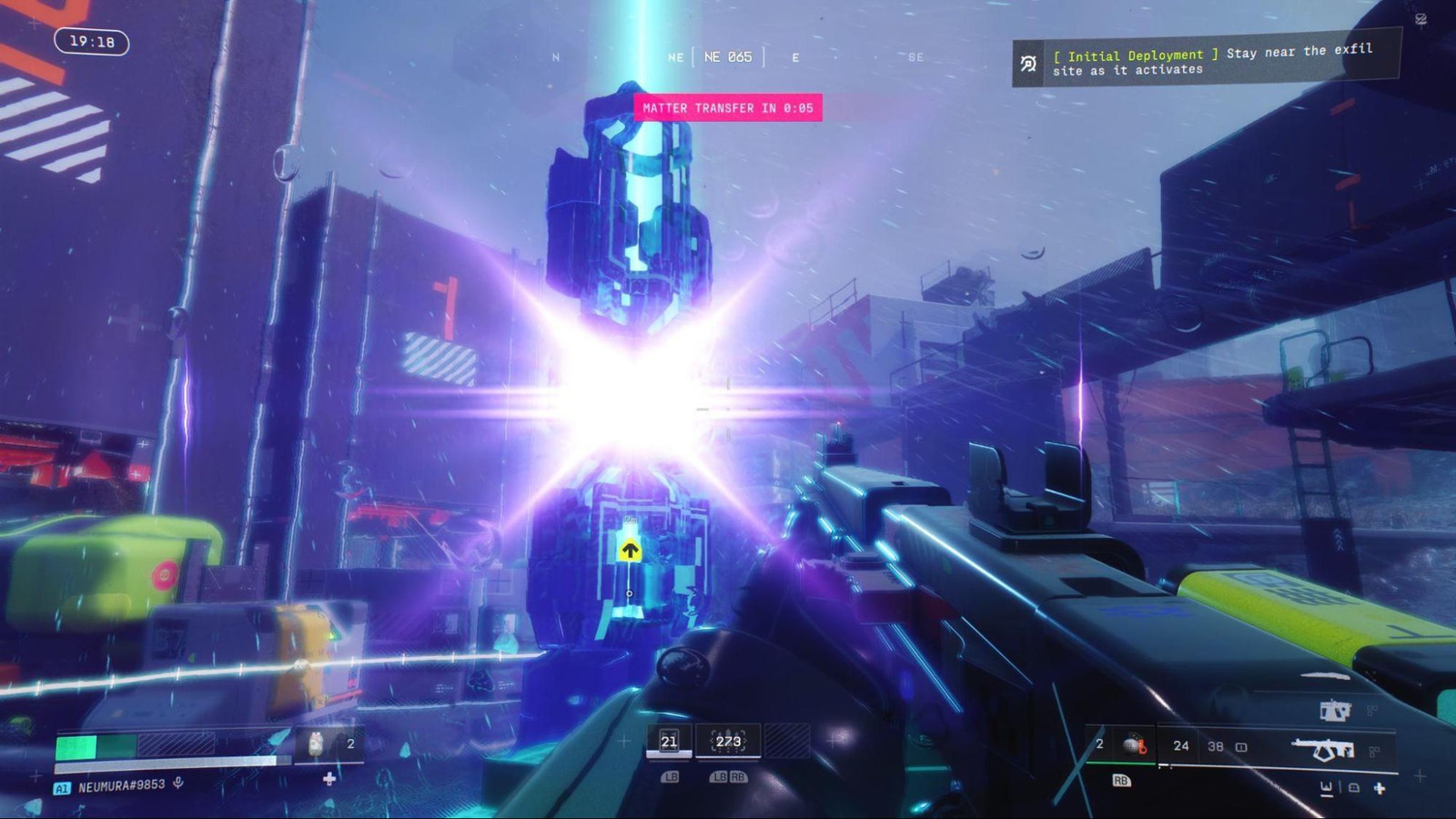
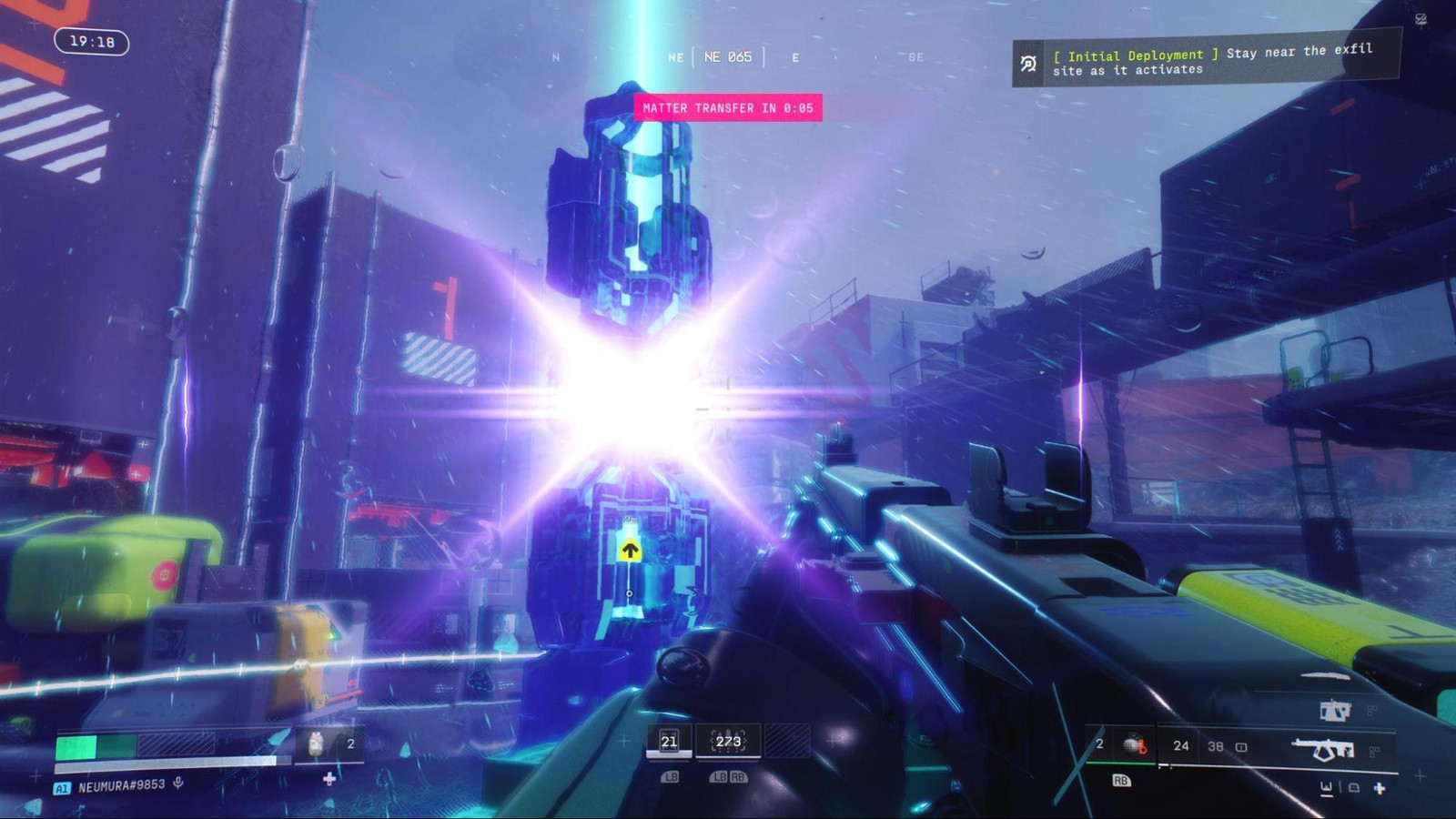
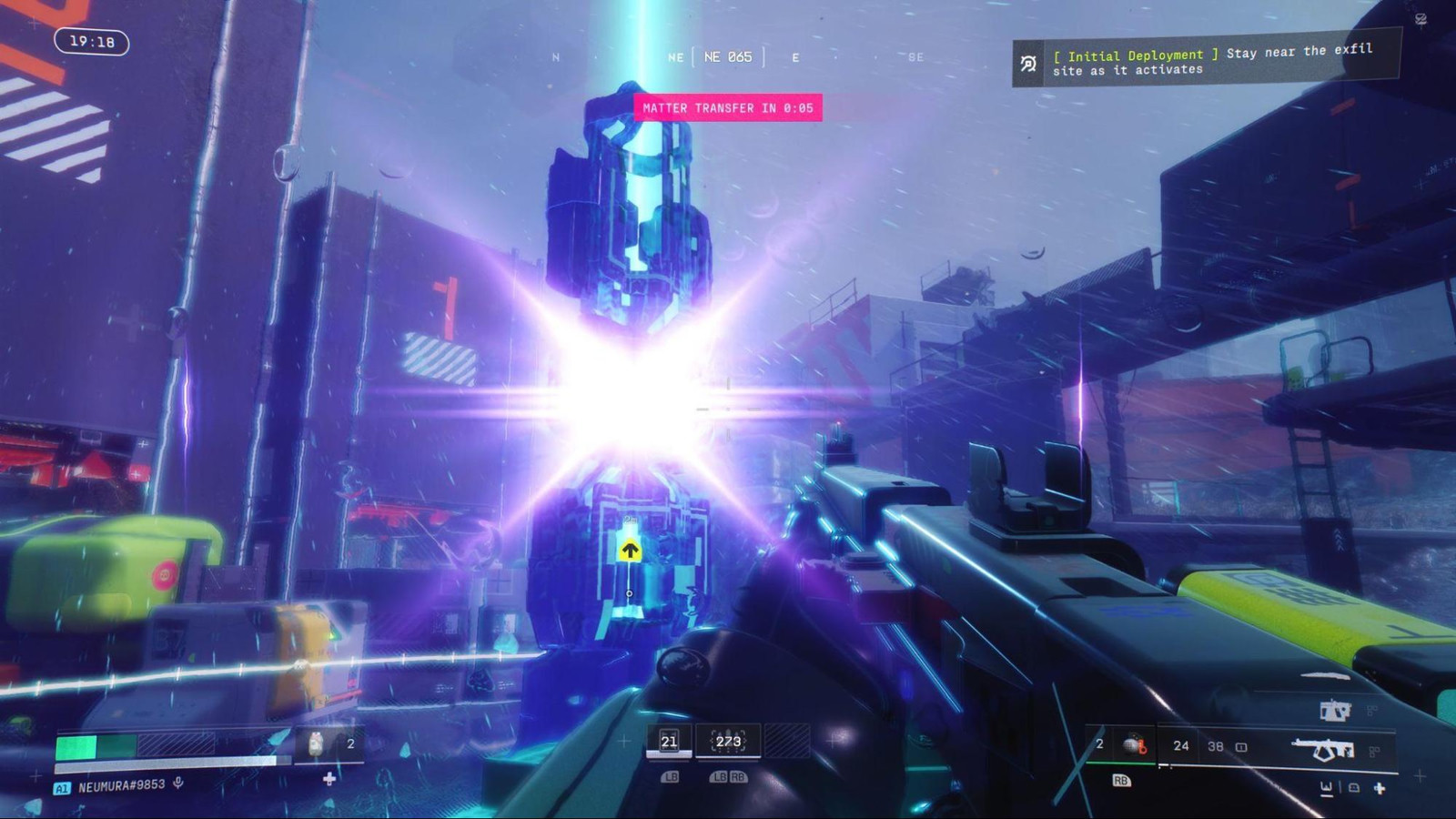
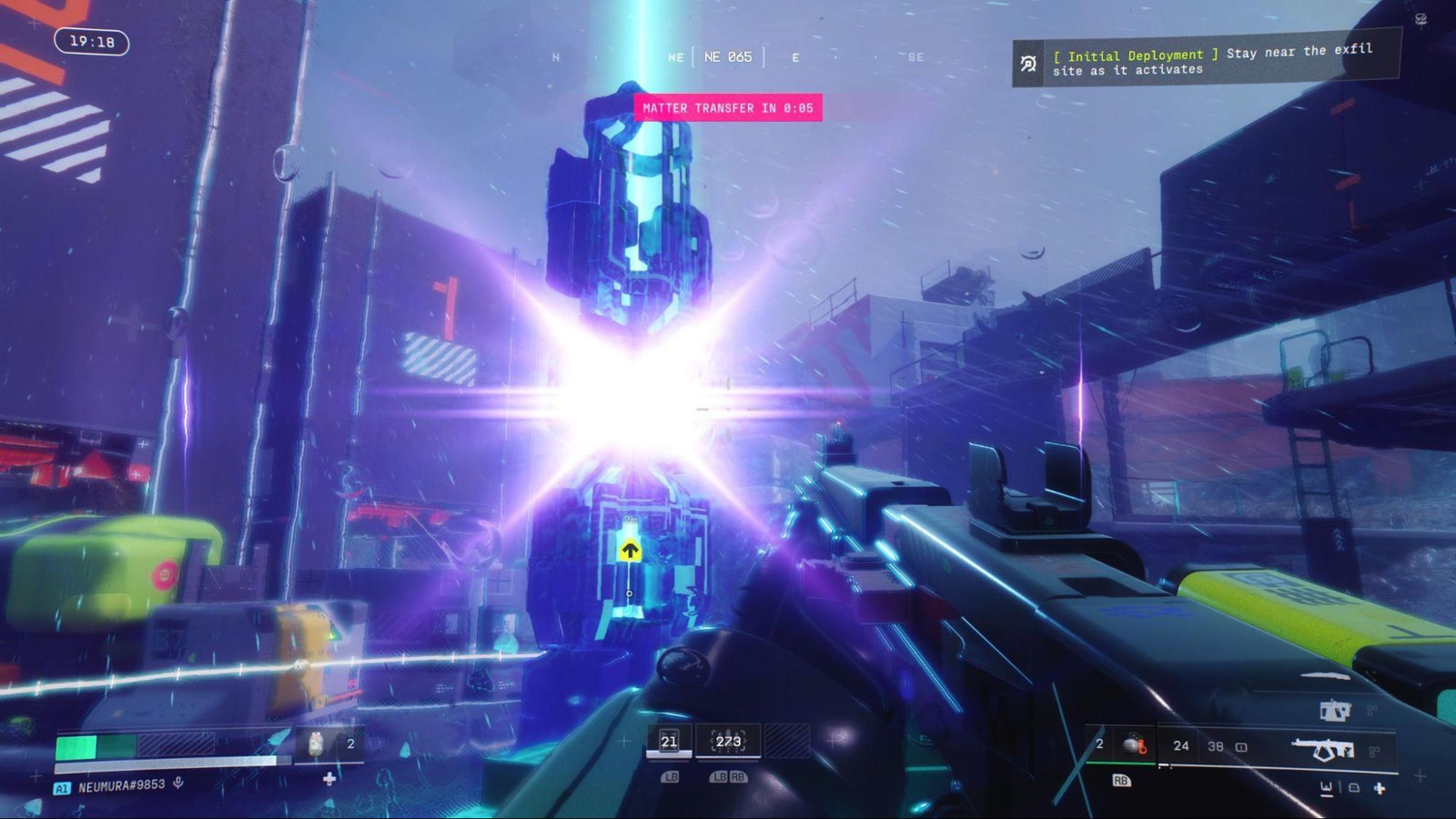
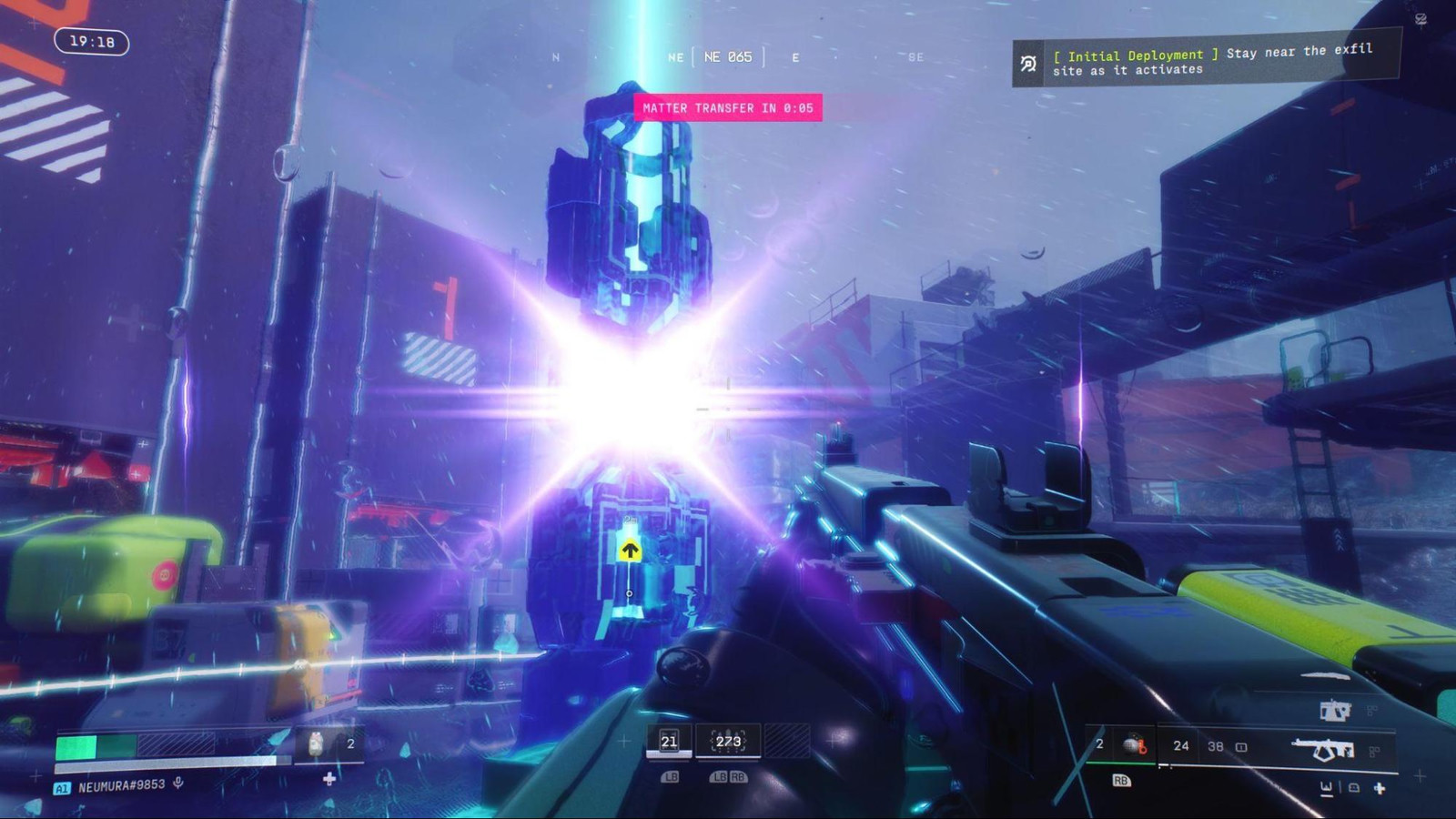
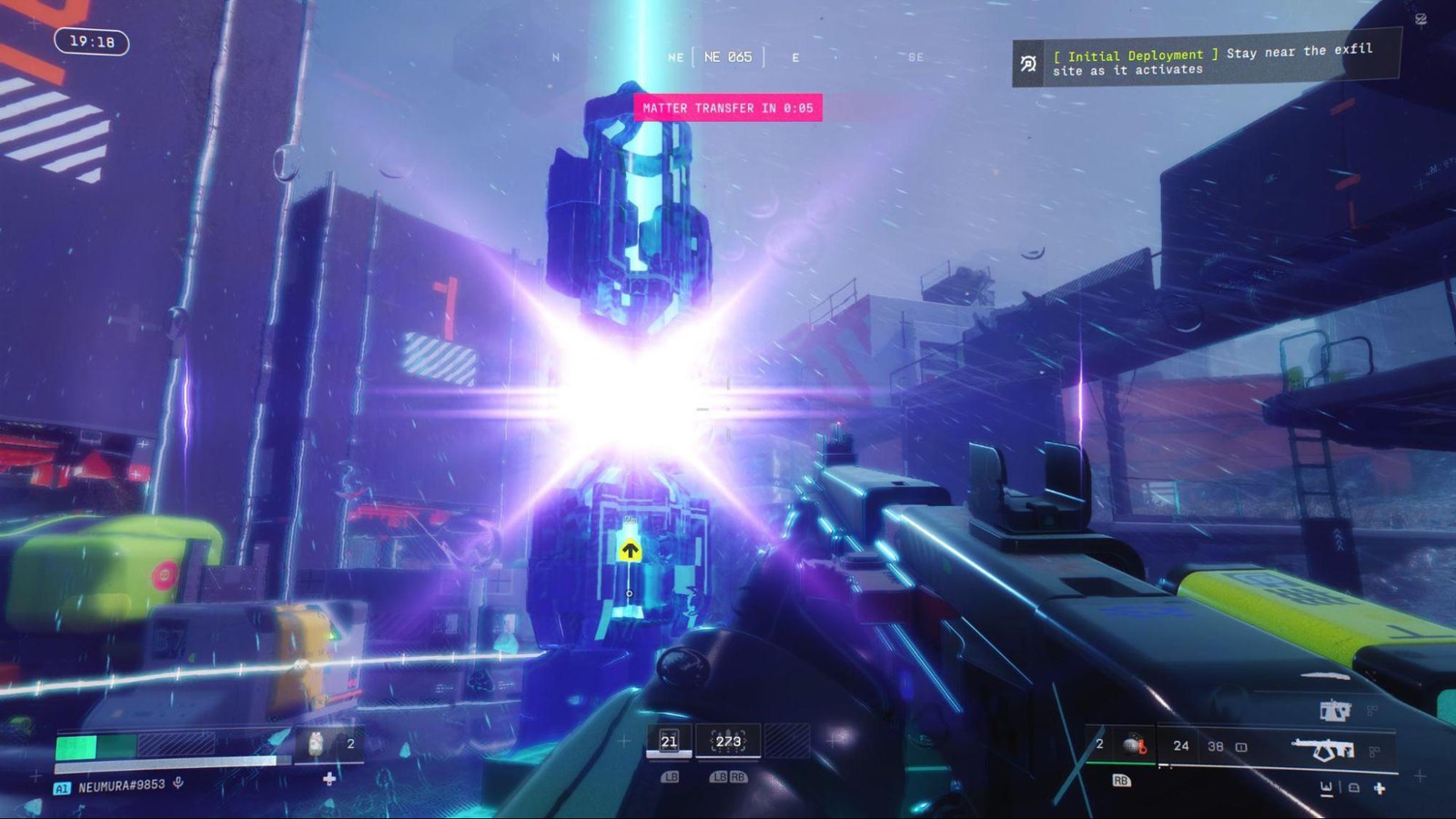
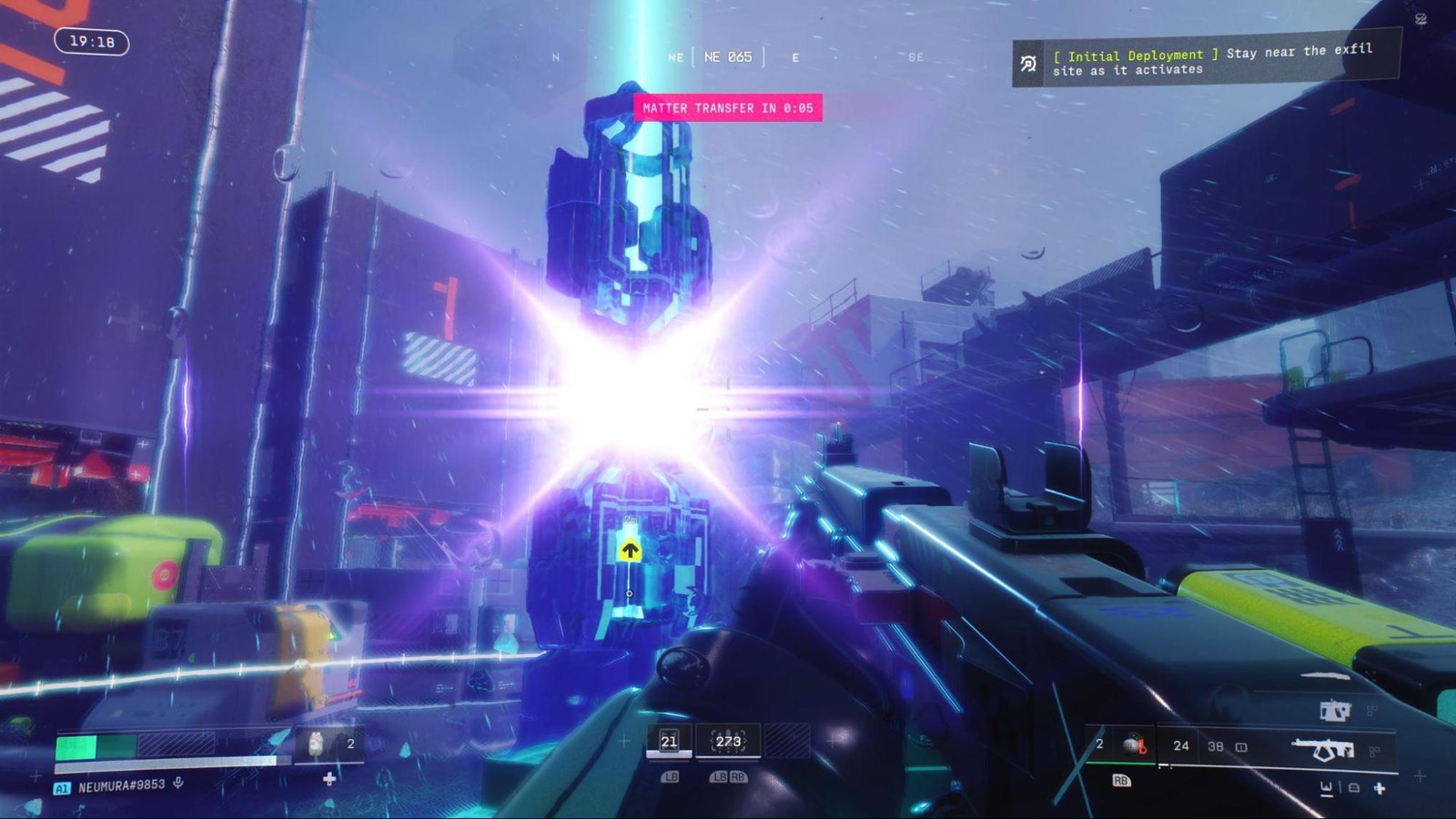
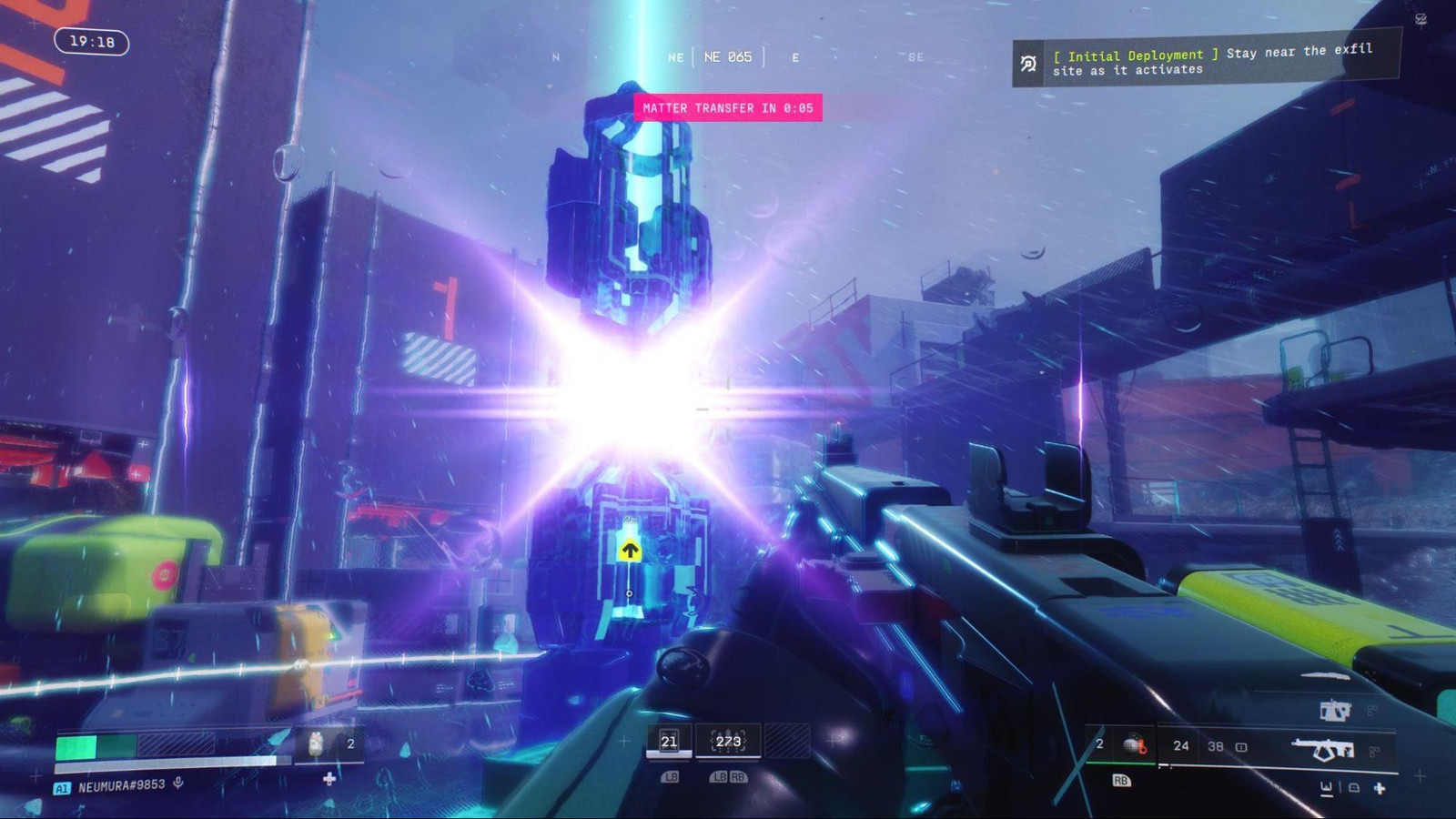
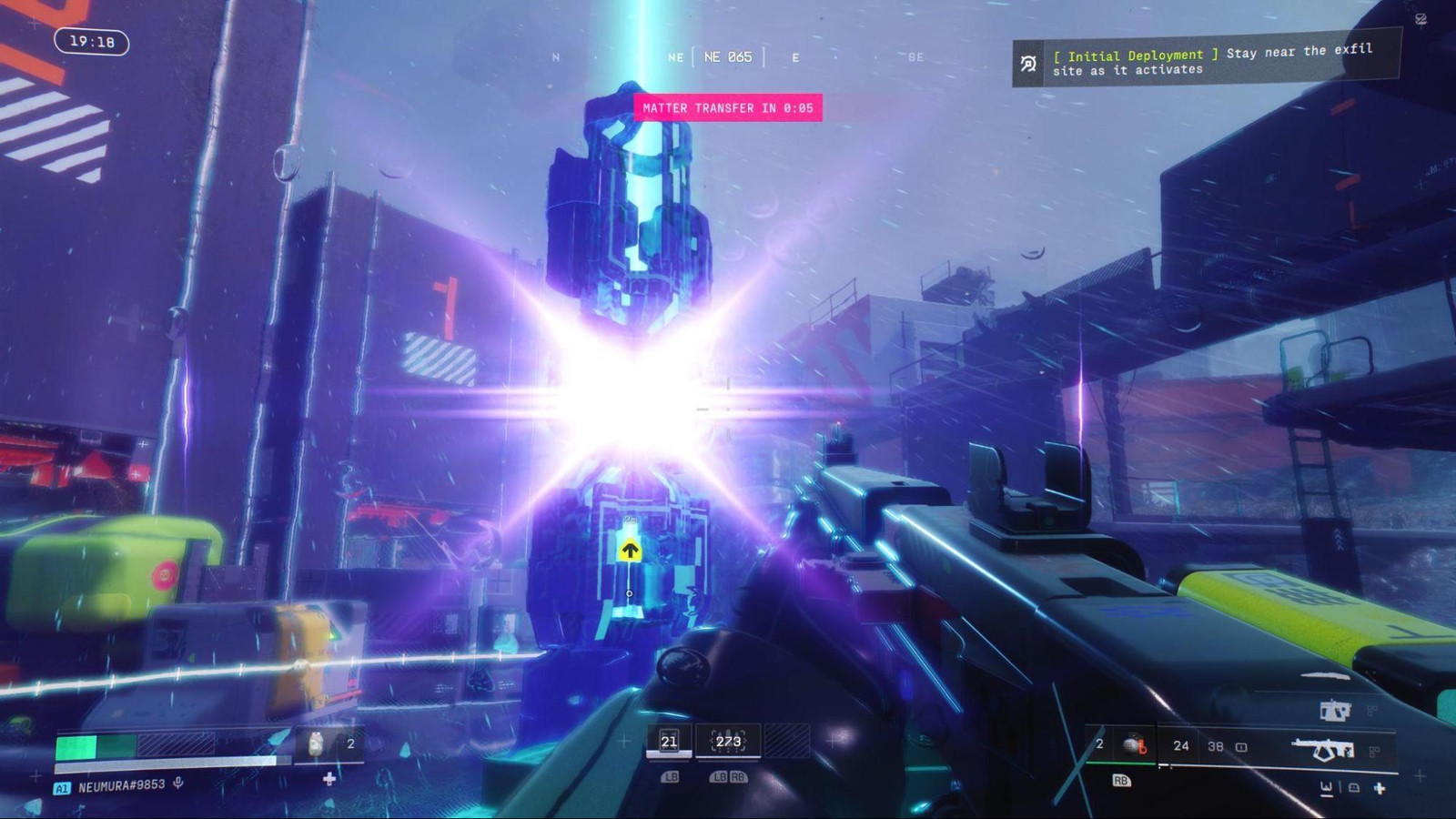
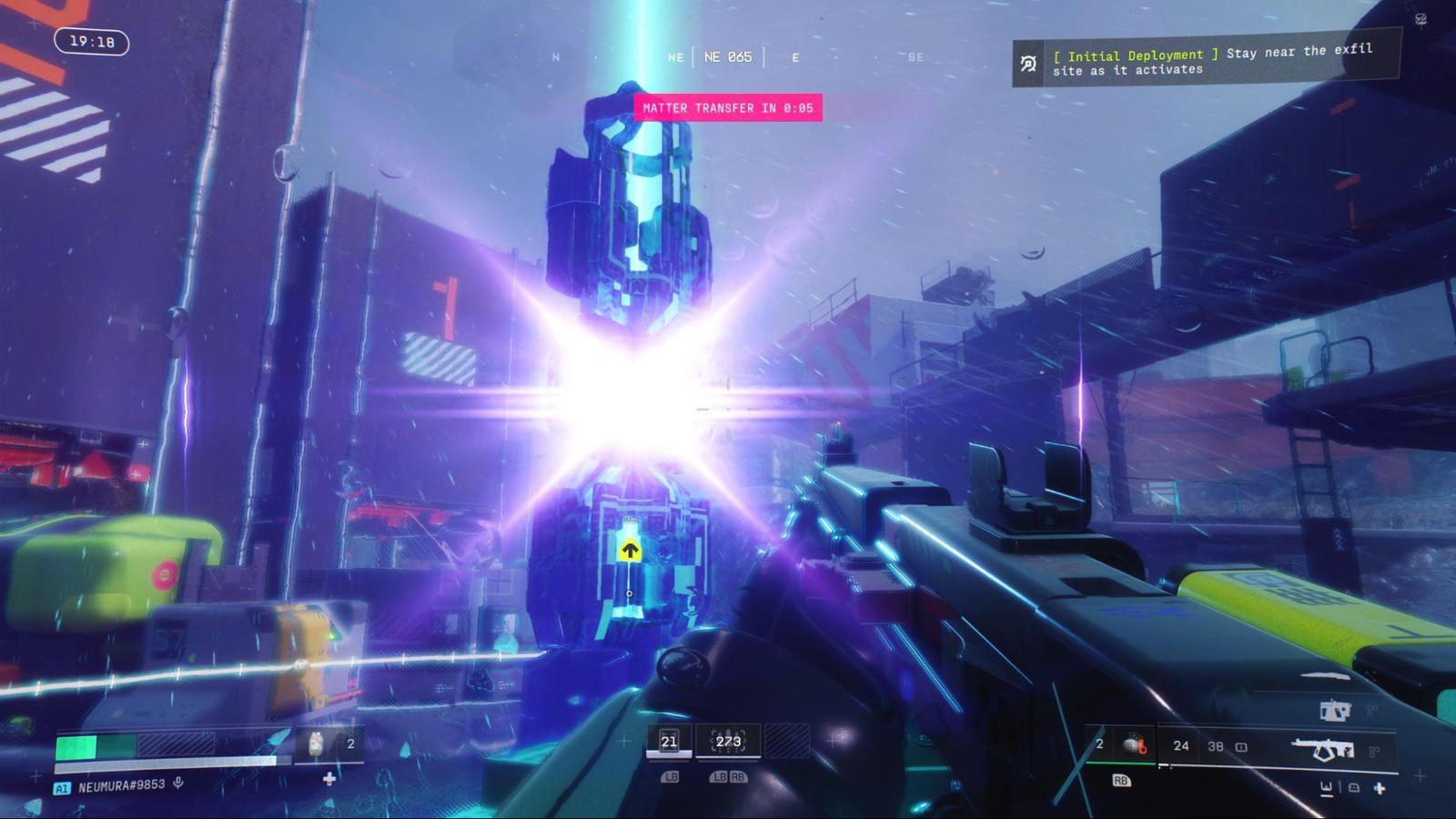
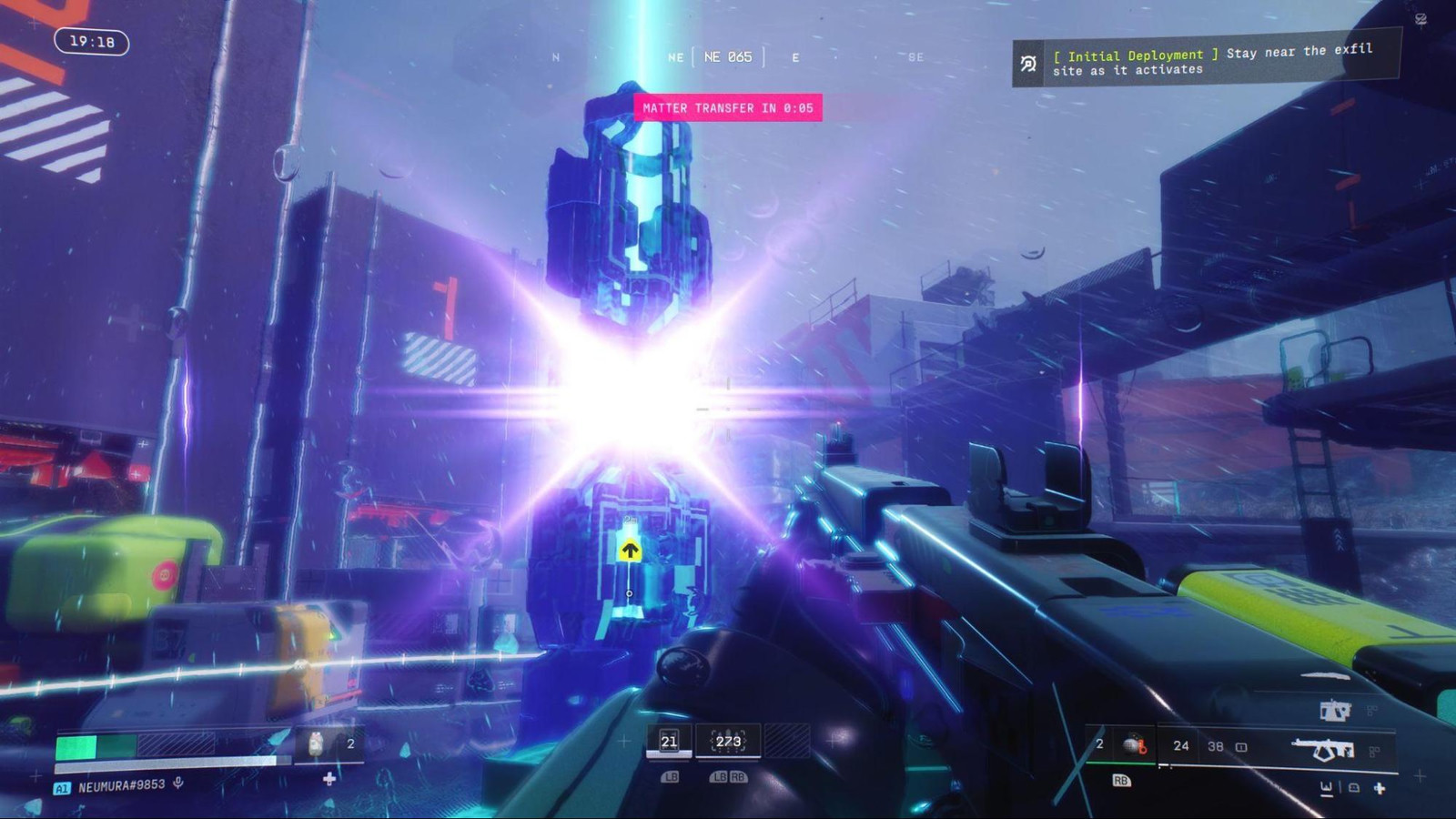
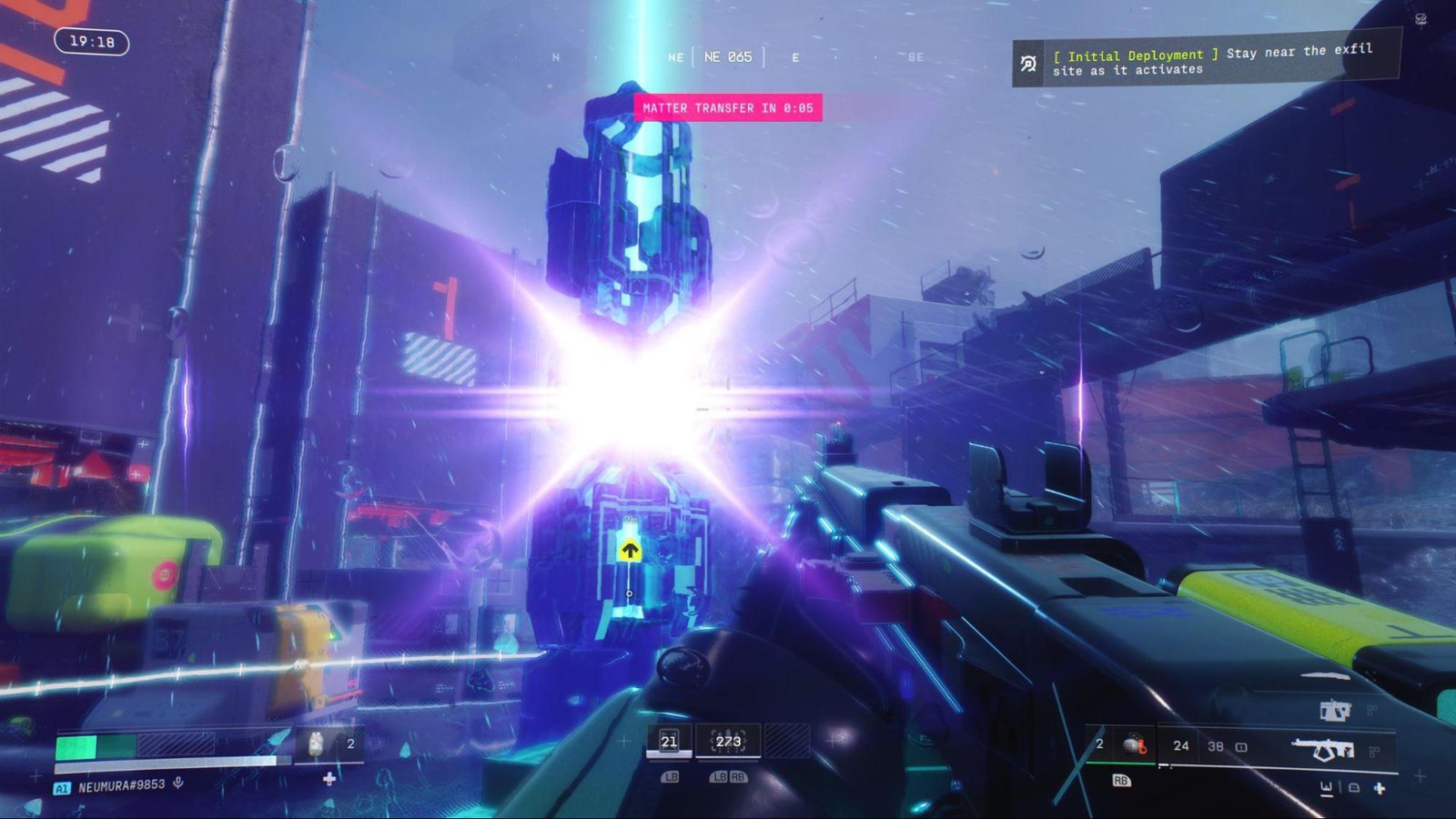
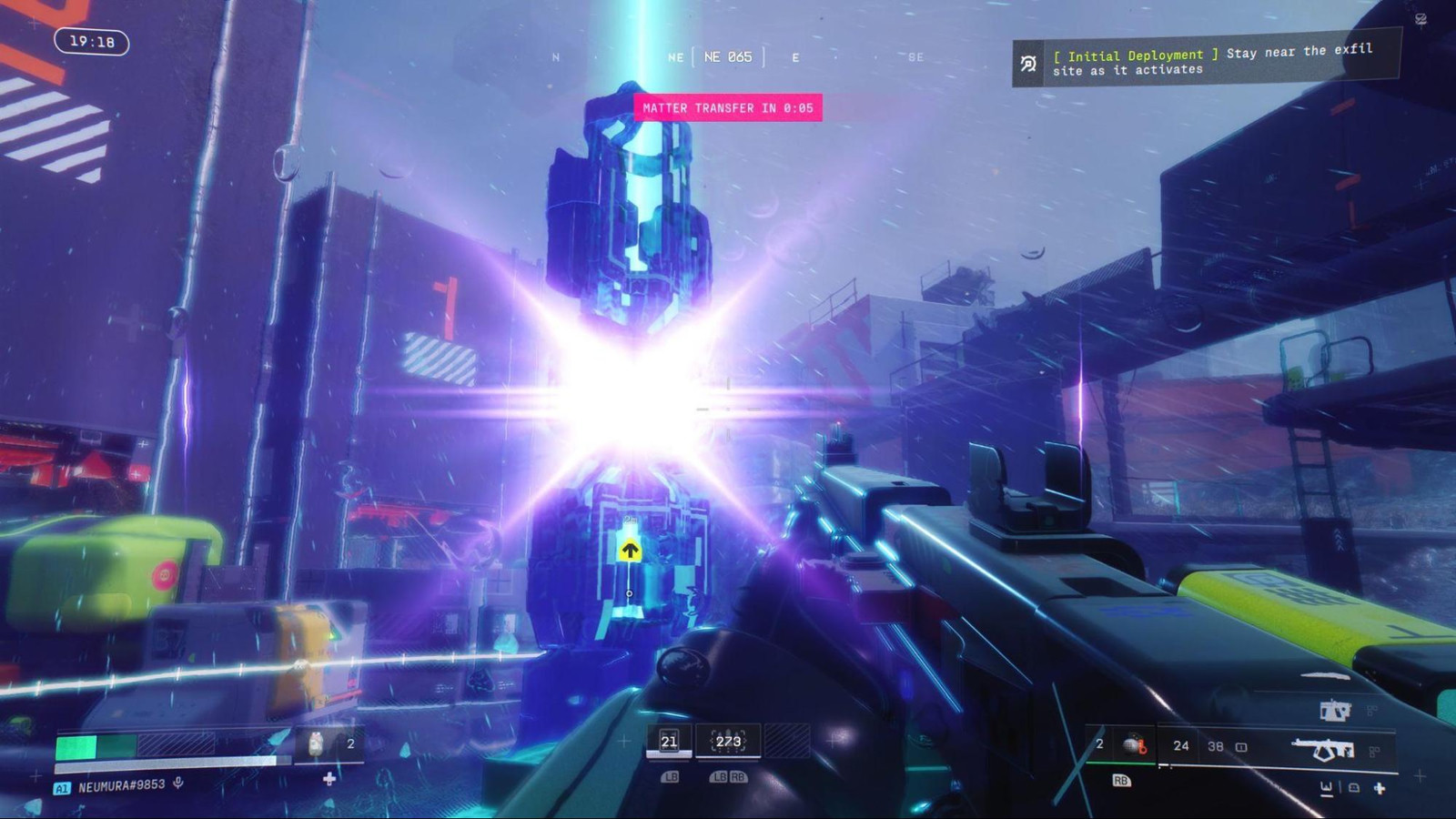
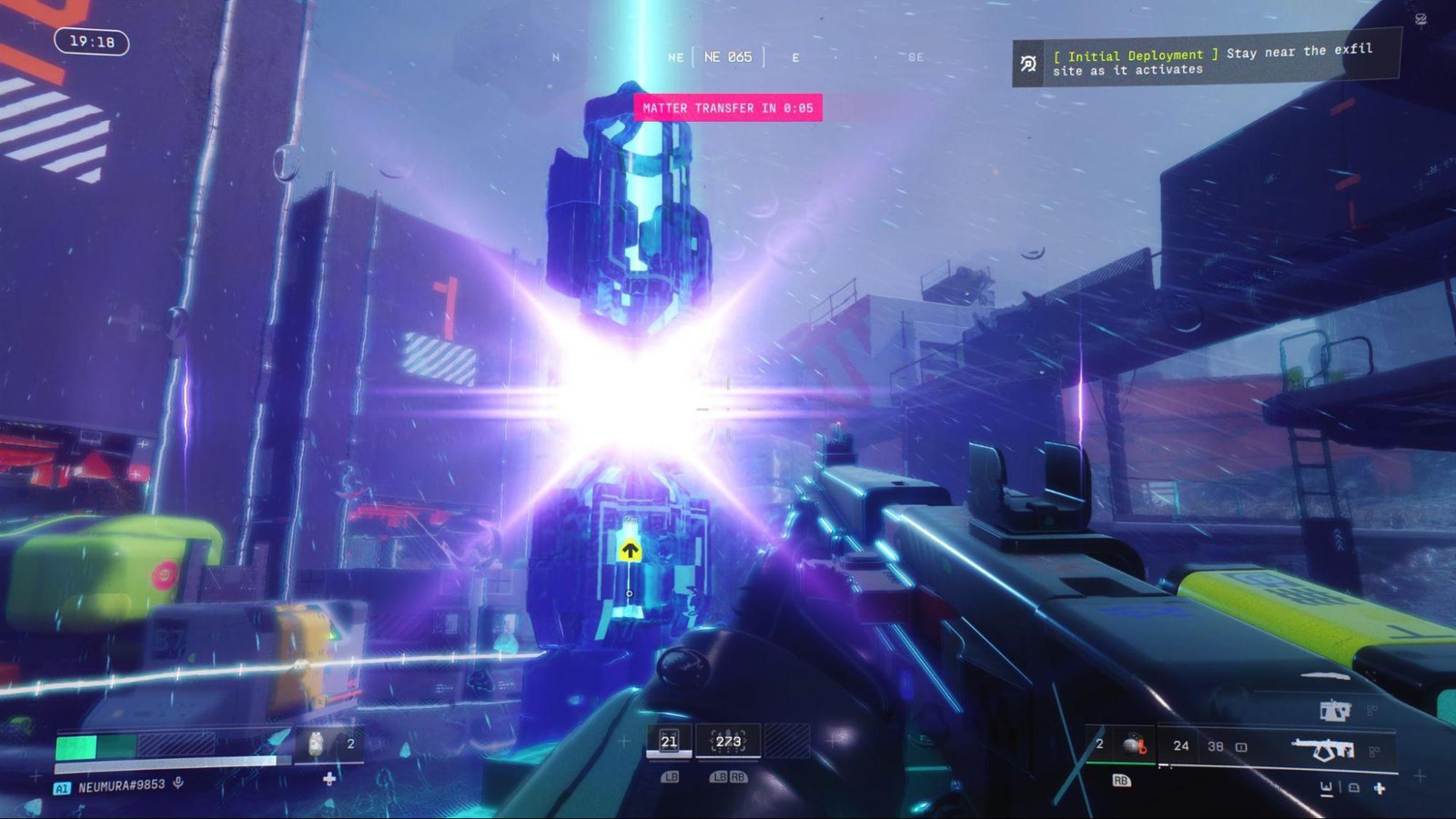
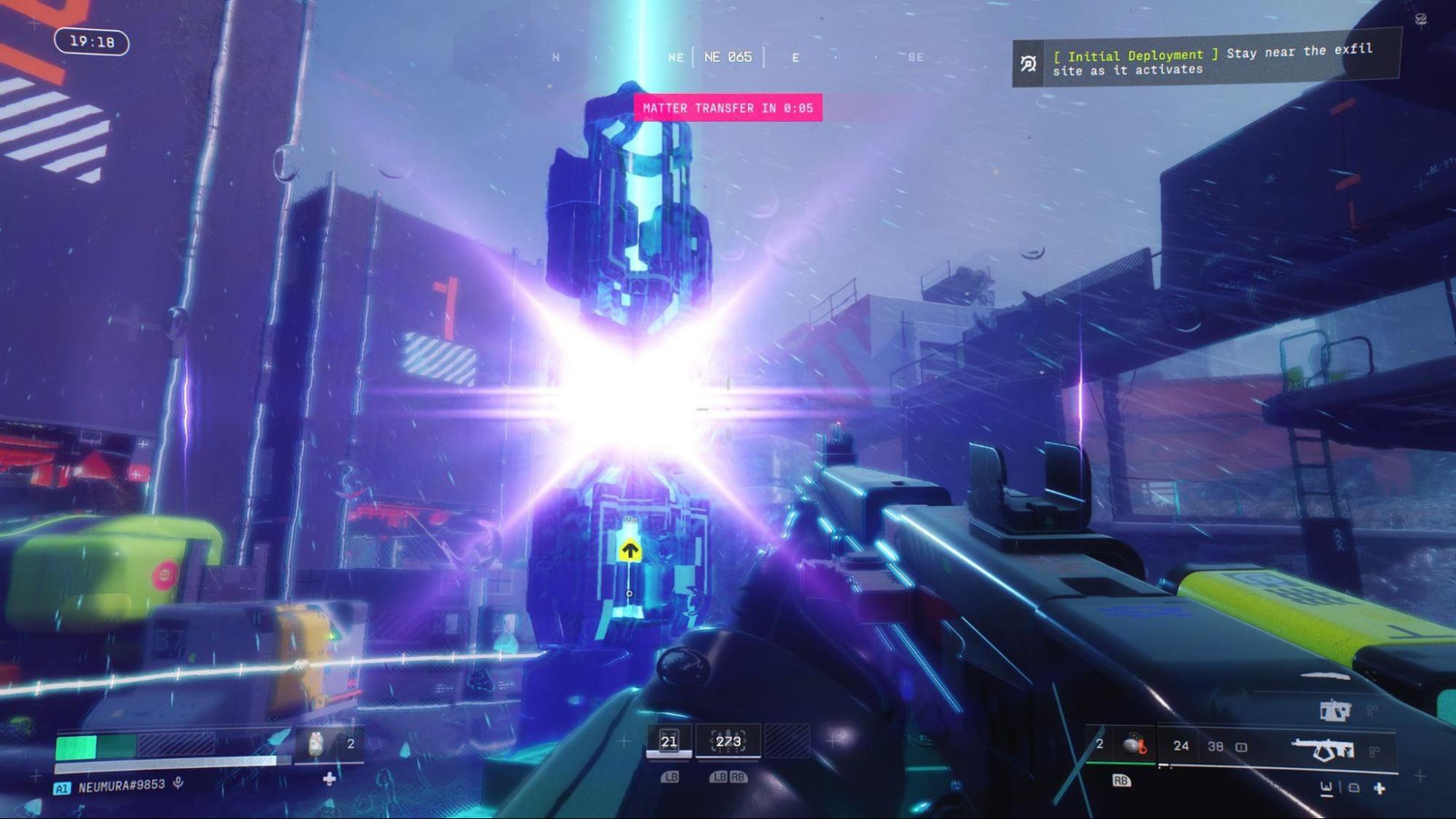
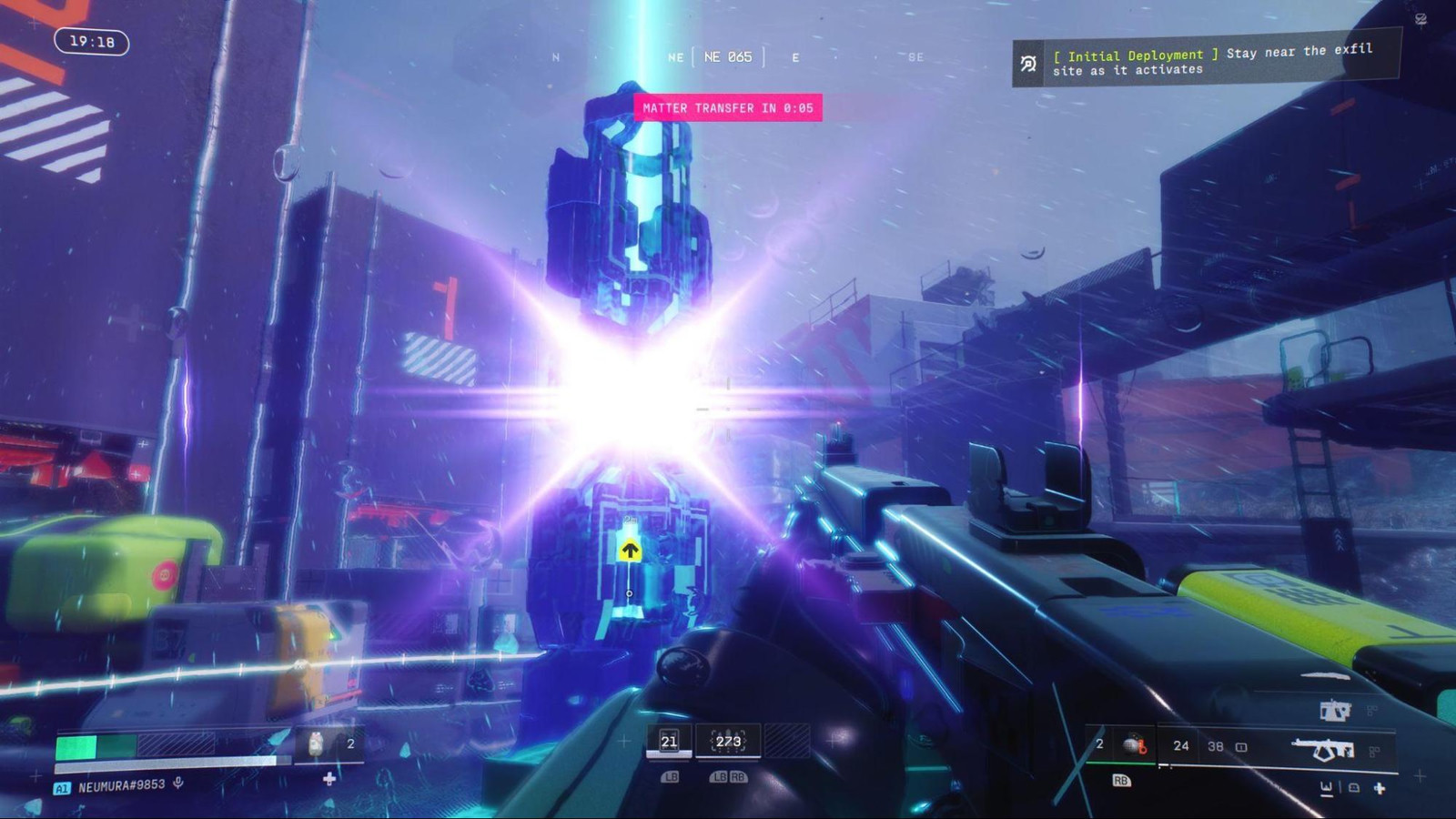
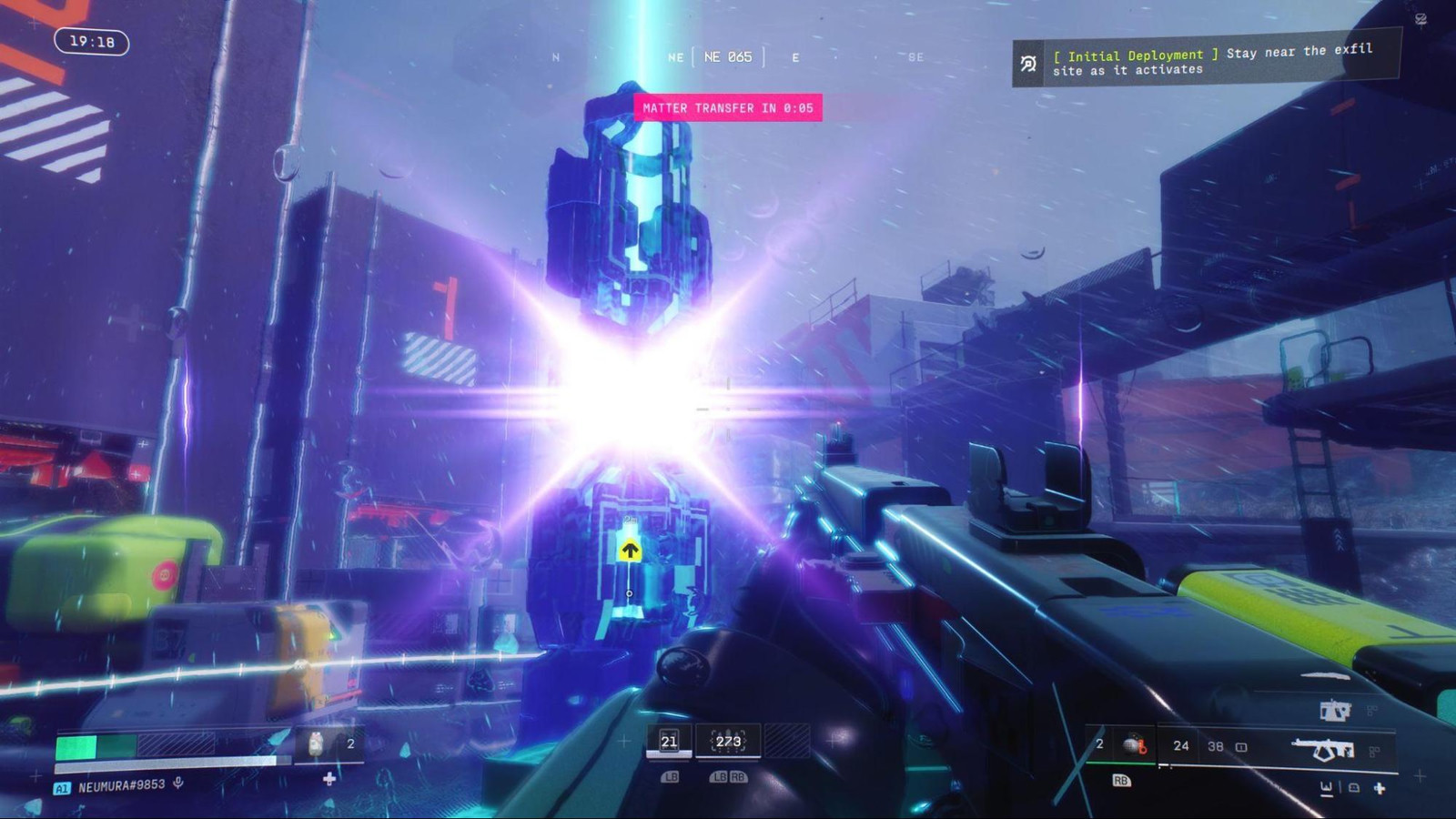
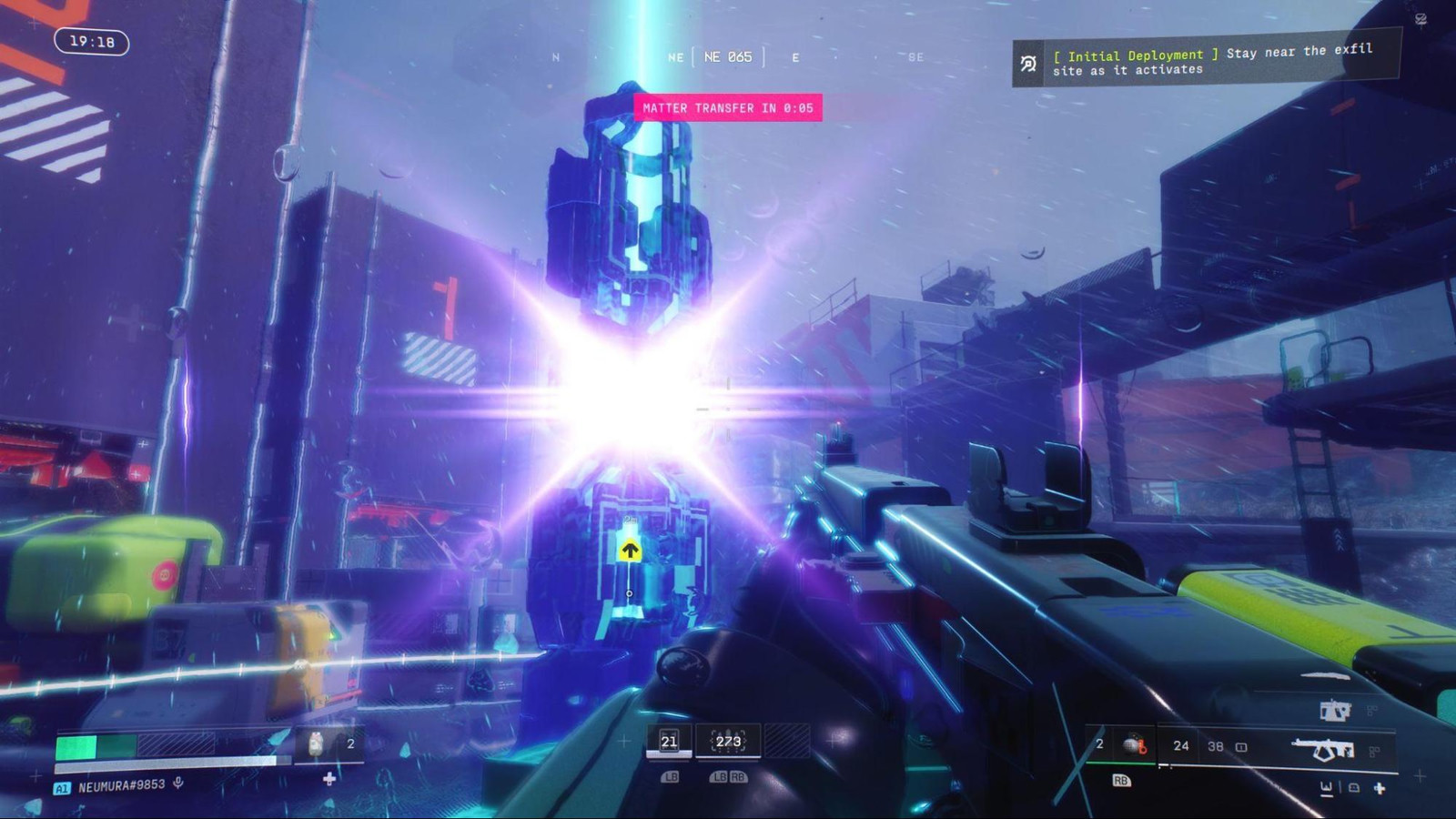
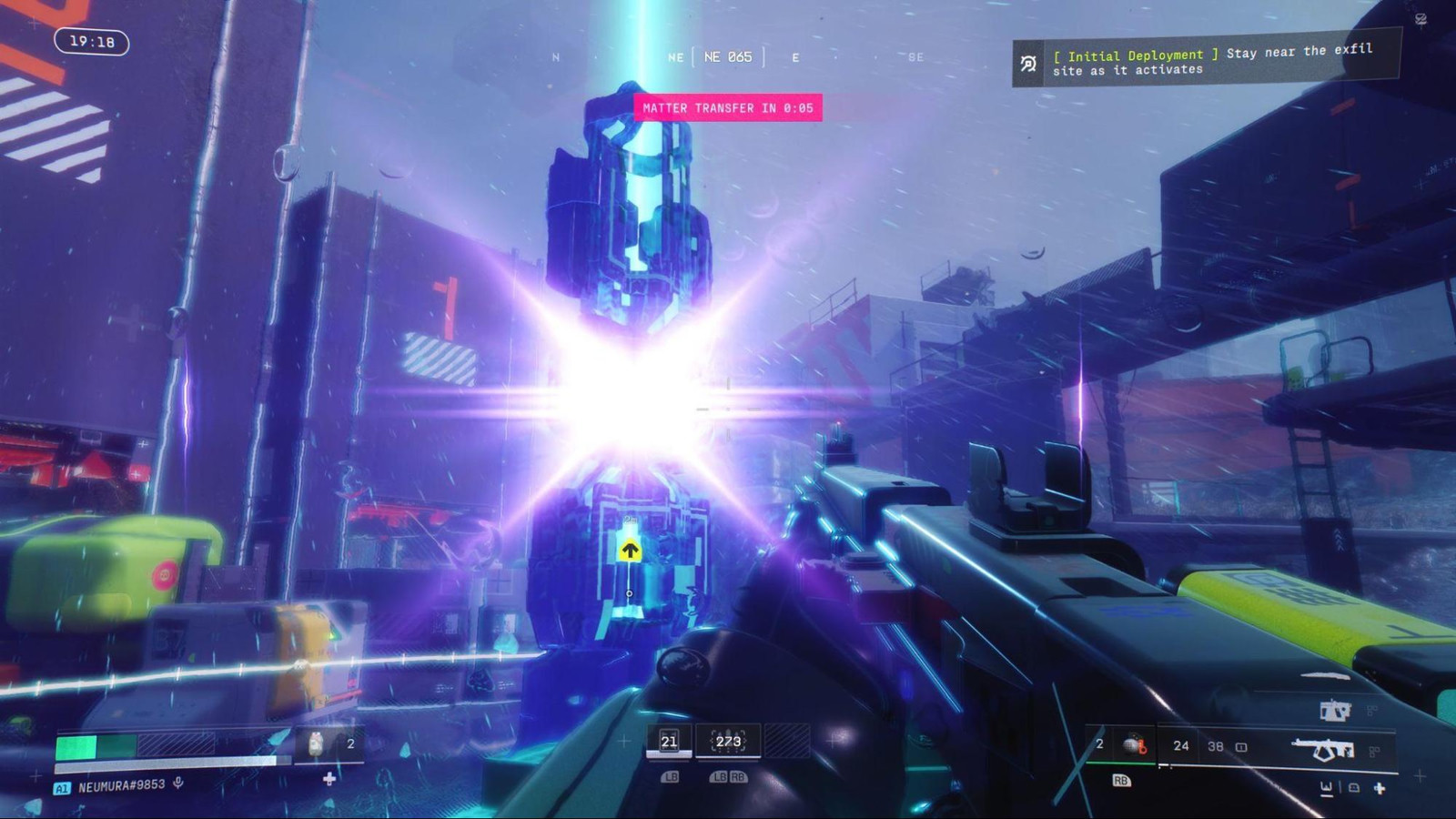
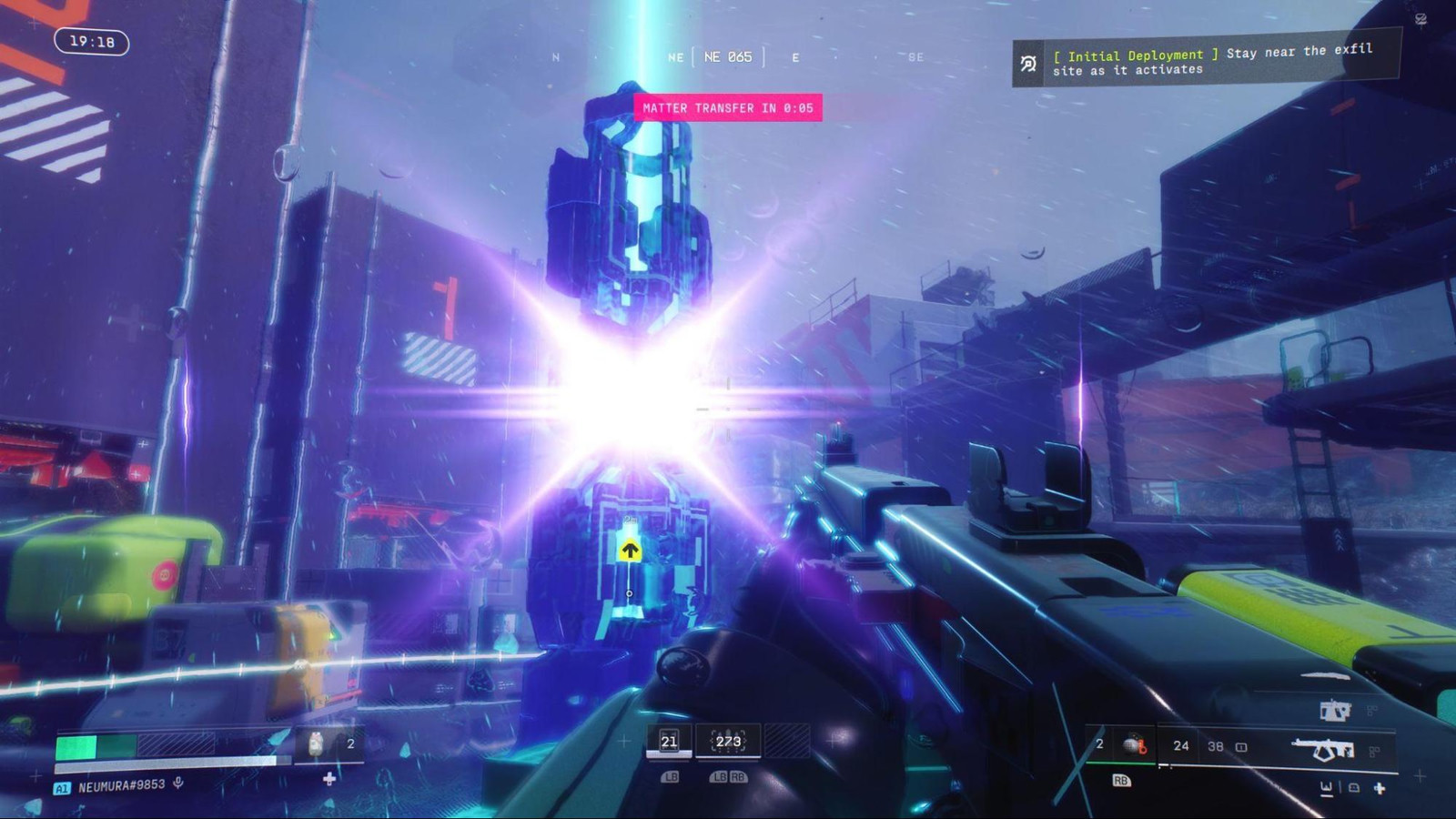
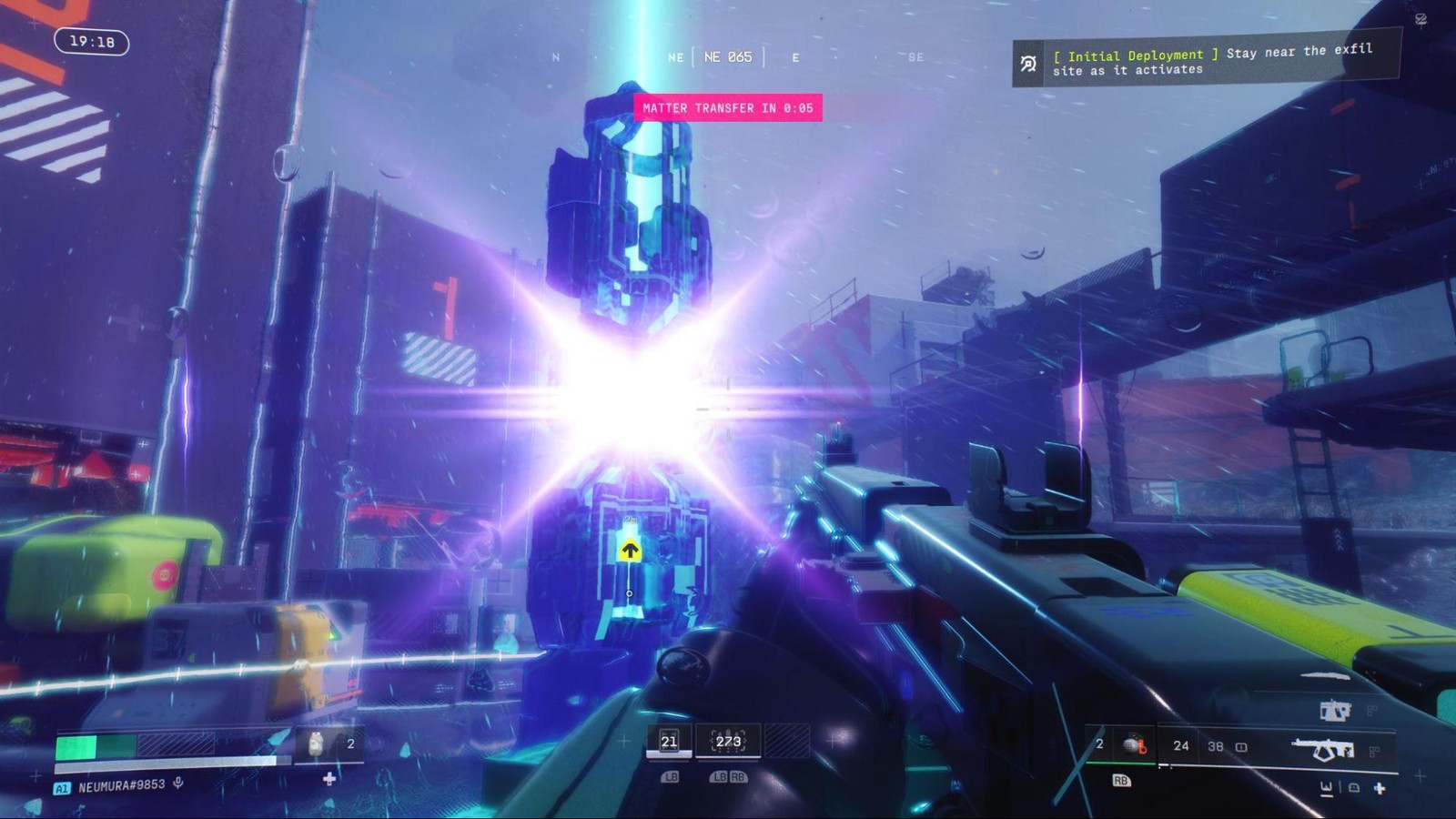
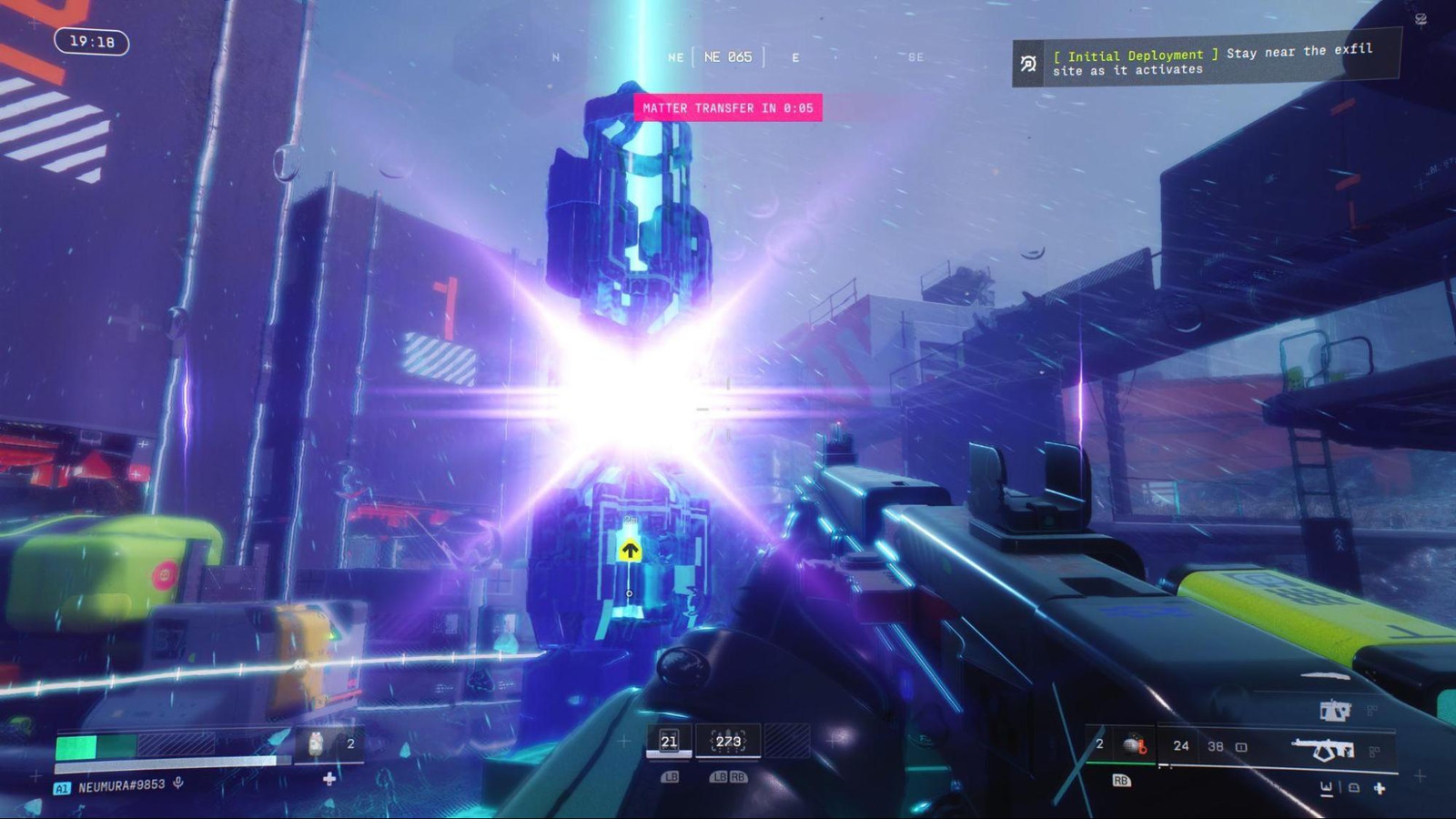
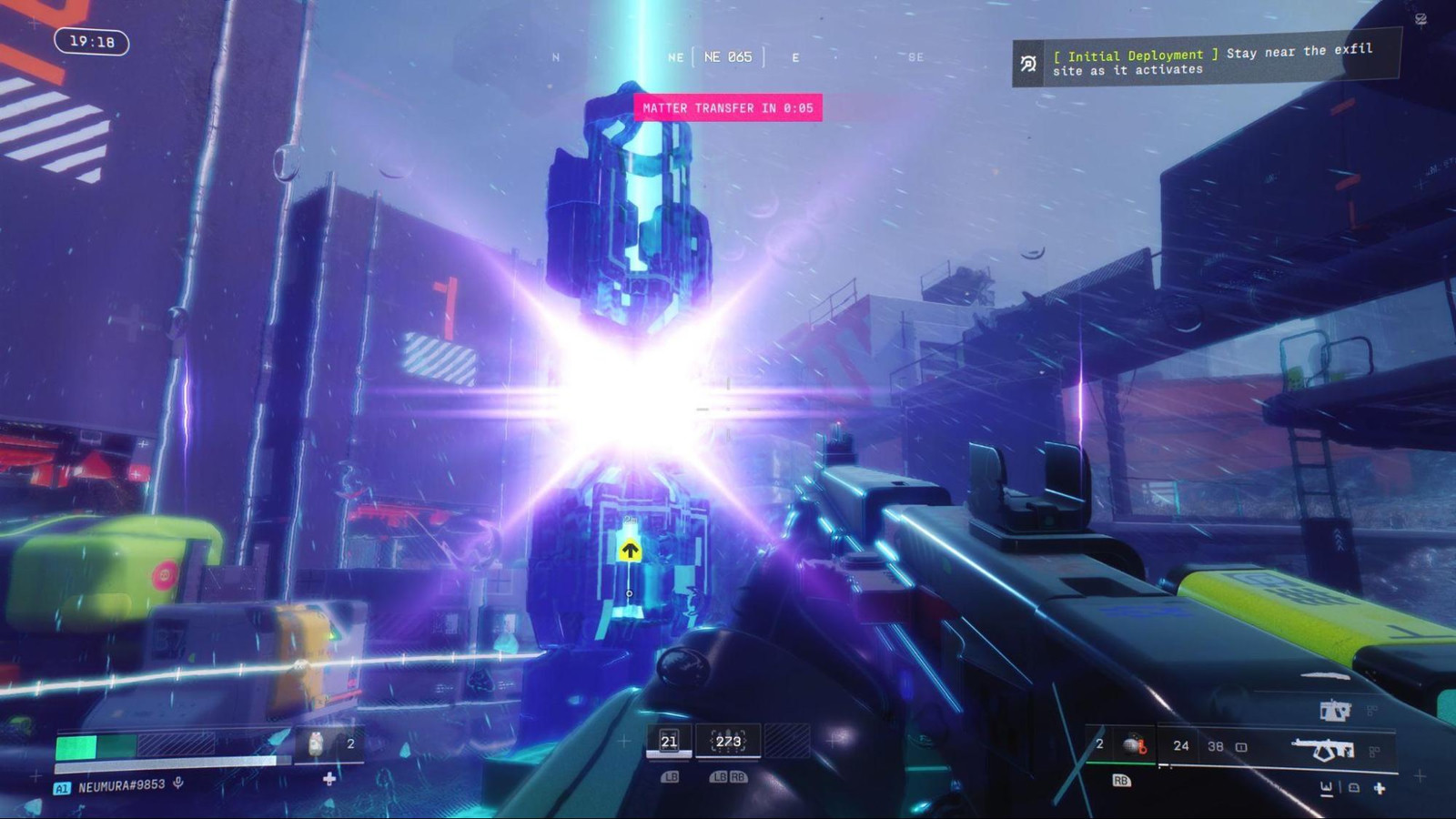
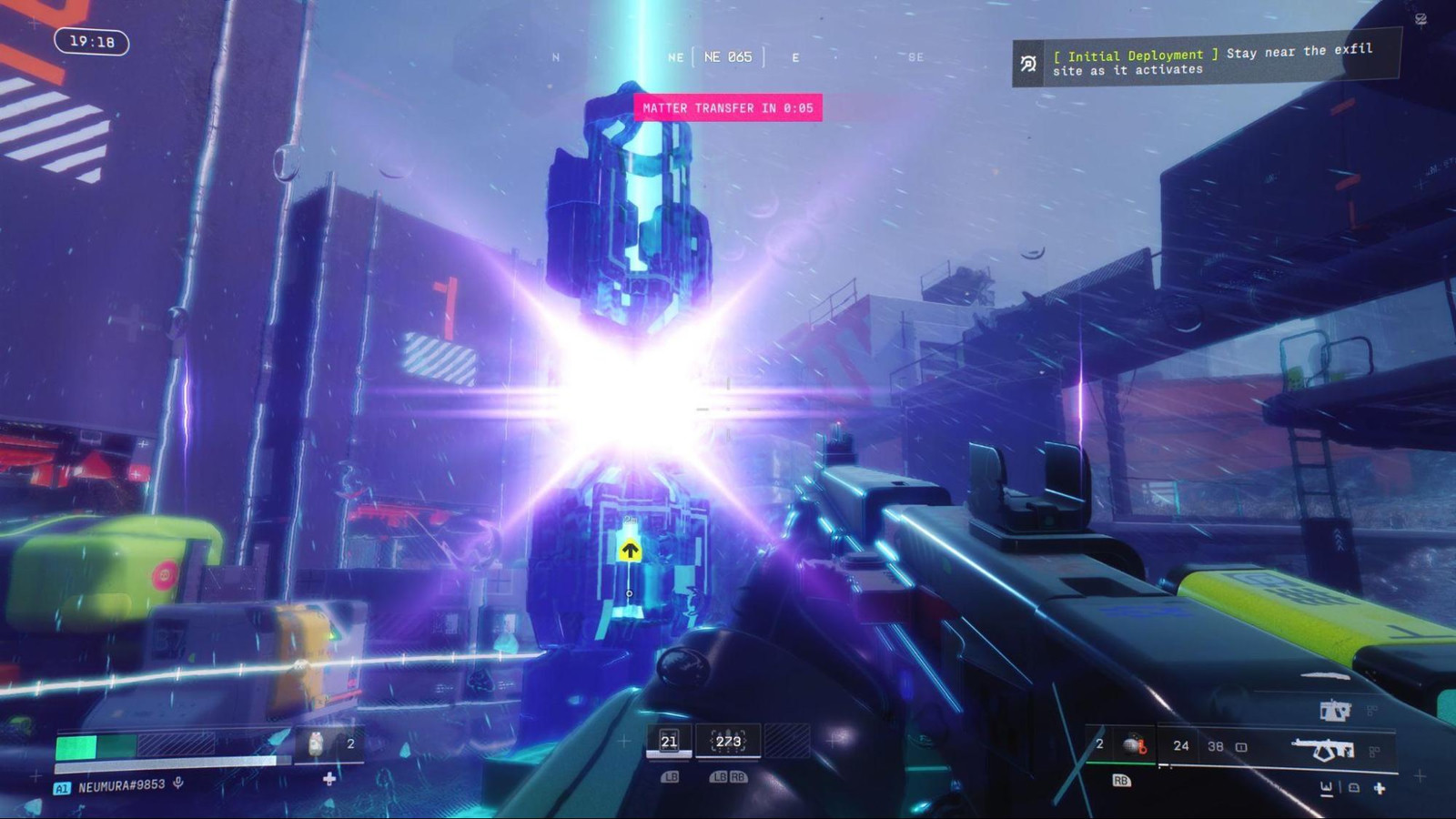
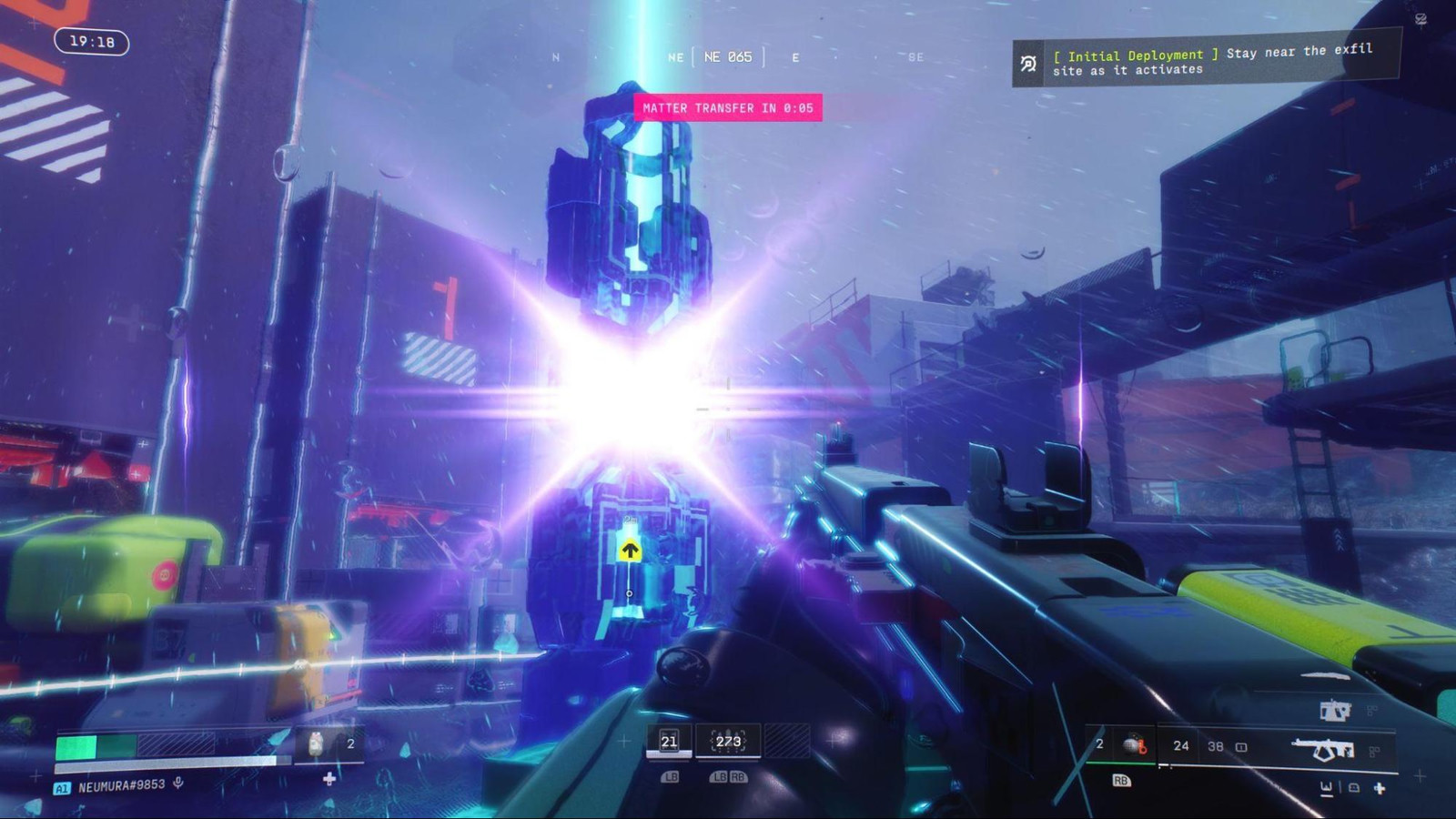
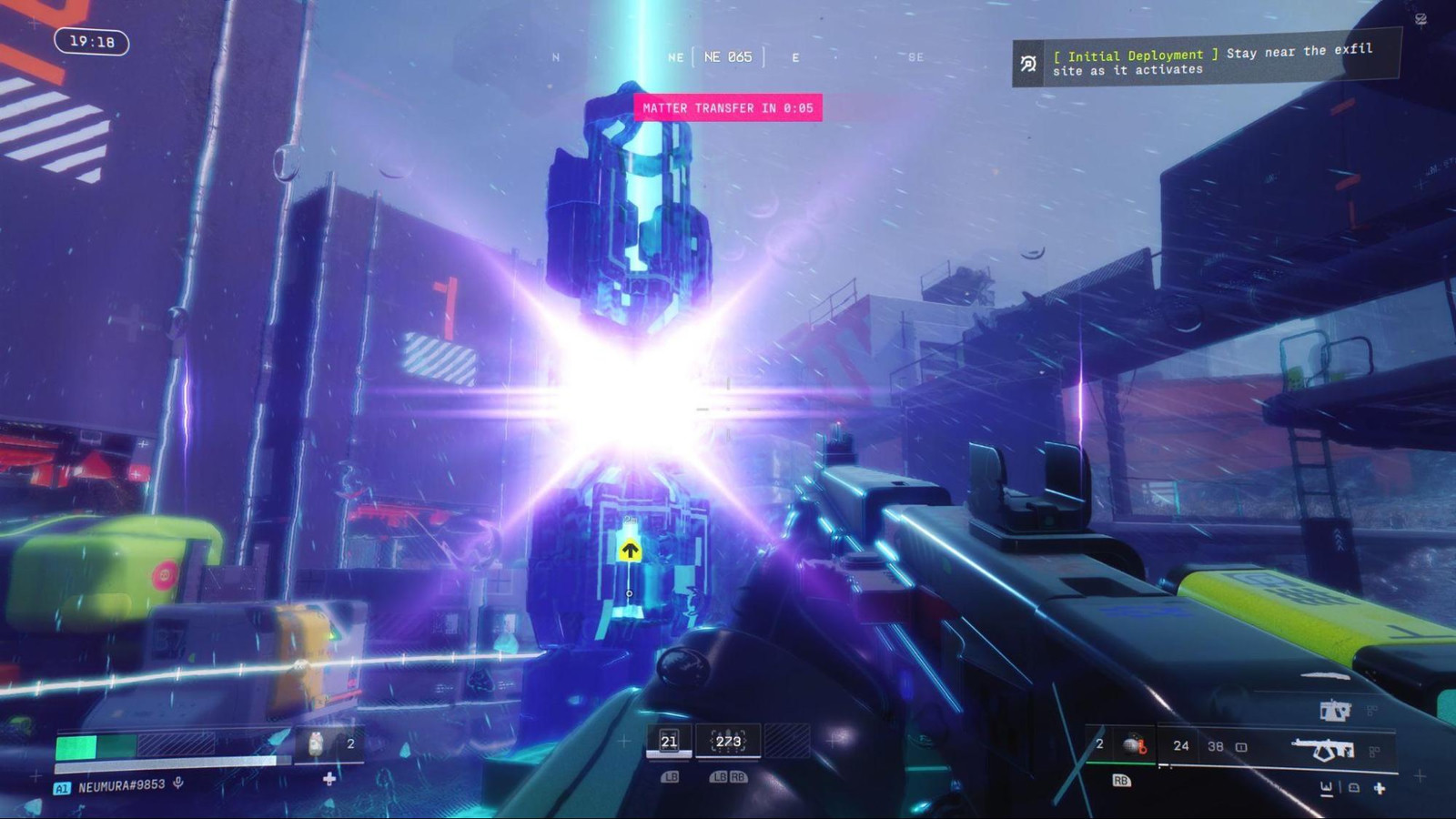
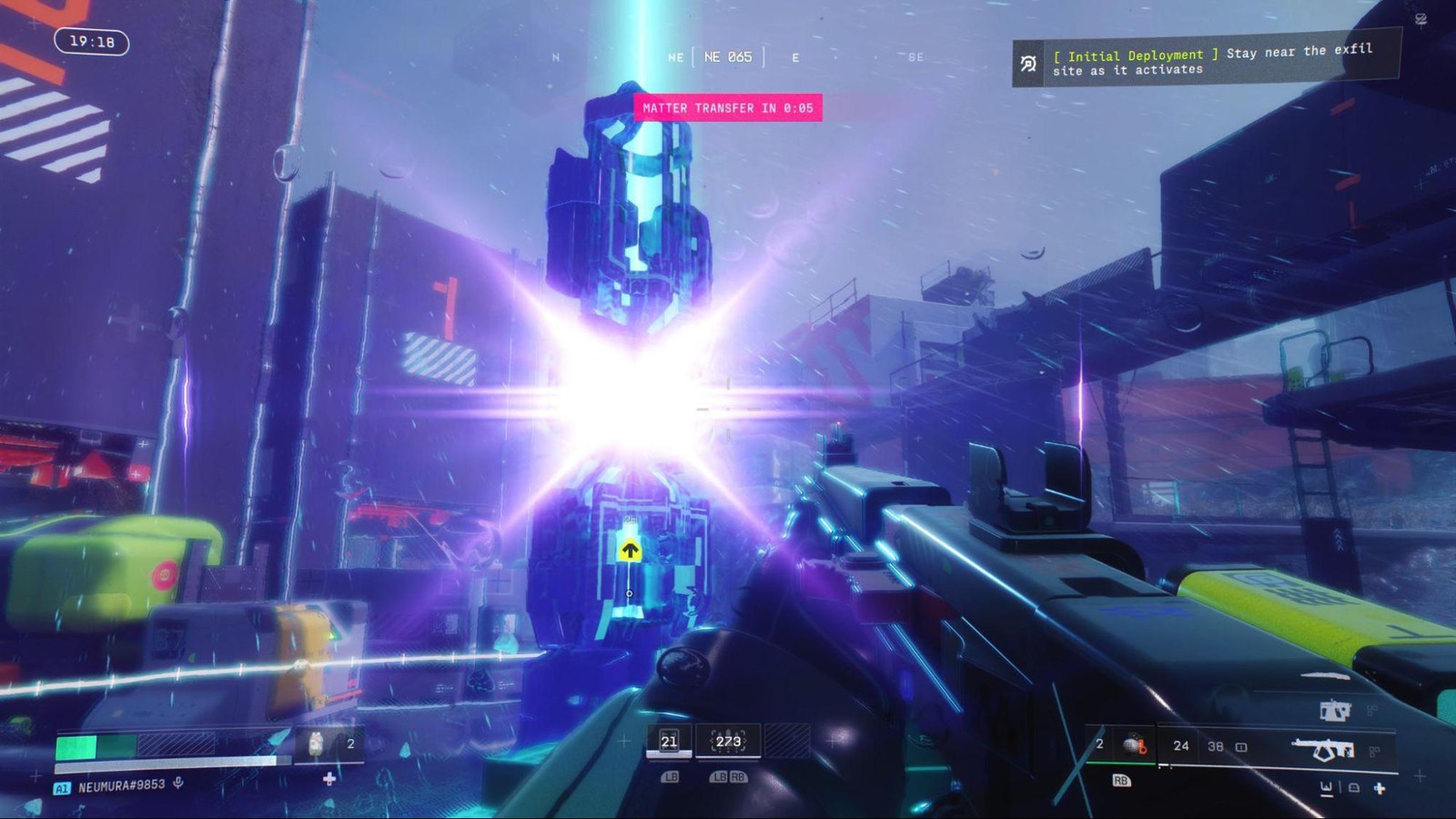
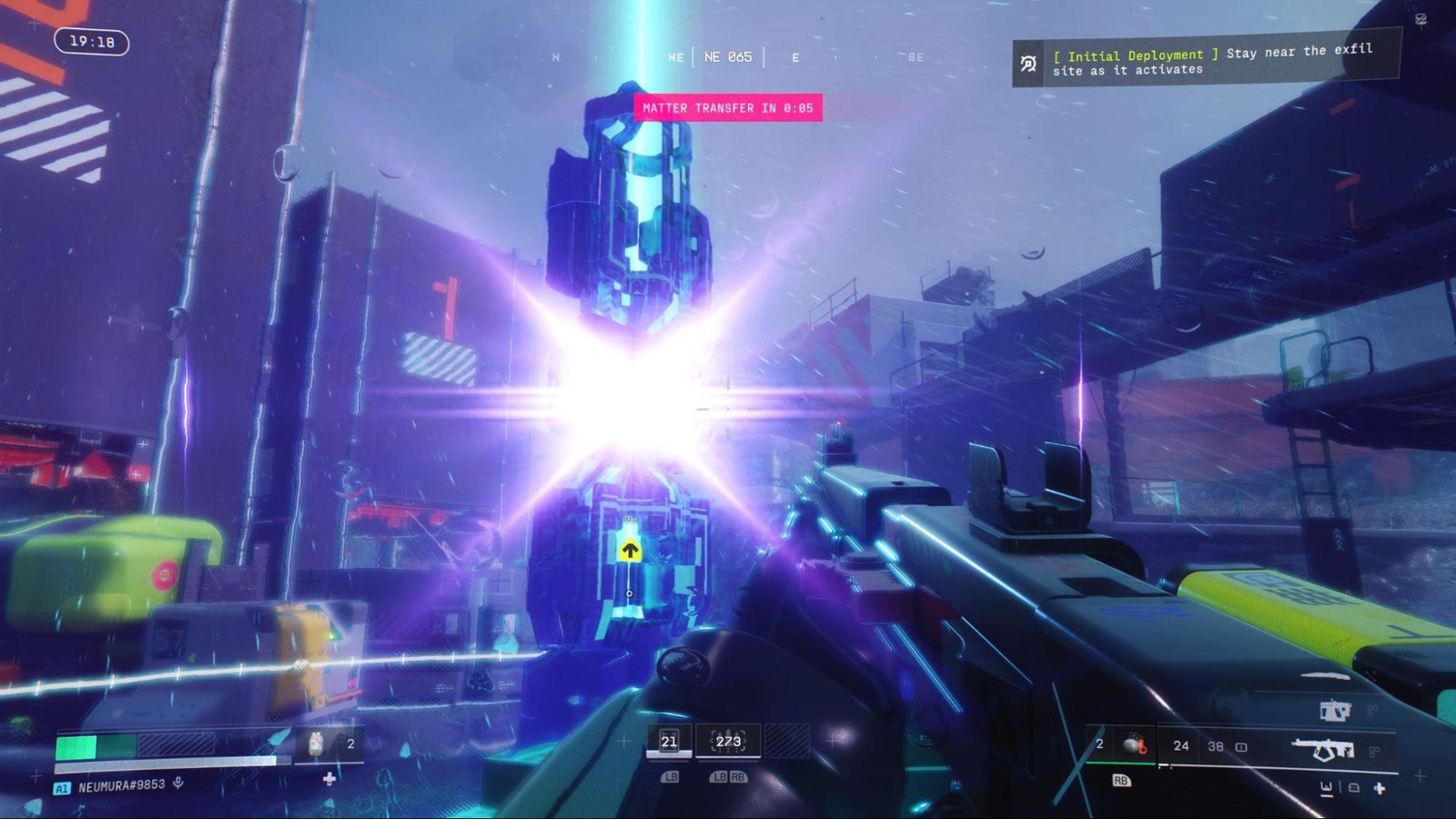
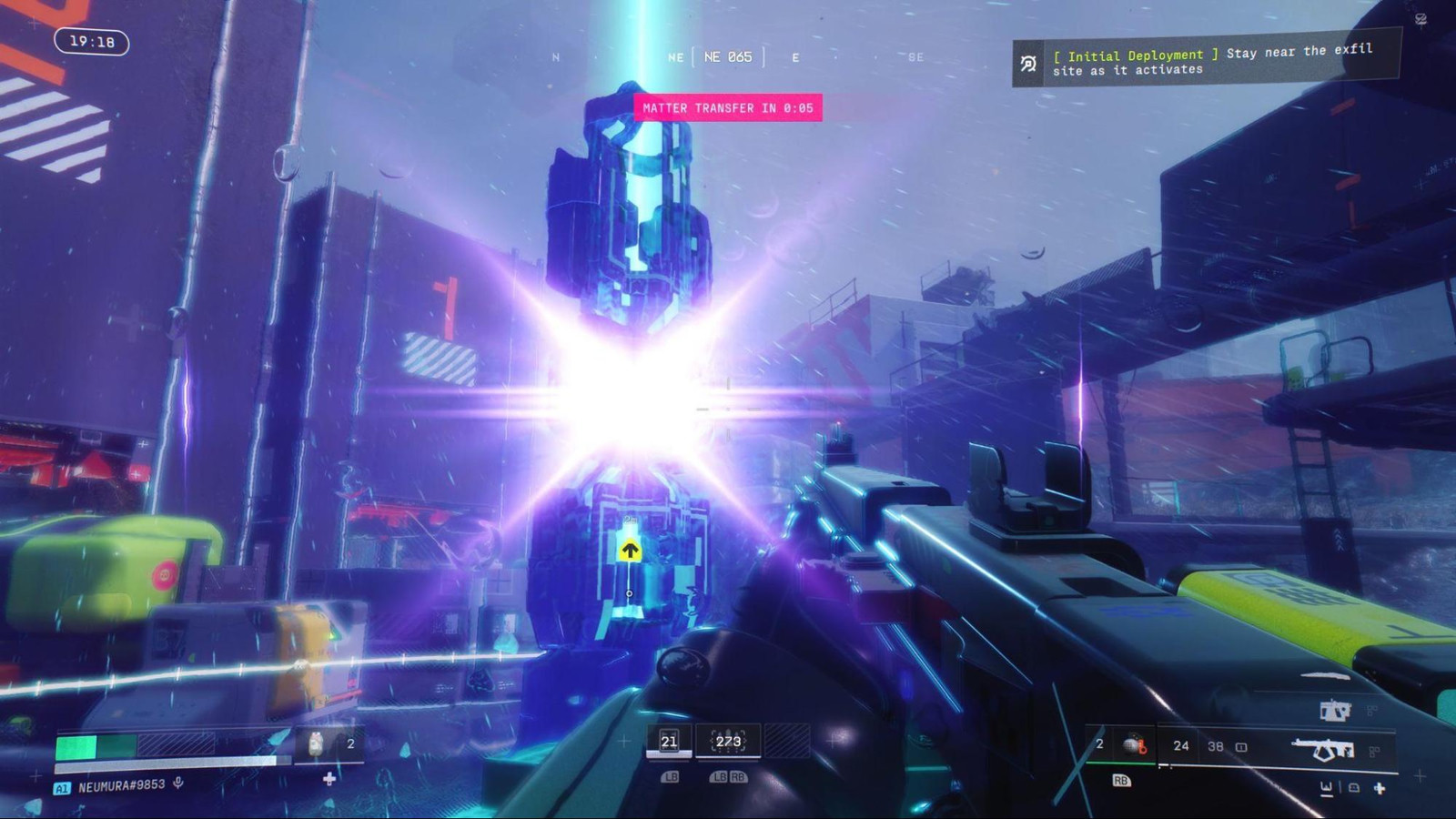
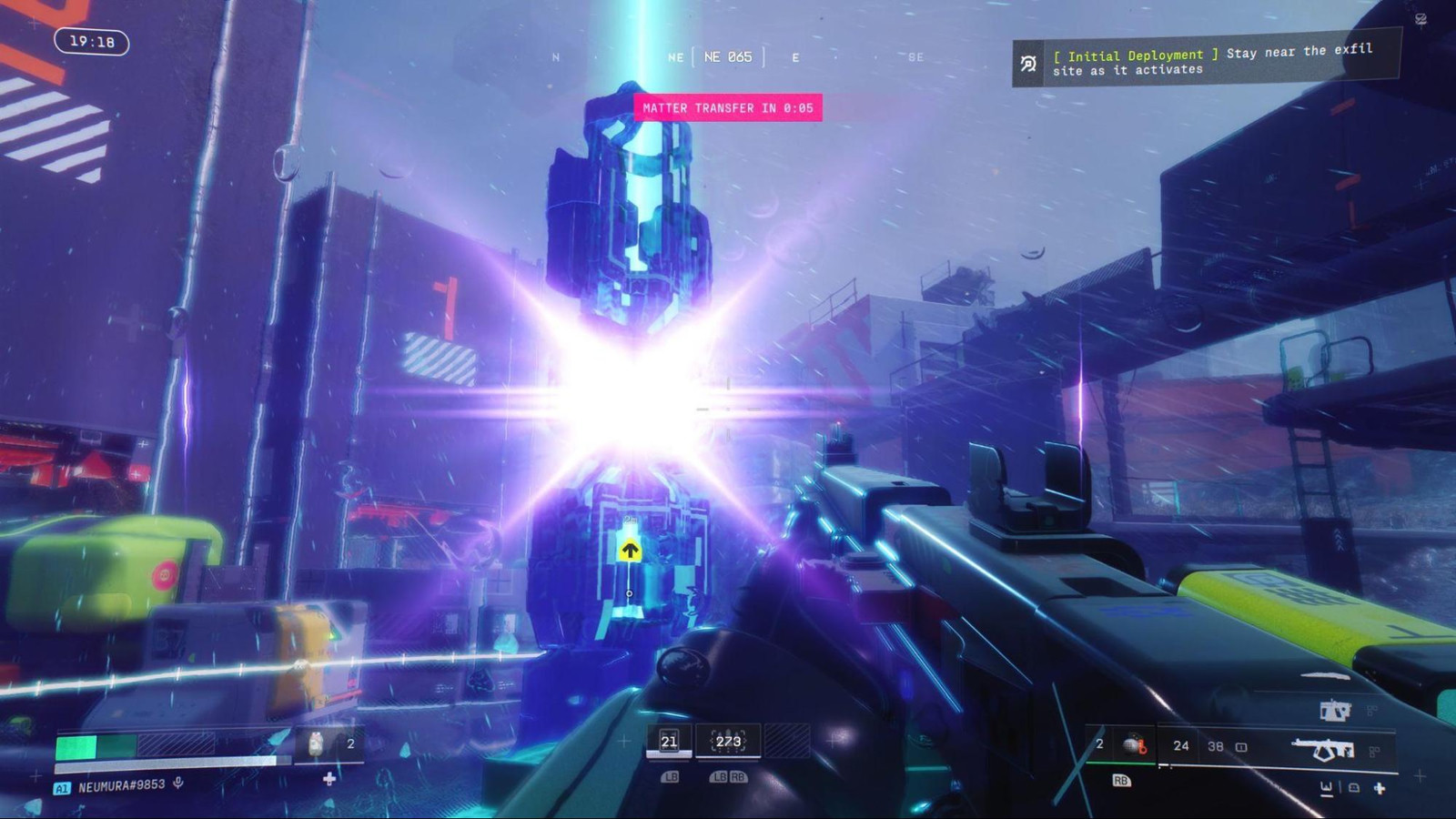
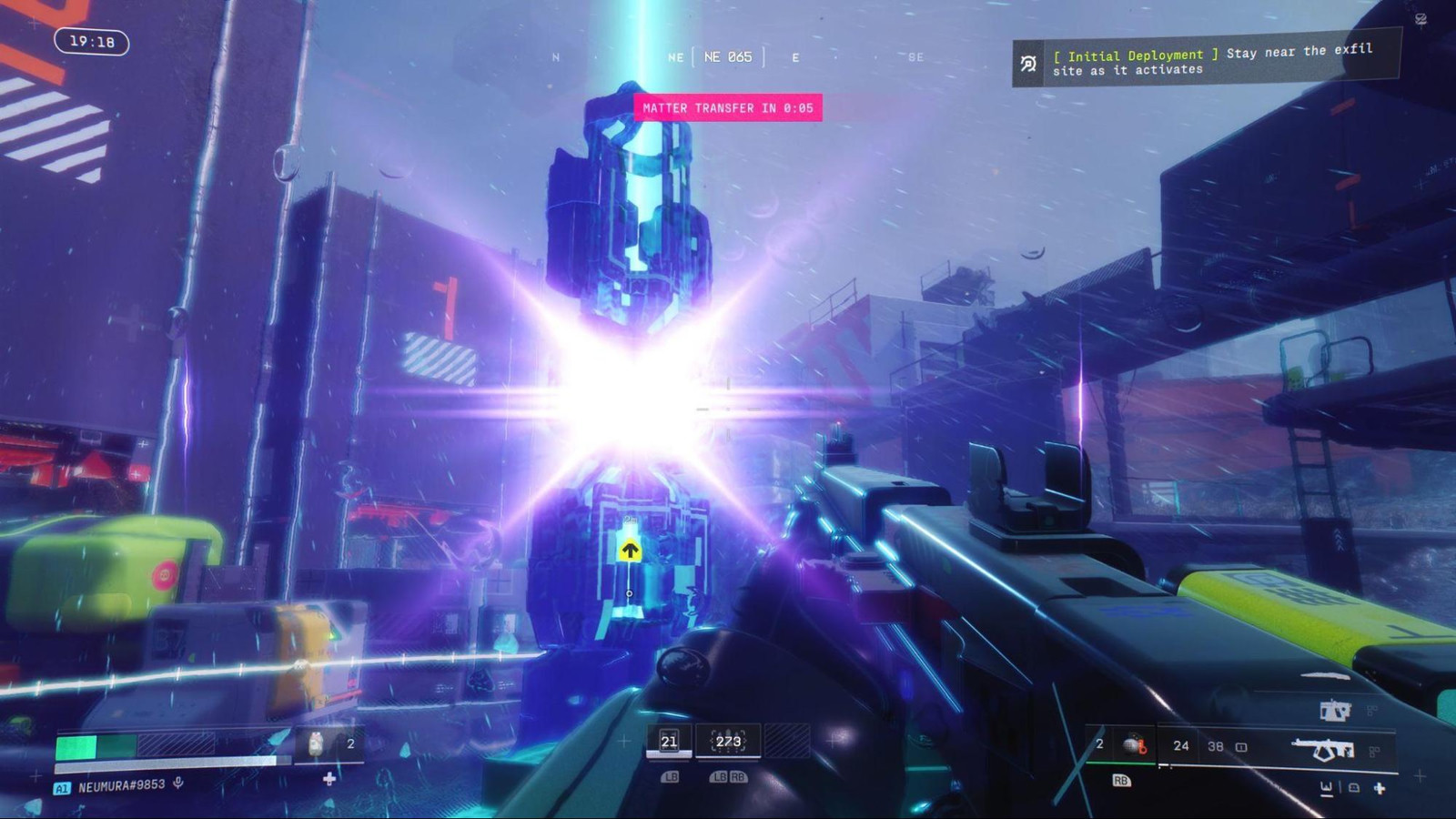
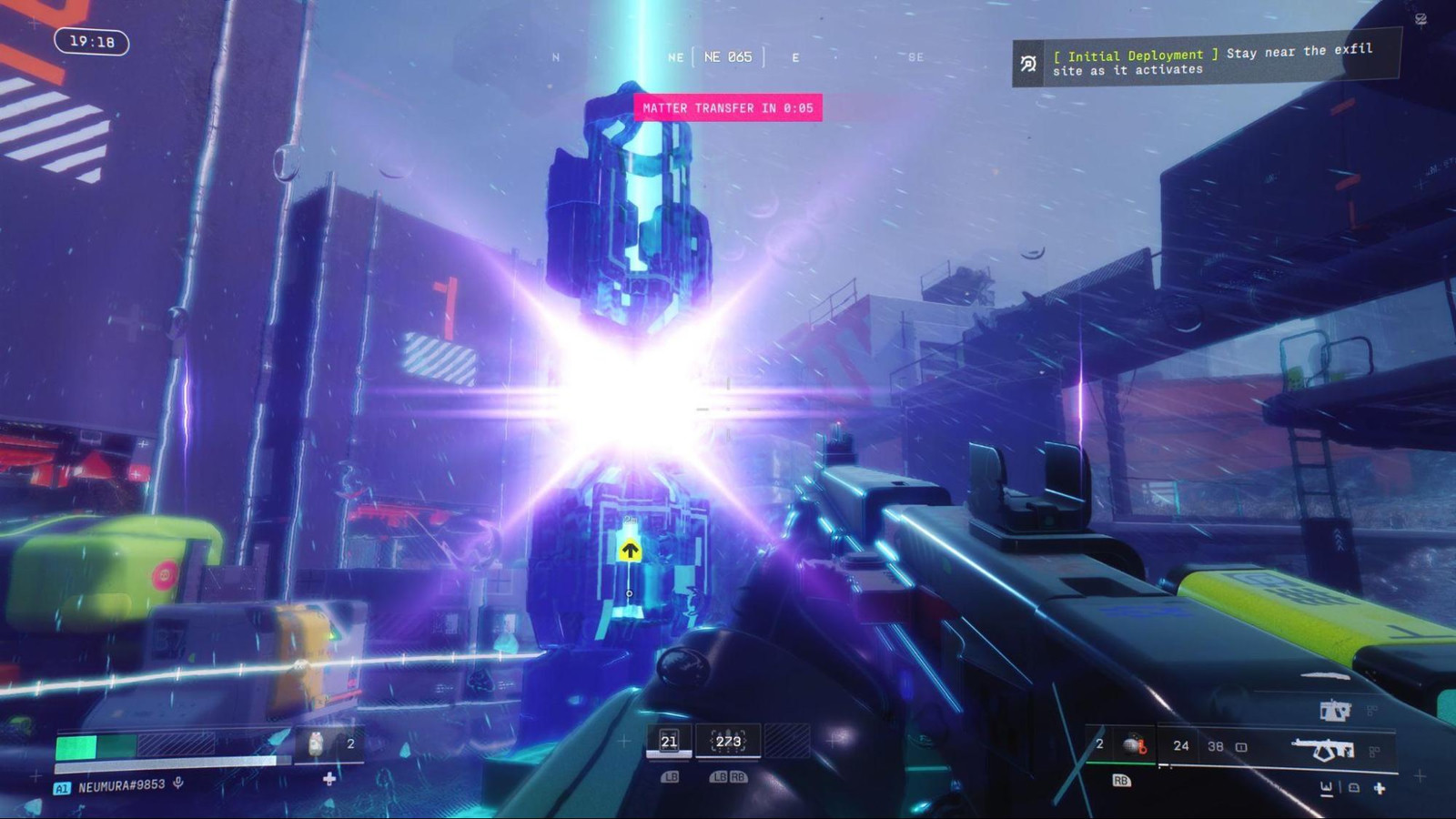
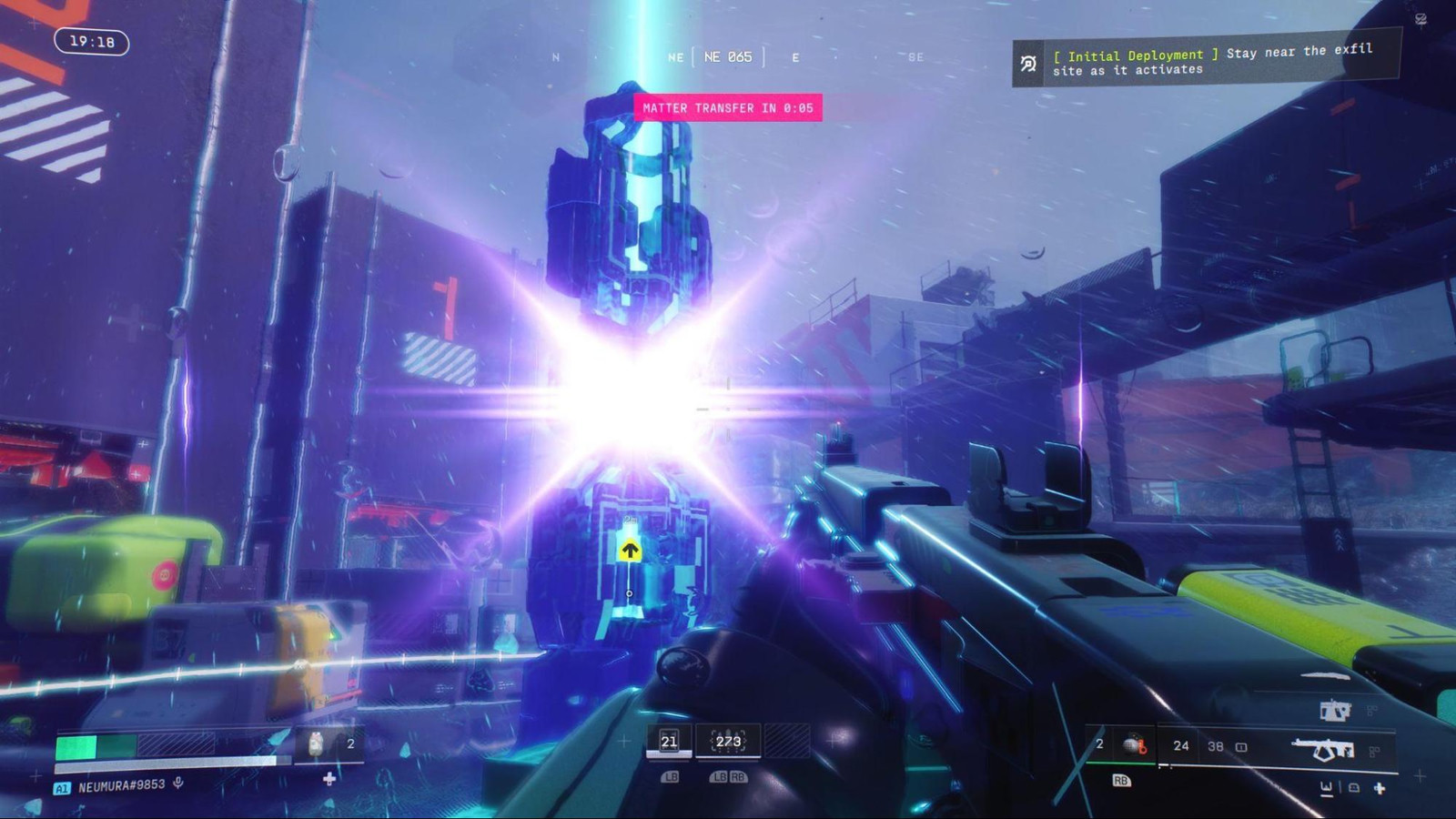
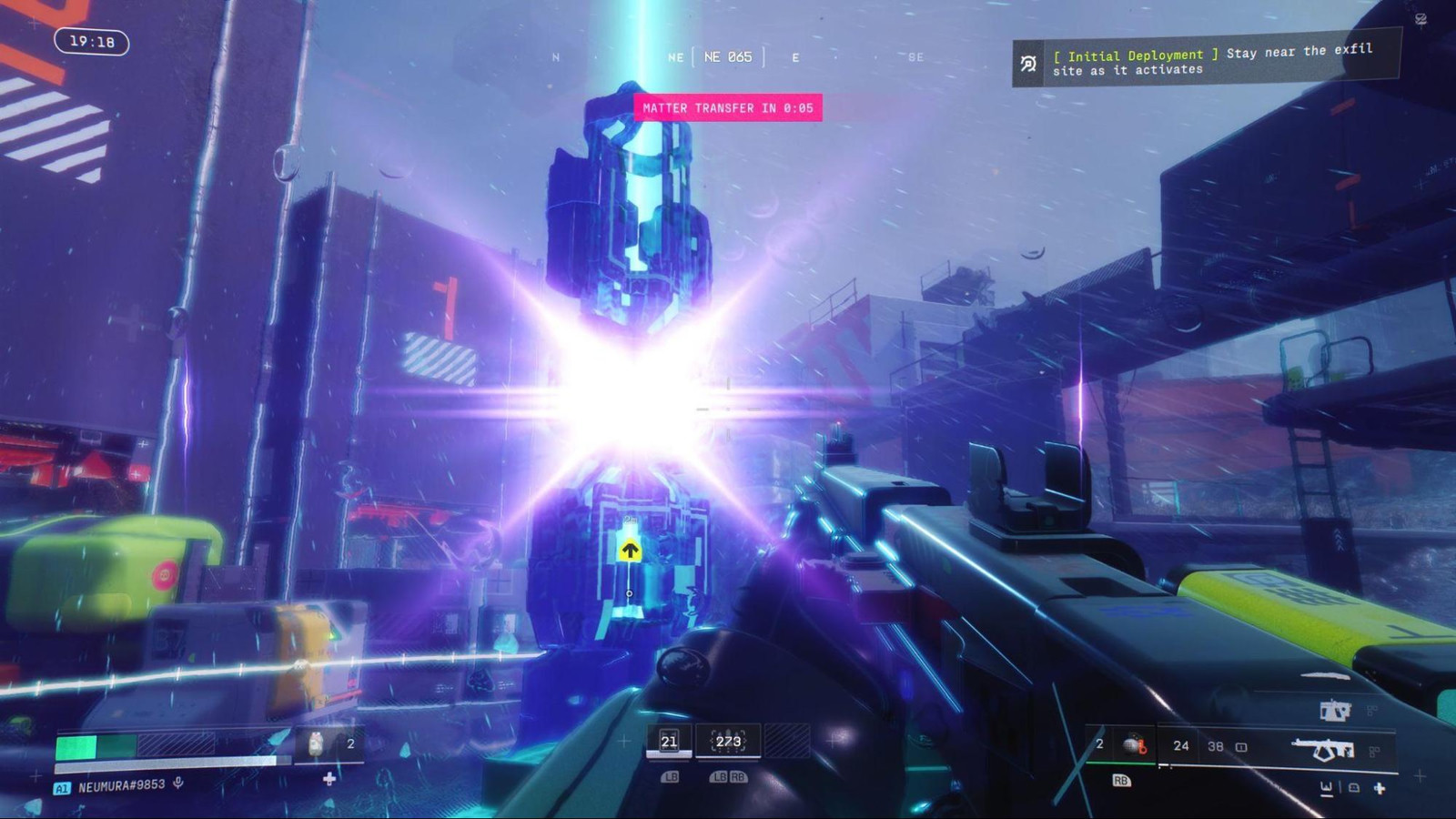
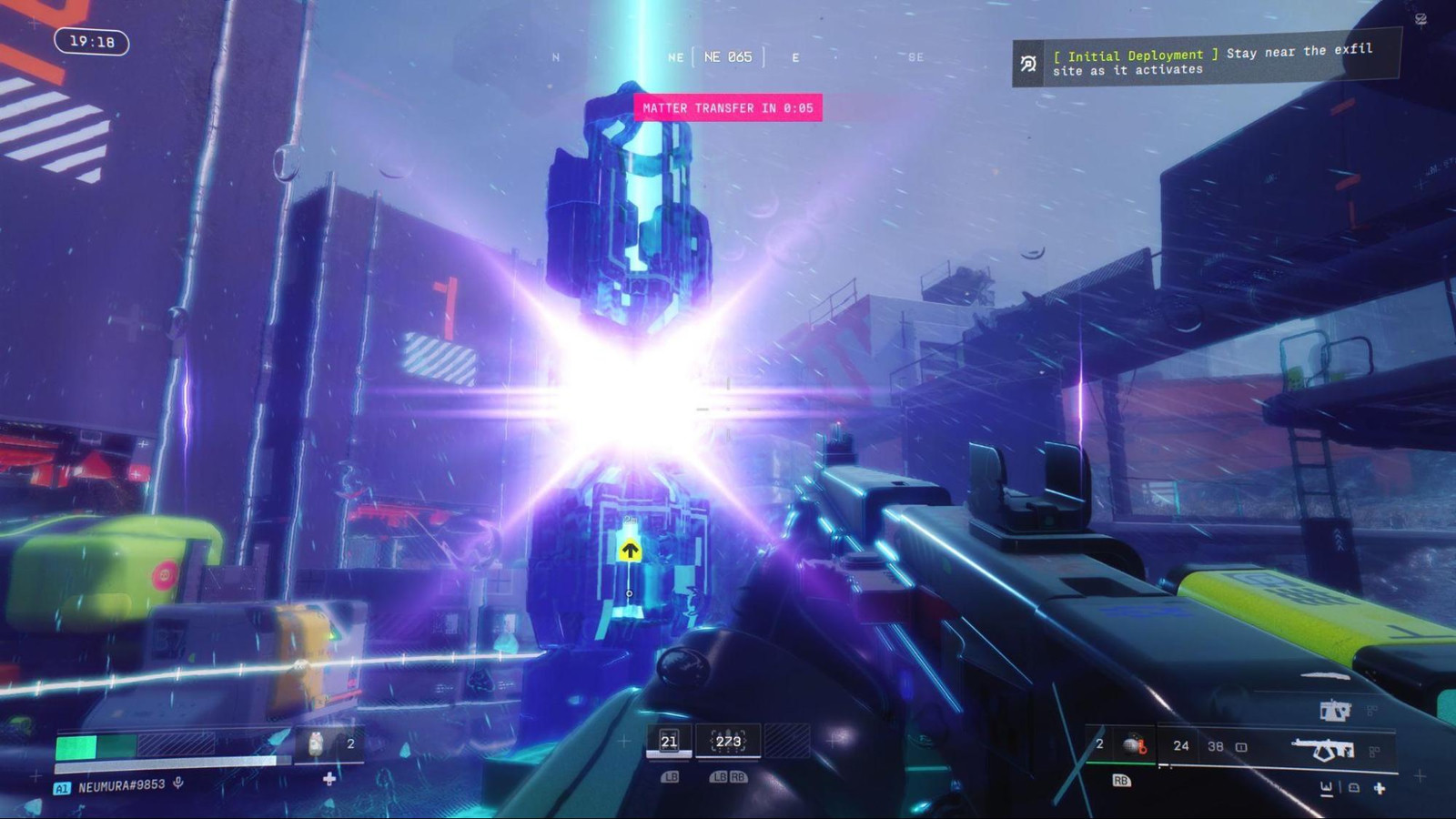
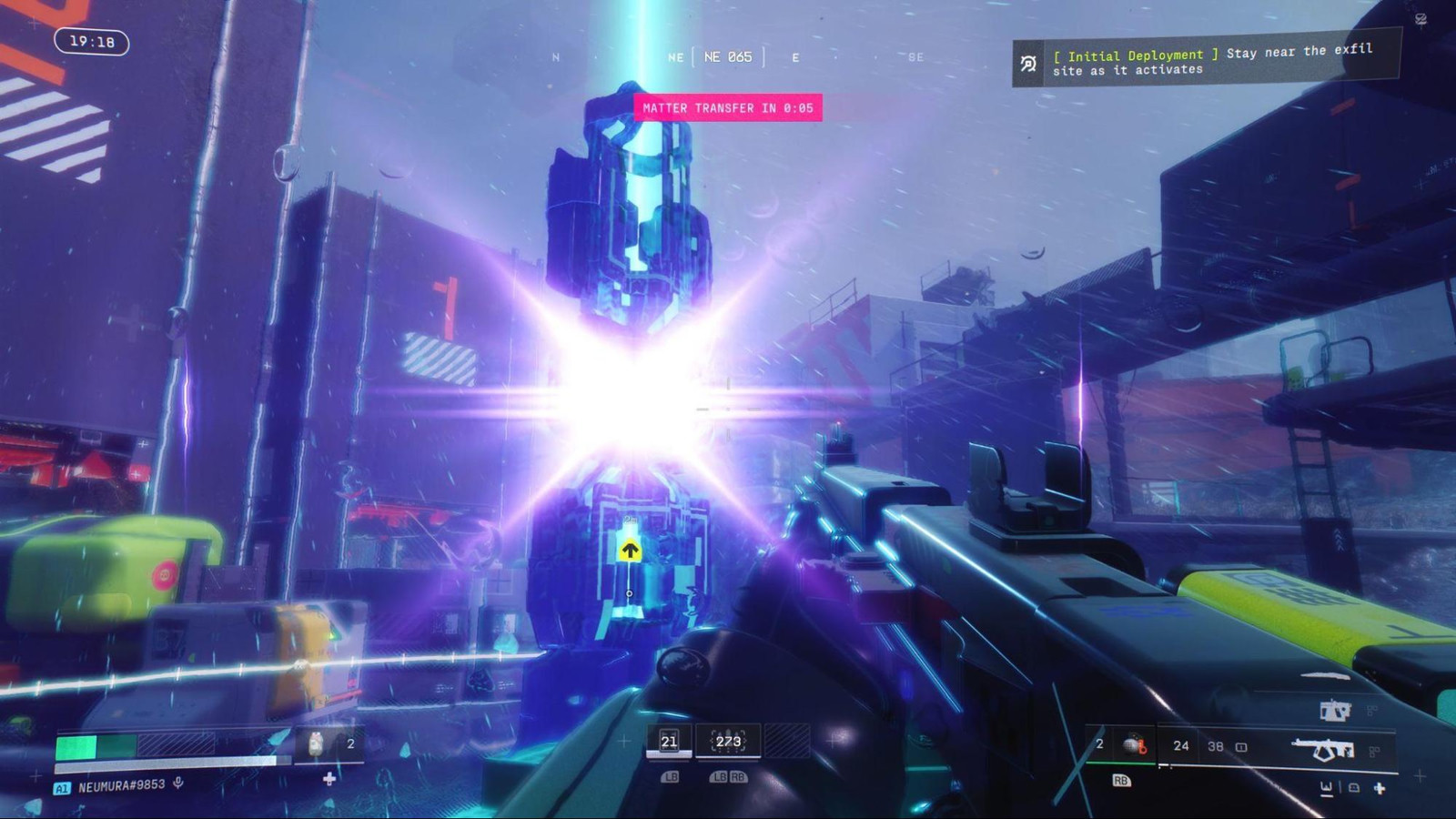
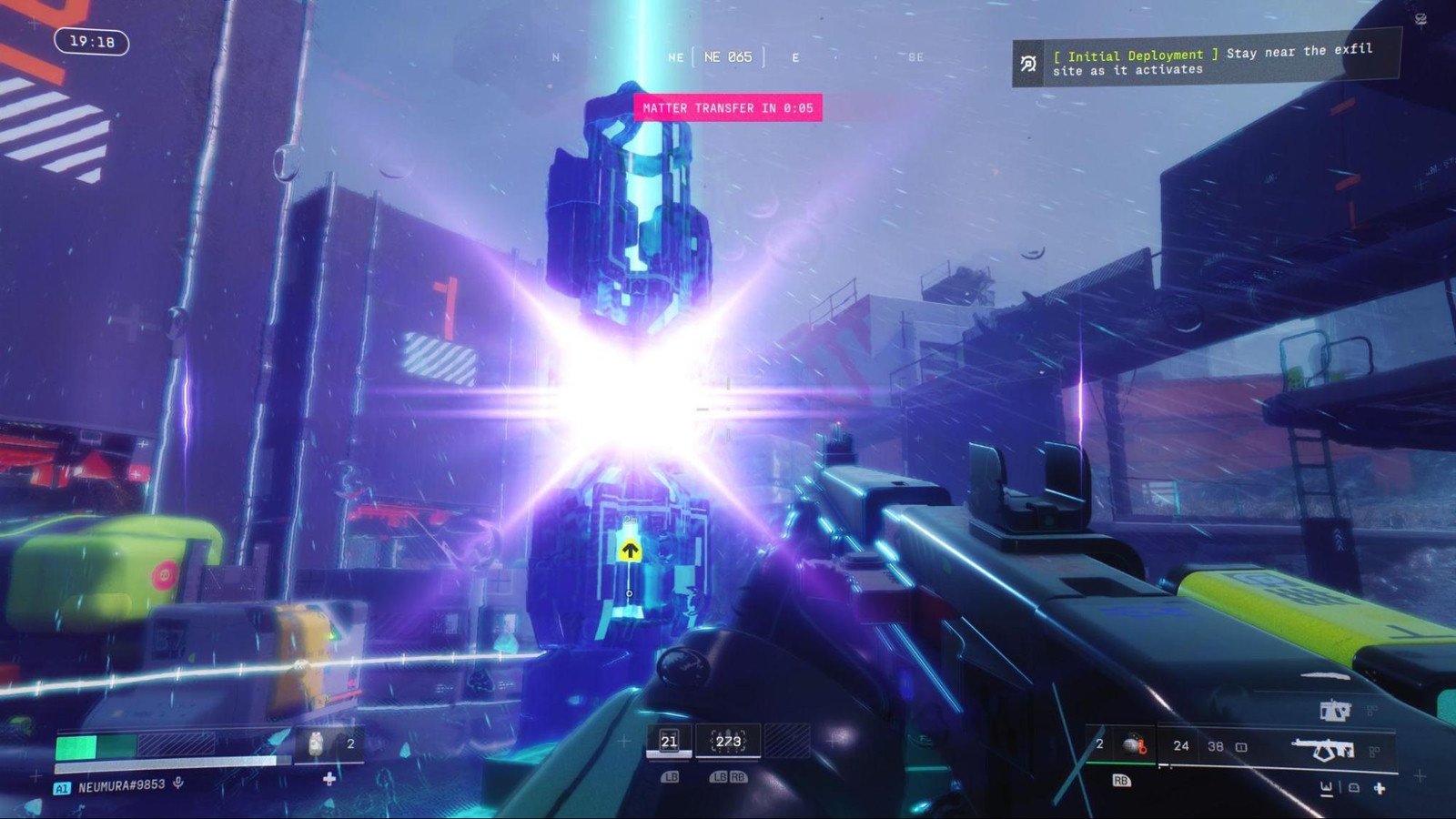
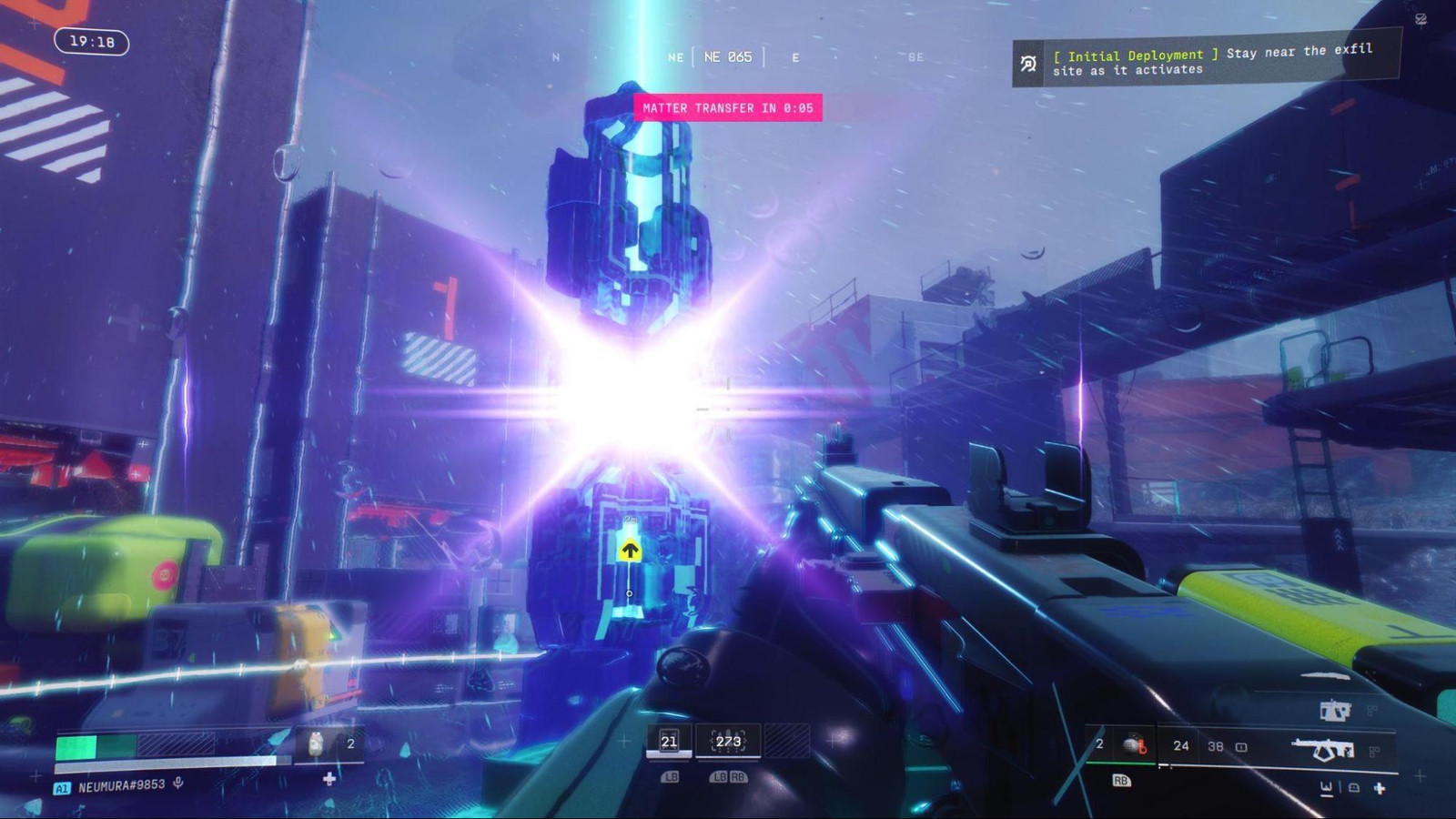
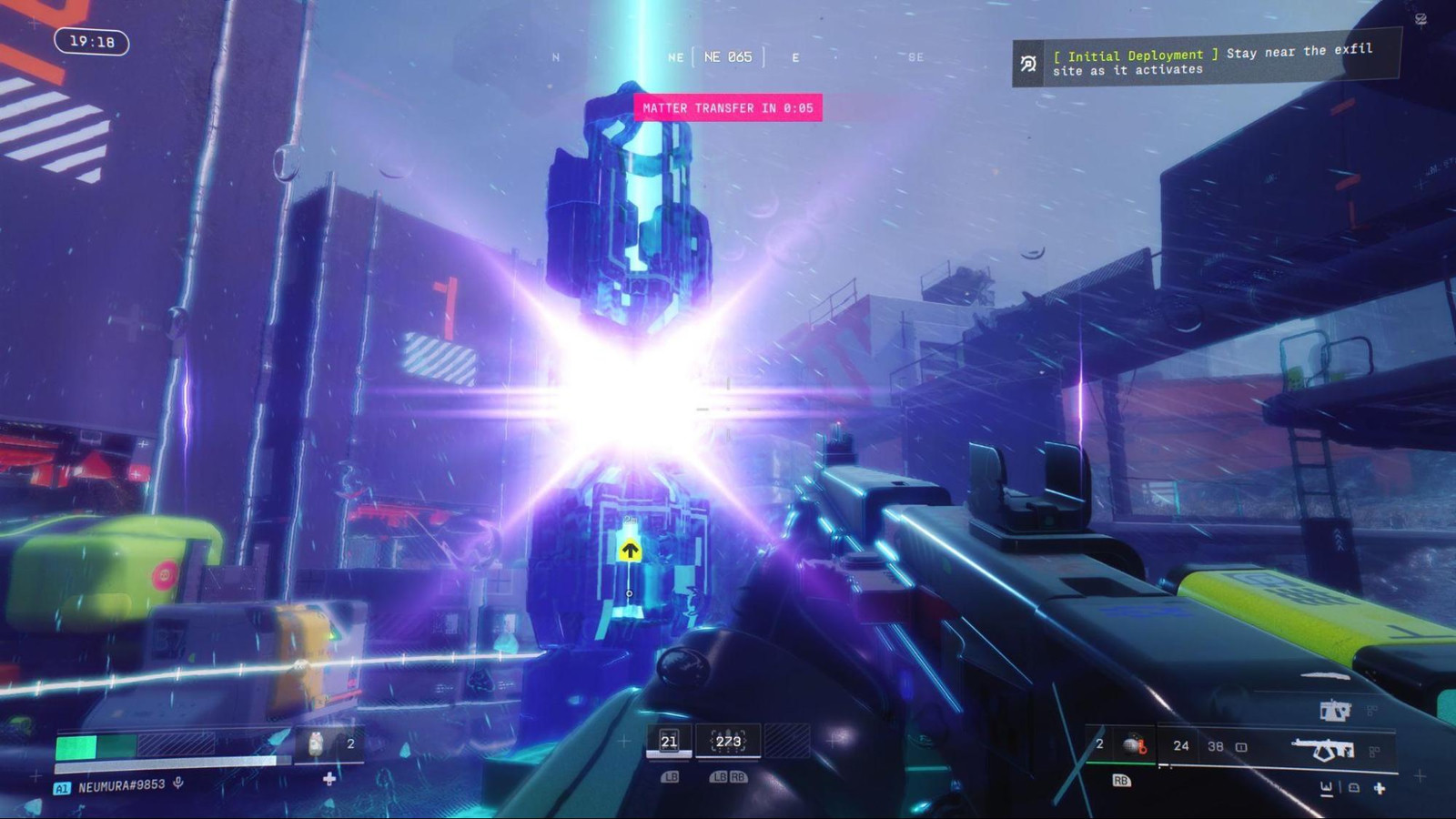
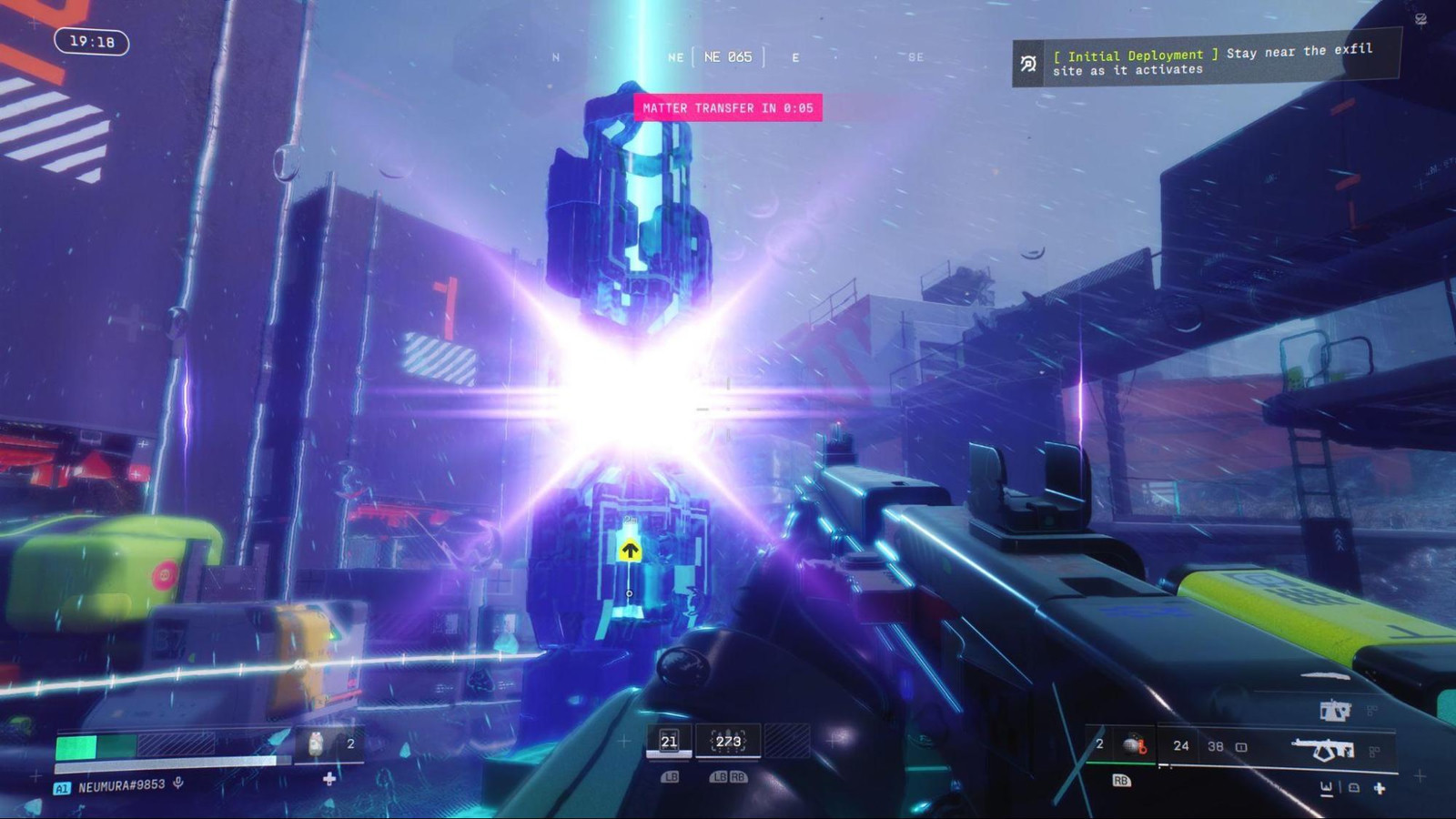
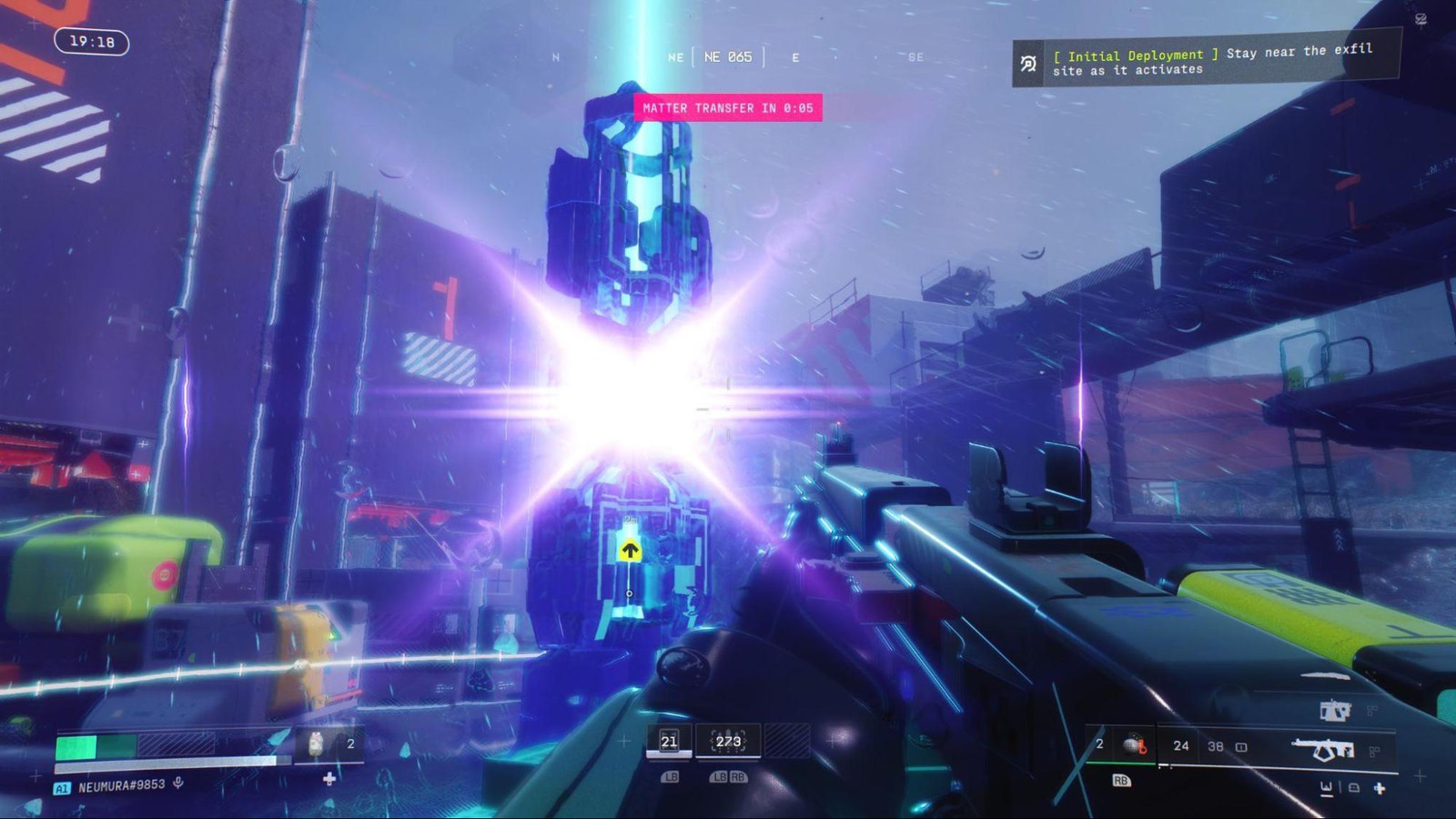
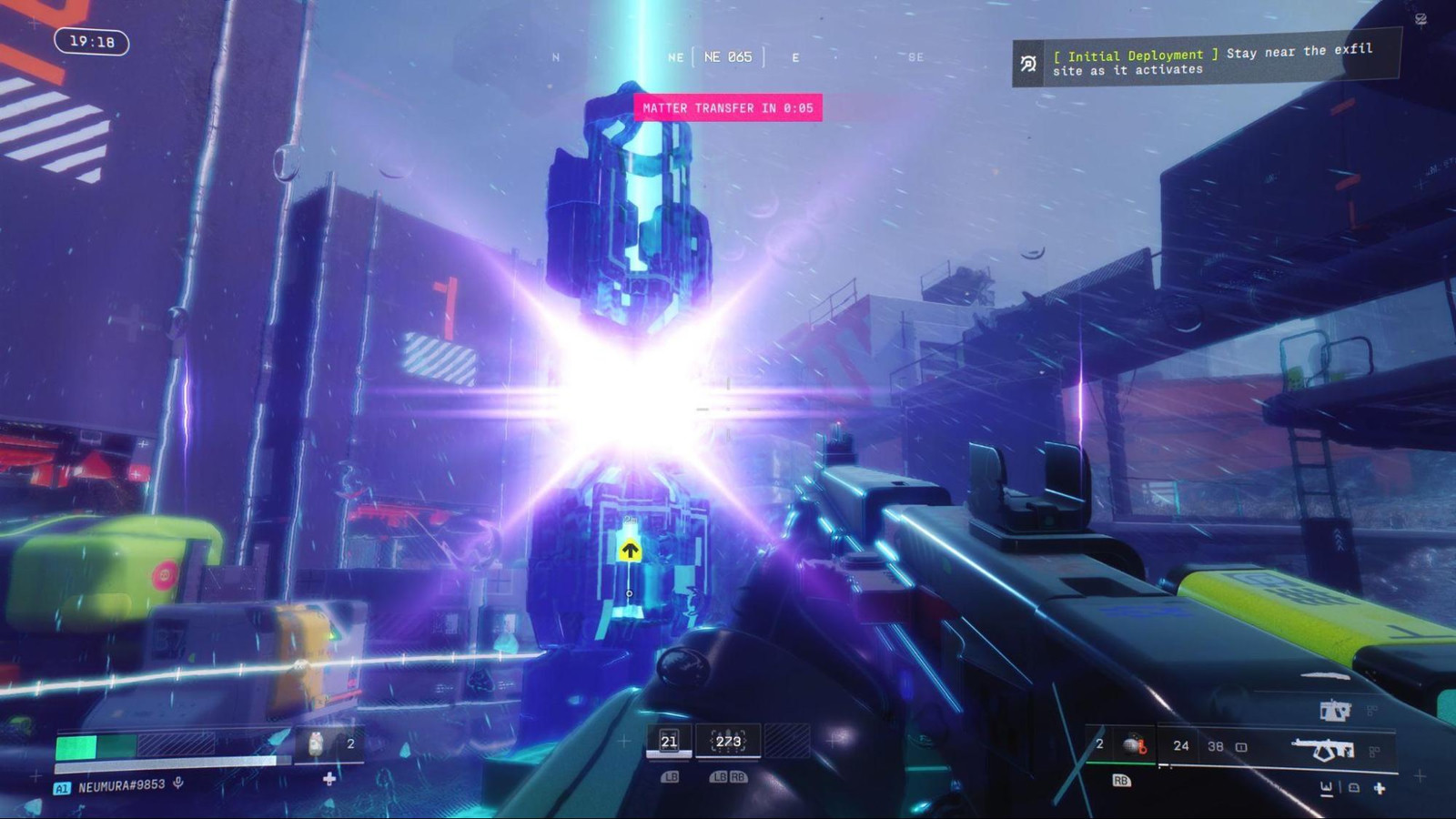
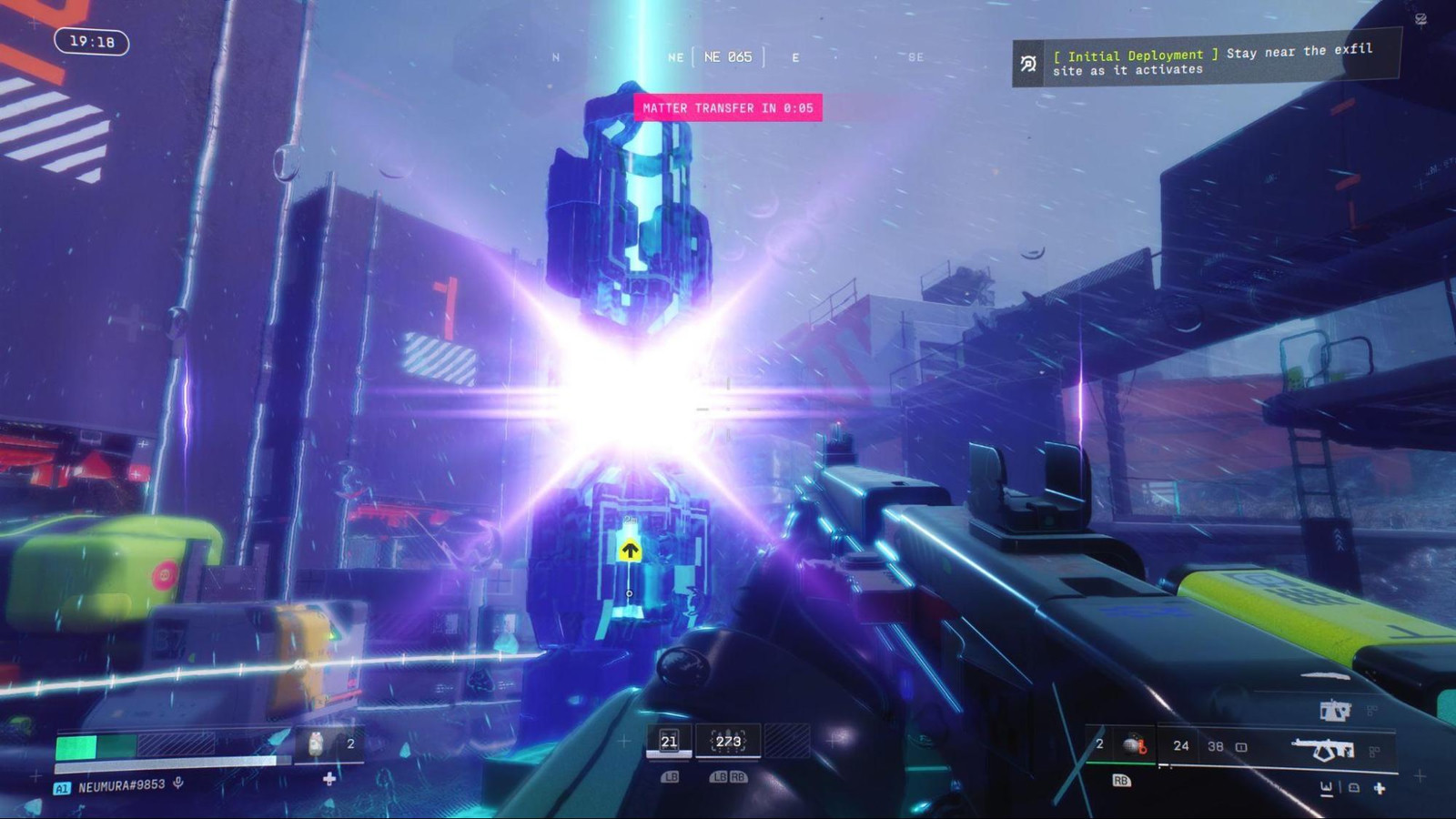
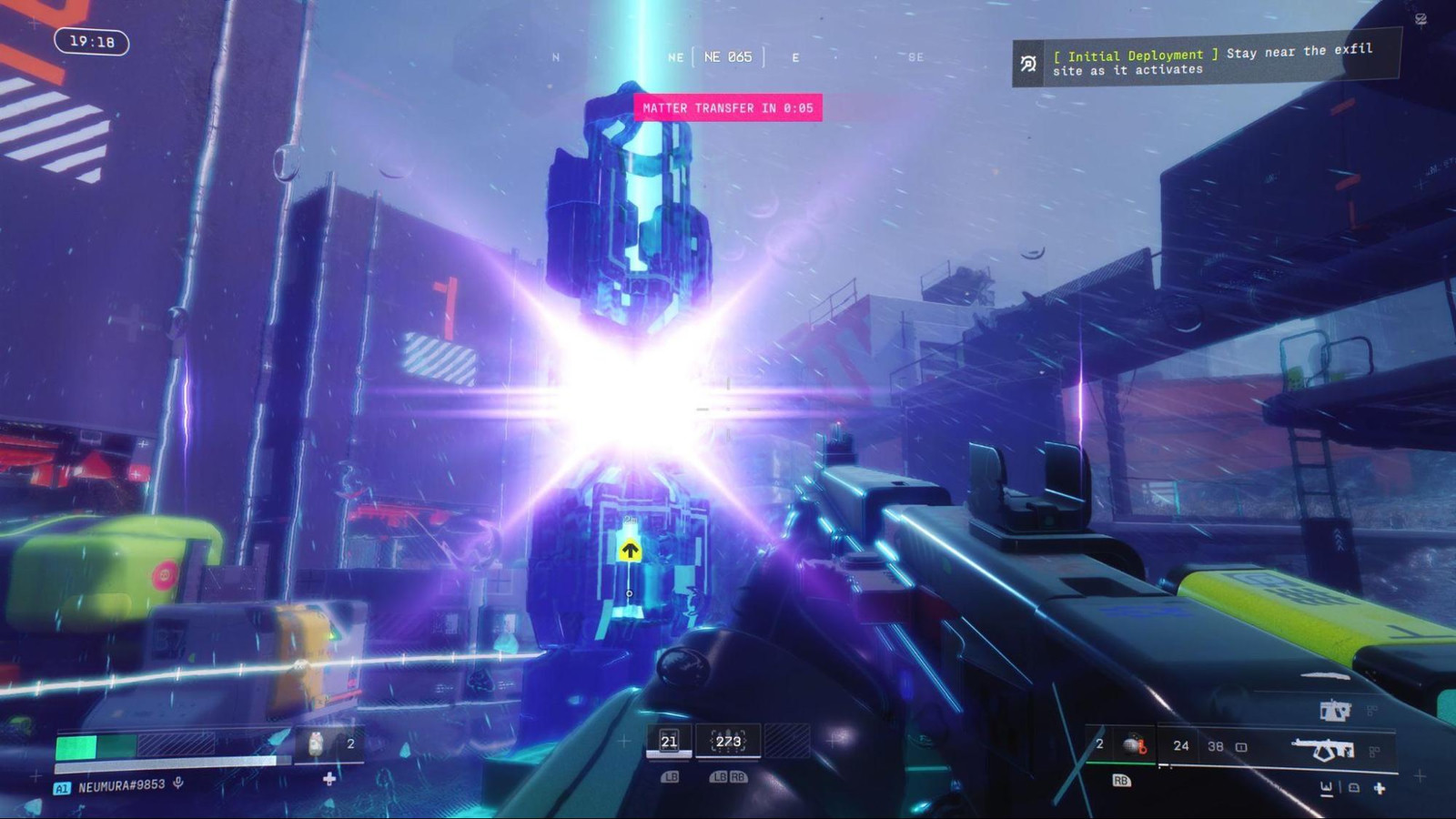
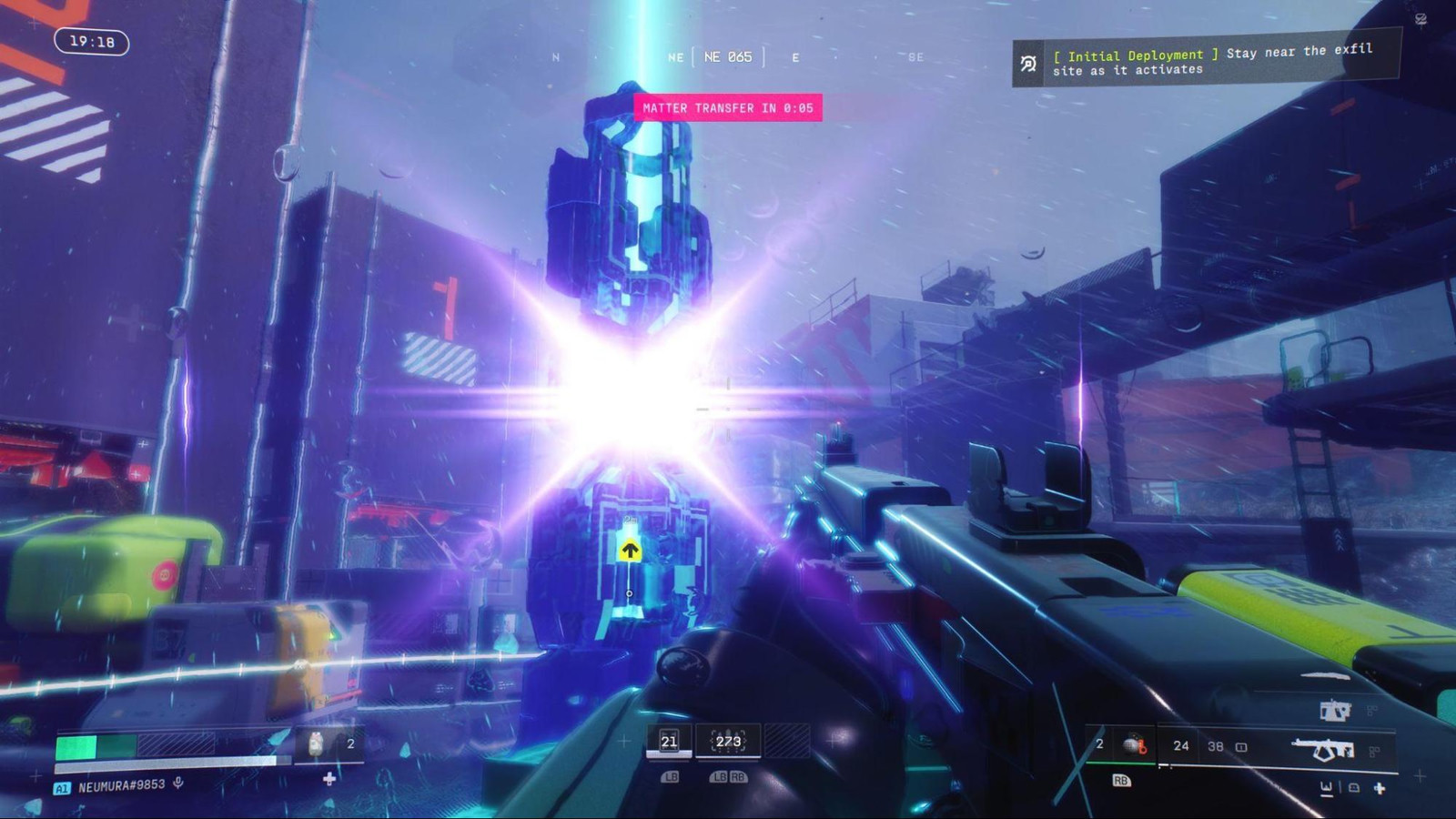
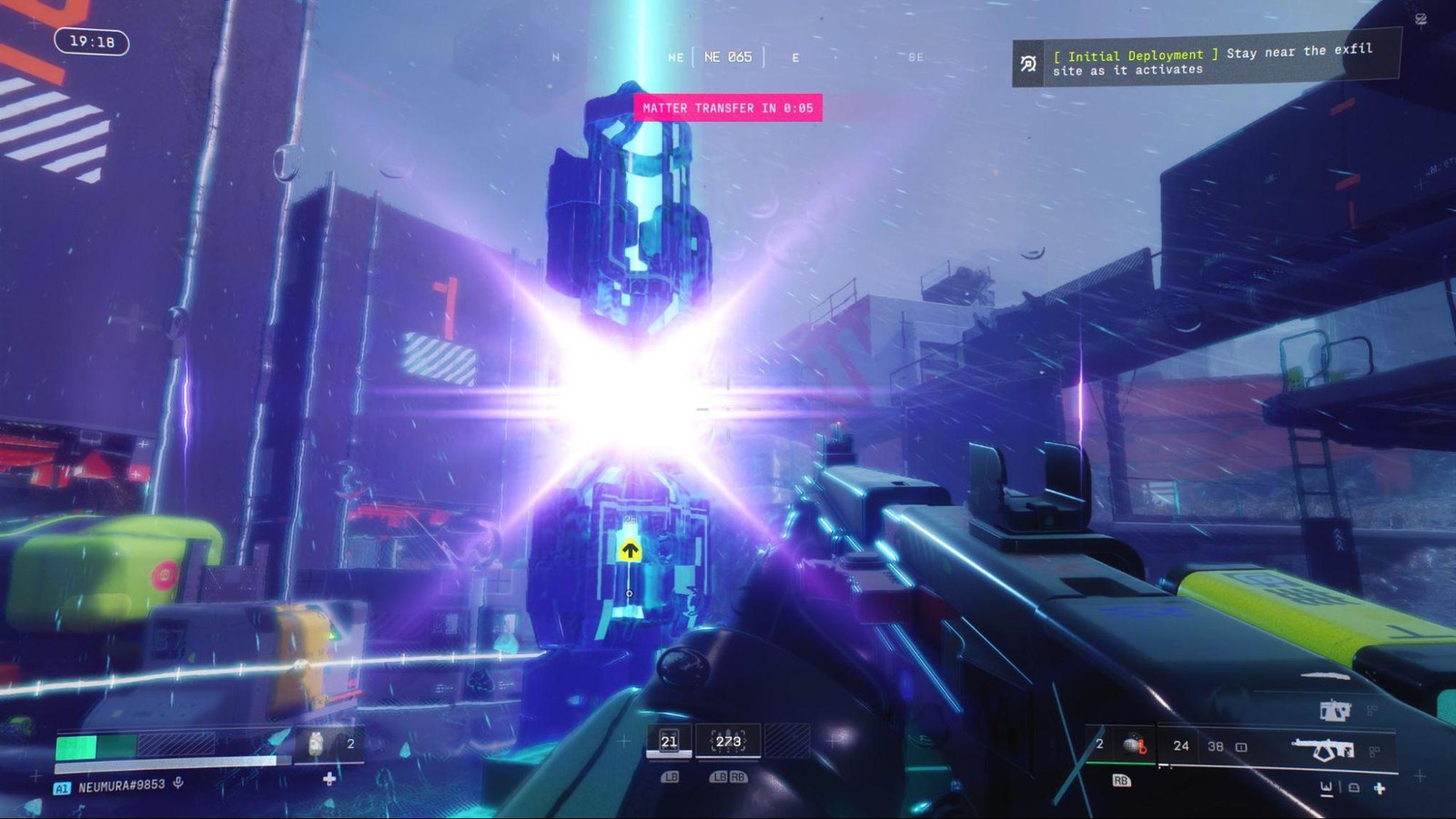
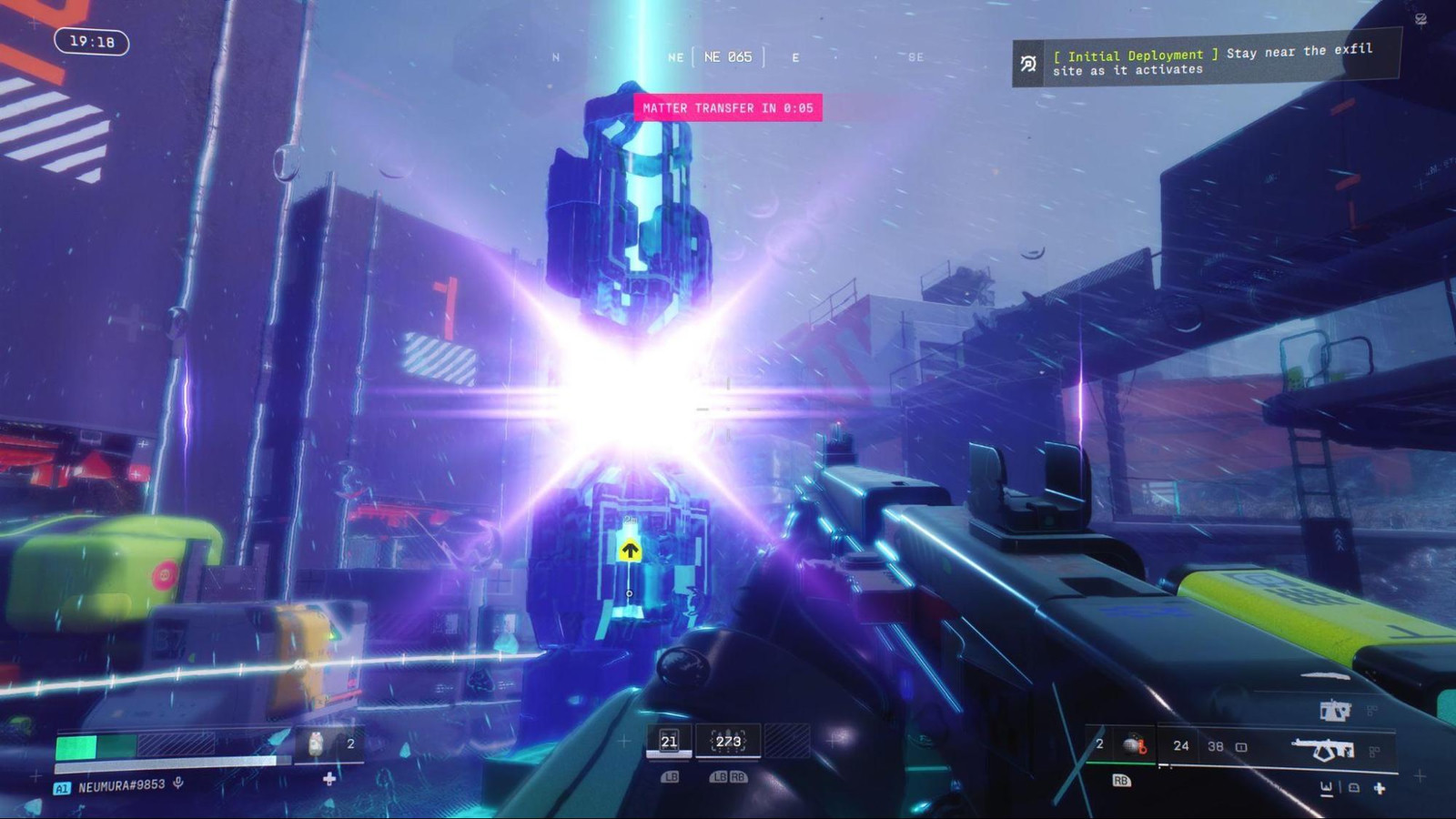
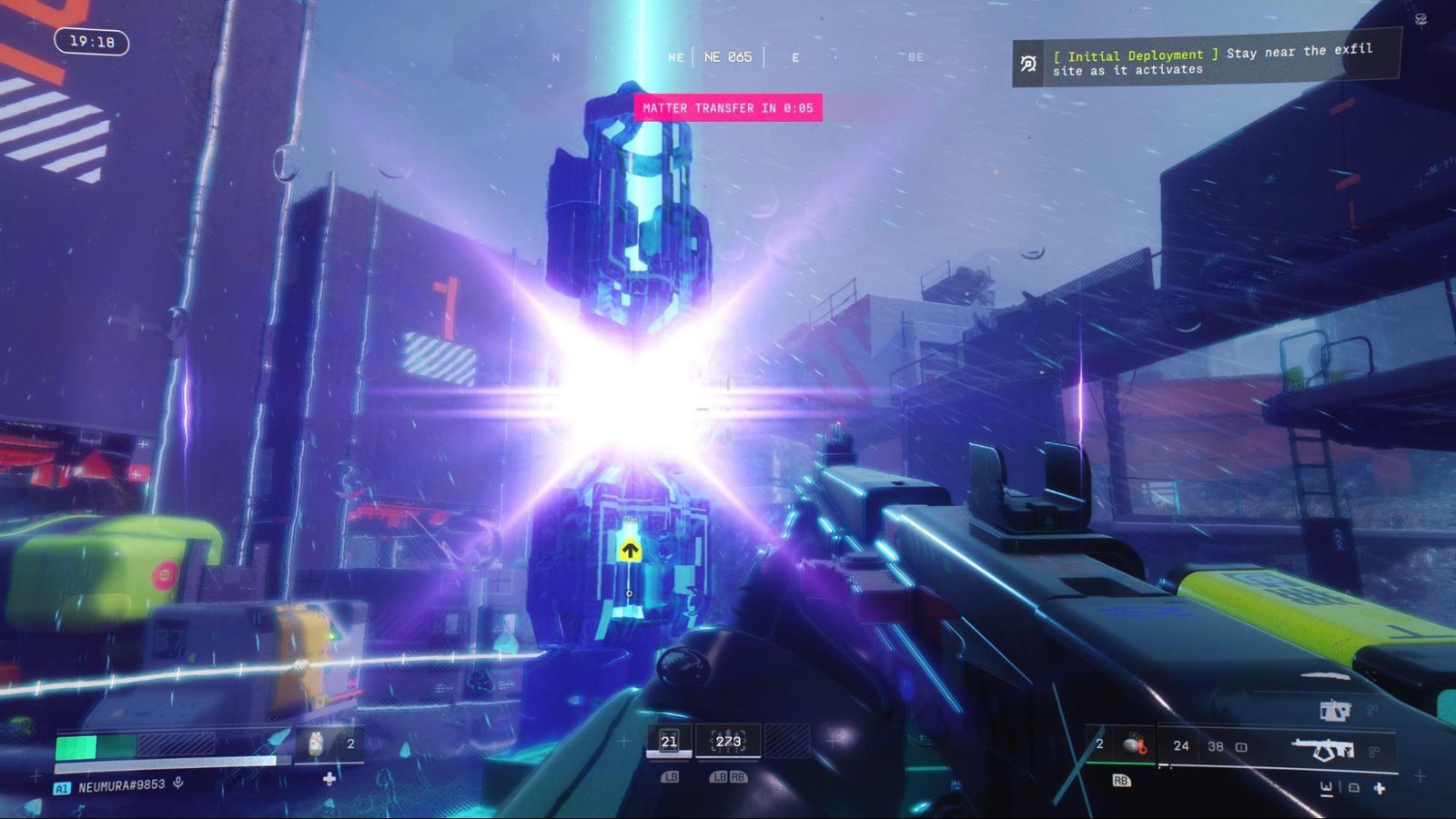
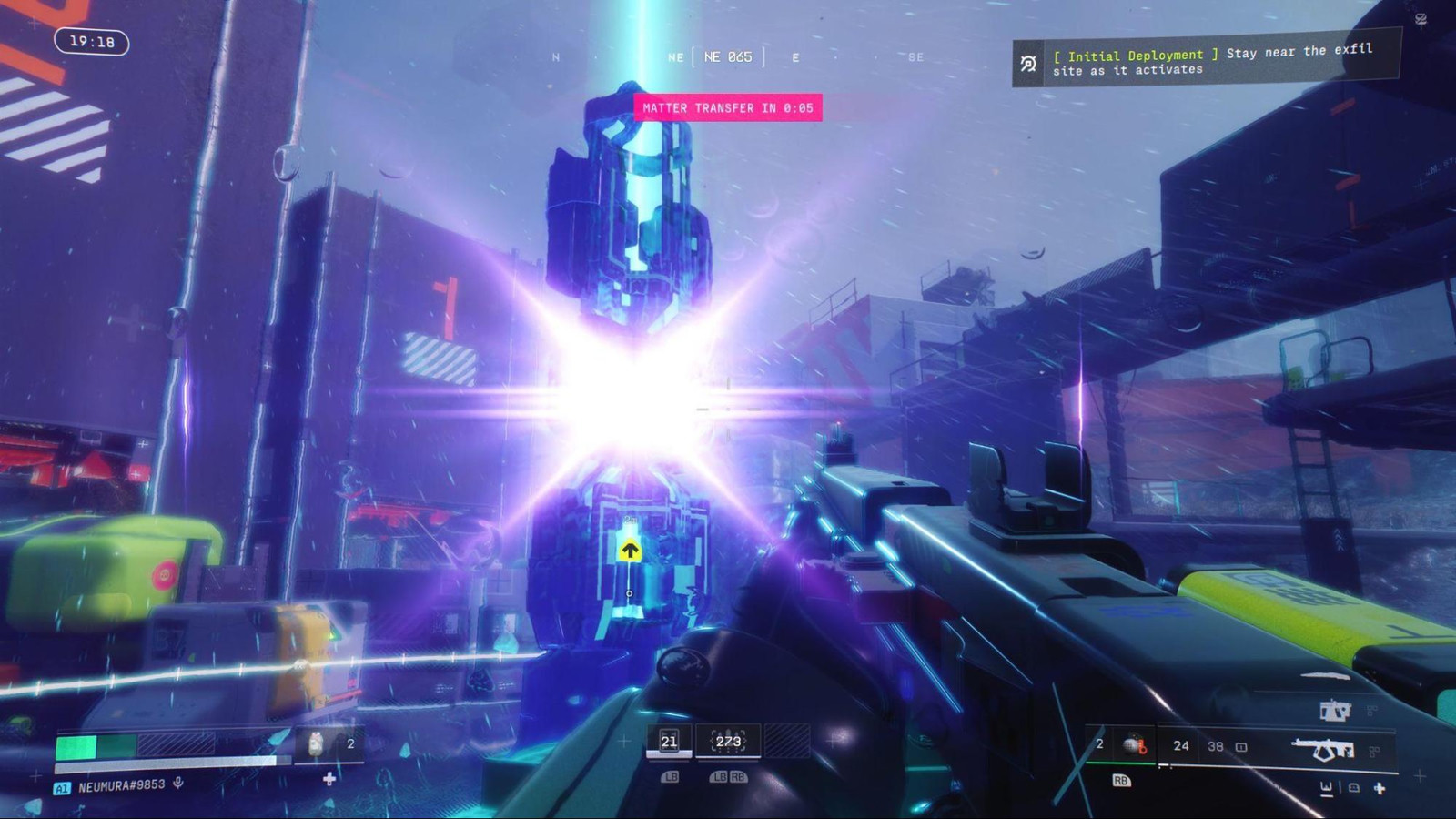
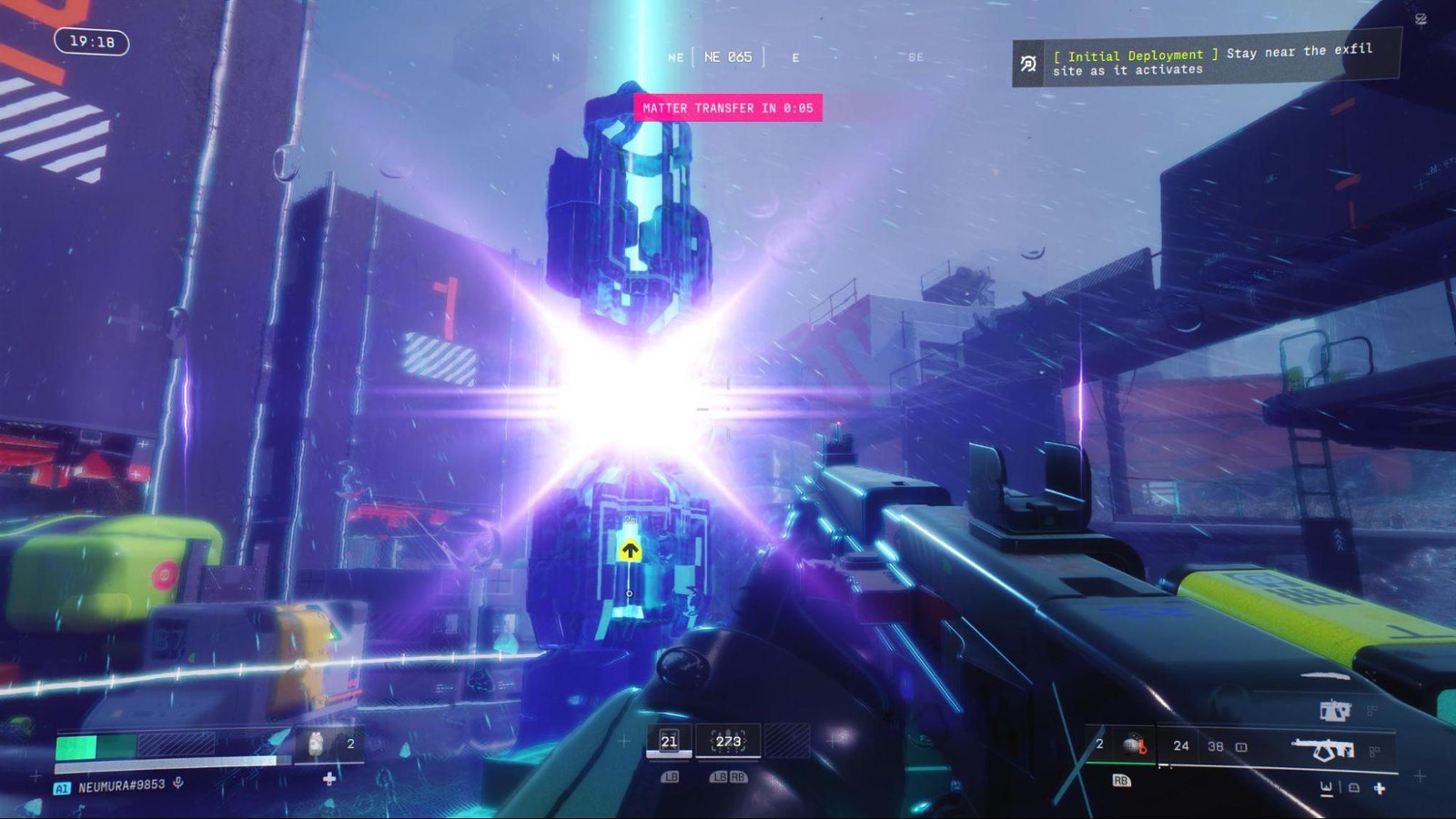
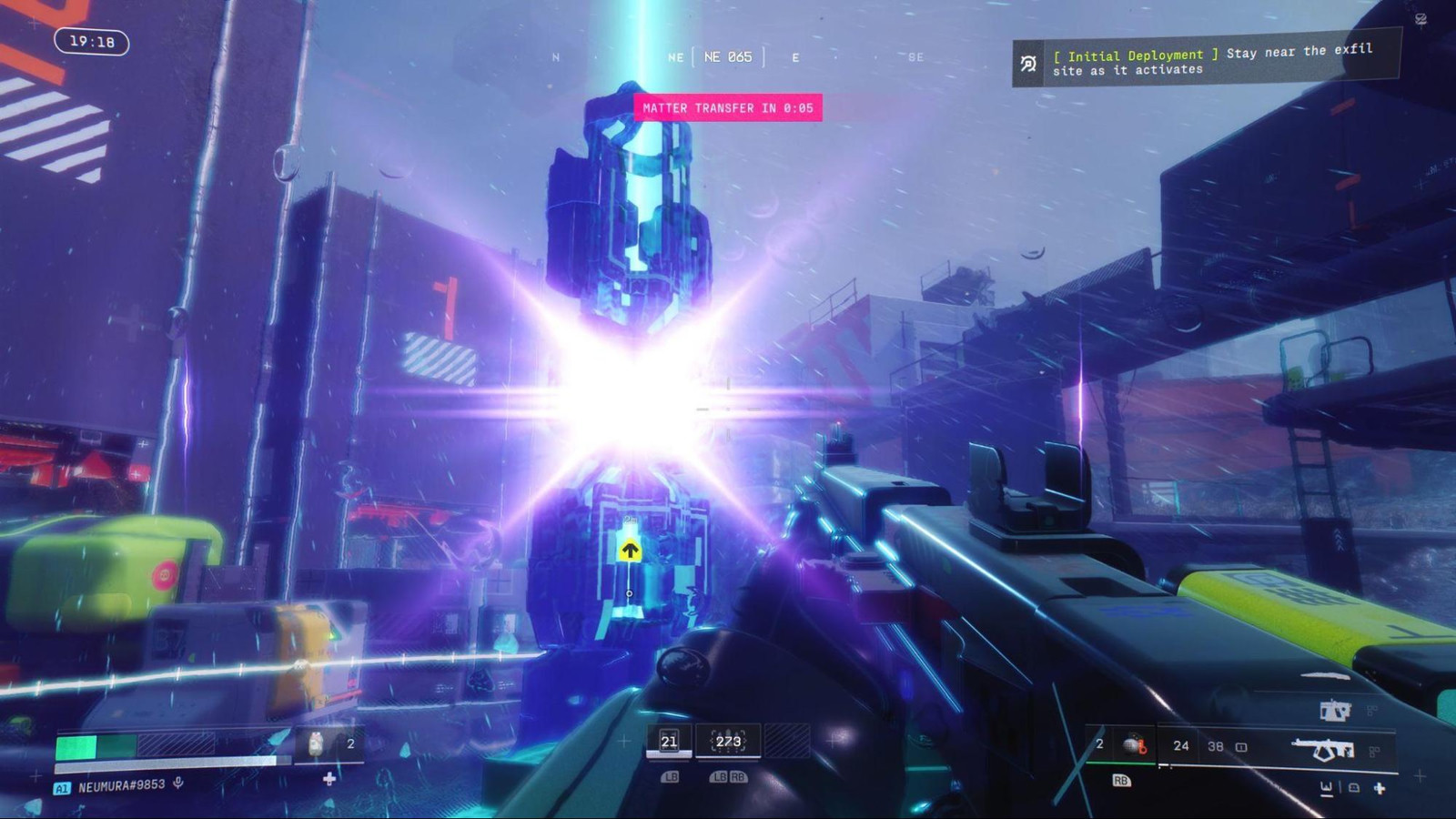
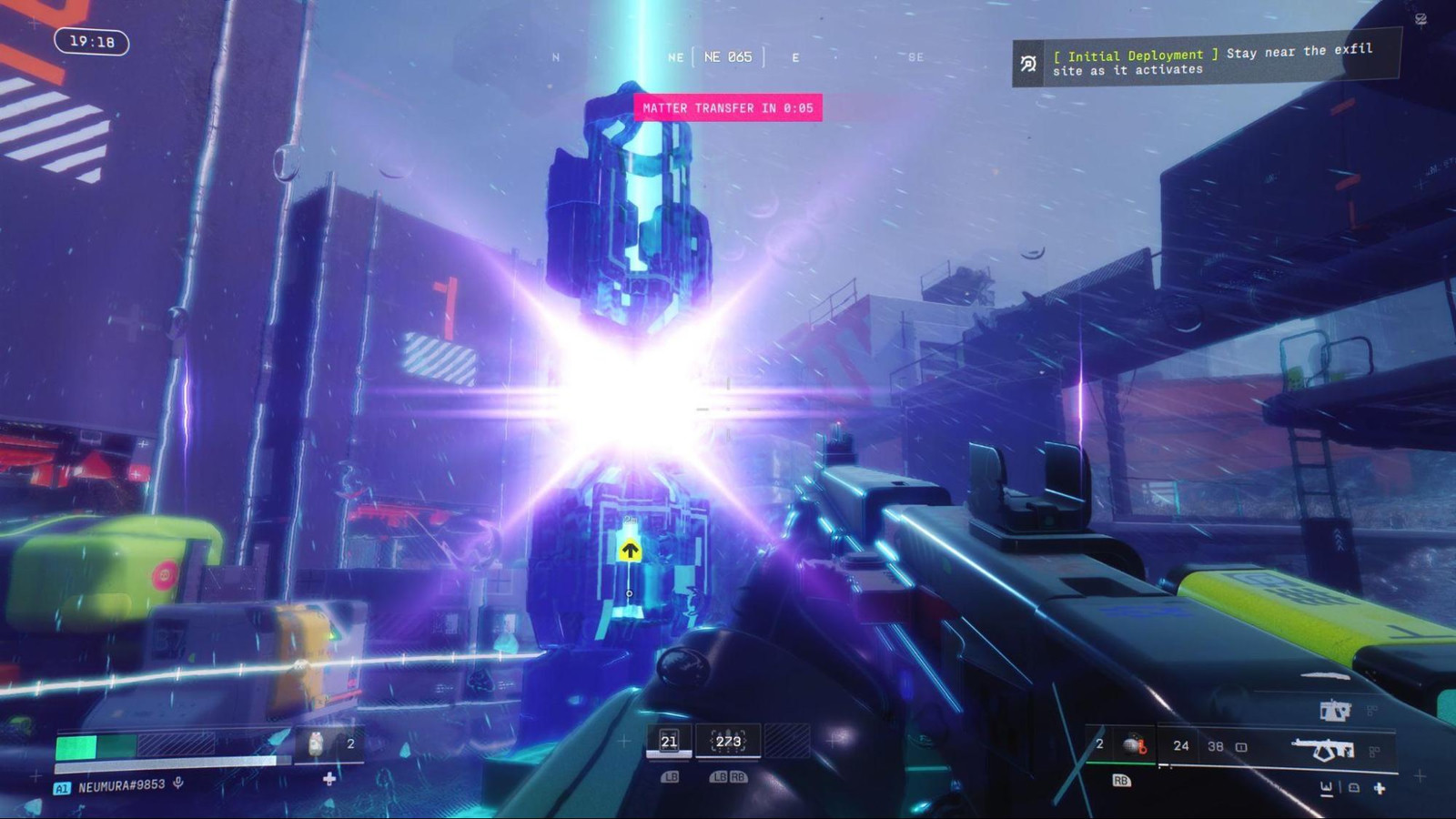
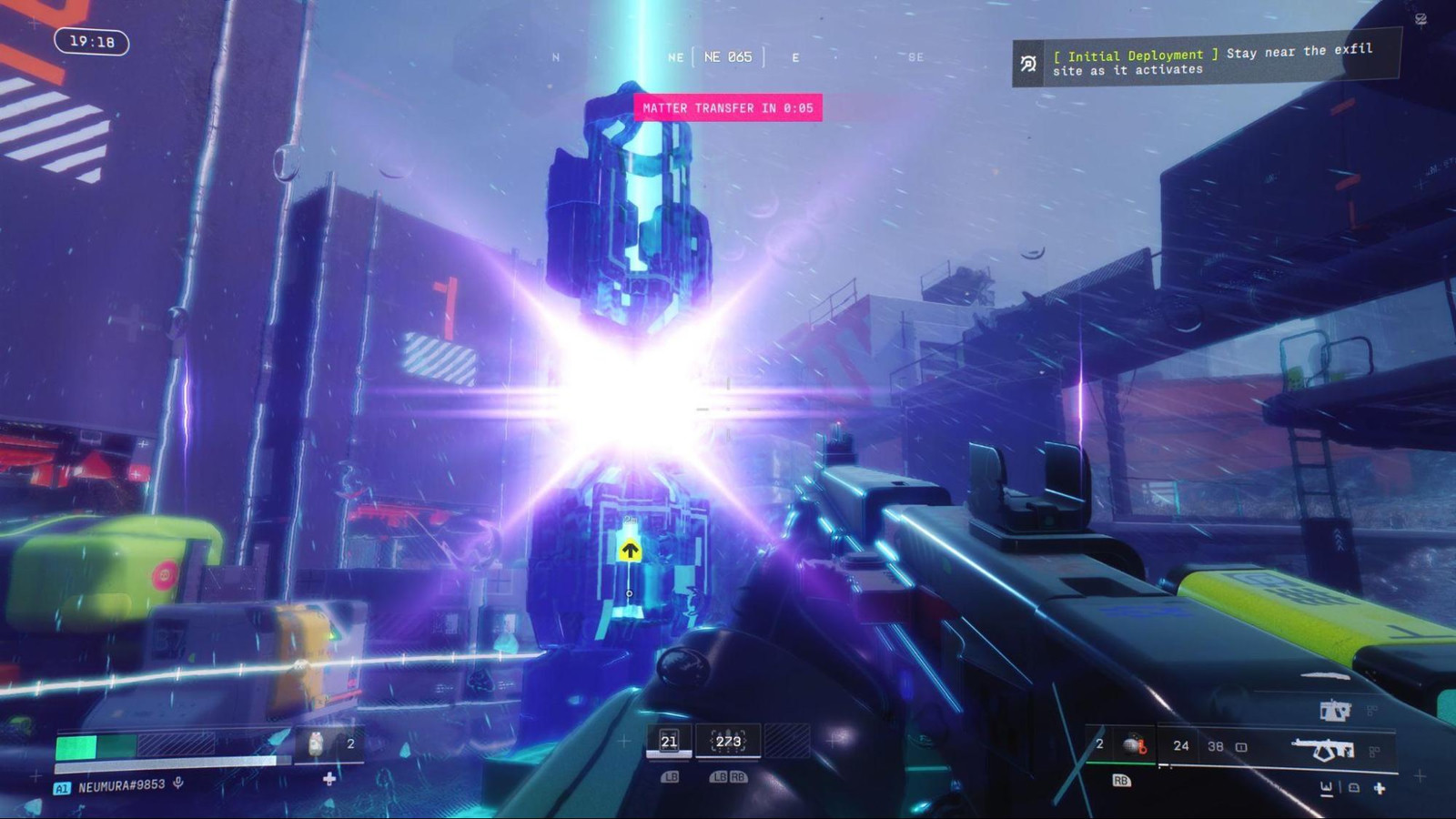
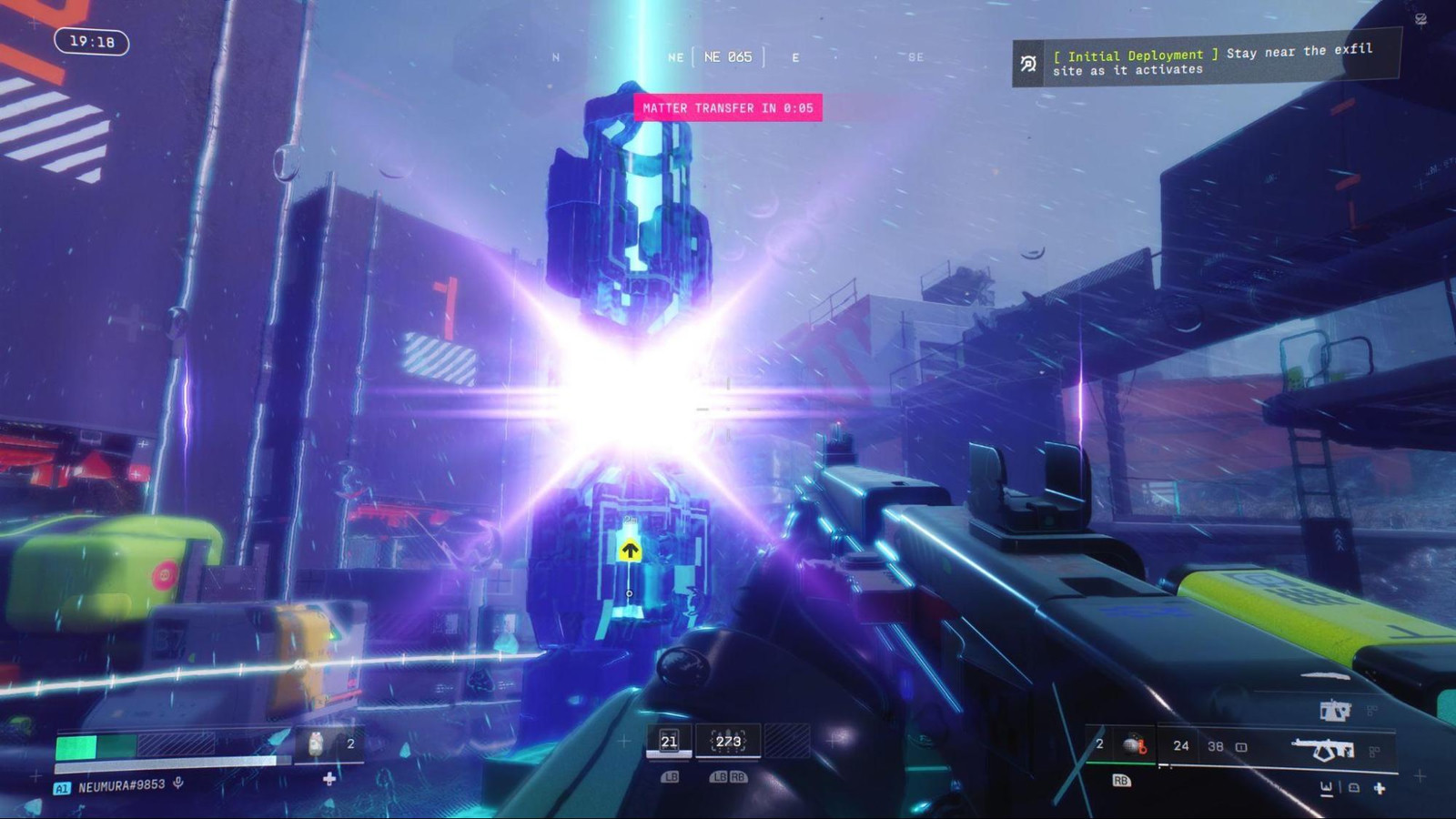
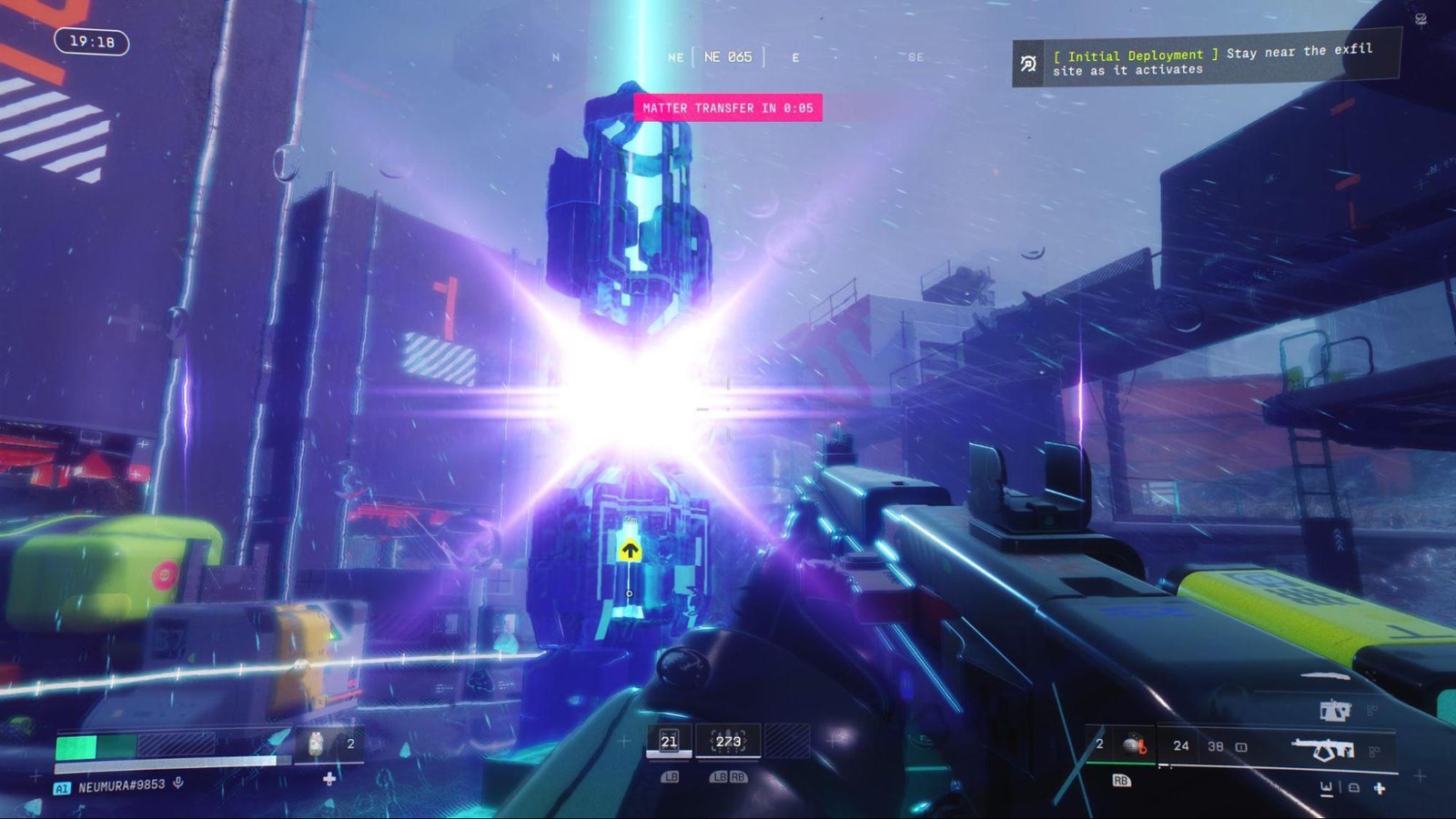
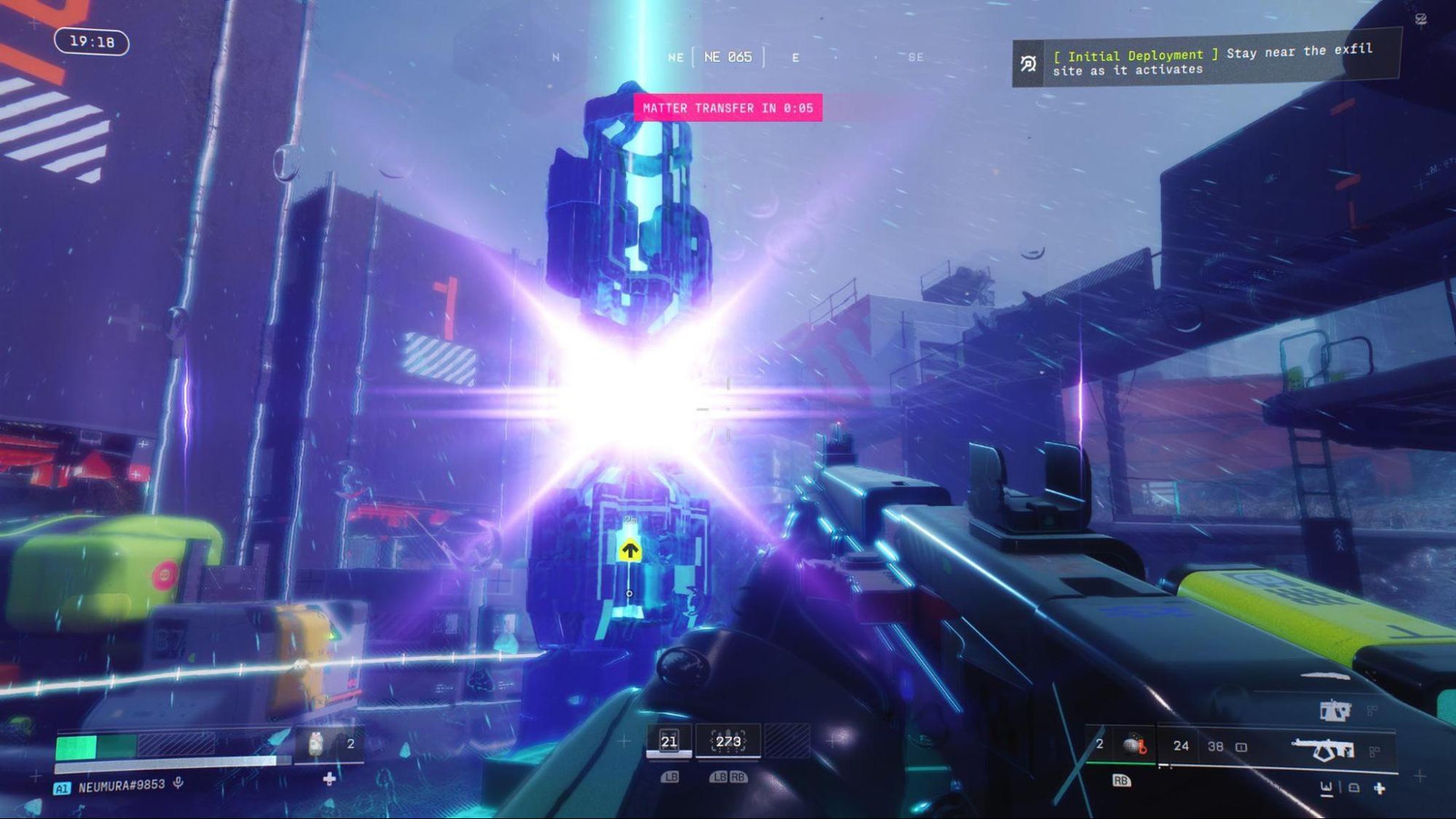
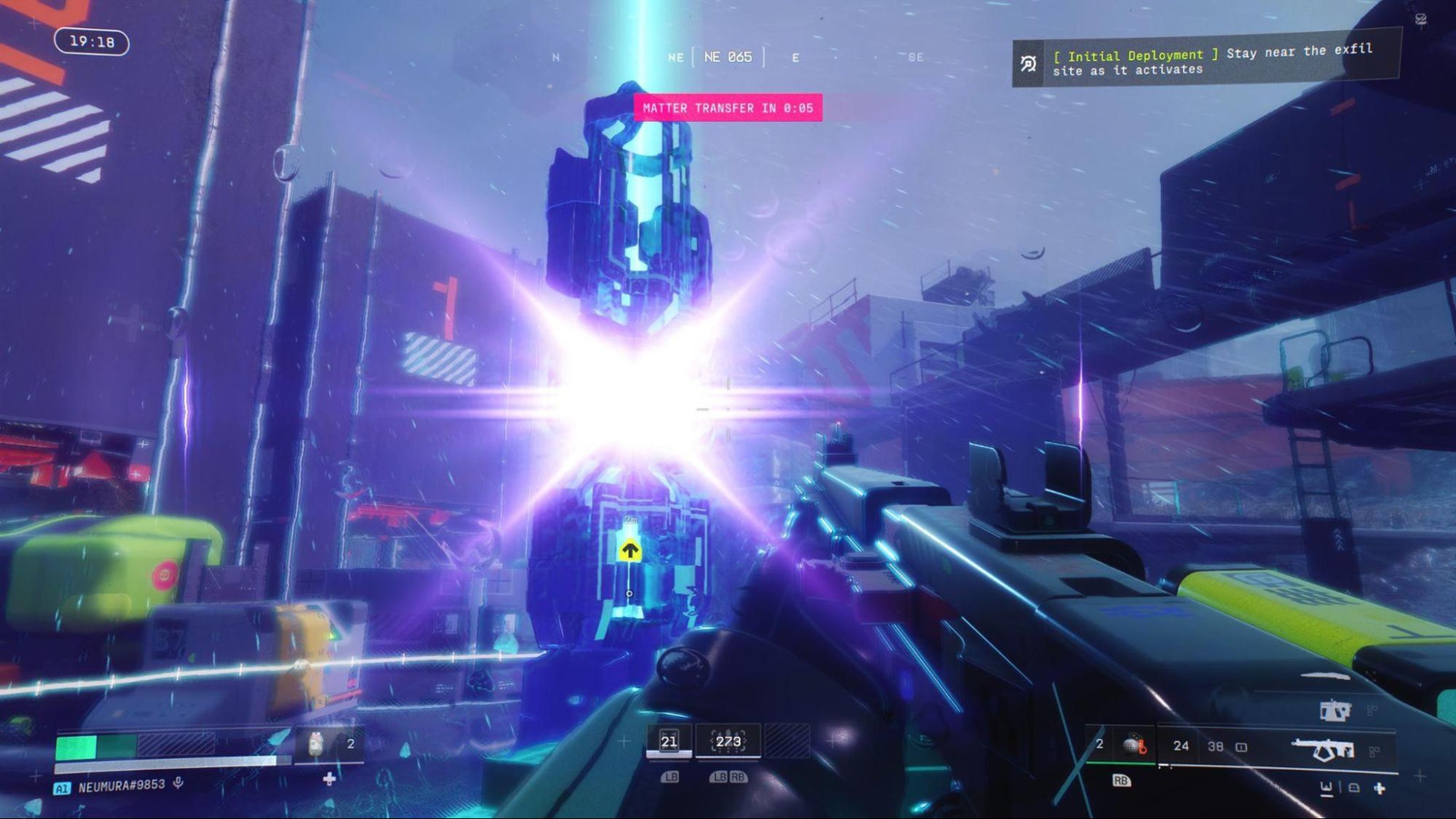
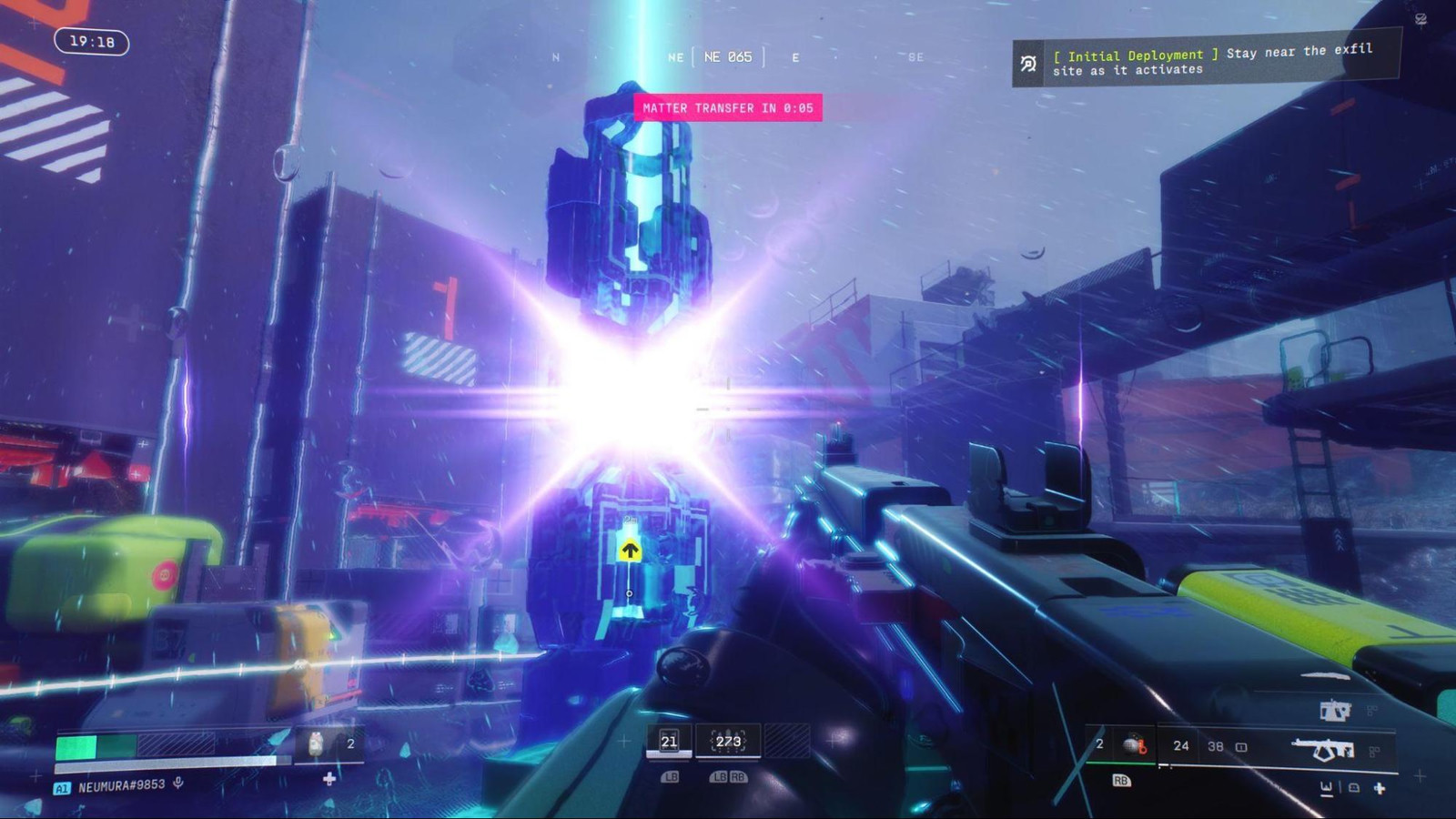
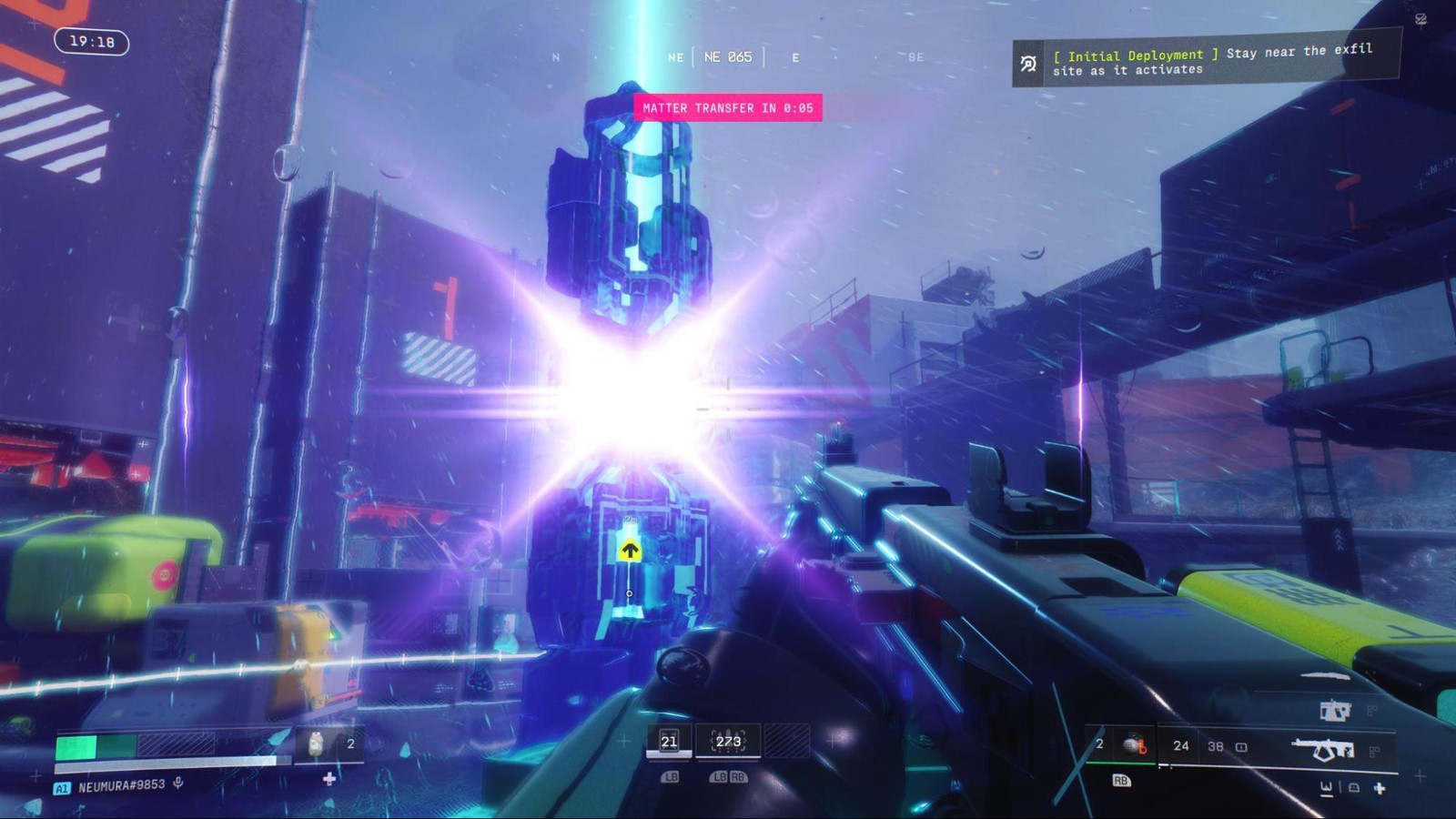
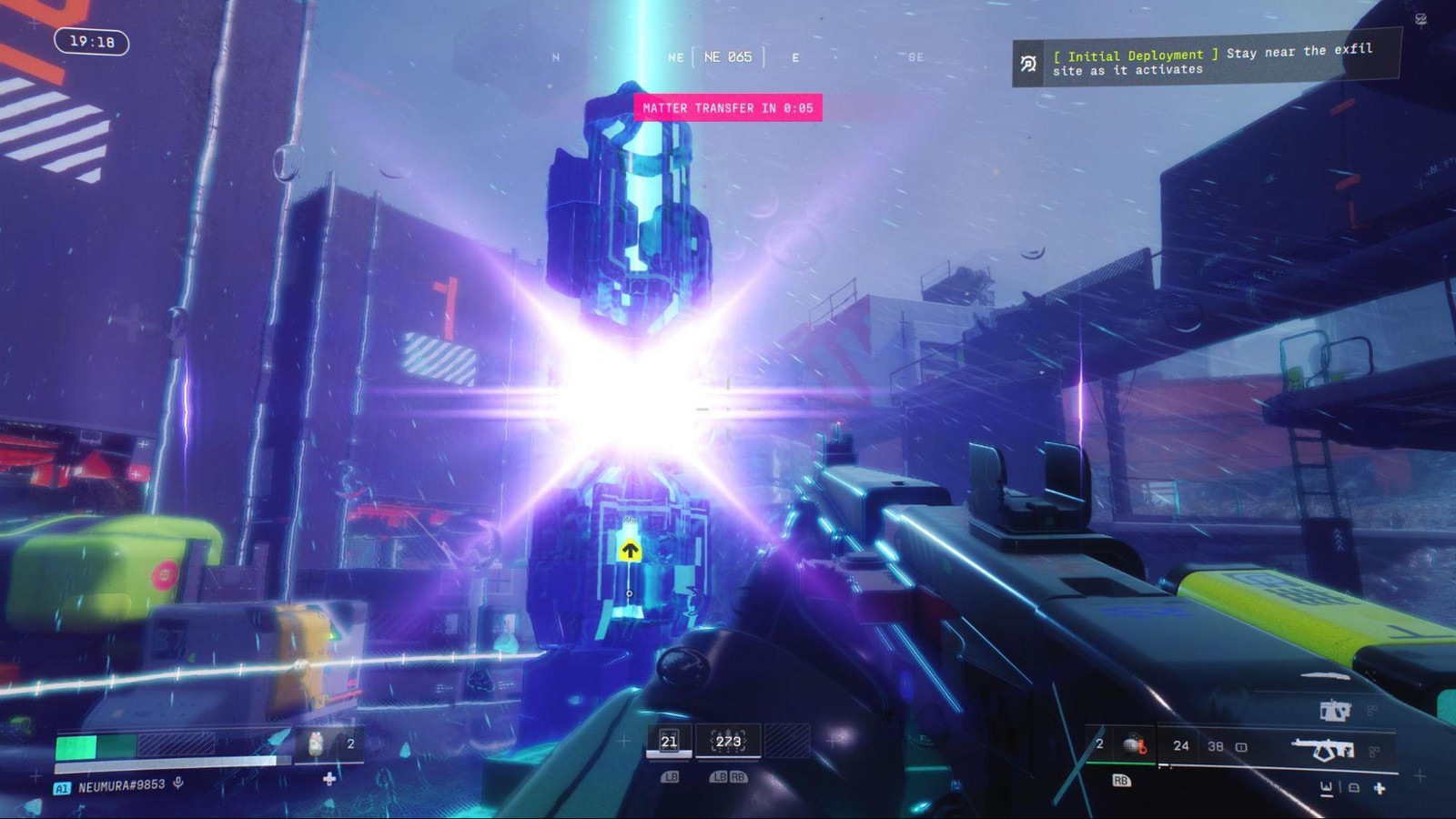
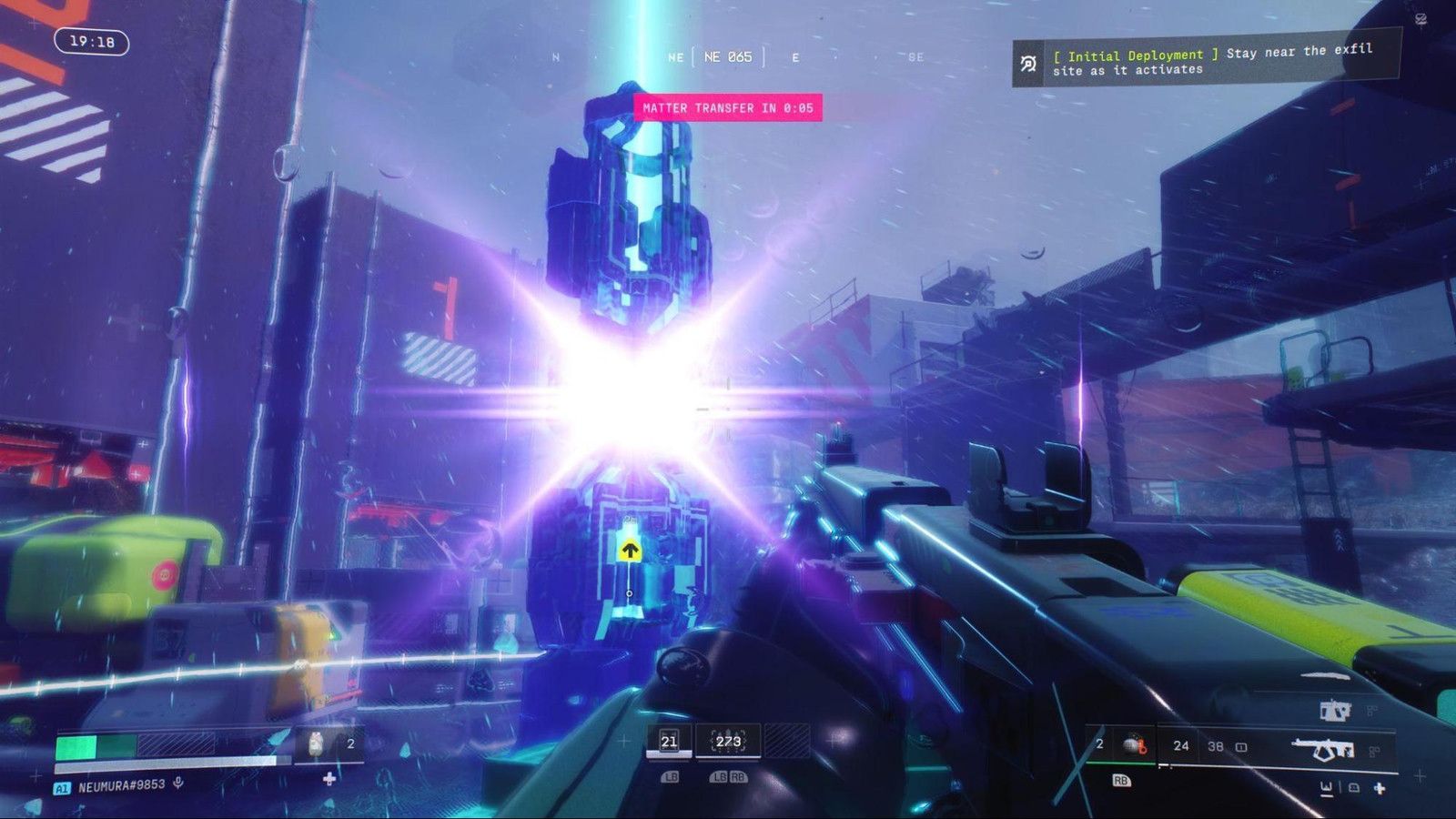
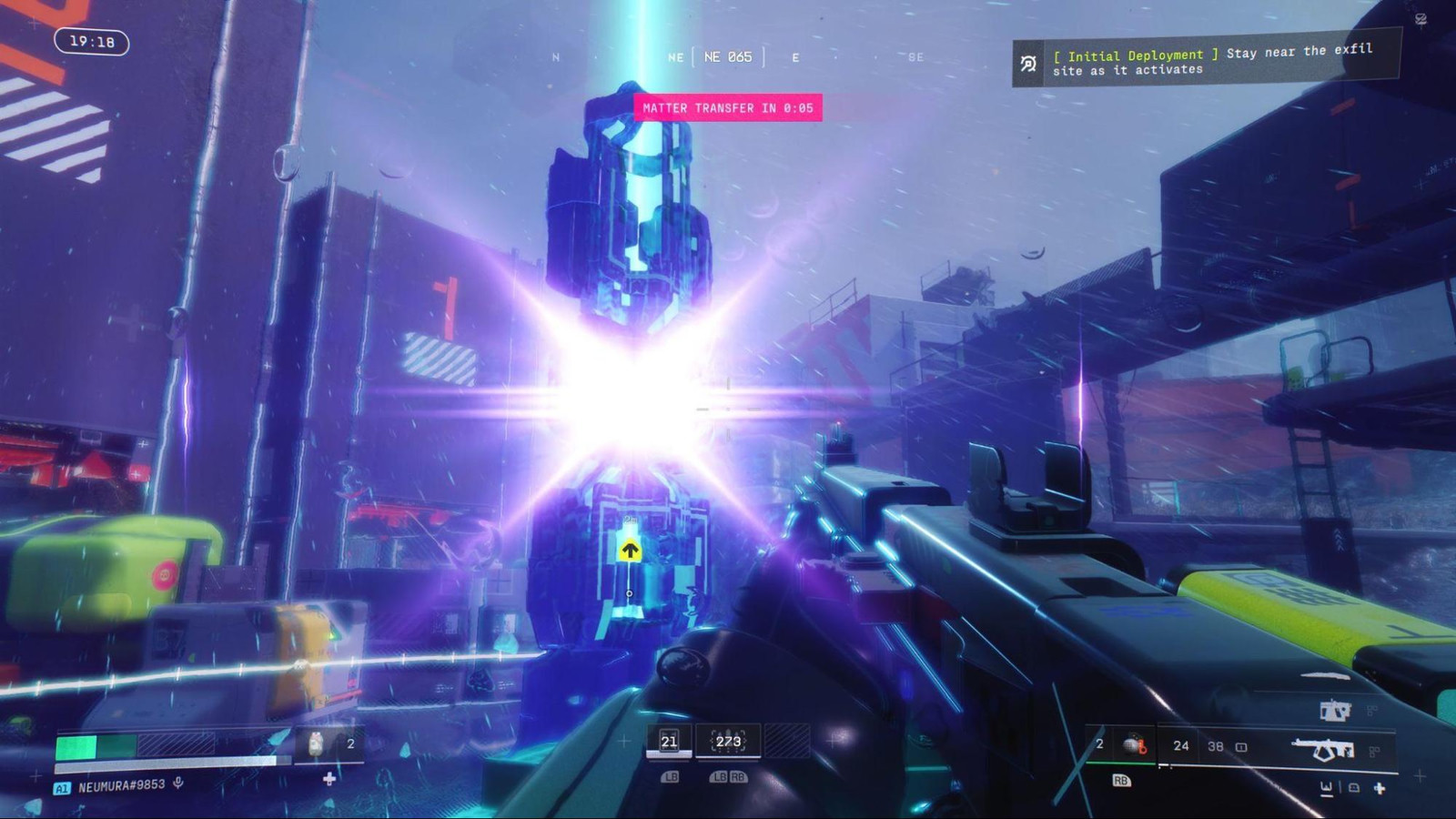
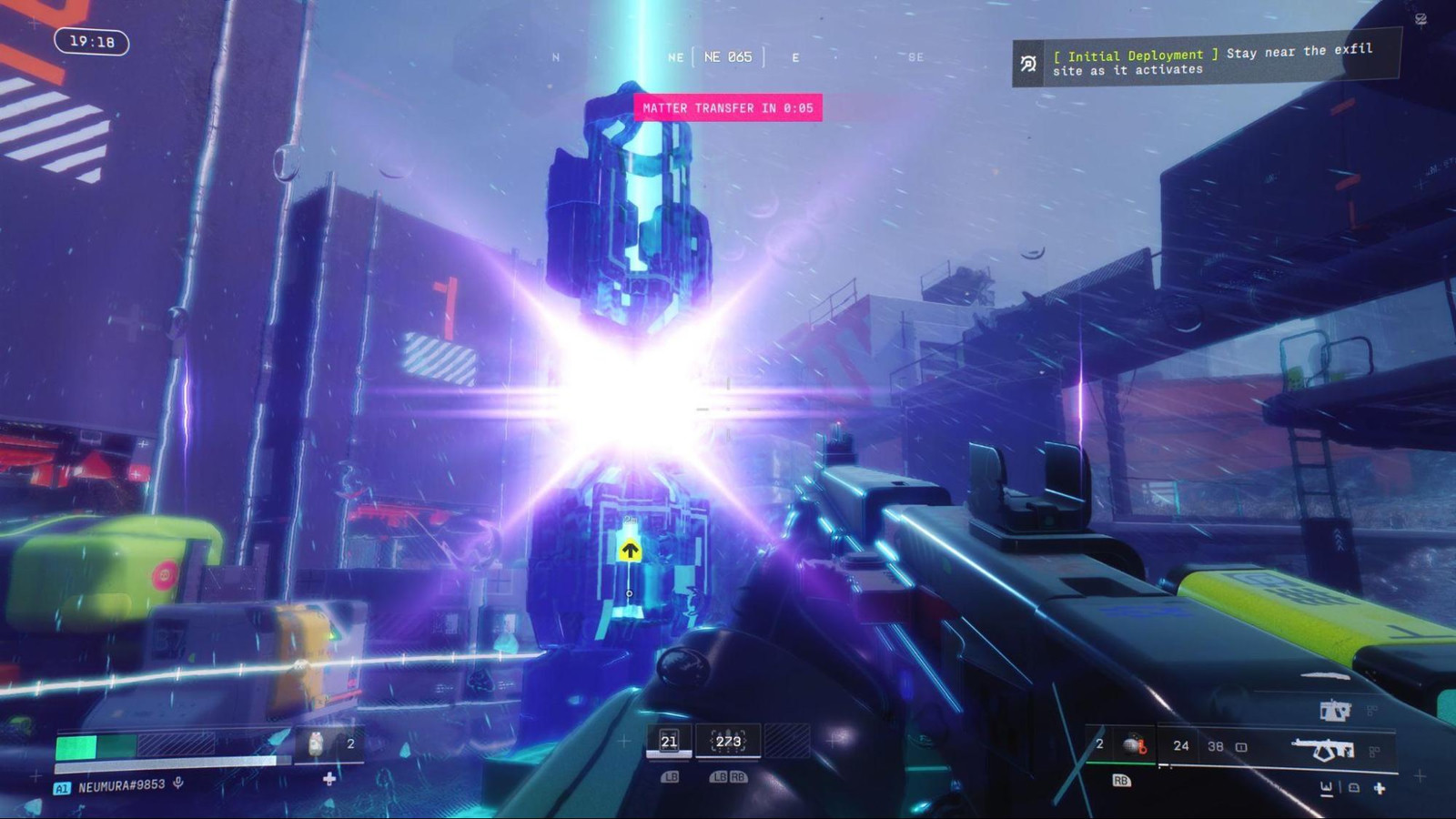
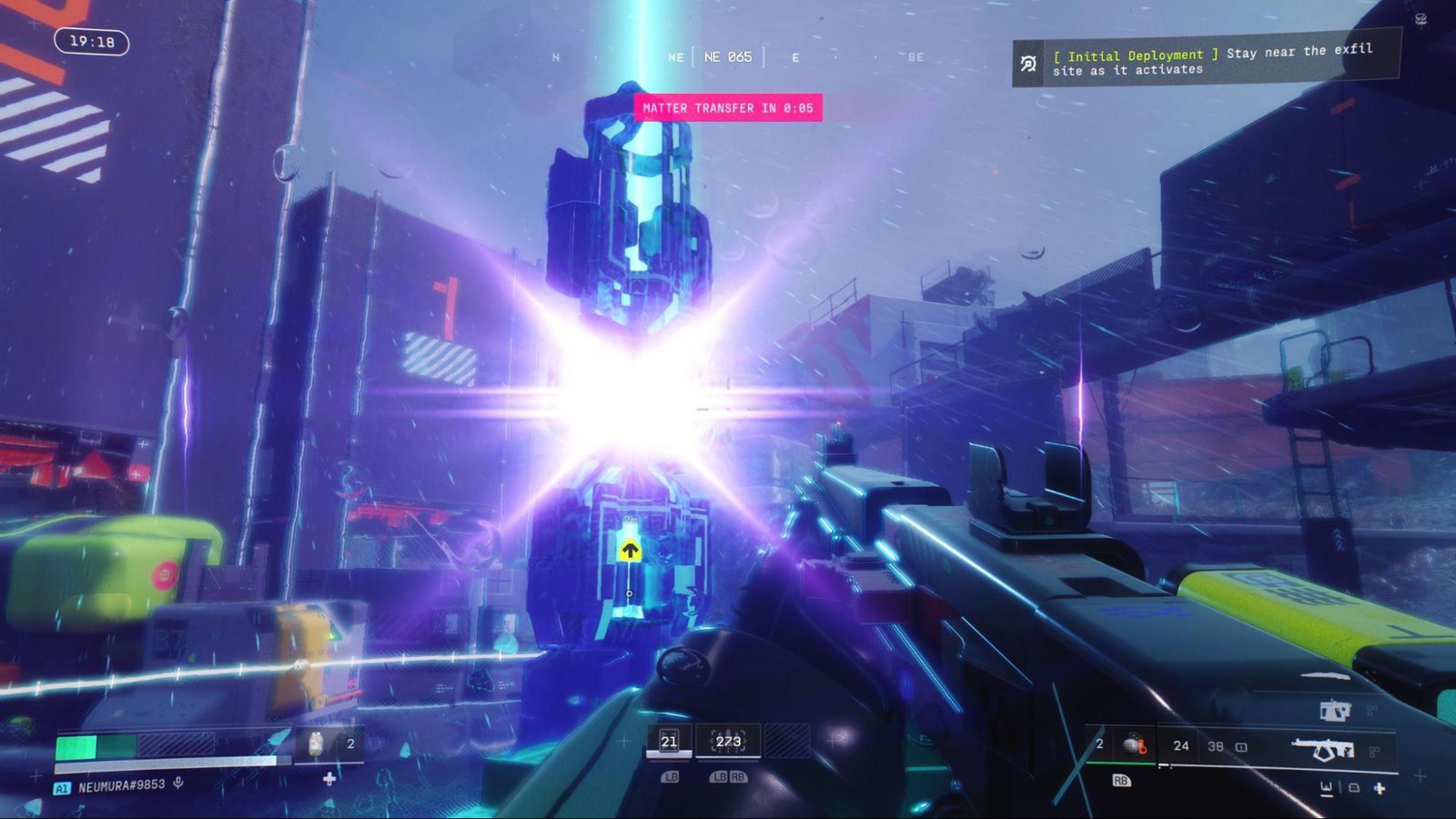
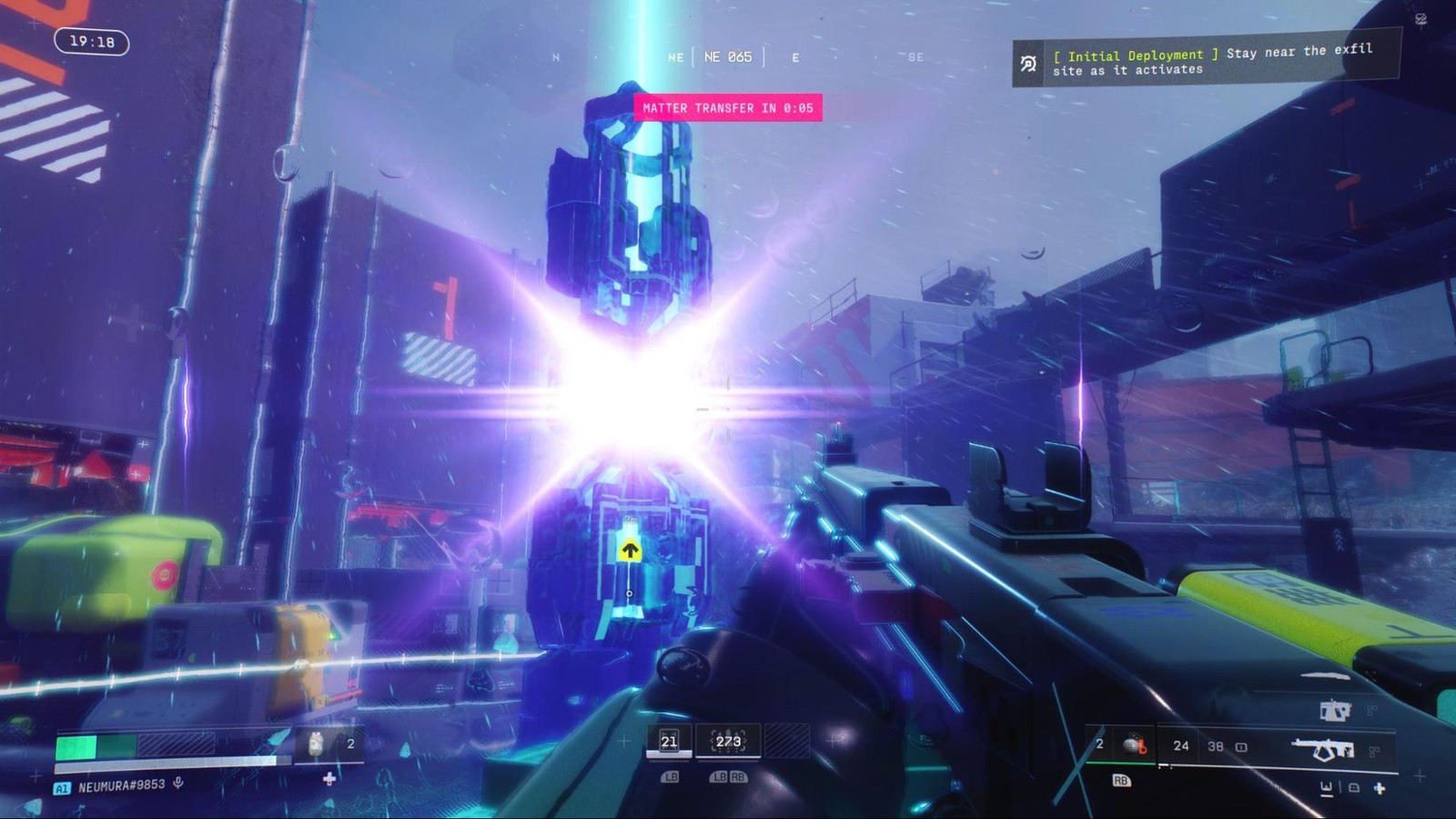
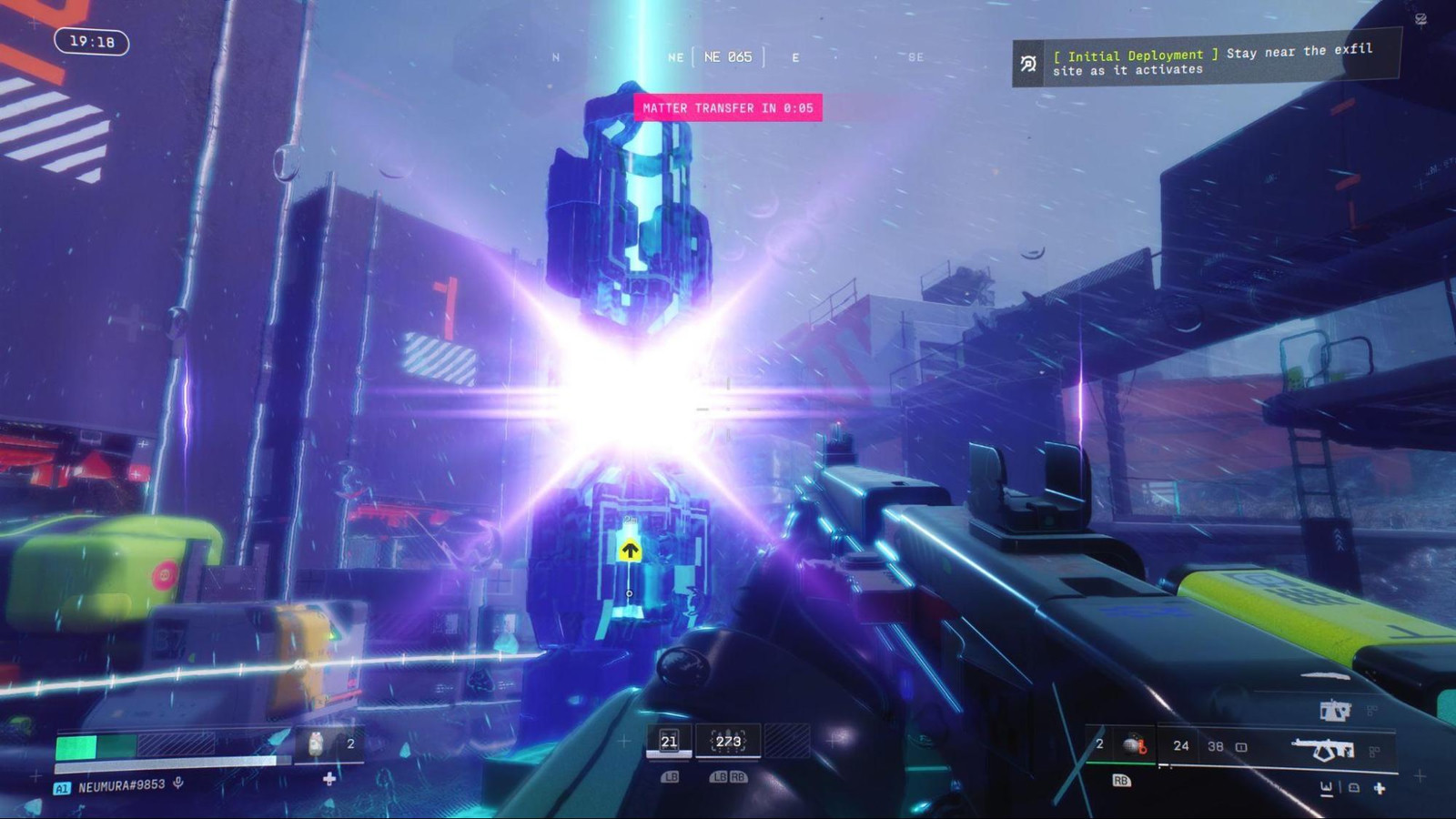
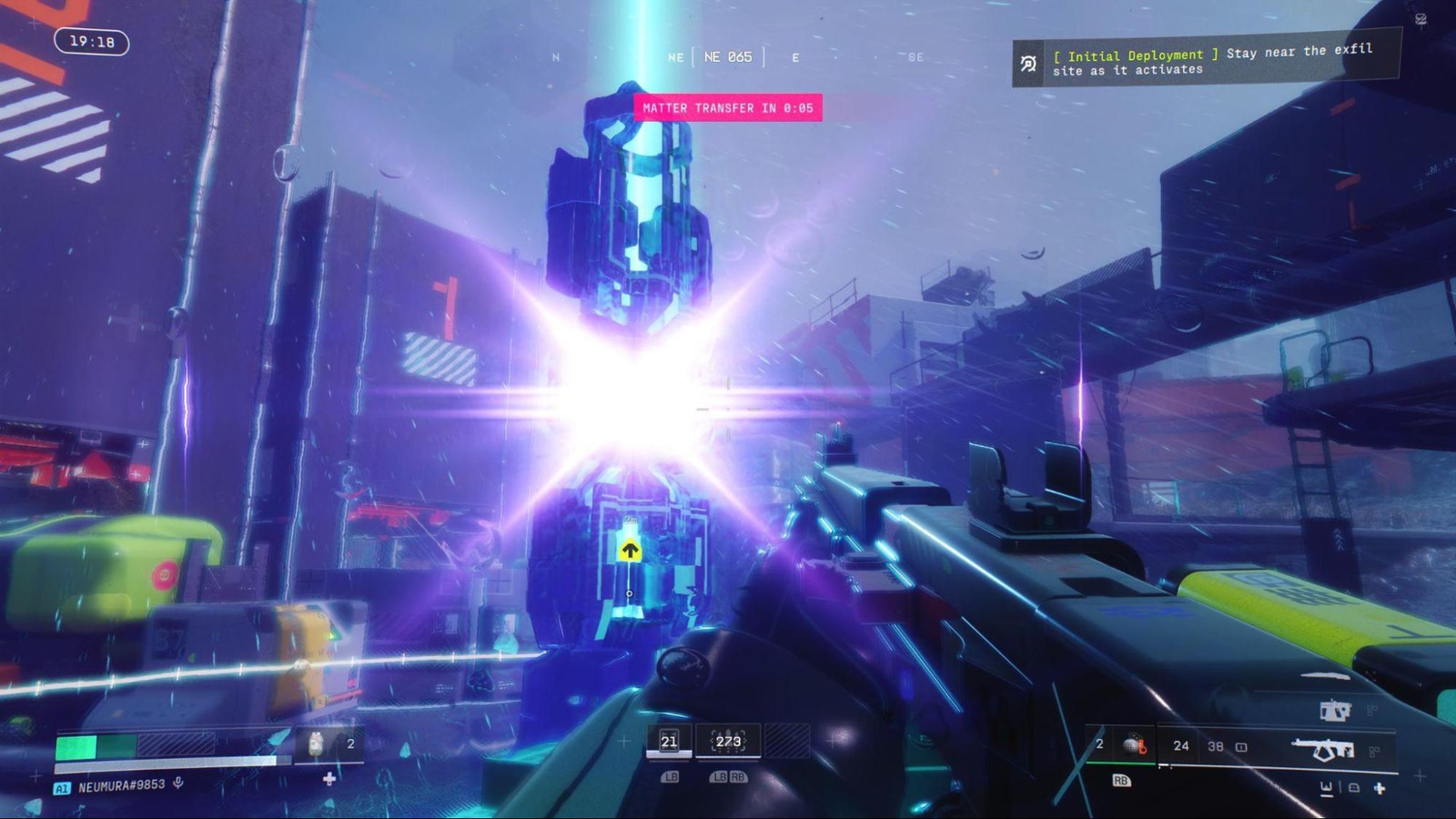
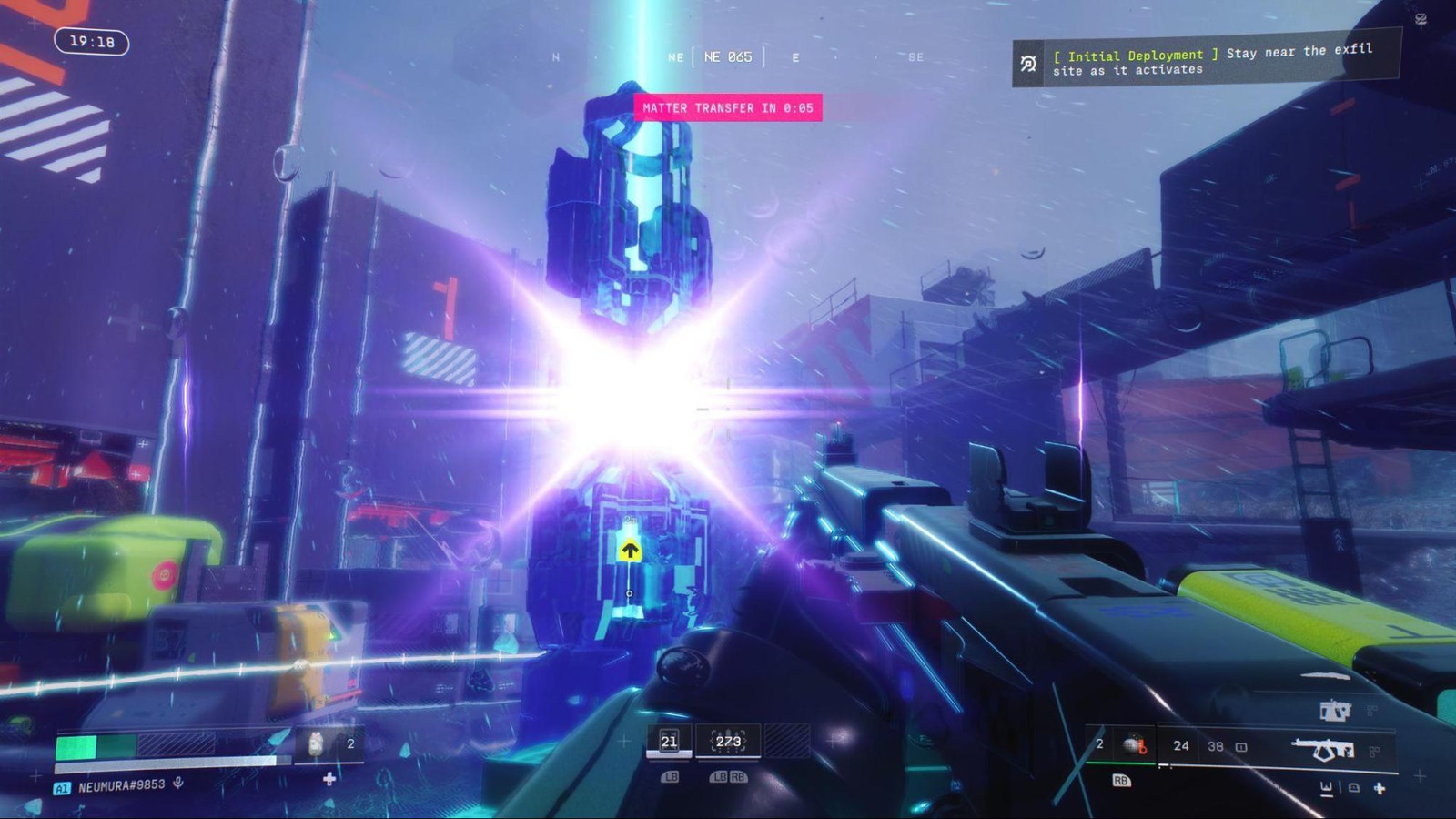
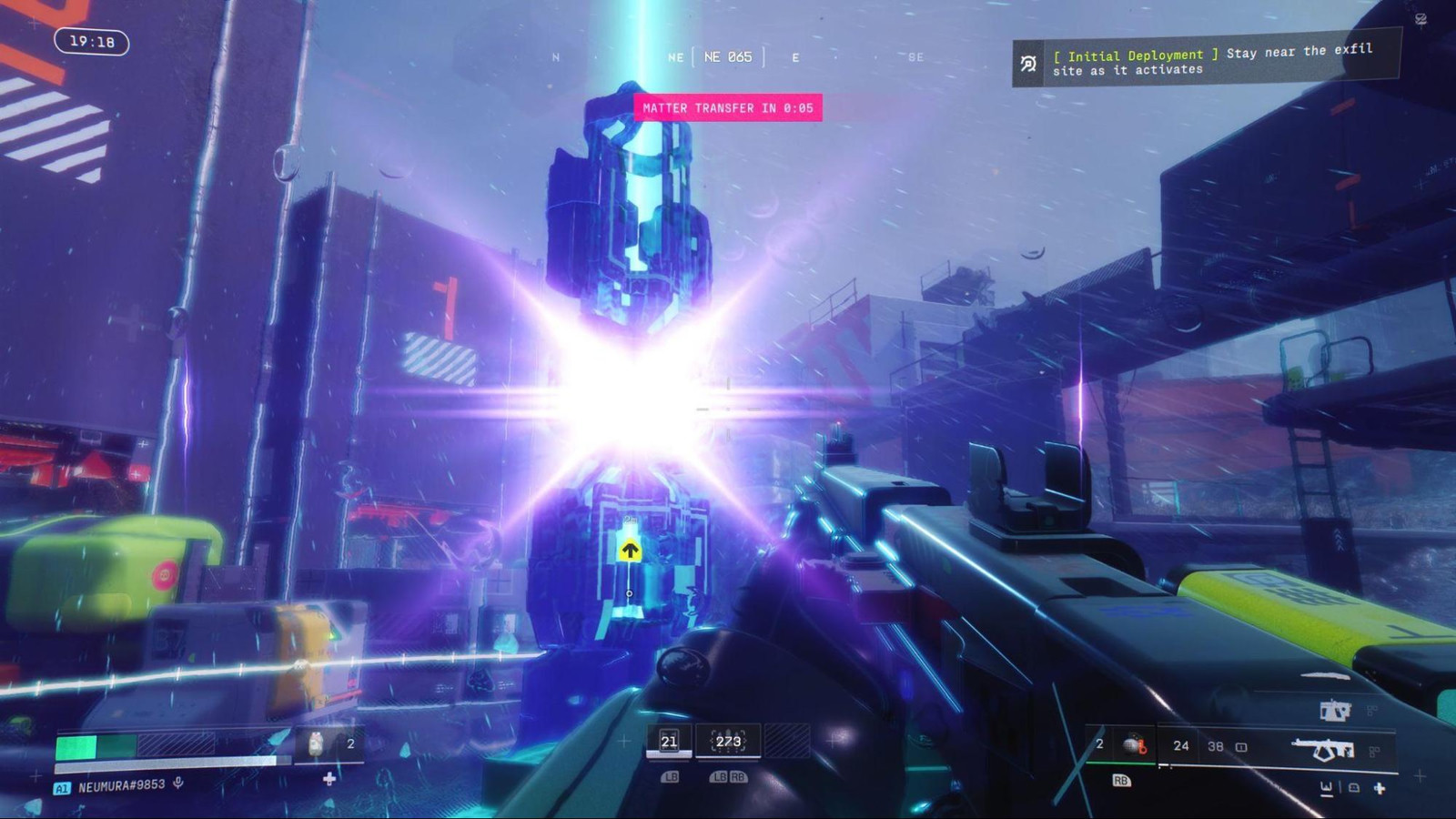
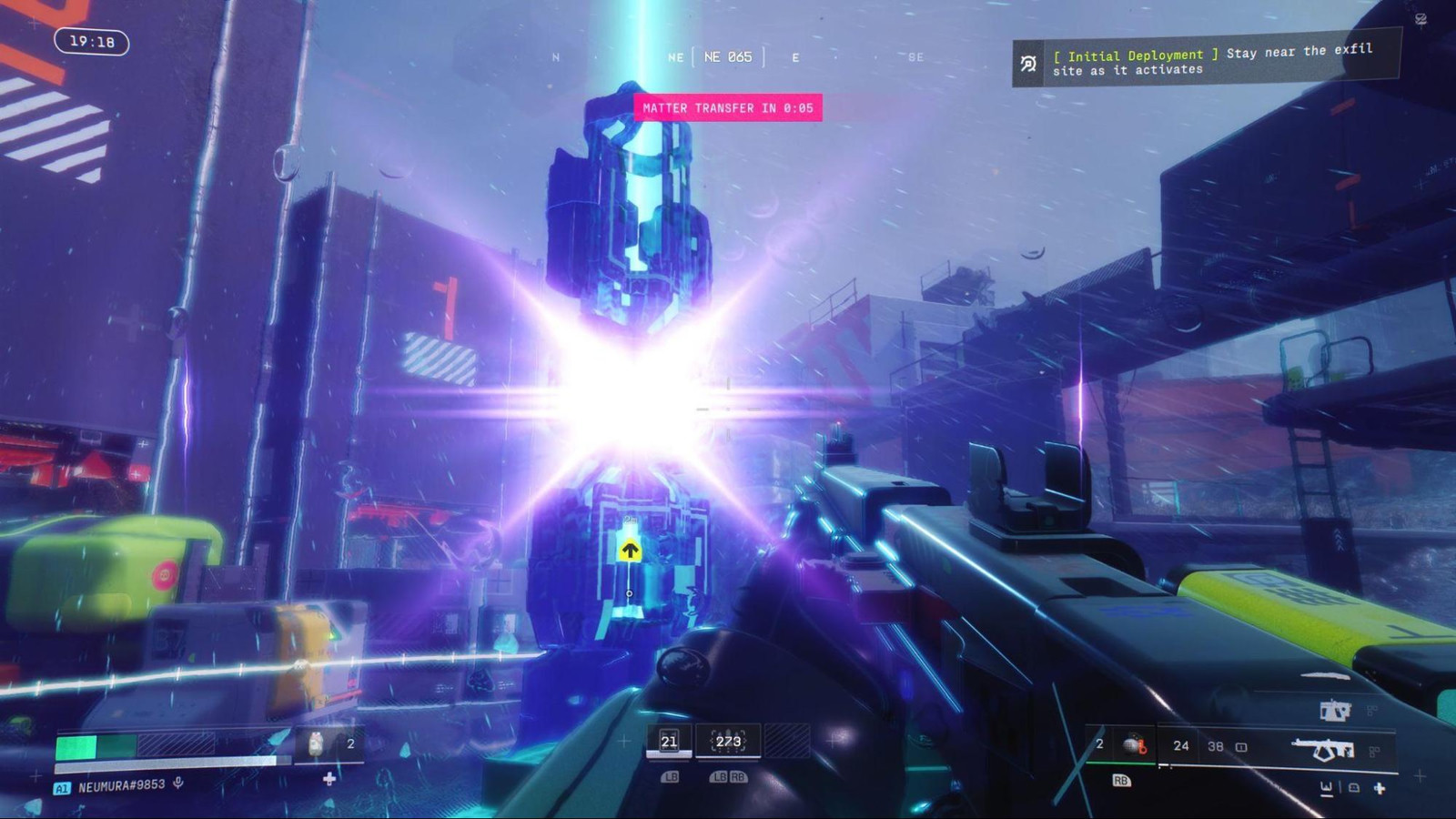
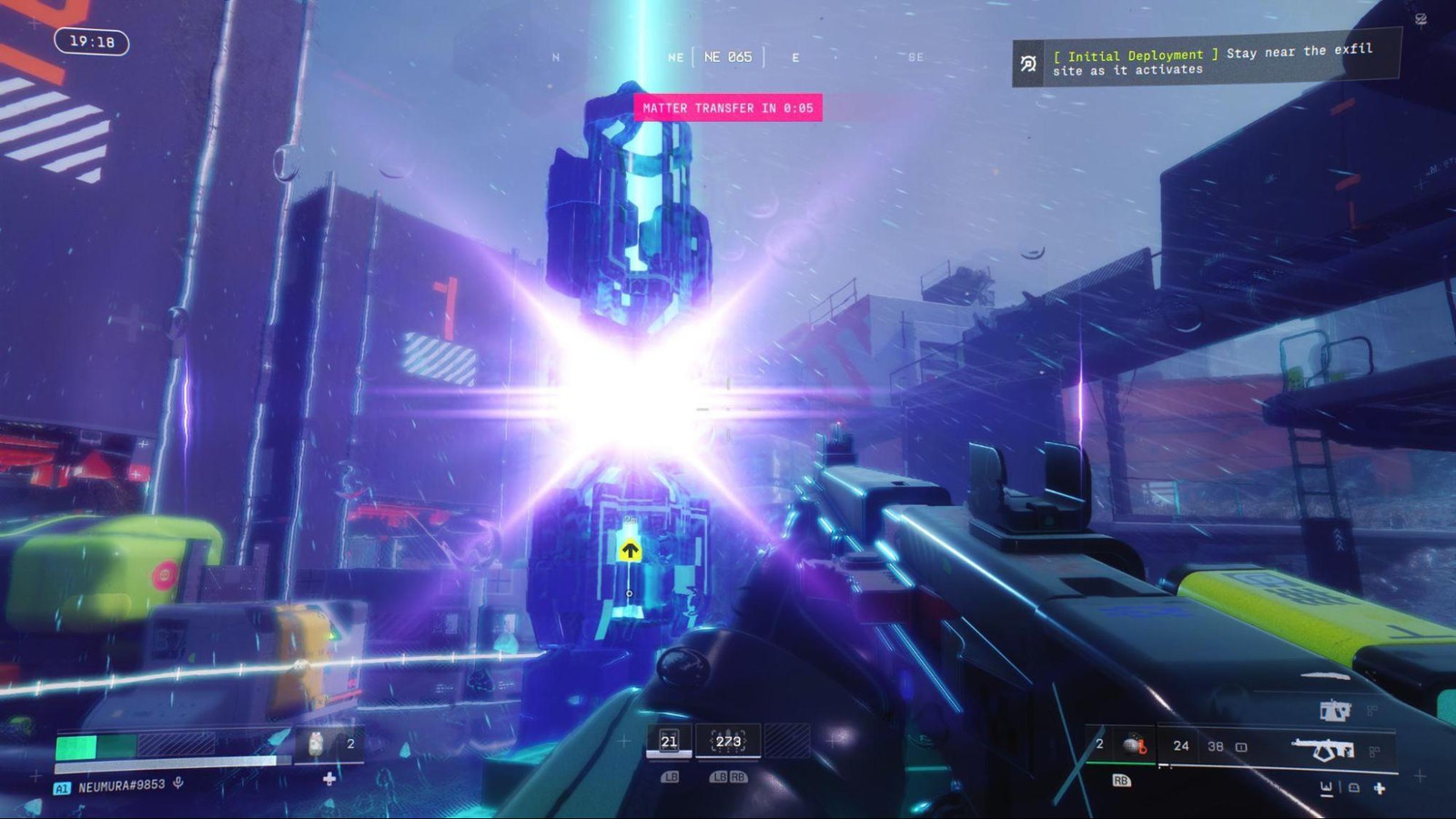
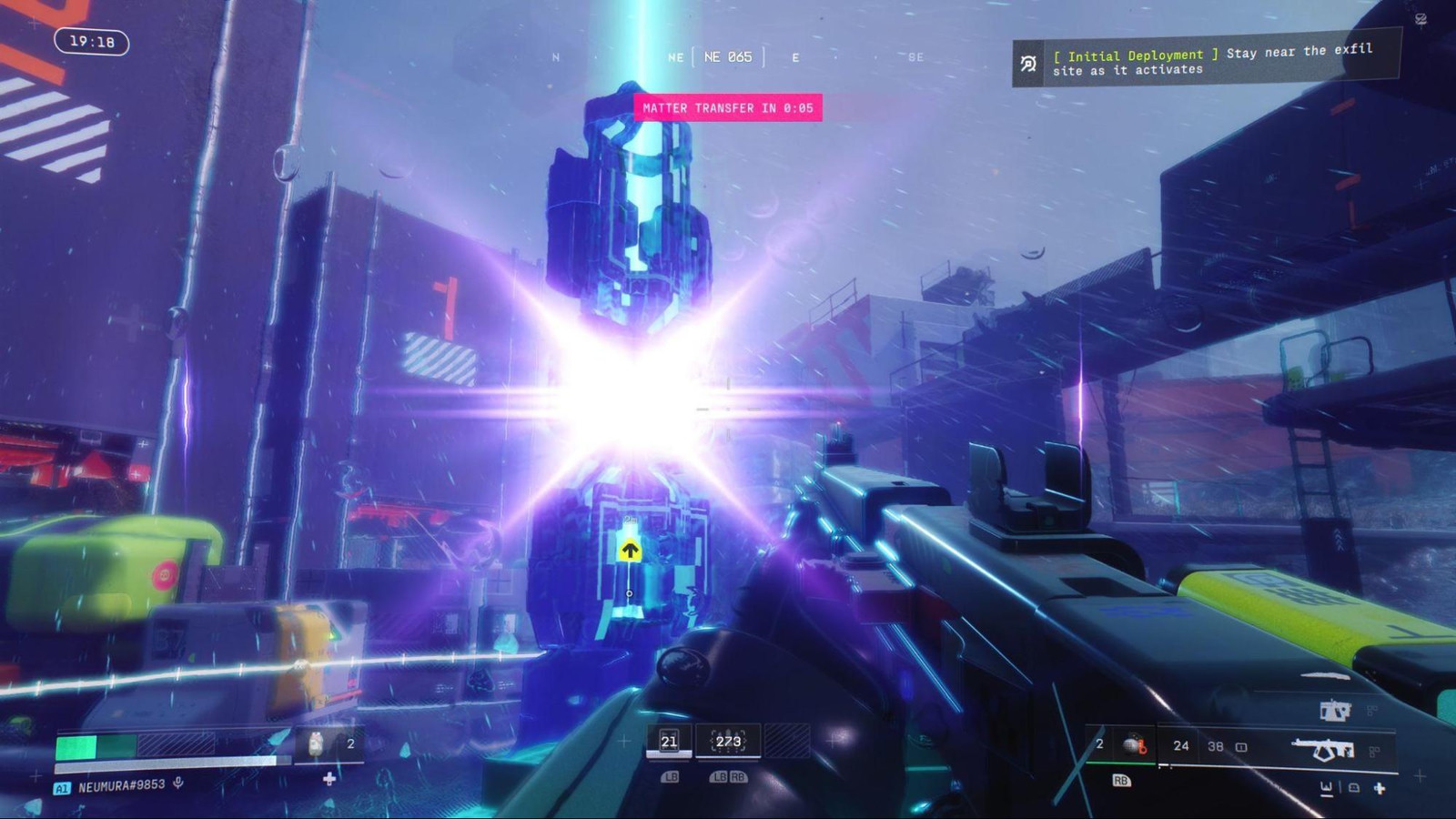
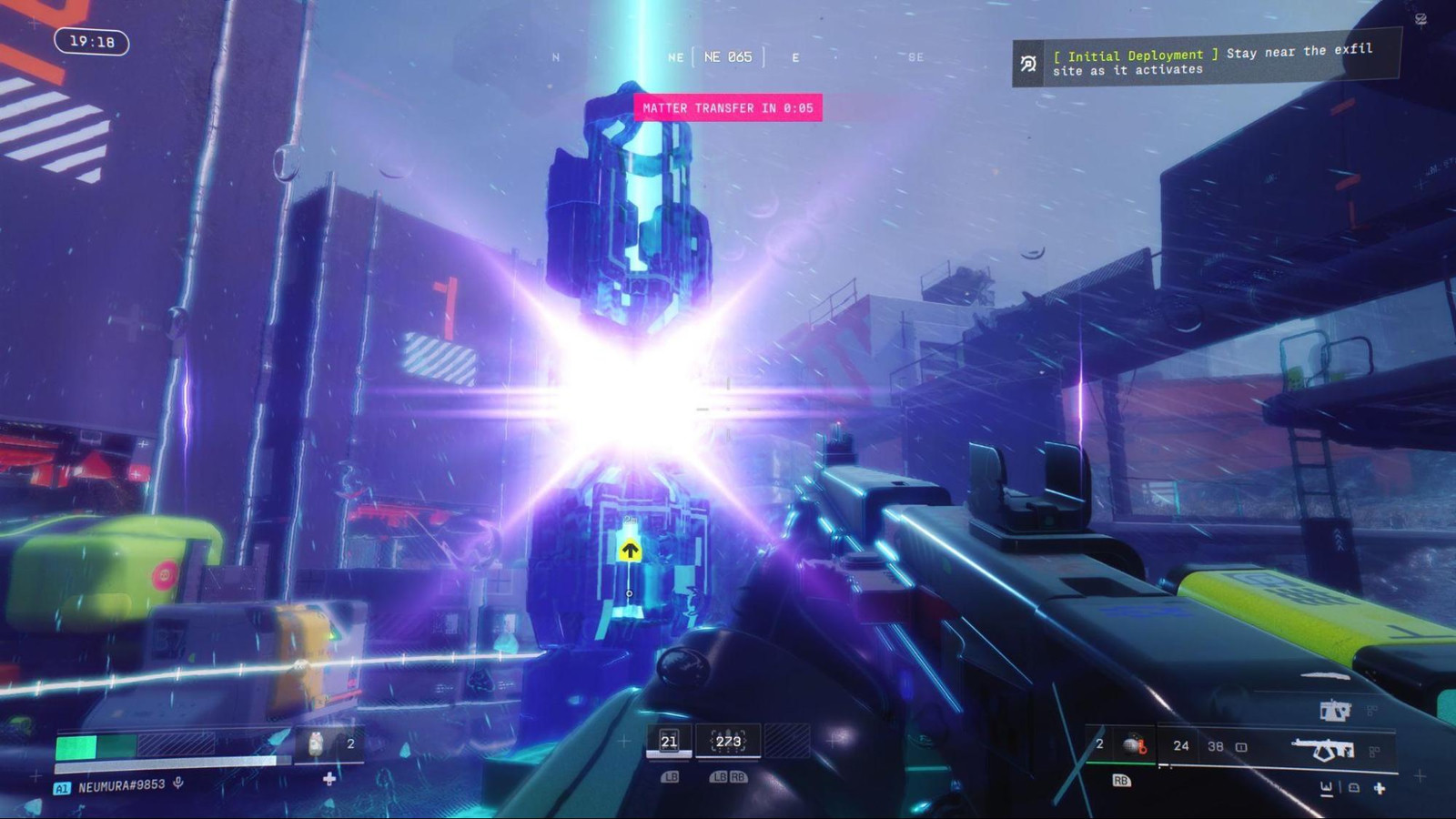
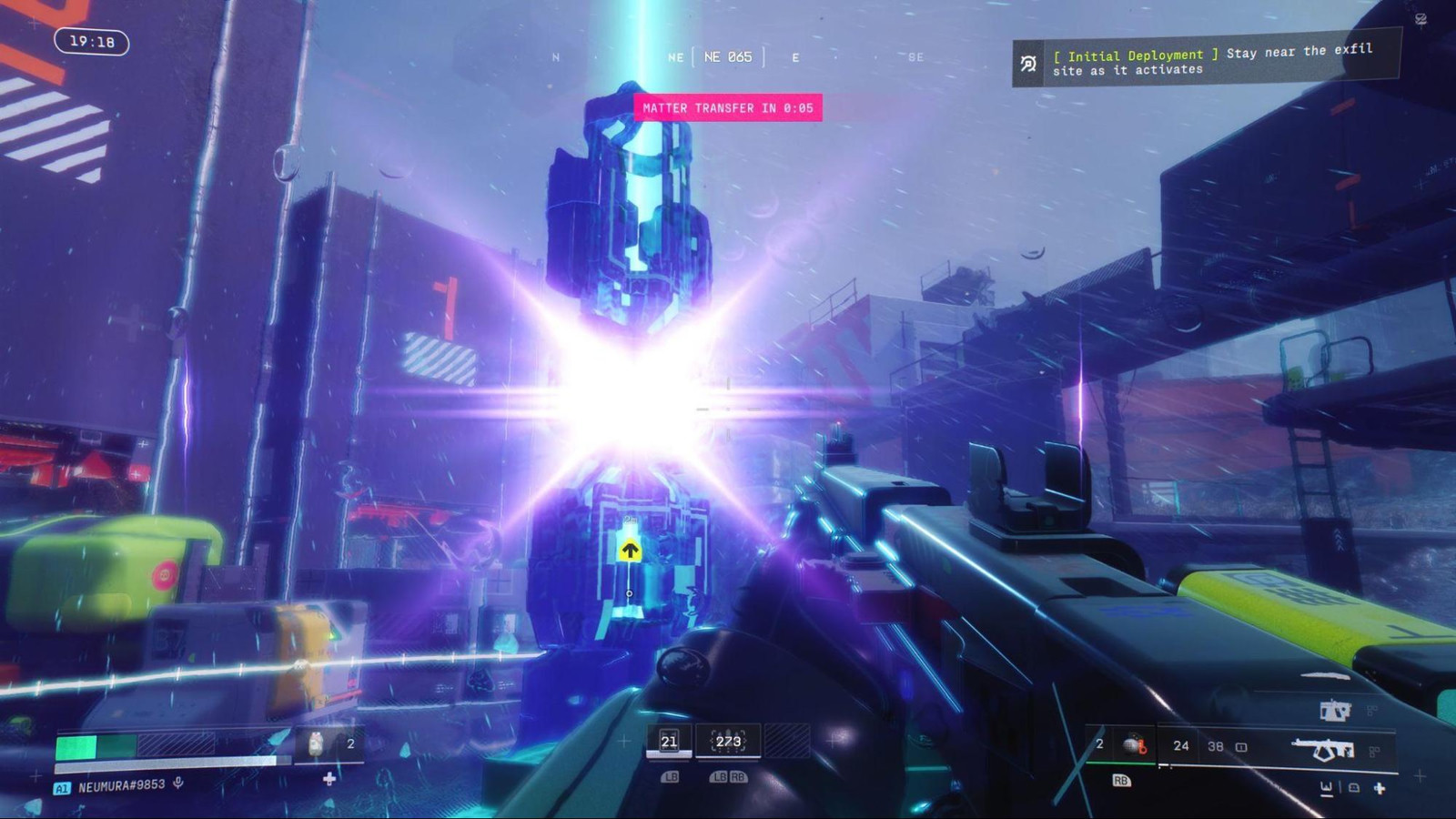
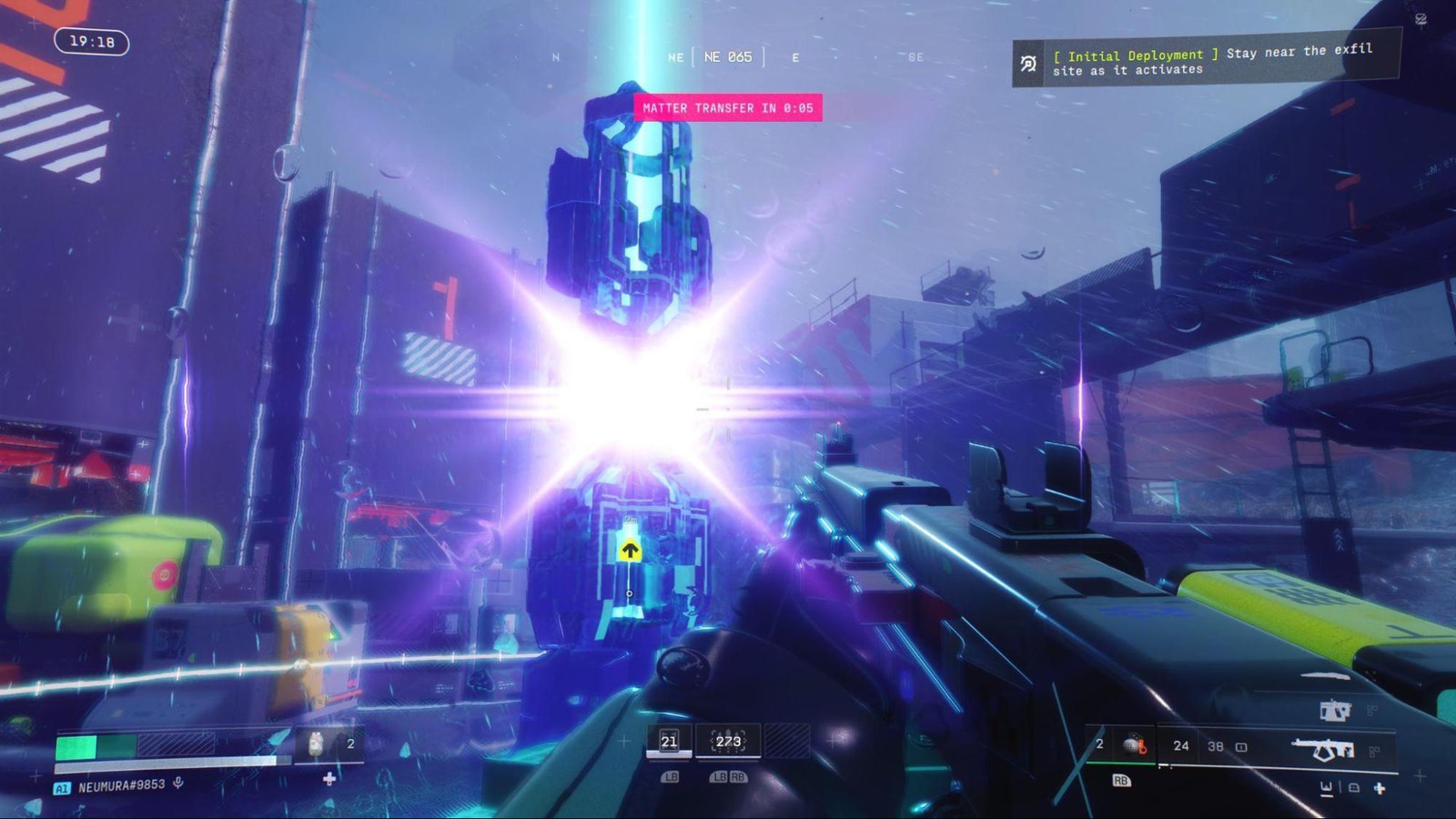
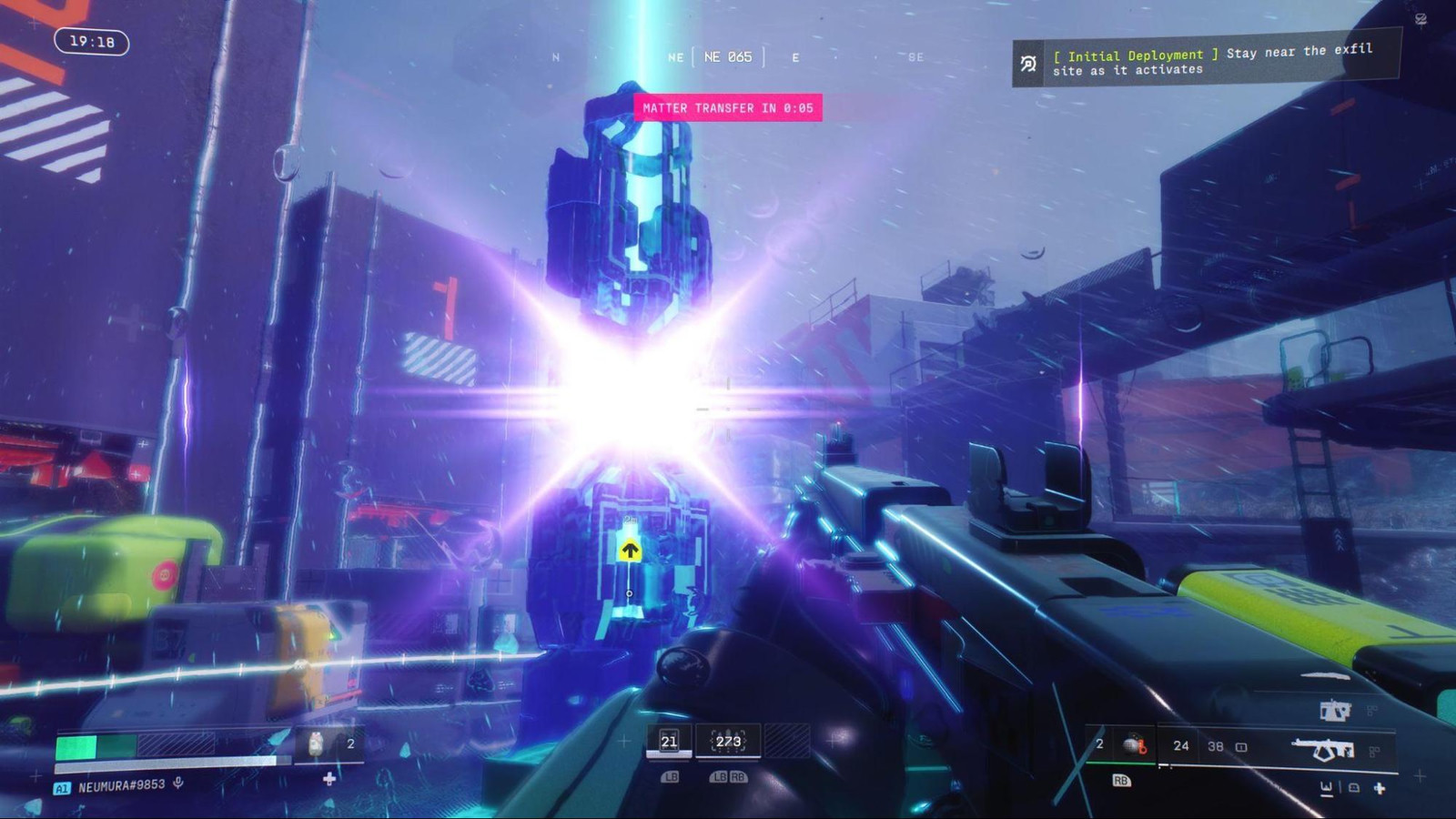
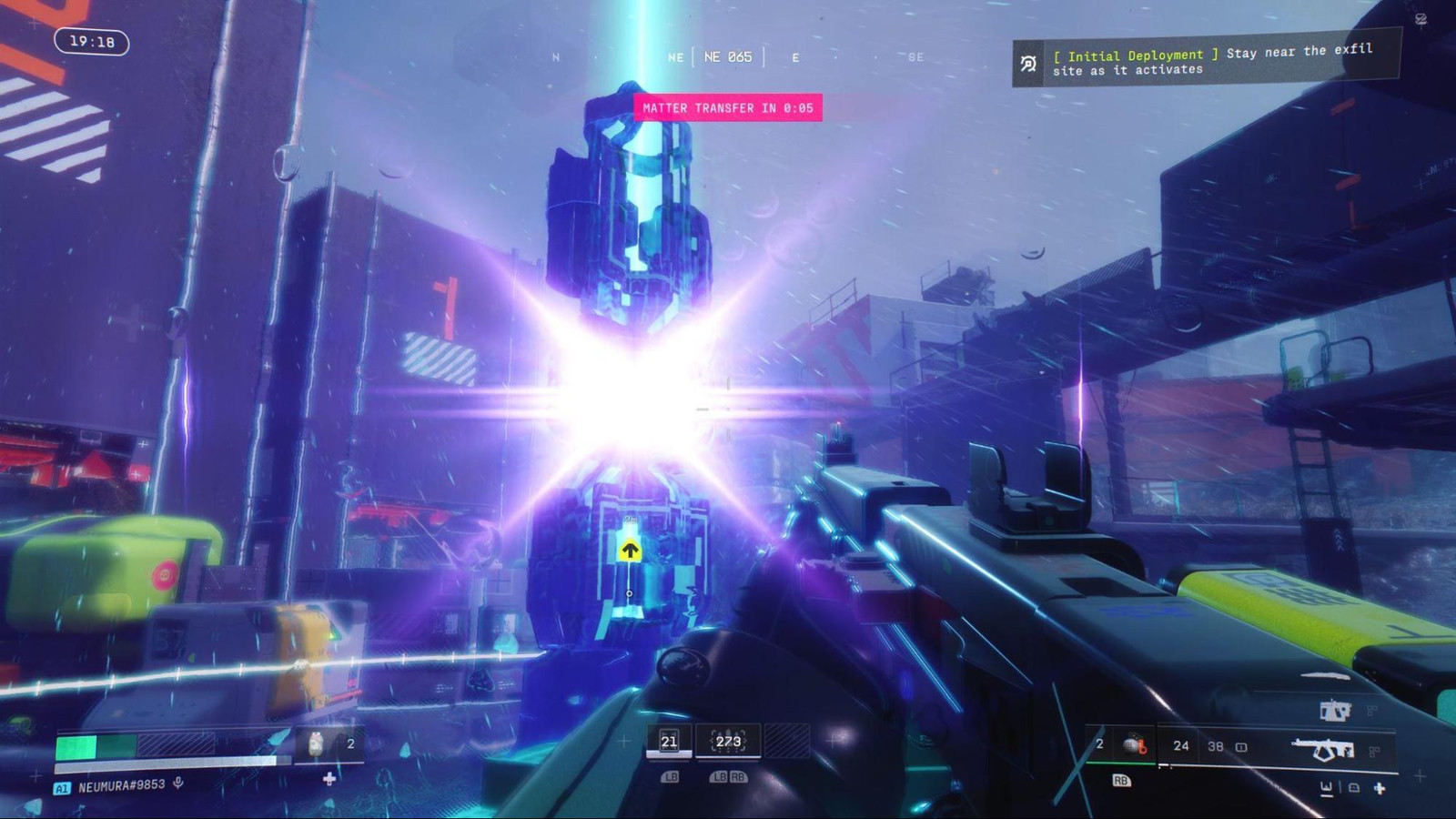
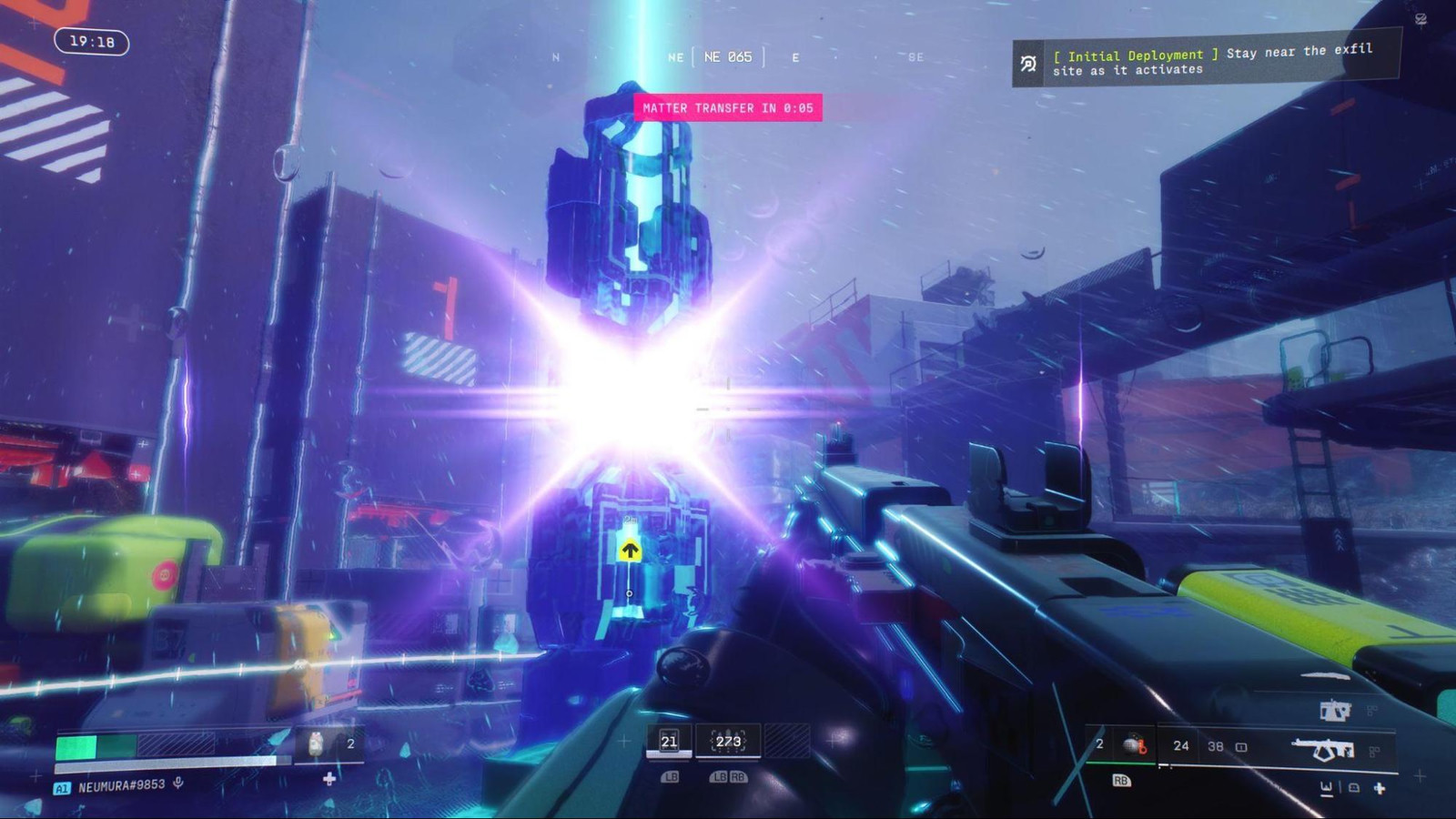
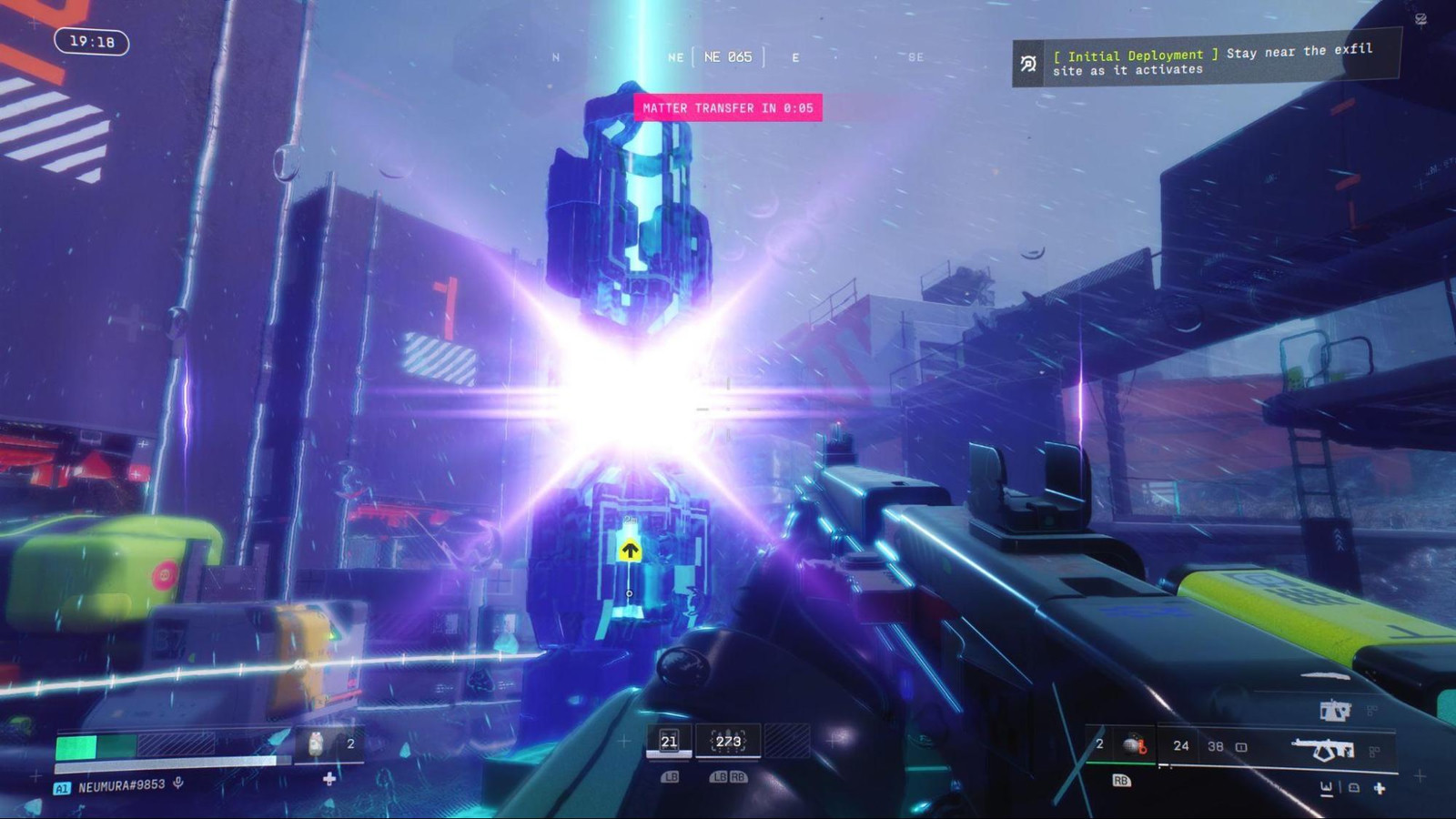
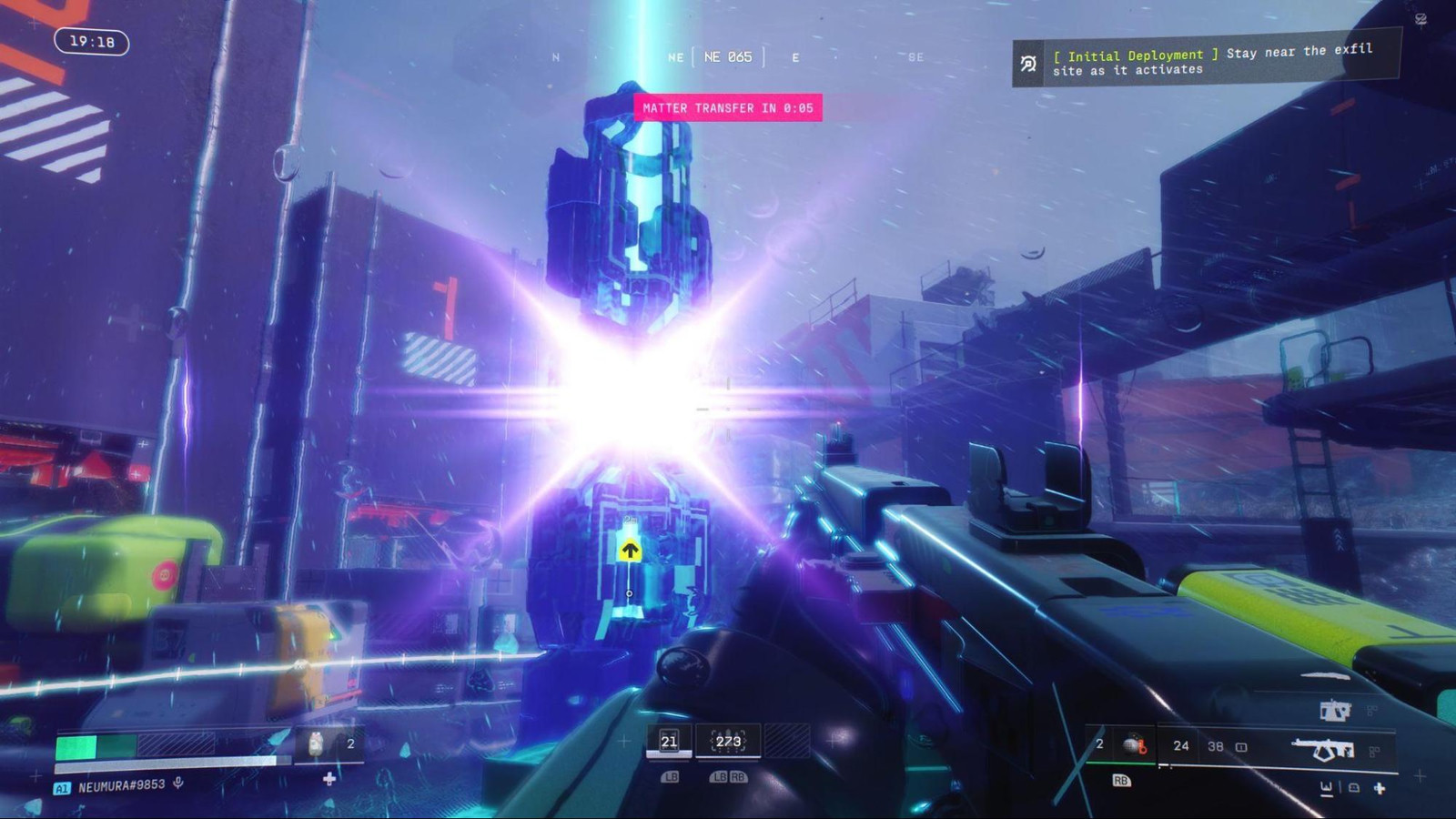
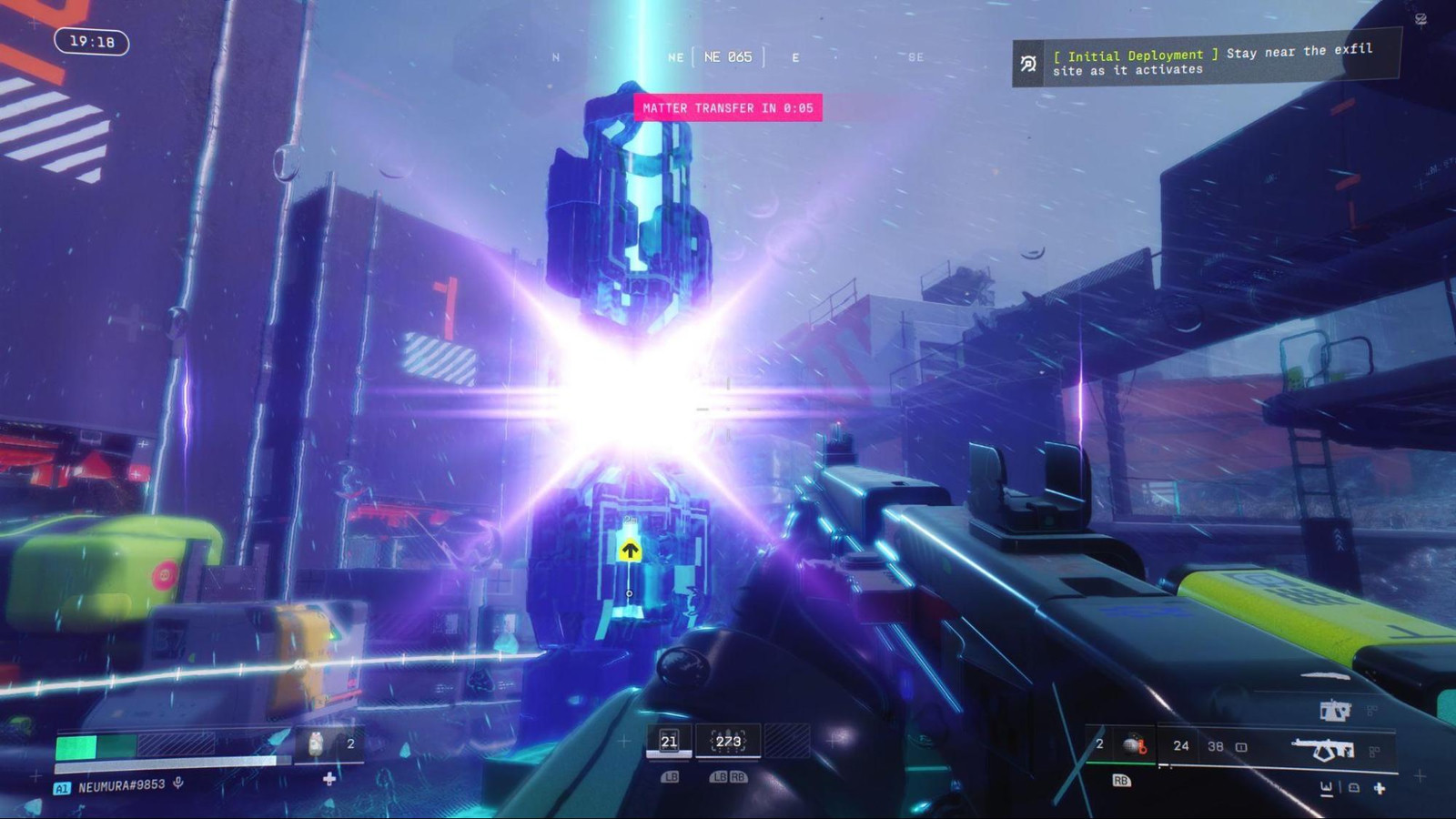
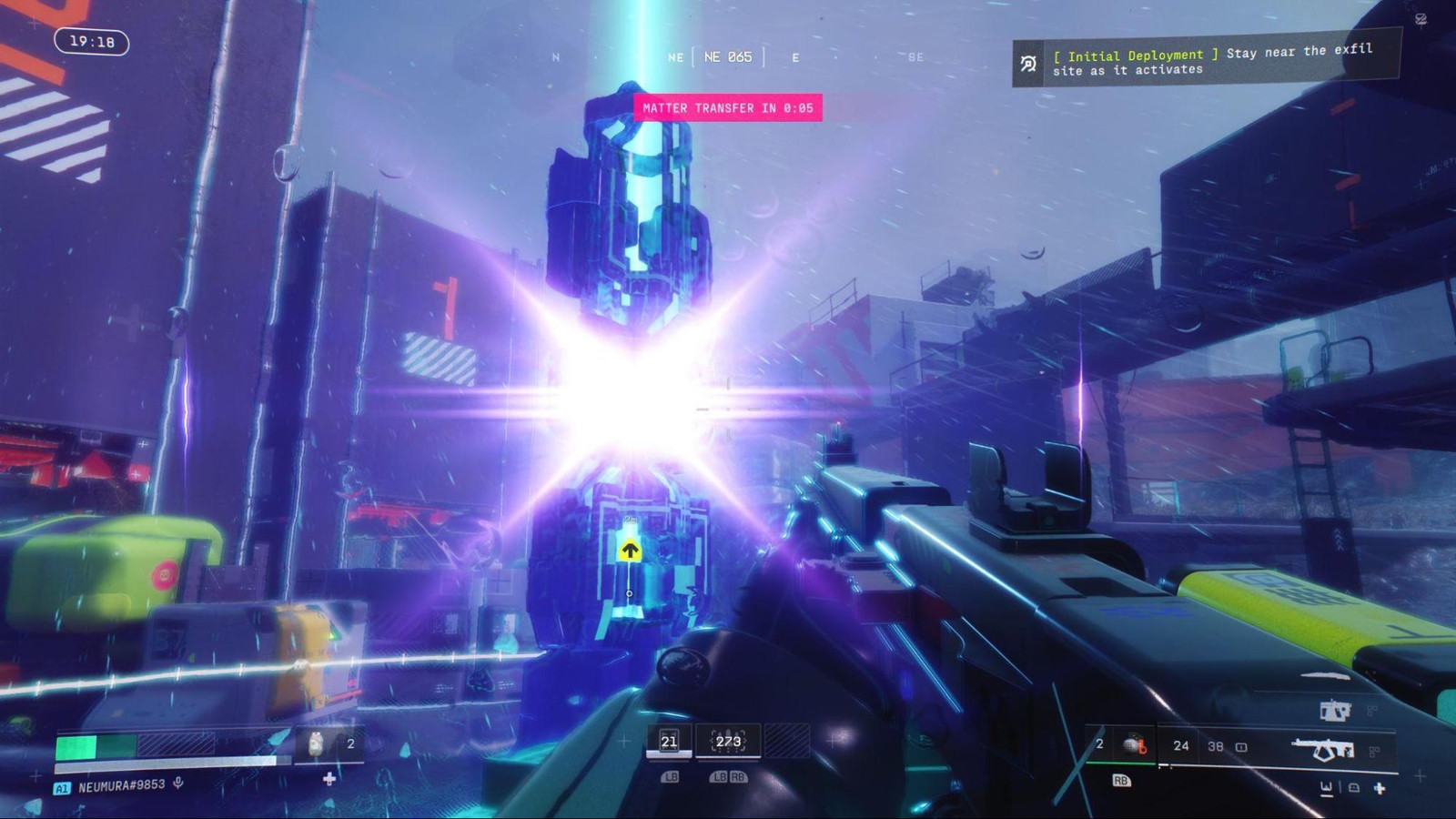
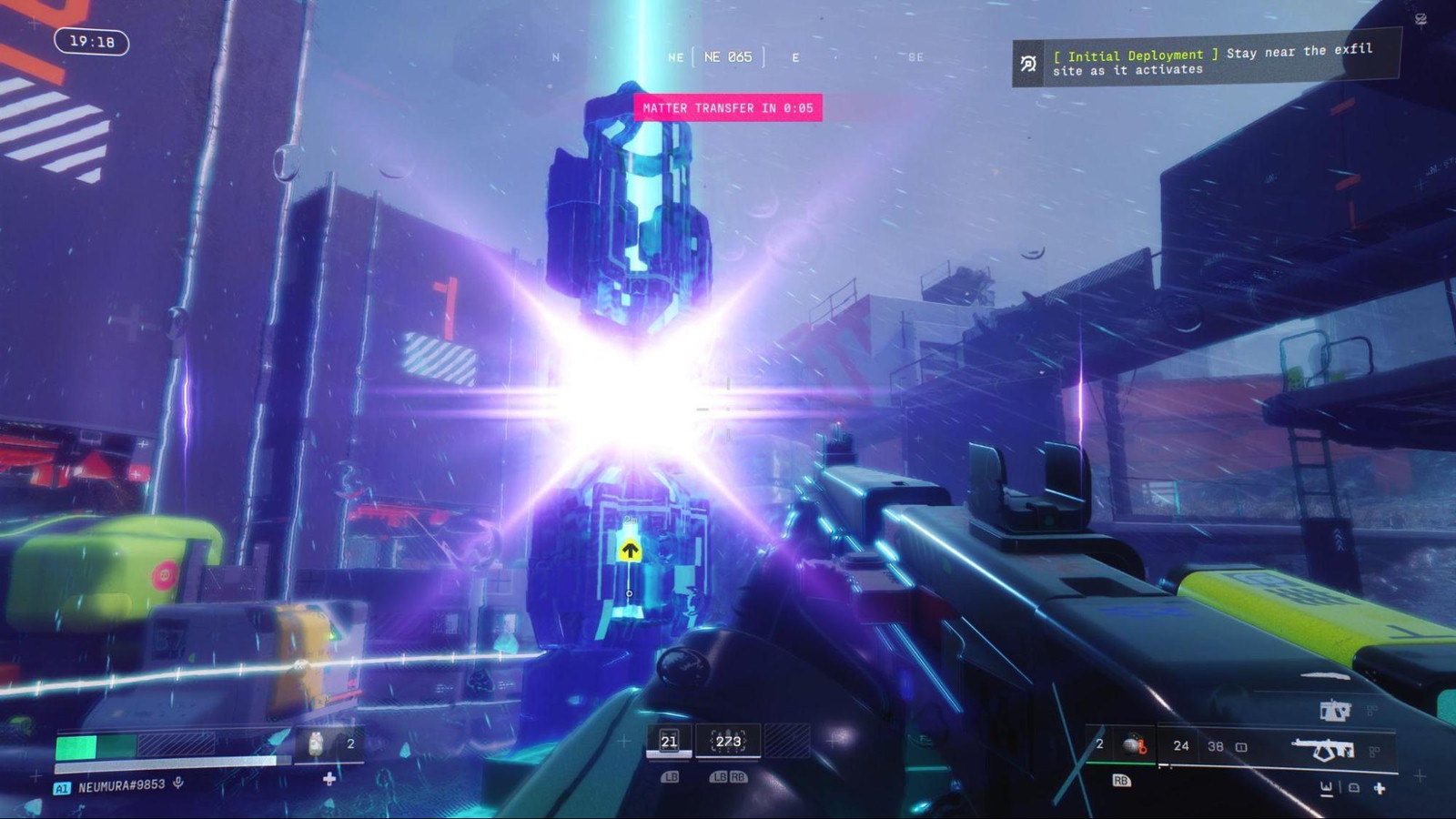
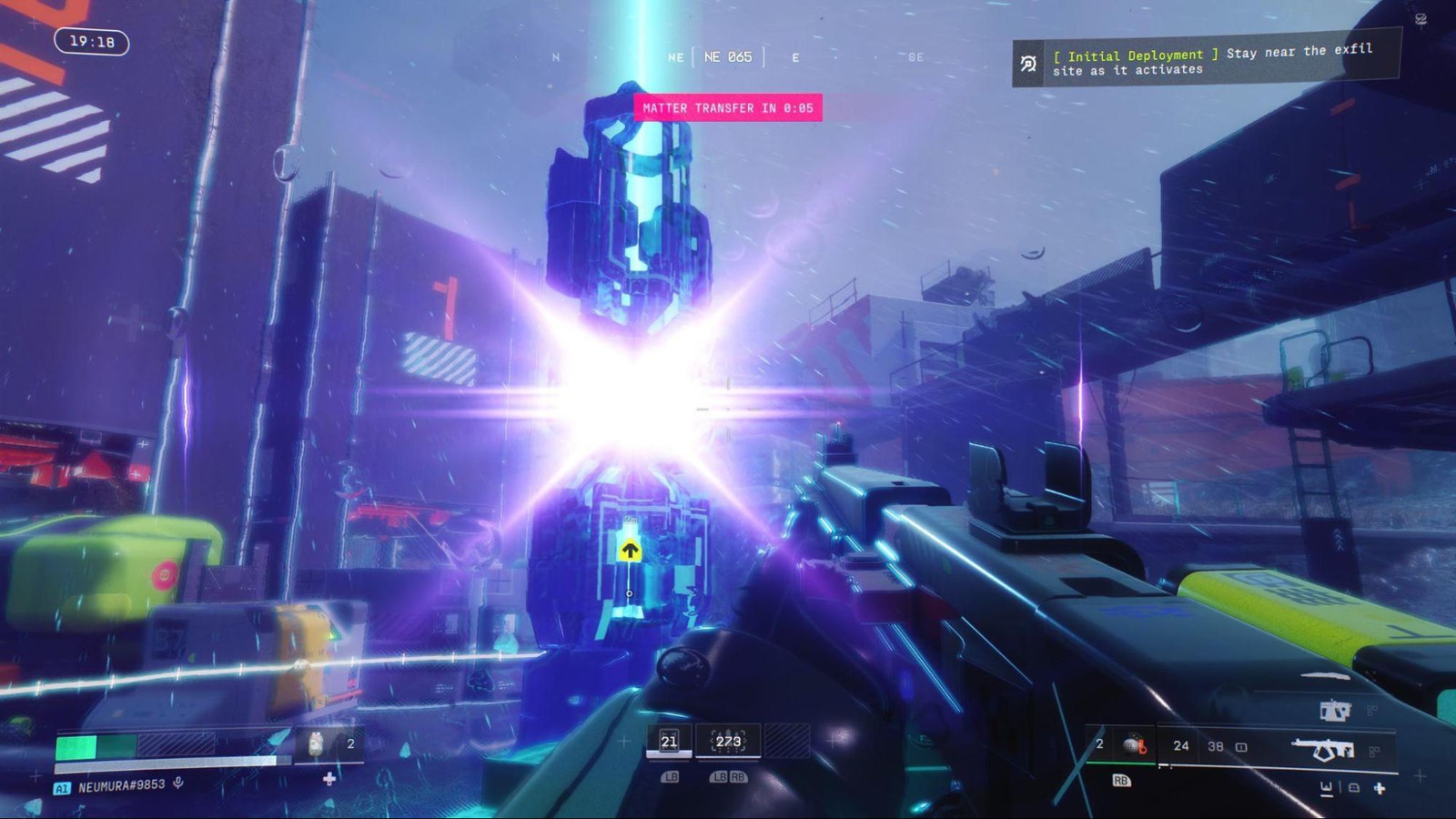
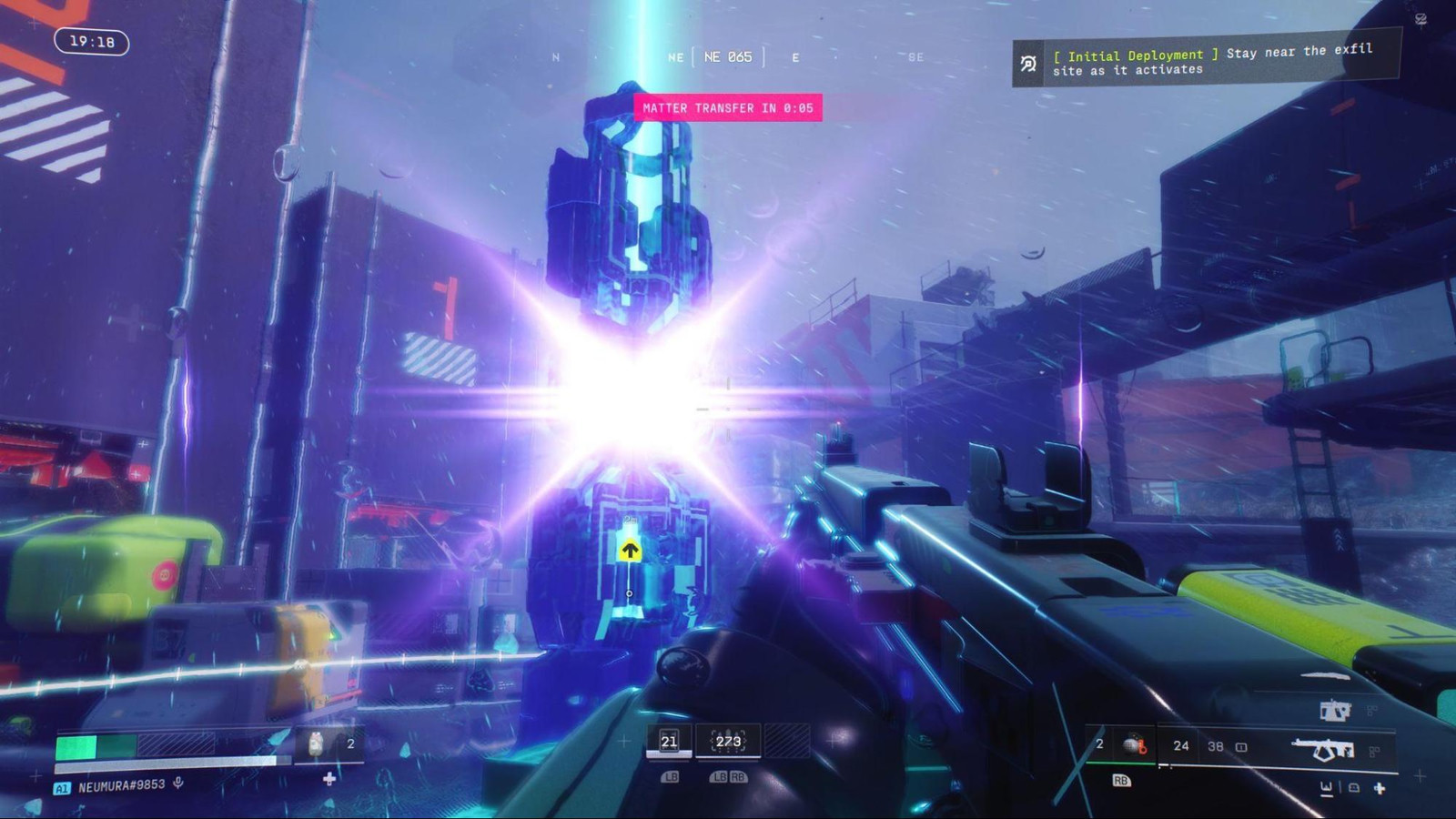
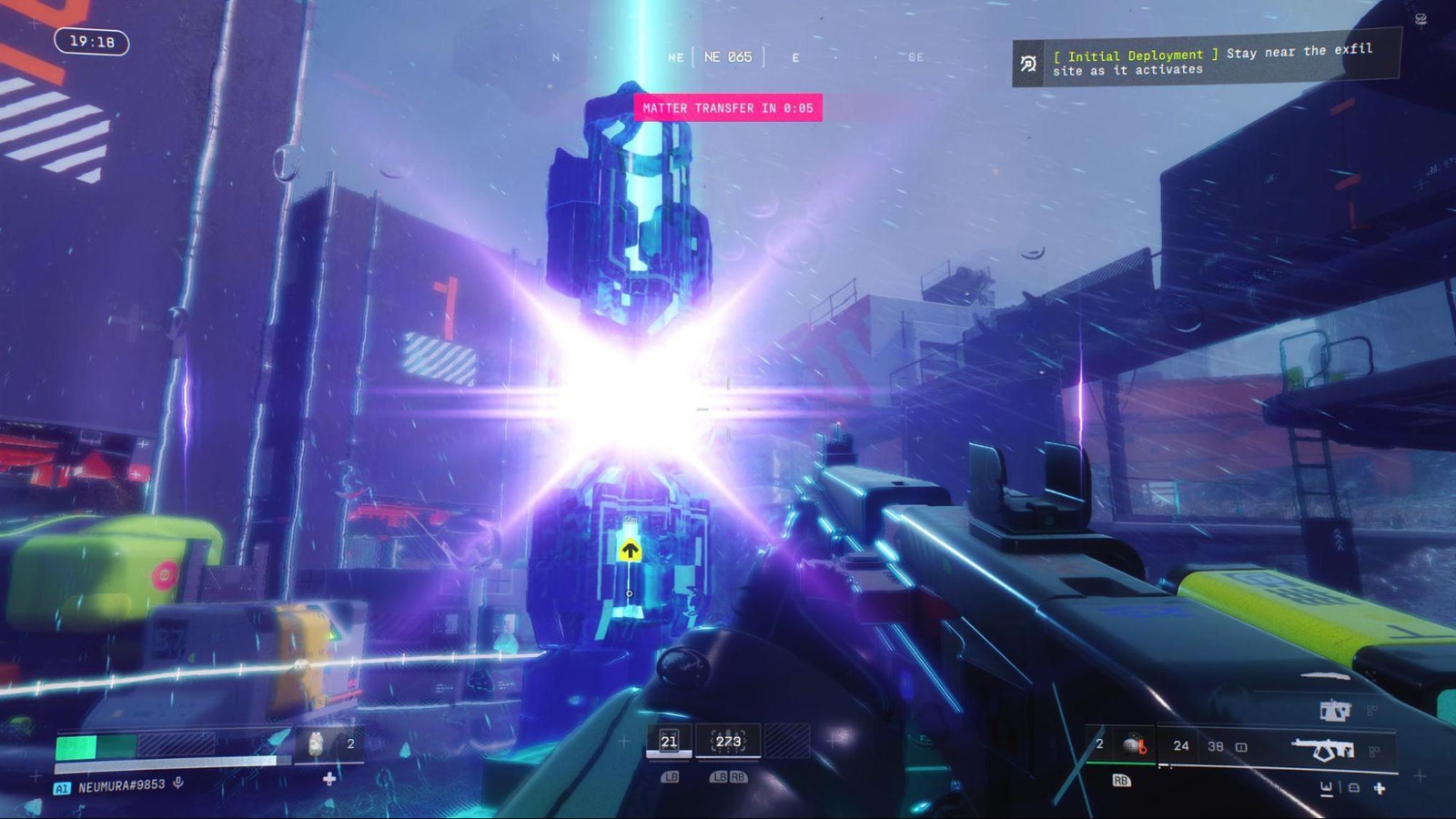
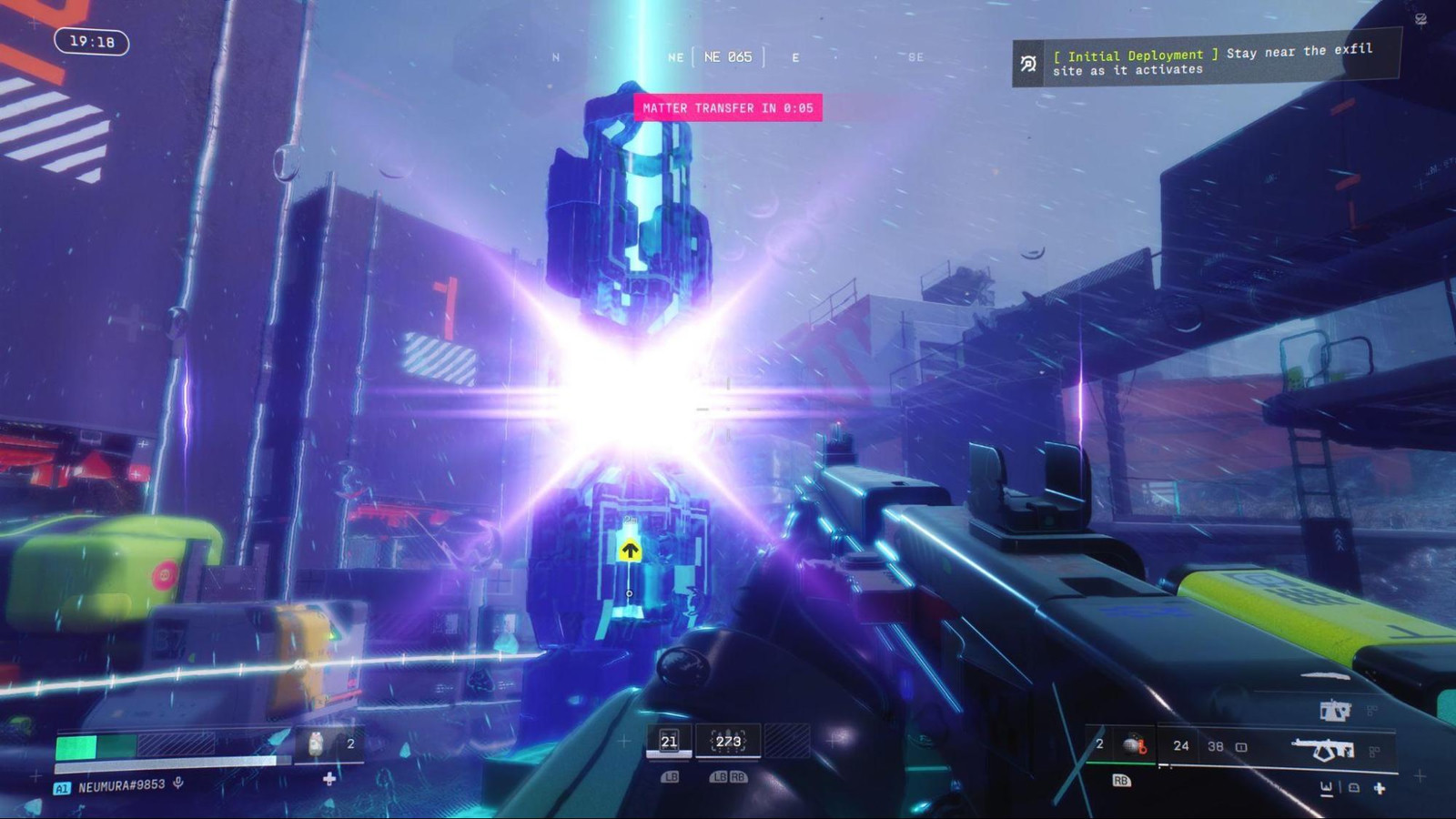
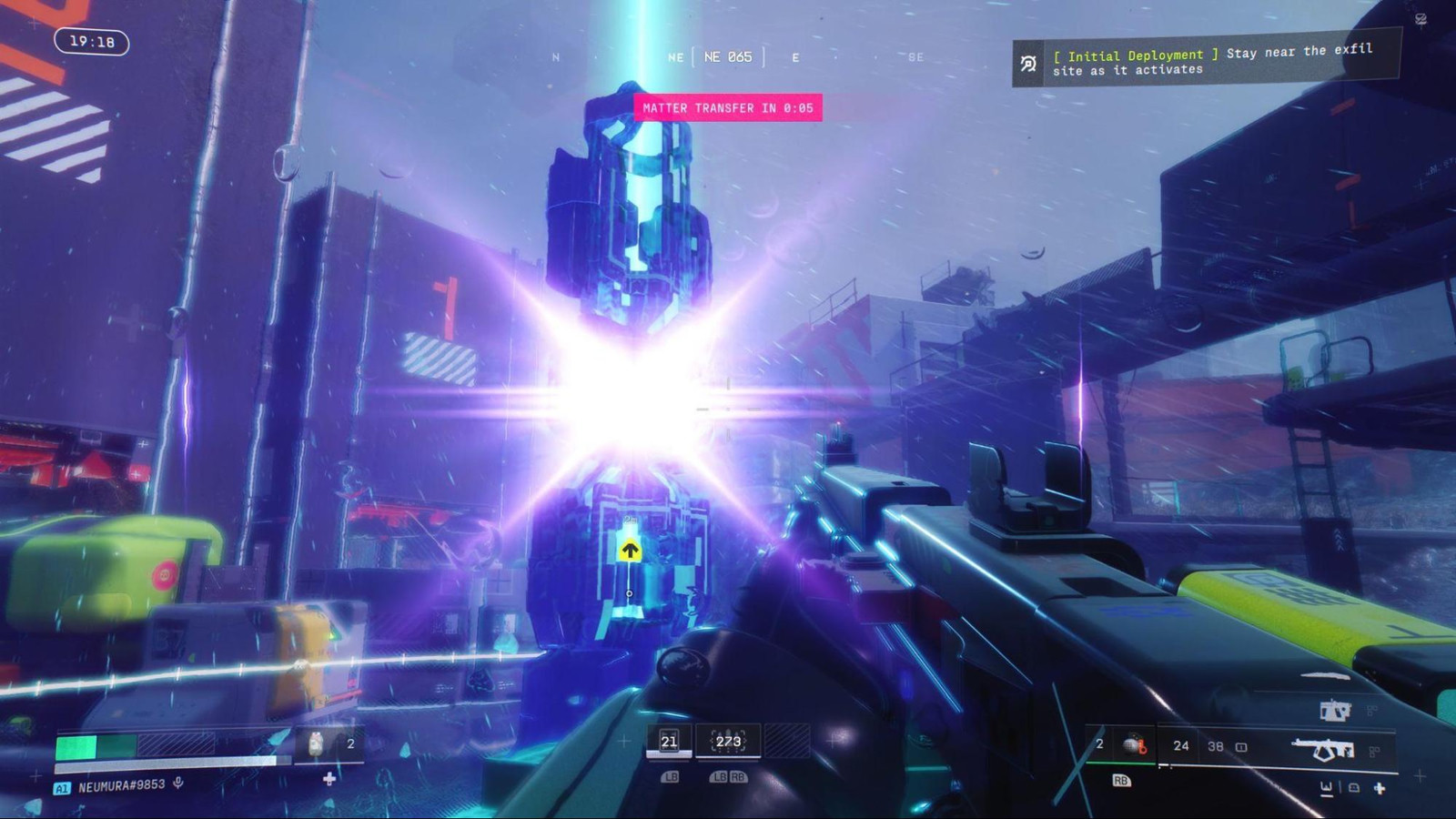
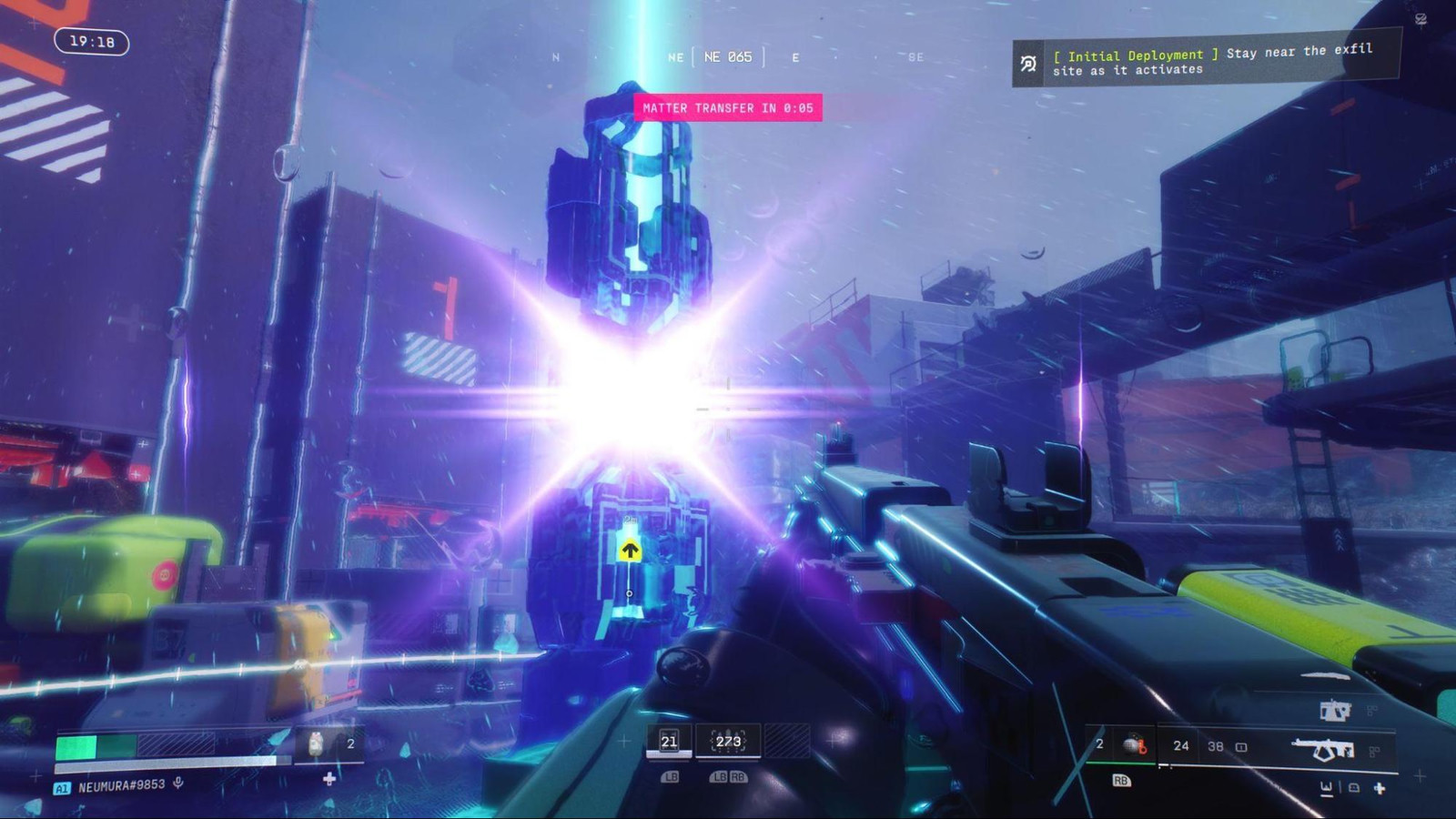
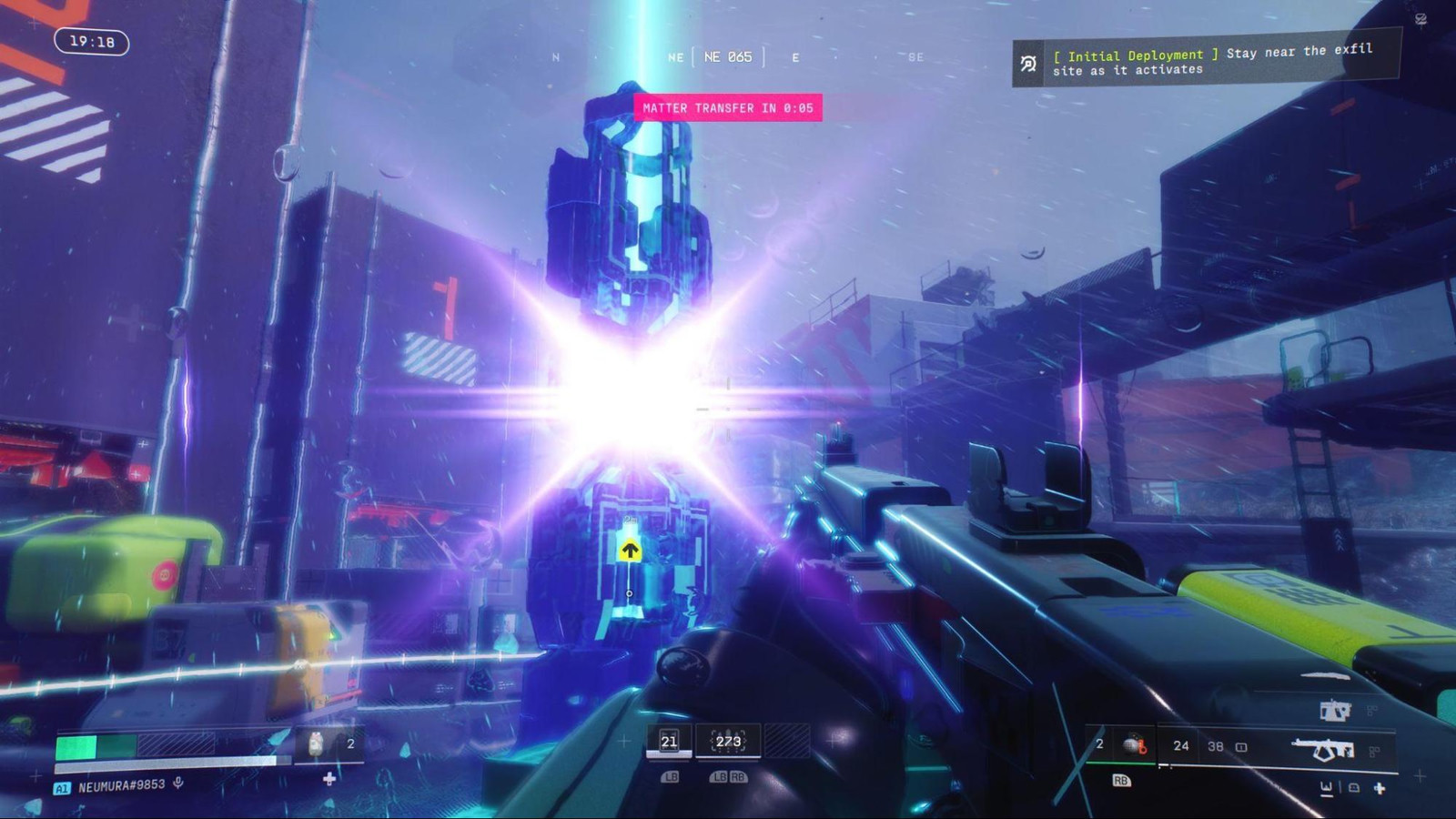
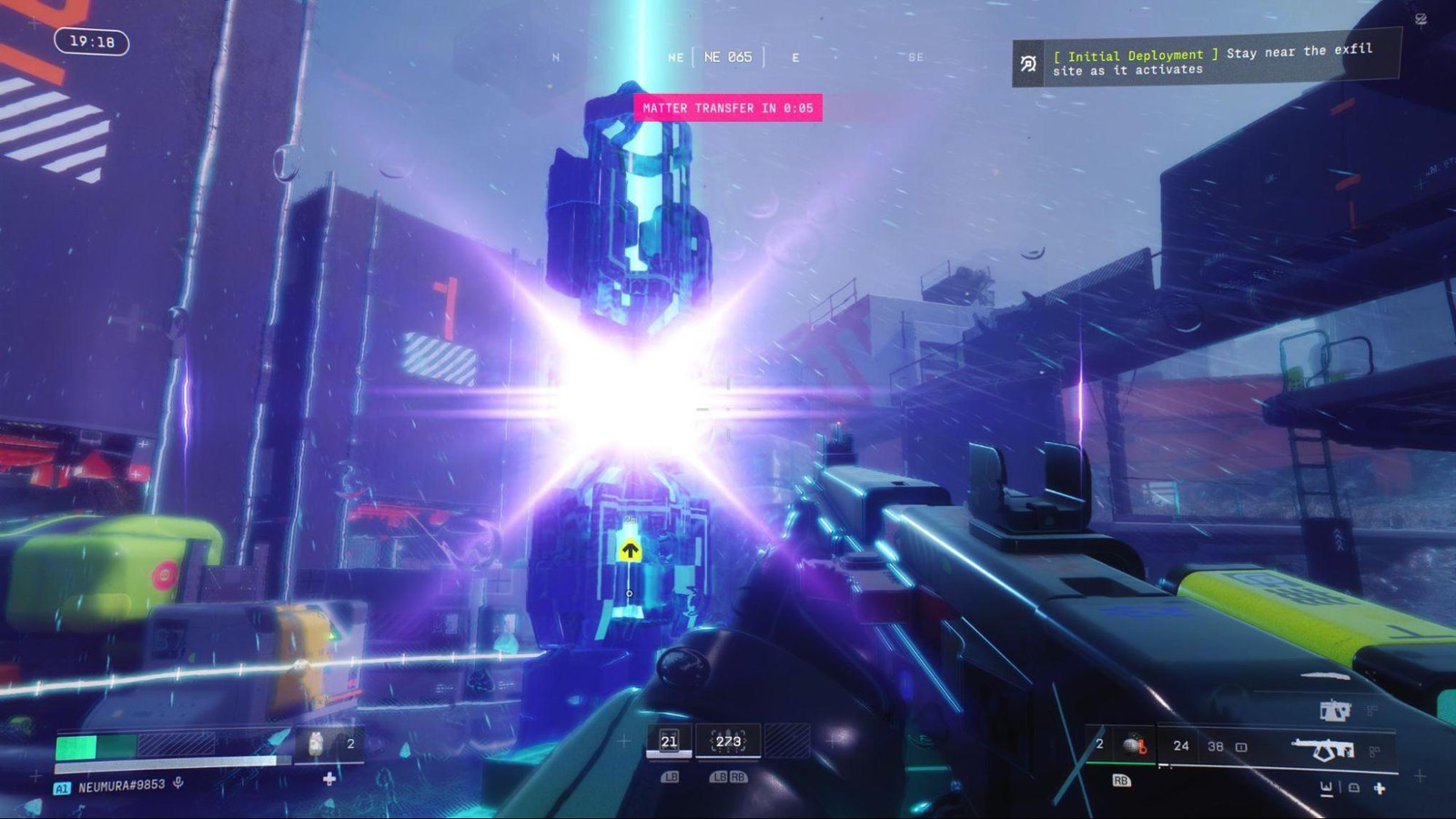
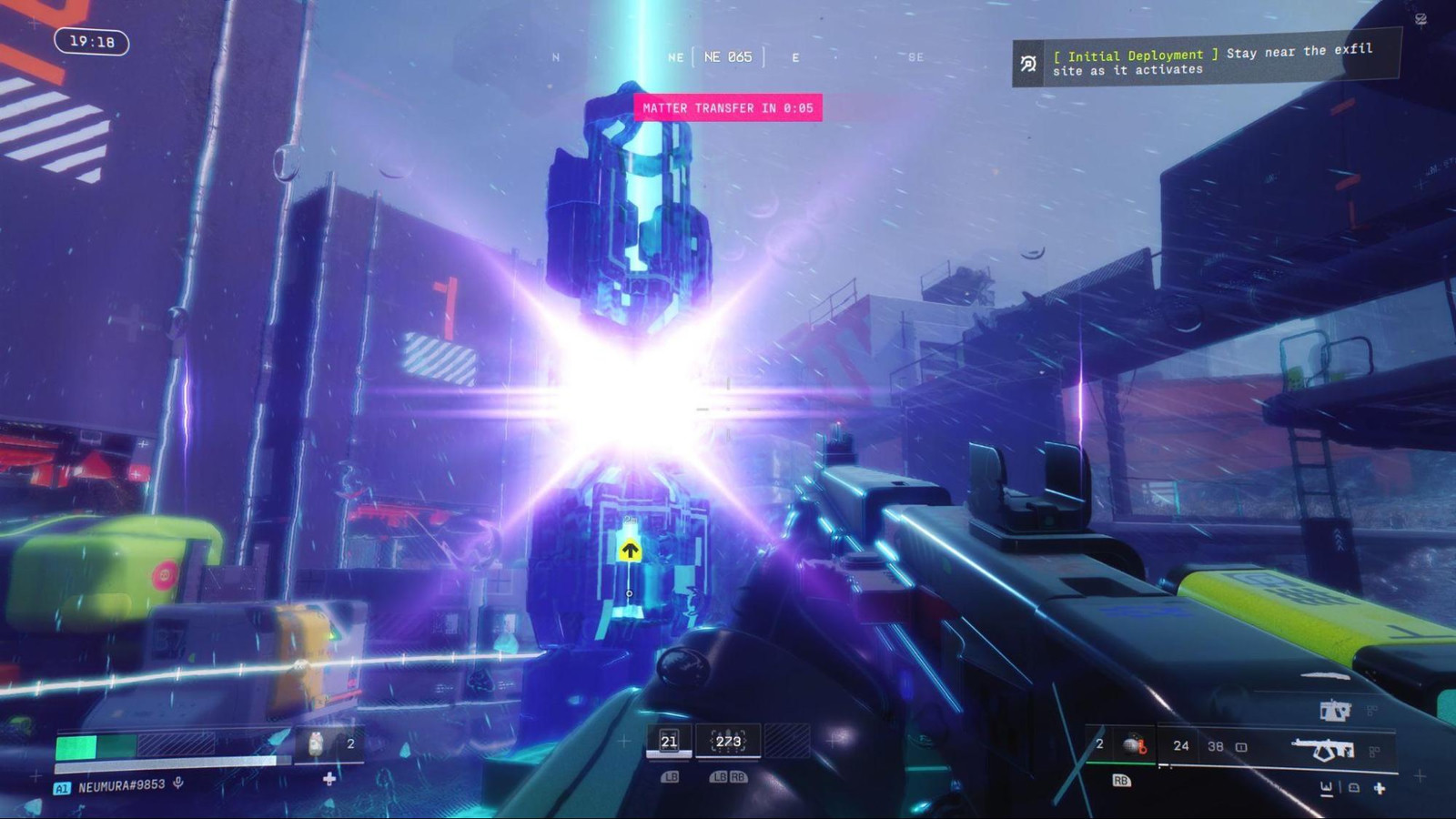
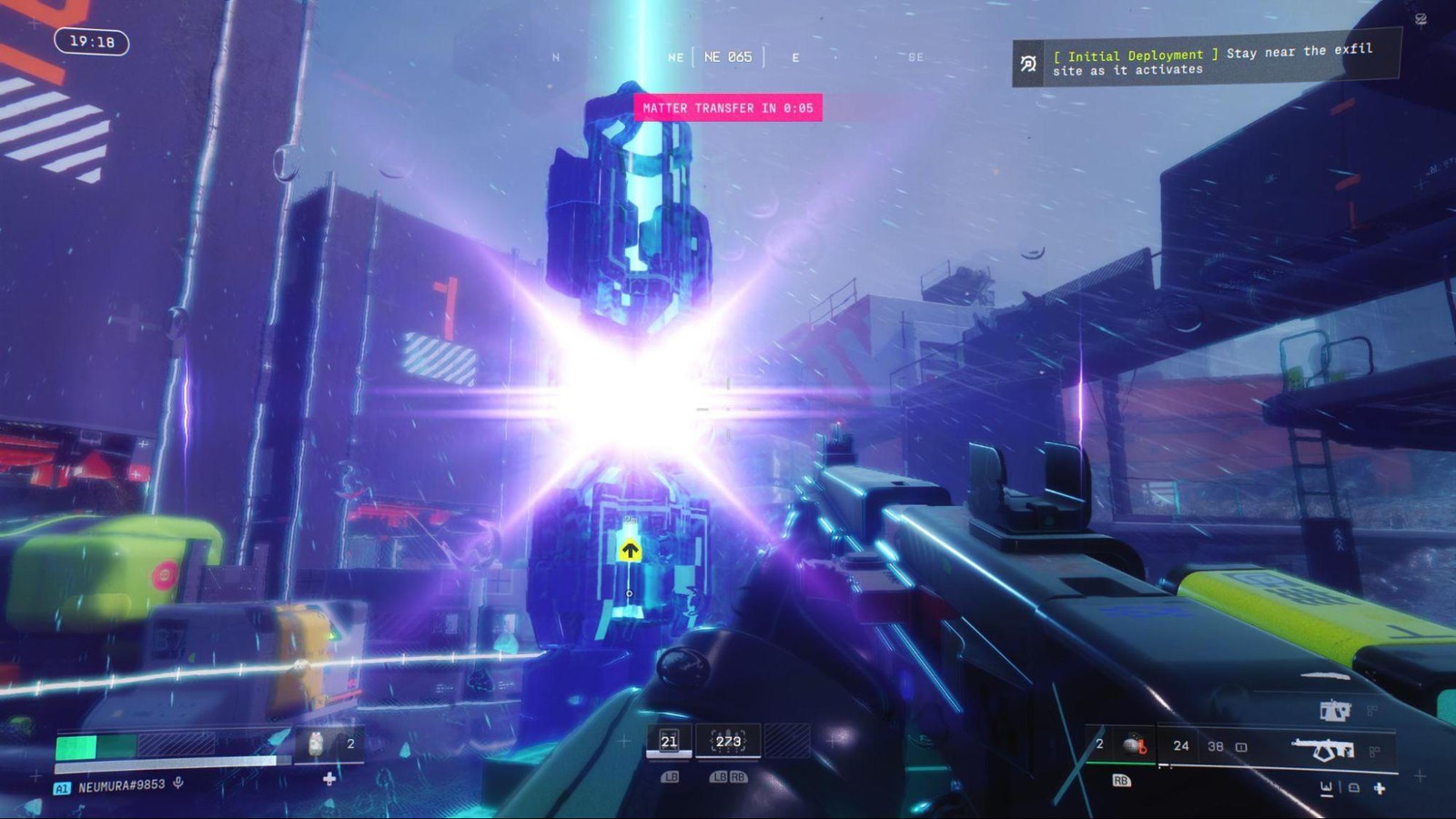
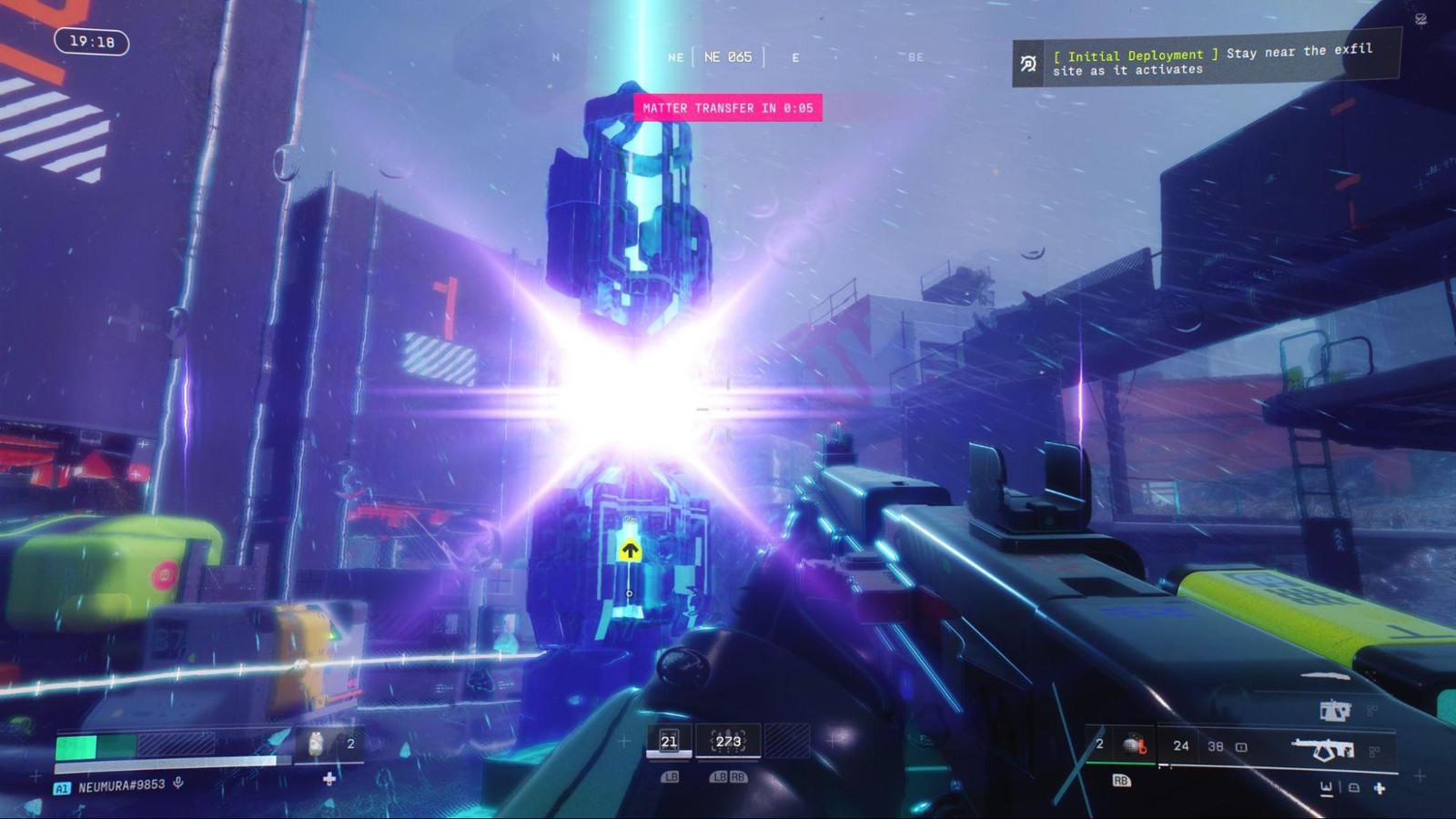
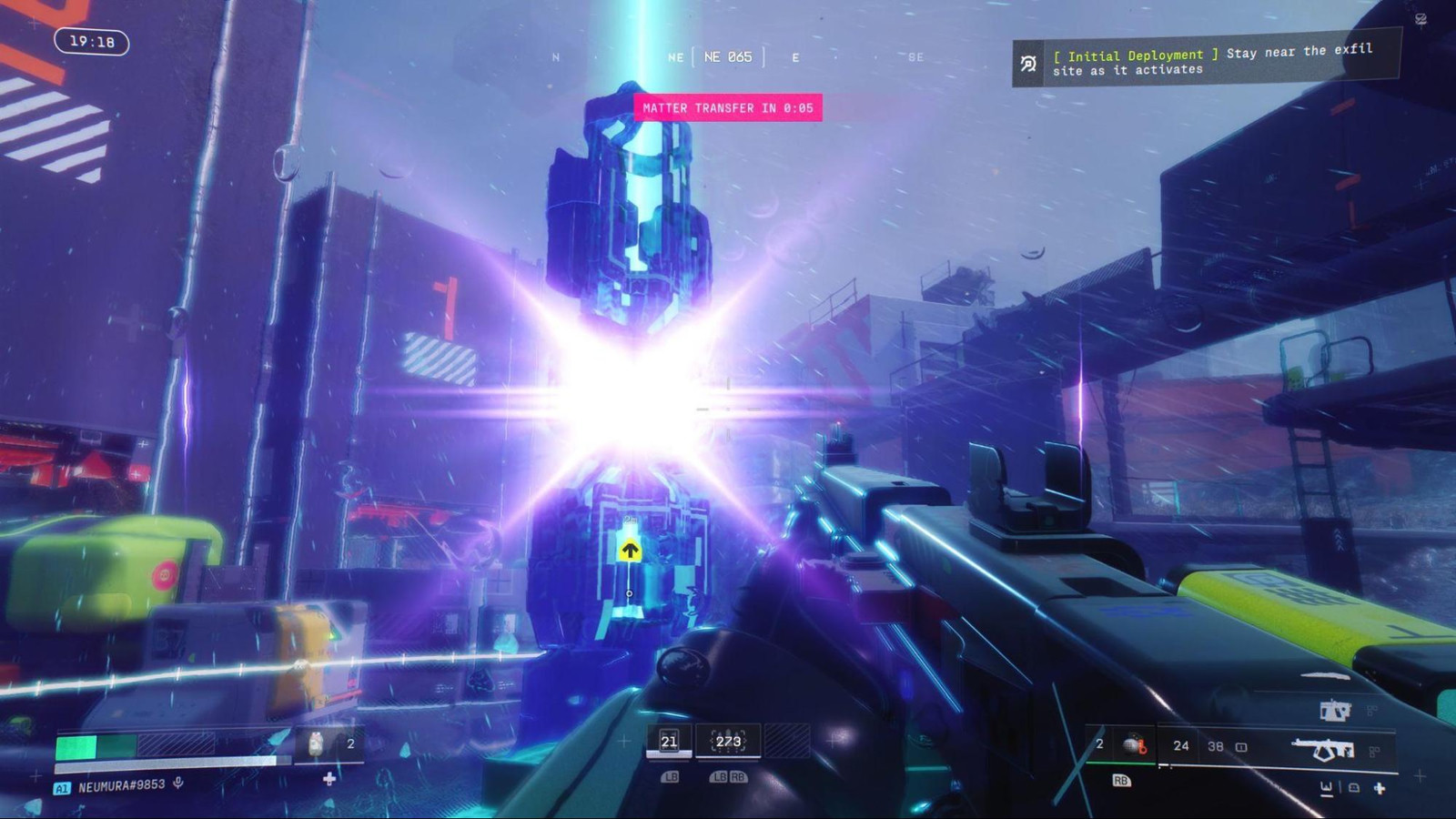
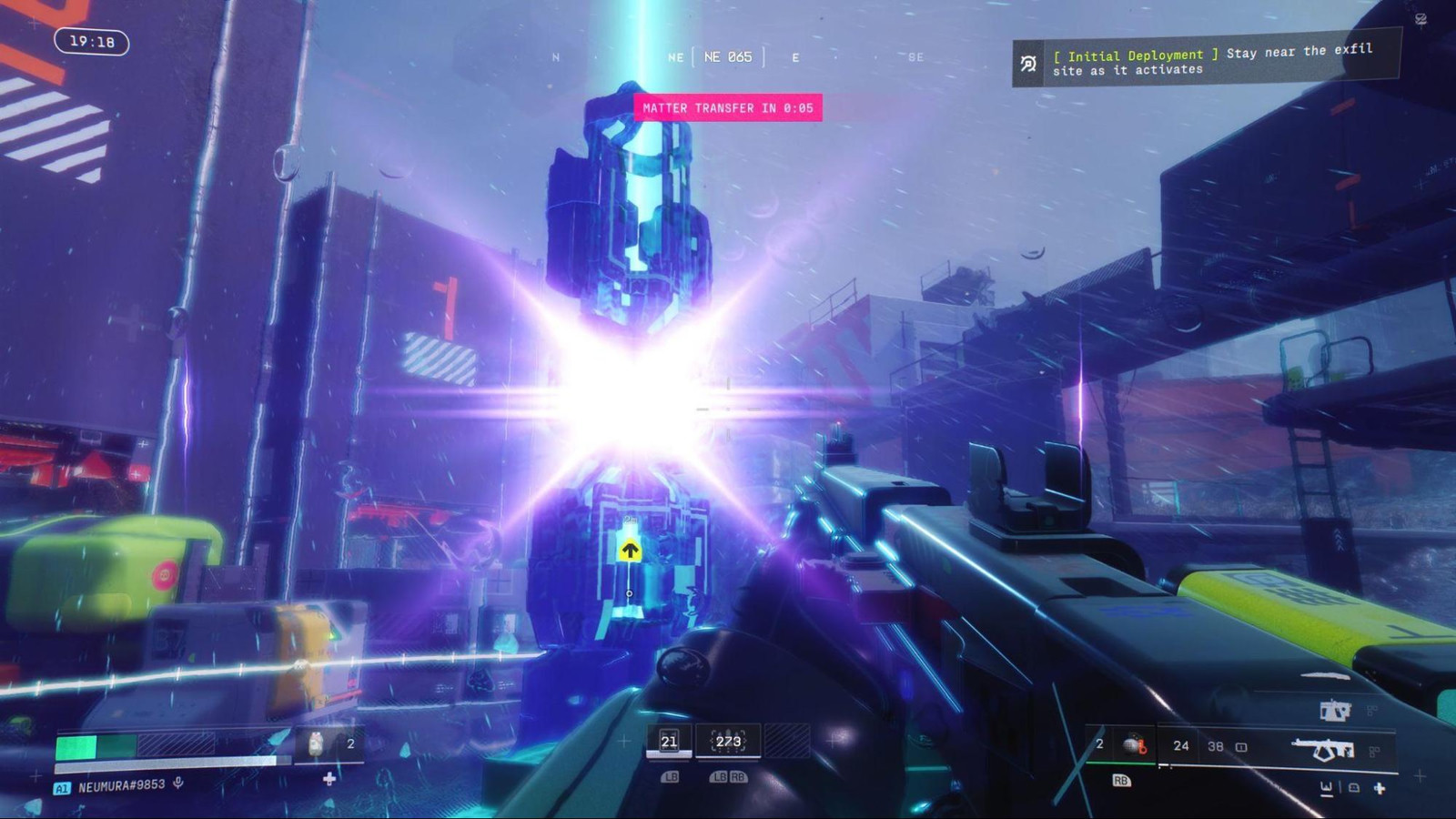
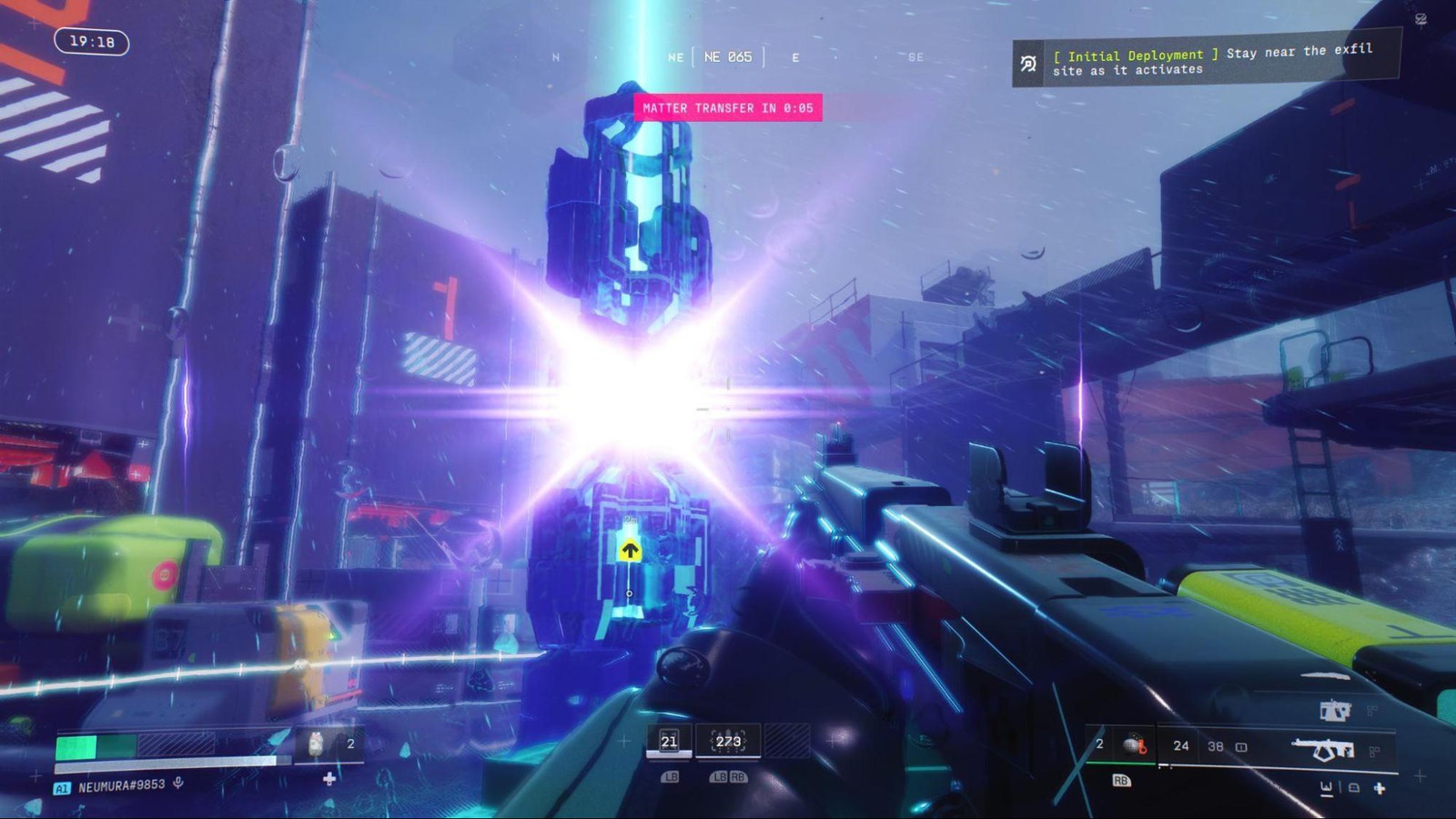
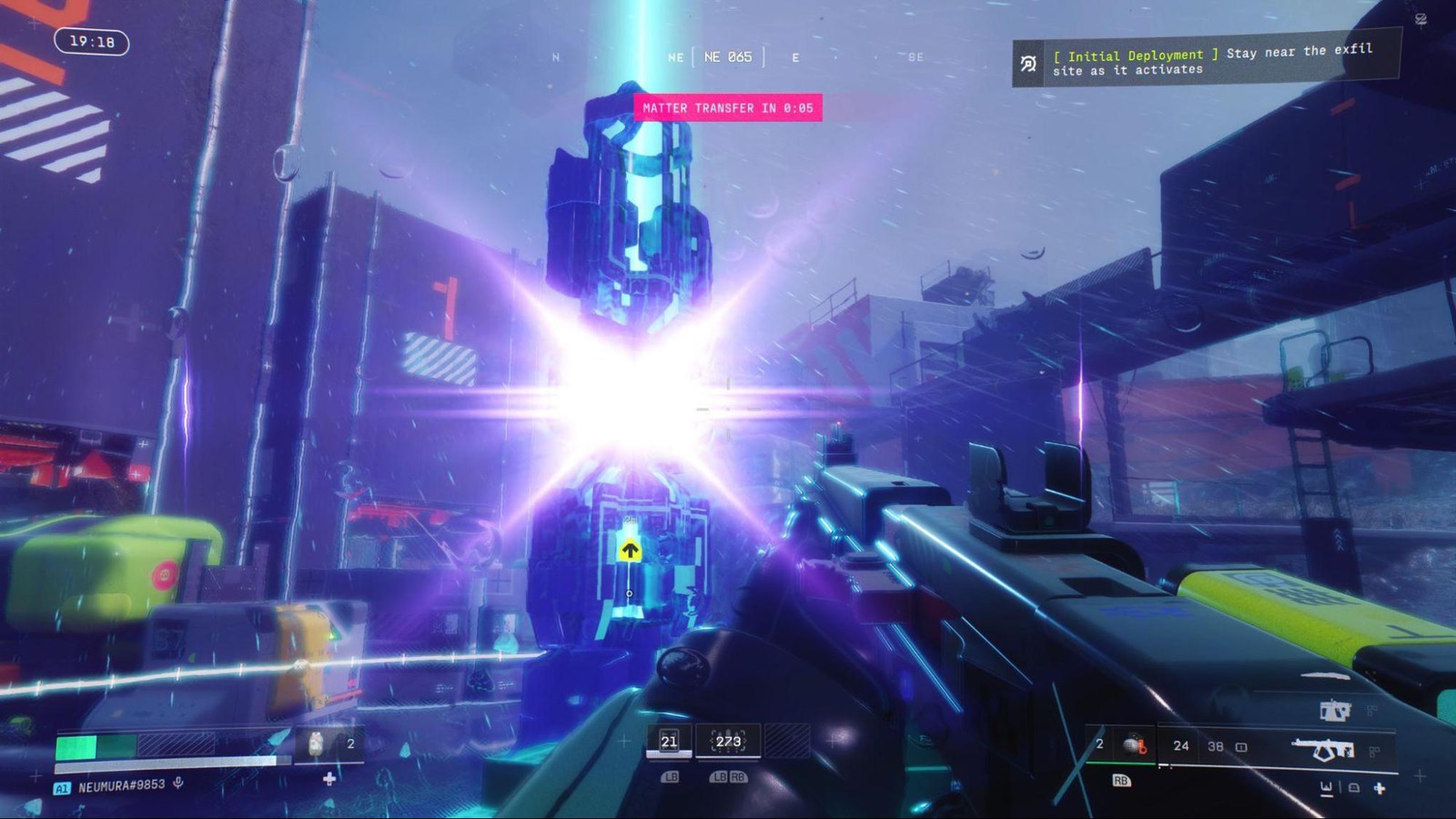
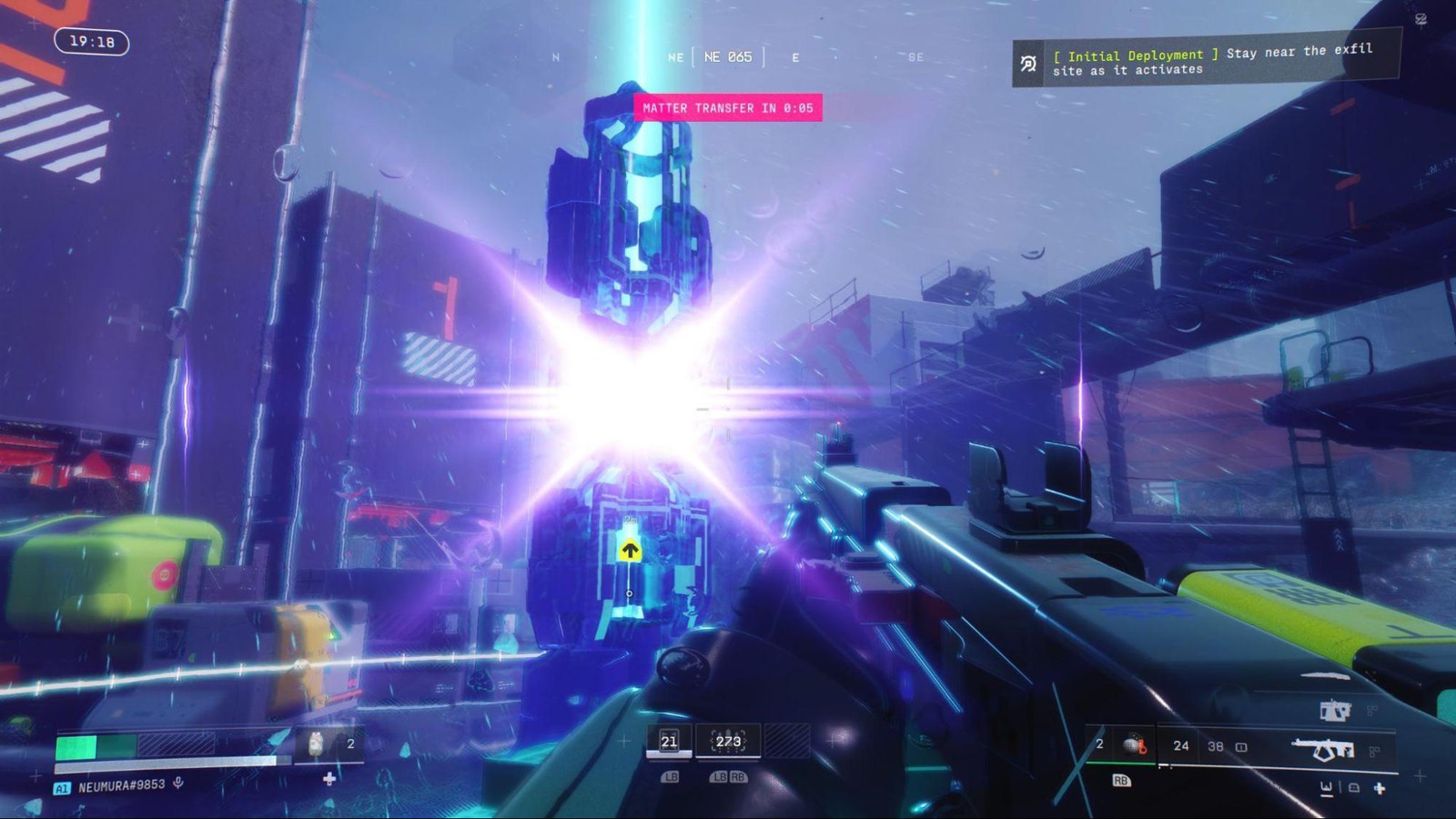
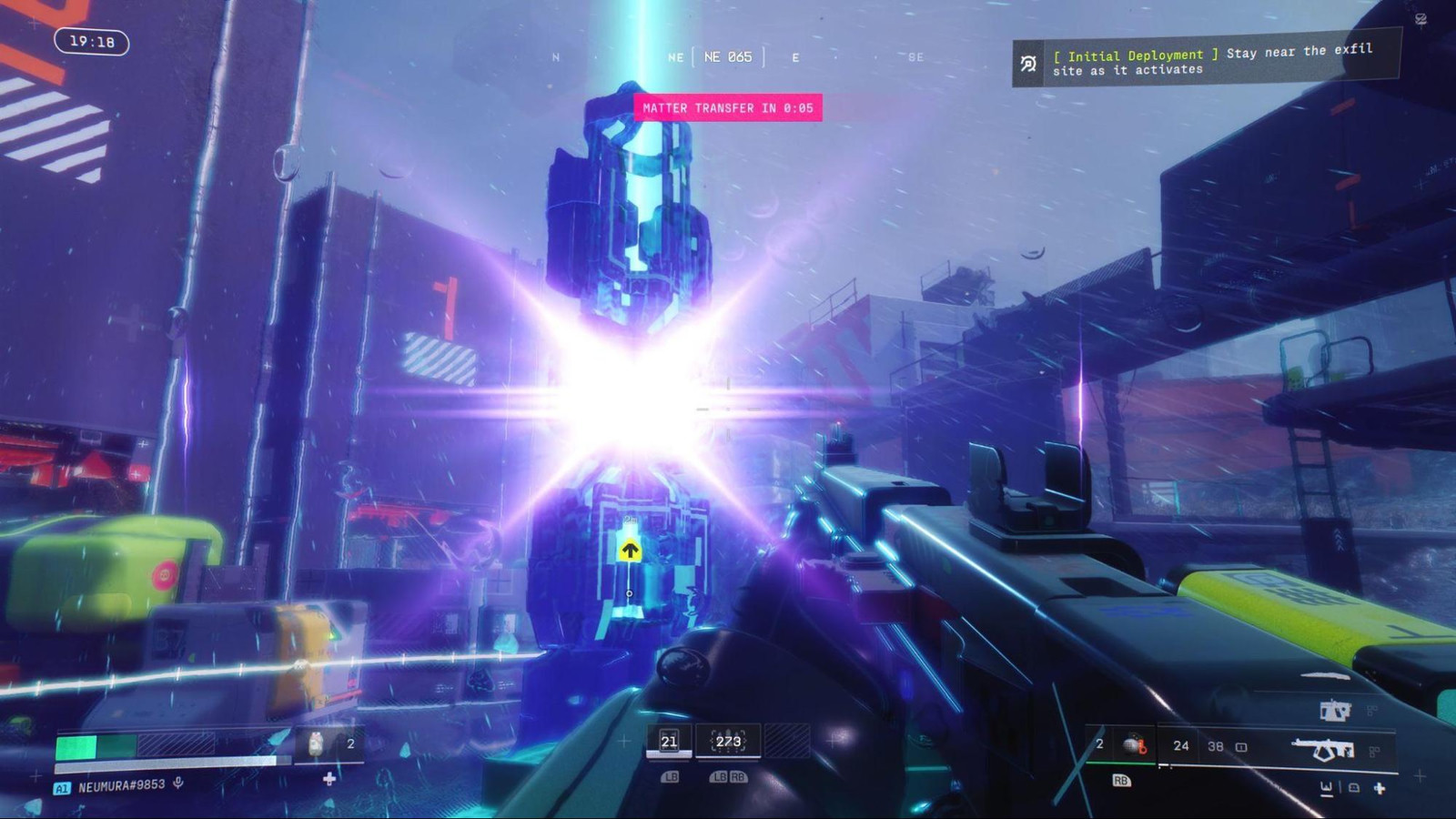
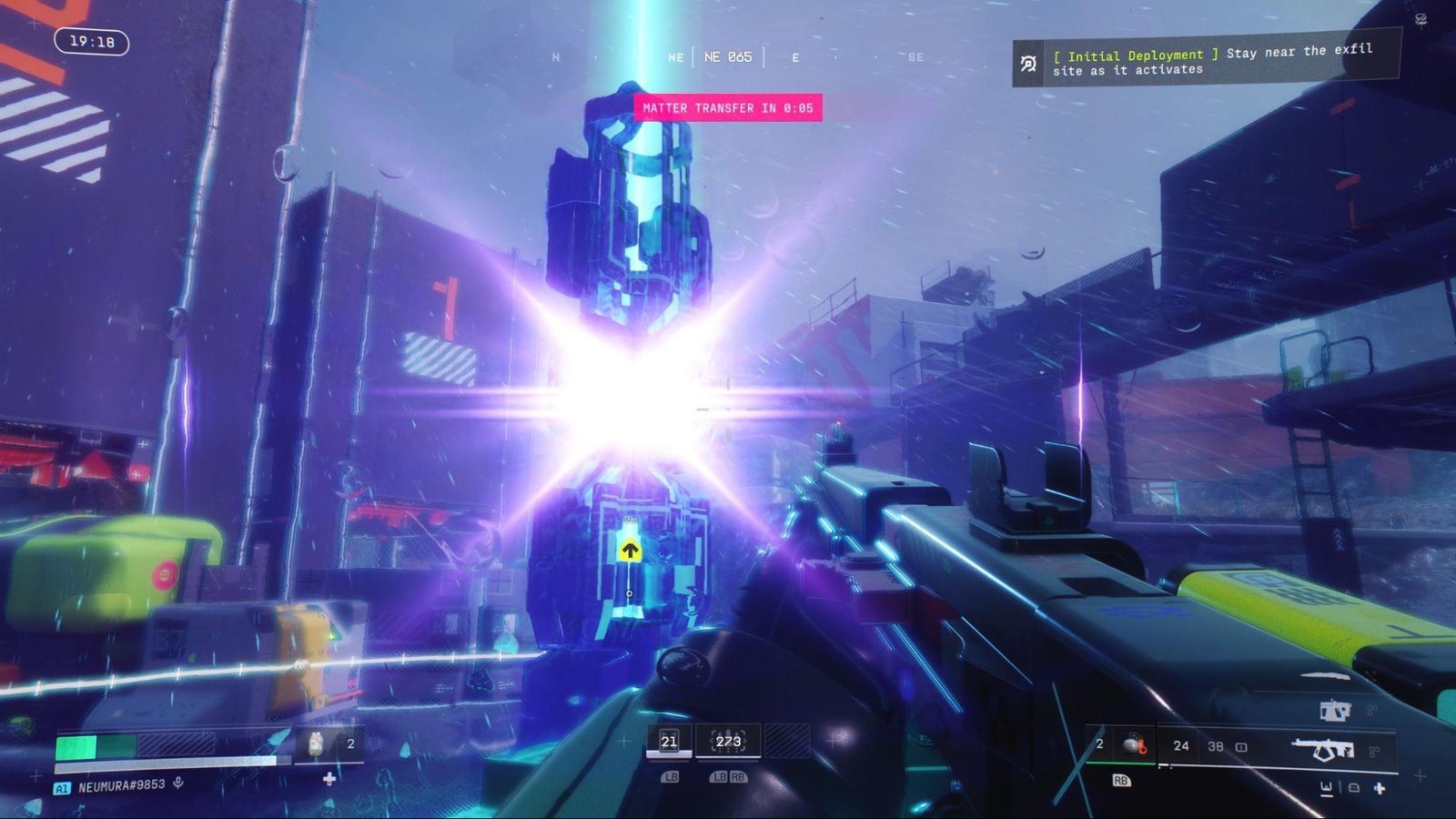
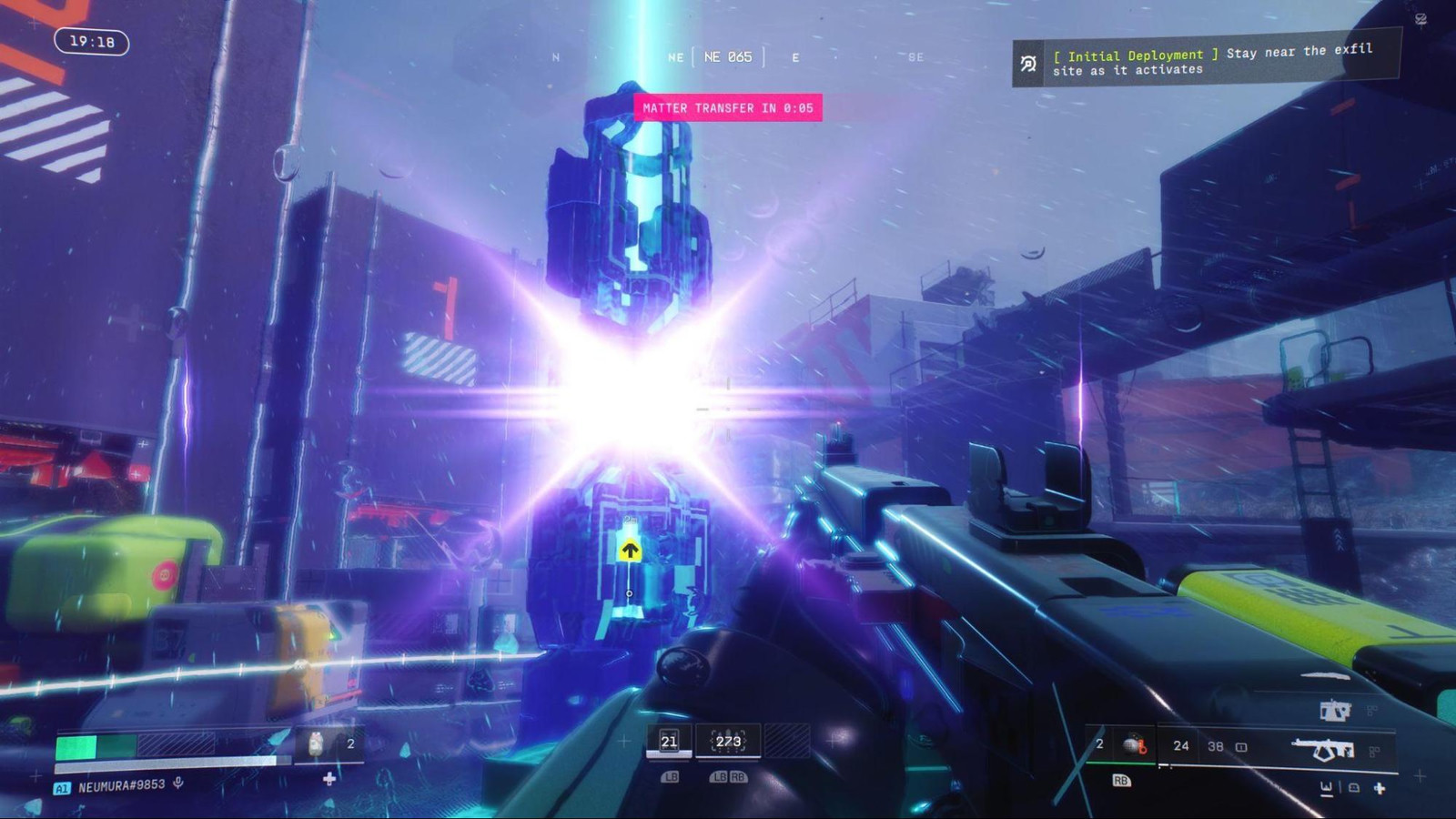
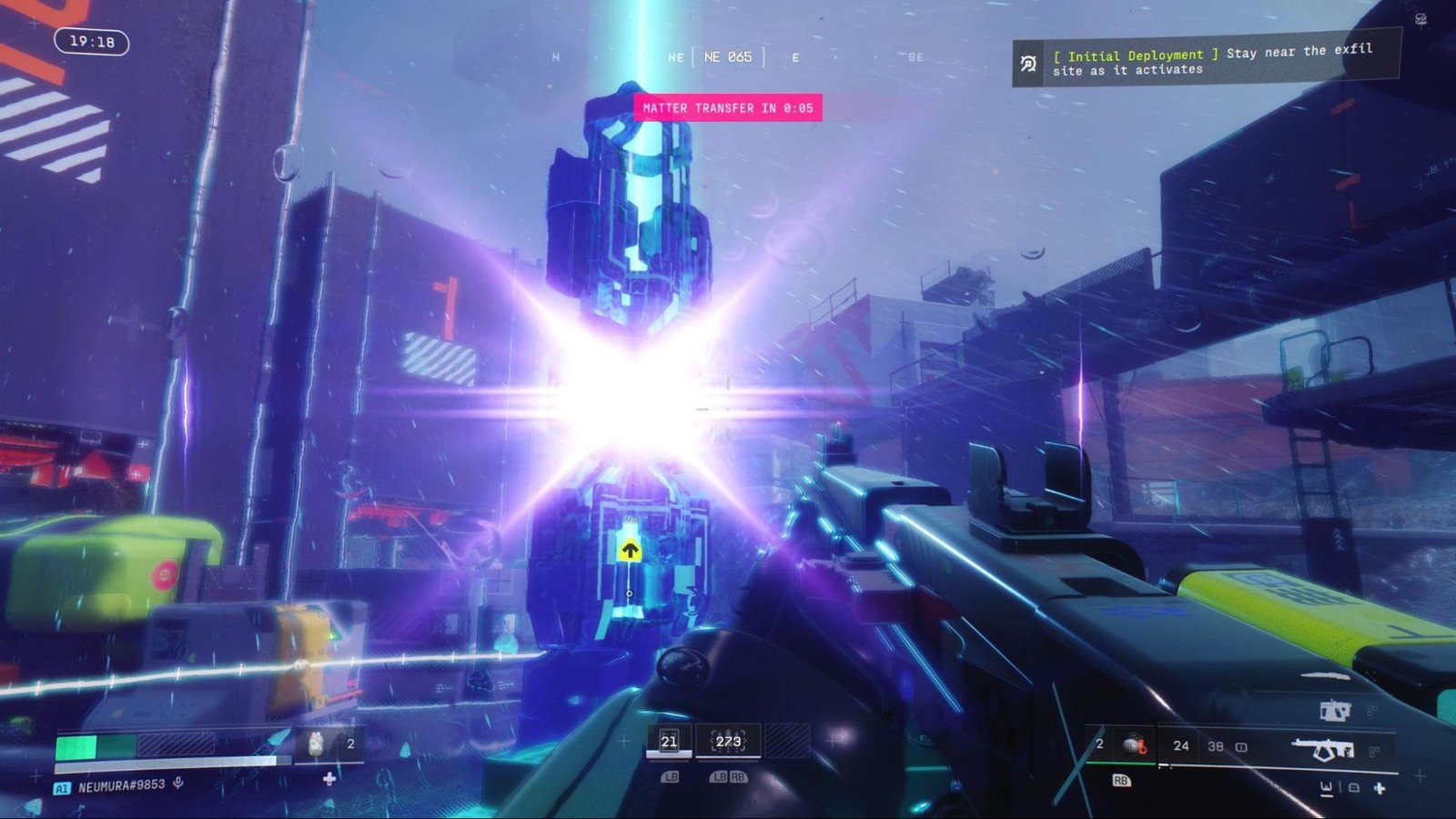
Every run, I’d notice some new bit of environmental storytelling: sponsor-branded machinery half-swallowed by alien growth, improvised sigils from rival crews, flickering holograms advertising corporations that clearly do not care if you live. It’s not subtle worldbuilding, but it fits the tone – you’re a disposable asset in a world built by people who never planned to bleed there themselves.
Functionally, the map design is all about vertical sightlines and ambush funnels. Rooftop paths loop back over street-level choke points, interiors often have multiple hidden exits, and there are just enough weird angles that even after dozens of runs I still get surprised. The later-unlocked Cryo Archive zone adds a colder, more industrial flavor, and it’s clearly tuned as an endgame hunting ground rather than a starter playground.
Audio carries a lot of weight here. Footsteps, pings, and distant gunfire are just directional enough that you feel guilty when you ignore them. The hard, mechanical electro soundtrack doesn’t kick in constantly, but when it swells, it turns firefights into music video moments. It’s stylish without drowning out the tactical detail you need to survive.
UI, loot, and the Japanese client: where the seams show
For all that I like about Marathon, the interface is the one part that feels like it’s actively fighting the game’s best ideas.
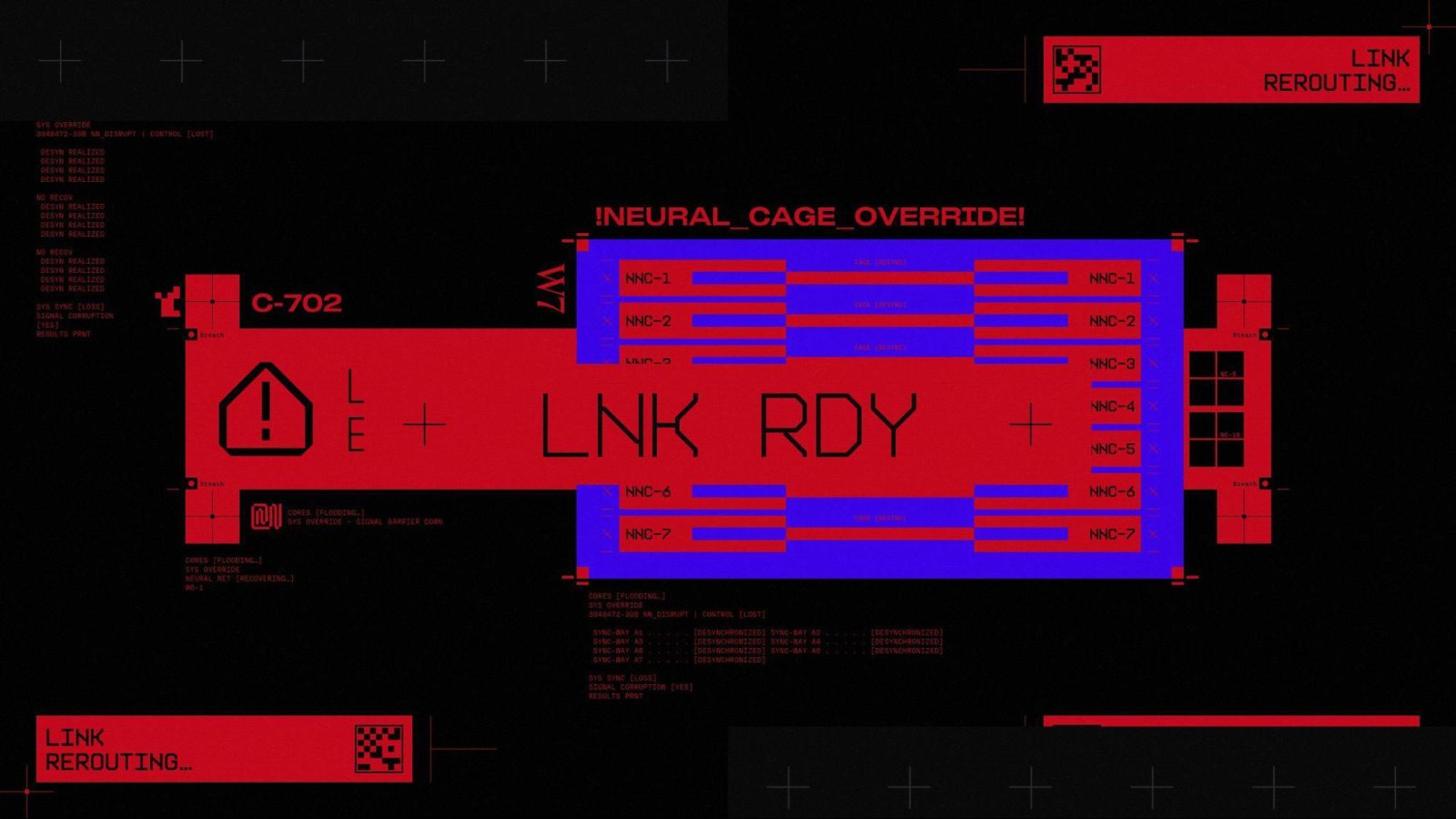
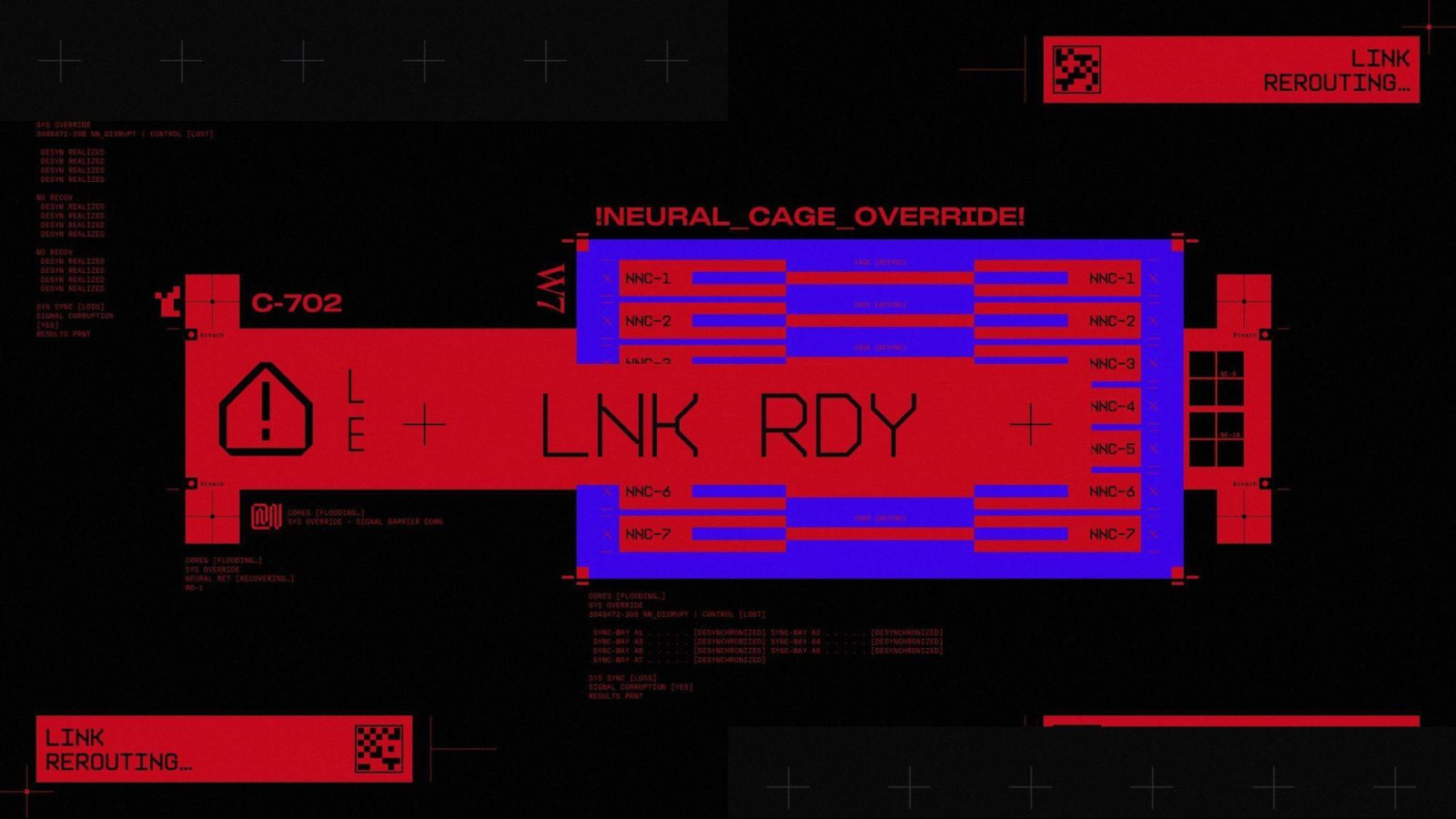
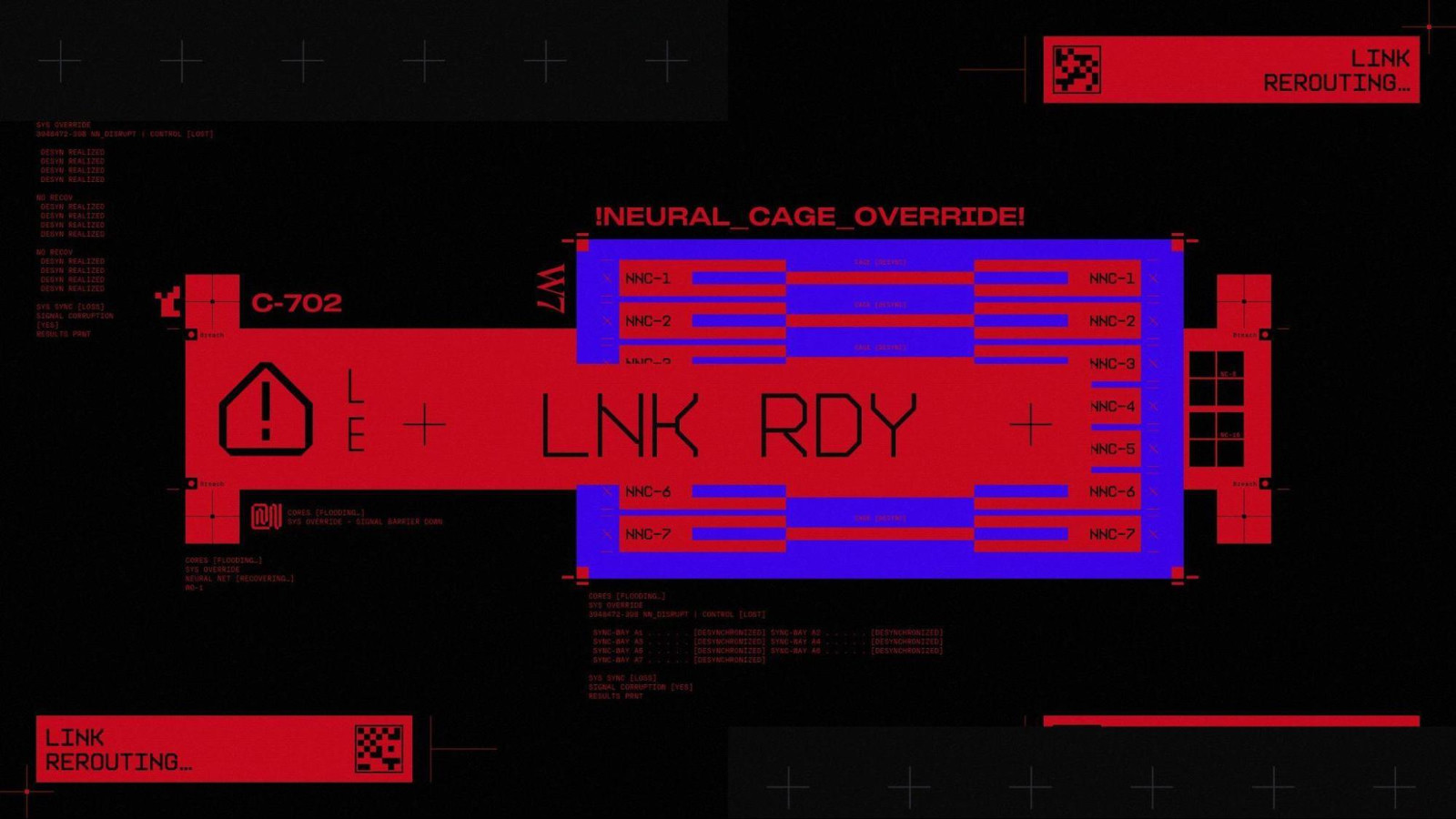
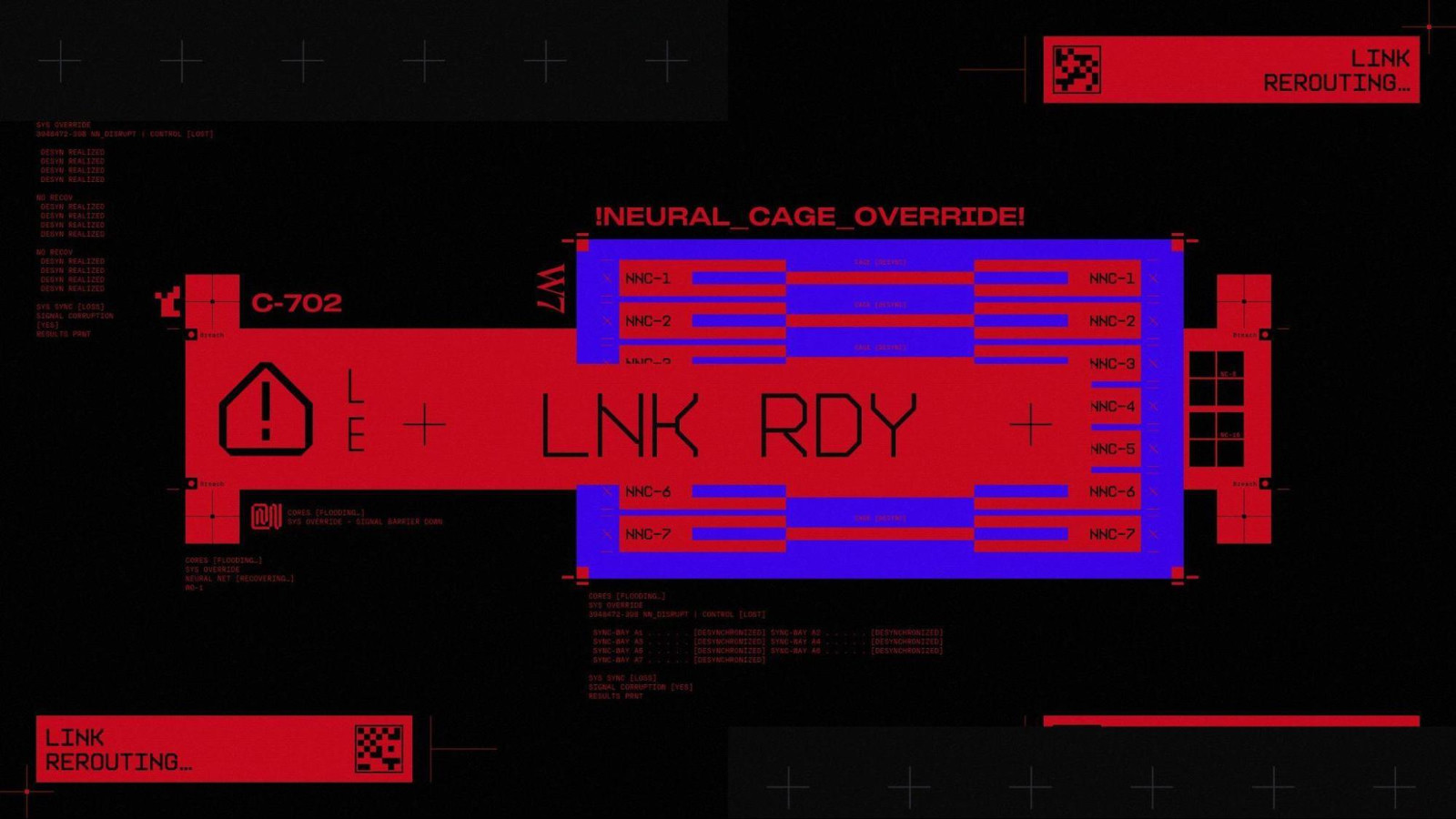
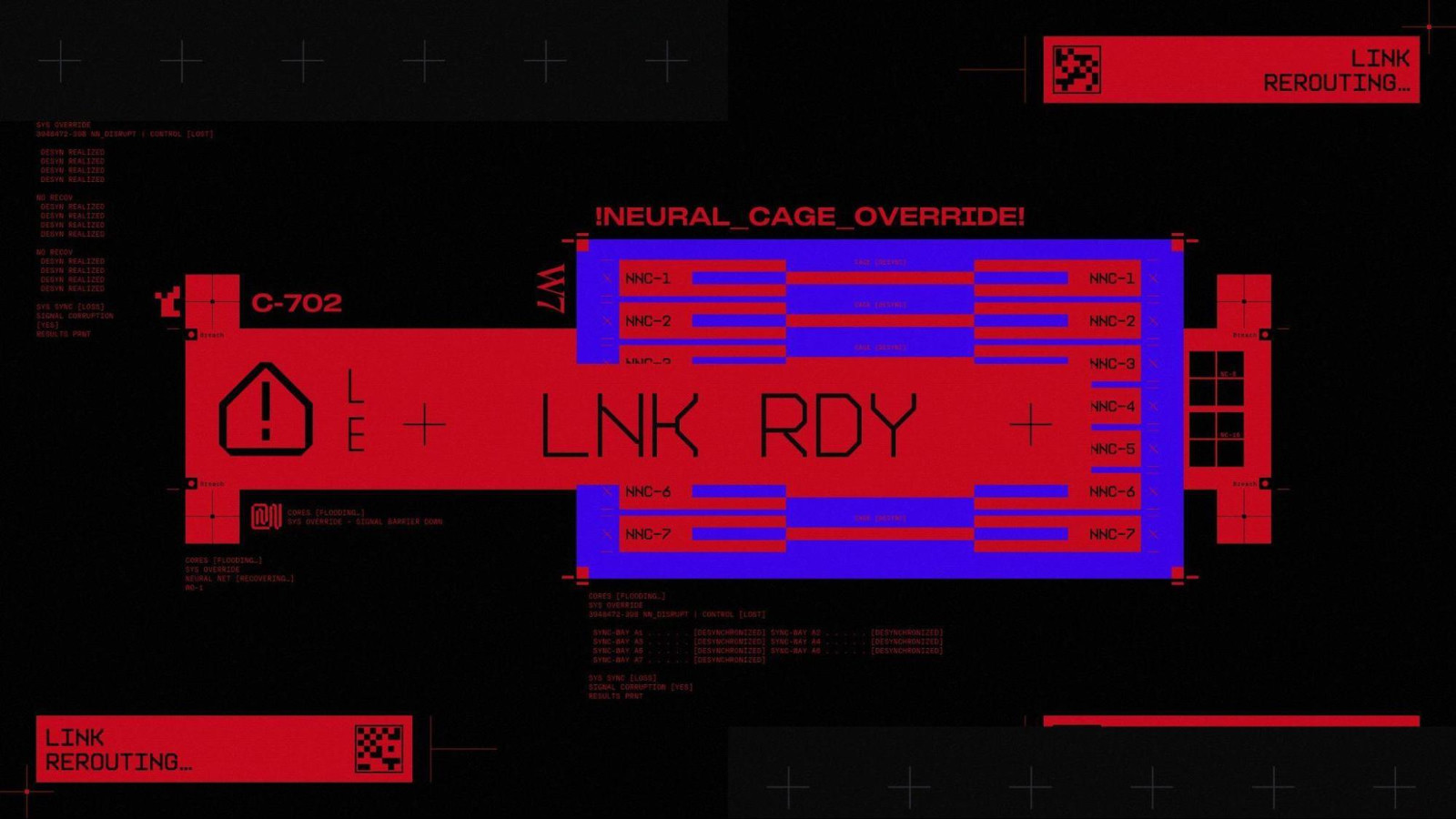
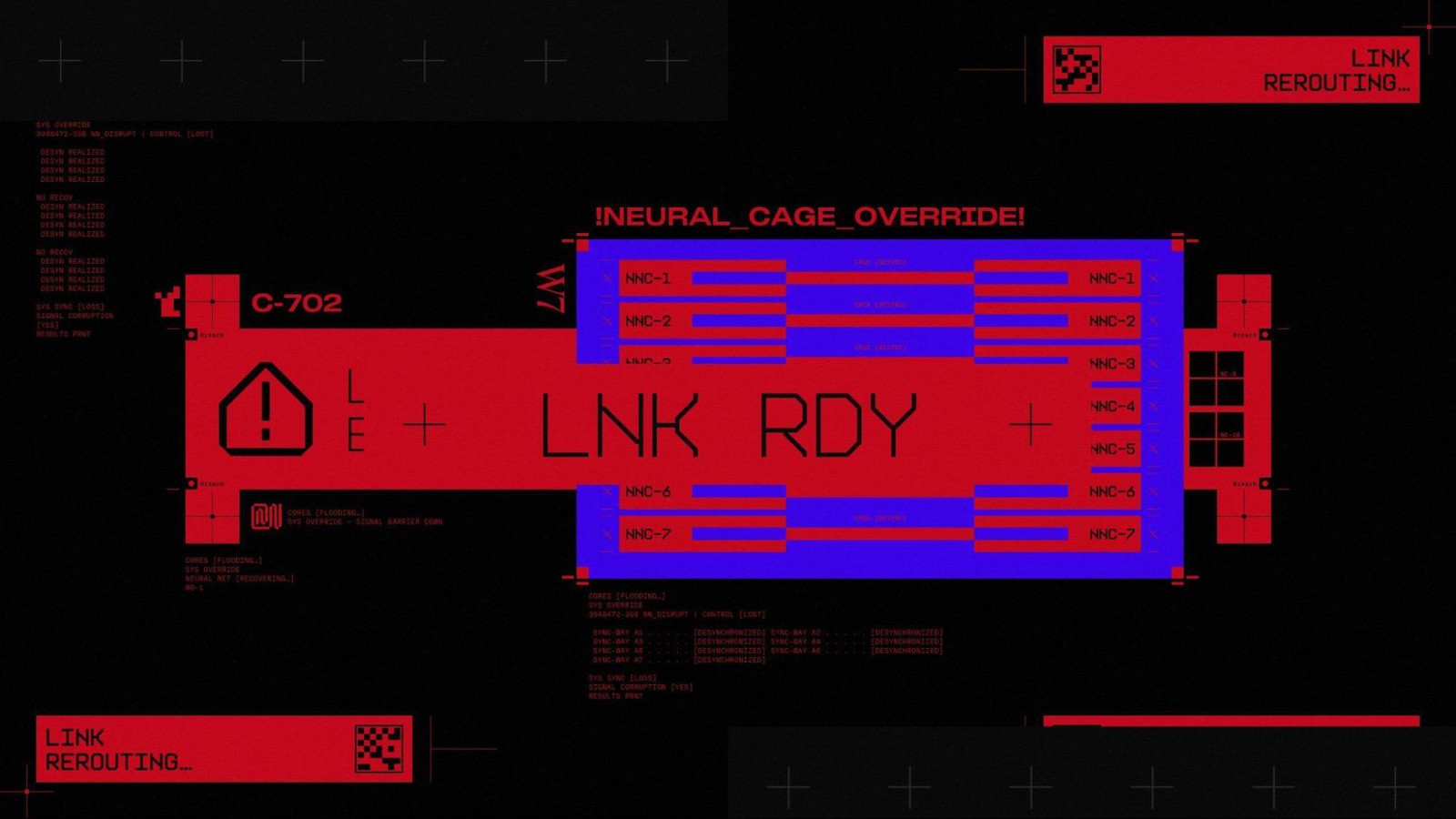
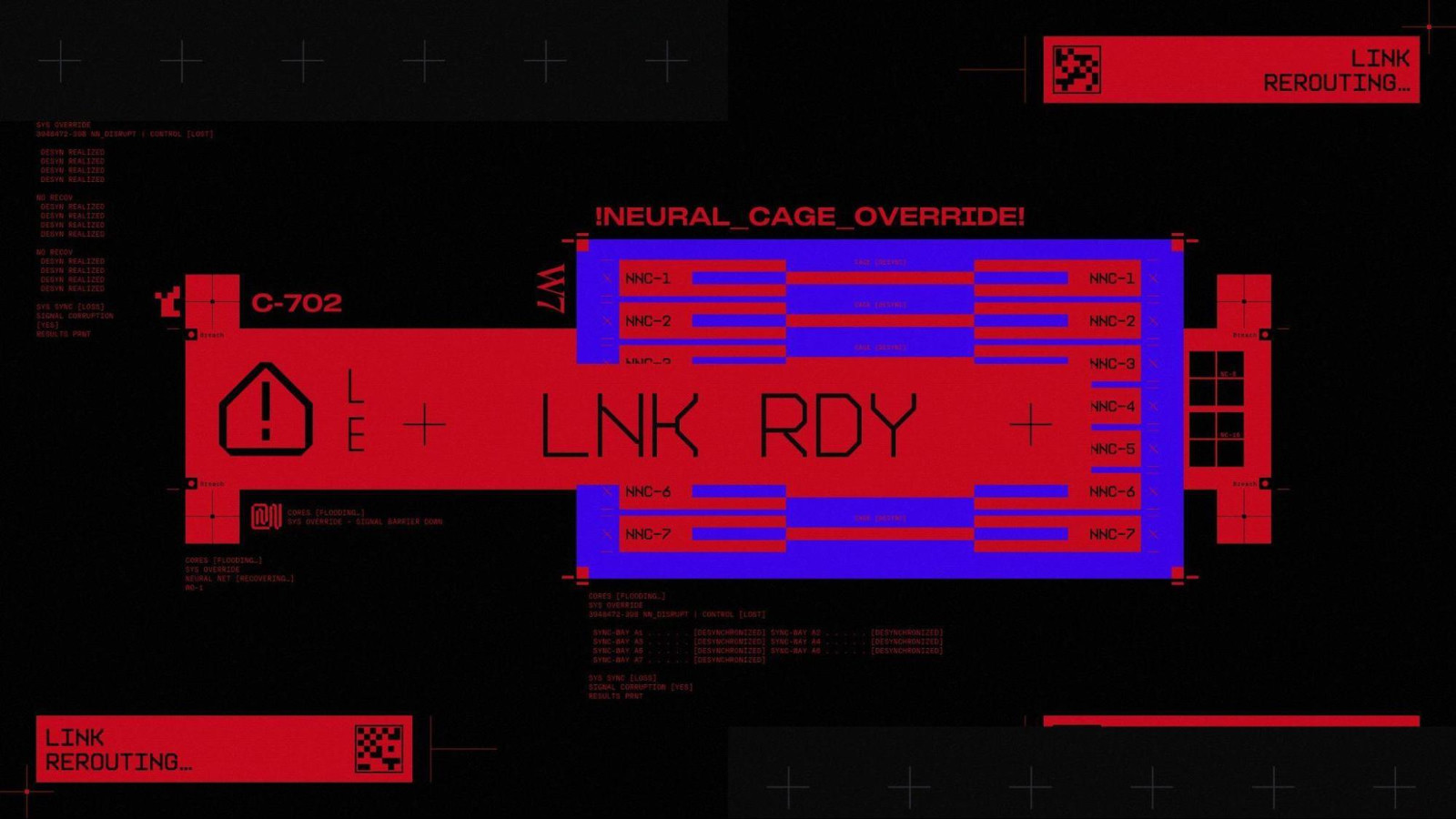
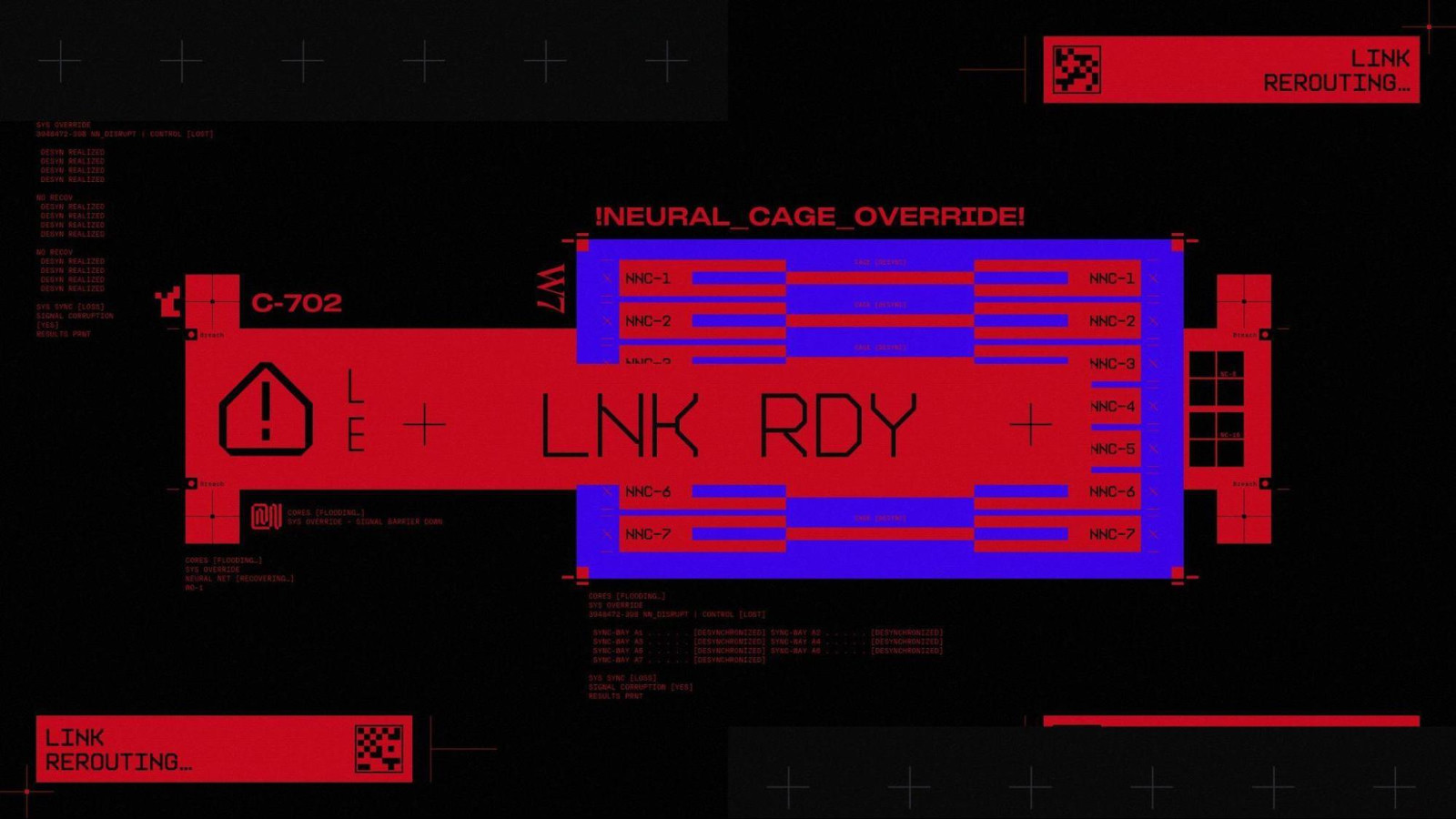
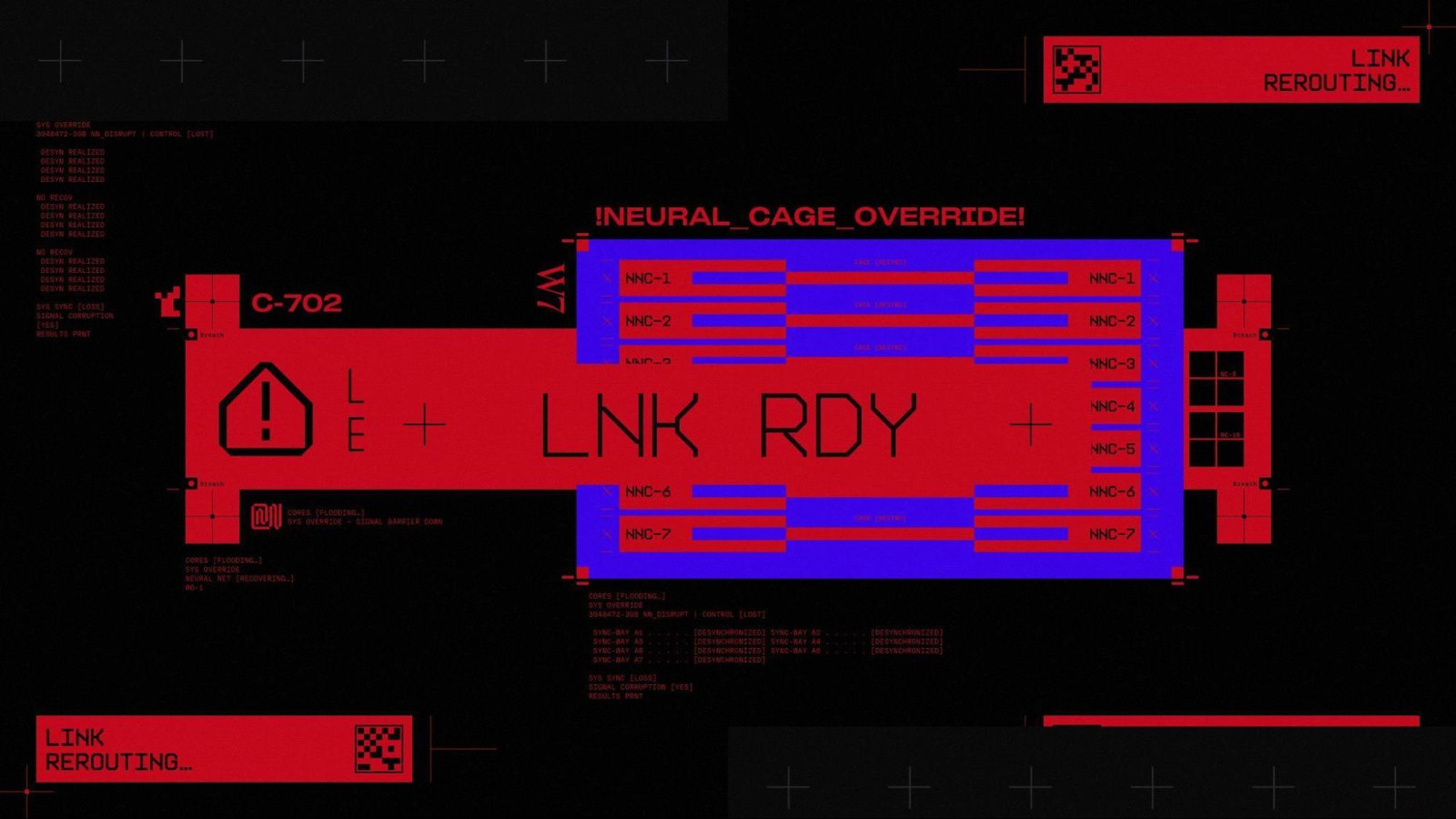
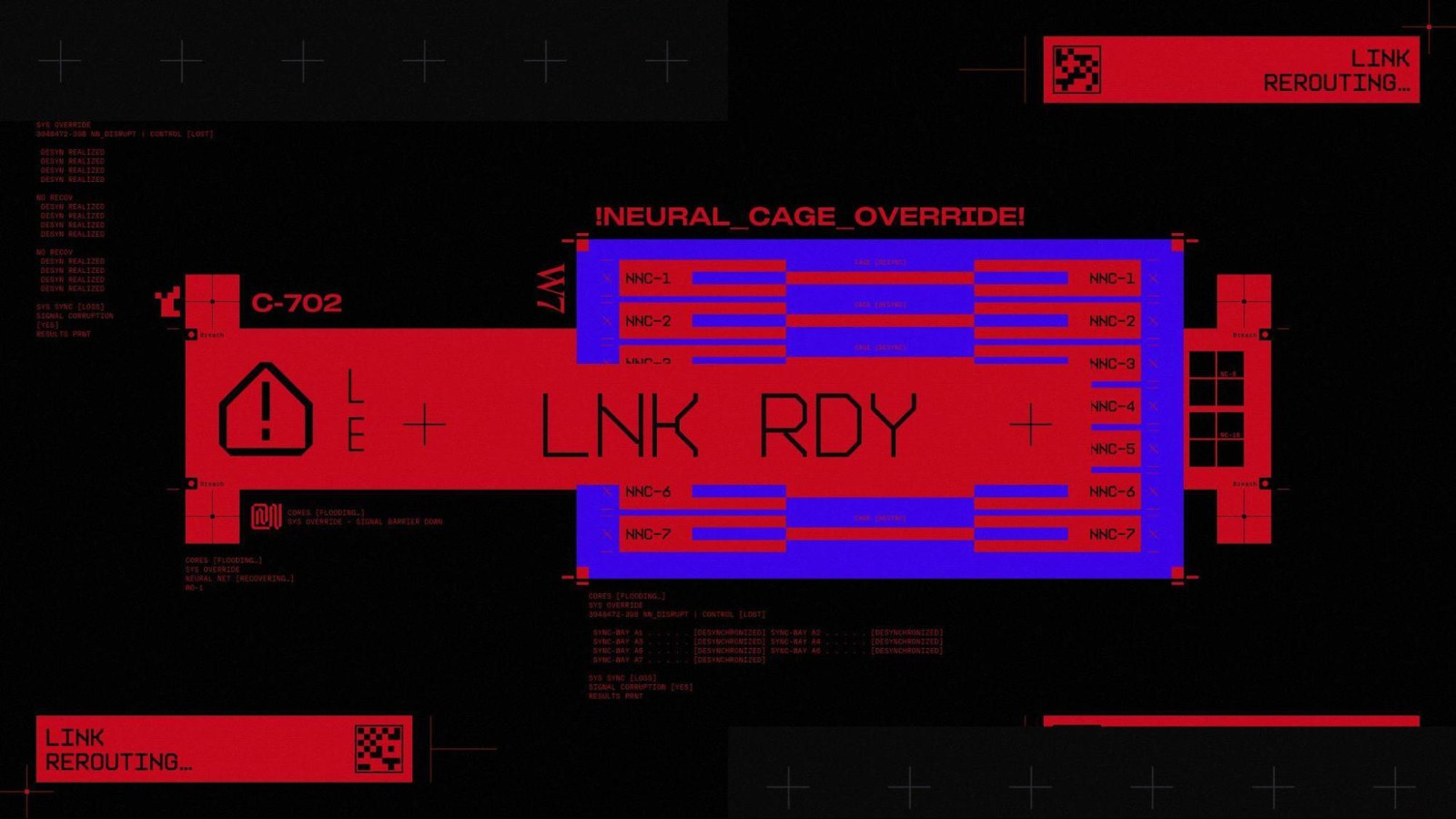
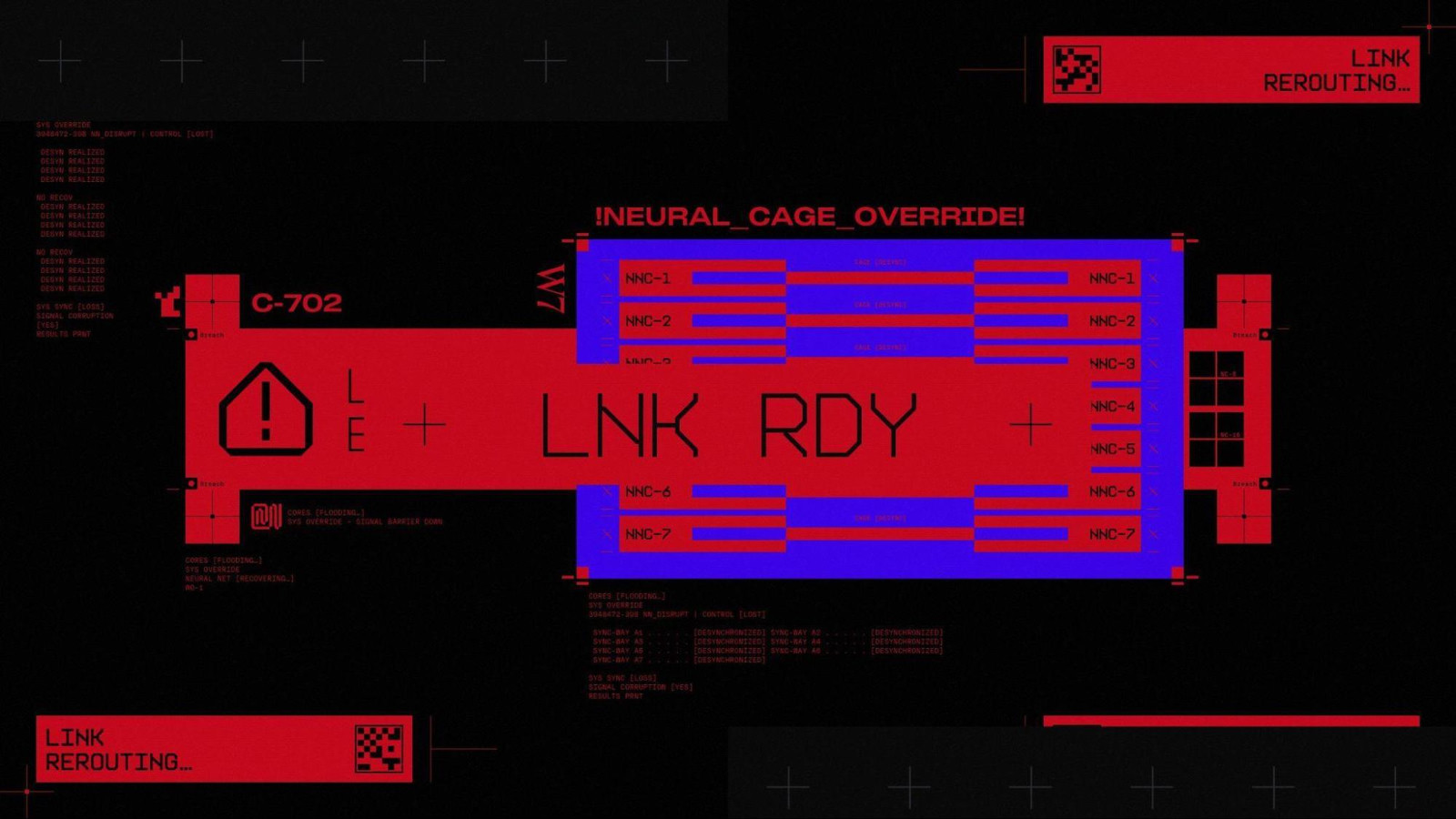
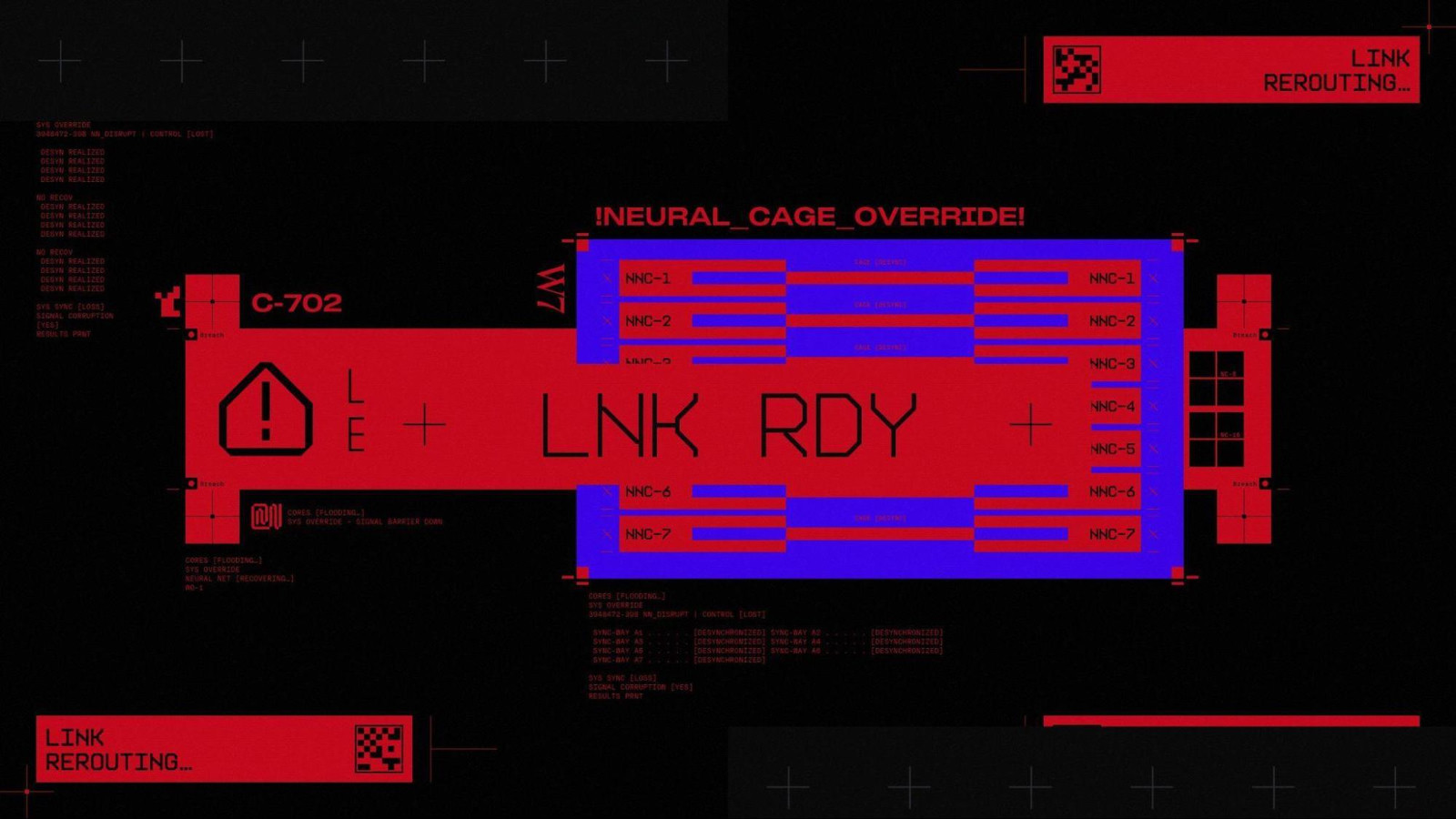
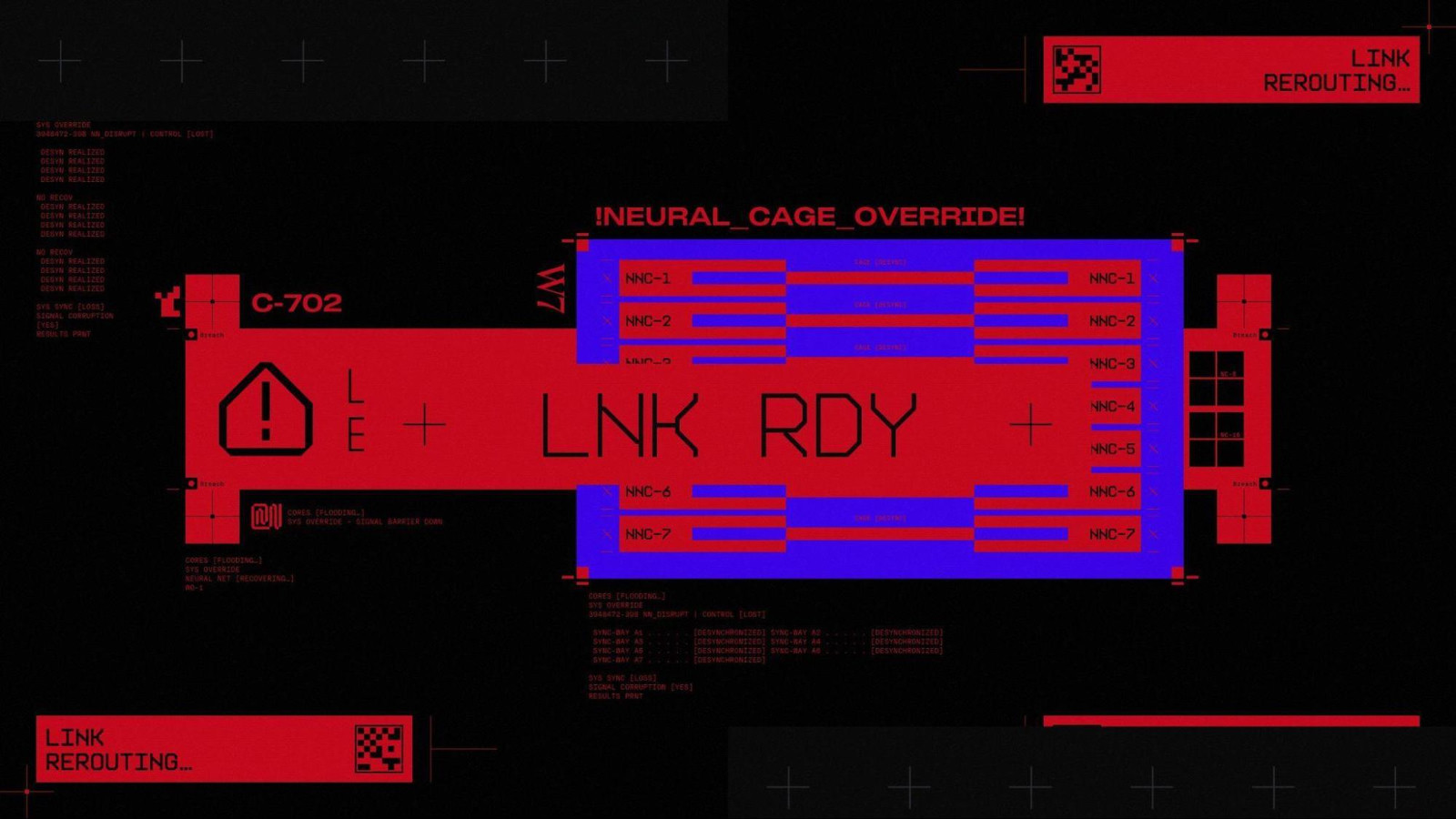
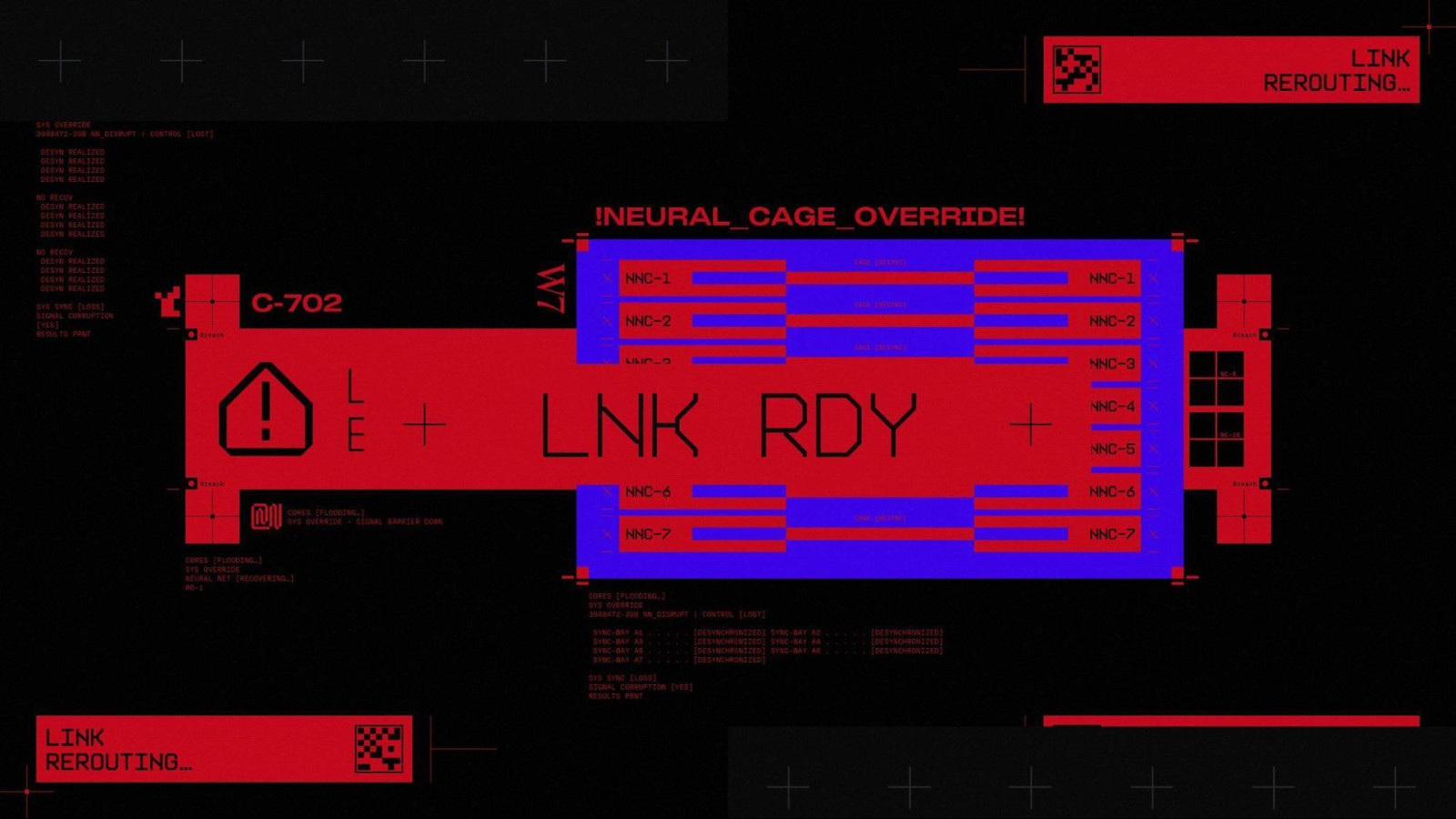
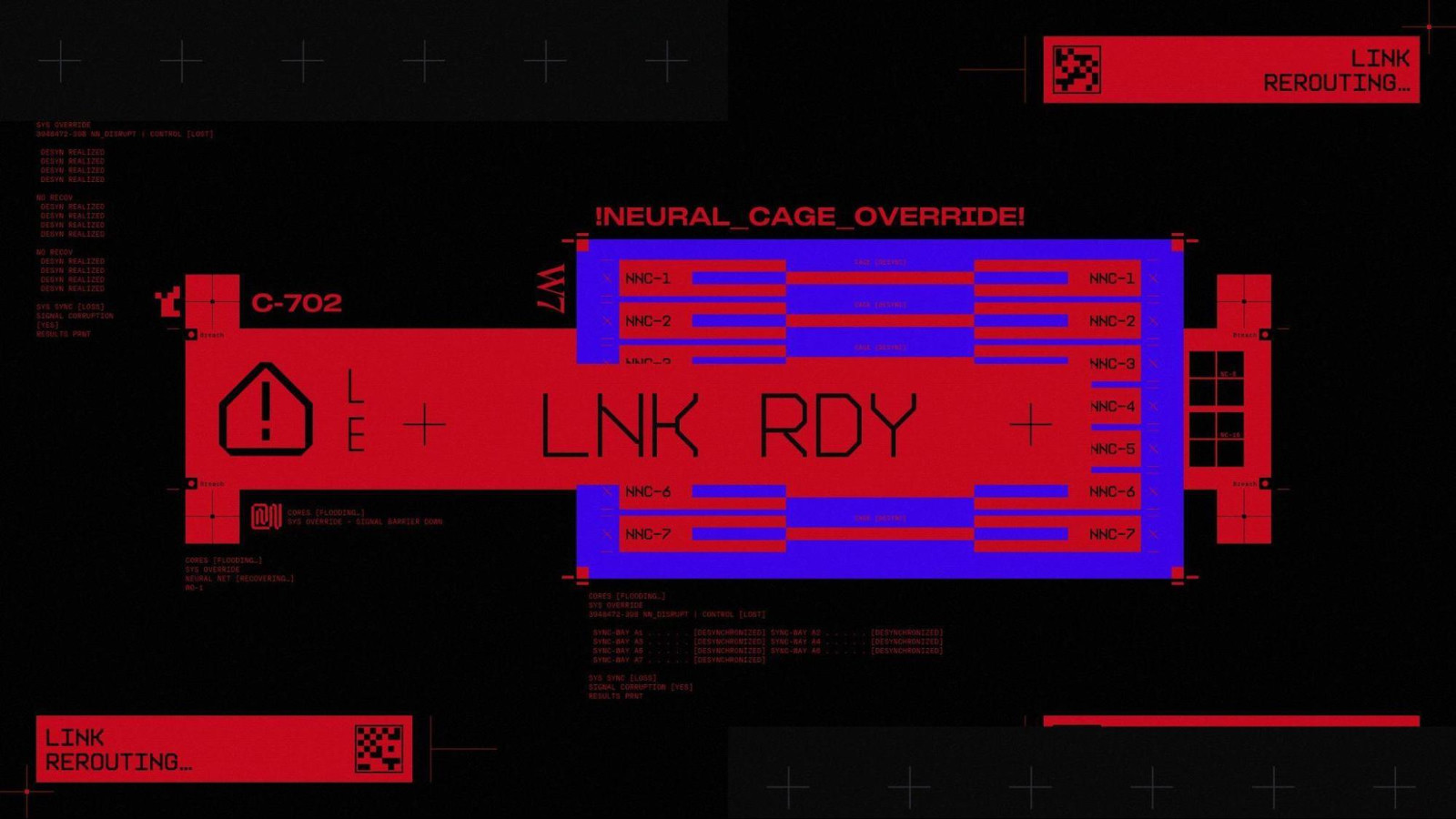
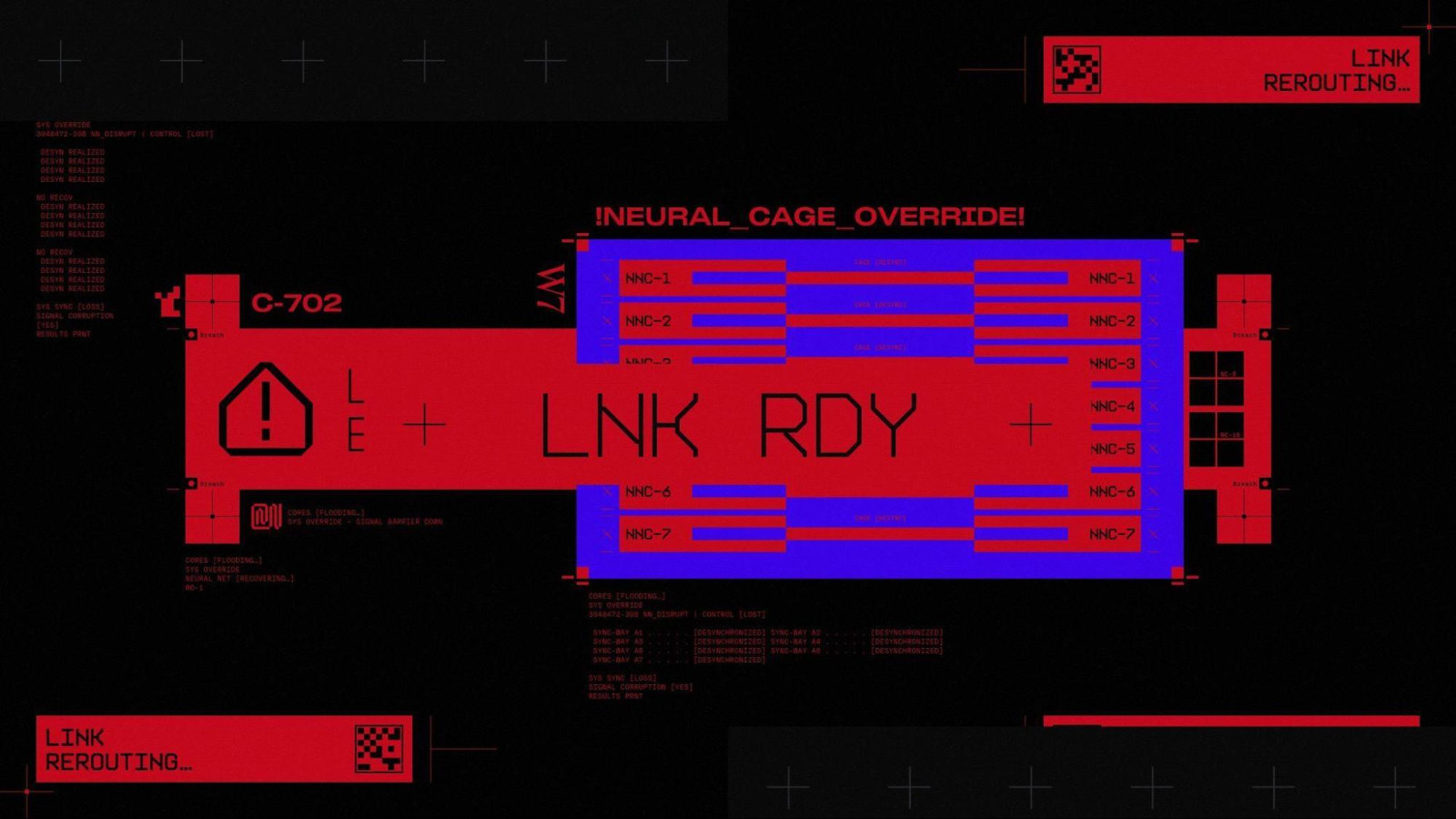
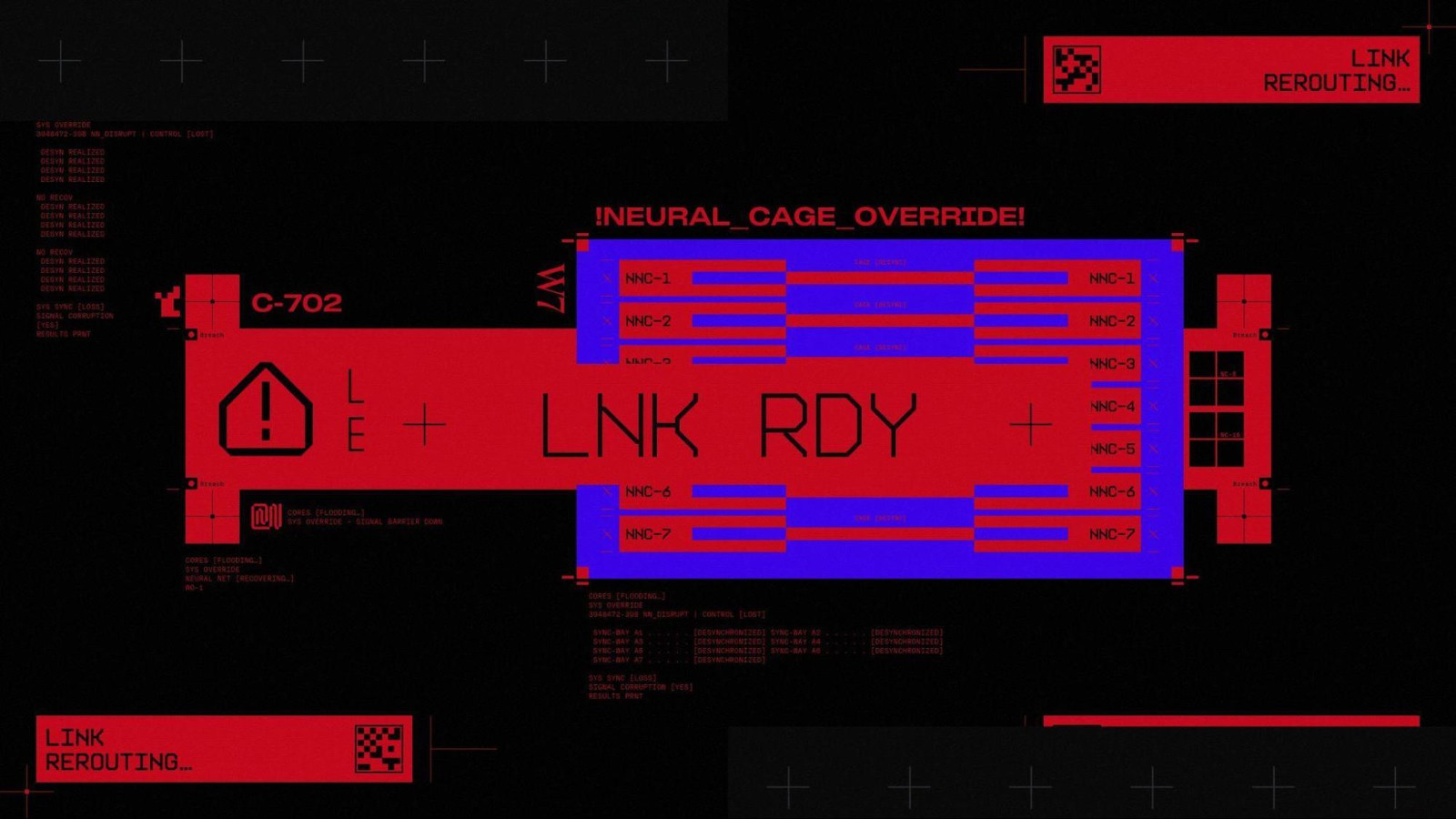
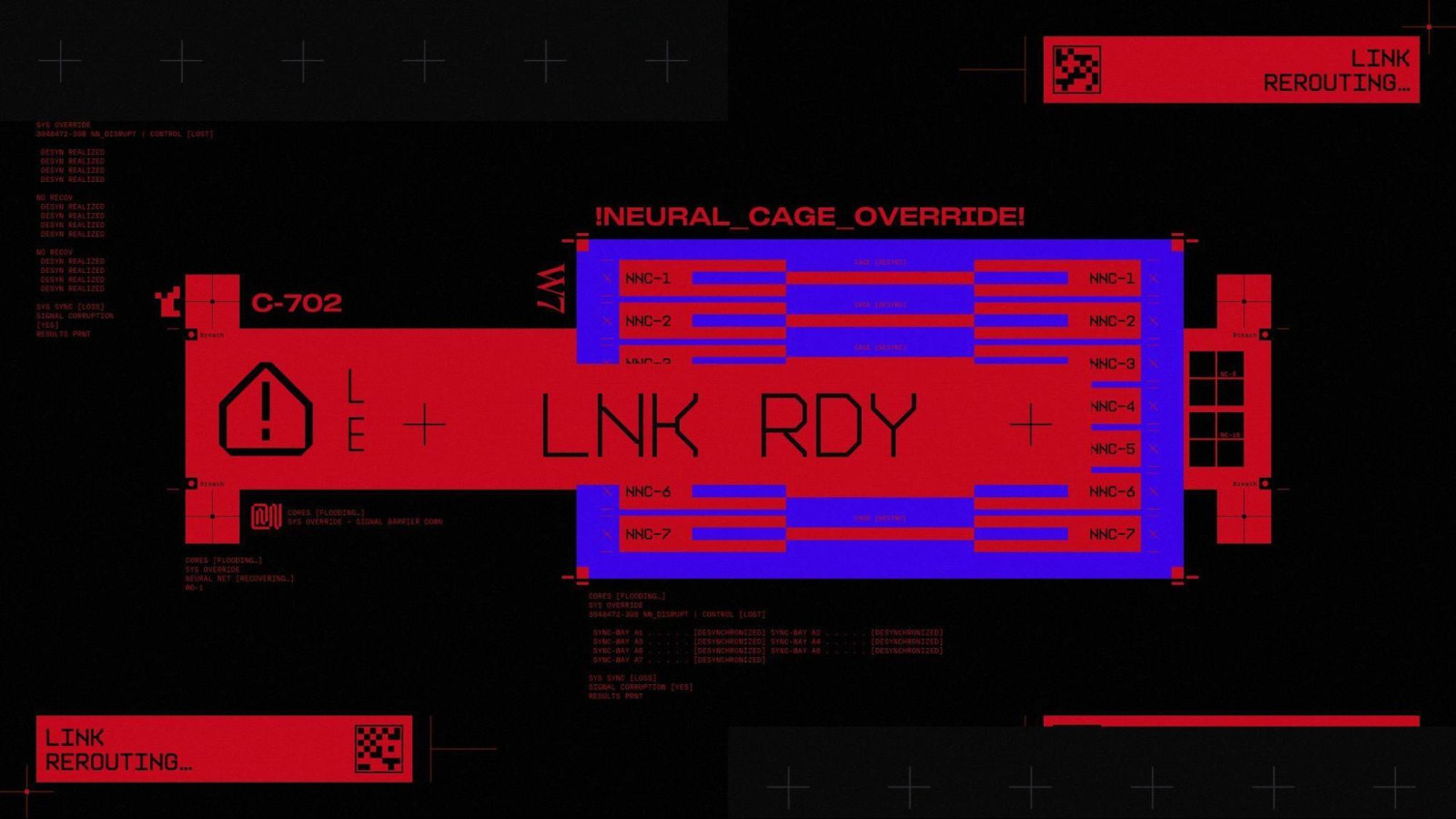
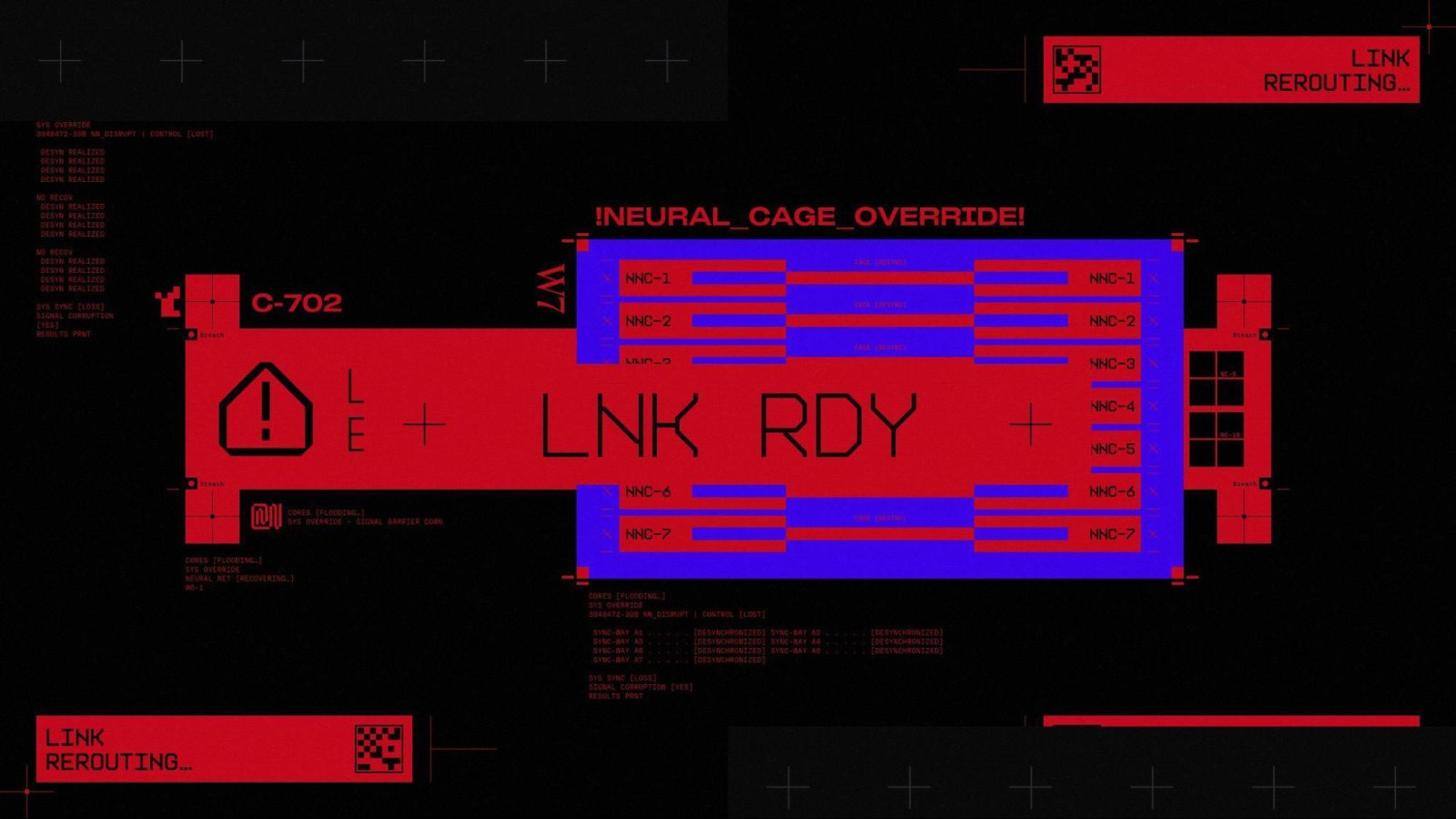
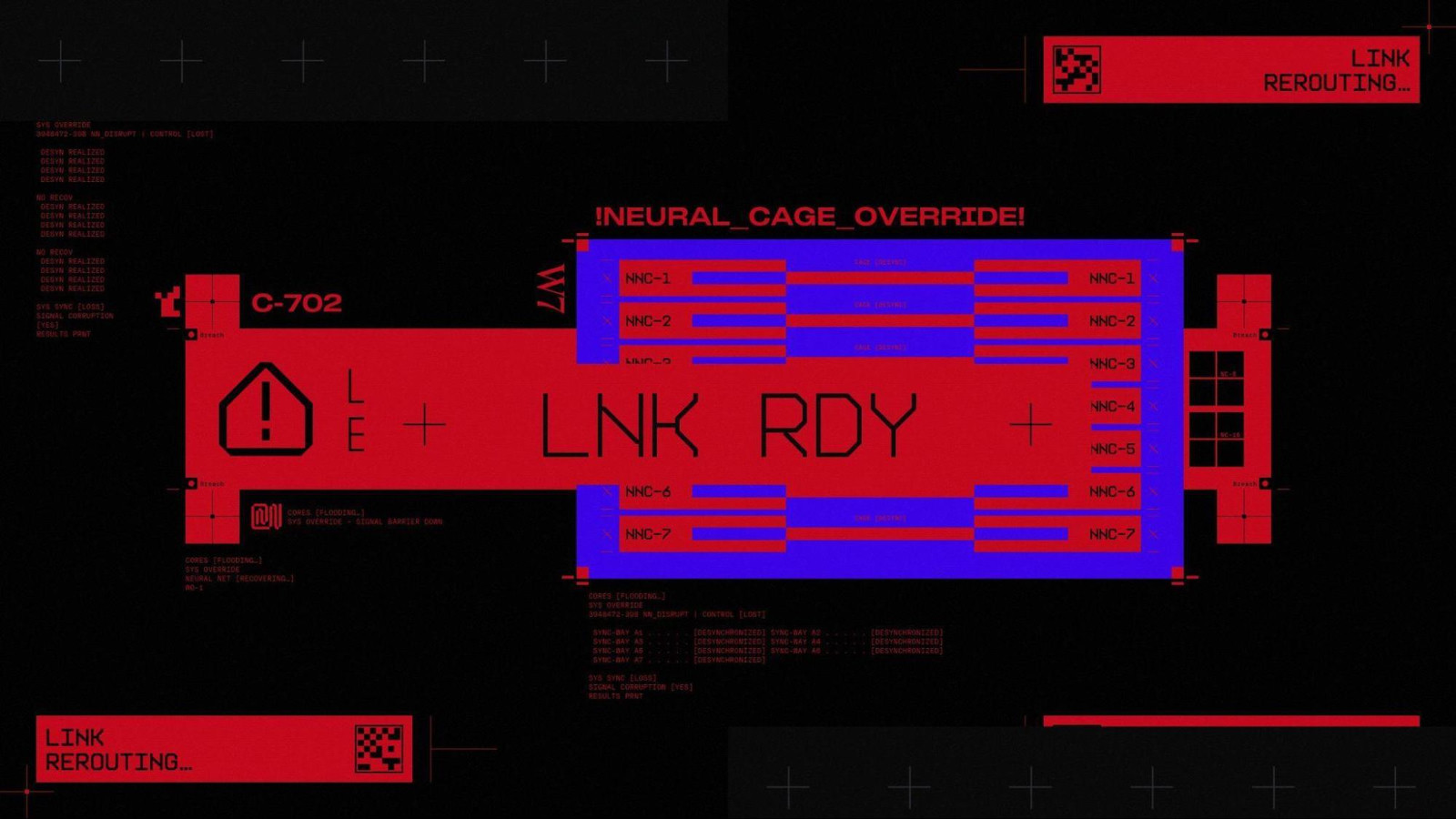
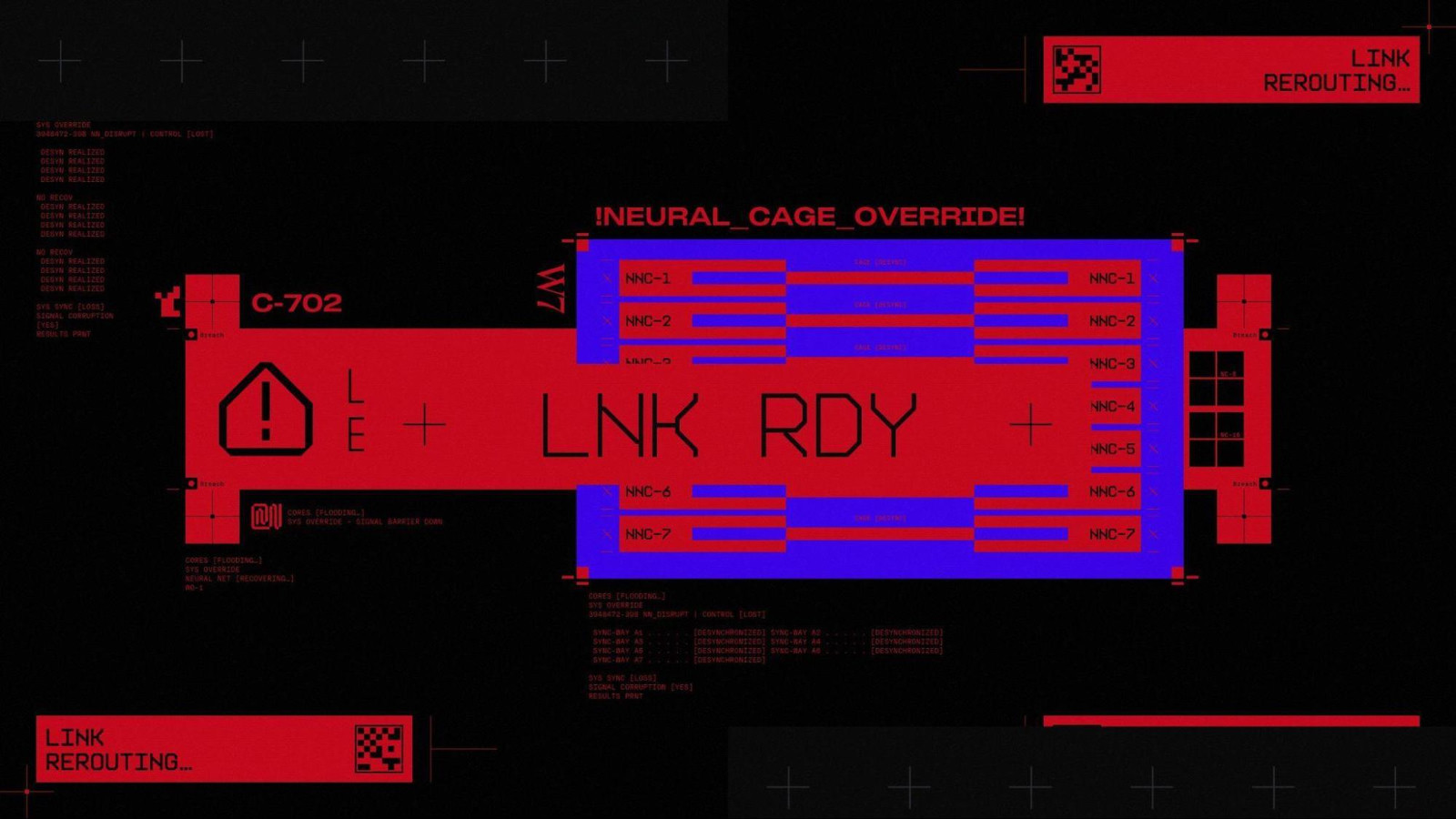
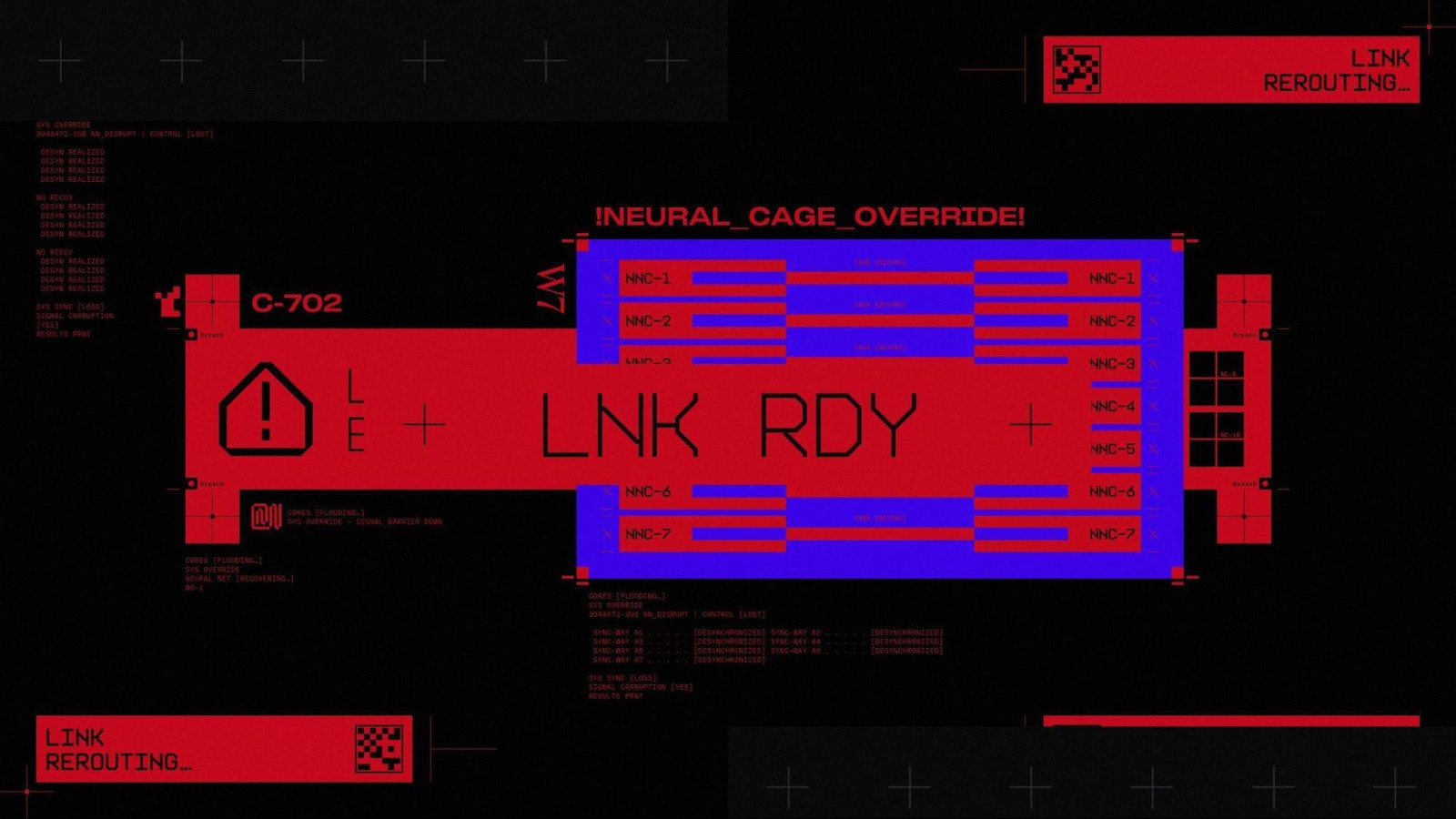
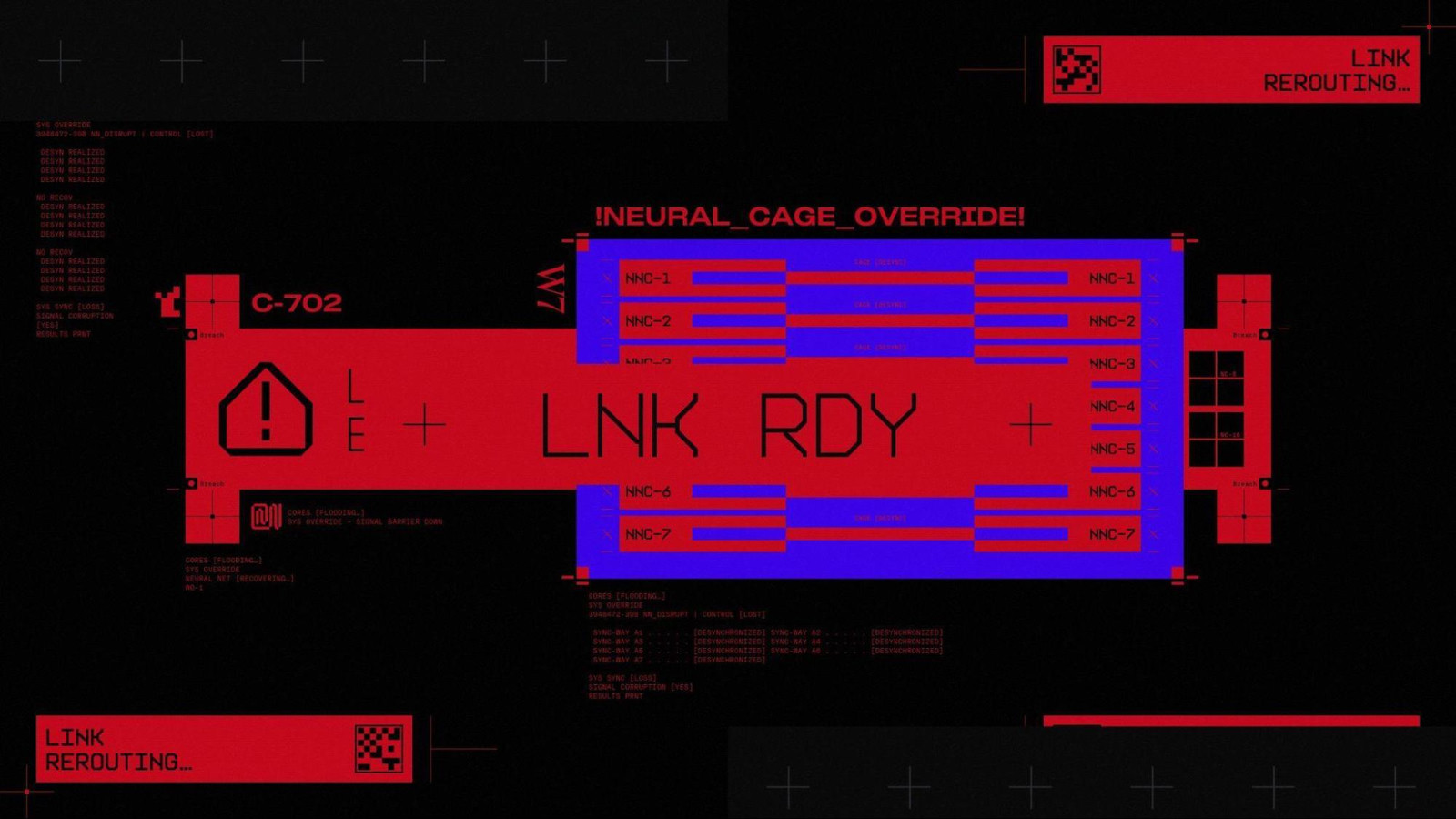
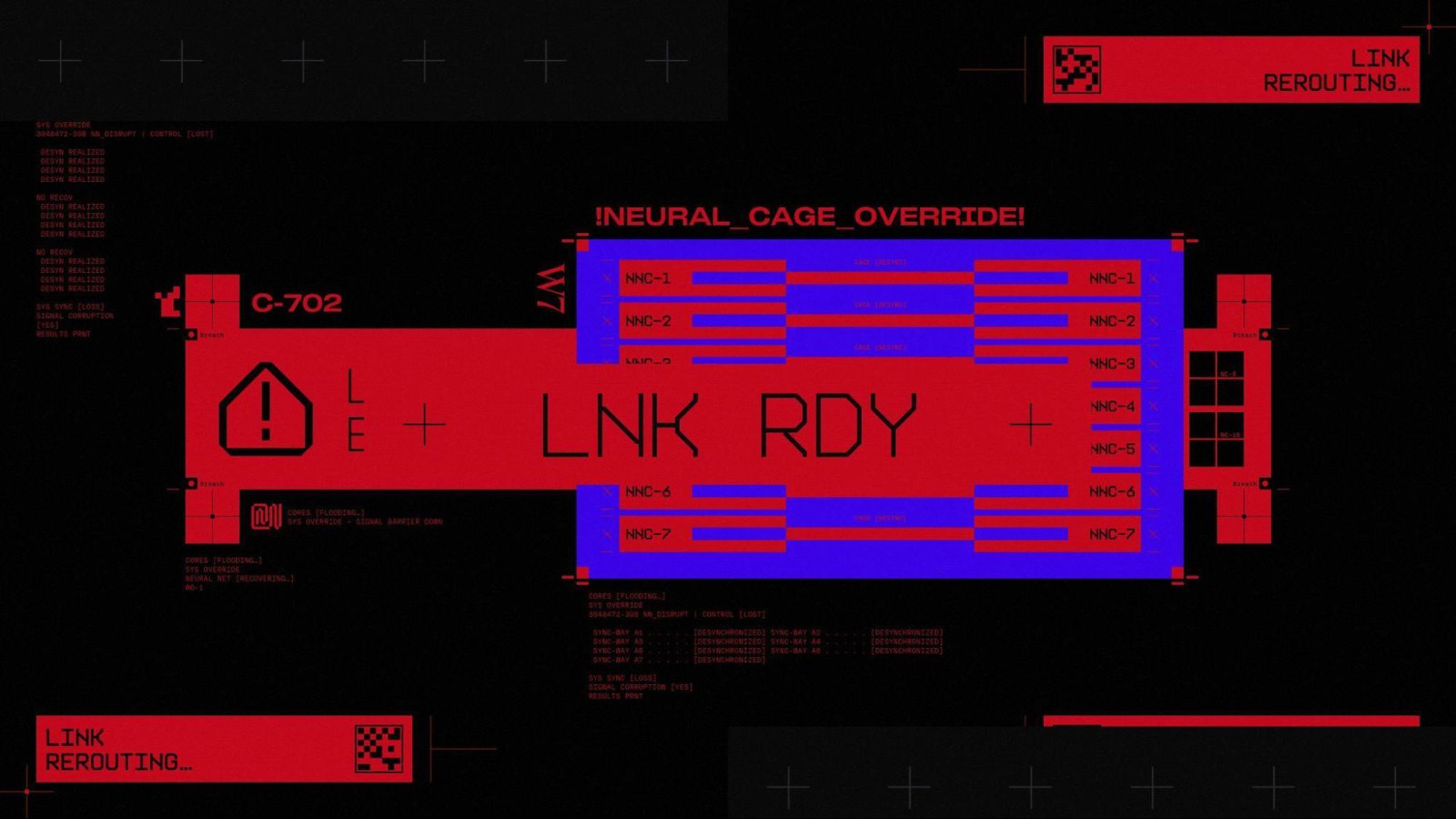
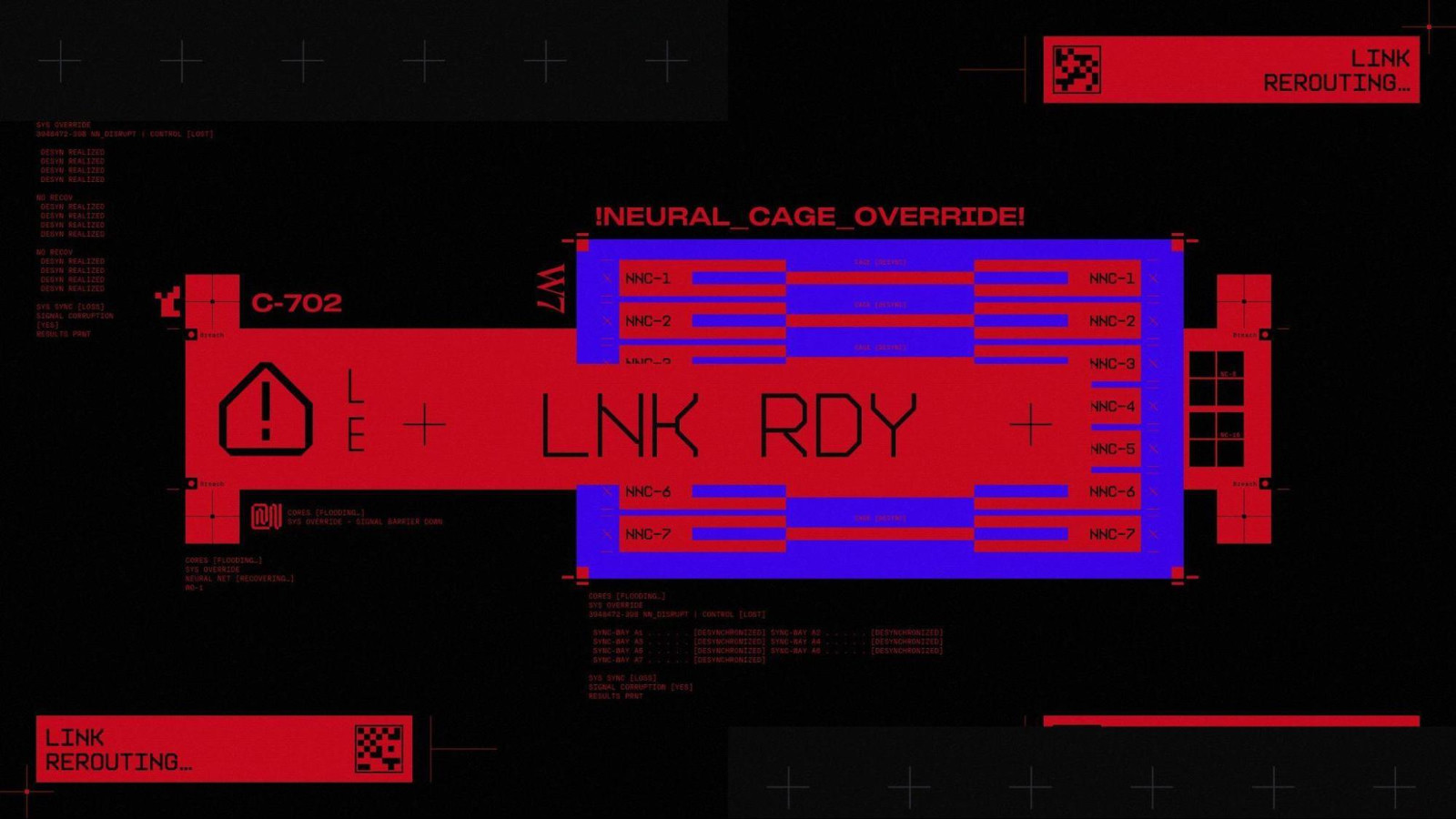
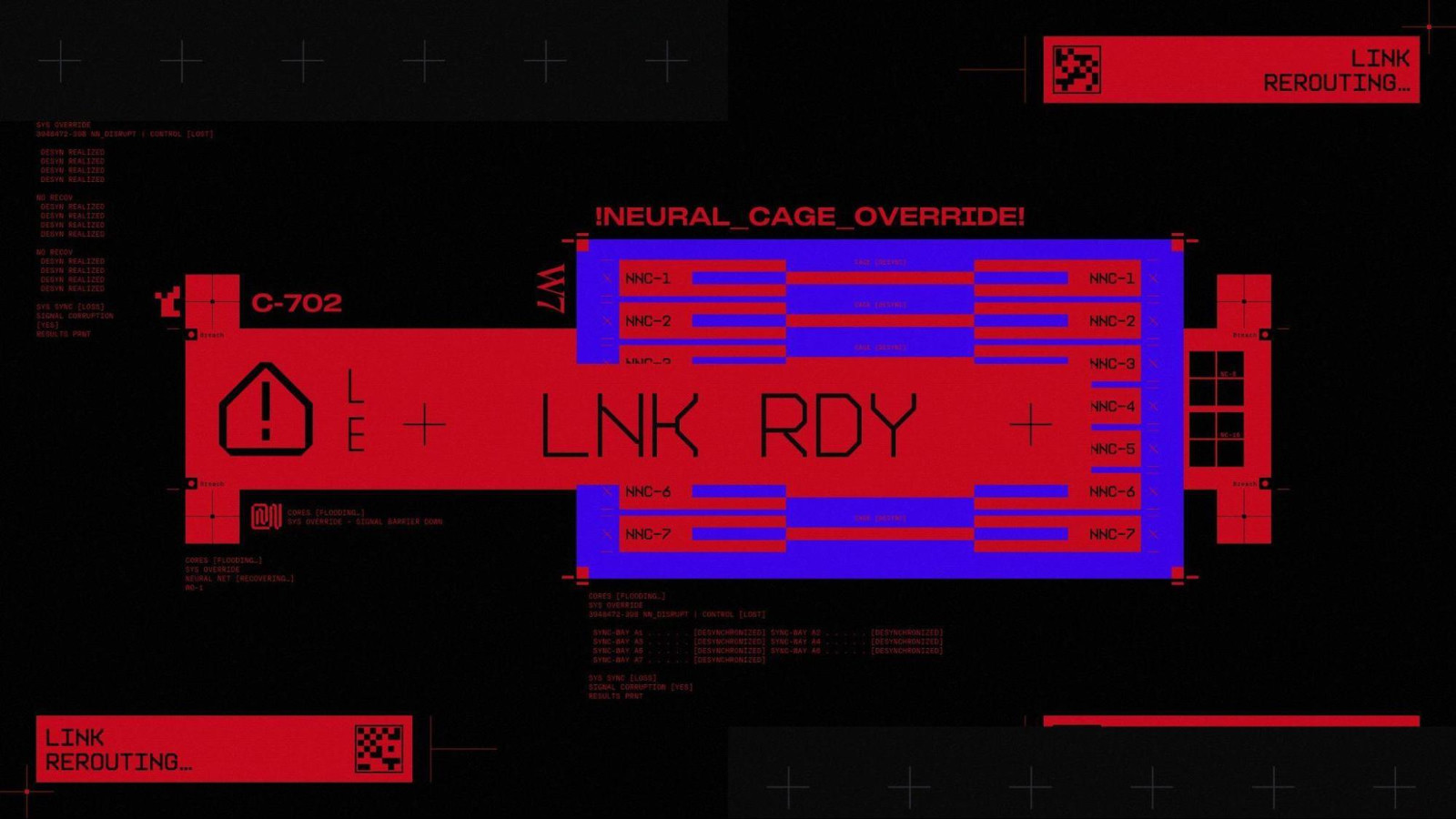
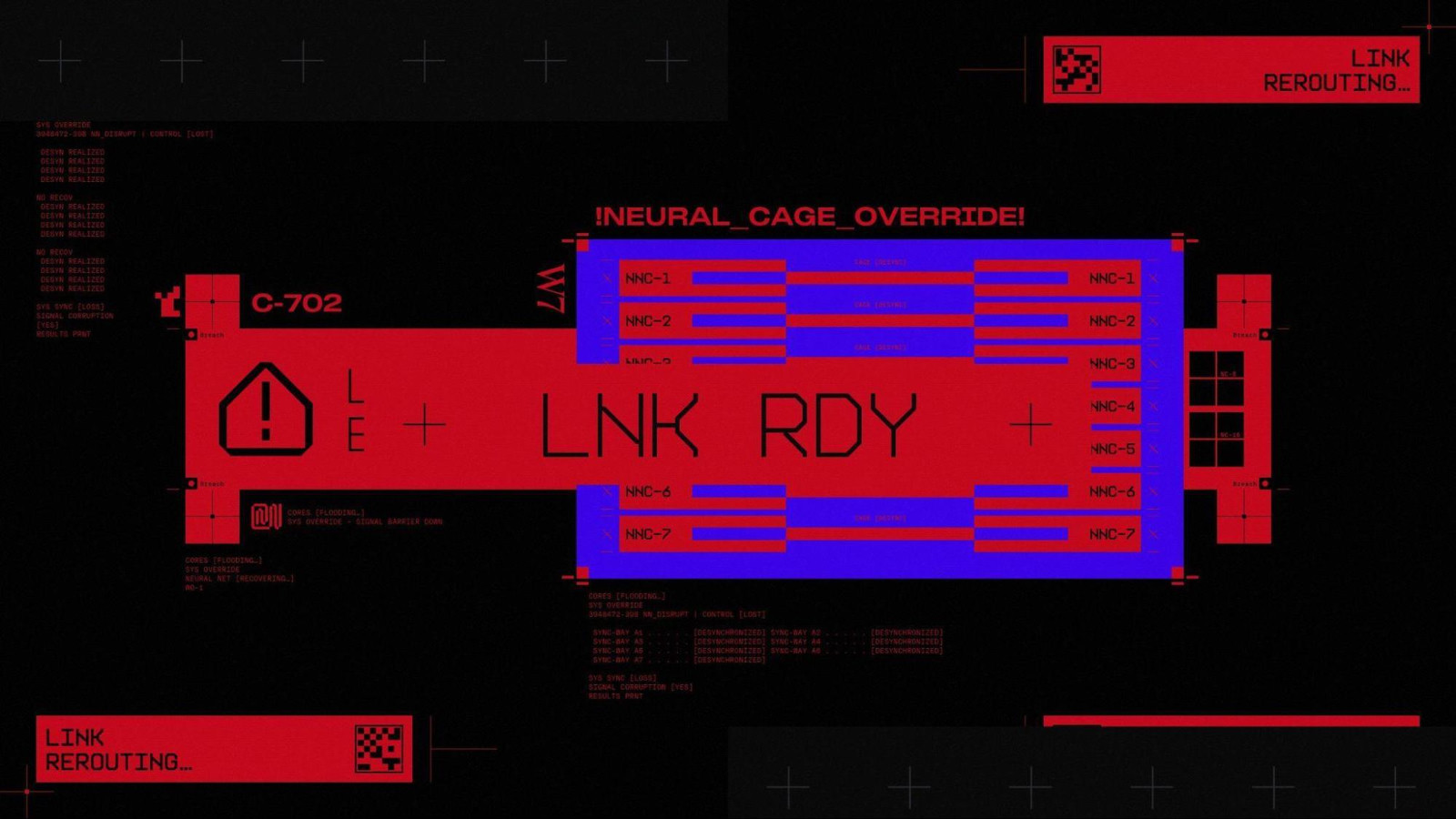
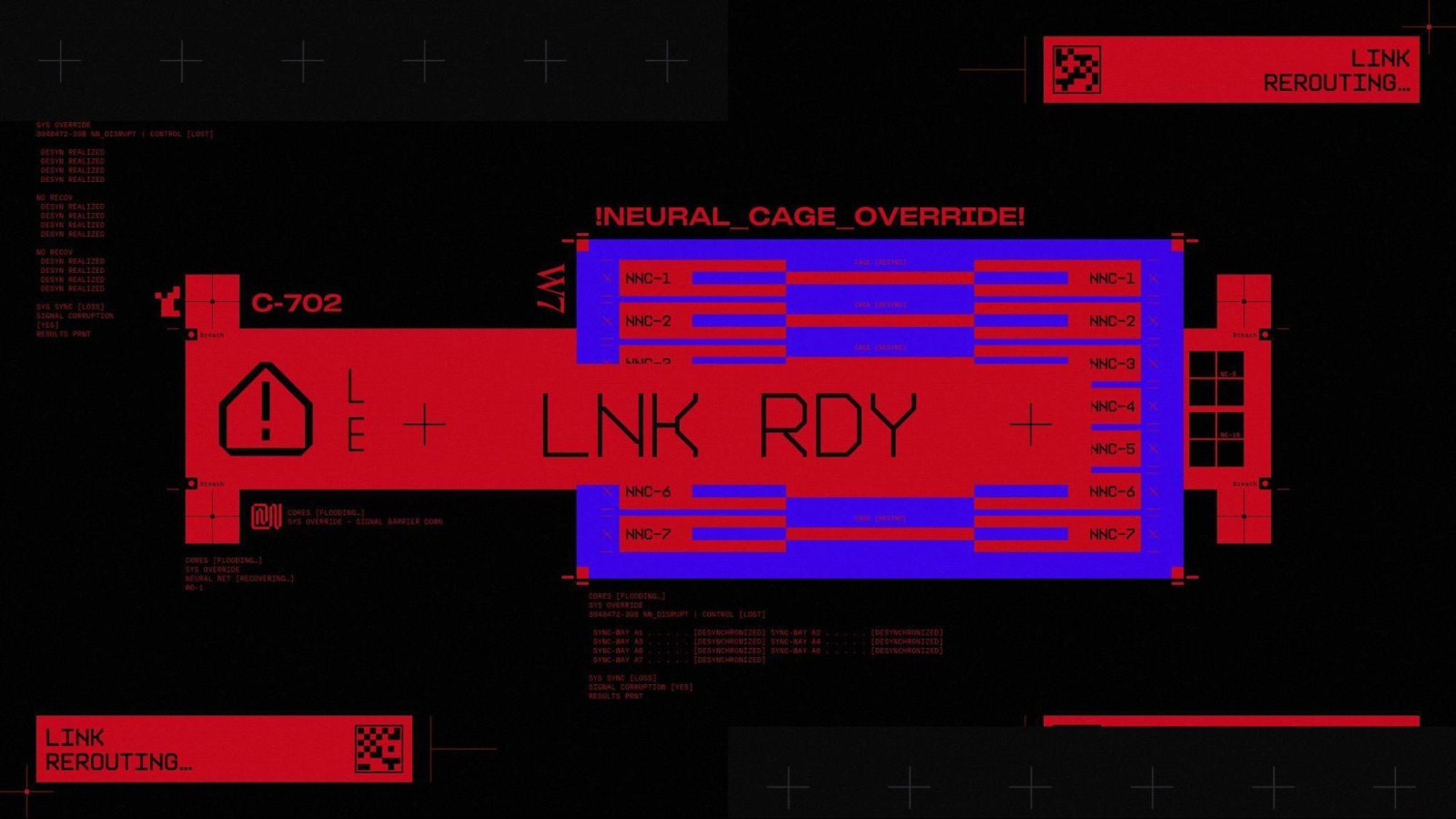
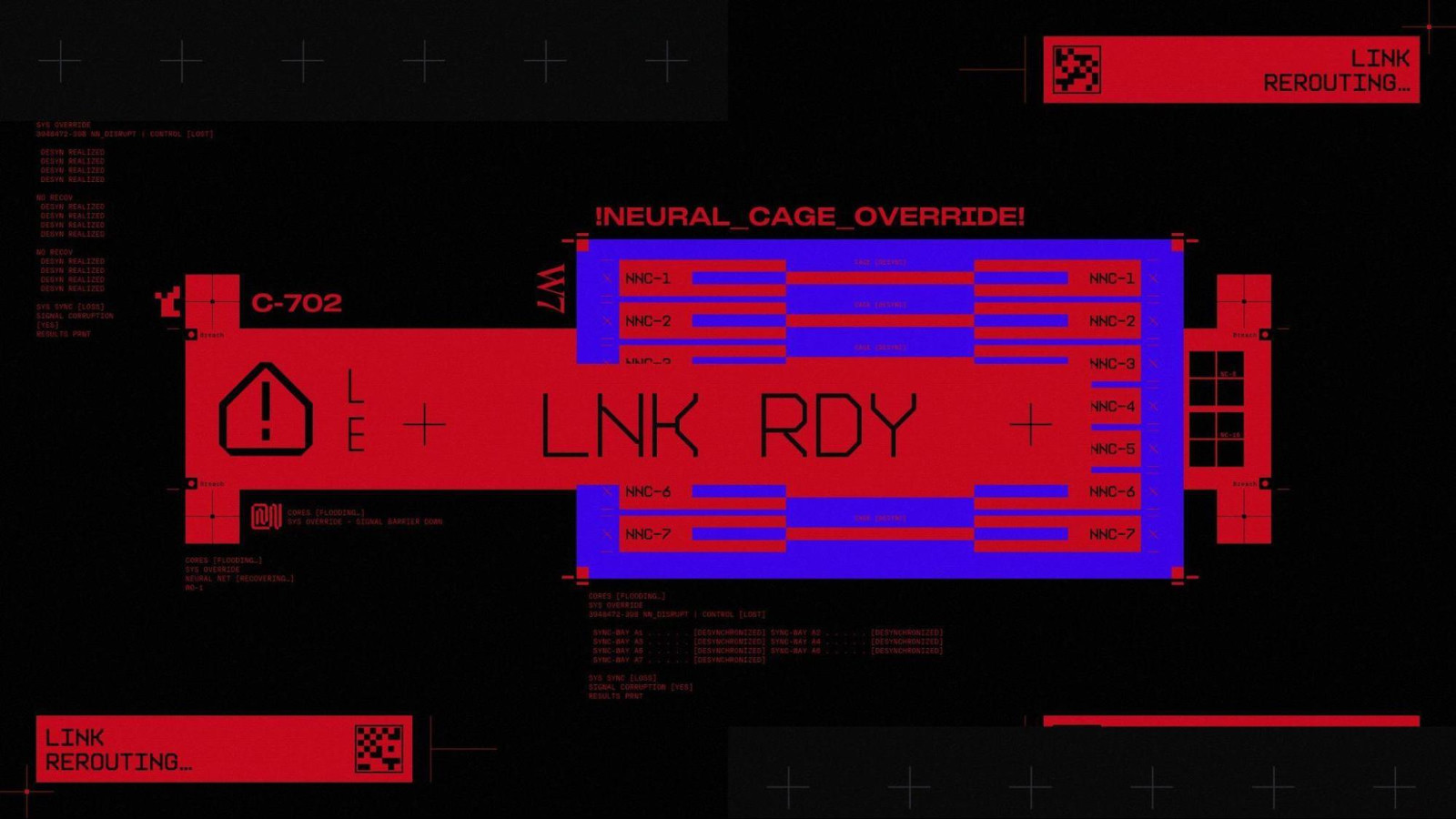
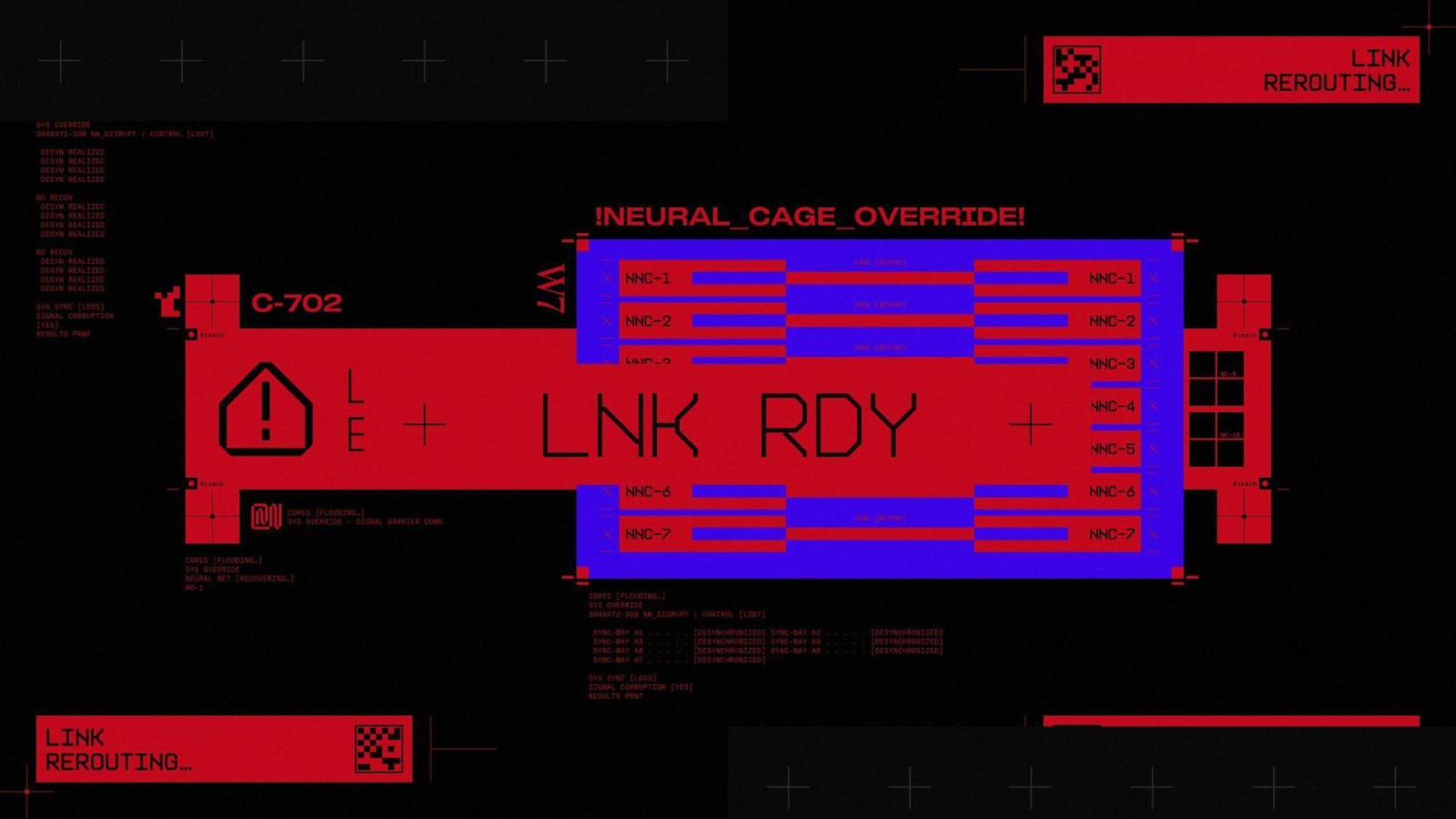
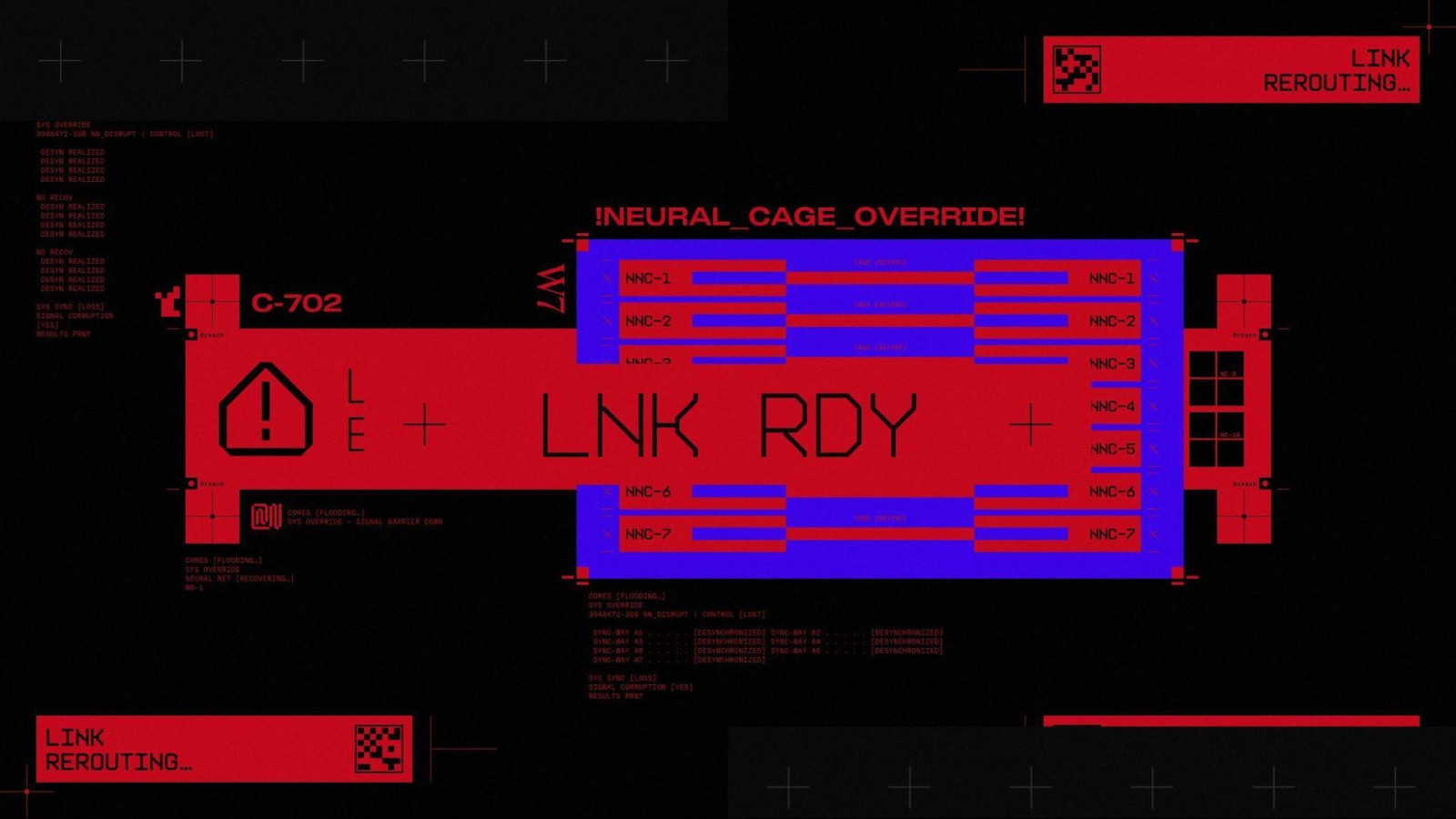
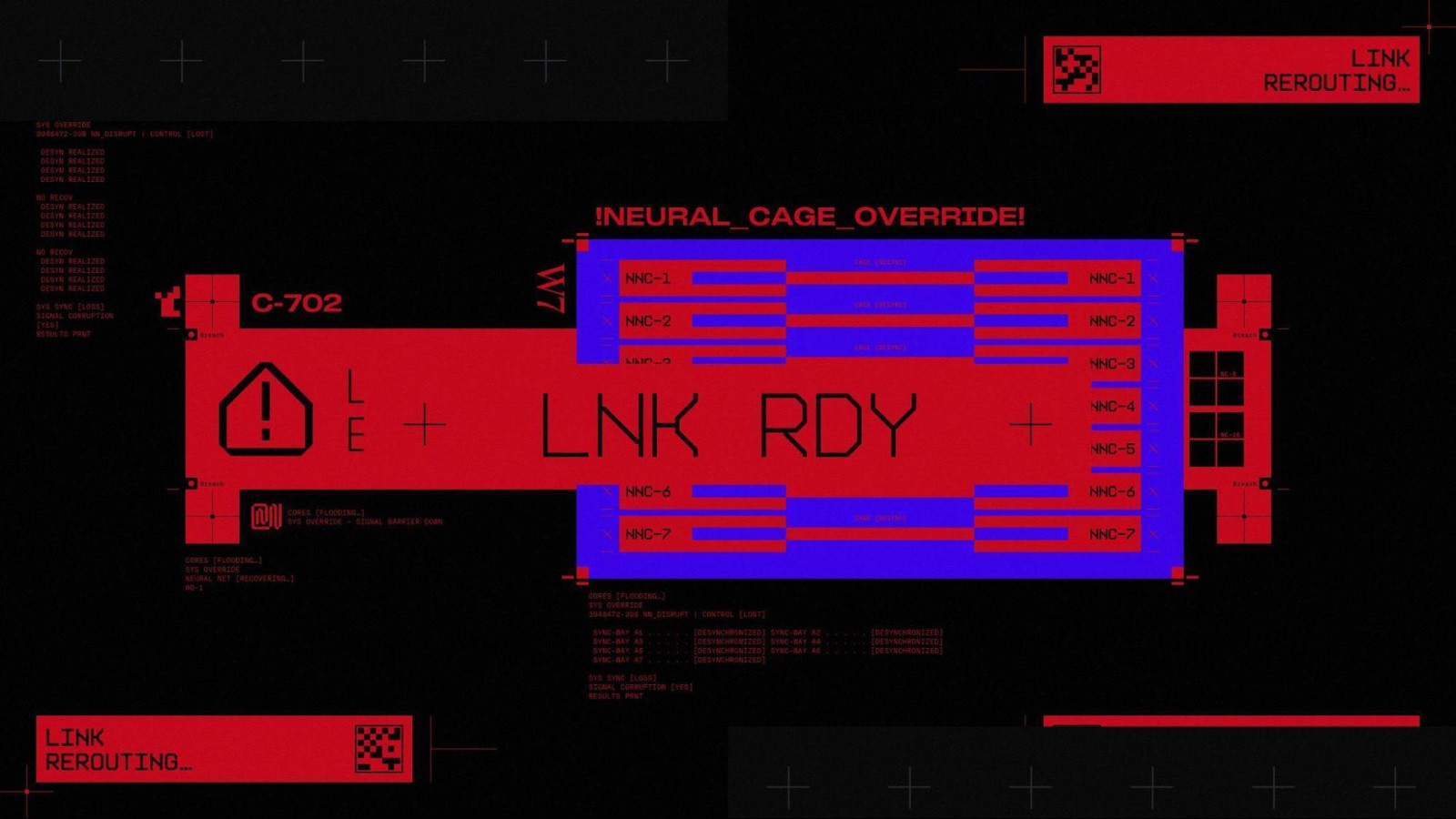
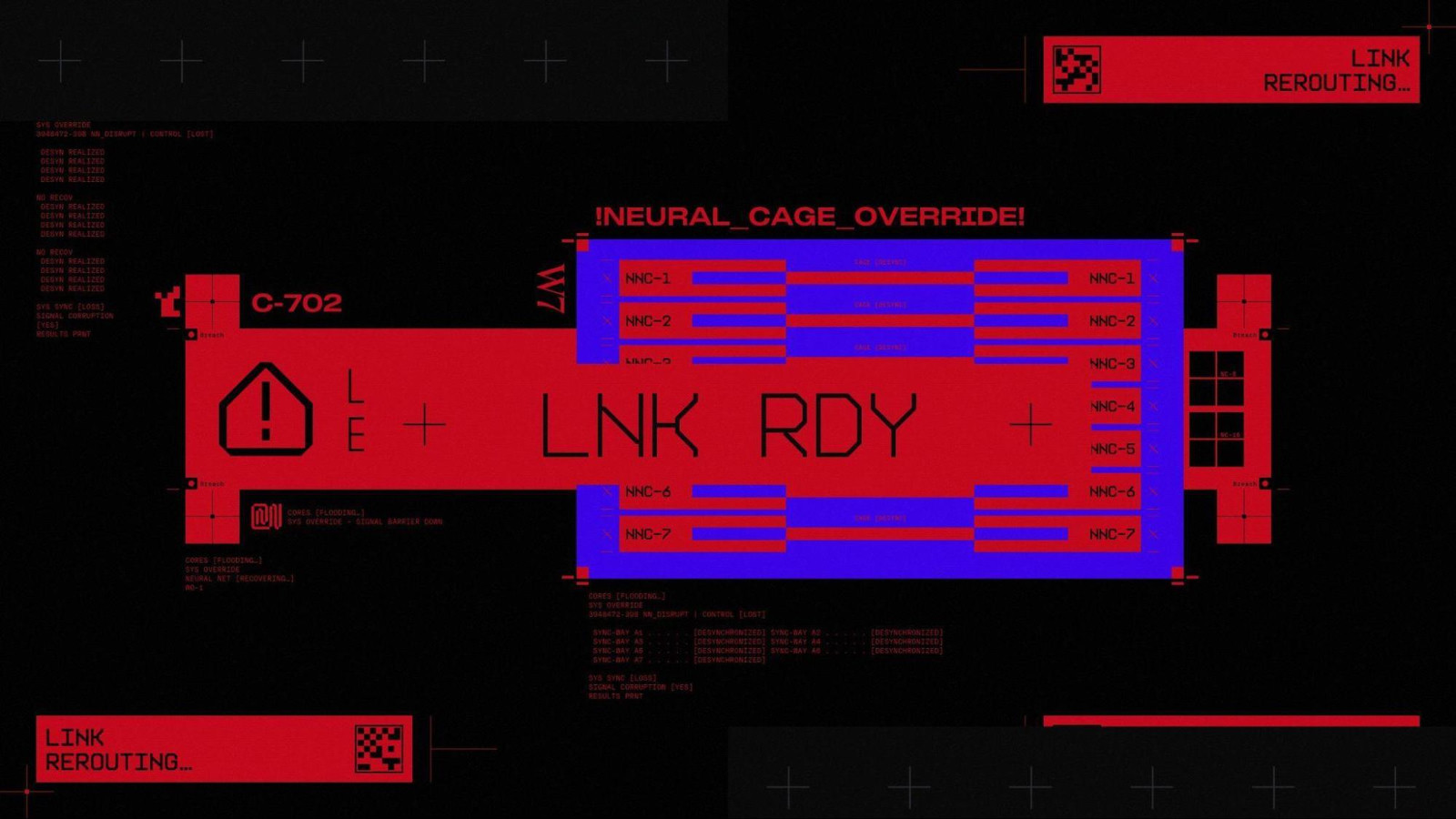
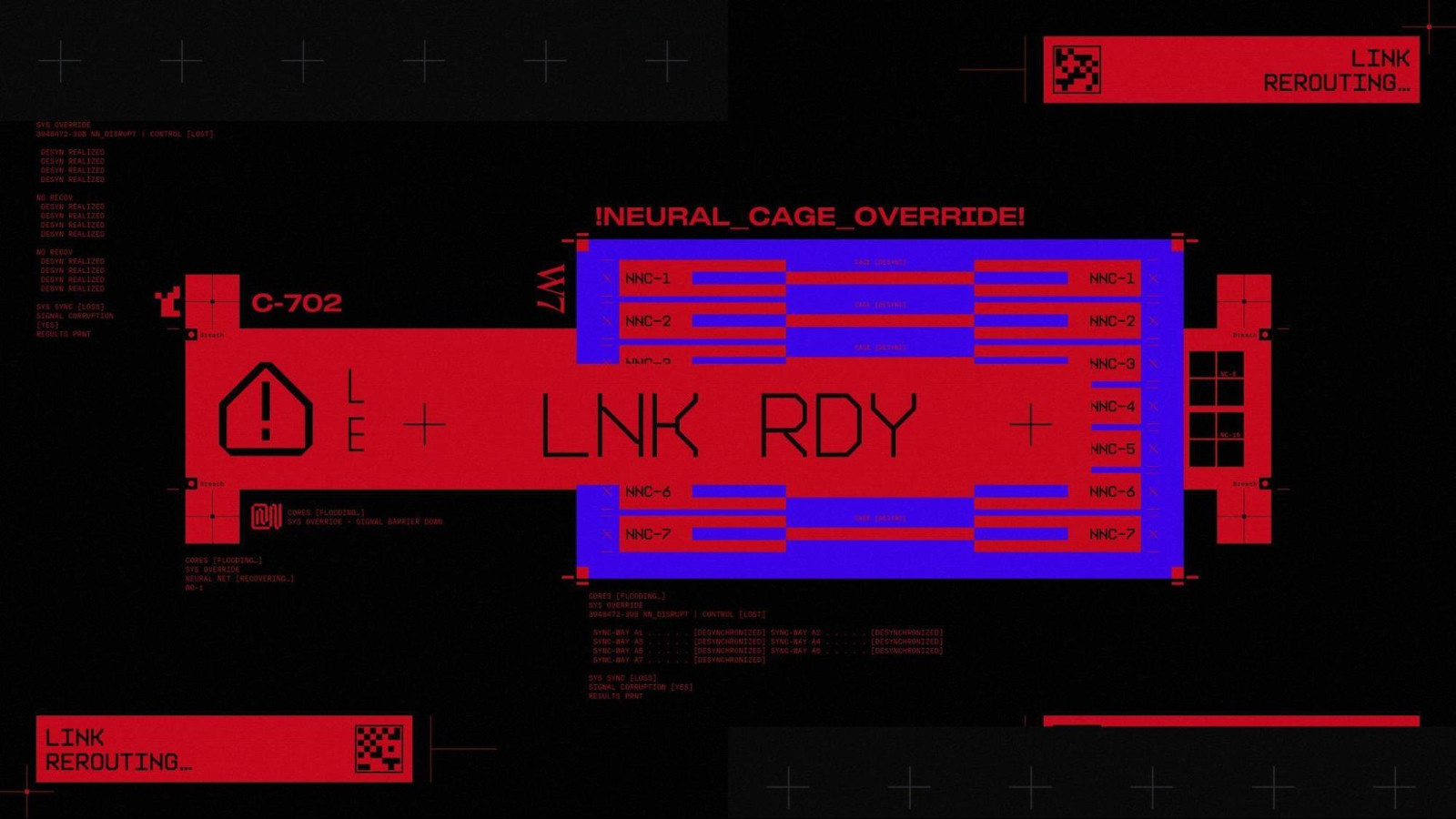
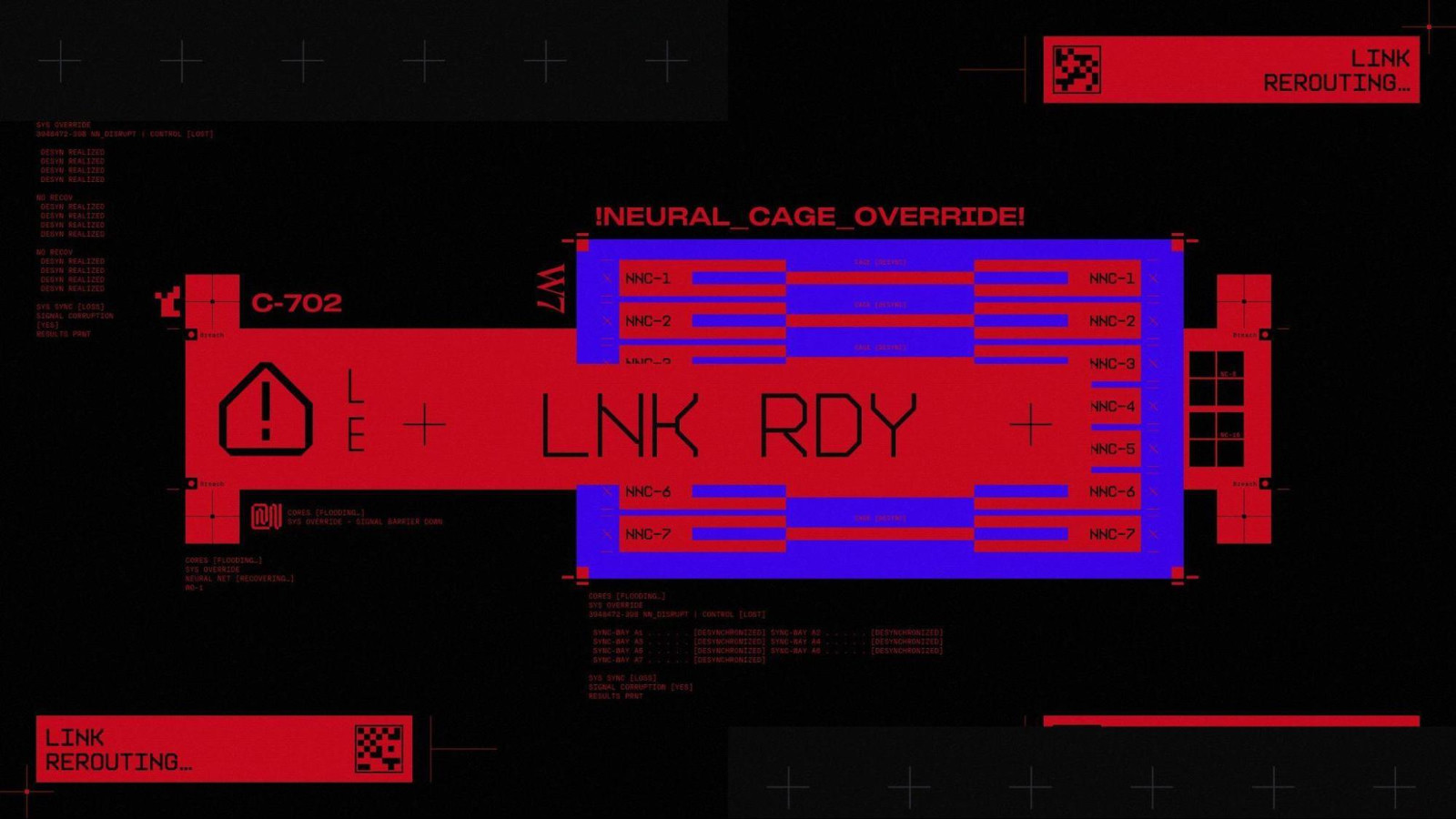
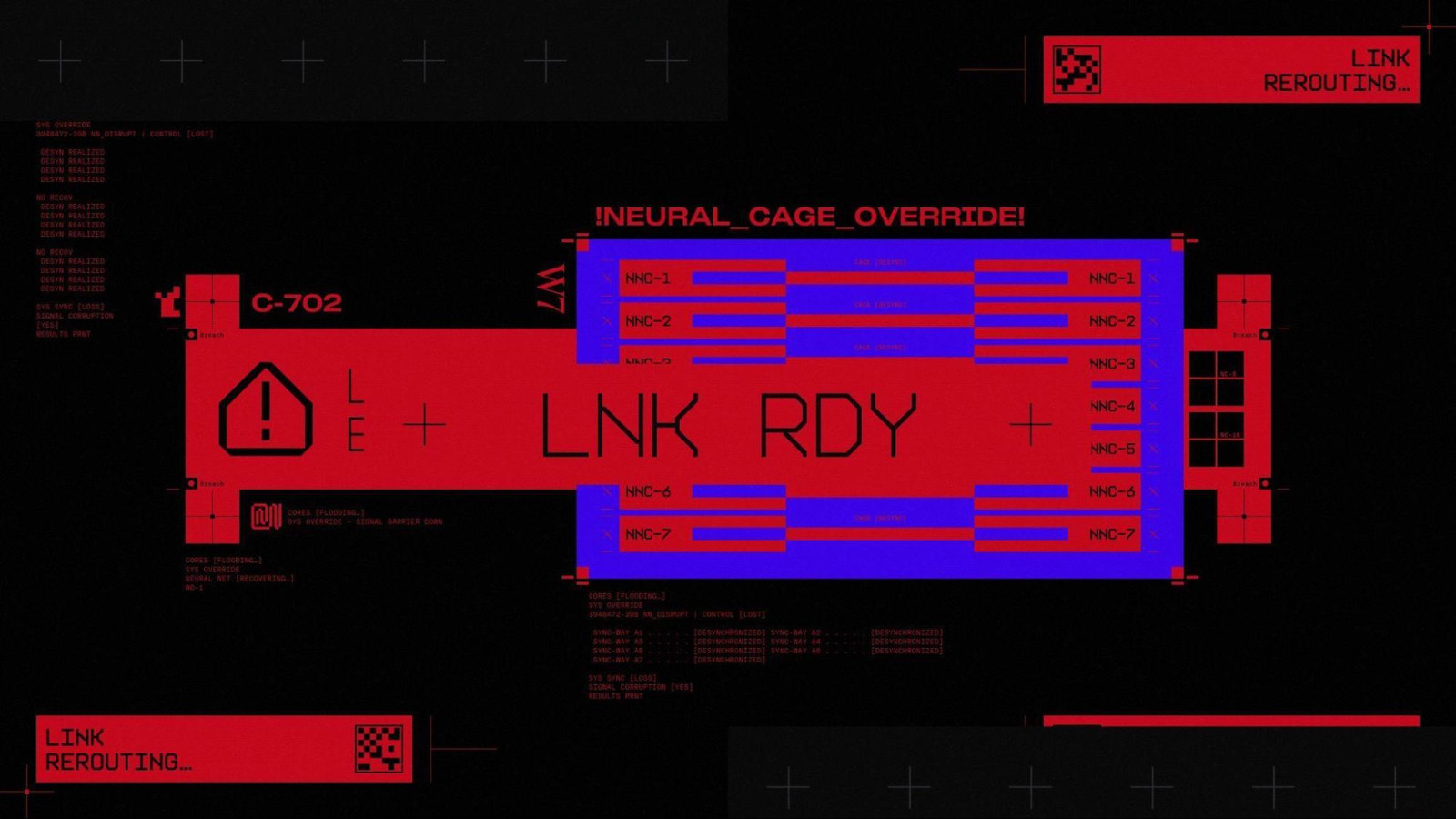
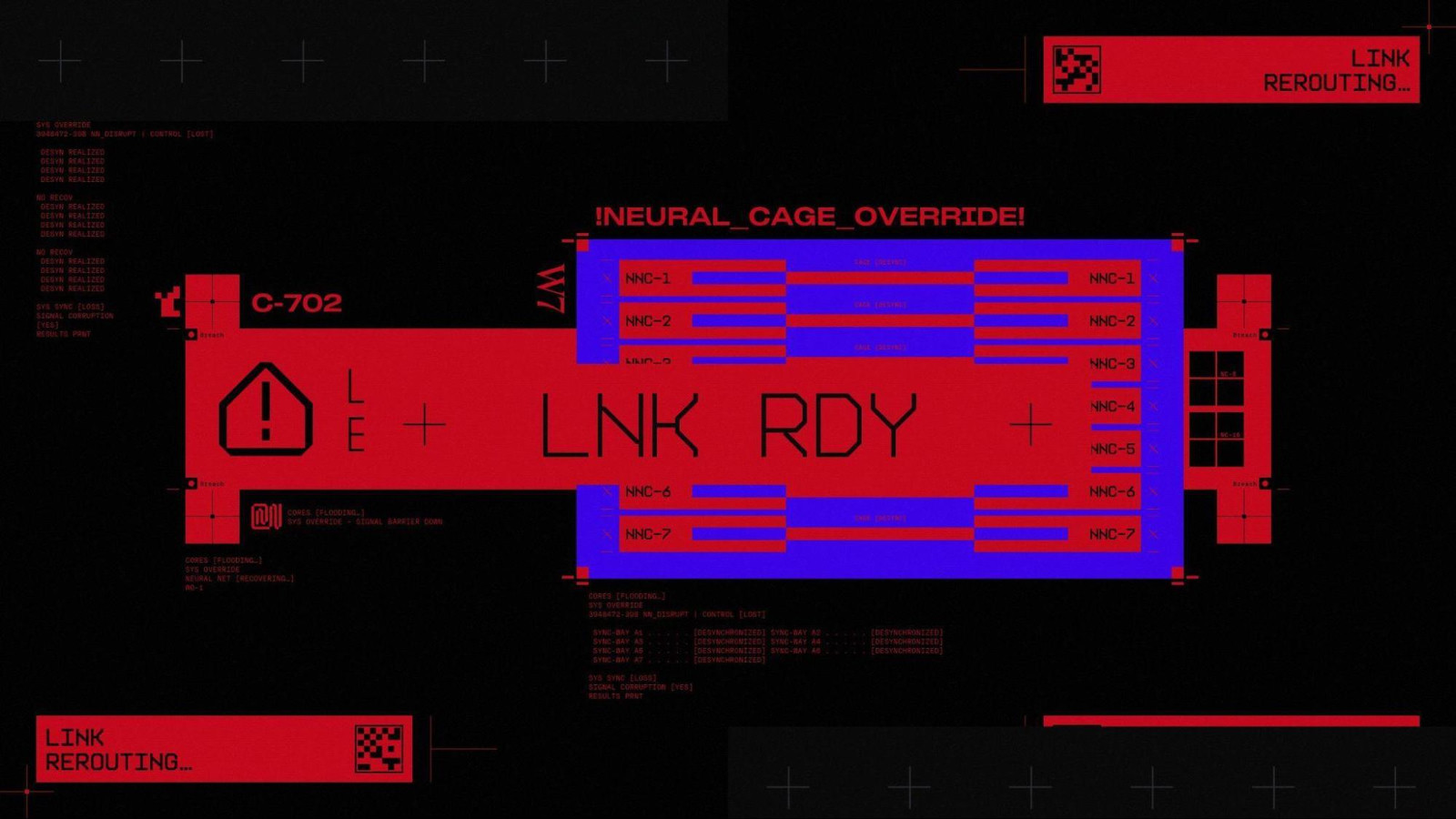
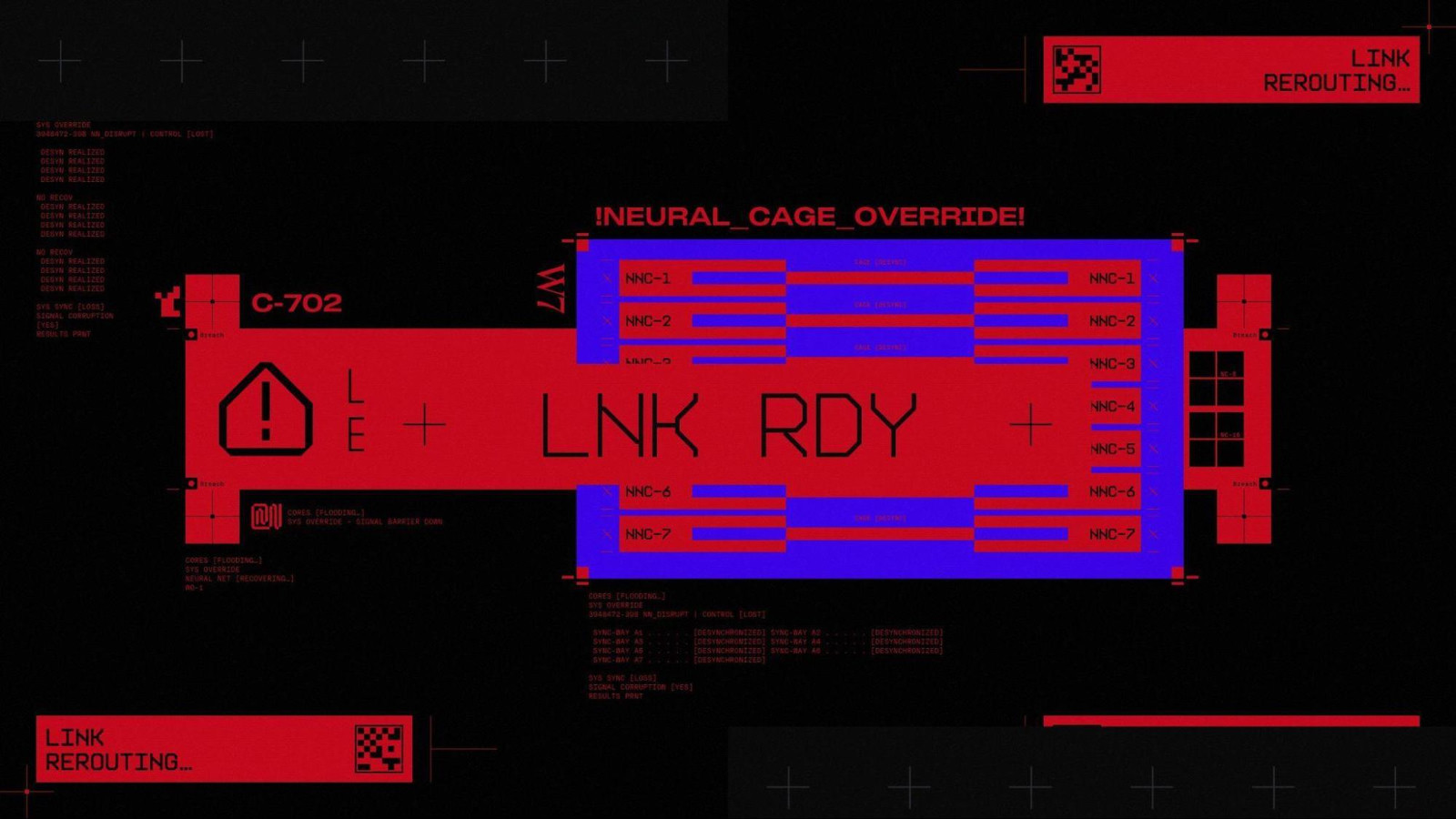
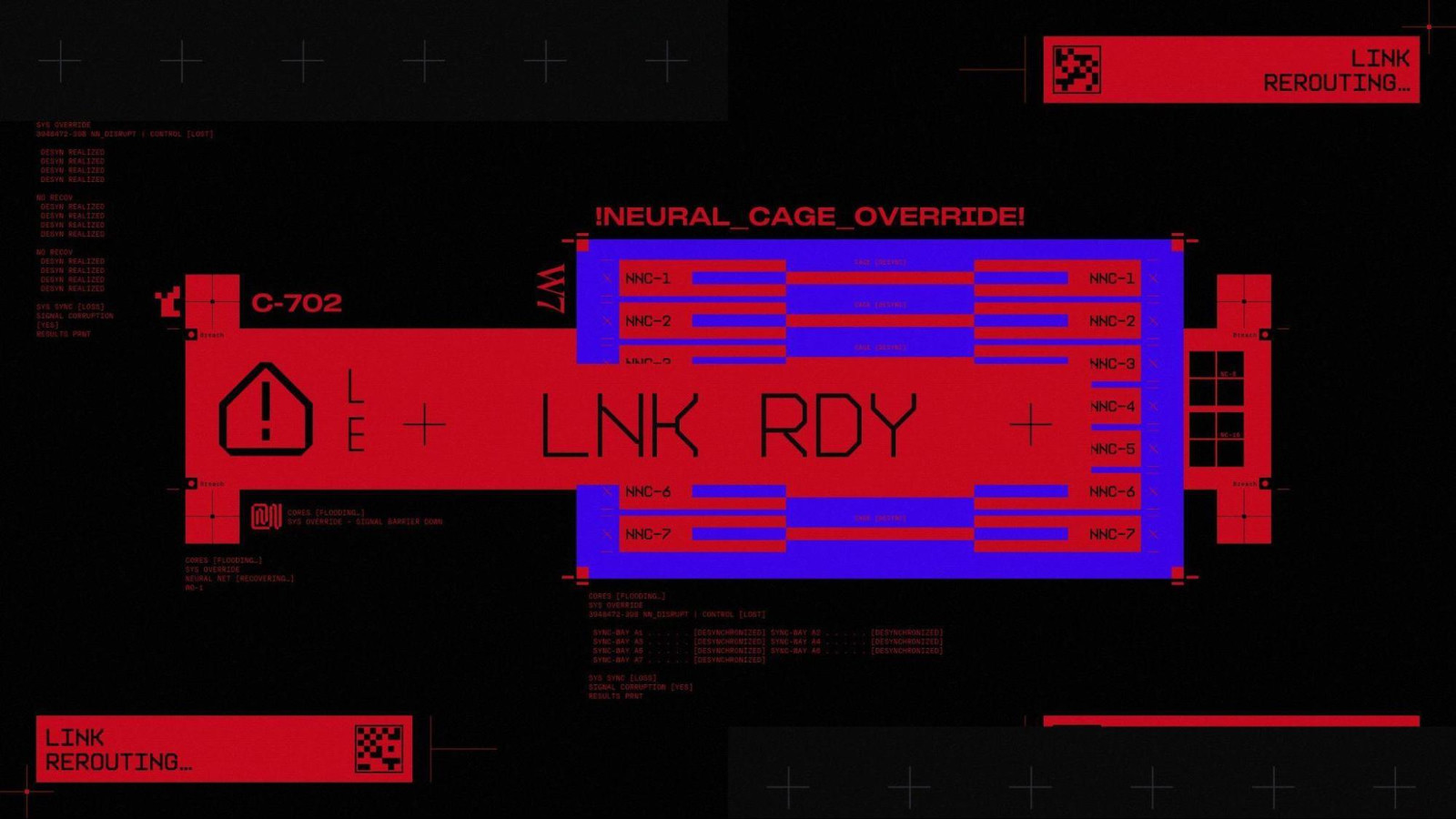
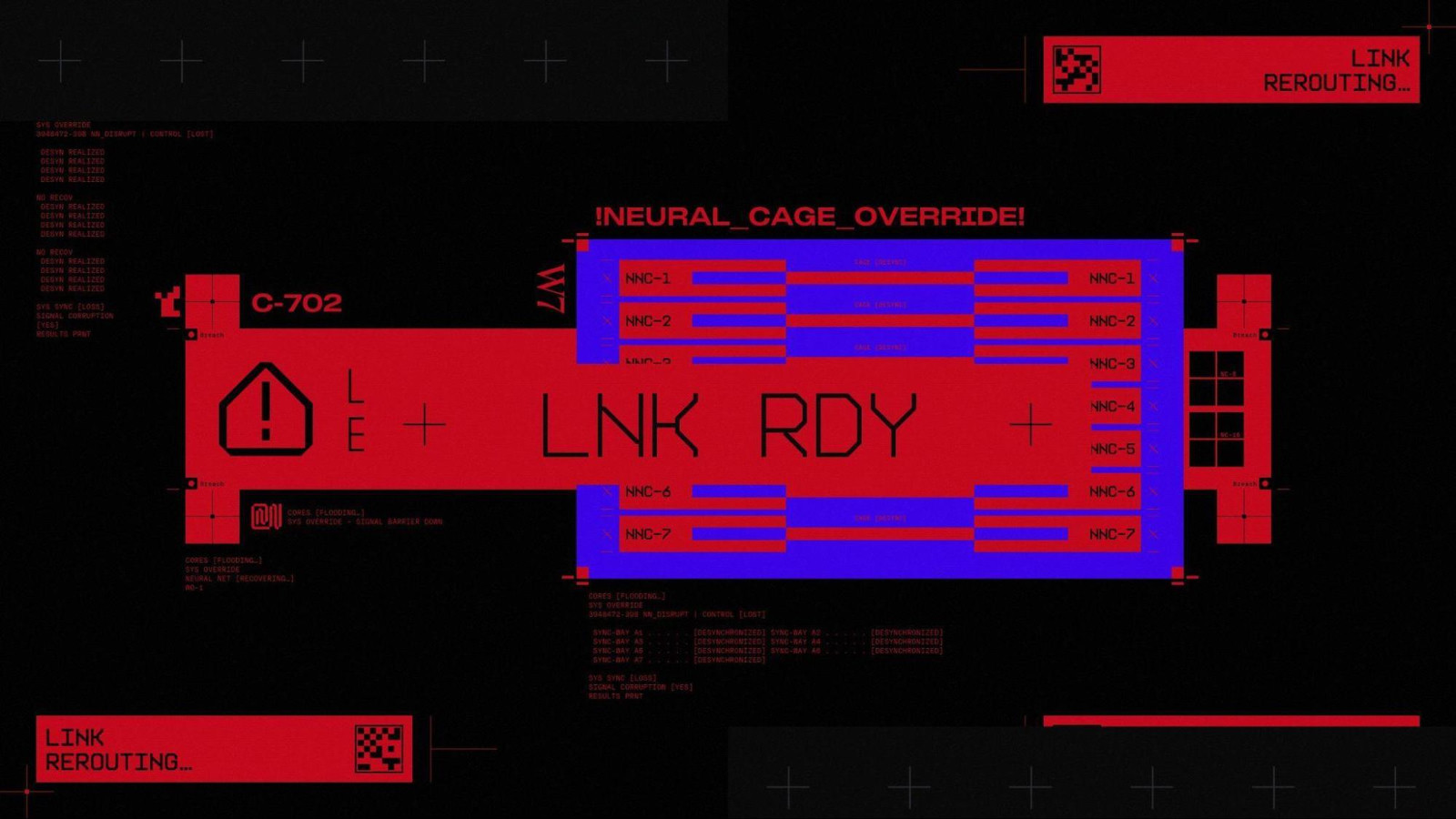
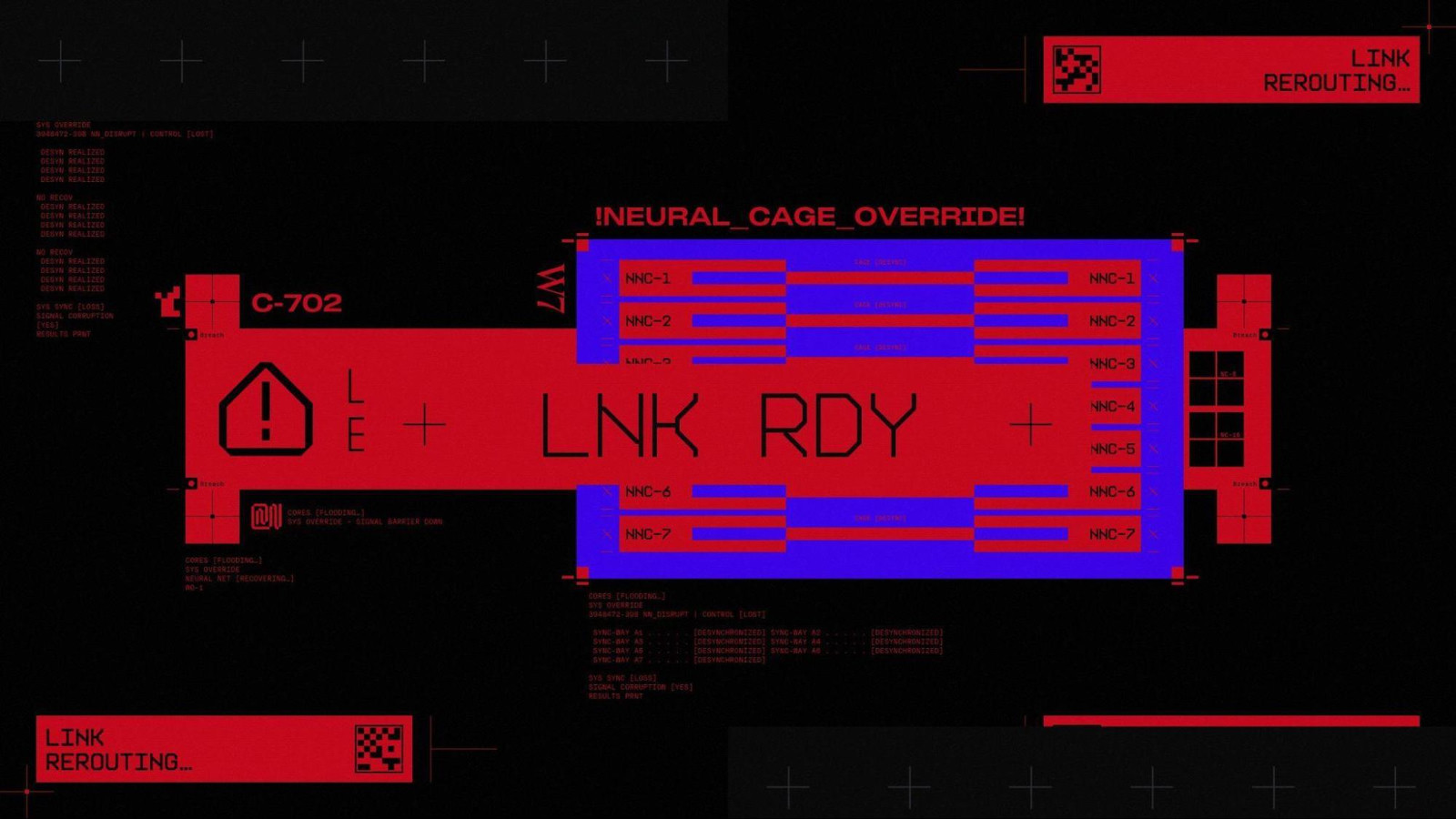
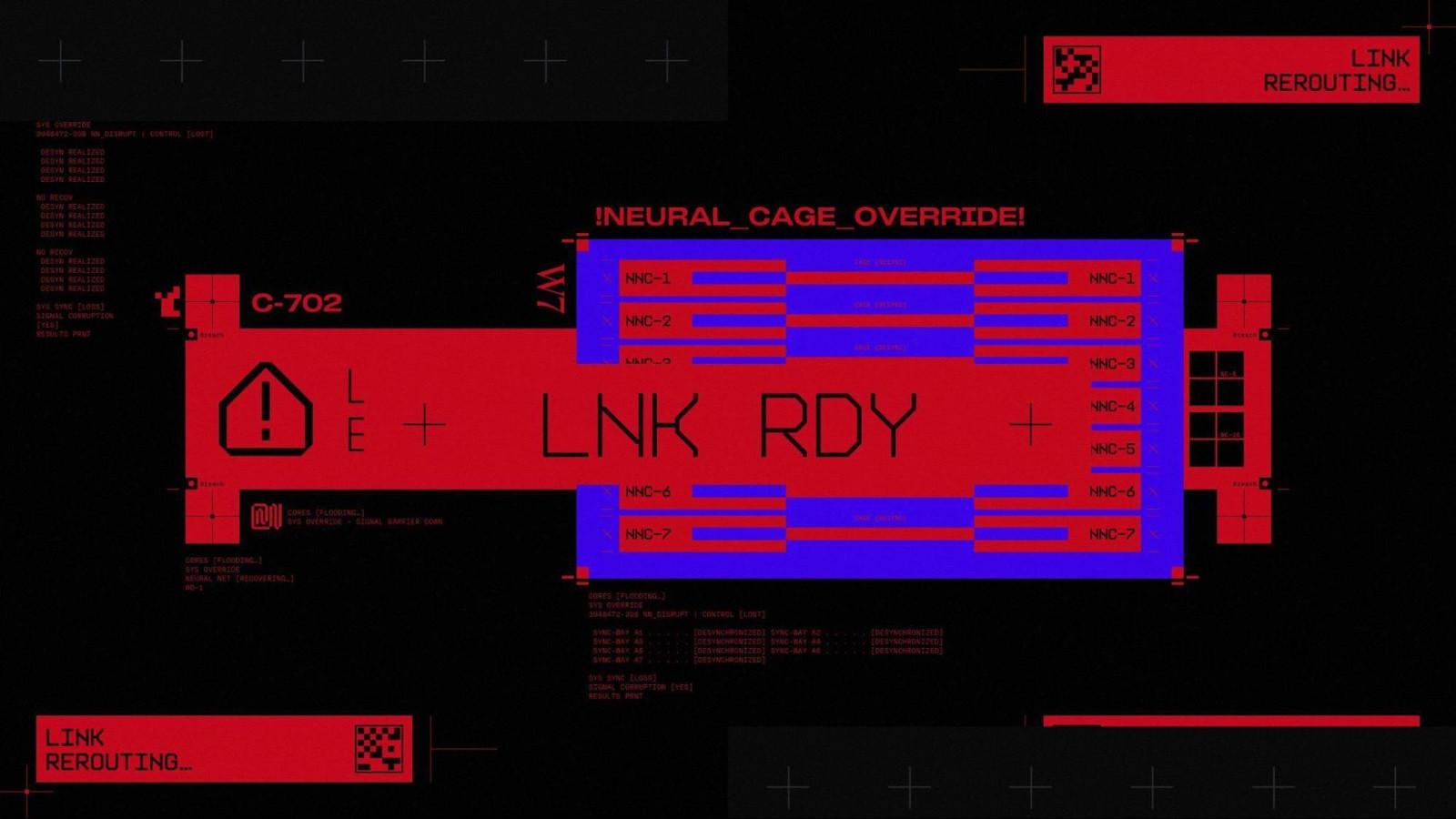
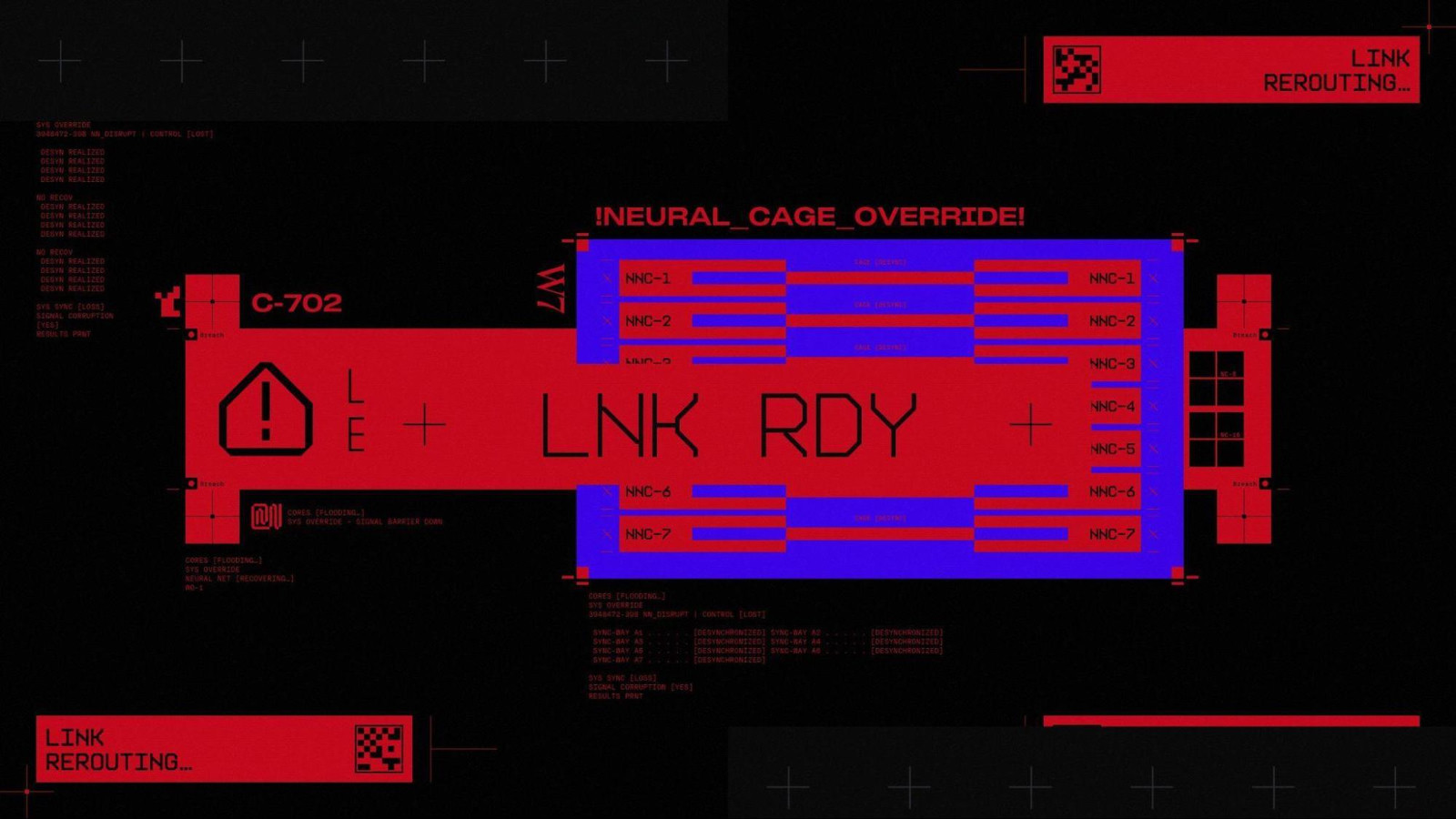
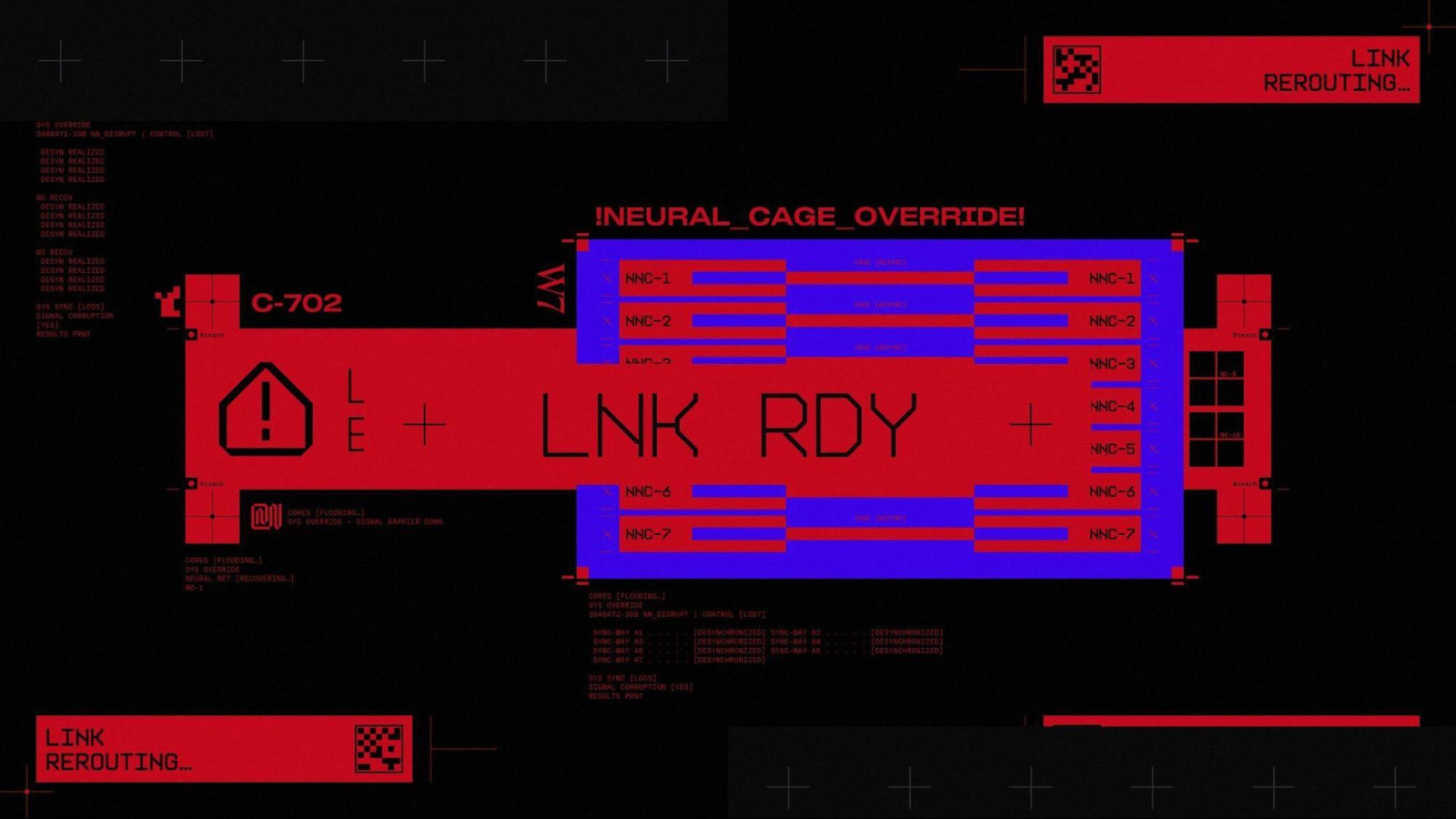
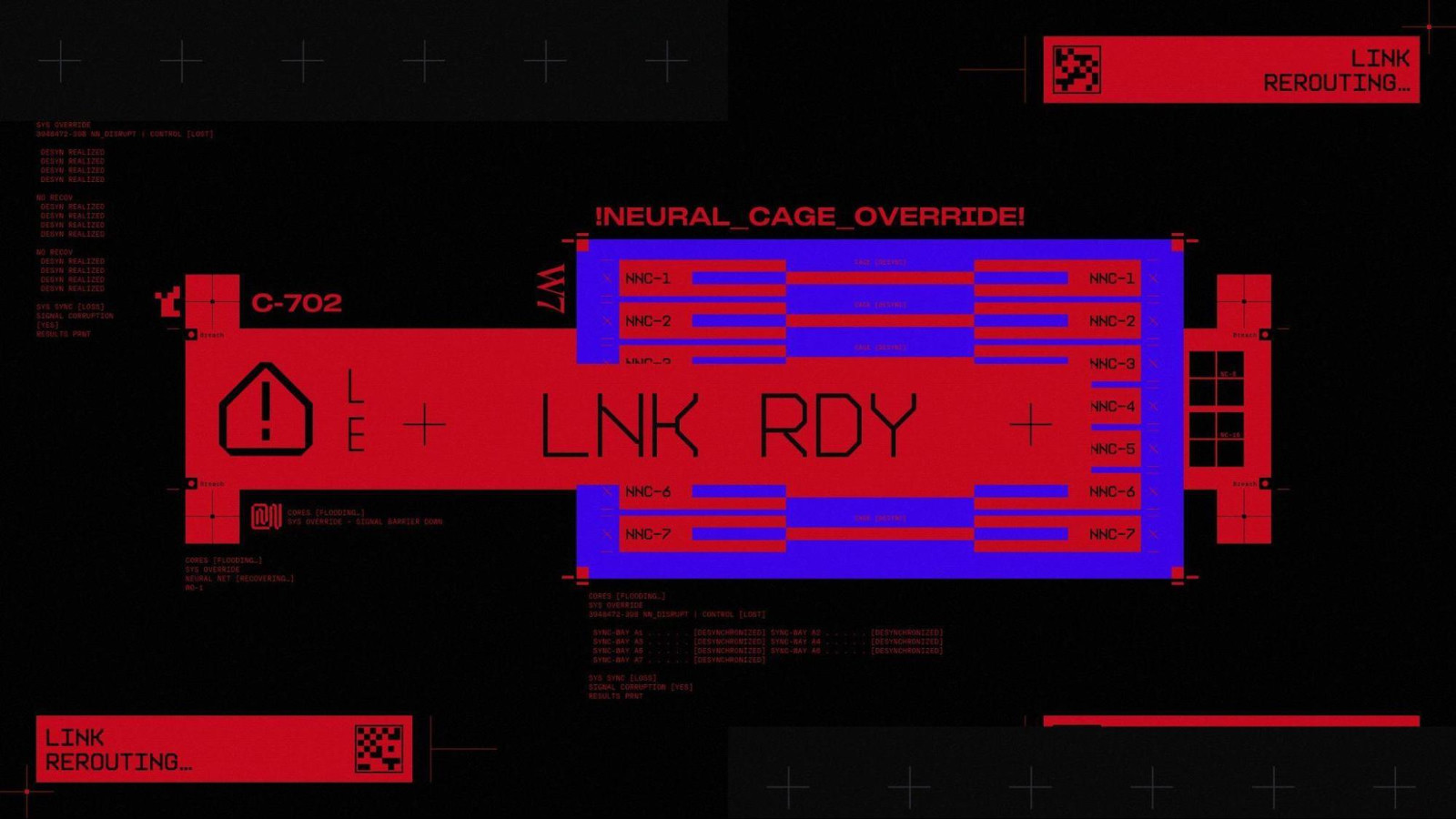
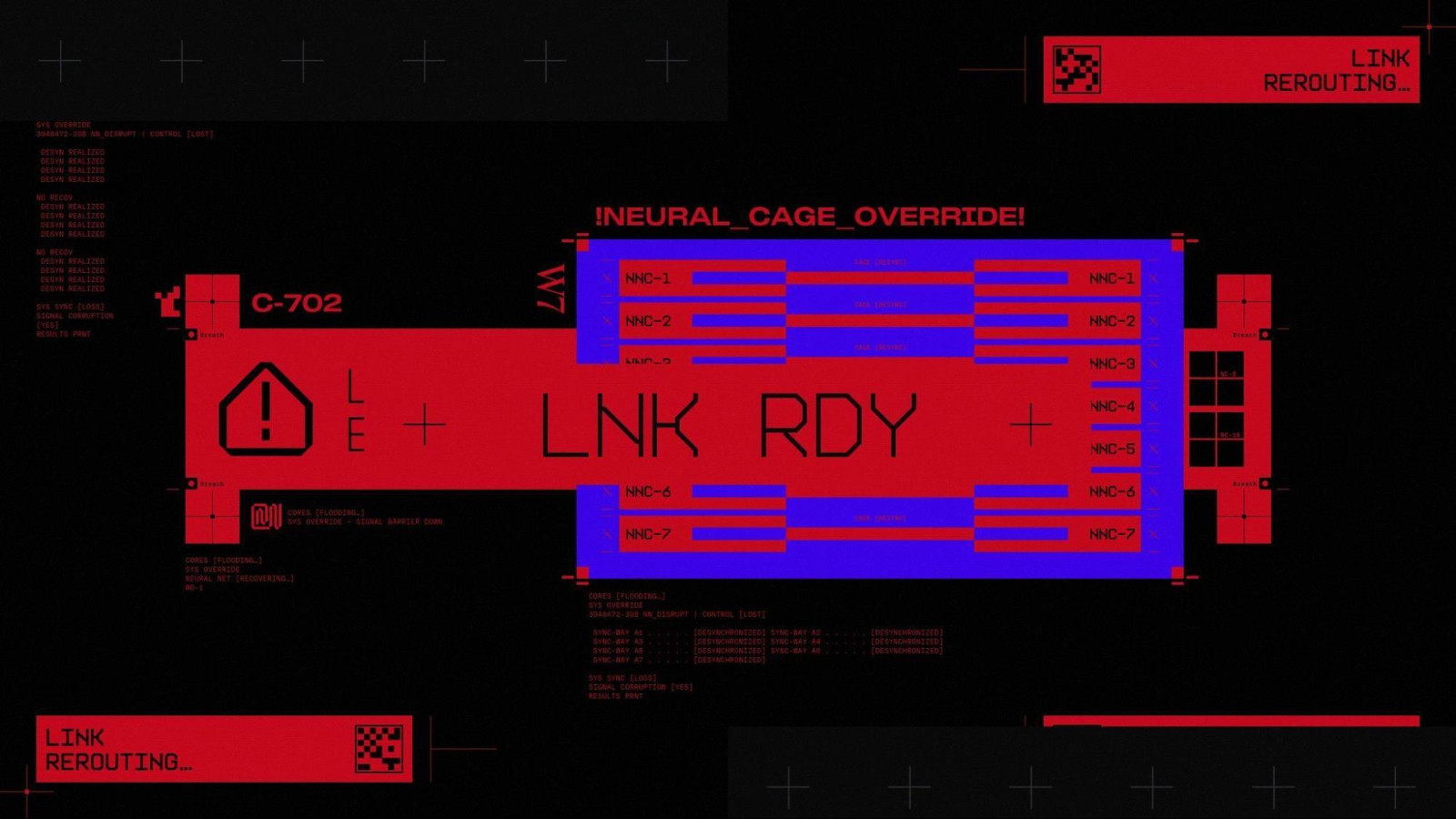
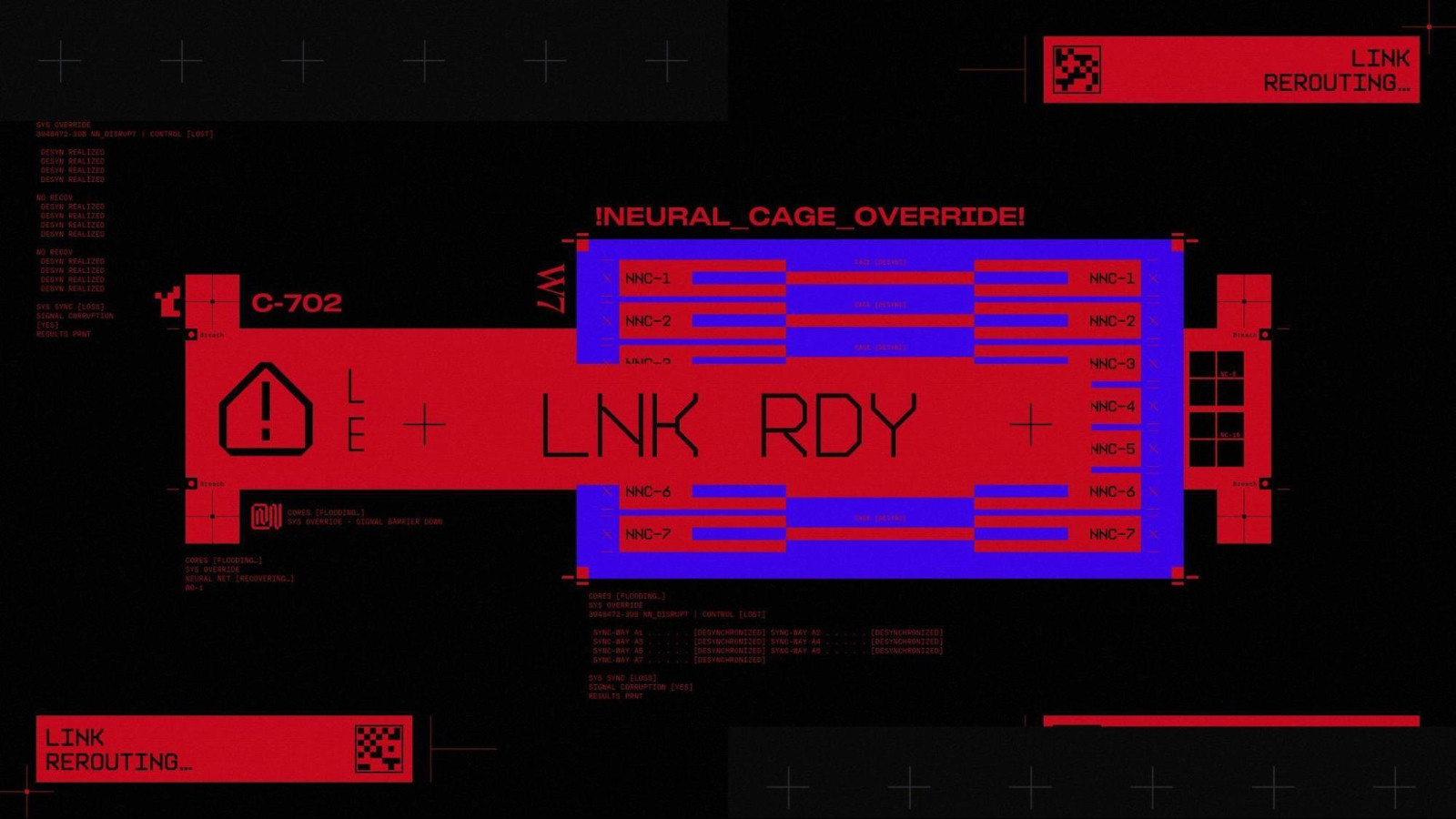
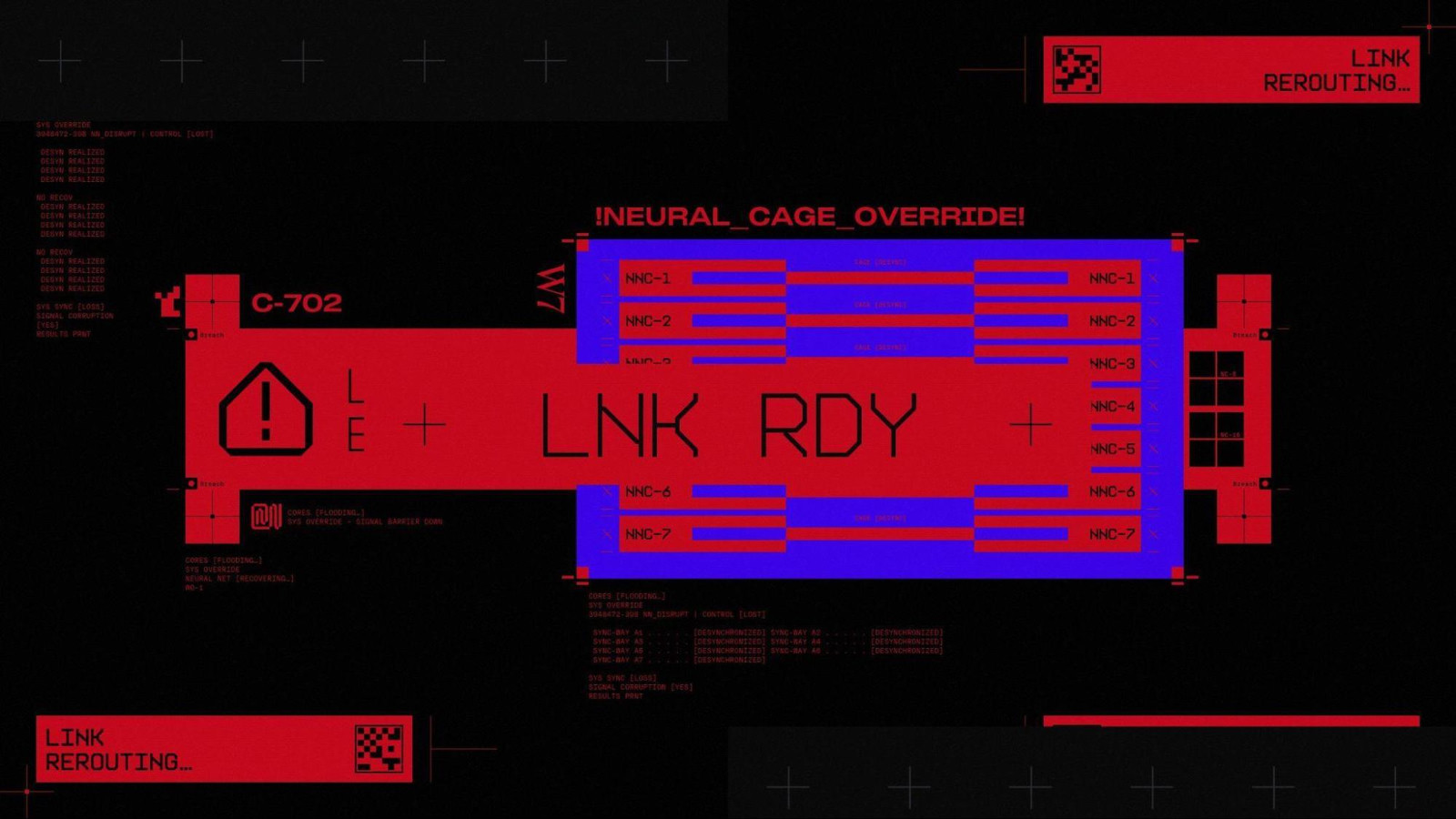
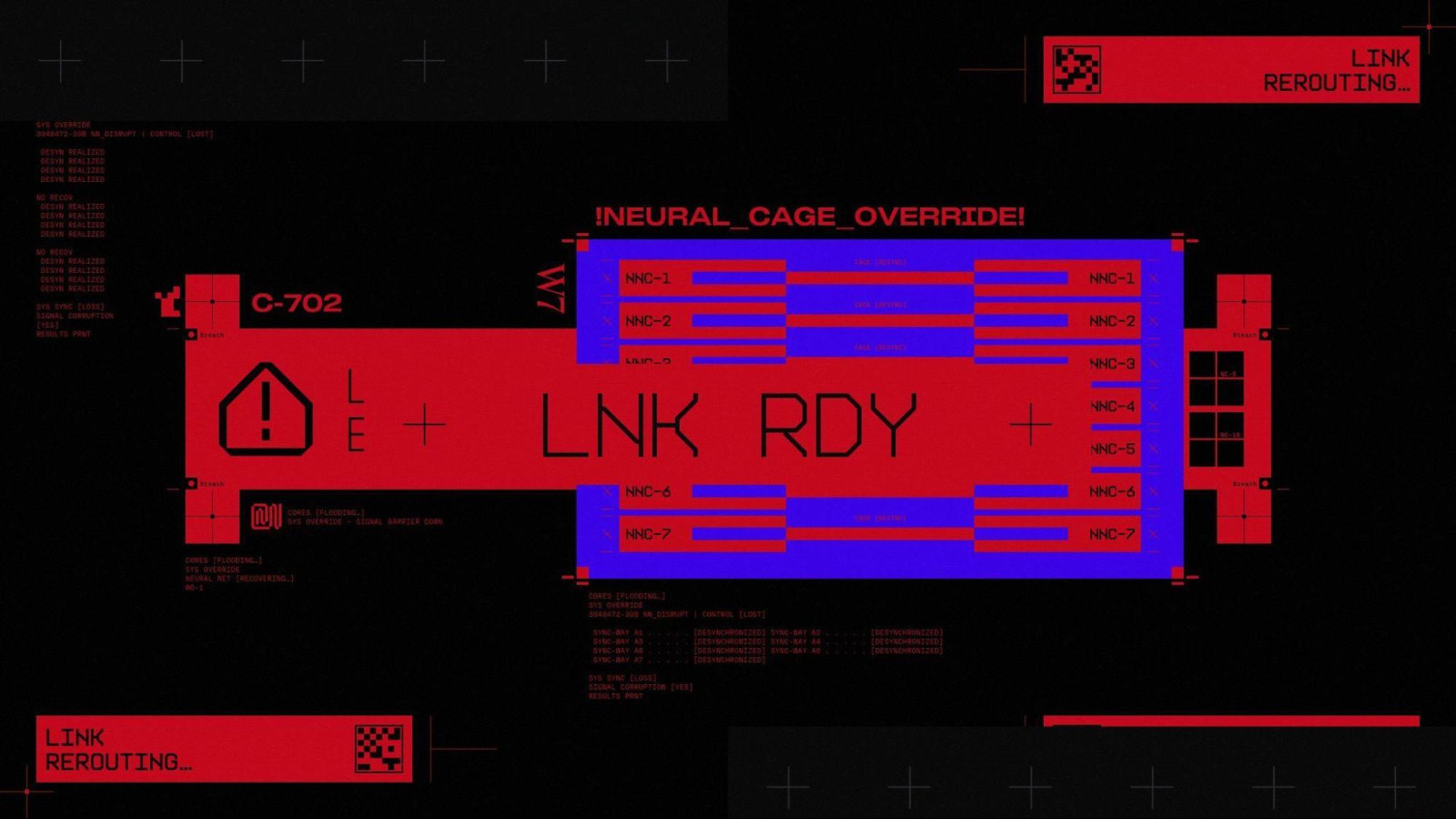
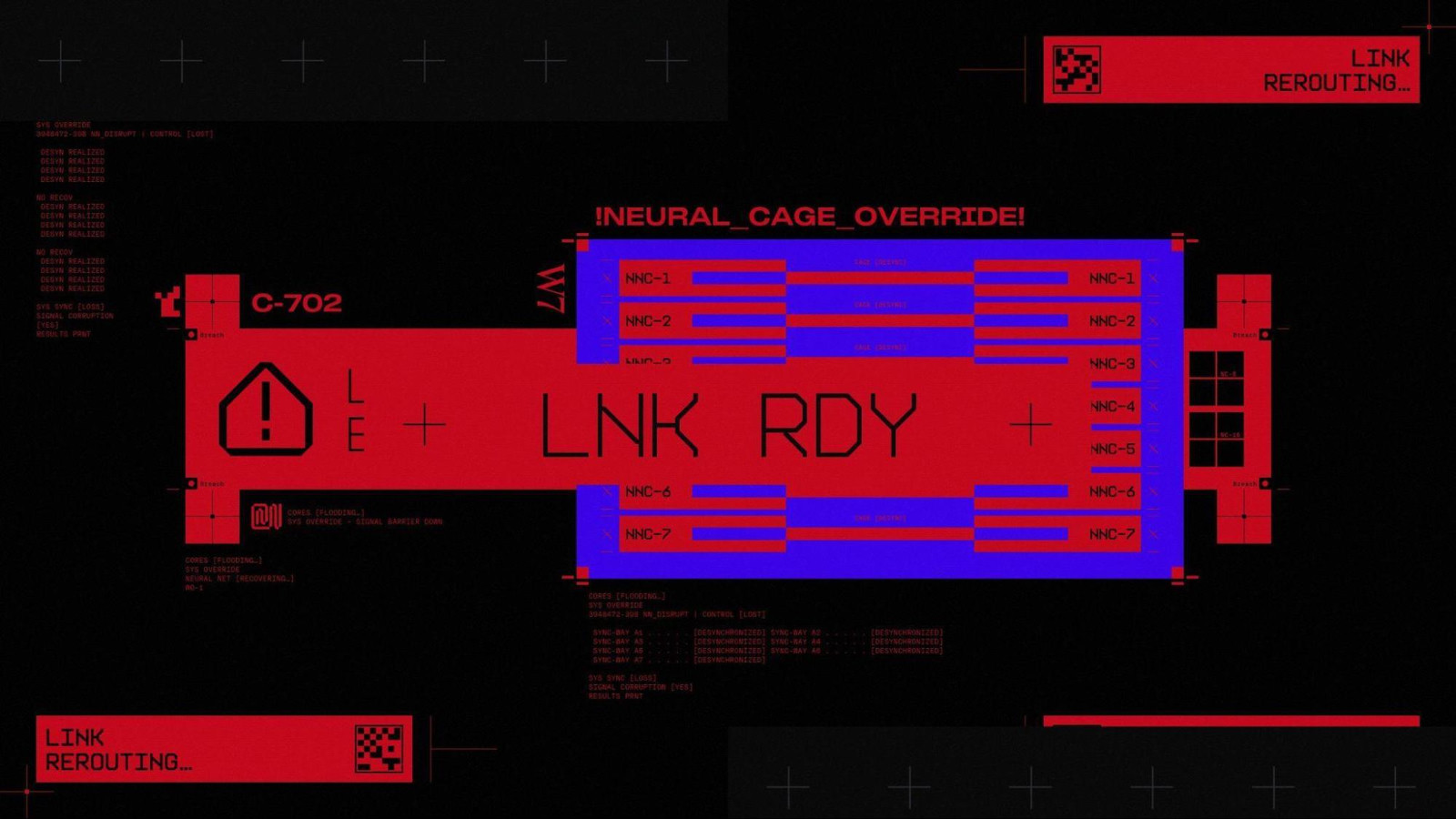
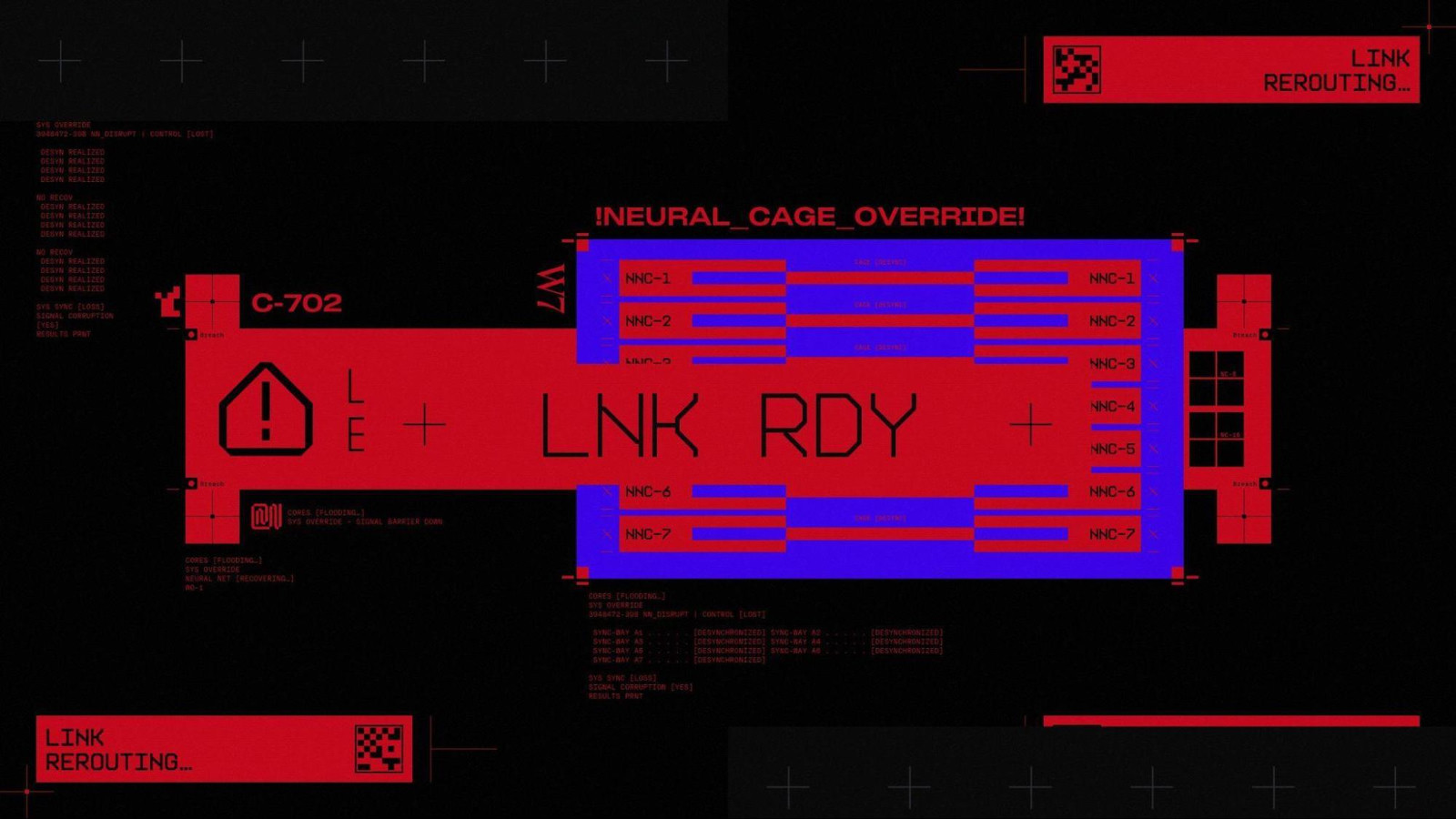
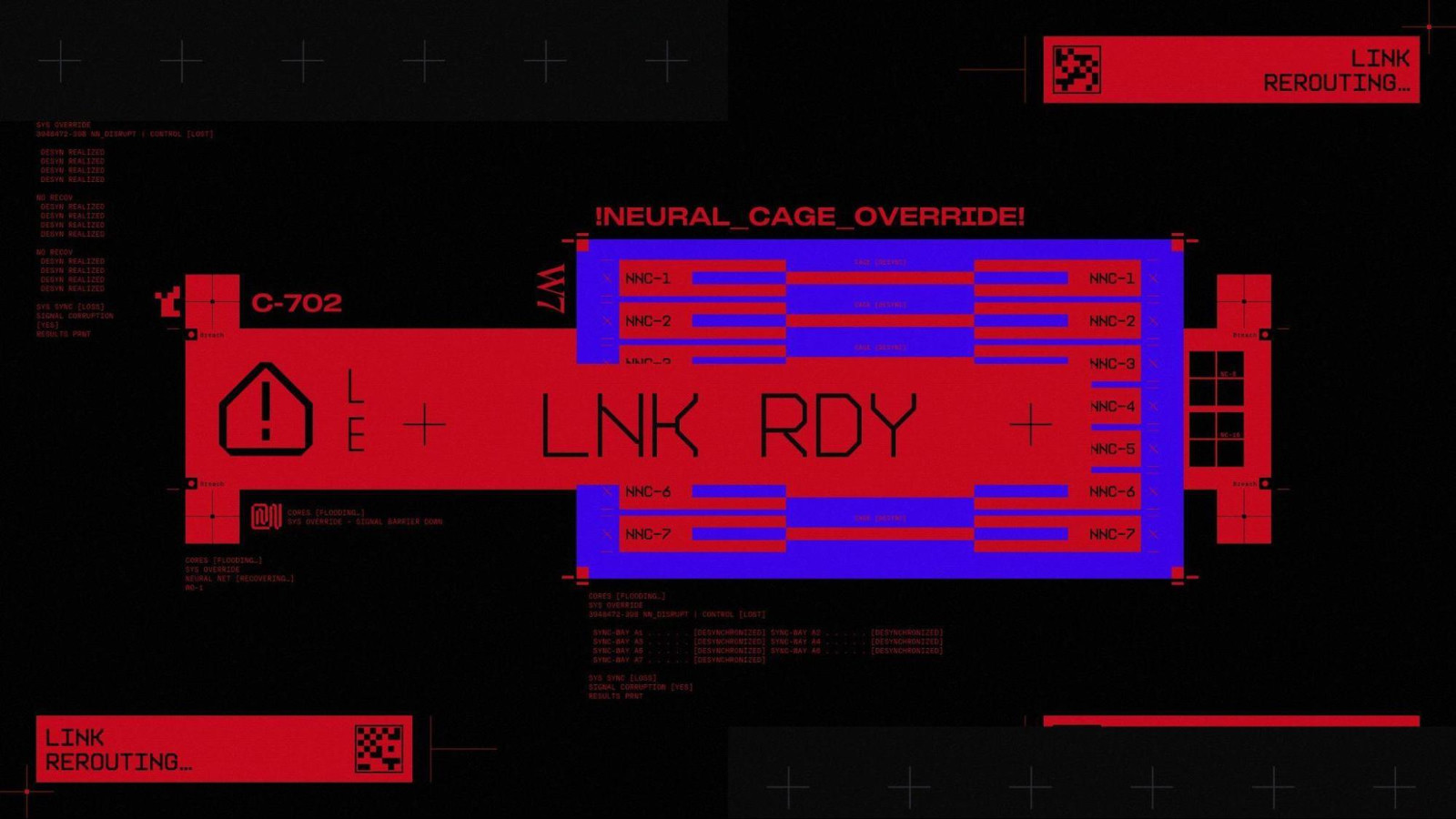
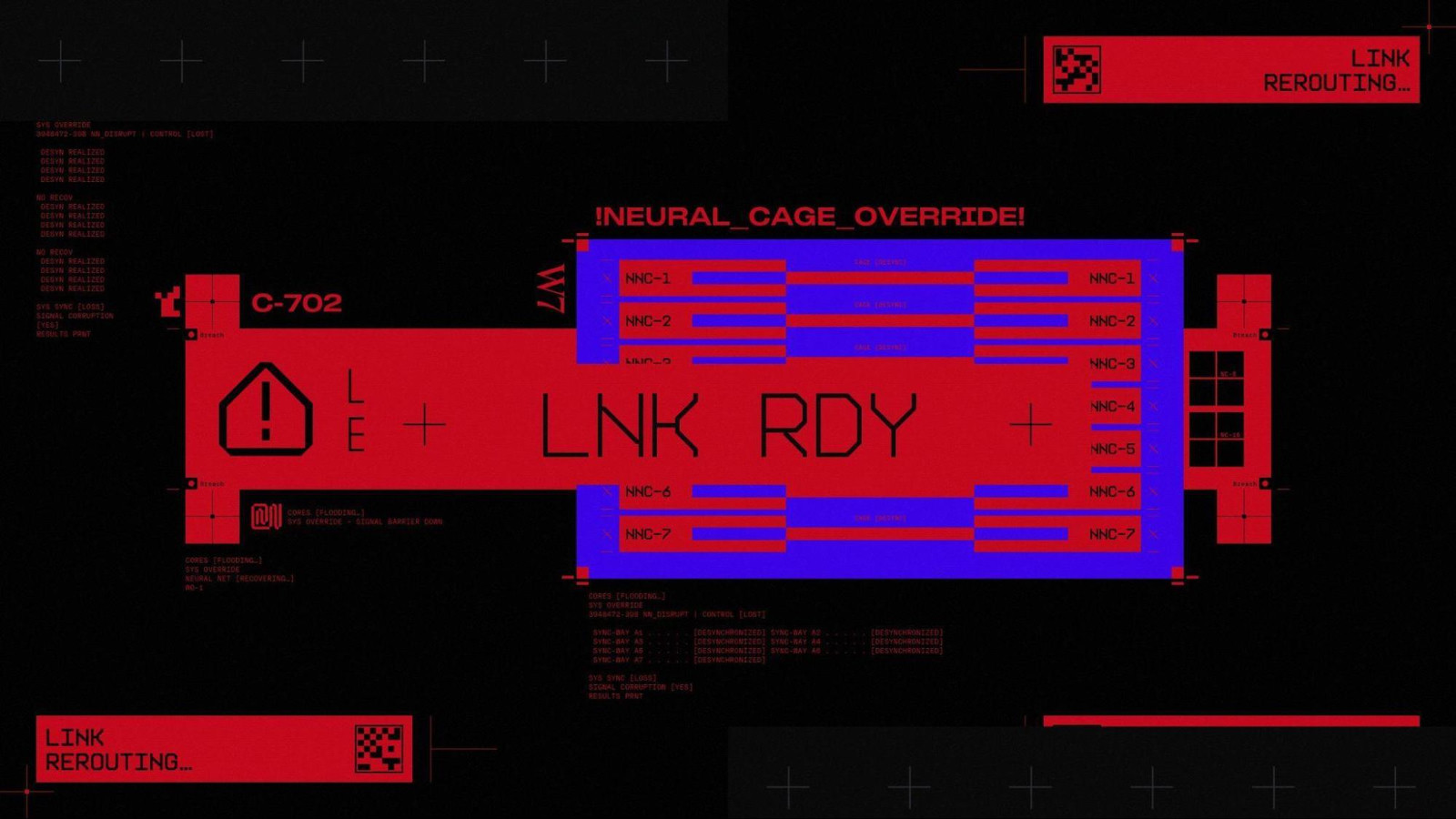
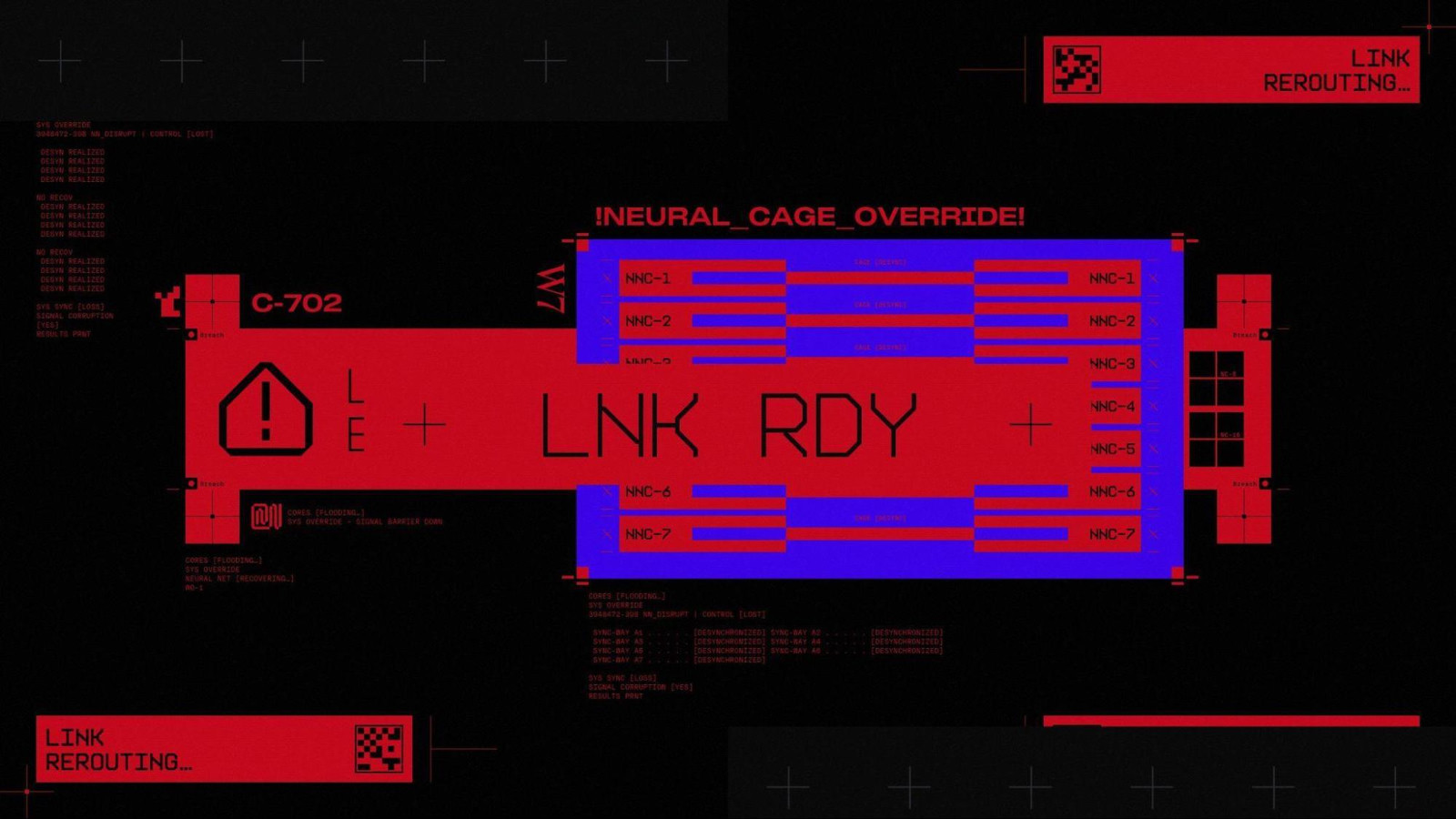
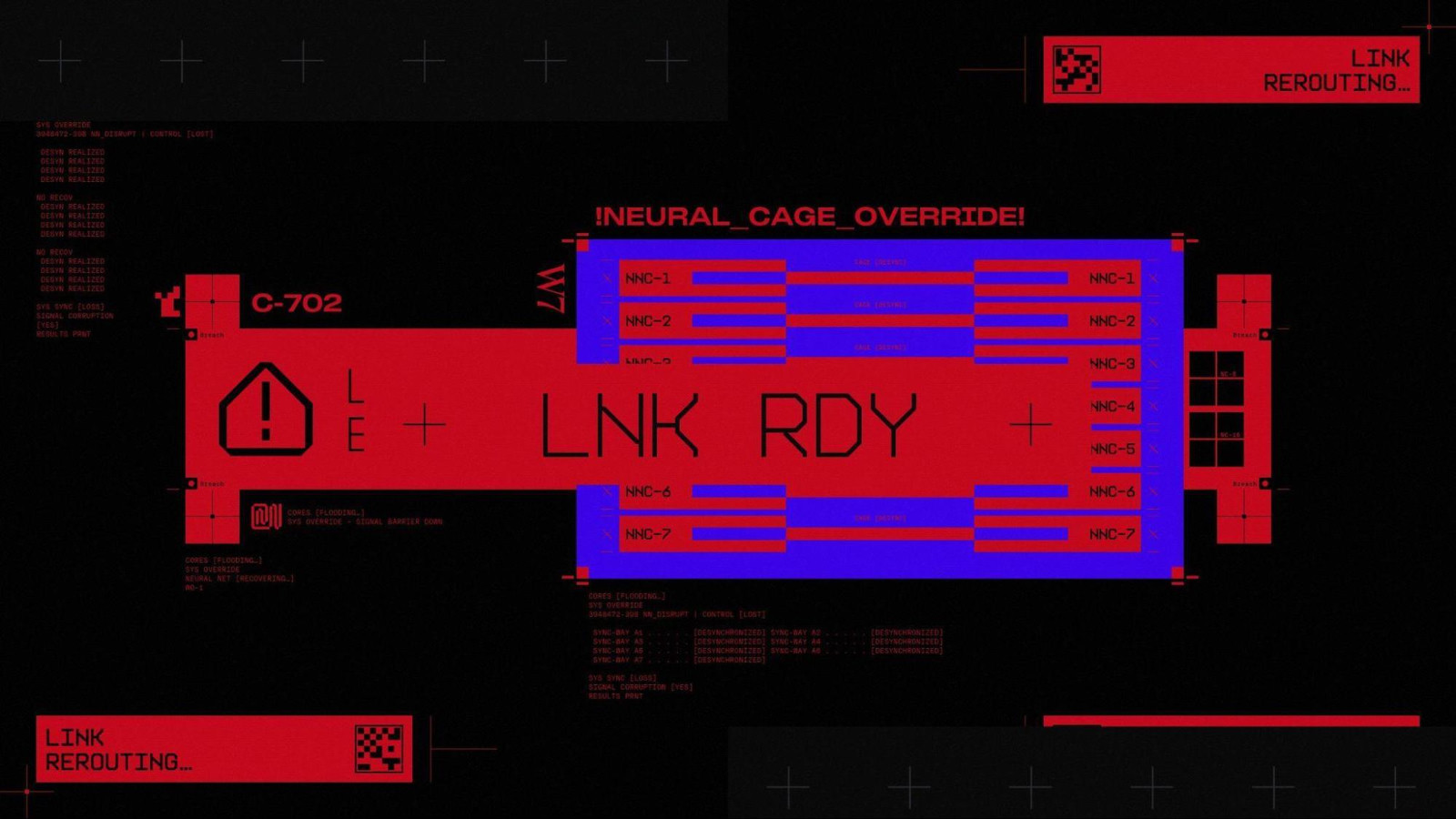
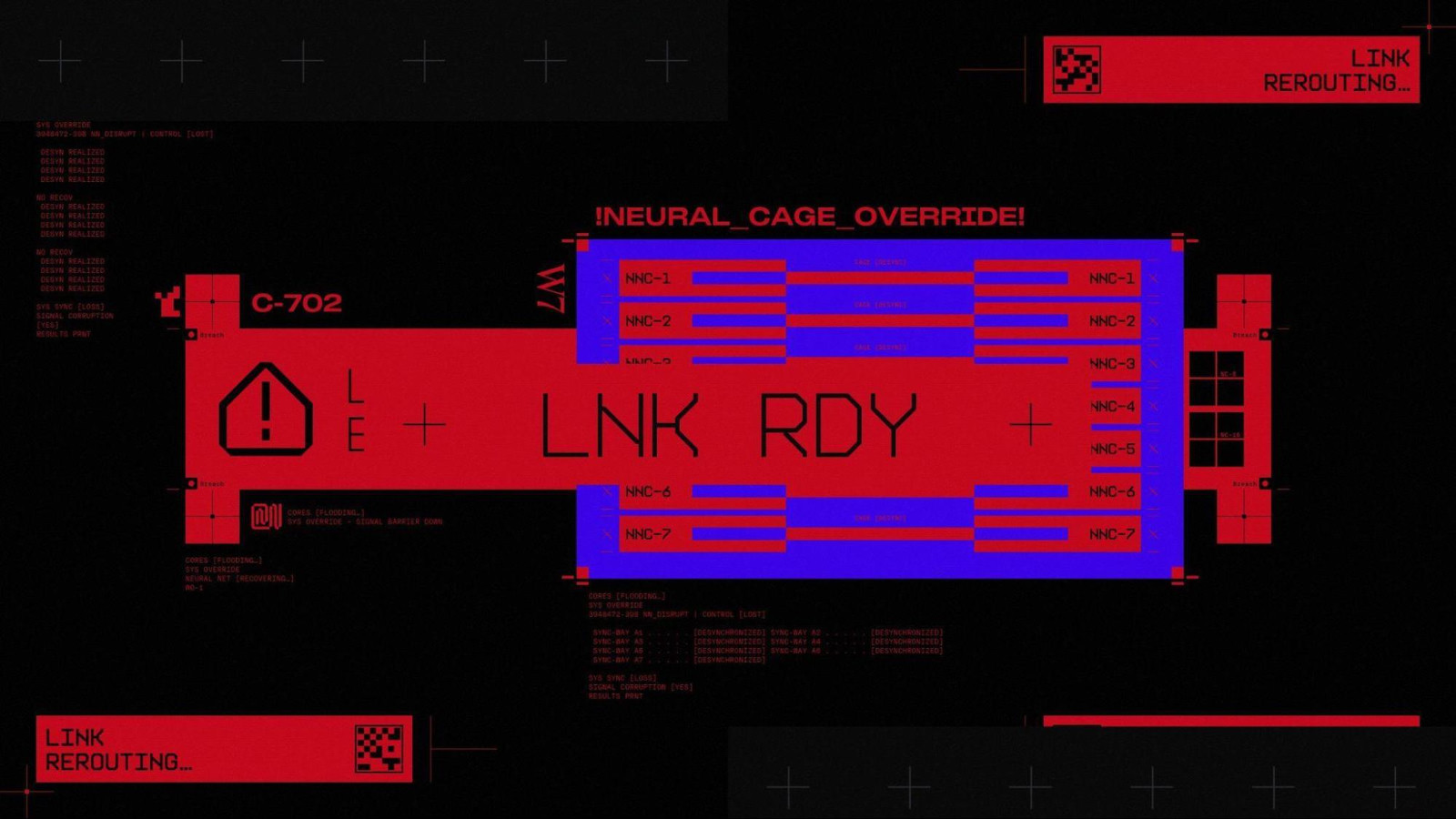
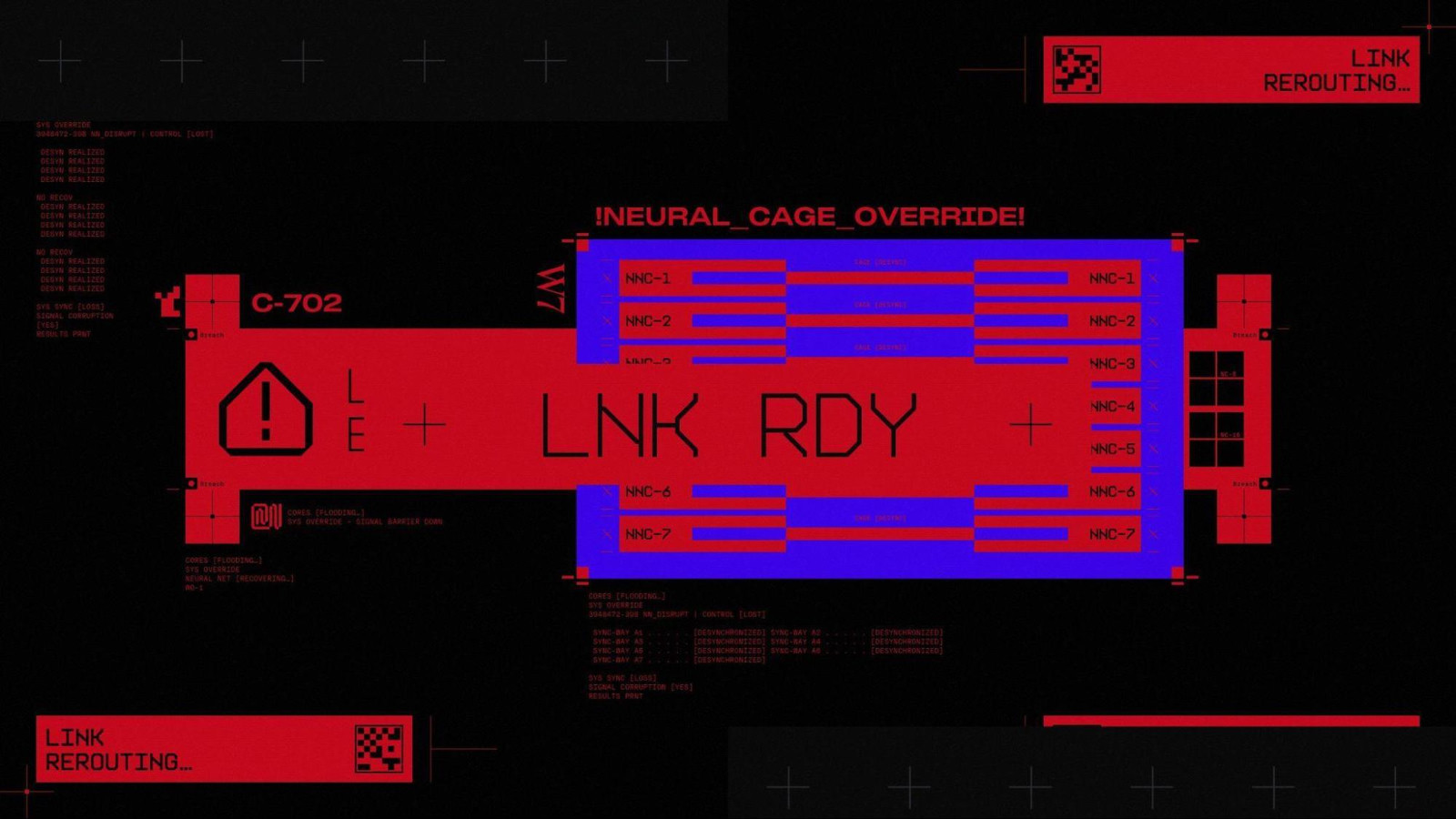
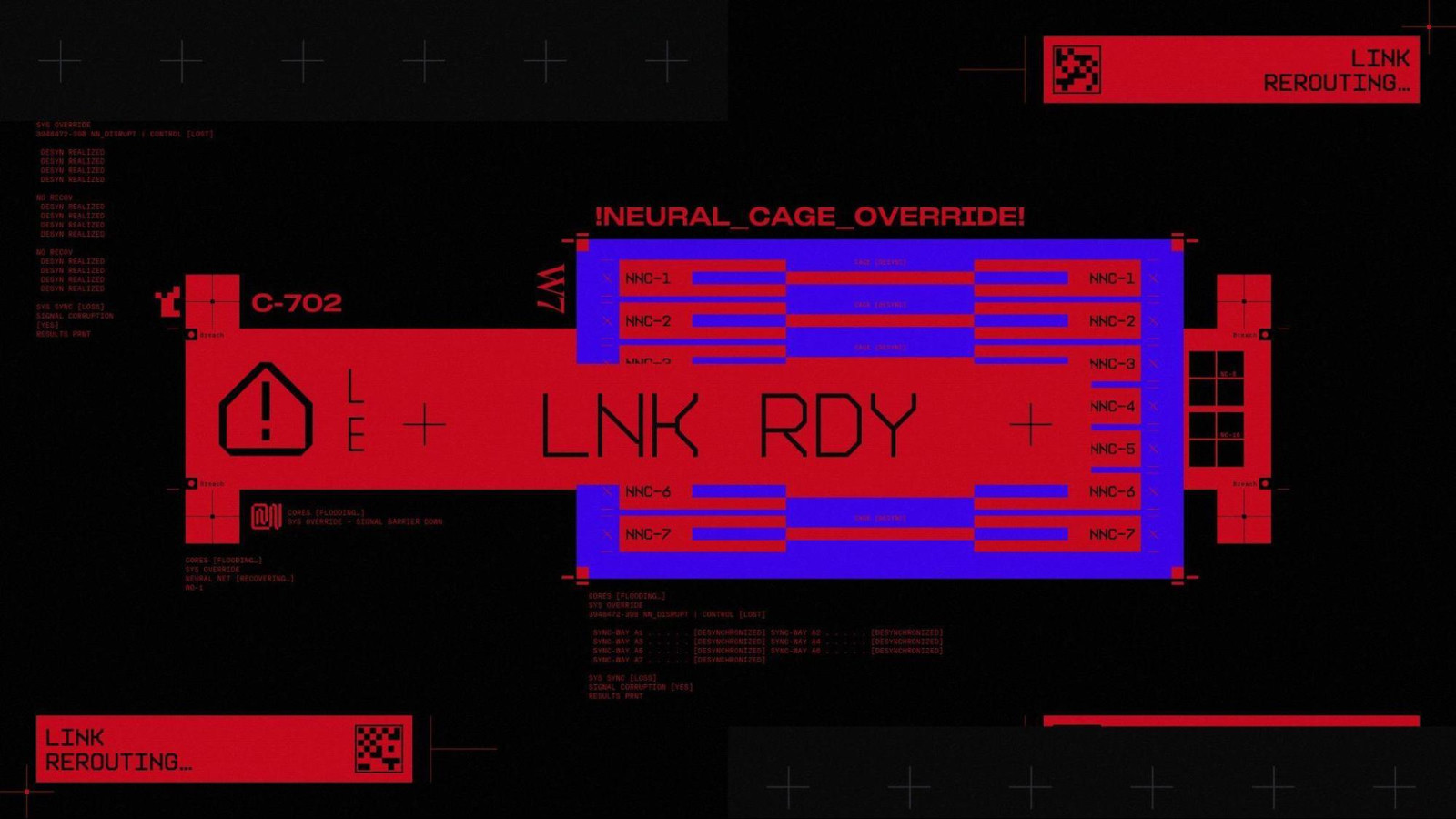
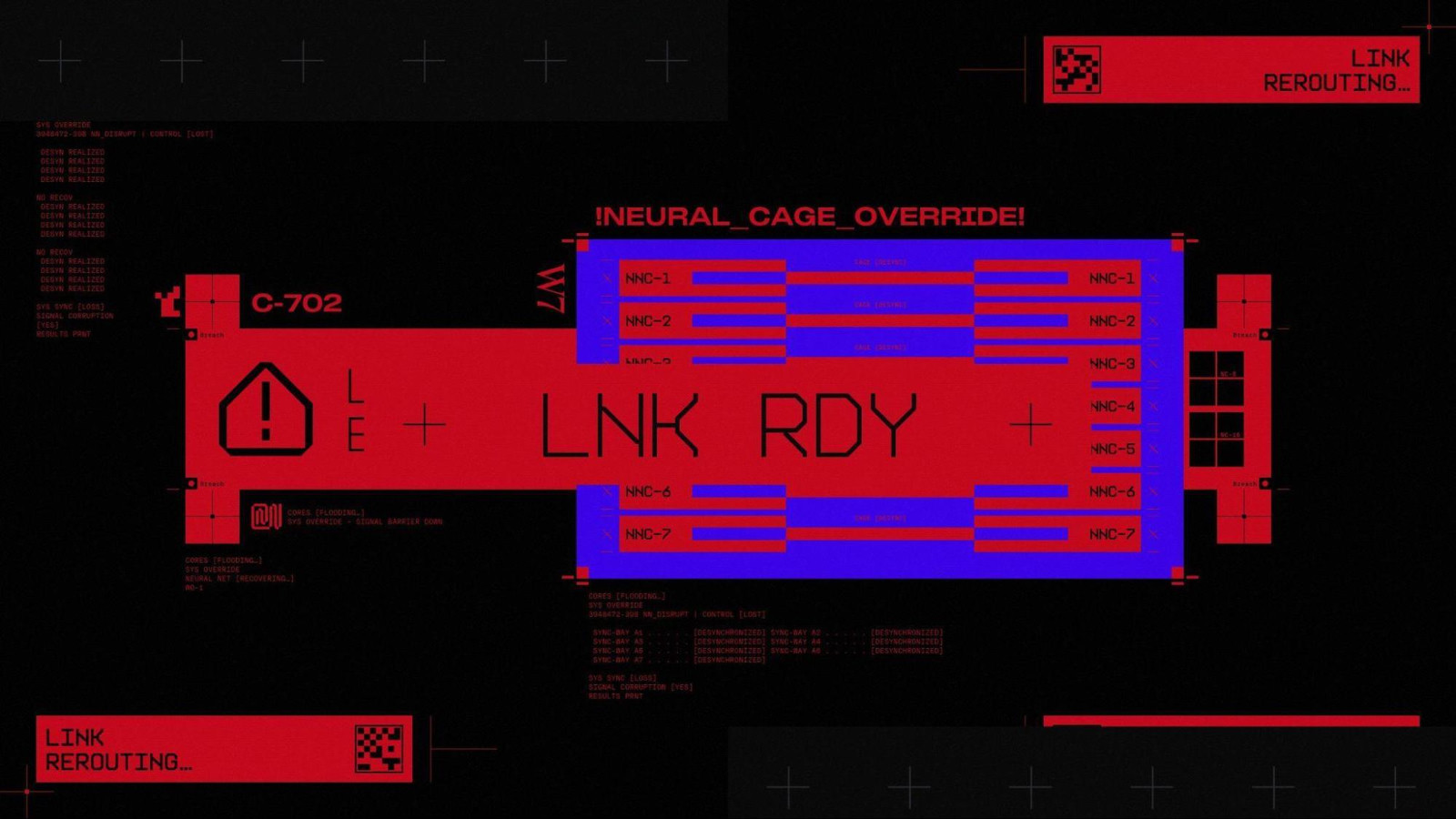
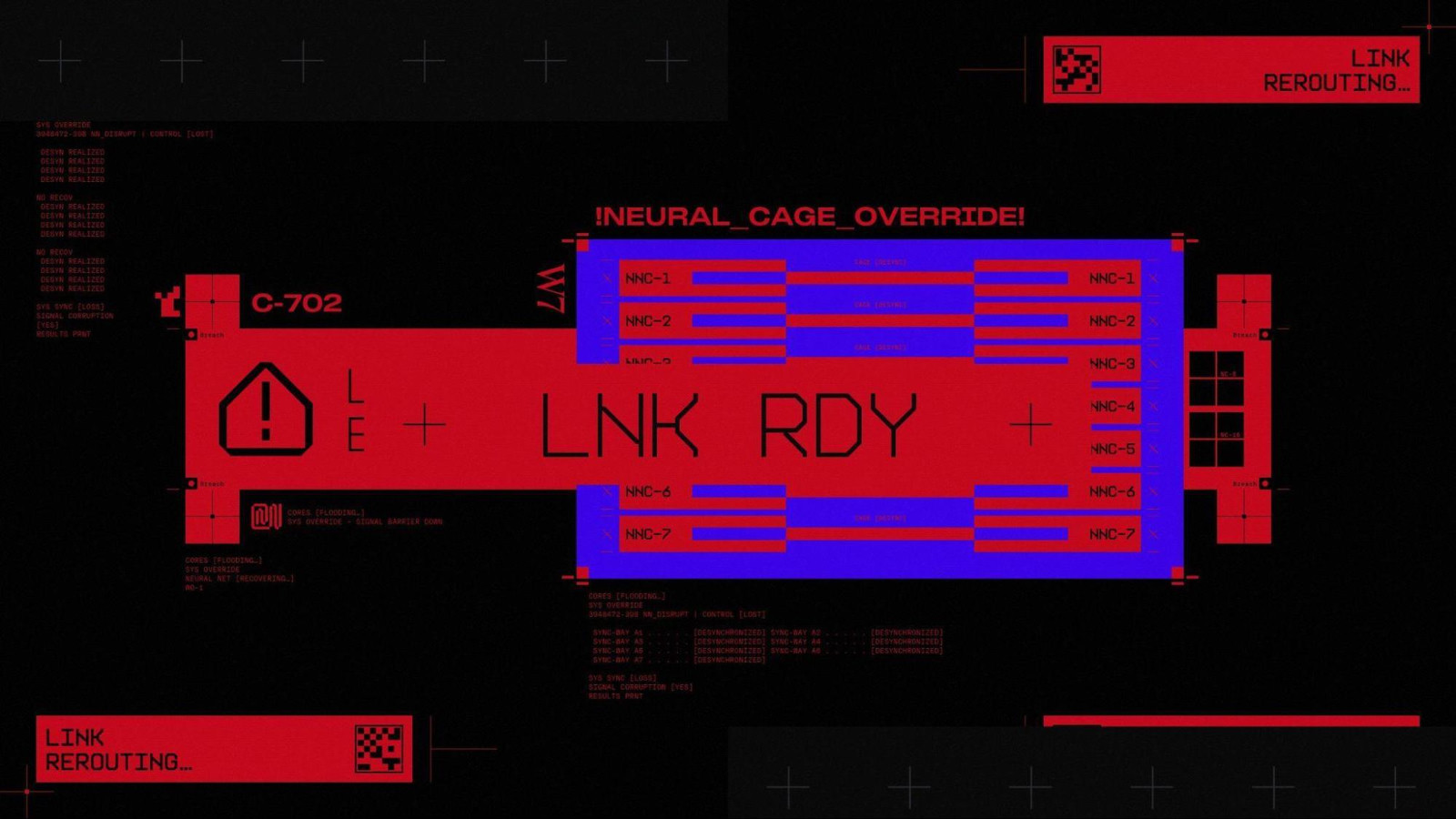
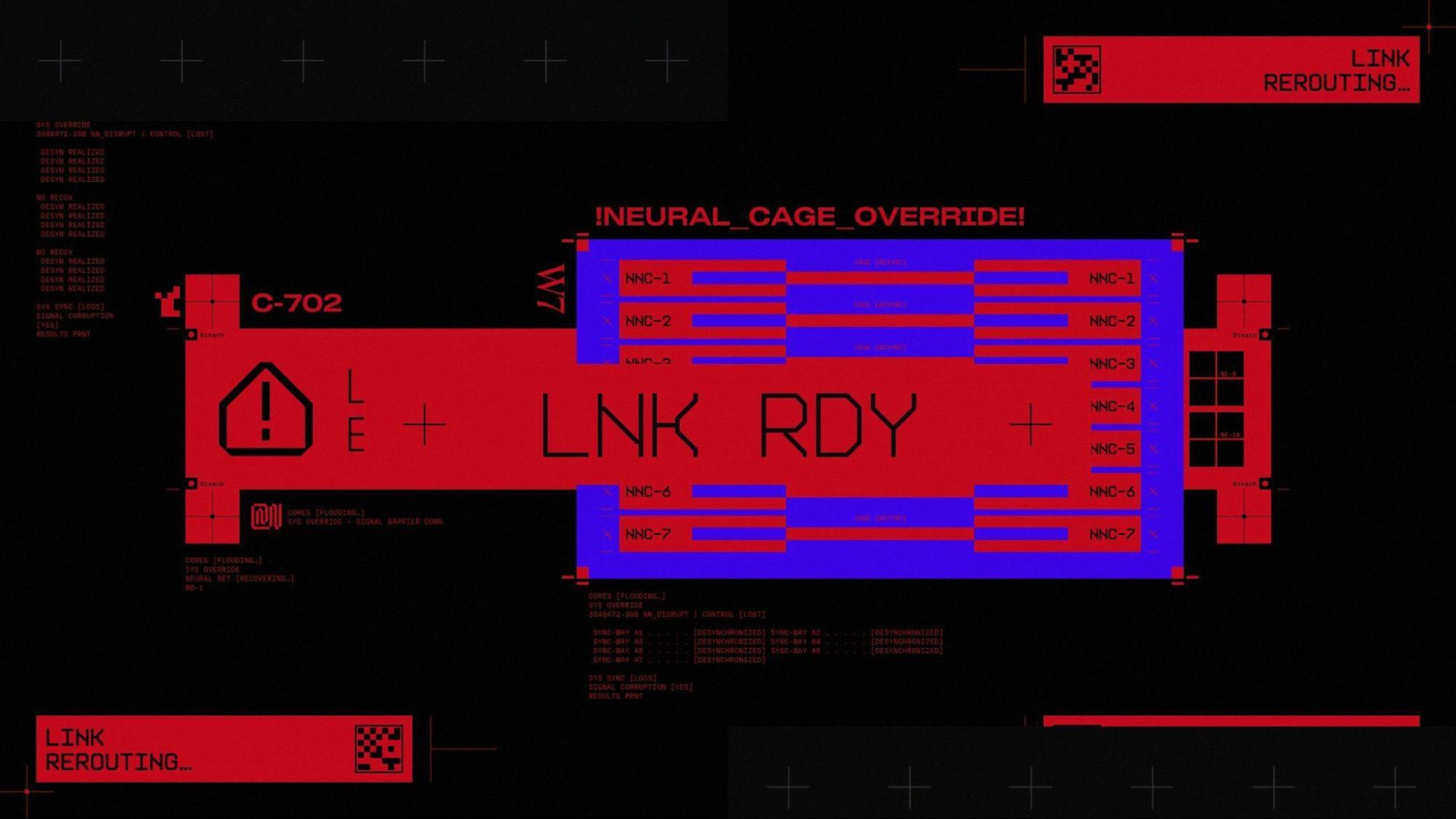
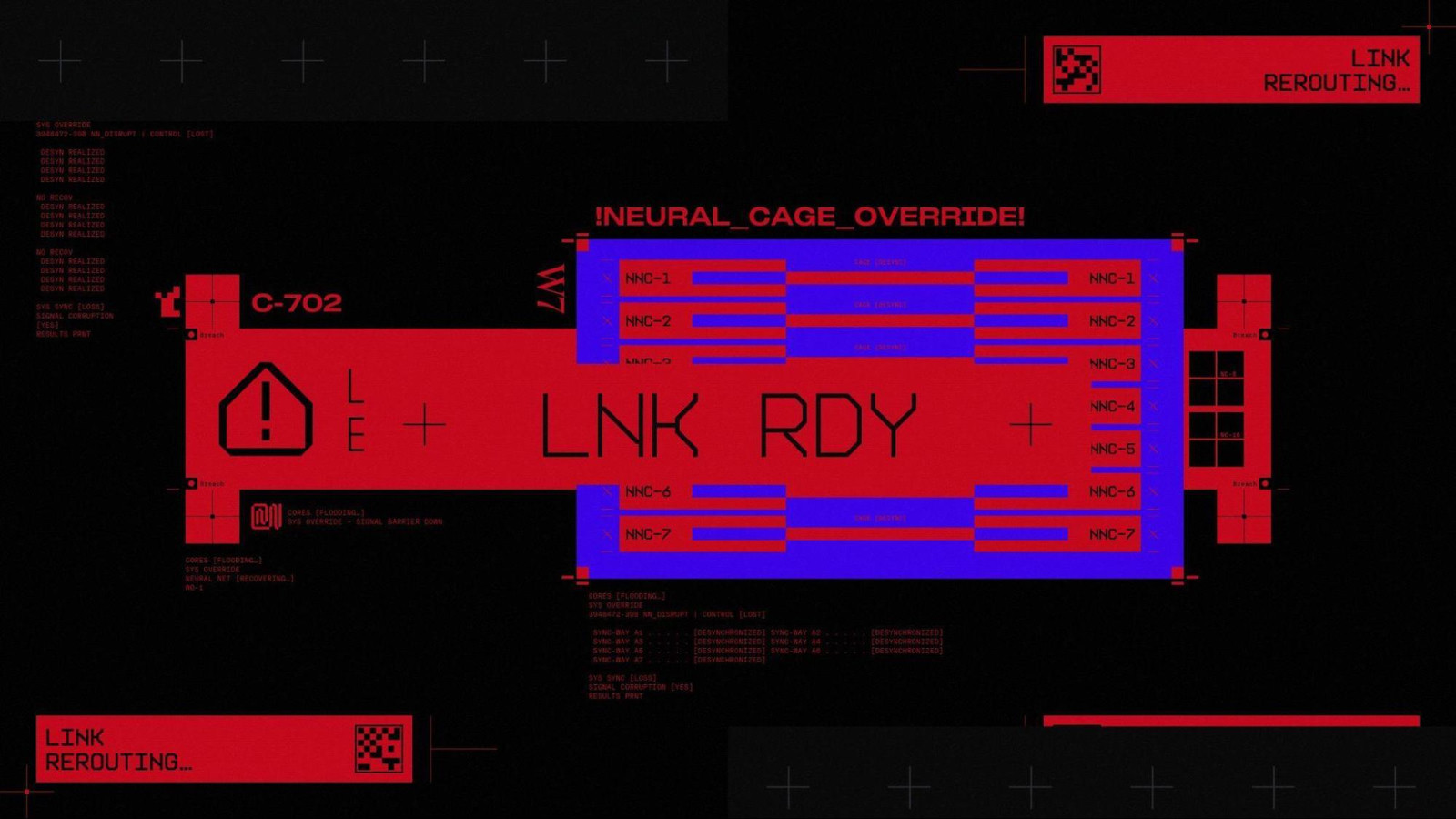
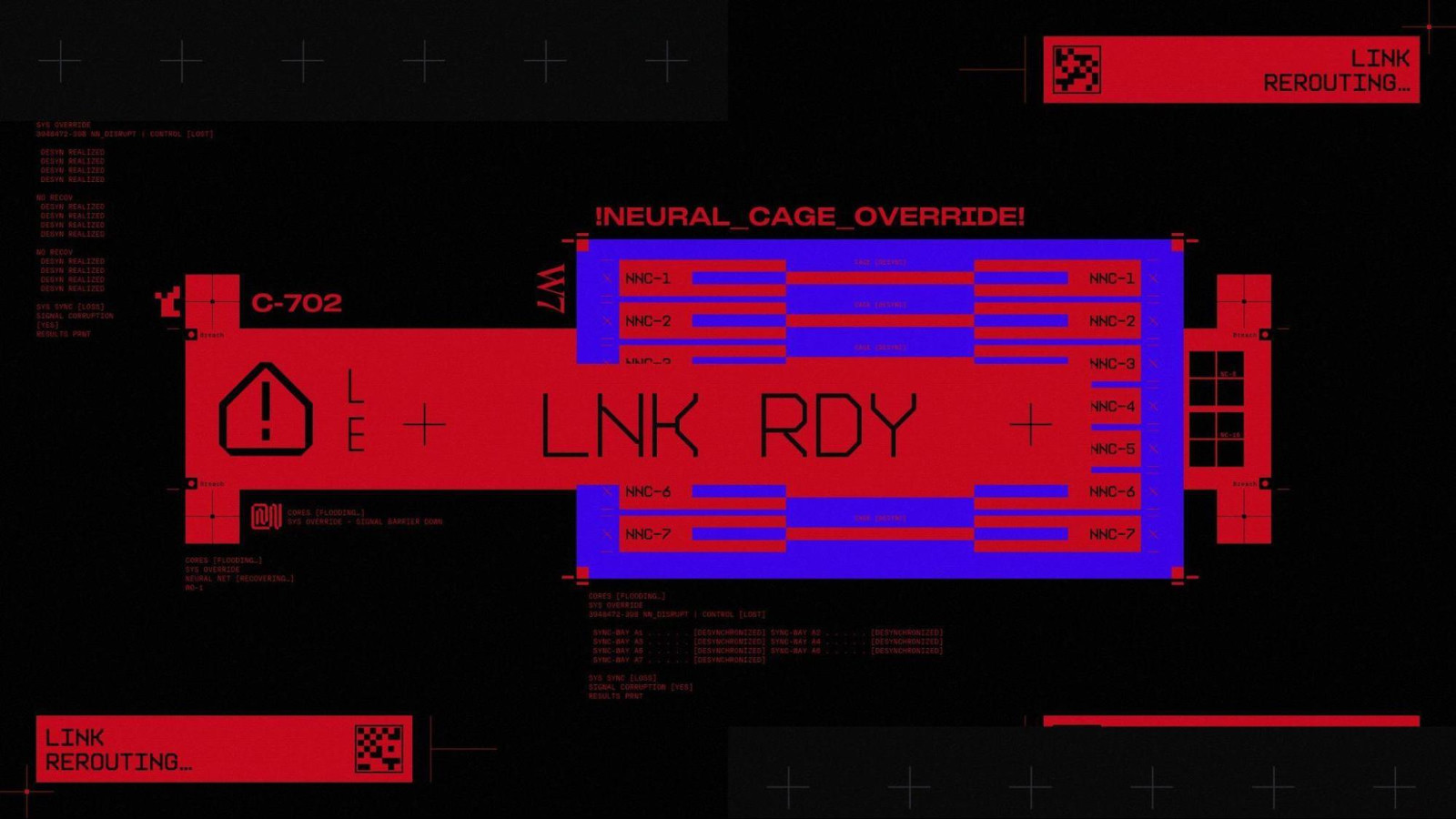
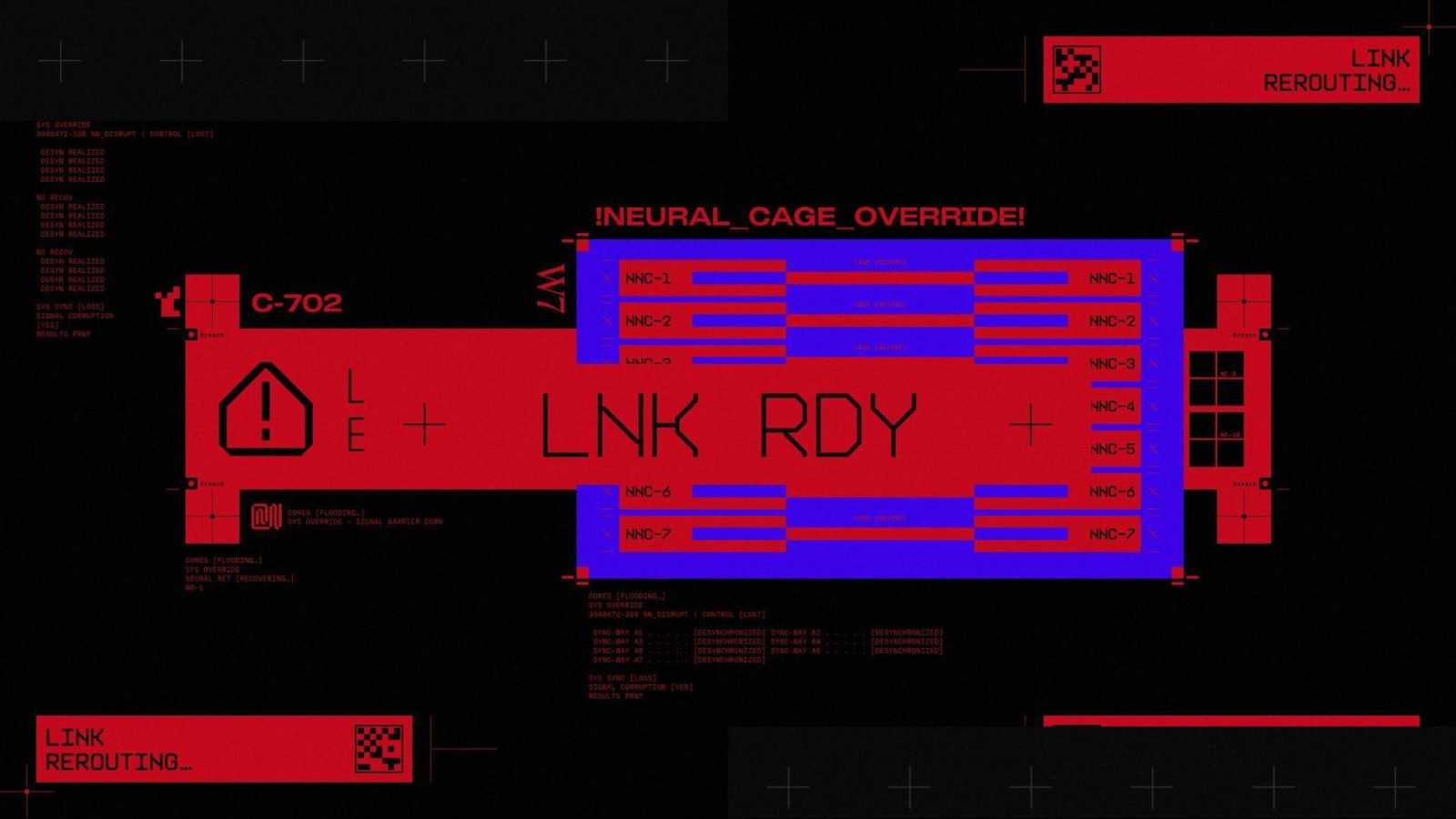
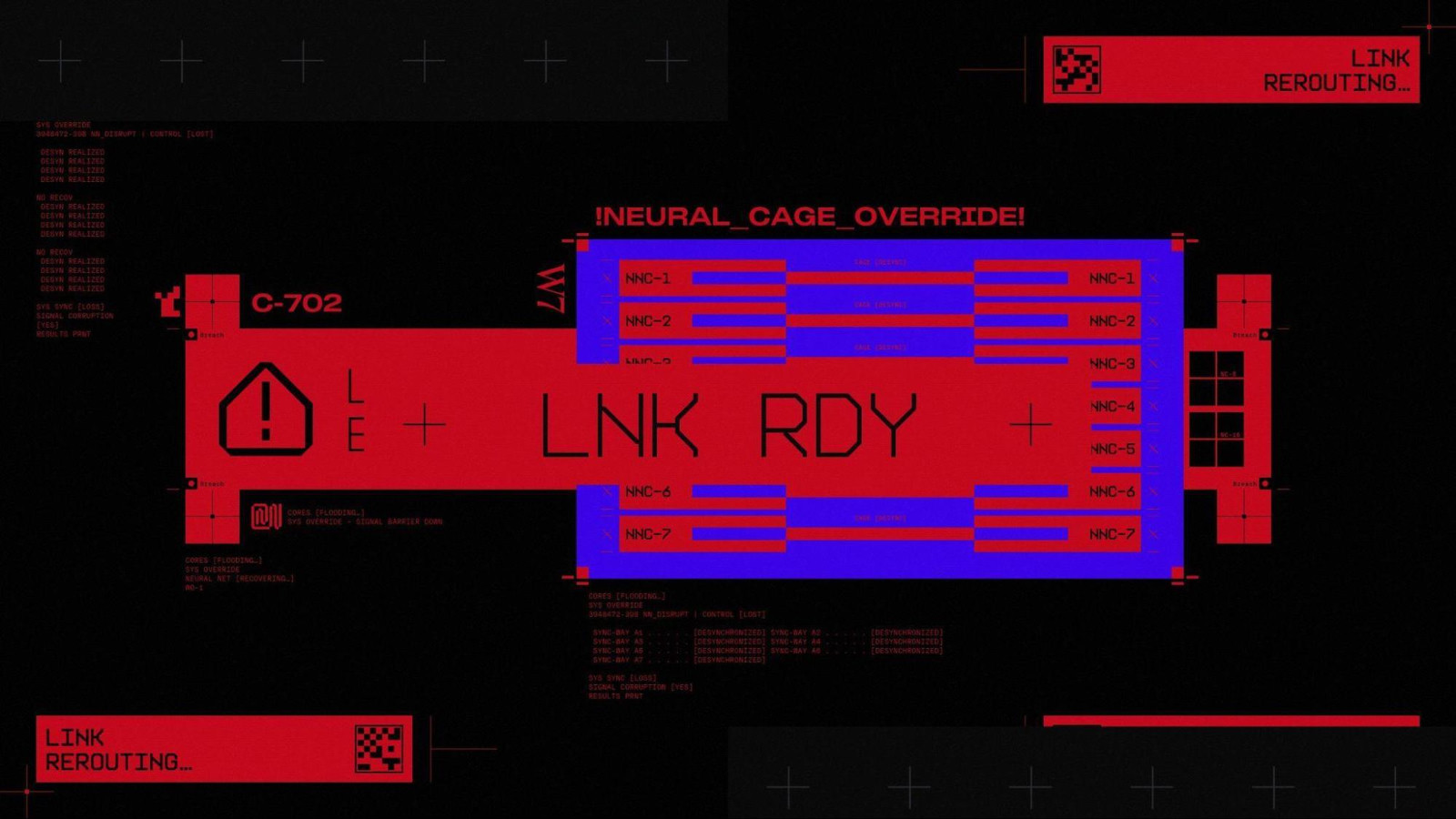
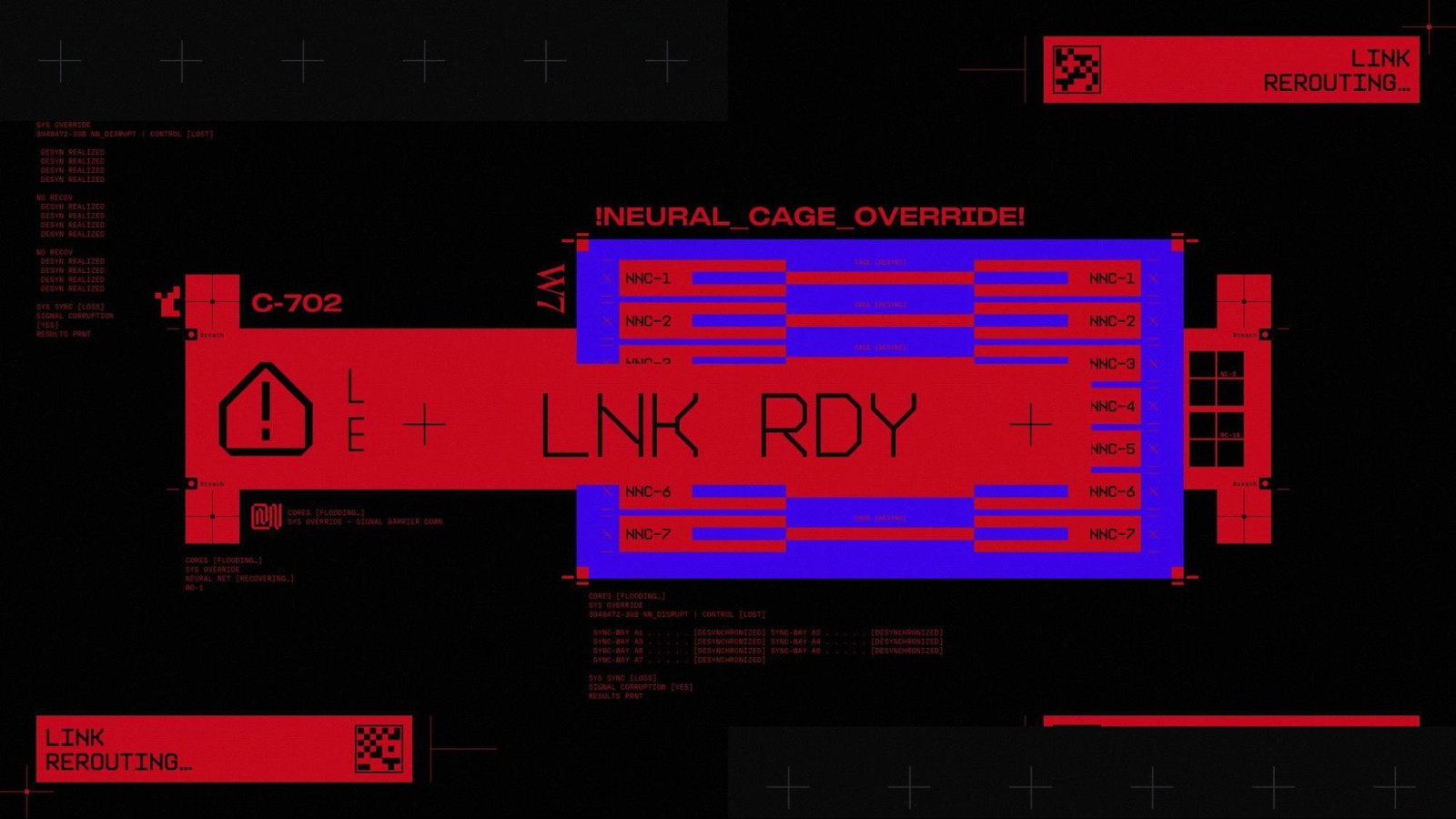
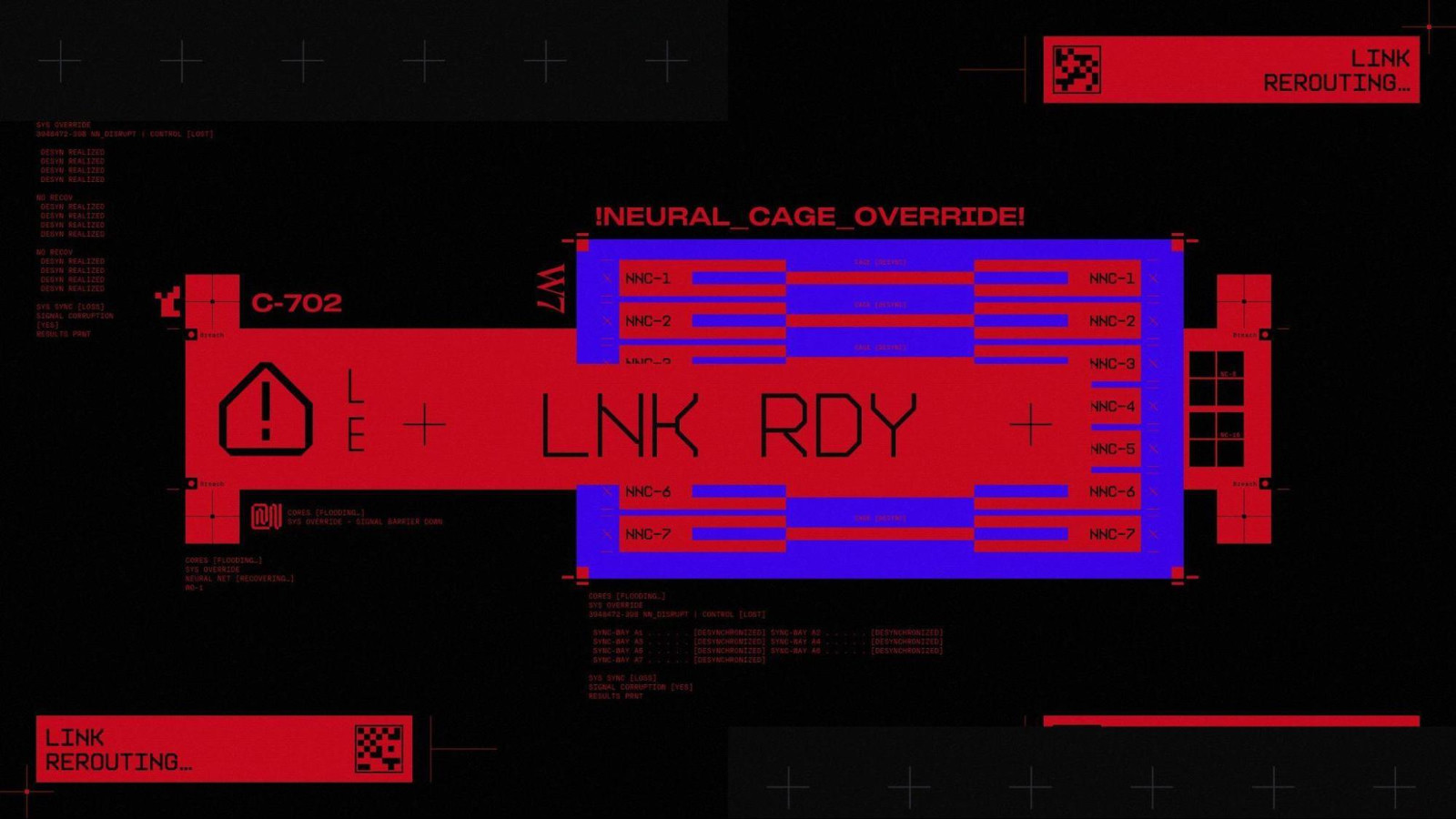
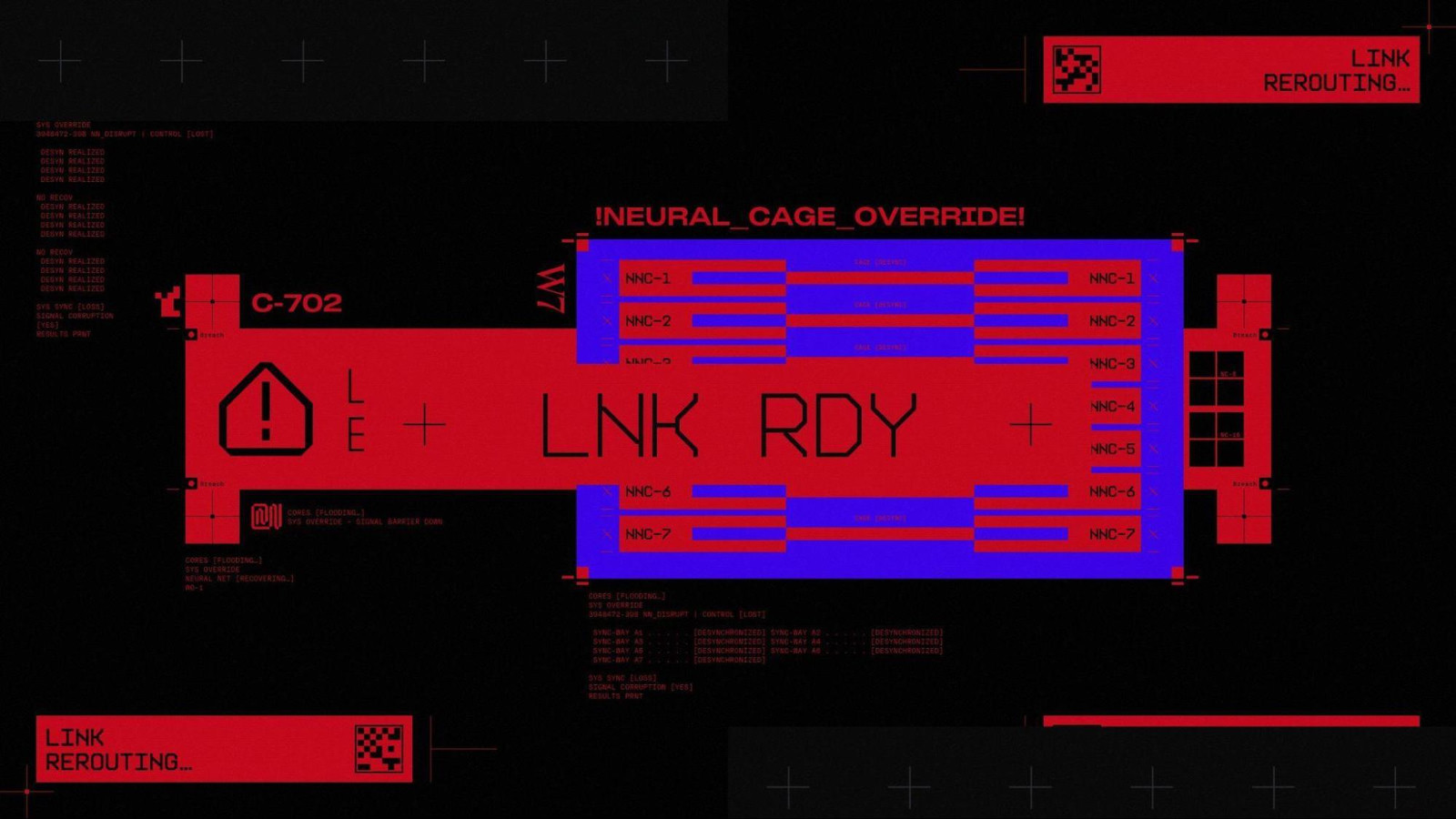
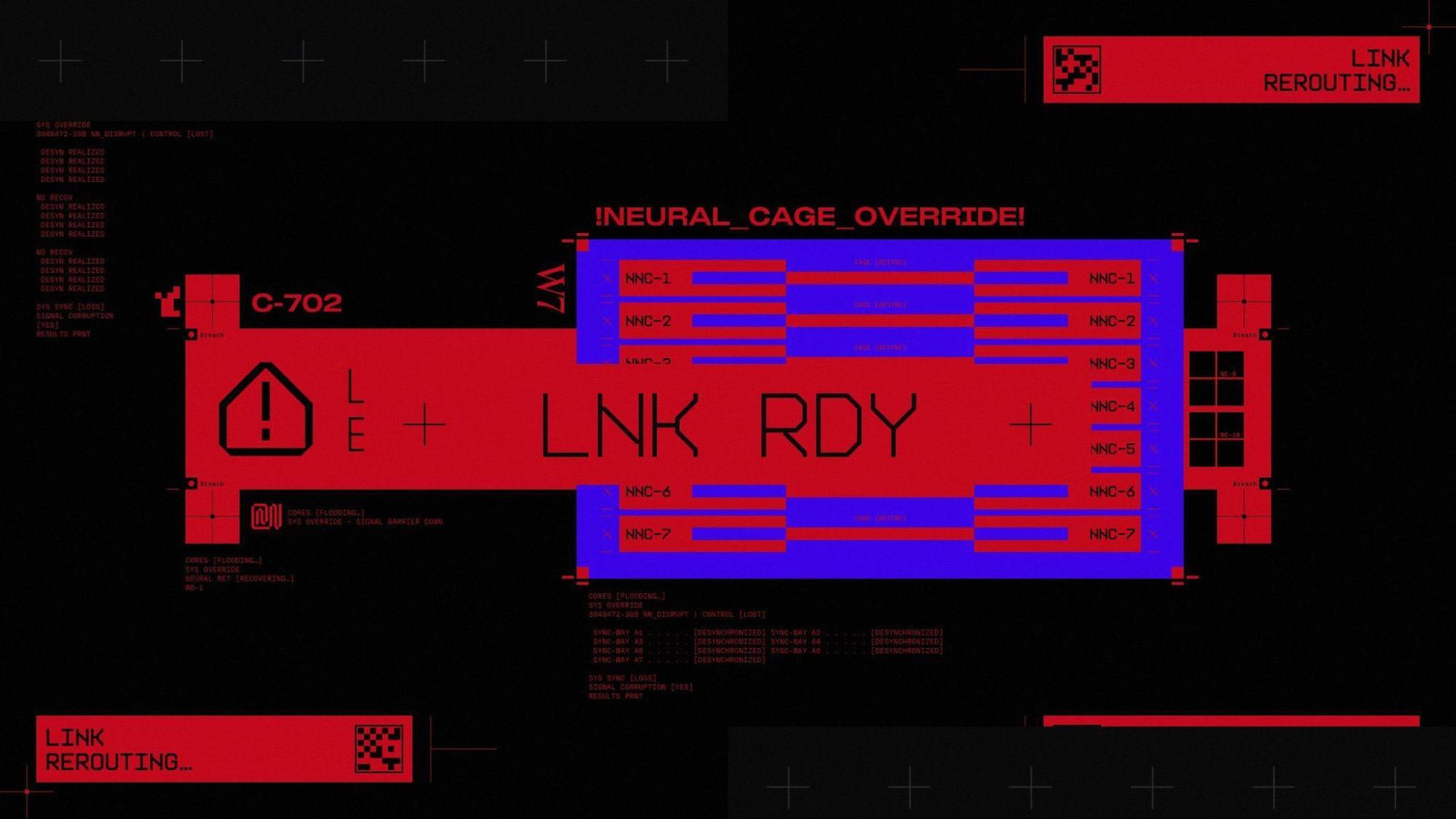
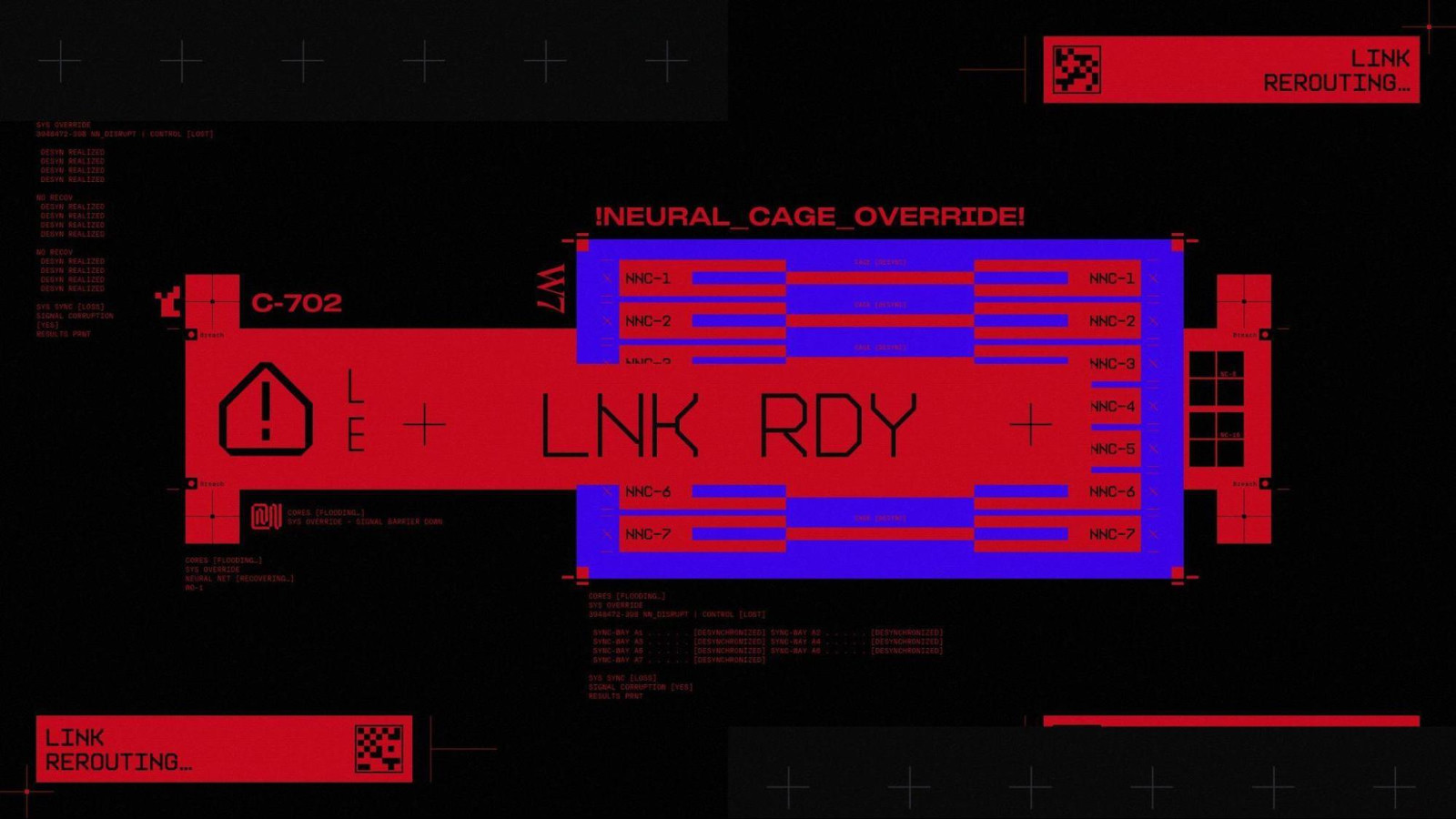
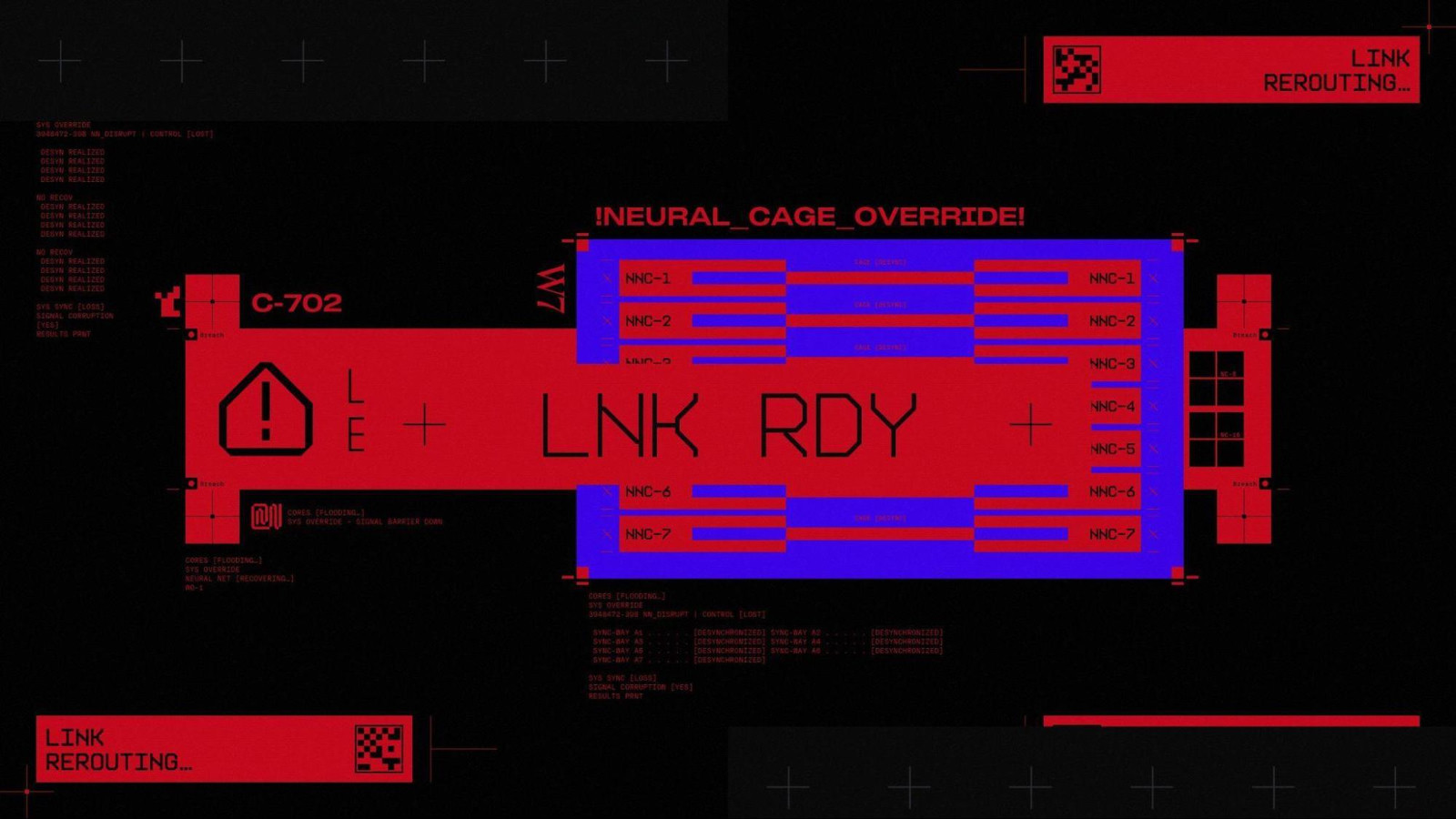
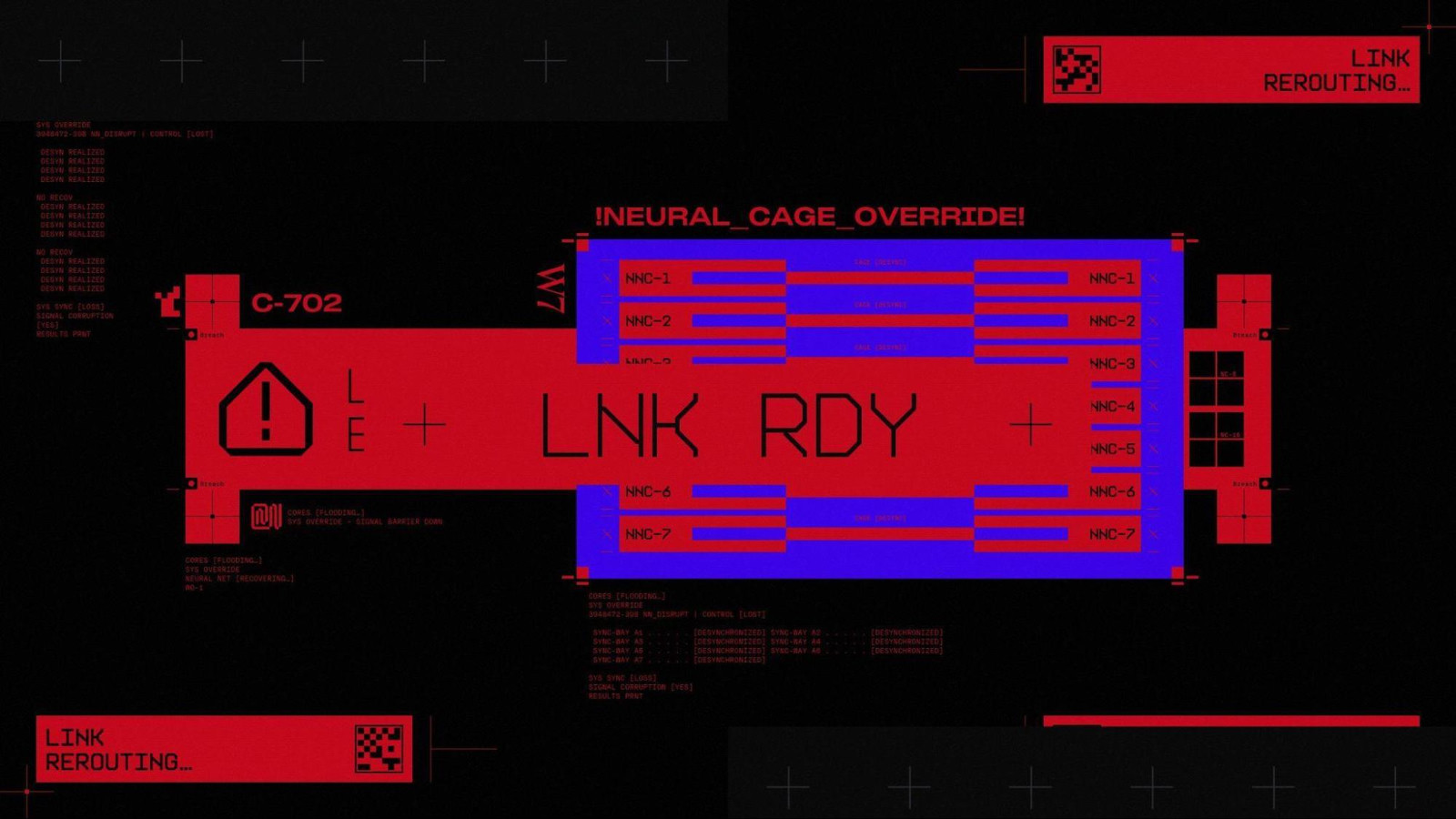
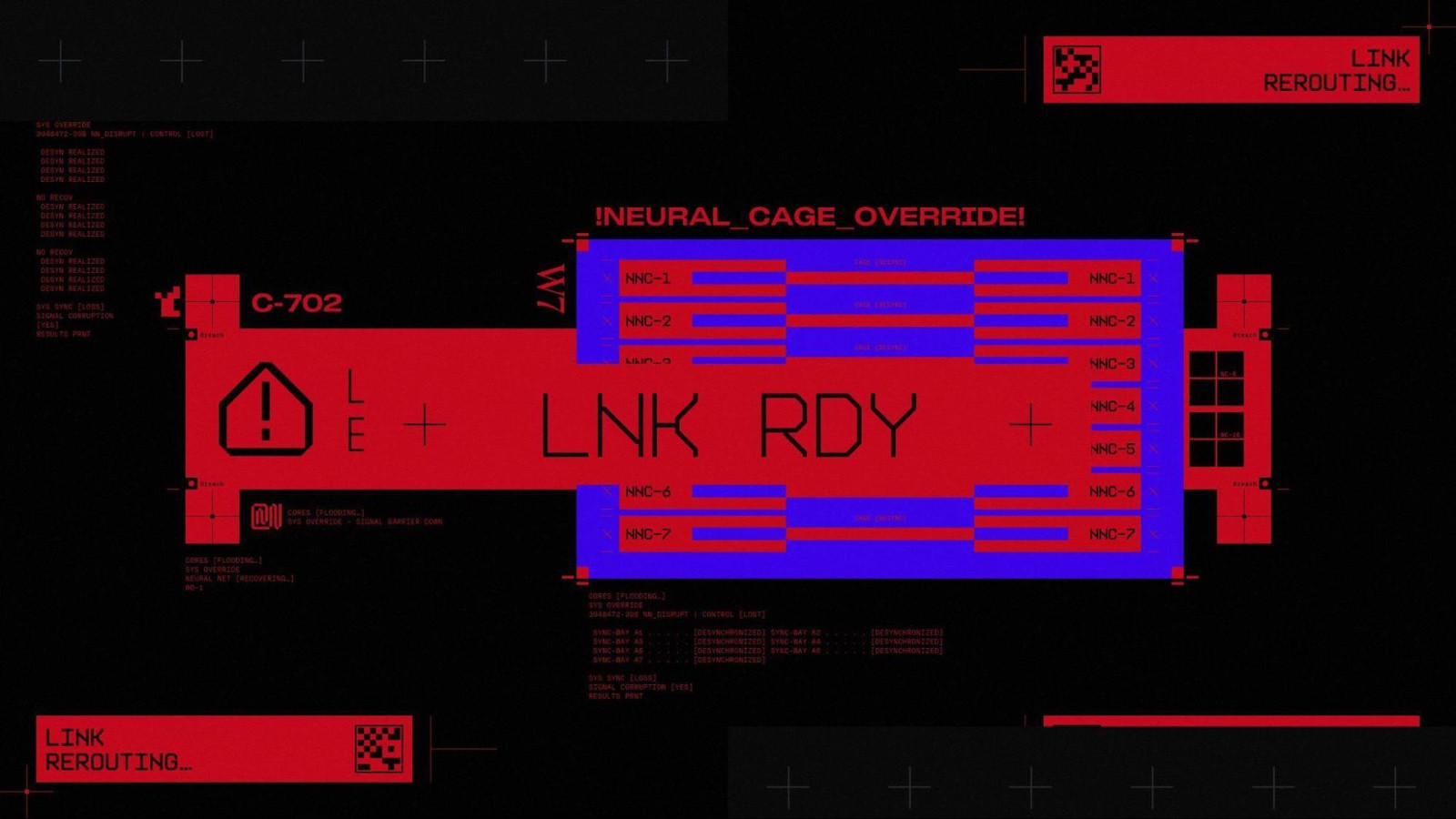
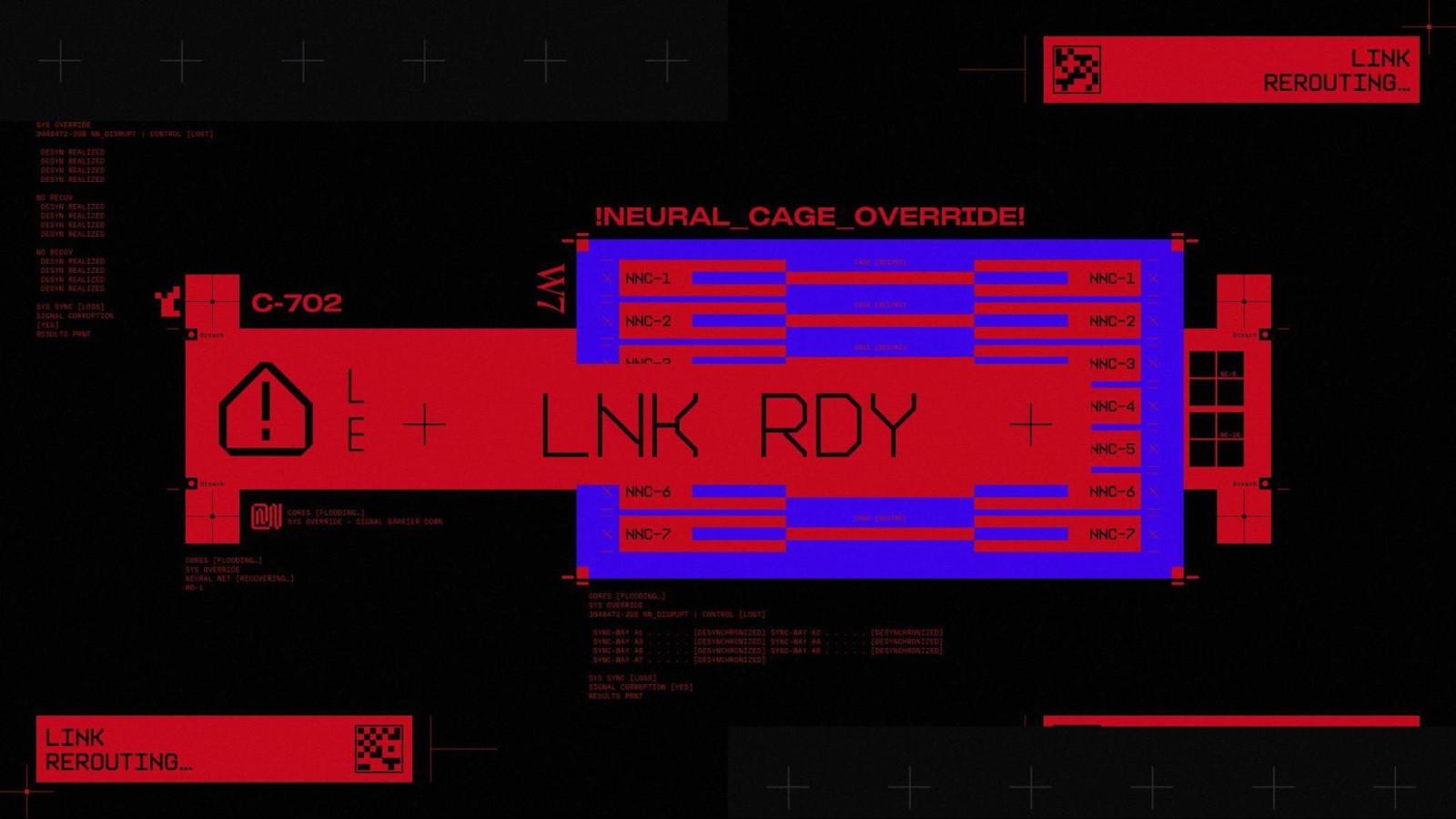
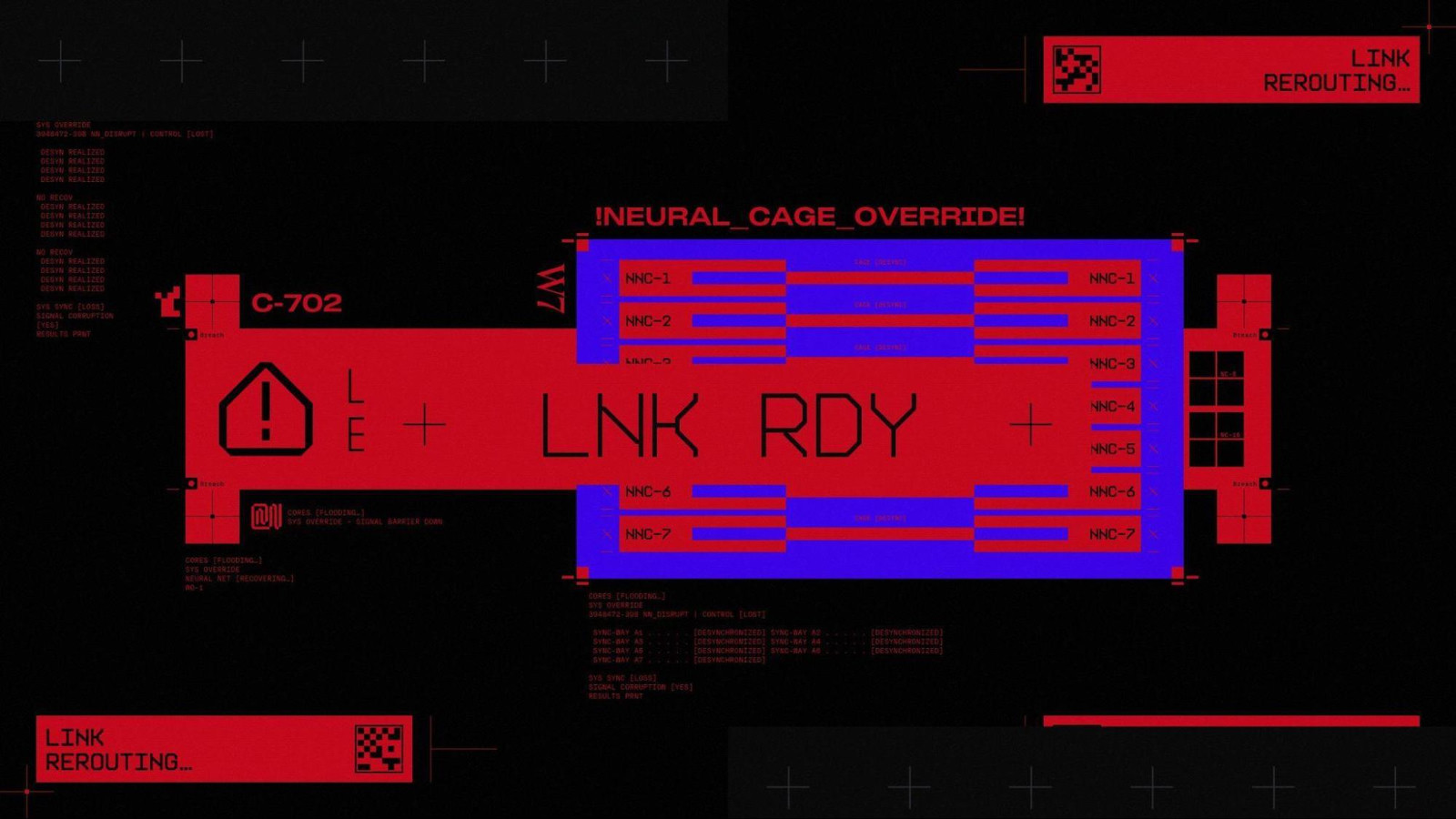
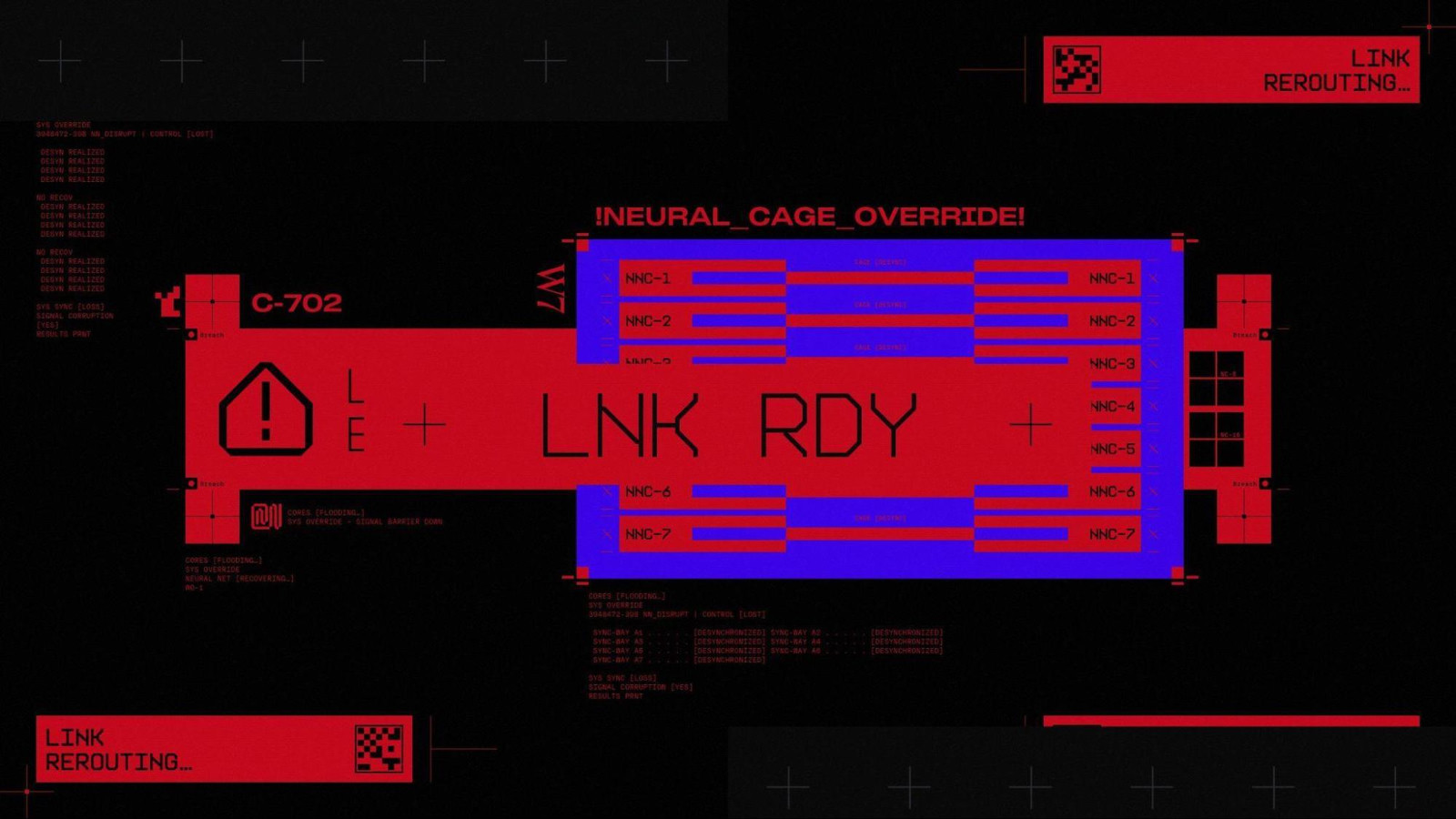
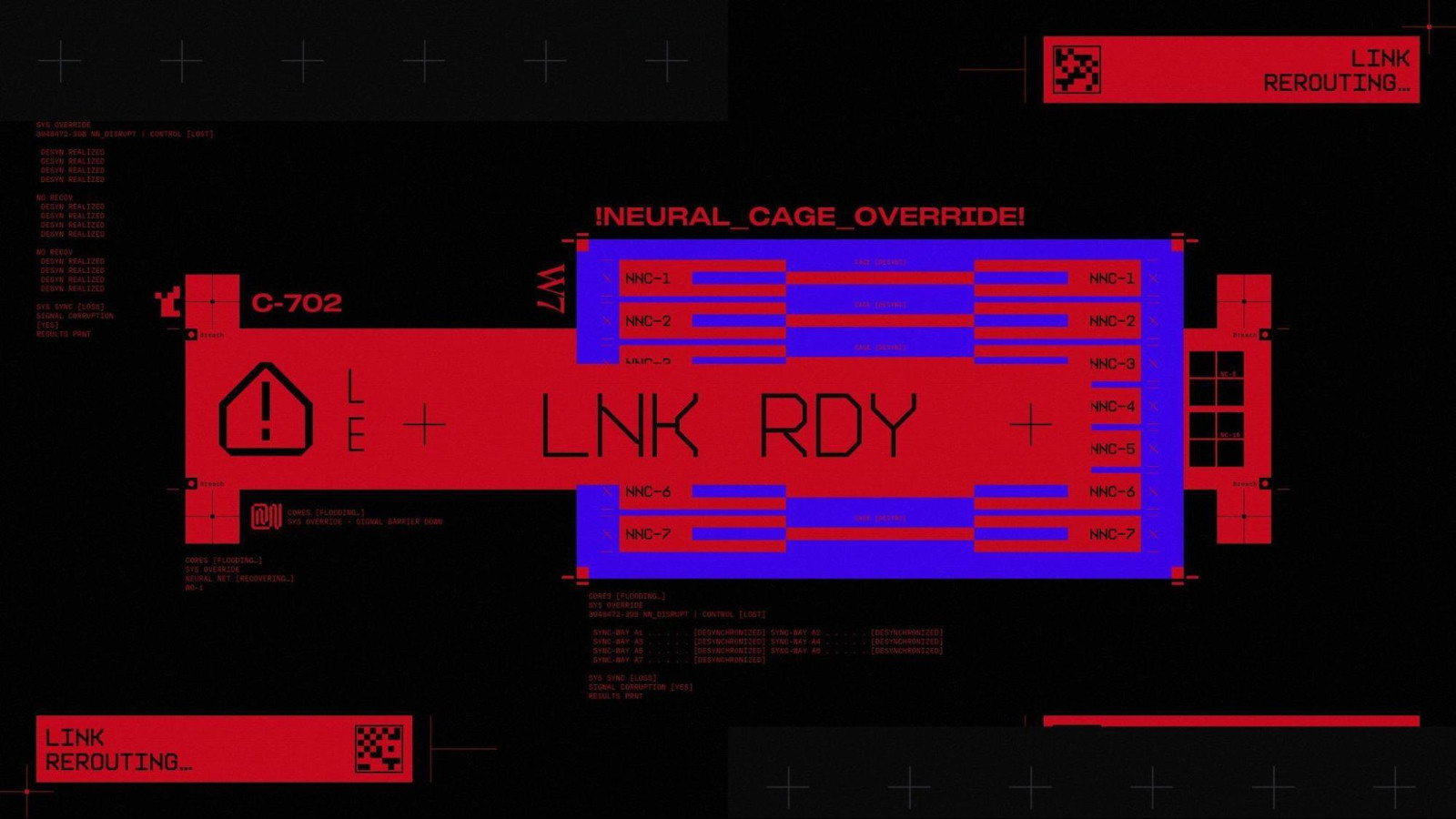
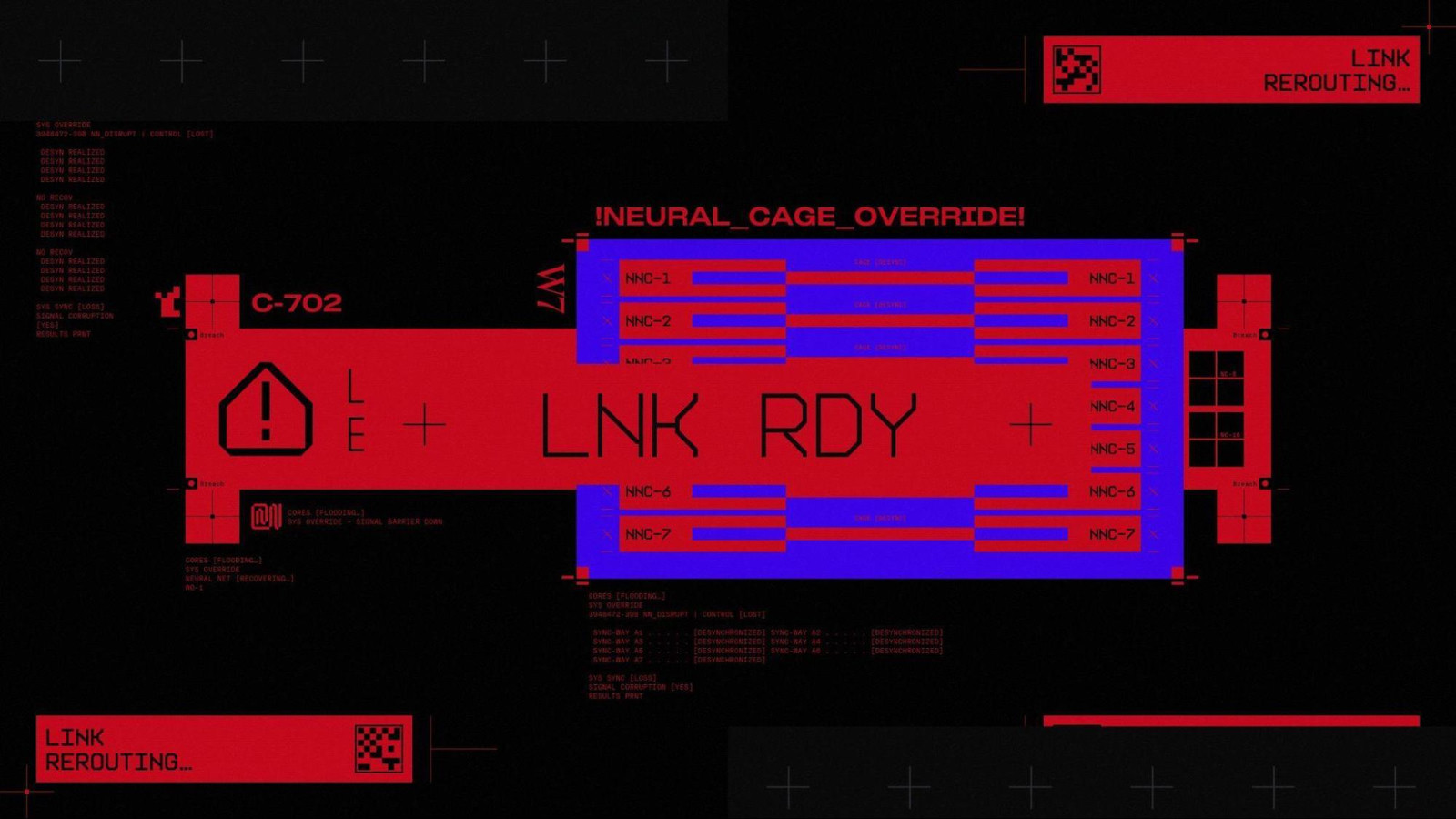
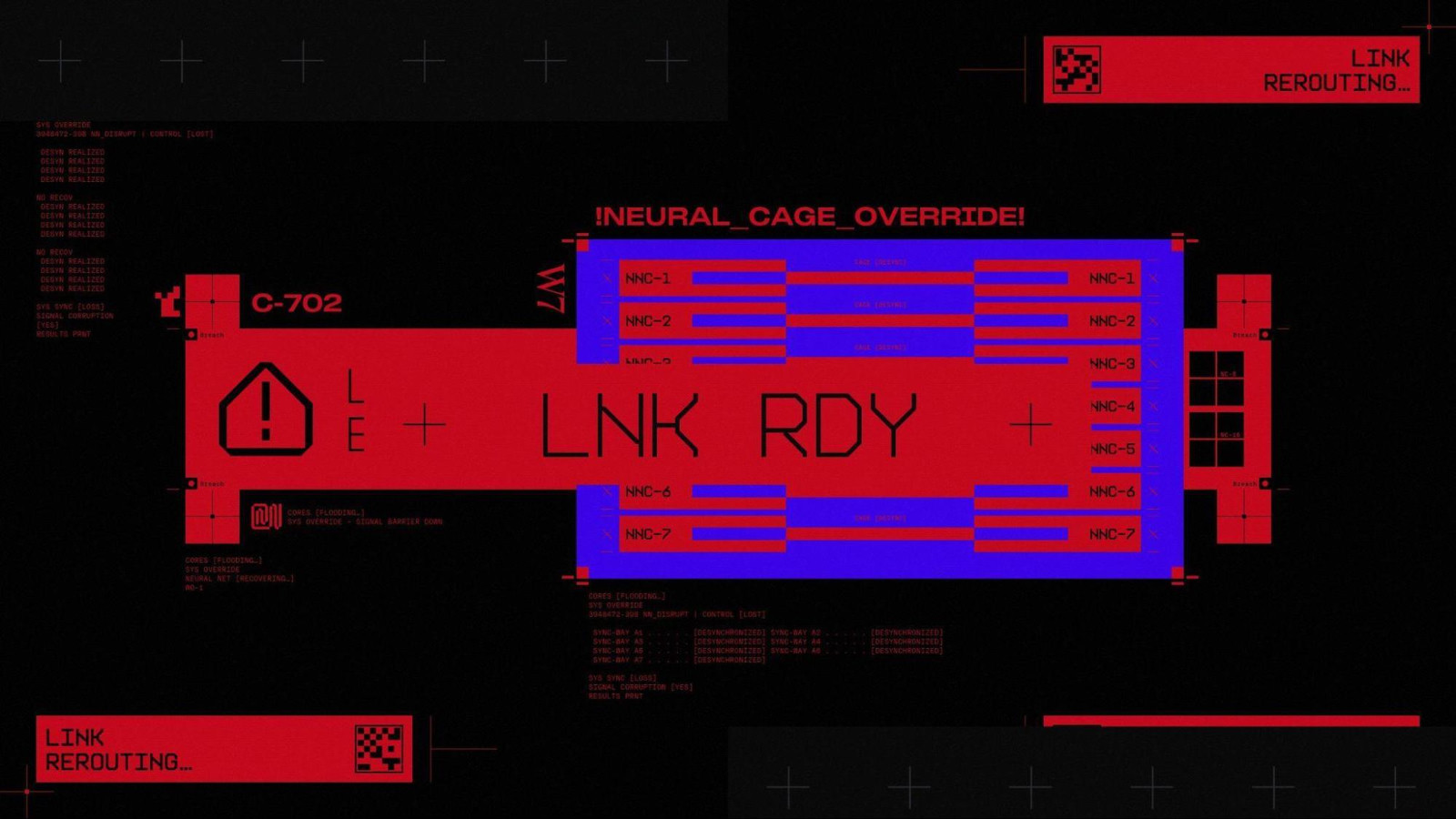
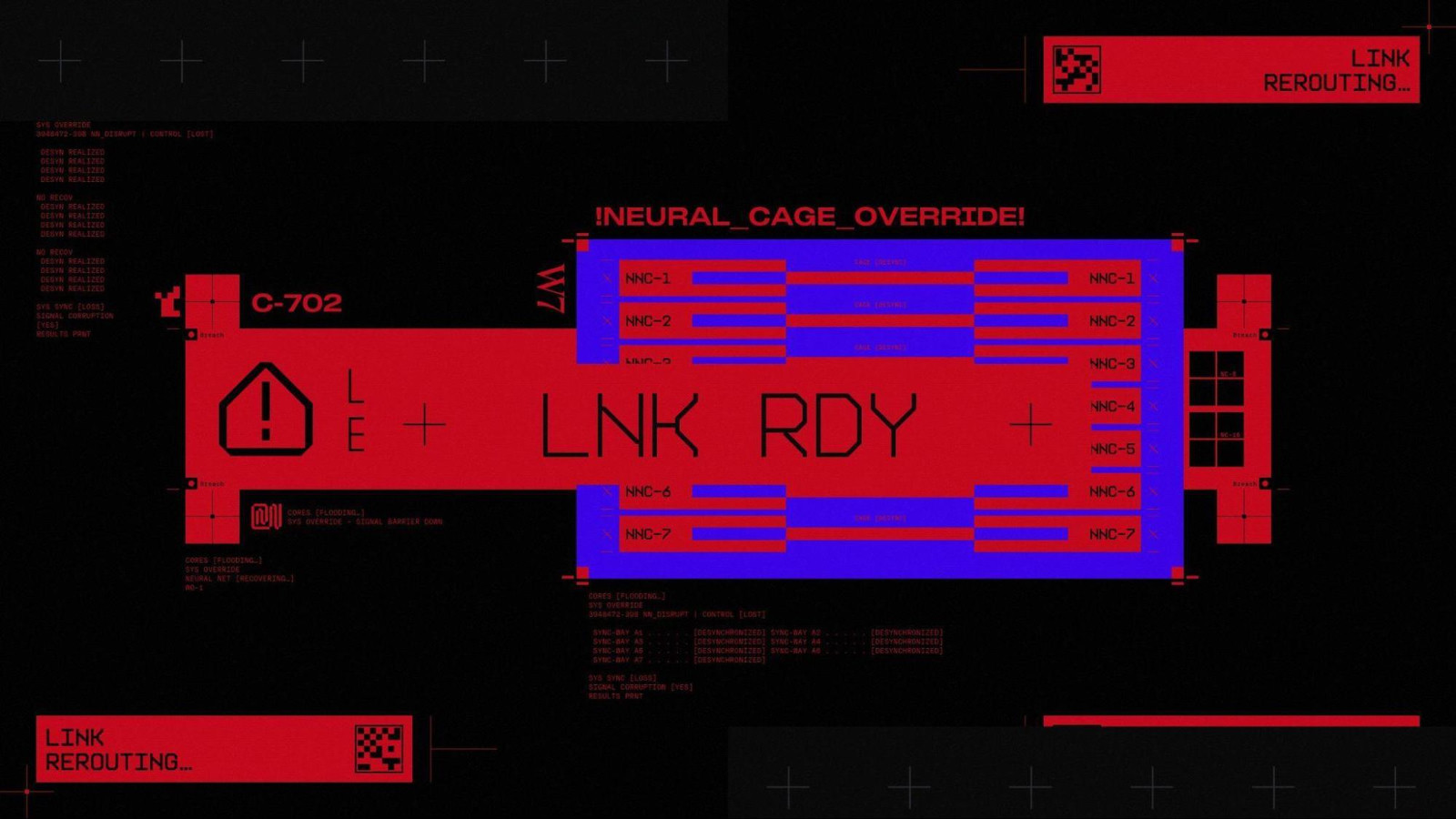
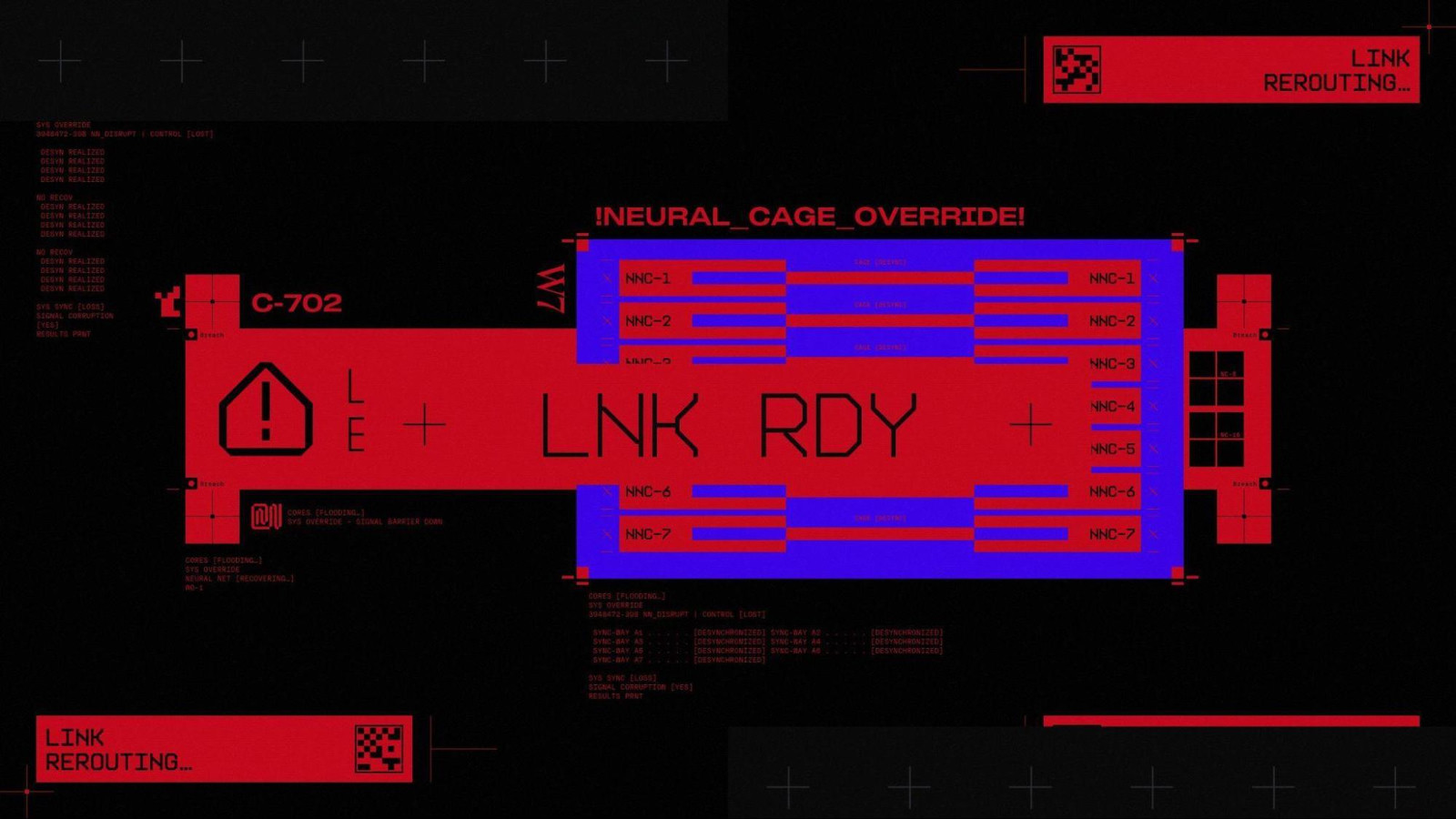
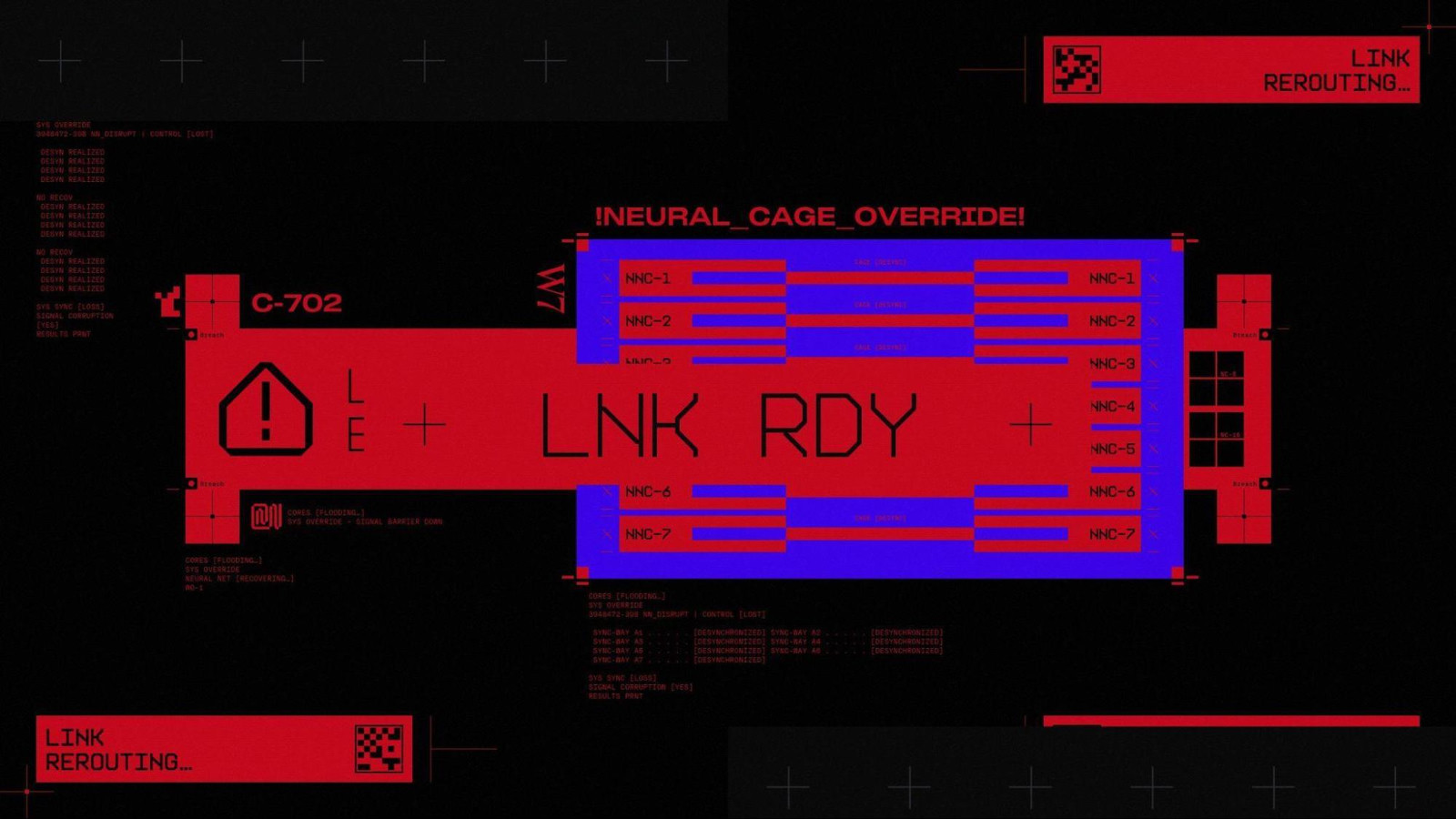
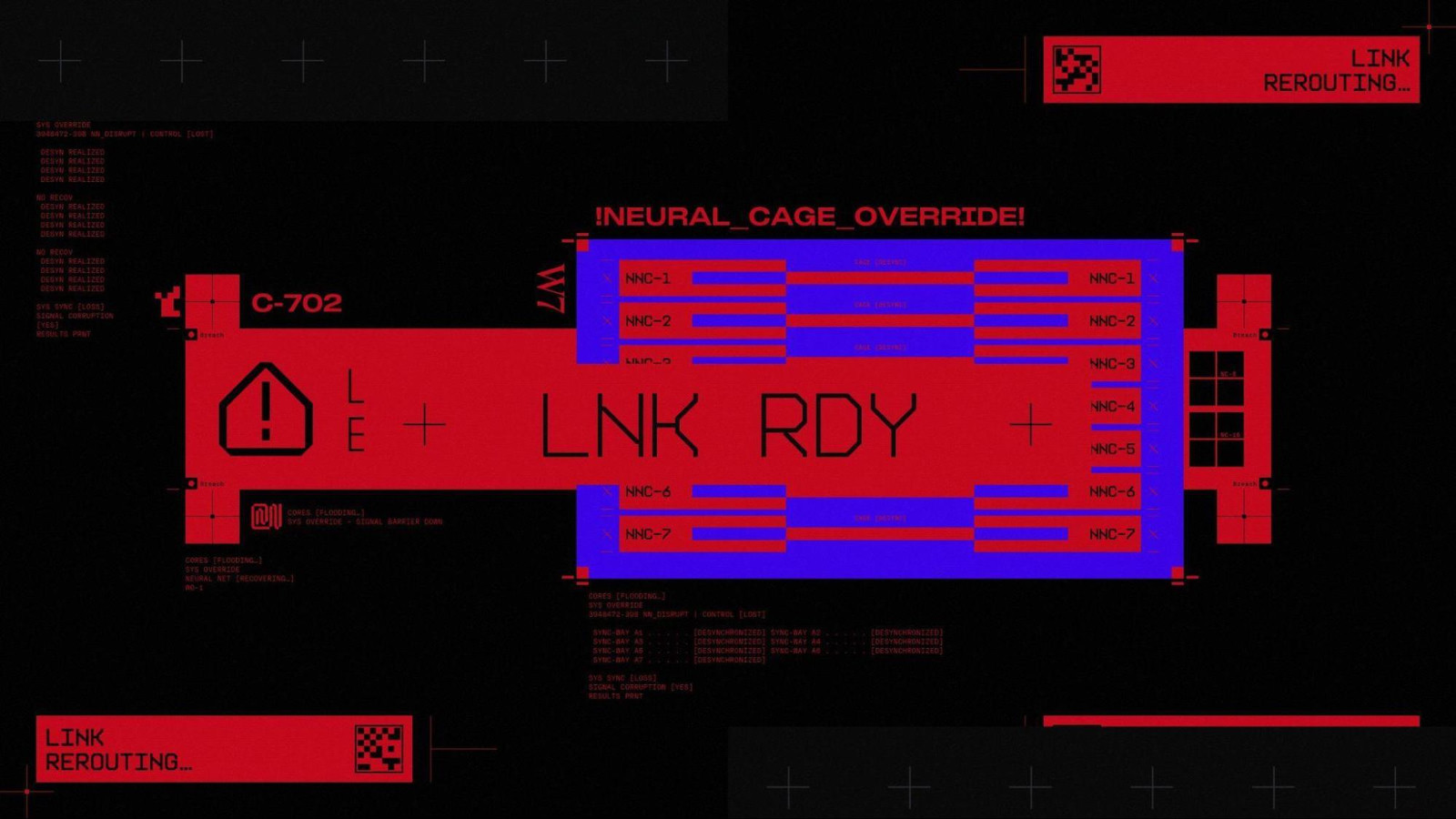
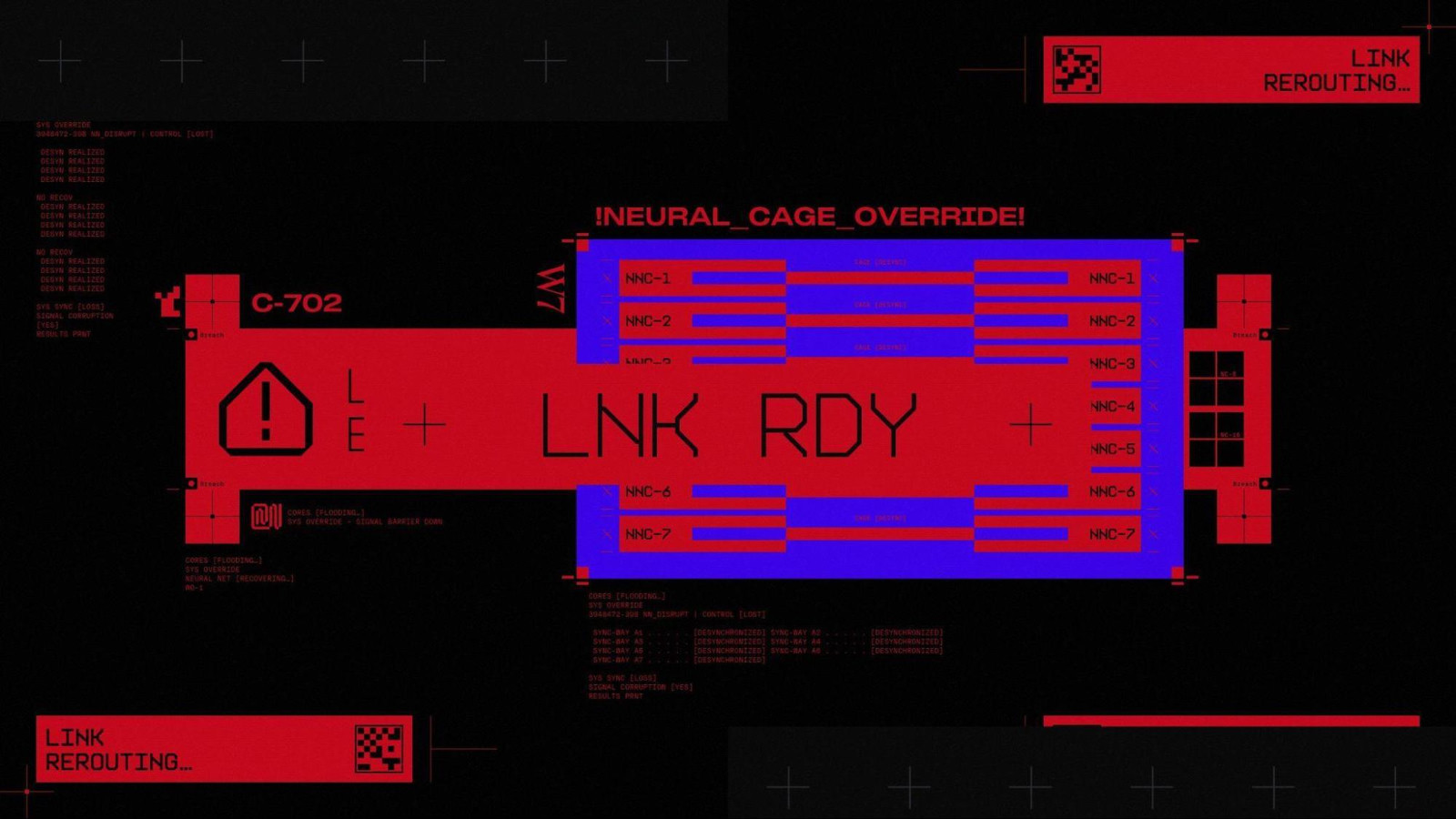
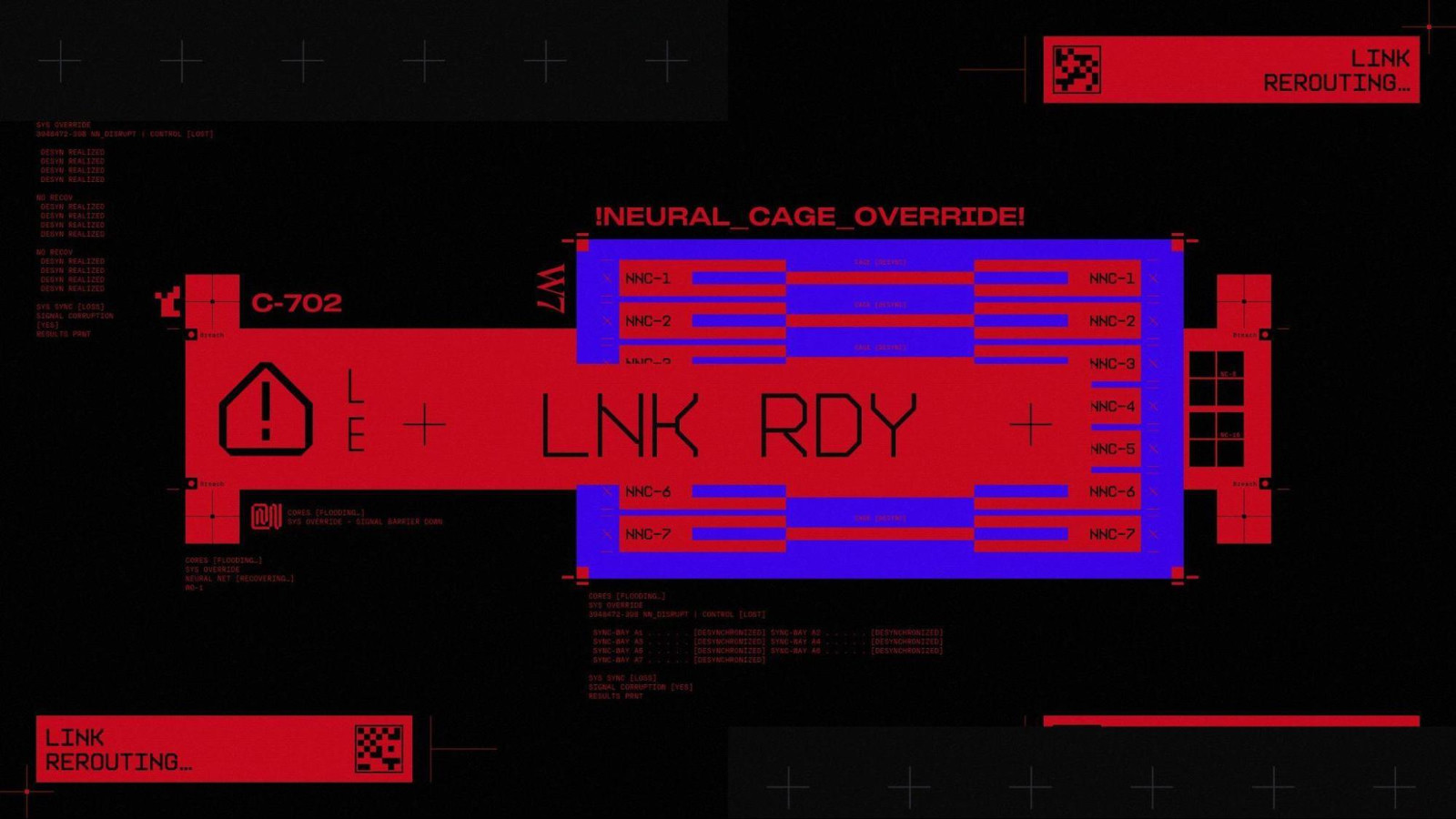
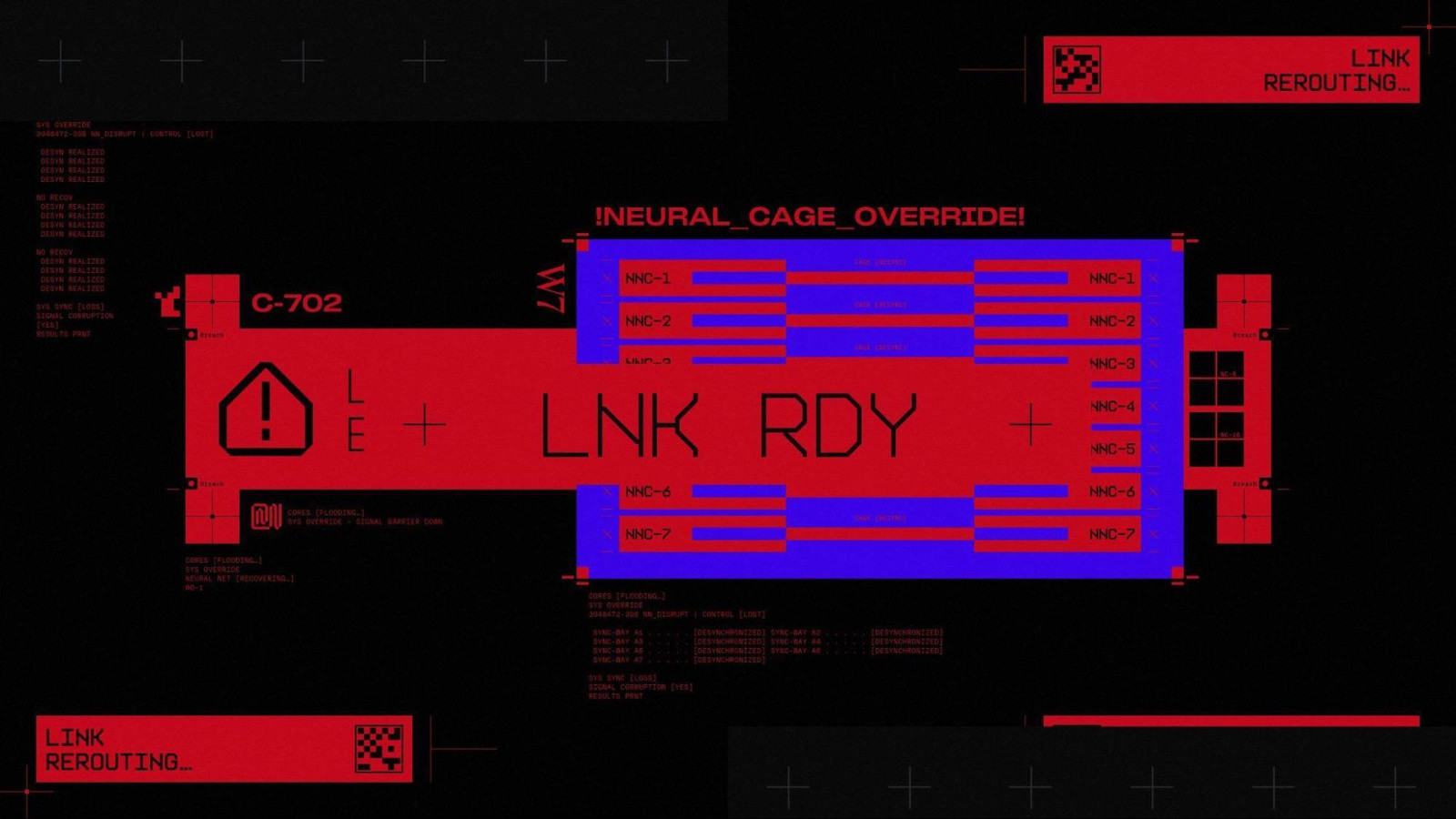
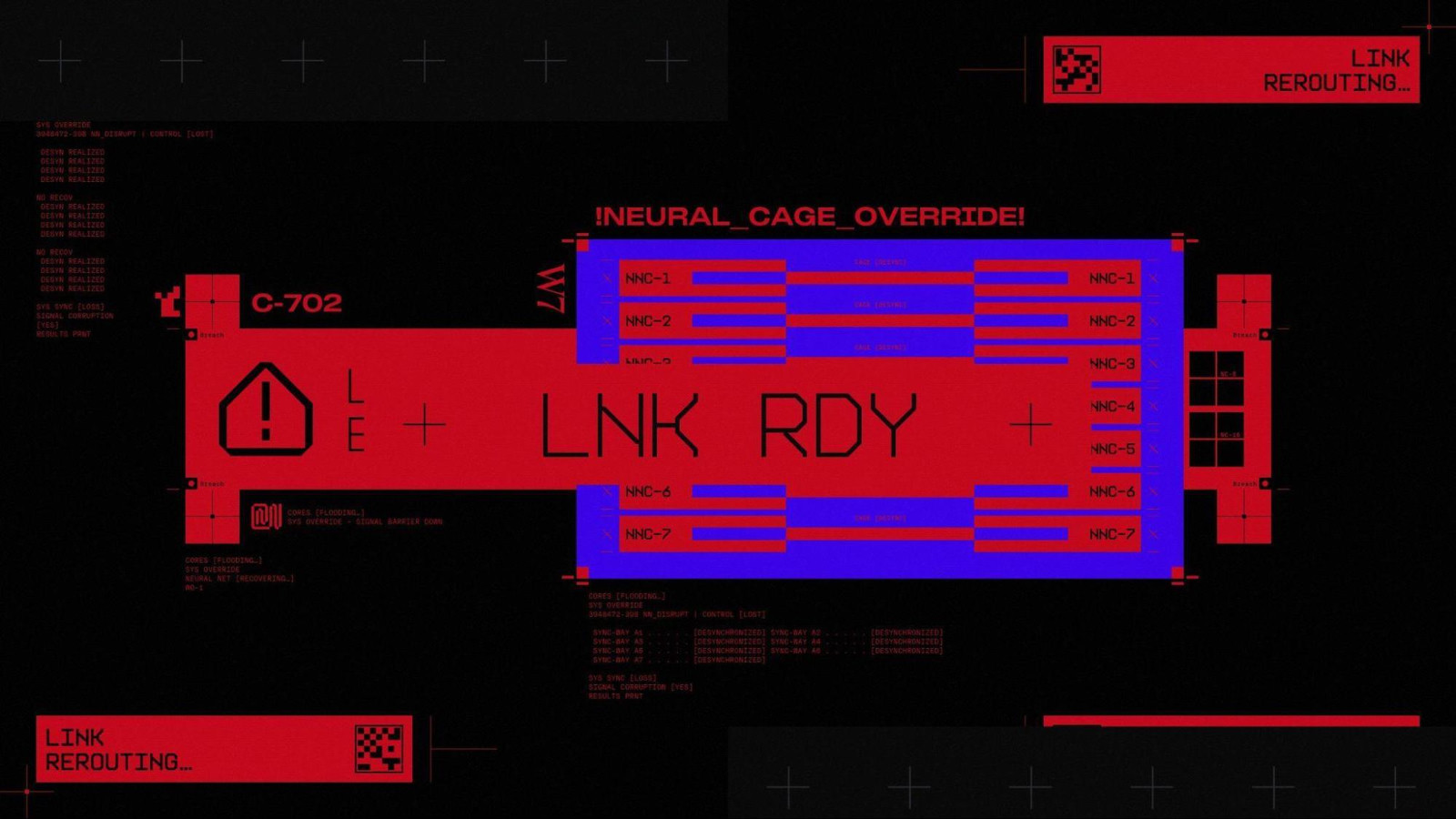
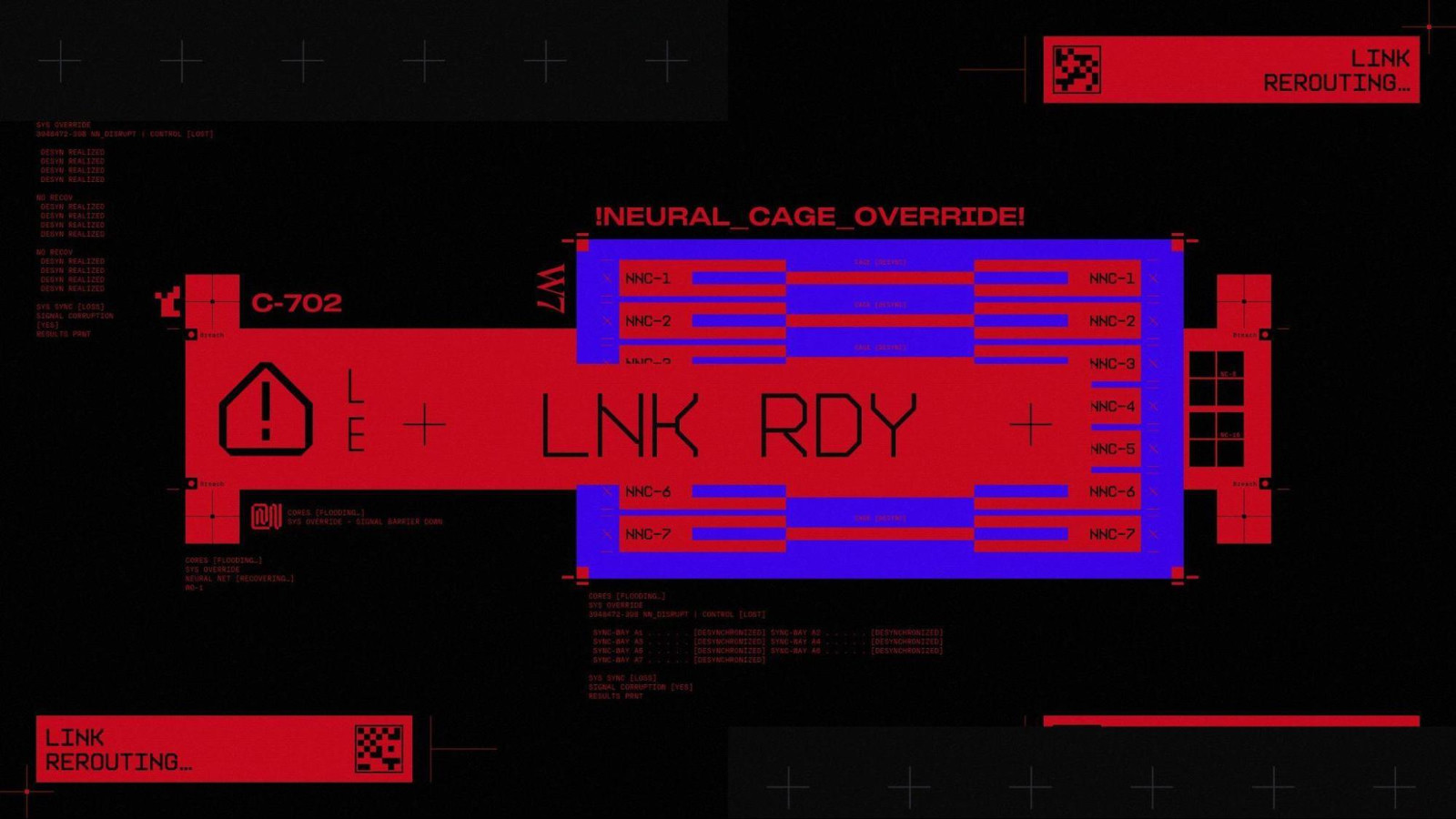
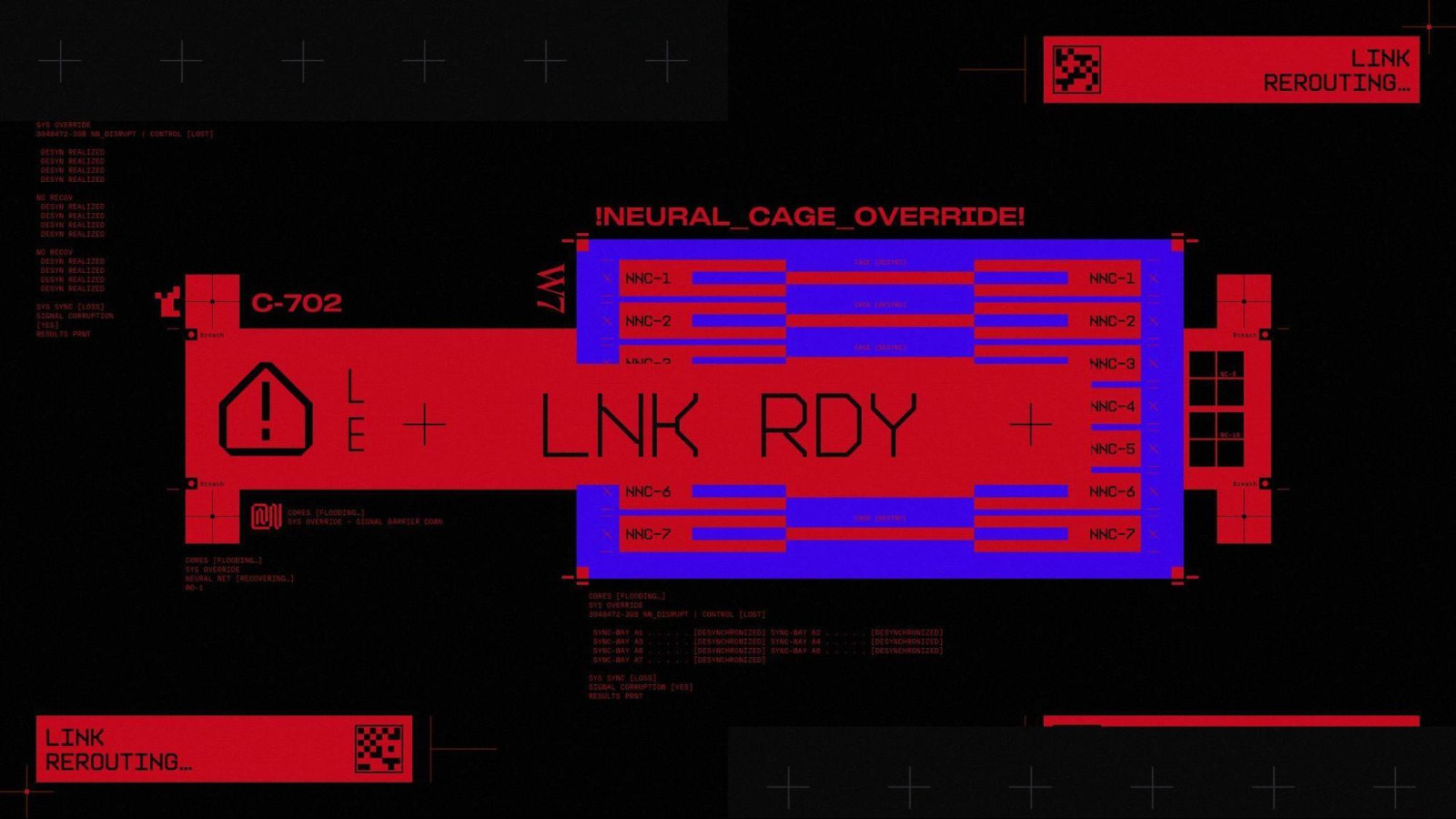
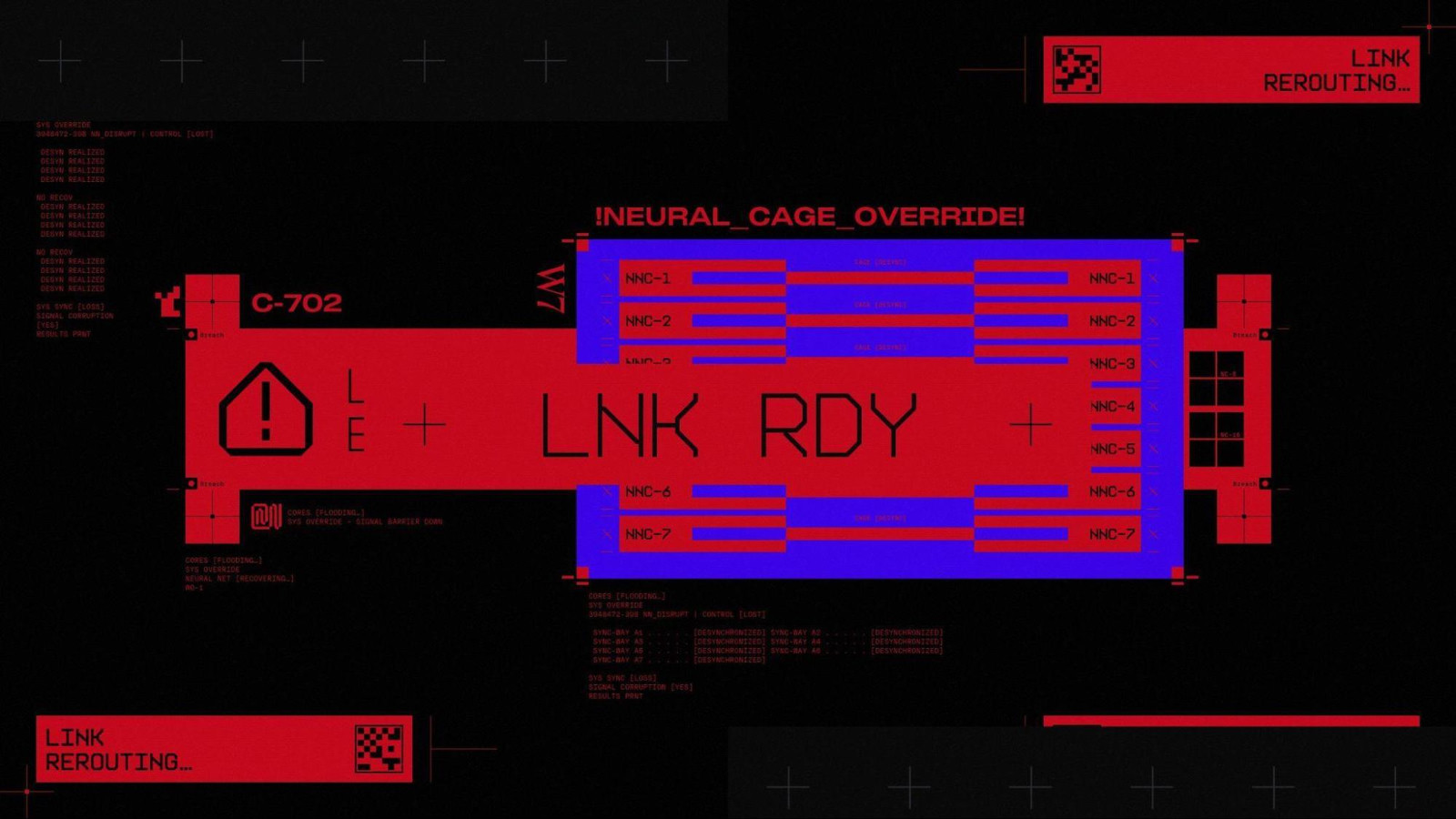
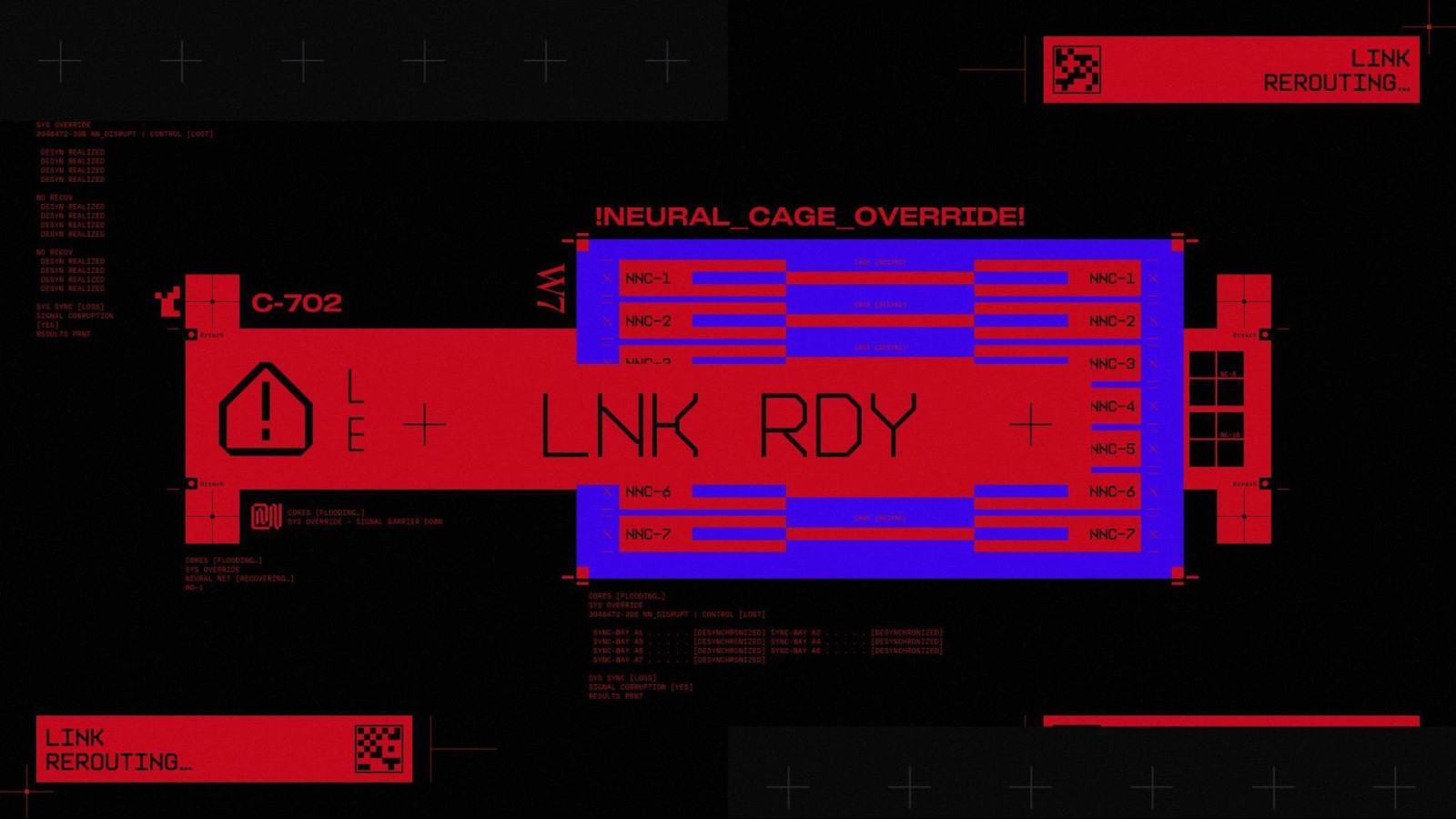
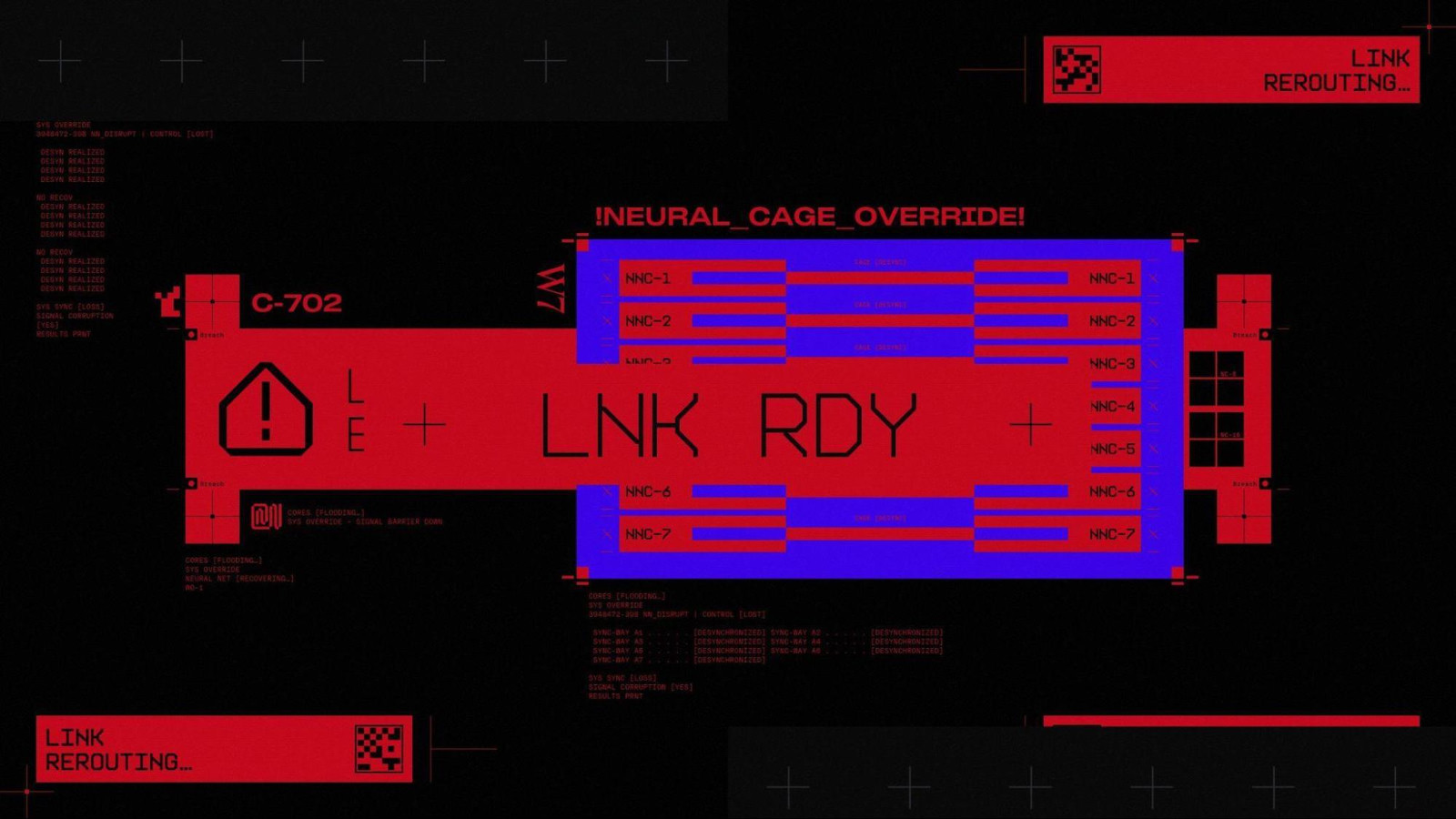
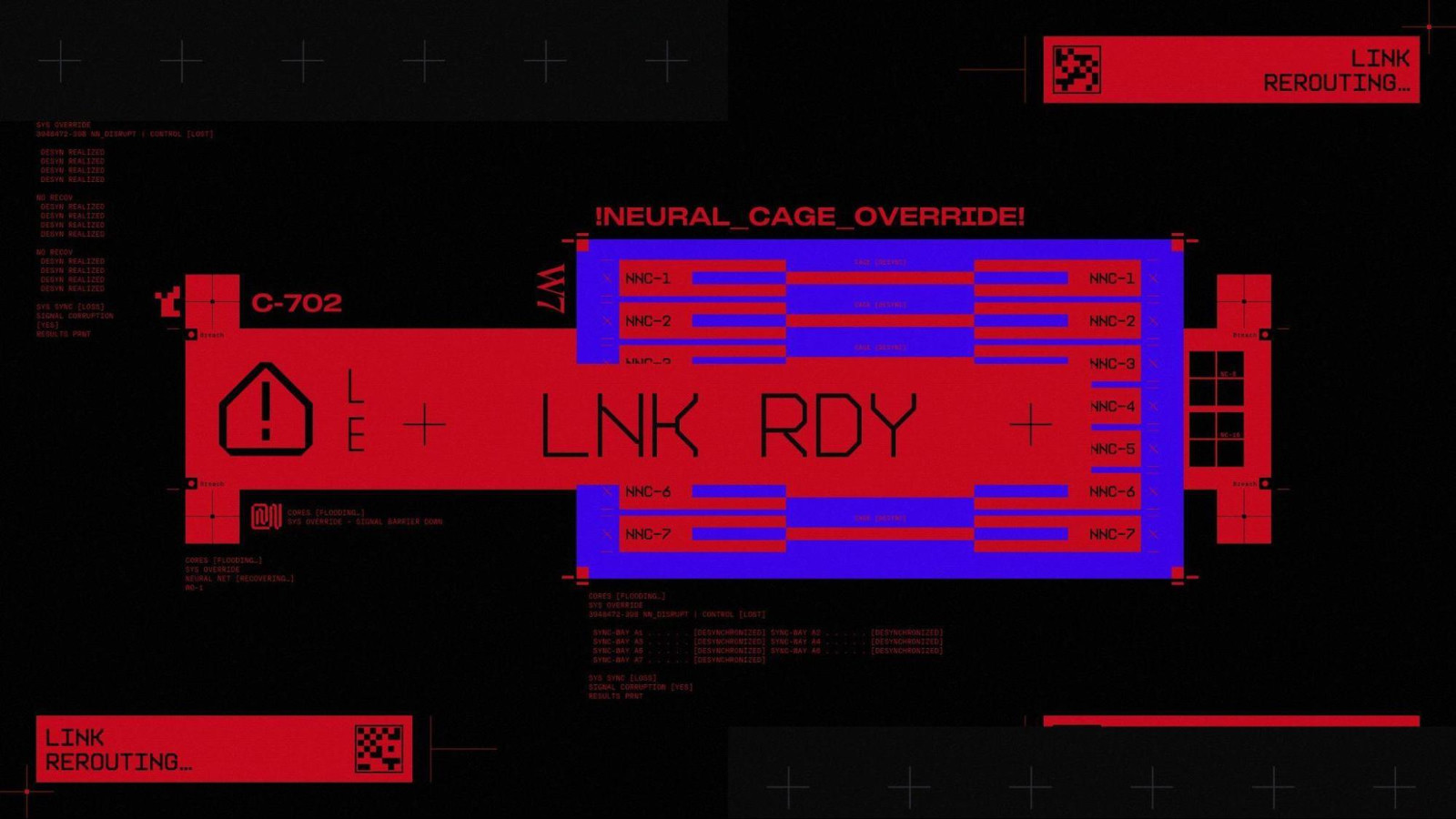
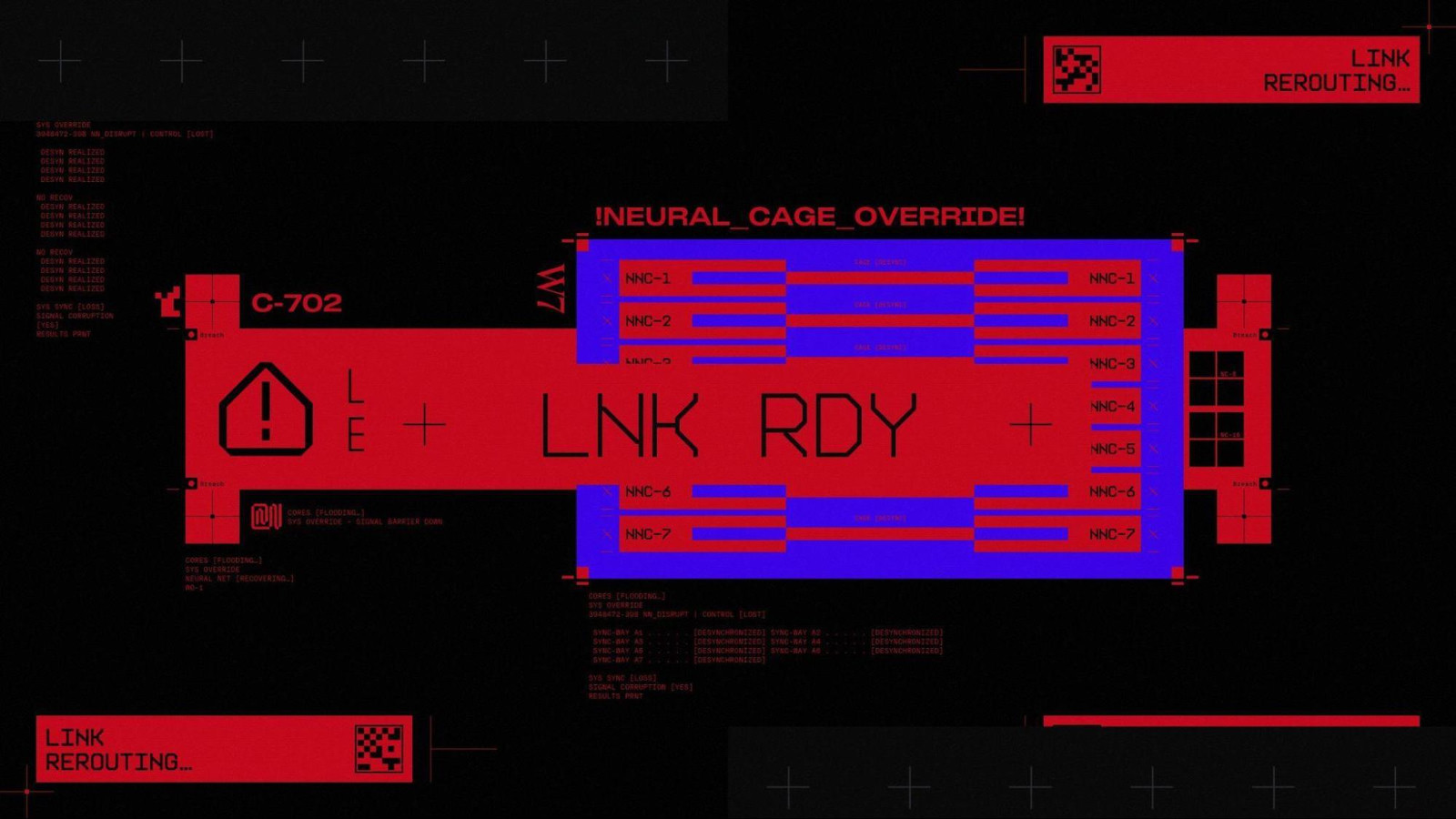
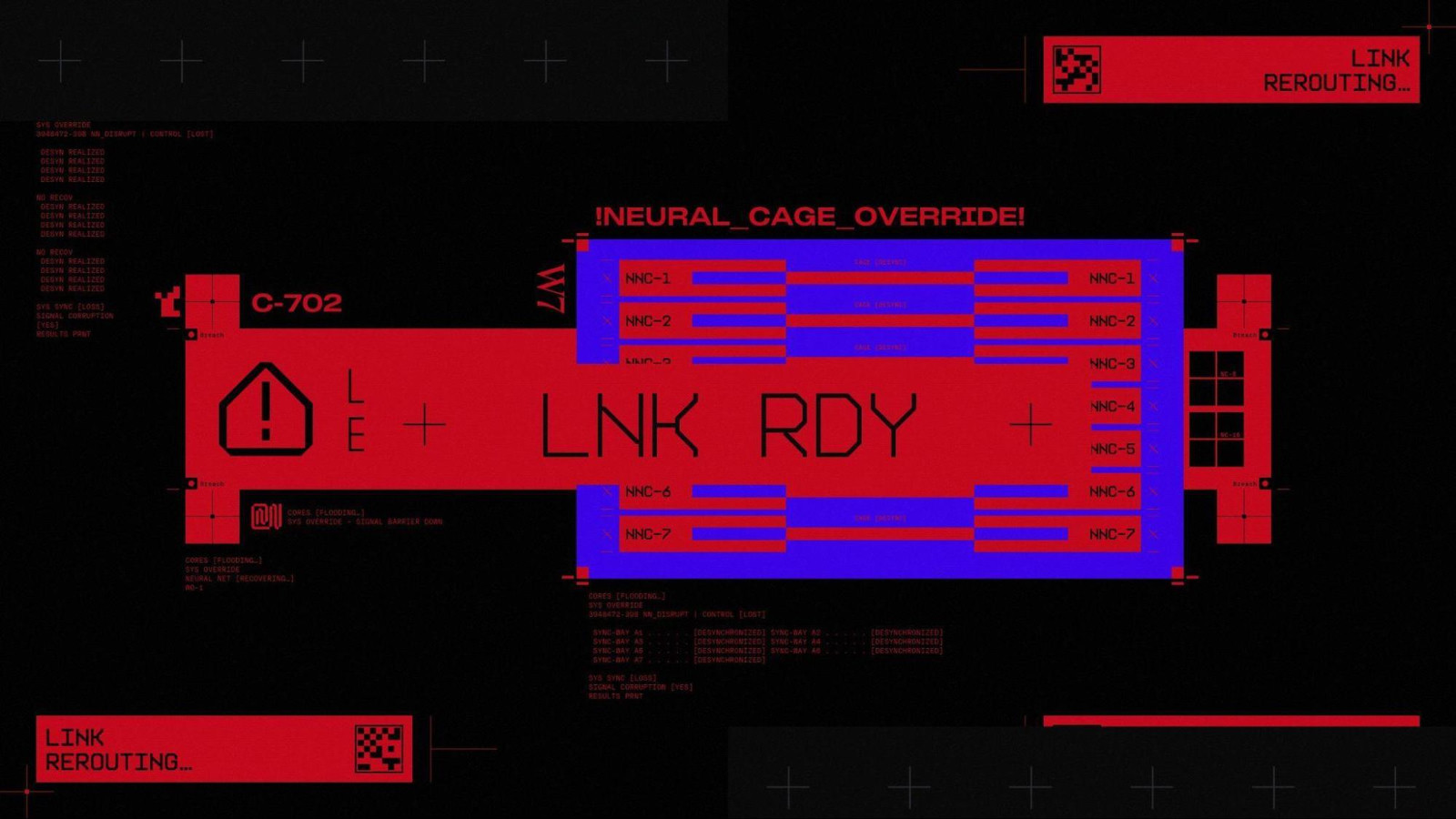
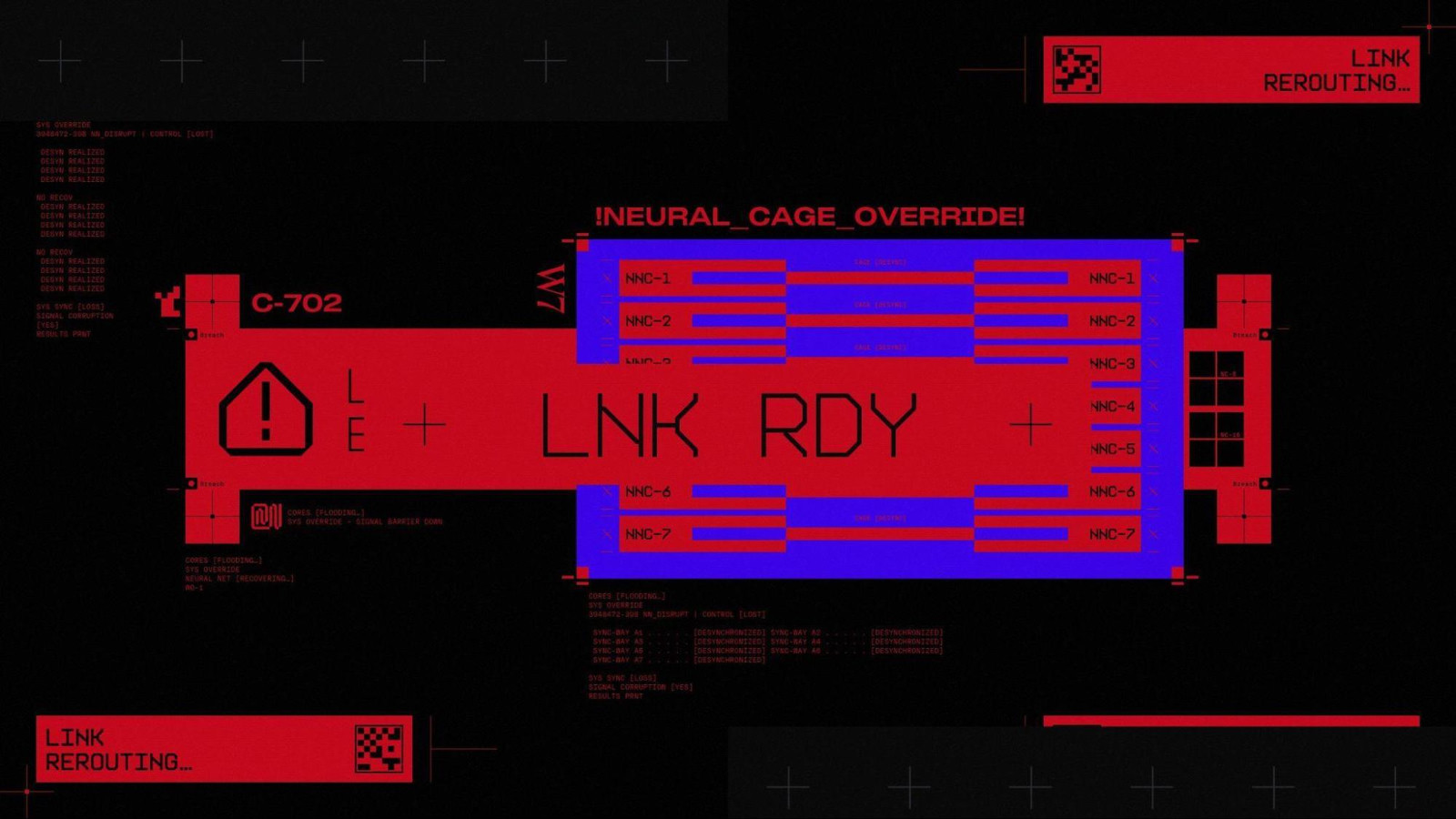
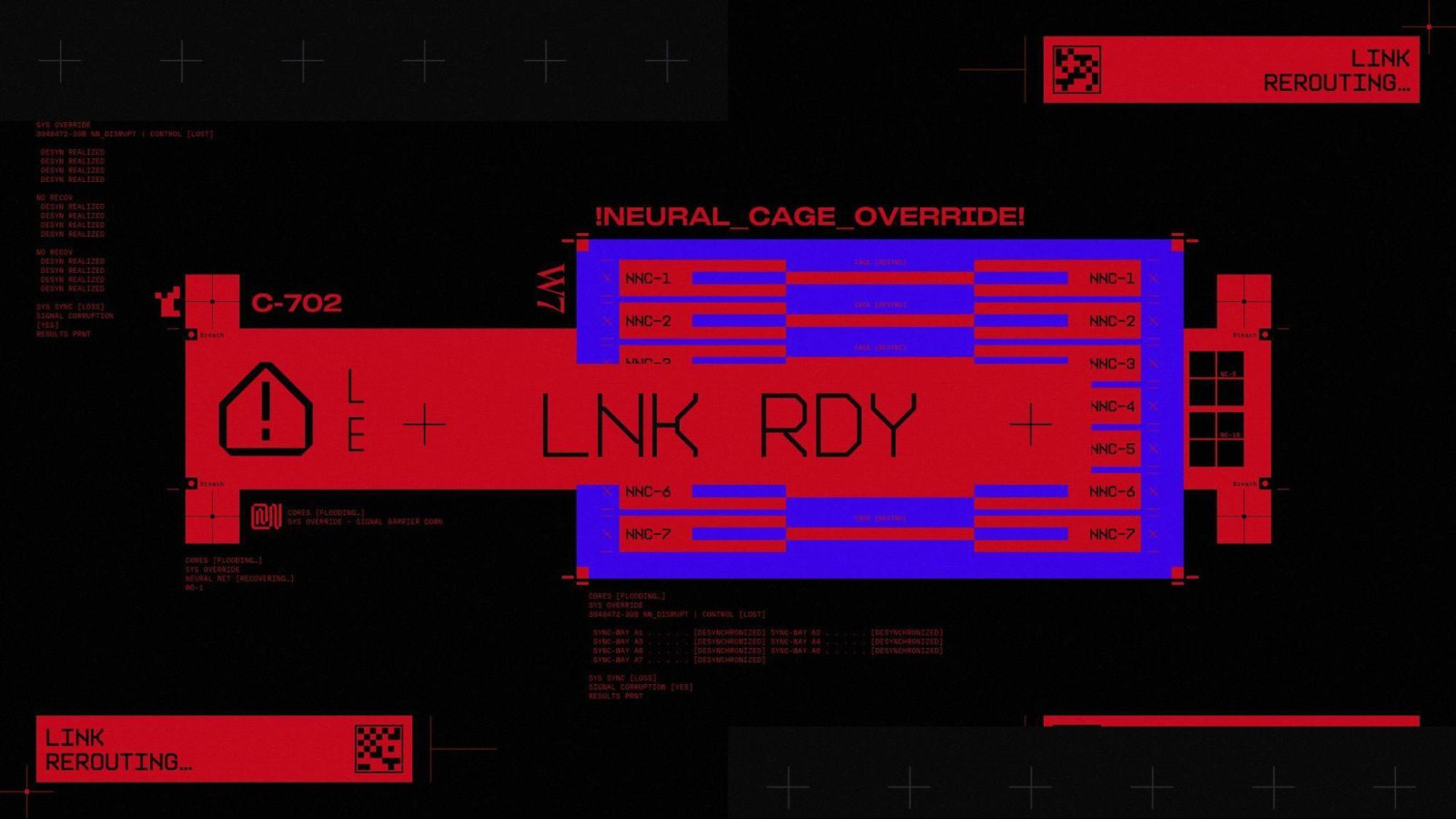
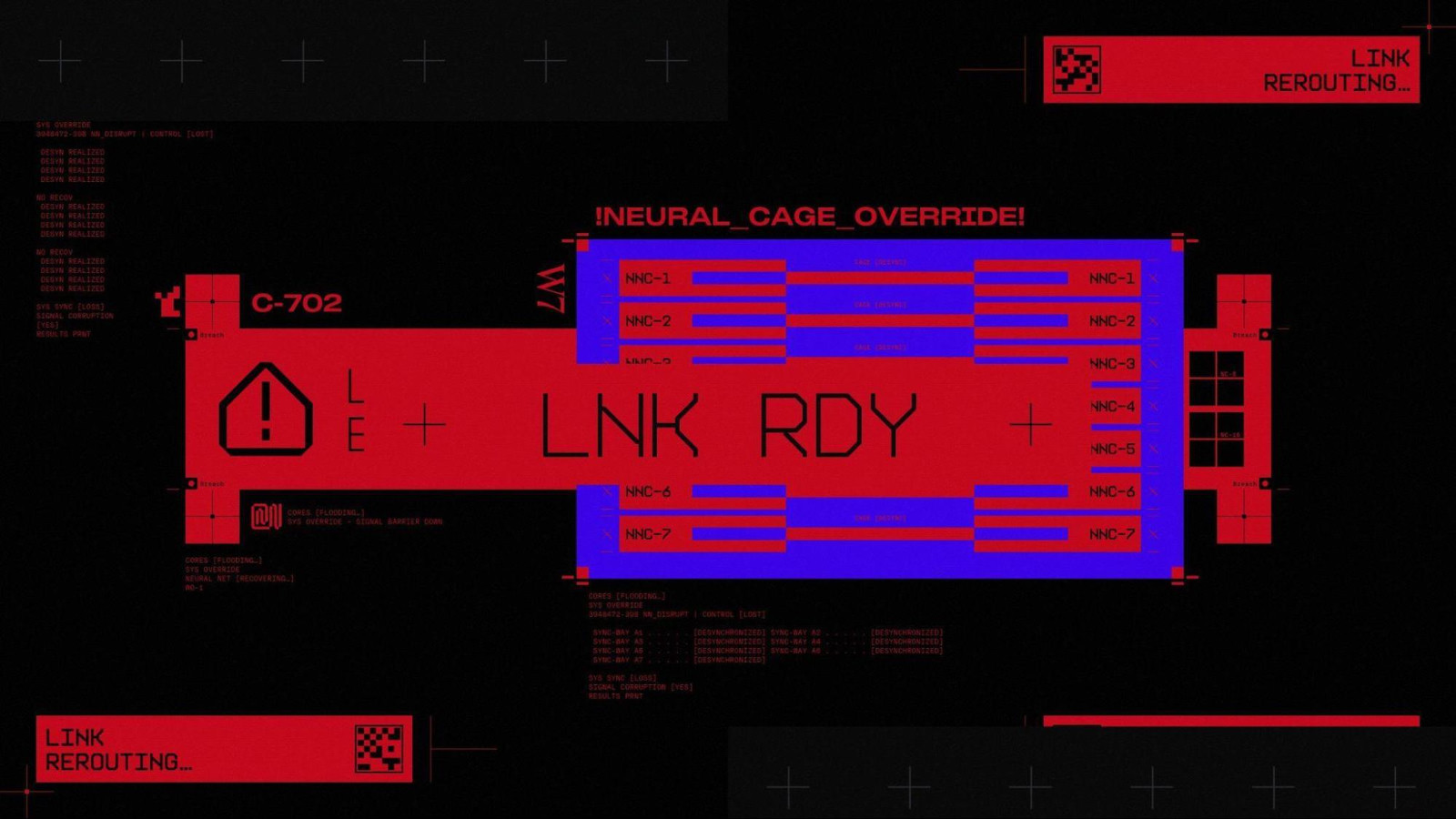
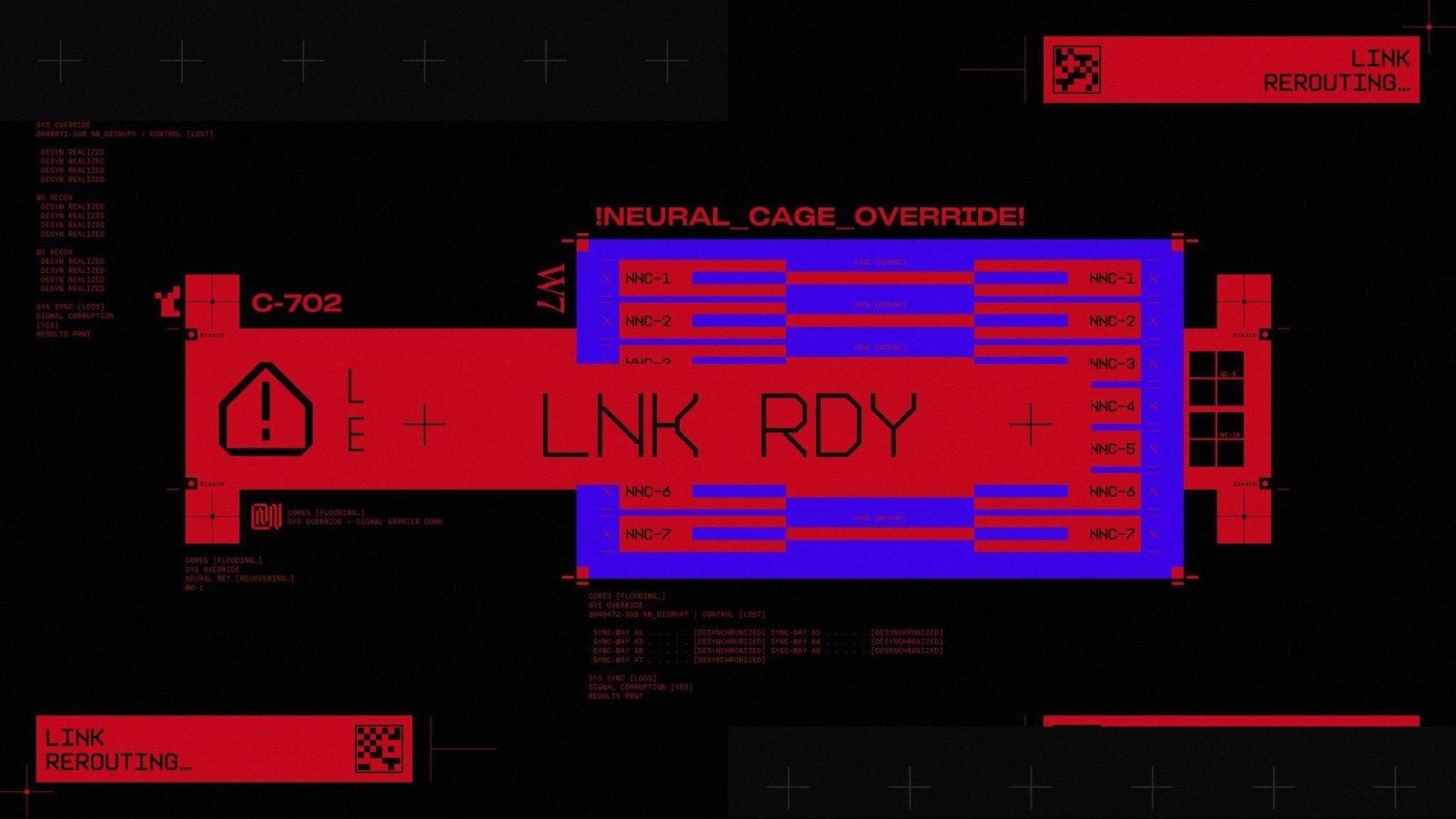
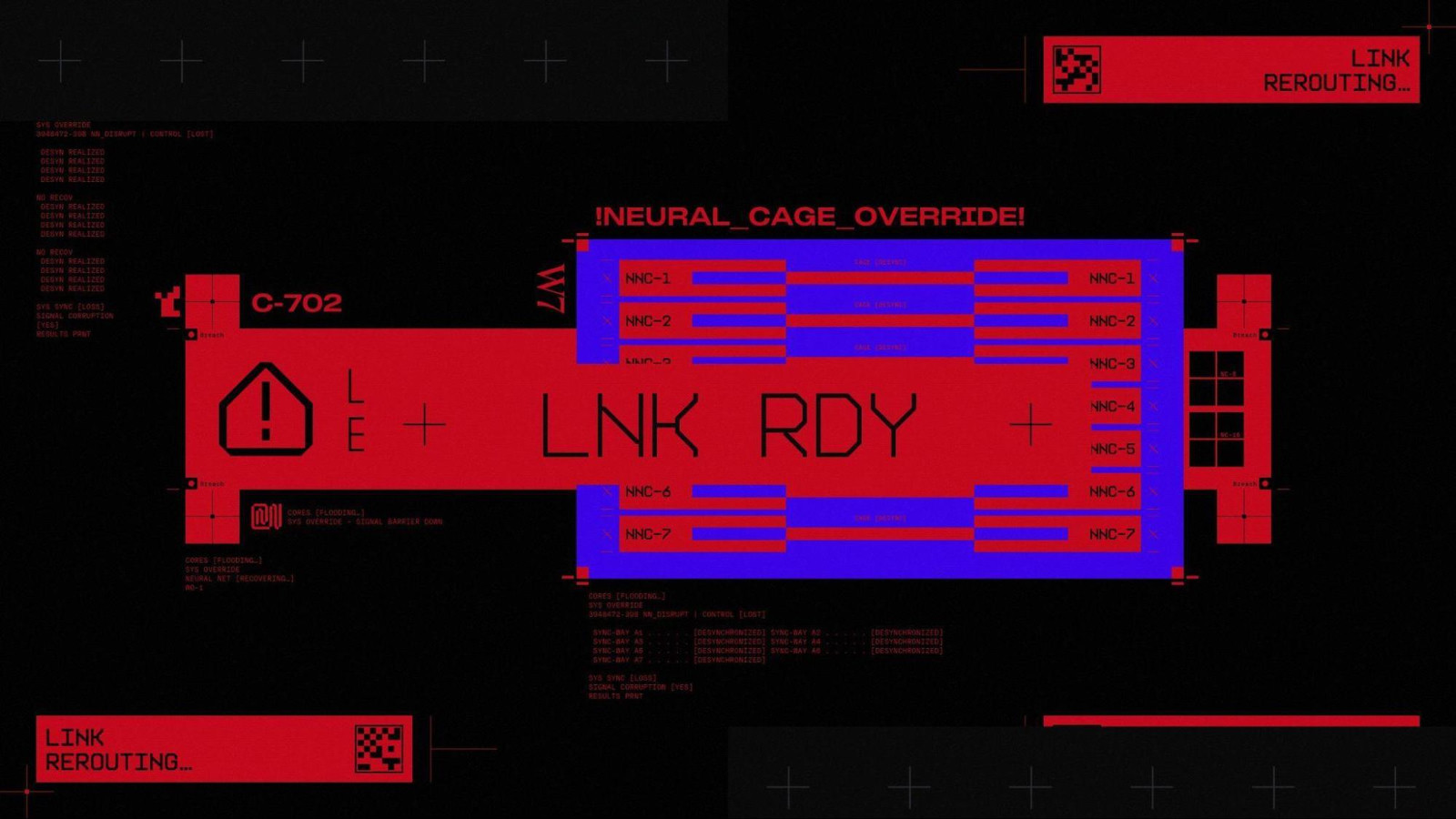
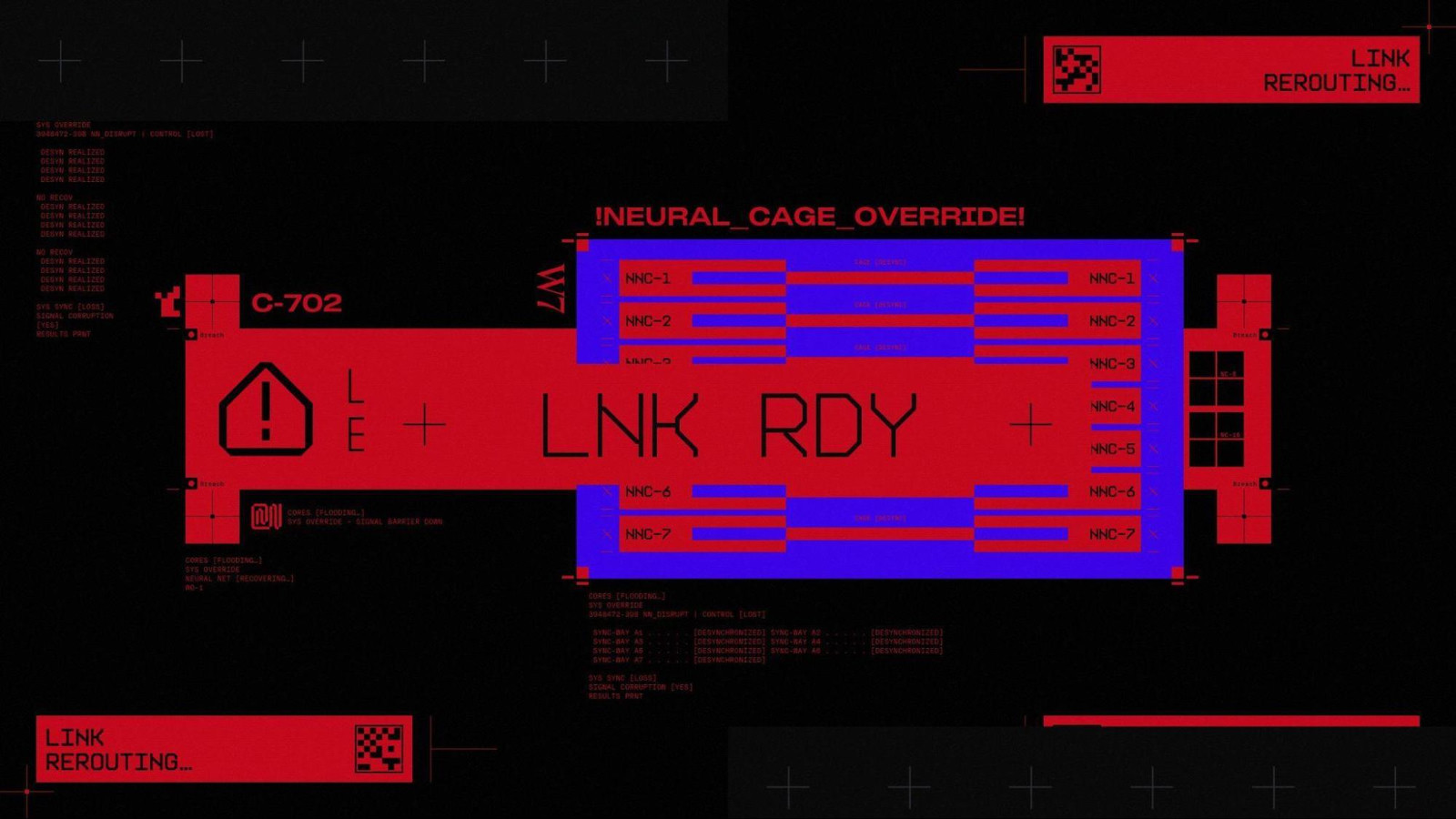
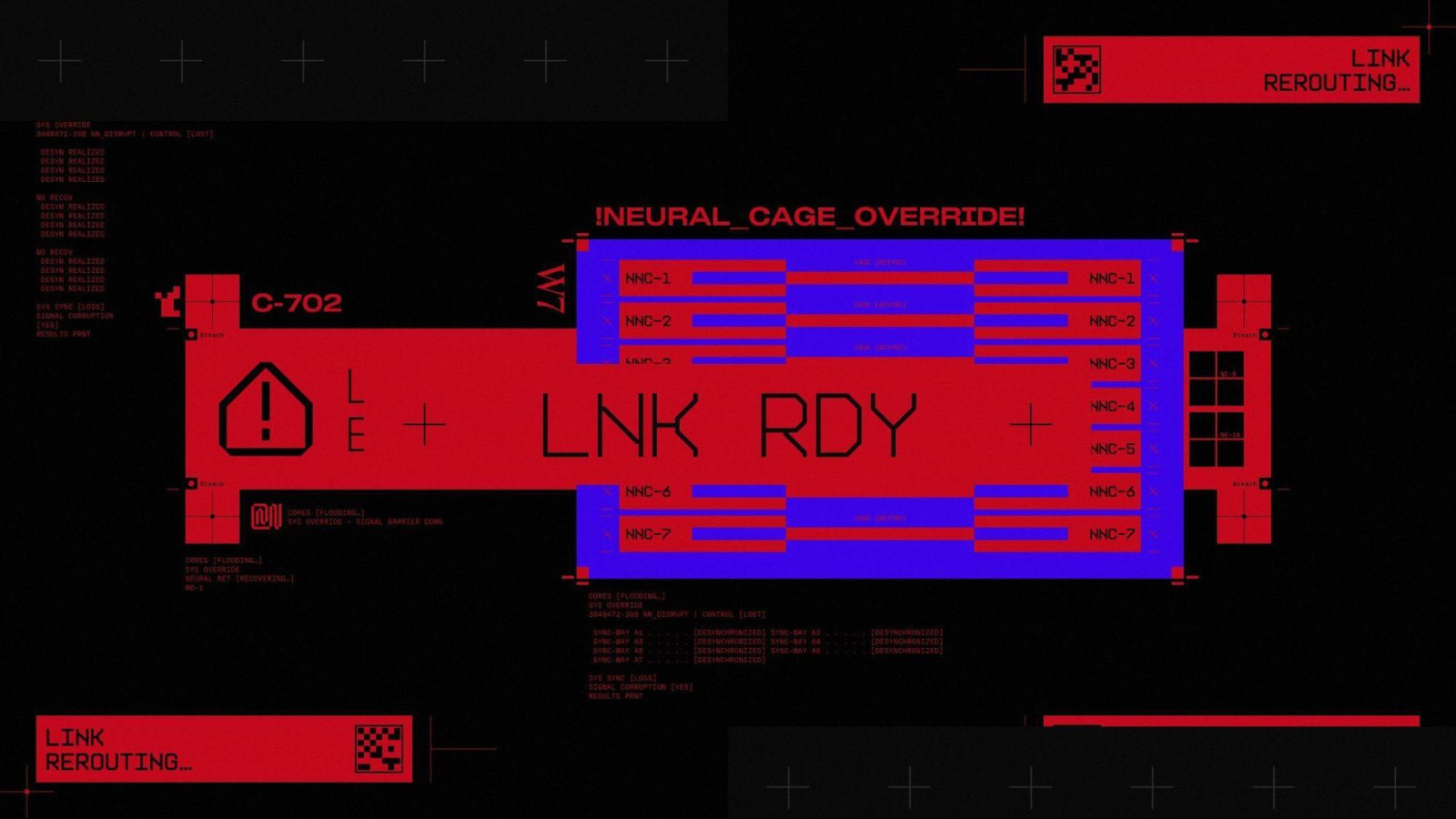
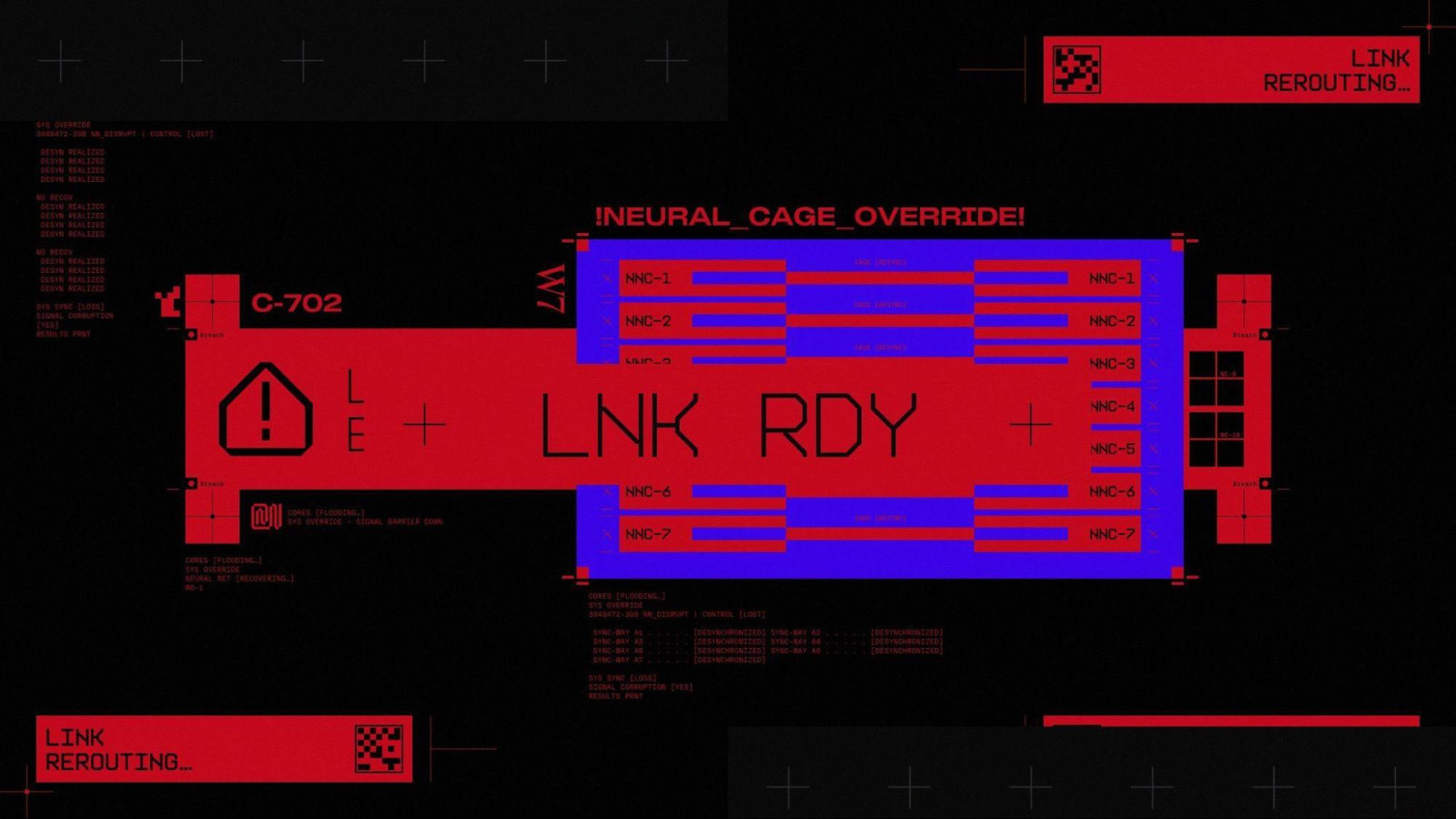
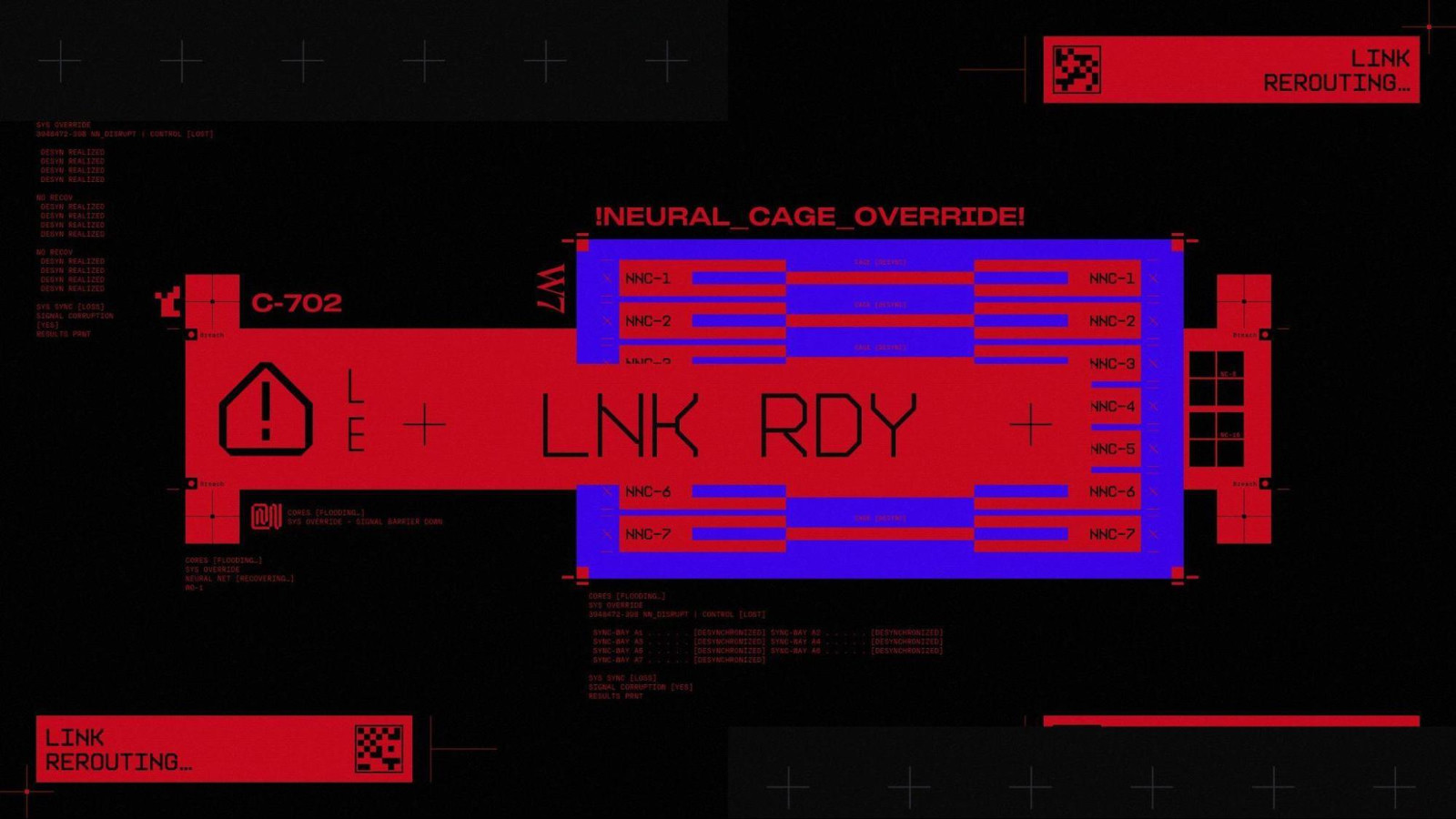
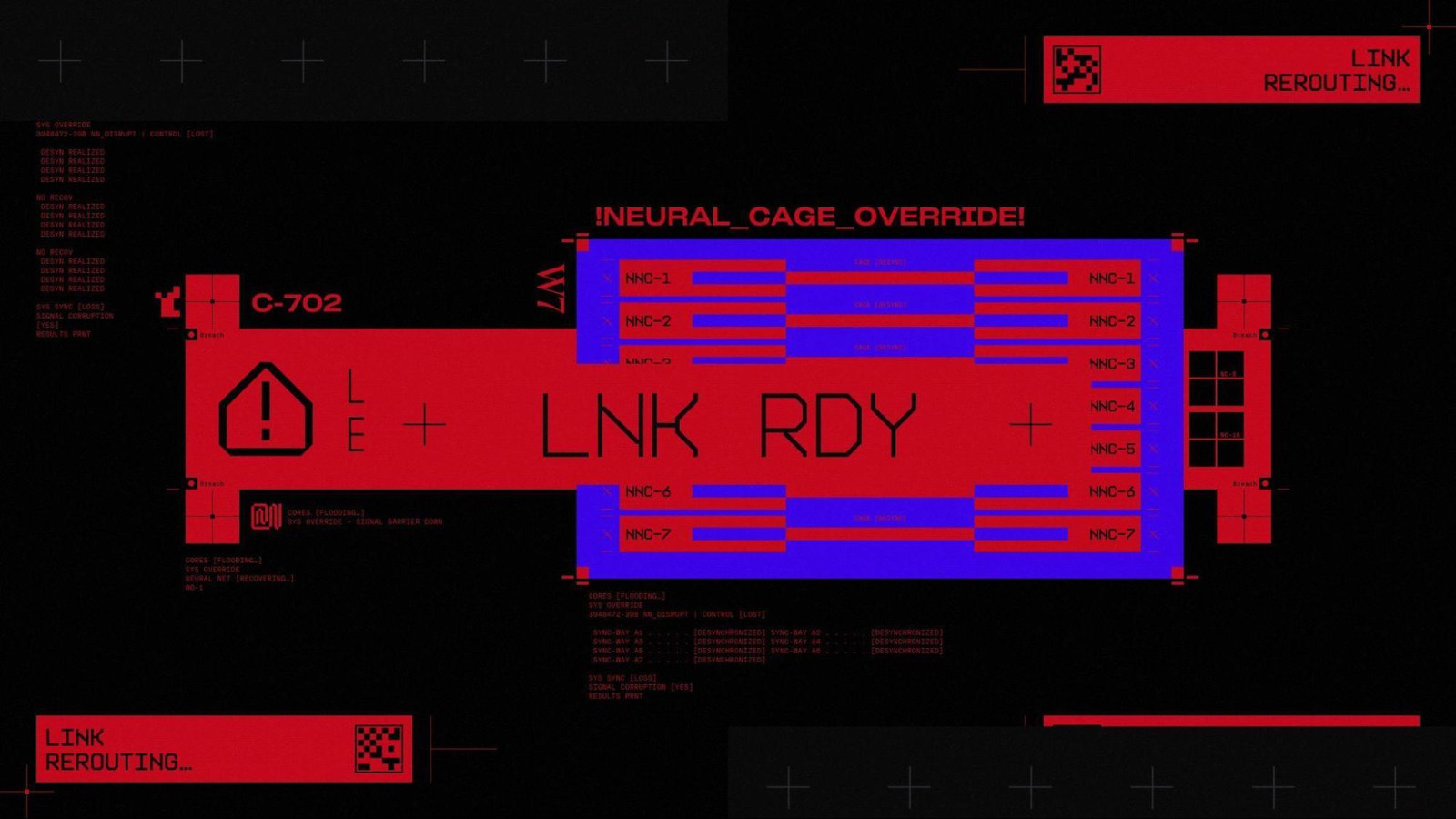
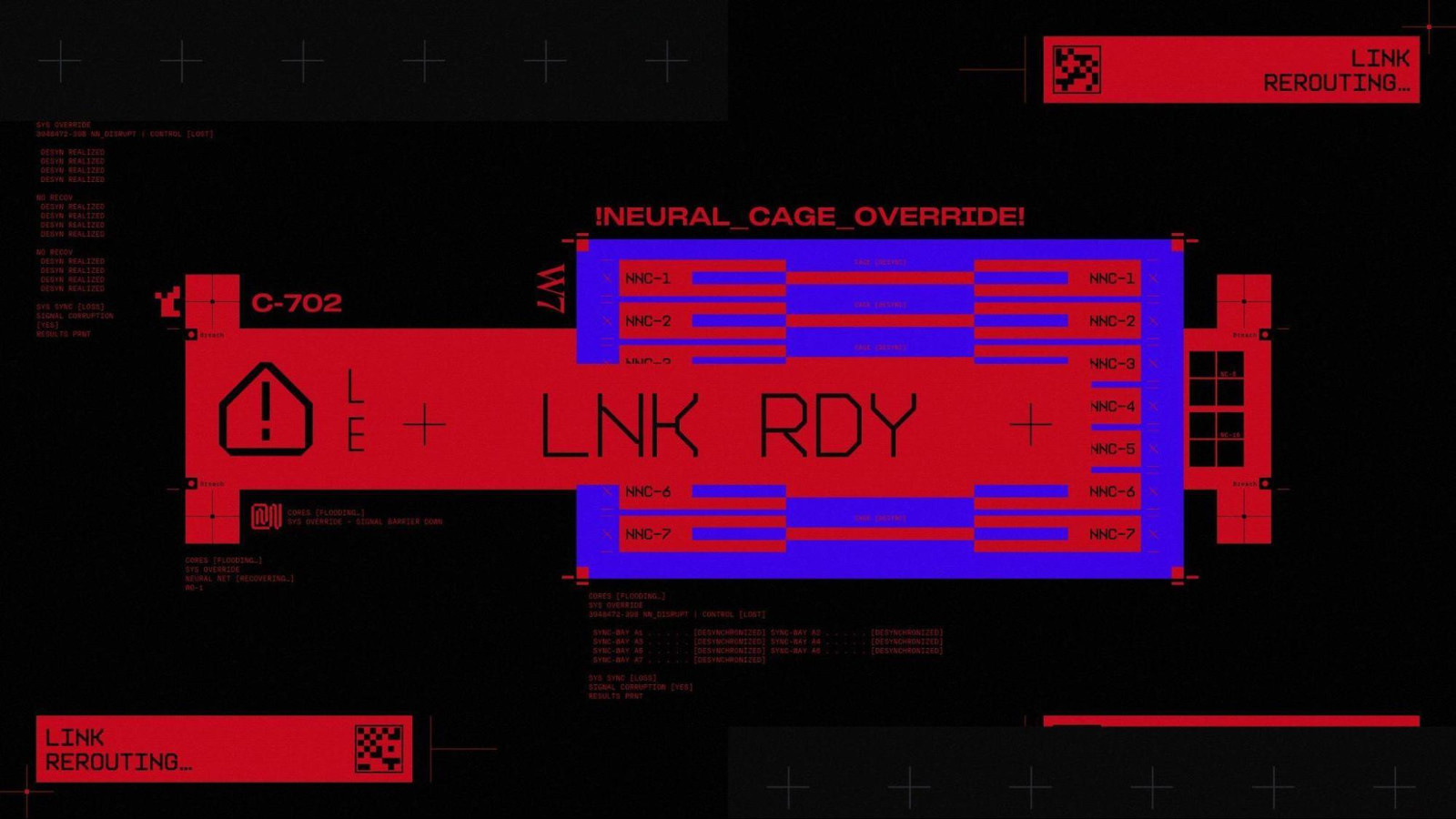
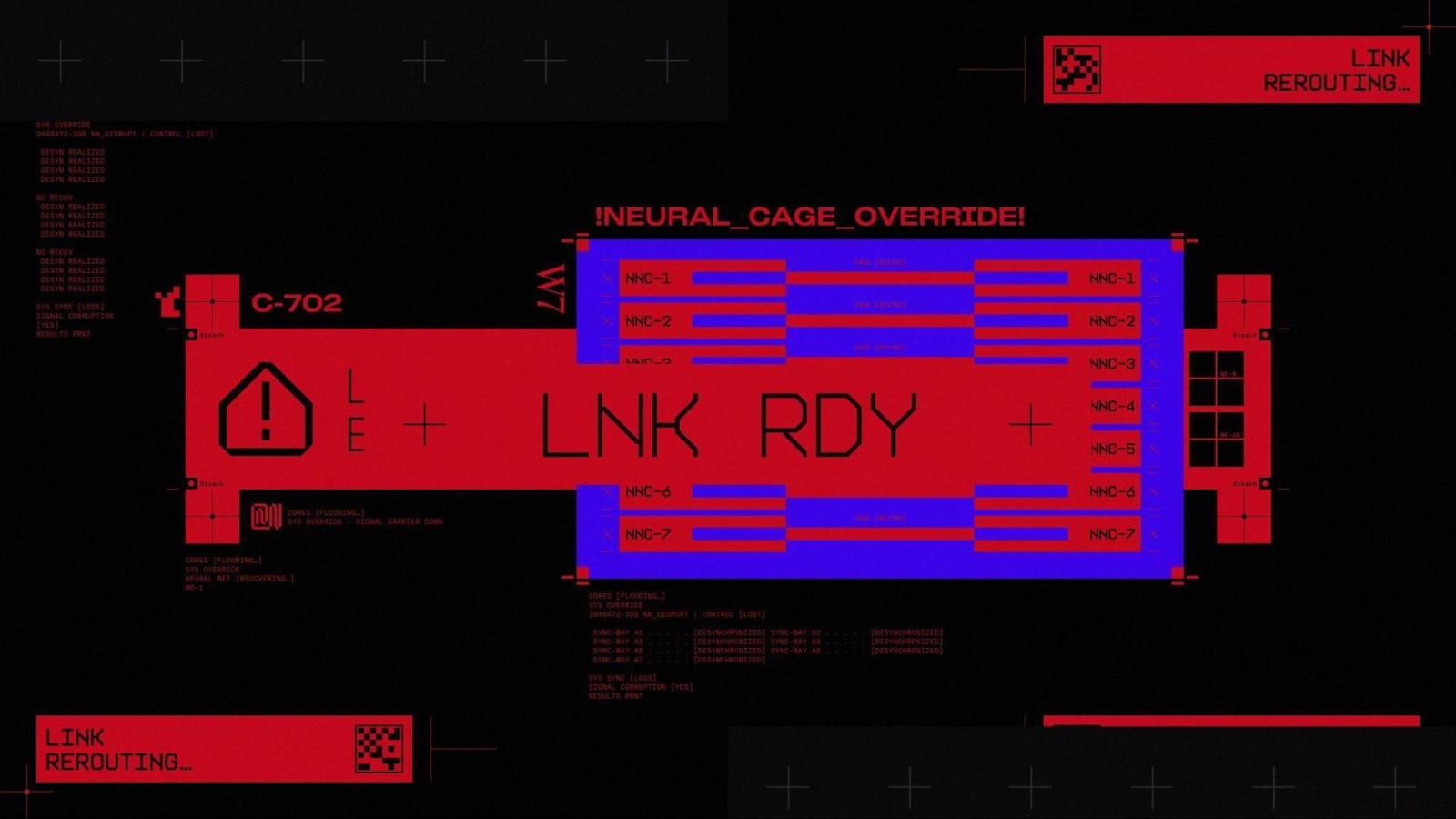
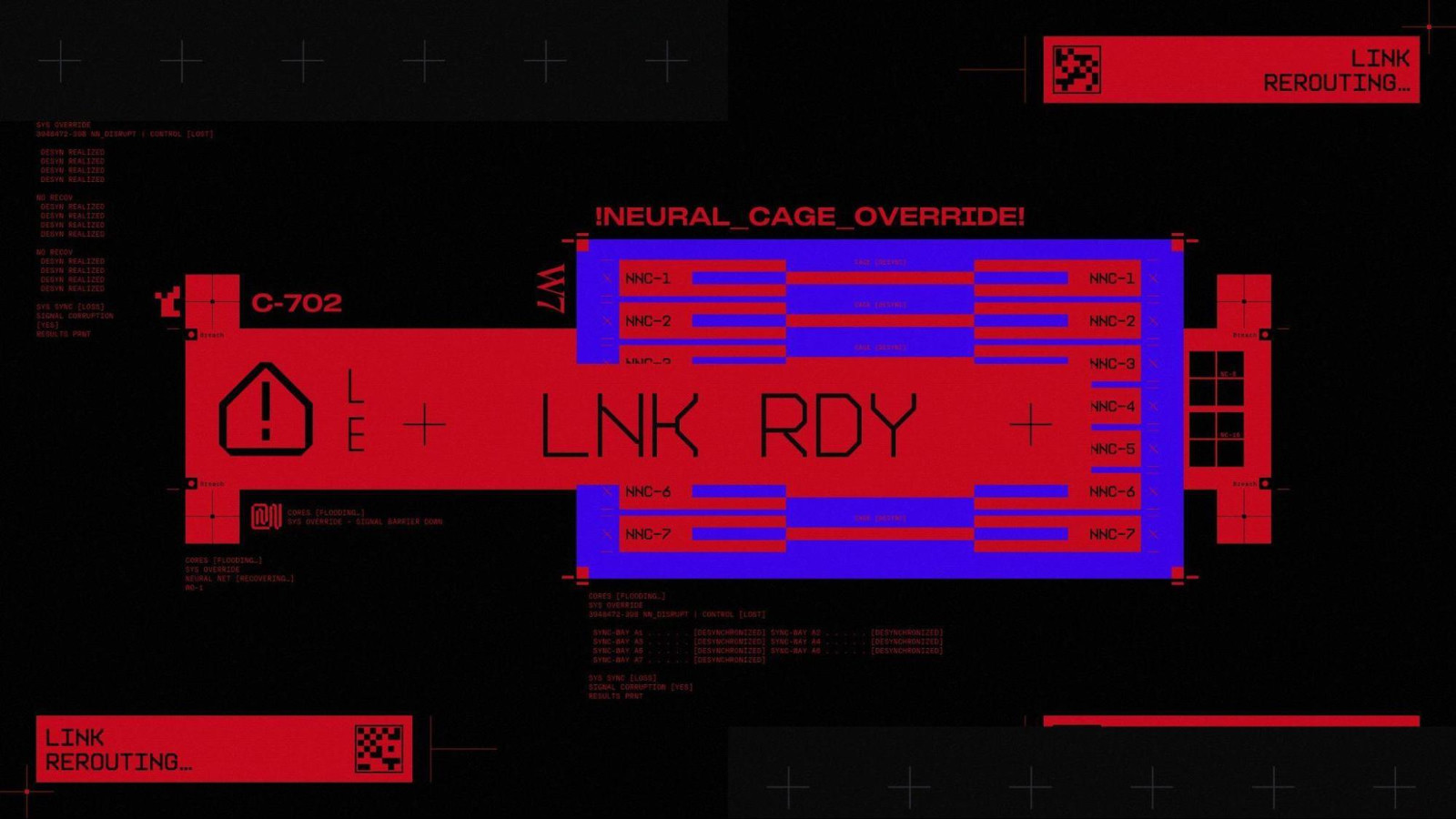
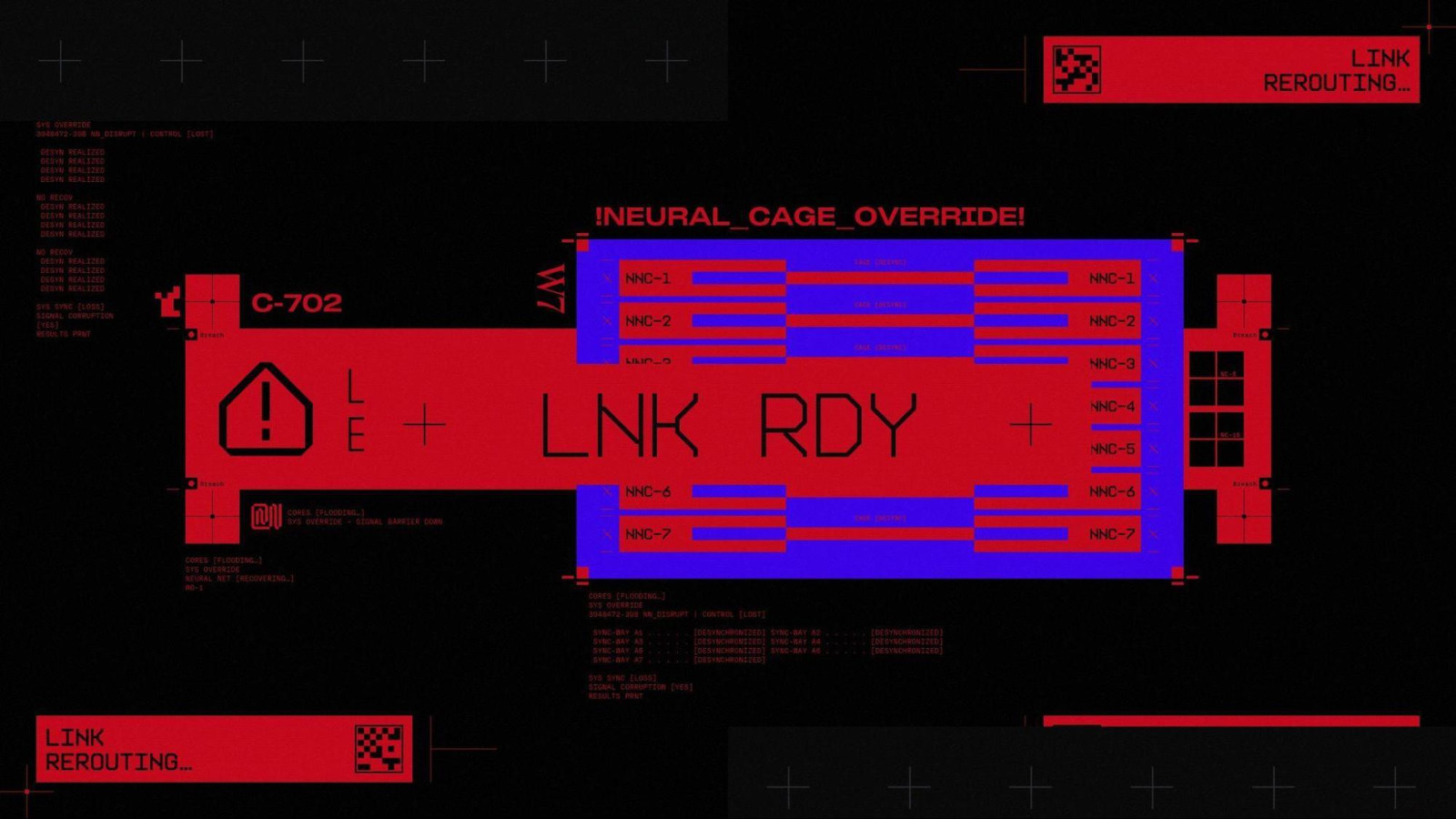
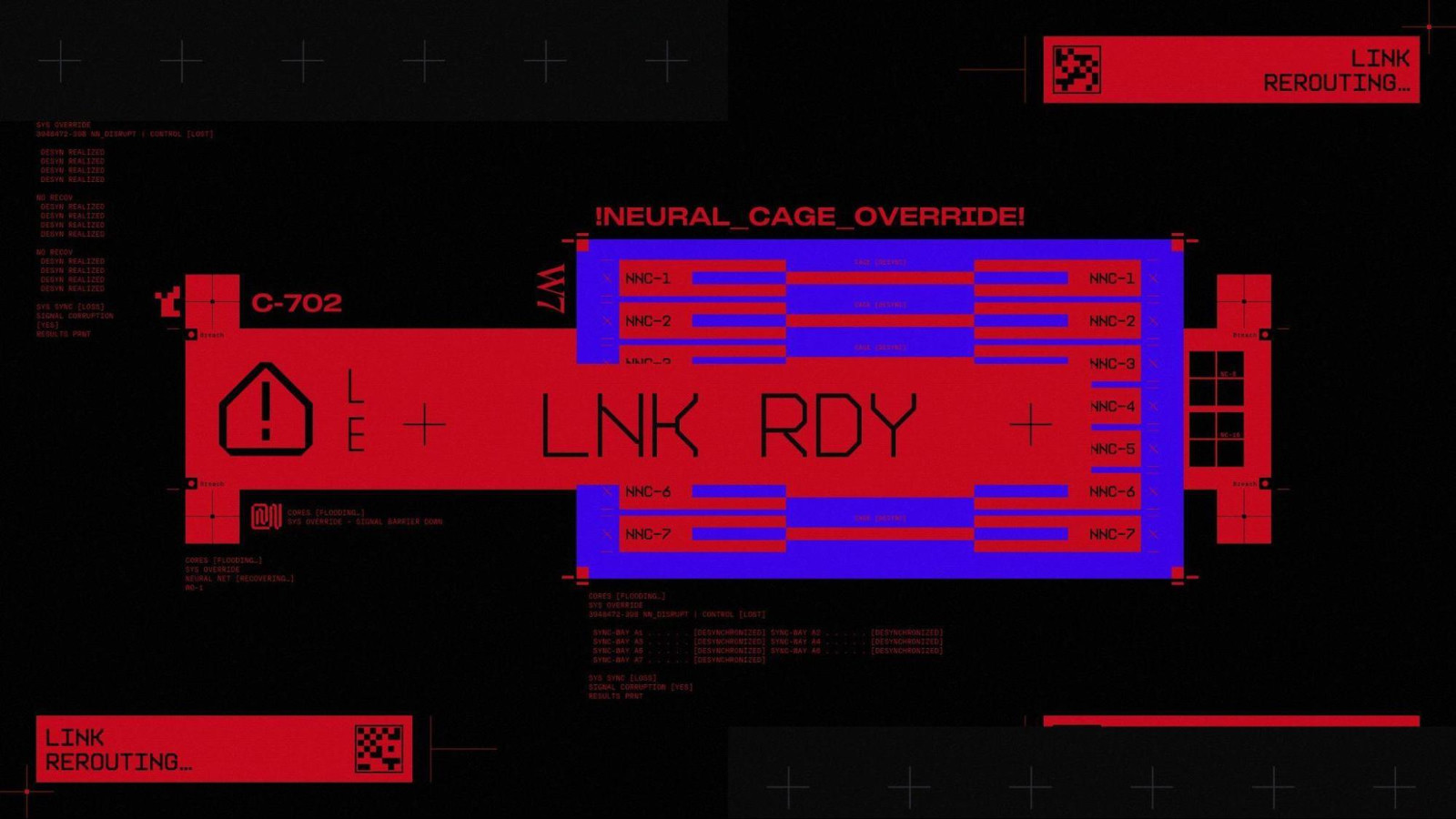
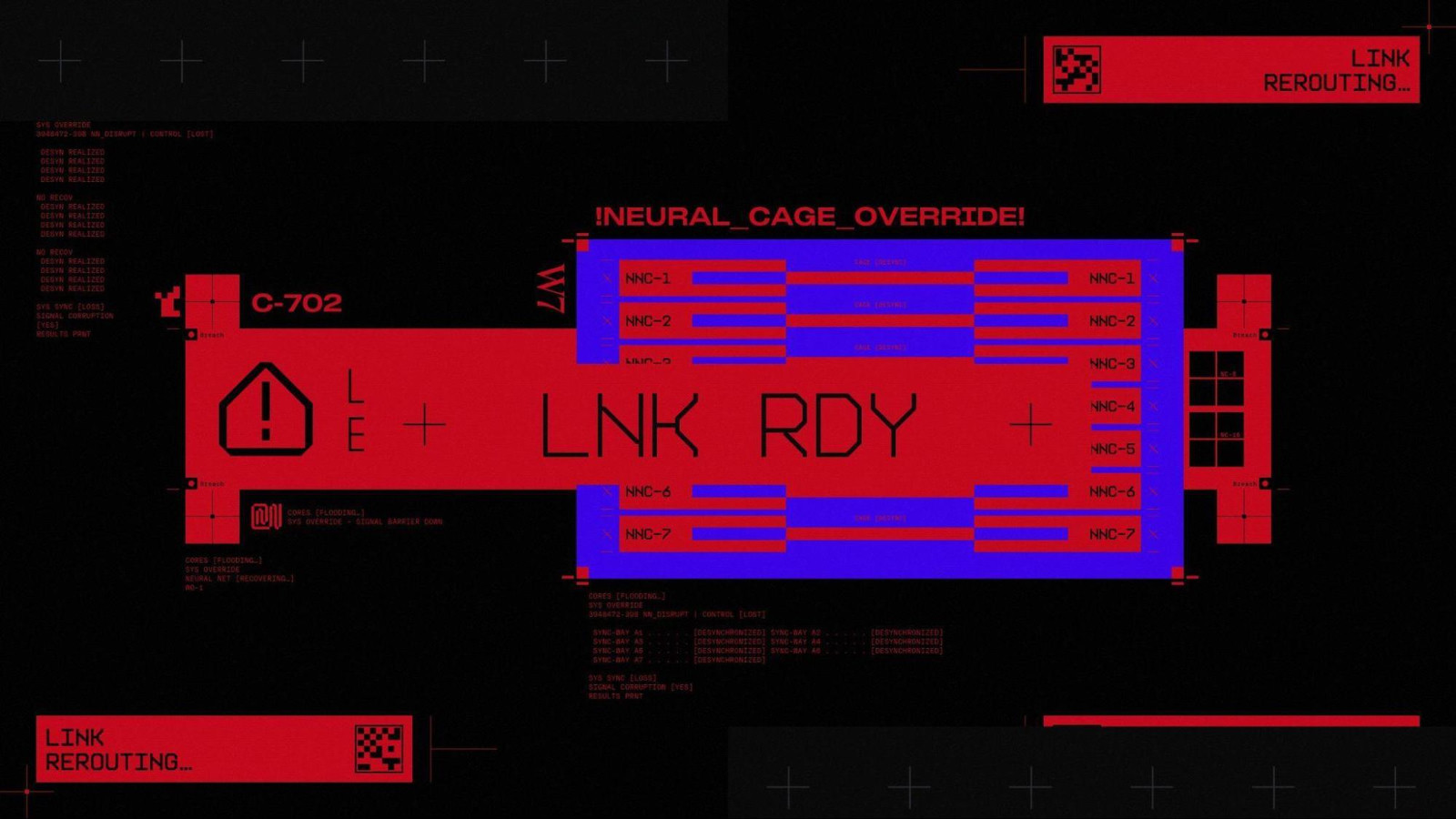
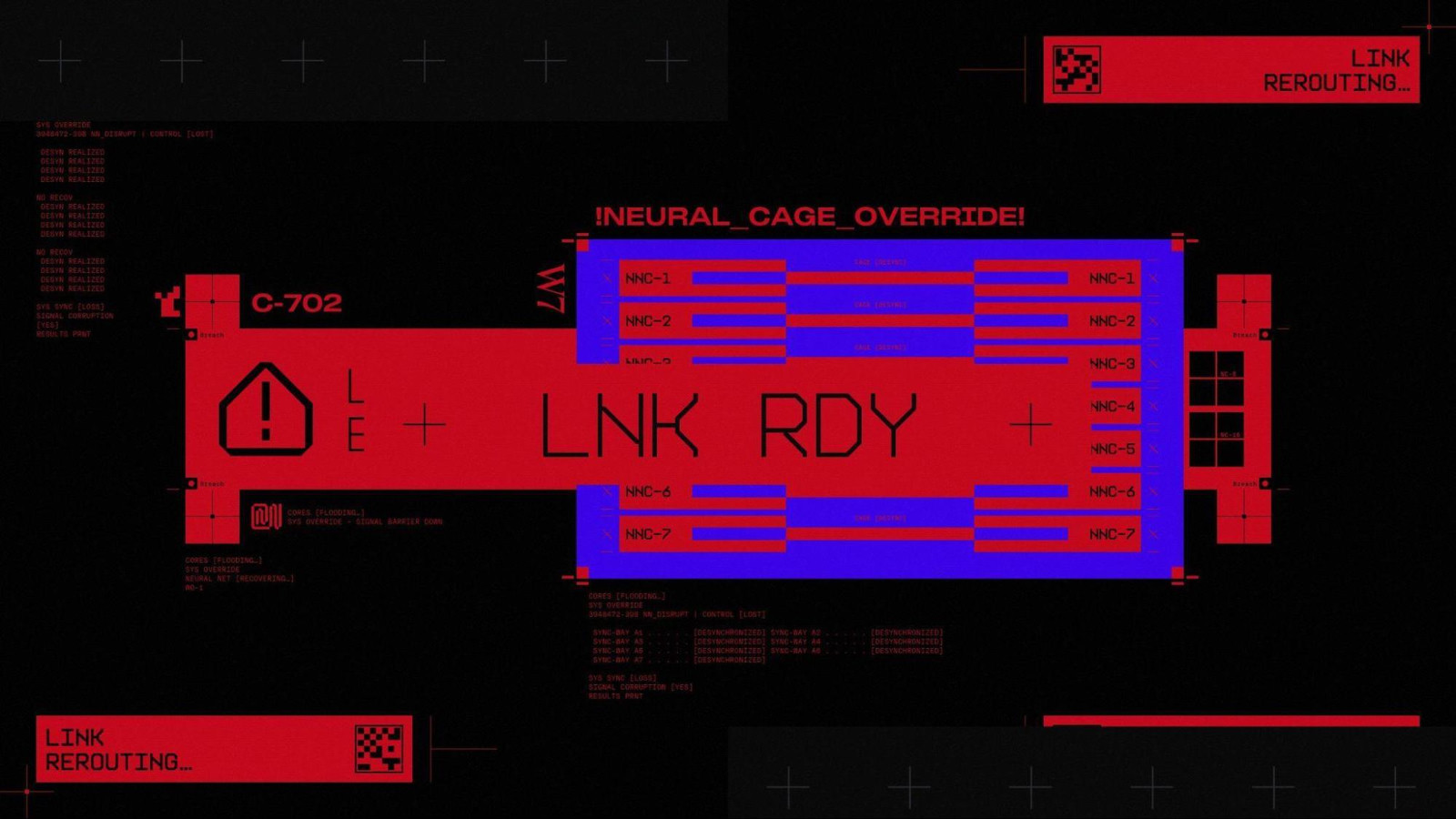
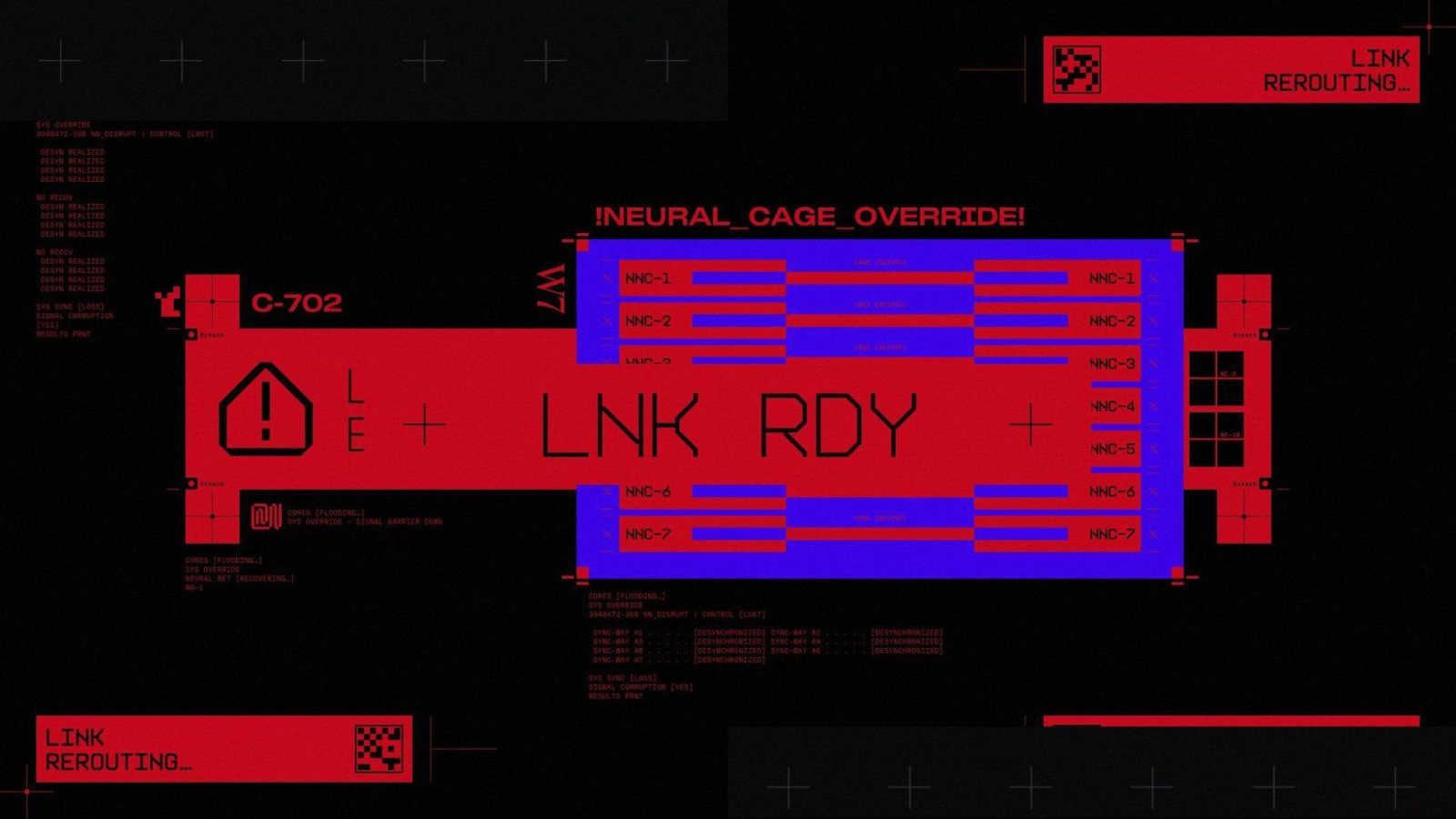
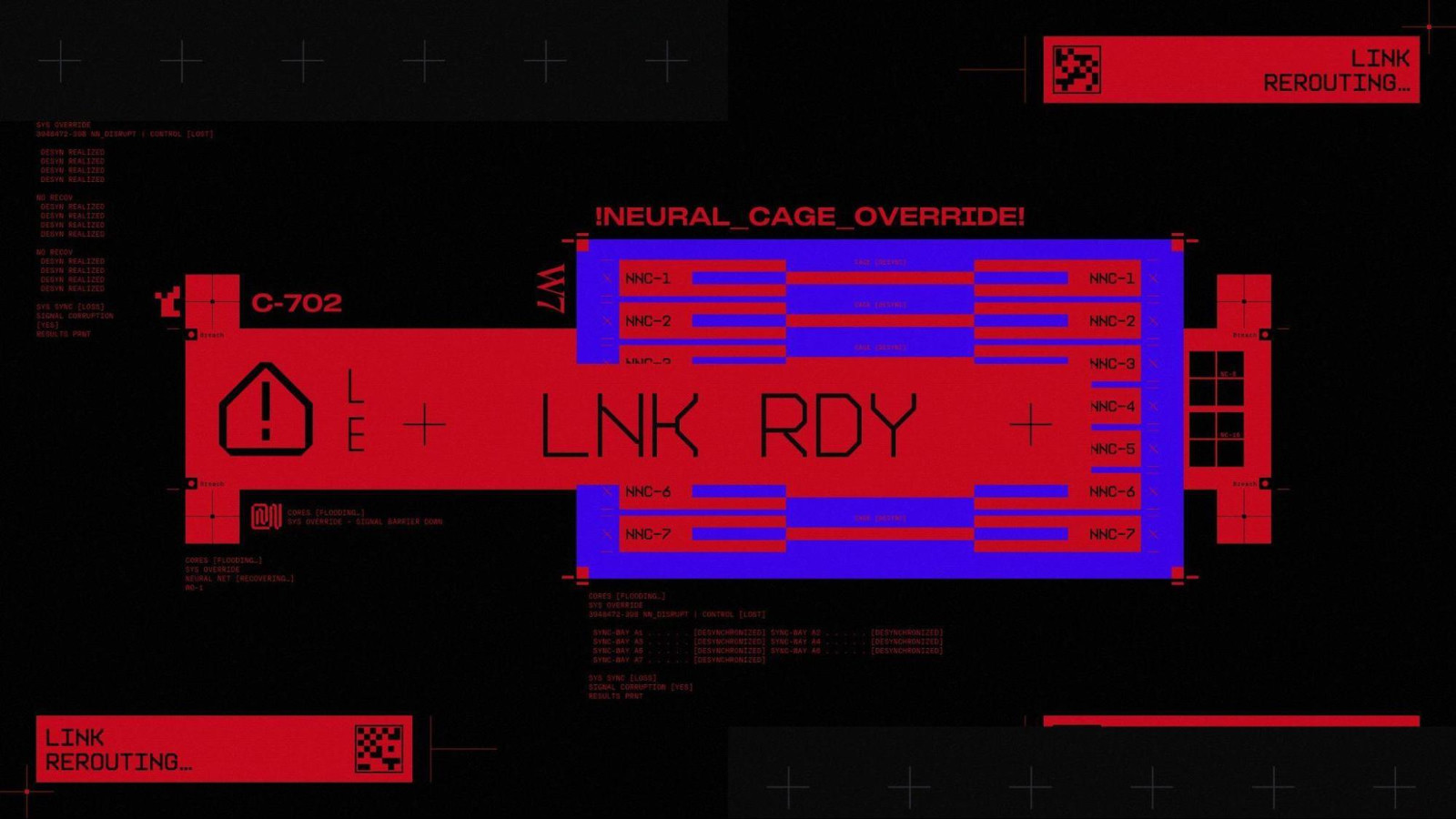
On the global client, the UI is already busy. You’ve got contract trackers, sponsor meta, shell abilities, implants, weapon perks, scrap counts – the usual modern live-service soup. But the way it’s all layered together feels cluttered instead of readable. Loot comparison screens stack small icons and dense text in odd places, and the implant/inventory menus are the kind of thing that made me sigh before I even clicked on them.
Swap to the Japanese version and the problems compound. The font choice is thin and low-contrast, with certain kanji crammed into narrow UI elements that were clearly laid out around English-length text. Some descriptions wrap awkwardly, others are truncated in ways that make already-technical perk language harder to parse. It’s not “unplayable,” but when you’re making high-speed decisions about what to bring into a dangerous run, that additional friction matters.
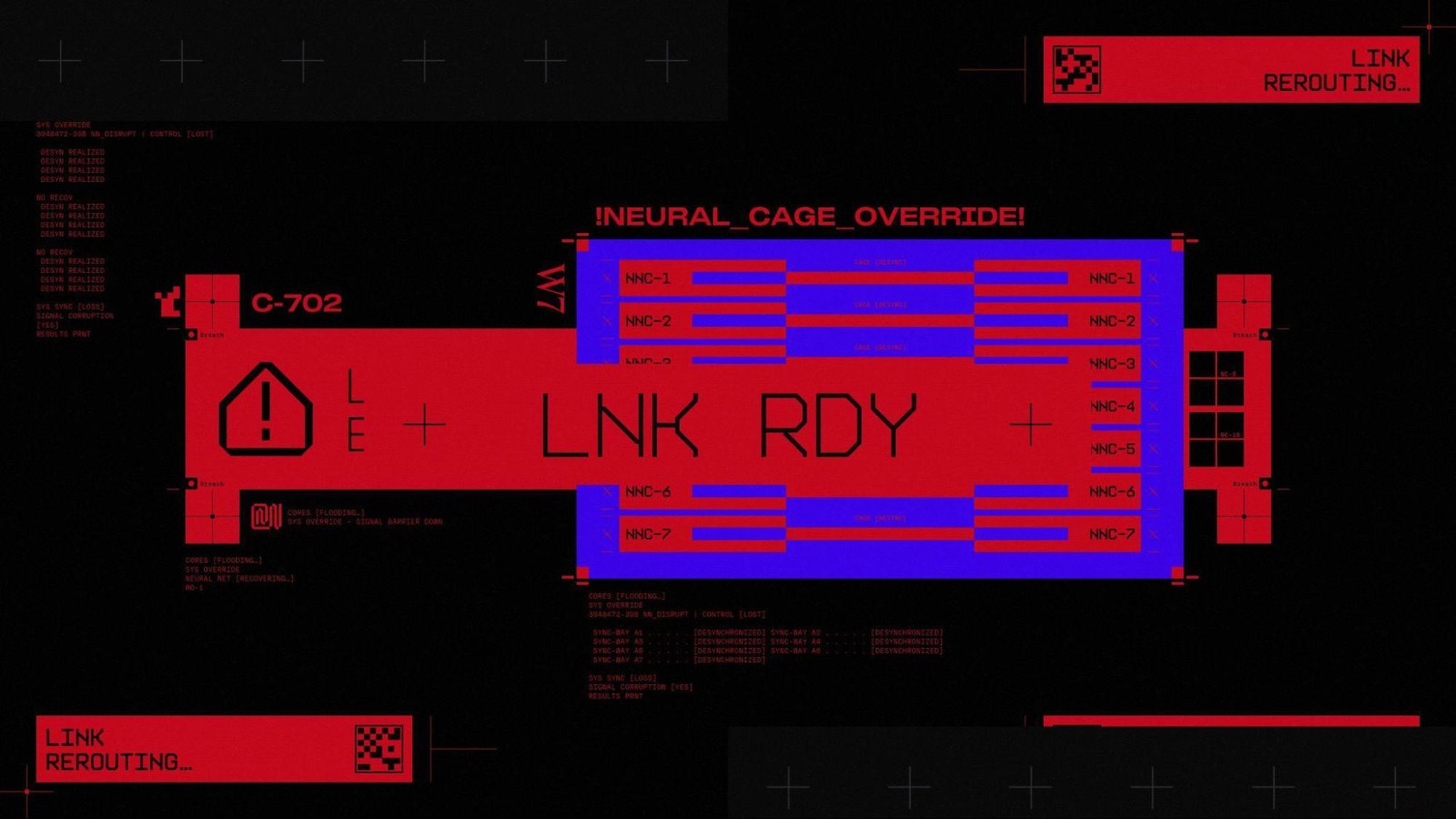
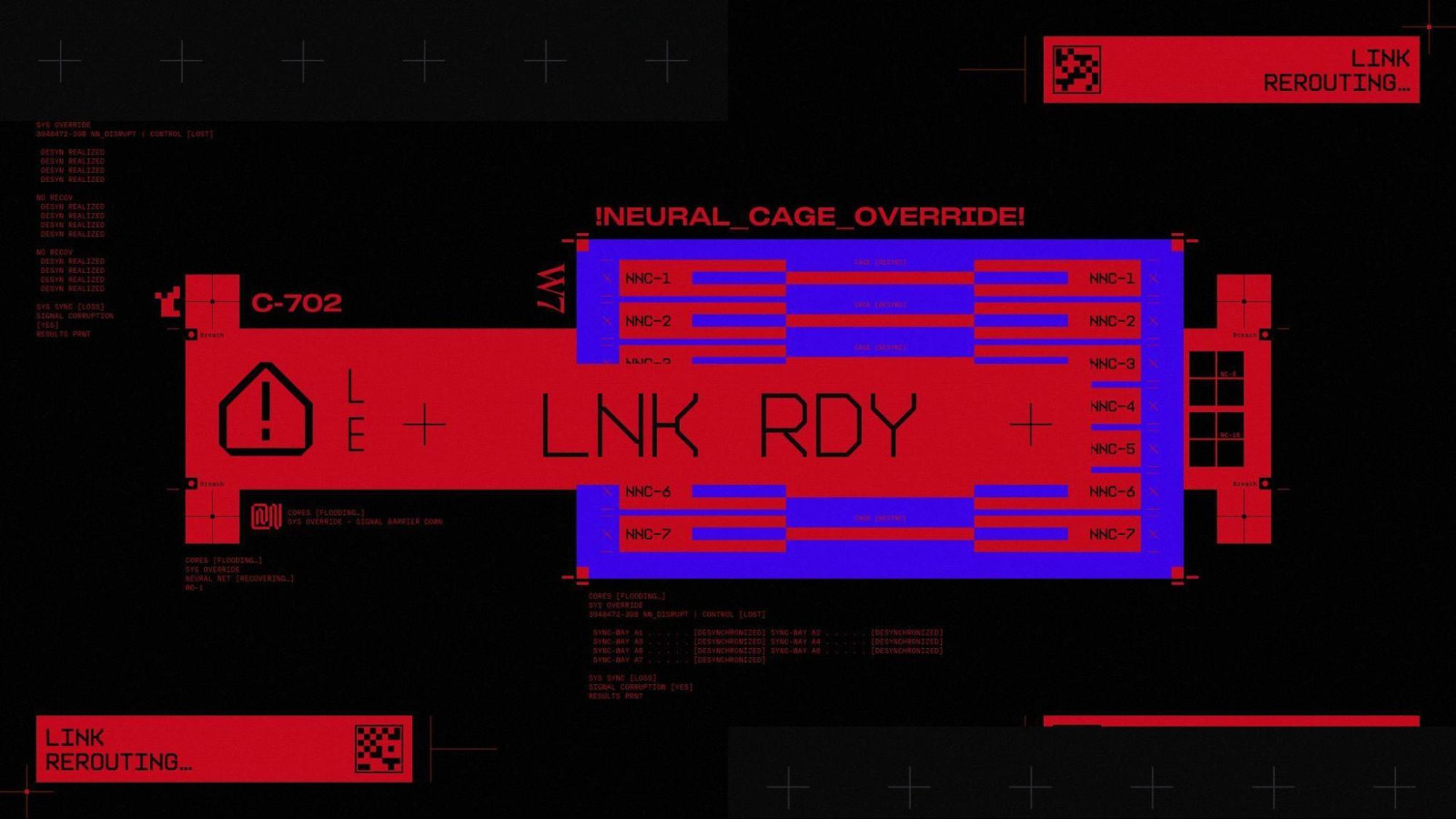
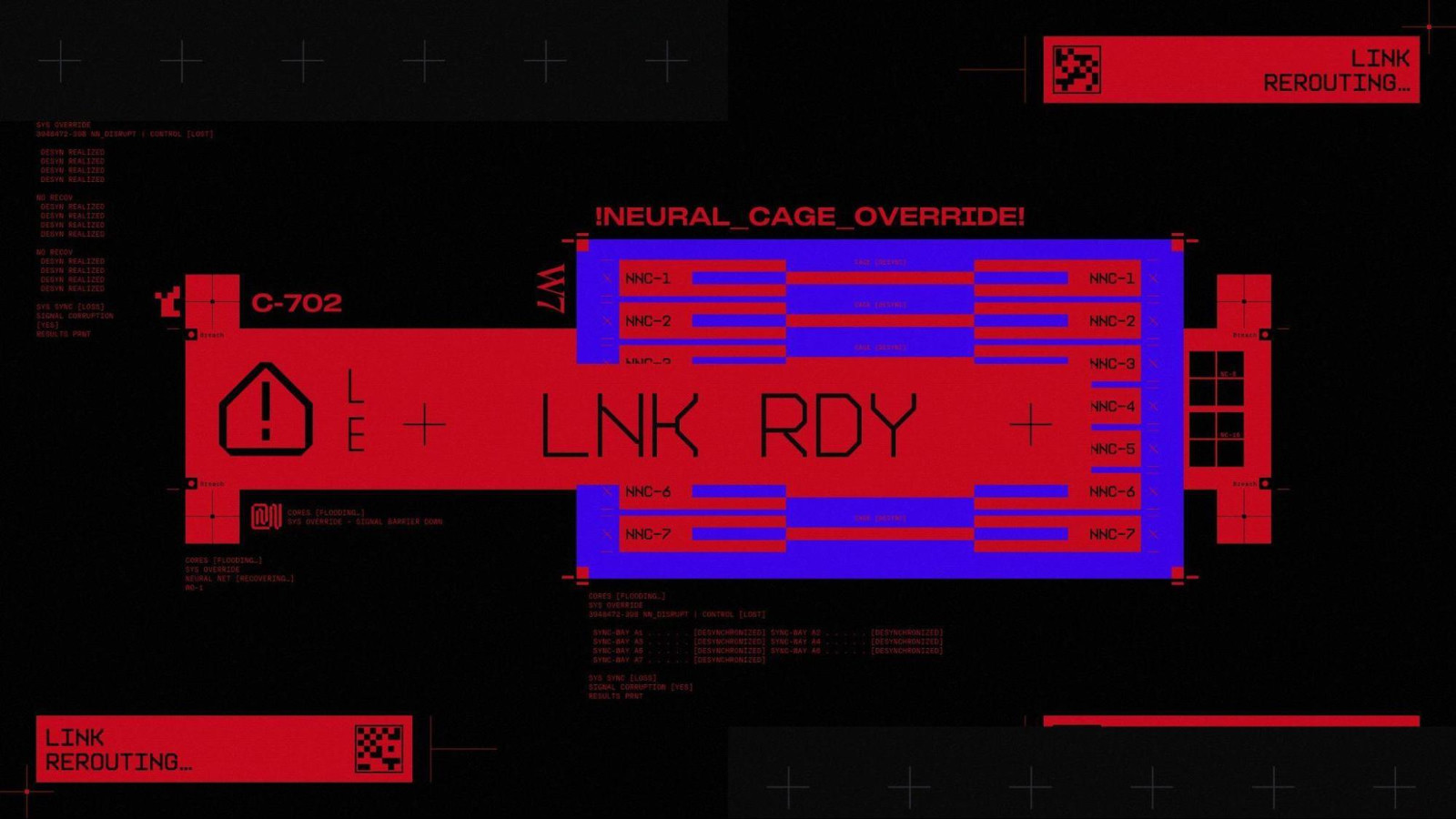
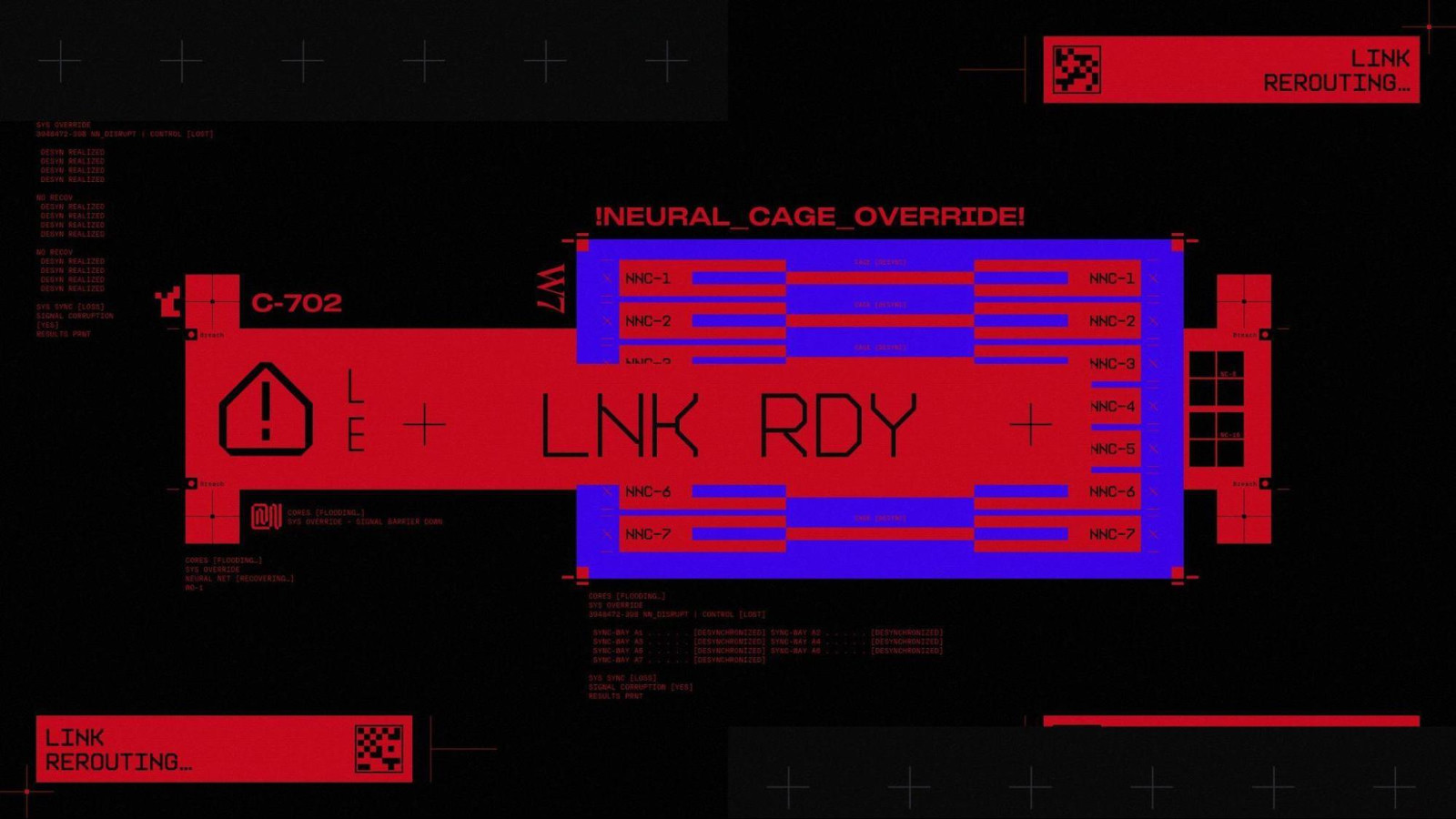
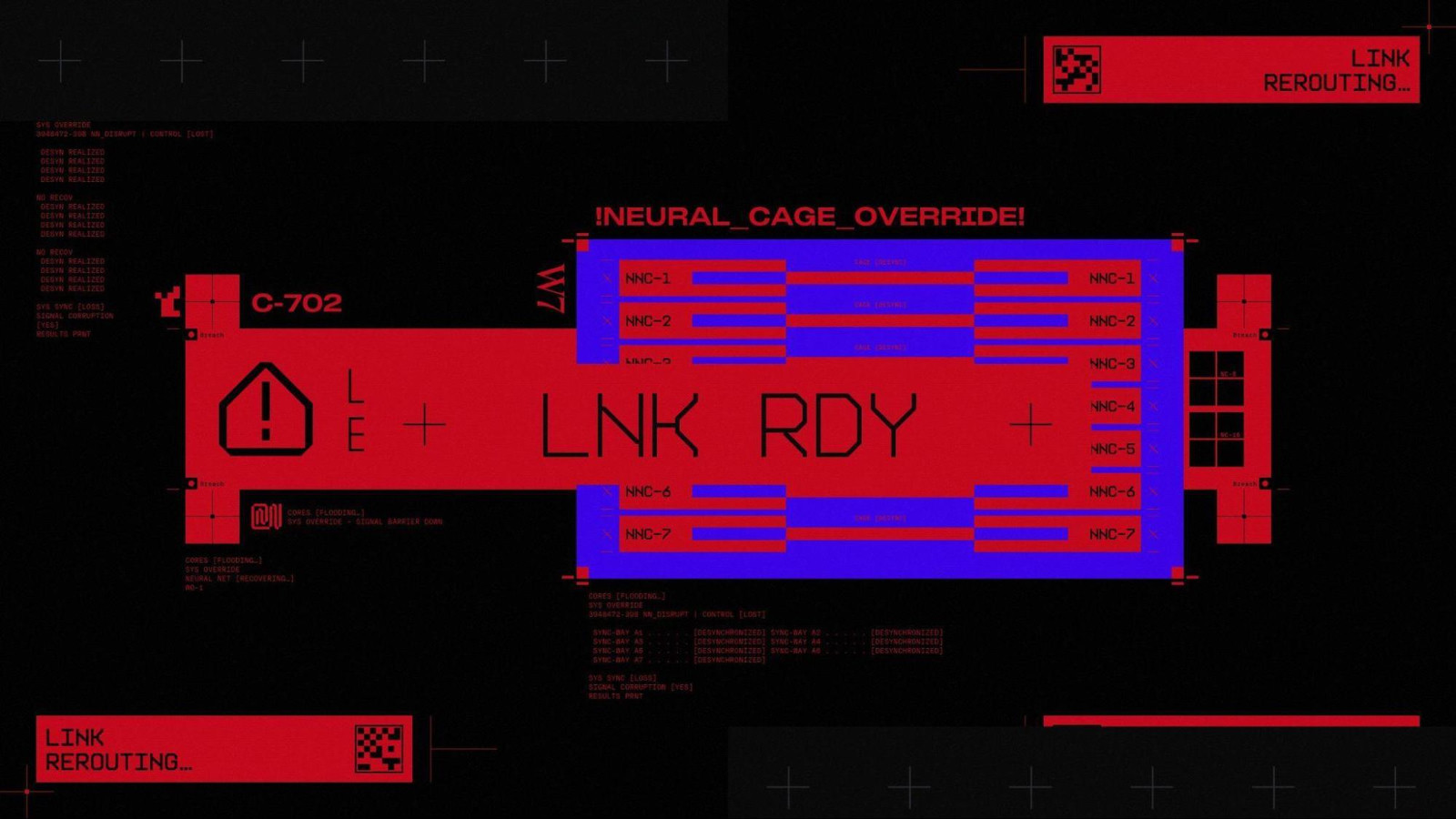
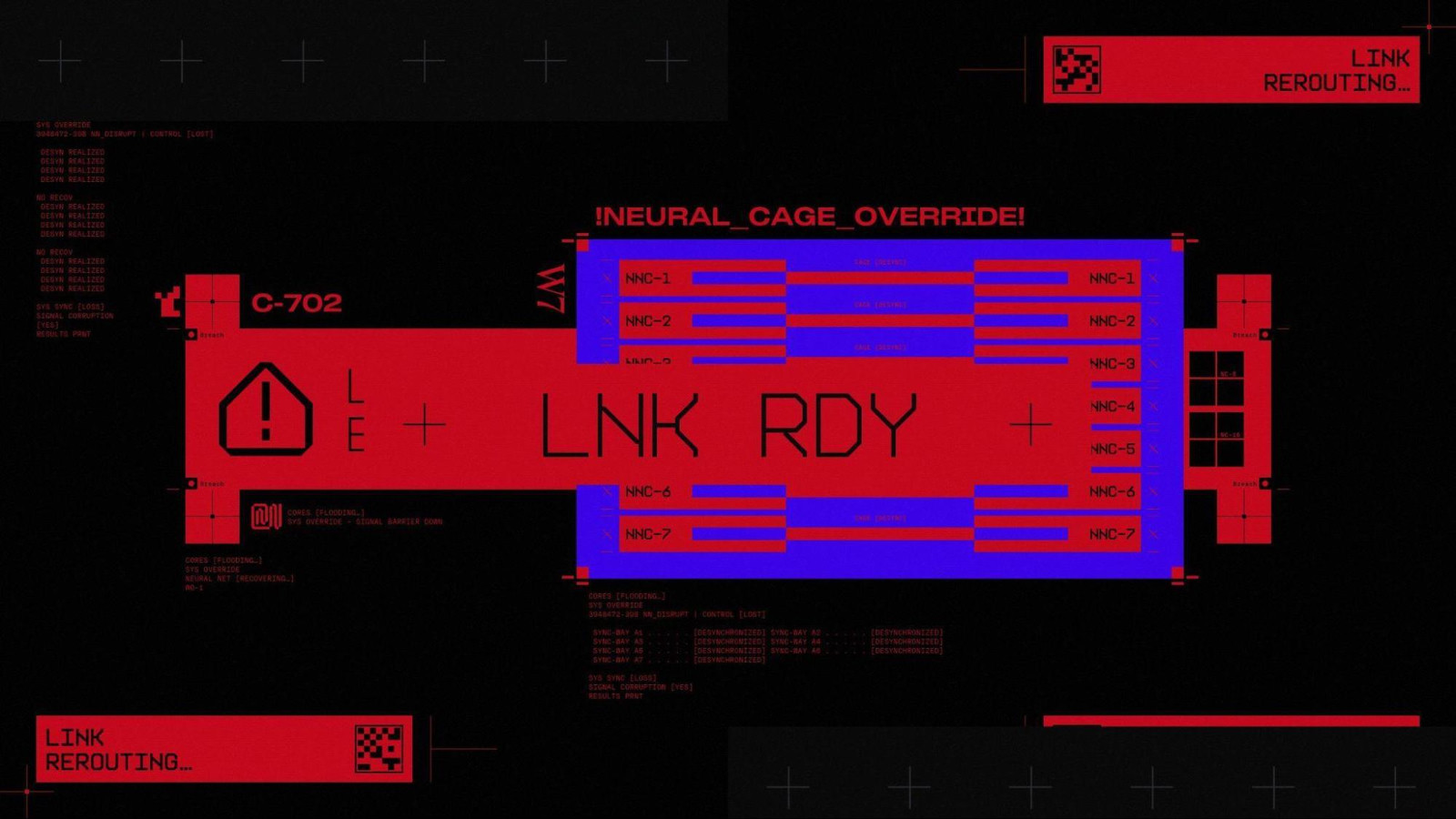
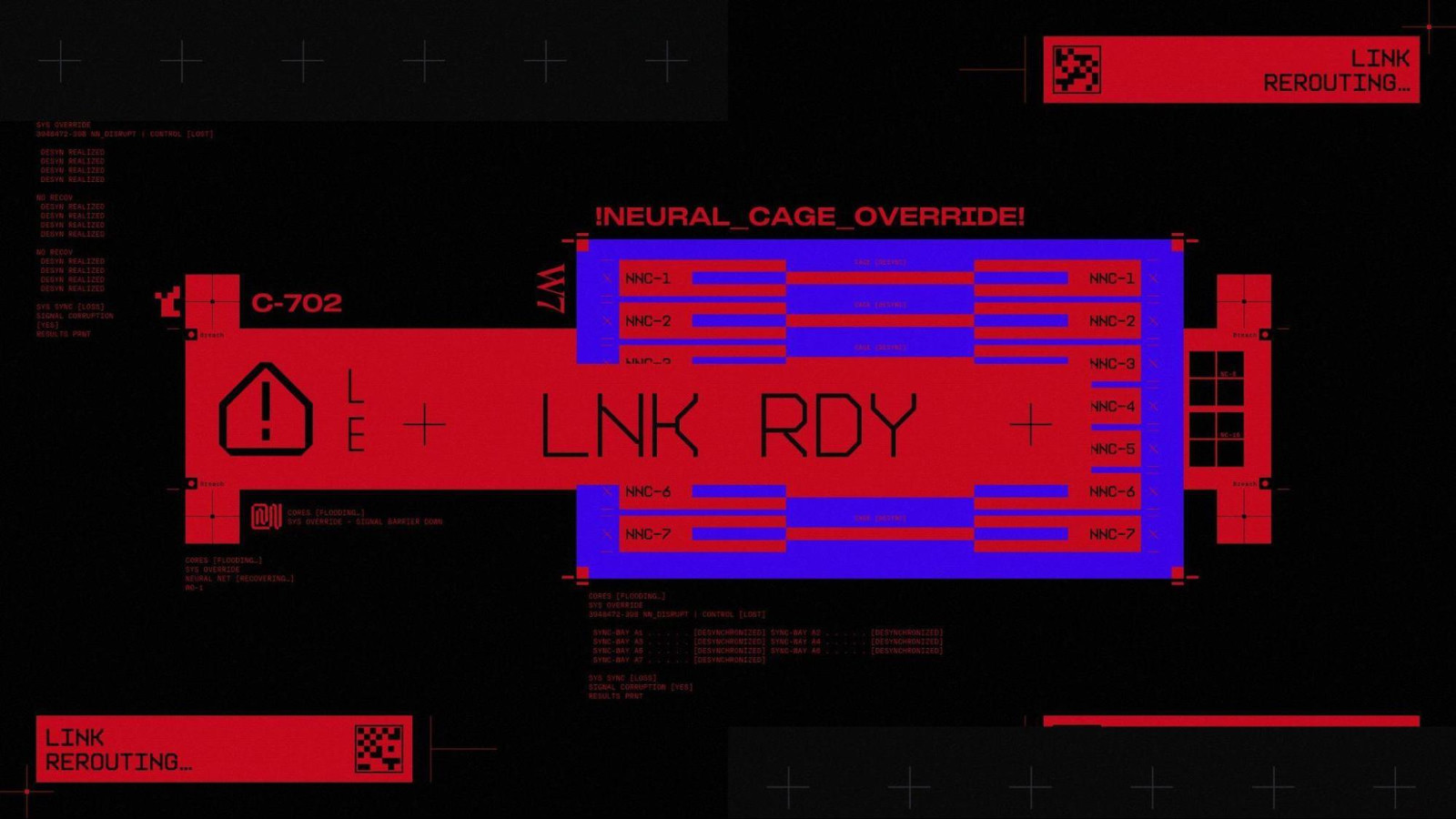
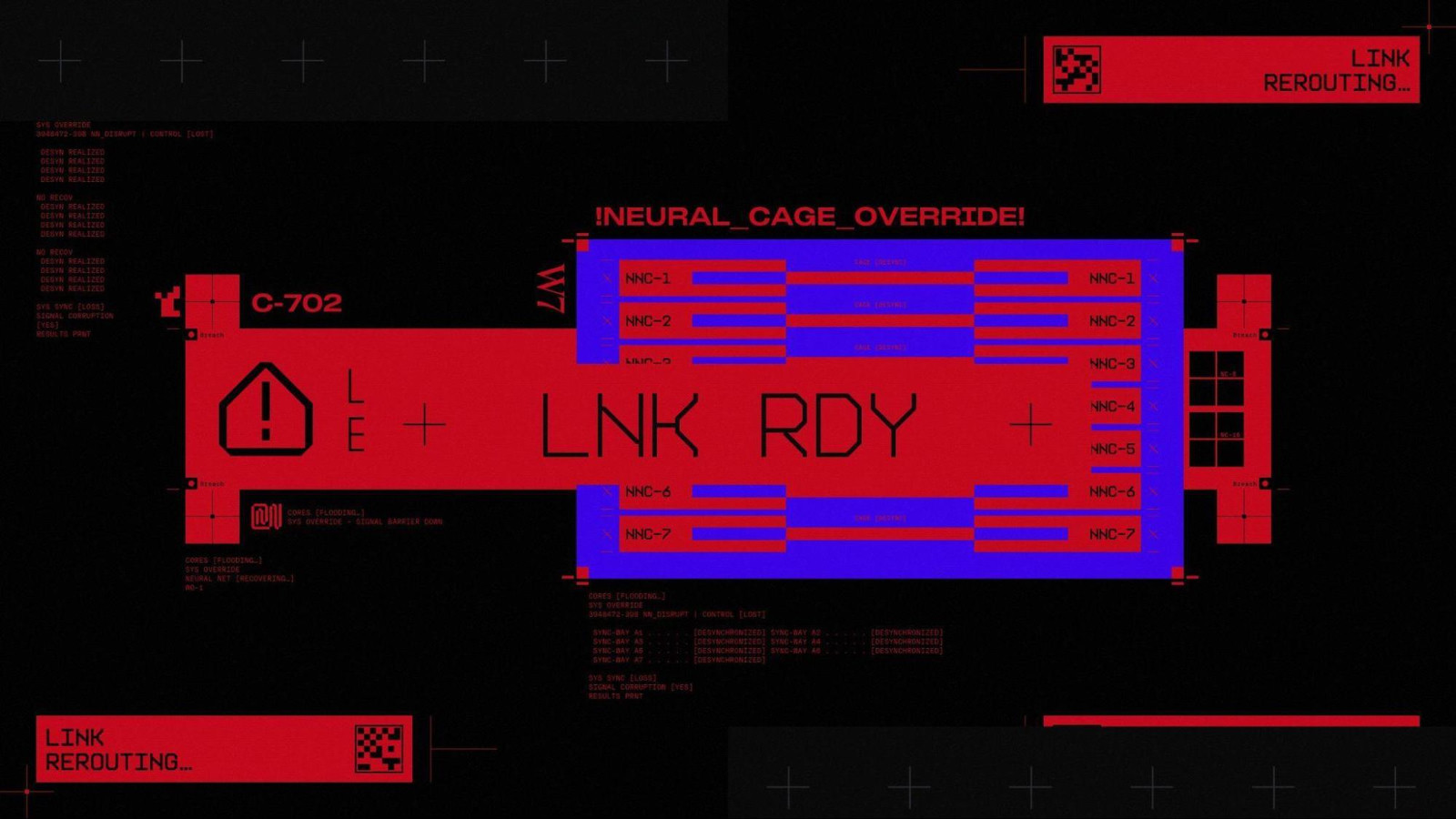
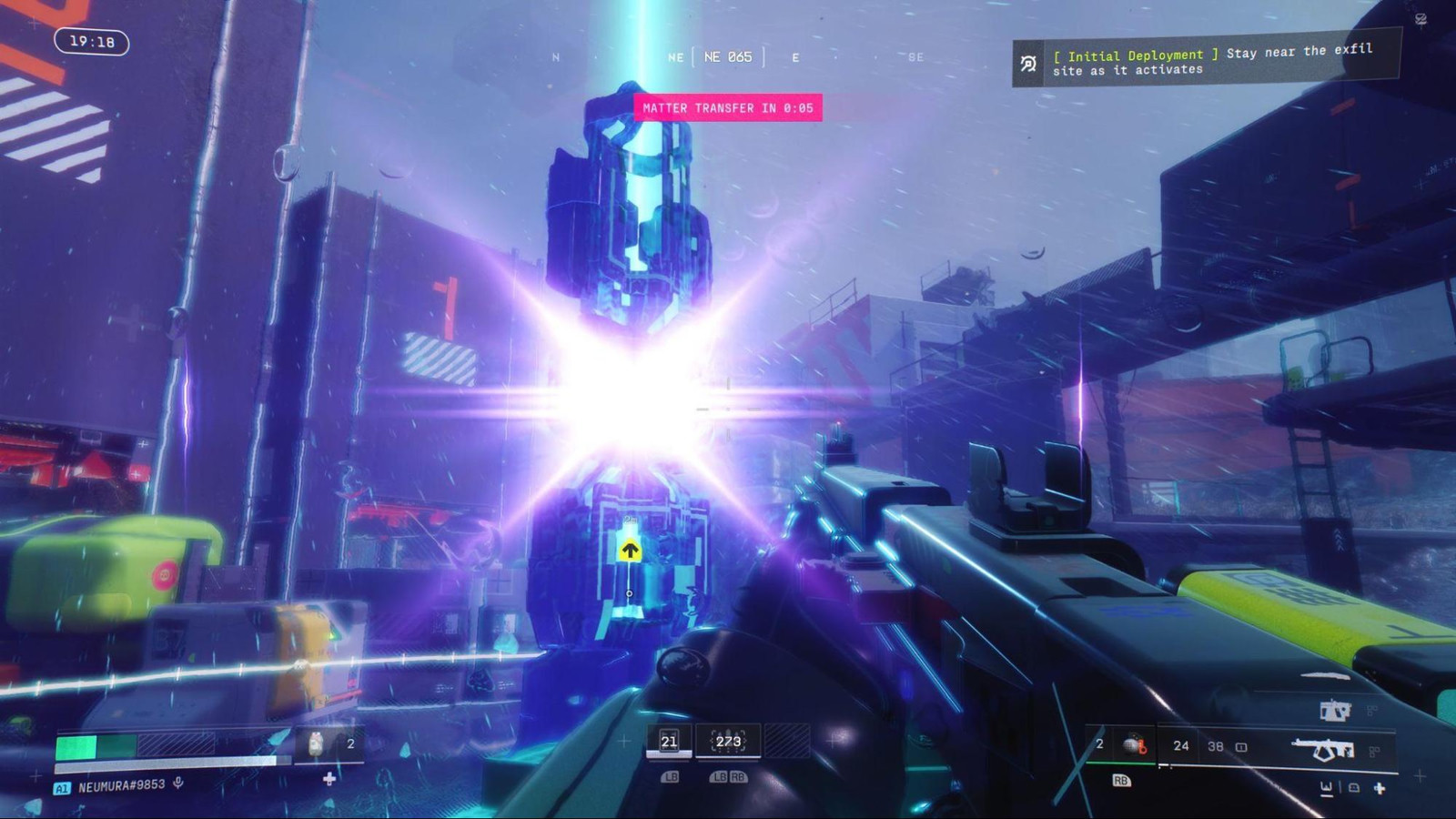
The strange thing is that the underlying systems are interesting. Implants that tweak cooldown rhythms, sponsor kits that ask you to play a certain way in exchange for bonuses, loot with tradeoffs rather than pure upgrades – the design is solid. It’s the presentation that turns it into homework.
This is fixable. A UI pass to declutter key screens, clearer iconography, spacing adjustments for Japanese text – none of that would require ripping up the core game. But until Bungie does that work, Marathon is going to feel more intimidating than it needs to, especially for newer or more casual players.
Who Marathon is actually for
Marathon is not trying to seduce the entire shooter audience. It’s not a cozy hero shooter where you can half-watch a stream while grinding dailies. It’s pointed straight at people who like their games unforgiving and their progression systems thorny.
If you enjoy extraction shooters like Tarkov or Hunt: Showdown, but always bounced off their jank or their glacial pacing, Marathon sits in a sweet spot. Matches are short, the gunplay feels premium, and the faction/sponsor layering gives you a sense of macro progress even when micro runs go terribly wrong.
If you’re mostly here because you loved Destiny’s PvP and want that same feeling with higher stakes, you’ll probably click with this too – as long as you accept that there’s no safety net. Some of your best guns will die on a dirty warehouse floor, and that’s the point.
Where I’m less convinced is for completely new or more casual FPS players, especially on the Japanese client. The aggressive TTK, punishing economy, and messy UI are a rough combination if you don’t already speak “Bungie” as a second language.
Bottom line: Brutal, stylish, slightly self-sabotaging
After dozens of runs, my read on Marathon is pretty clear: this is one of the most exciting multiplayer shooters Bungie has made in years, and it’s also wrapped in some of their clumsiest UX work.
The good news is that the non-negotiable parts – gunfeel, map design, the 25-minute extraction loop, the faction-driven “death loop” – are already excellent. Those are the hardest things to retrofit later, and Bungie has them locked in. The messy bits – UI noise, inventory friction, Japanese font and layout issues, early balance quirks with certain shells – are exactly the kind of problems a live-service game can, and should, grind down over its first few seasons.
Right now, Marathon is a sharp, mean extraction shooter with a clear identity and a real appetite for your time. If you like high-stakes PvPvE and don’t mind wrestling a clunky interface, it’s absolutely worth diving in already.
Score: 8.5/10 – a brutal, beautiful foundation that needs UI and localization surgery, but gets the important things gloriously right.
TL;DR
- What it is: A Bungie-made PvPvE extraction shooter reboot of Marathon, built around 25-minute high-stakes runs on Tau Ceti IV.
- What’s amazing: Top-tier gunfeel, vicious low-TTK firefights, stylish art and hard electro soundtrack, meaningful factions and sponsor-driven progression.
- What’s frustrating: Cluttered UI, confusing loot/inventory presentation, and a Japanese client hampered by thin fonts and cramped layouts.
- Who should play: Fans of hardcore extraction shooters or Destiny veterans craving higher stakes and shorter, nastier matches.
- Who should wait: Players sensitive to UX friction or relying on Japanese text clarity might want to hold out for UI/localization patches.
- Final word: Marathon is already a fantastic, high-pressure shooter. If Bungie cleans up the interface and localization, it could be downright dangerous.
Laisser un commentaire