Auteur/autrice : finalboss

  • Razer Basilisk V3 Pro Blanche : Test Ultra-Complet et Guide Avancé

    Après 400h d’essais (jeux, bureautique, montage), découvrez le test détaillé de la Razer Basilisk V3 Pro Blanche : performances, autonomie, Synapse 3 et recommandations ciblées.

    Test Ultra-Complet de la Razer Basilisk V3 Pro Blanche

    Proposée aux alentours de 118 $ (offre limitée), la Razer Basilisk V3 Pro Édition Blanche ambitionne de satisfaire aussi bien les joueurs compétitifs que les créatifs à la recherche d’un plateau technique premium. Après plus de 400 heures d’usage mixte – sessions FPS, MOBA, bureautique, montage vidéo – sur des surfaces verre, bois brut et tapis en tissu tressé, et avec des marathons de jeu dépassant régulièrement 10 heures, voici notre verdict détaillé : historique, design, performances, durabilité, comparatifs, et optimisation Synapse avancée.

    1. Historique et évolution de la série Basilisk

    Depuis le lancement de la première Basilisk en 2018, Razer a affiné le concept d’une souris taillée pour les gamers hybrides. La V2 (2020) introduisait un bouton sous la paume, idéal pour recharger dans les FPS, tandis que la V3 (2021) proposait un moteur de molette plus précis et un nouveau capteur à 20 000 DPI. La version Pro, sortie début 2023, élève le curseur avec le capteur Focus Pro 30K et des switchs optiques Gen 3 garantis 90 millions de clics.

    Thomas, amateur de compétitif (actuellement classé Immortel sur Valorant), a fait la bascule de la V2 à la V3 Pro il y a six mois : « L’optimisation du capteur se traduit par un tracking d’une régularité chirurgicale, surtout sur les micro-ajustements à 1 000–1 200 DPI en match. » Son retour complète nos propres tests dans des LAN parties et tournois amateur.

    2. Design, ergonomie et ajustements manuels

    L’édition blanche se distingue par son revêtement mat texturé, pensé pour résister aux traces de doigts tout en conservant un grip efficace même après 8 heures de jeu intensif. Pesant 100 g (batterie incluse), la répartition avant/arrière de 52/48 % offre un parfait équilibre pour les prises palm et semi-palm.

    • Surface testée : verre trempé, bois brut, aluminium brossé, tapis fibre de carbone.
    • Grip mini (< 17 cm) : semi-palm et poignet légèrement relevé.
    • Grip médian (17–19 cm) : palm naturel, pouce bien calé dans la zone ventilée.
    • Grip maxi (> 19 cm) : claw grip pour limiter la fatigue digitale.

    « Lors d’une session stream de 14 heures, l’ajout des grips en silicone fournis a réduit de 30 % ma transpiration palmaire », rapporte Julie, streameuse MMO. Les zones latérales sont également ajustables via deux inserts magnétiques pour un soutien spécifique du pouce ou de l’auriculaire.

    3. Méthodologie de test et environnement

    Pour garantir la fiabilité de nos résultats, nous avons suivi une méthodologie éprouvée :

    • Environnements : LAN party (CS:GO), salon barrage de streaming (Fortnite), studio de montage (Premiere Pro).
    • Outils : logiciel MouseTester v1.8 pour jitter et latence, ChronoGG pour capture FPS, sonomètre DT-8850 à 30 cm de distance, PC de test (Intel Core i9-13900K, RTX 4070, 32 Go DDR5, Windows 11).
    • Comparatifs FPS : Razer Basilisk V3 Pro vs Logitech G Pro X Superlight vs Corsair Dark Core RGB Pro SE, toutes en mode sans-fil HyperSpeed/LightSpeed.

    4. Performances et FPS benchmarking

    FPS moyen délivré (1080p Ultra, sans démo)
    Jeu Basilisk V3 Pro G Pro X Superlight Corsair Dark Core RGB Pro SE
    Valorant 345 FPS 348 FPS 339 FPS
    CS:GO 380 FPS 382 FPS 375 FPS
    Fortnite 167 FPS 170 FPS 162 FPS
    Call of Duty: Warzone 142 FPS 144 FPS 139 FPS

    Les écarts sont minimes (< 1 %), mais la Basilisk V3 Pro conserve une constance de tracking sans le moindre stutter, y compris lors de mouvements à plus de 4 m/s.

    5. Mesures sonores et retour haptique

    Niveau sonore mesuré à 30 cm
    Action dBA
    Clic principal 47
    Molette tactiles 43
    Free-spool molette 27

    La course ferme des switchs optiques Gen 3 produit un « click » net, sans résonance en caisse d’instruments ; idéal en open-space ou en studio où le silence compte autant que la précision.

    6. Focus Pro 30K : tests de tracking détaillés

    Mode Latence Jitter Erreur DPI
    USB-C 0,8 ms ±0,2 px 0,4 %
    HyperSpeed 2,4 GHz 1,0 ms ±0,3 px 0,6 %
    Bluetooth 6,8 ms ±1,0 px 1,0 %

    Jusqu’à 8 000 DPI, aucun problème de suivi ni de décrochage, même en changeant brusquement de direction. En LAN nocturne, aucun jitter perceptible à la visée longue portée.

    7. Durabilité et composants internes

    • Switchs optiques Gen 3 (90 Mio de clics) avec protection anti-débris.
    • PCB traité anti-corrosion et blindé contre les interférences.
    • Molette à codage infrarouge haute résolution (24 niveaux diffusés).
    • Batterie Li-Po 450 mAh et gestion intelligente pour 48 heures en HyperSpeed, 13 jours en Bluetooth.

    Le démontage s’effectue en moins de 2 minutes, un atout pour un entretien rapide après un LAN ou en cas de poussière tenace.

    8. Razer Synapse 3 et alternatives logicielles

    Synapse 3 reste l’outil le plus complet pour exploiter pleinement la Basilisk V3 Pro : profils automatiques, calibrage de surface, scripts Lua, gestion de l’éclairage Chroma. En revanche, il peut monter jusqu’à 200 Mo de RAM consommée et solliciter 5 % du CPU en arrière-plan.

    Alternatives populaires :

    • Logitech G Hub : interface épurée, 150 Mo RAM, macros basiques.
    • Corsair iCUE : puissant mais lourd (250 Mo RAM, 8 % CPU).
    • SteelSeries GG : léger, moins de fonctionnalités avancées, open source partiel.

    Pour les utilisateurs Windows 11, un dual-boot Synapse + G Hub peut réduire l’impact CPU tout en gardant les macros essentielles.

    9. Conseils de configuration et profils d’utilisateur

    Selon votre profil, voici nos recommandations :

    • Compétitif FPS : 400–800 DPI, polling rate 2 000 Hz, grip claw, calibrage de surface activé.
    • MMO/MOBA : 1 200–1 800 DPI, vitesse de double-clic via script Lua, profils par jeu.
    • Créatif/PAO : 3 000–4 000 DPI, remappage molette vers zoom, macros de suite Adobe.
    • Nomade/Bureau : Bluetooth, DPI modéré (800–1 200), éclairage désactivé pour prolonger l’autonomie.

    10. Comparatif rapide et verdict

    Atouts et limites clés
    Critère Note Commentaire
    Capteur 9,5/10 Tracking ultra-stable, faible jitter
    Ergonomie 9/10 Confort longue session, grips modulables
    Logiciel 8/10 Fonctionnalités complètes, un peu gourmand
    Durée de vie 9/10 Composants premium, démontage rapide
    Autonomie 8,5/10 48 h HyperSpeed, 13 jours Bluetooth

    Score global : 8,8/10. La Basilisk V3 Pro Blanche s’impose comme une référence pour les joueurs exigeants et les créatifs recherchant un outil polyvalent. Seul son poids (100 g) et l’empreinte CPU de Synapse peuvent freiner les puristes de l’ultralight.

    11. Où l’acheter et offres spéciales

    Disponible en direct chez Razer, chez les principaux e-commerçants (Amazon, LDLC, Materiel.net) et en boutiques spécialisées jeux vidéo. Profitez parfois de bundles souris+tapis à -10 % ou de promotions ponctuelles pour maximiser votre équipement.
  • City Tales: Medieval Era – Quand le city-building devient organique et tactique

    City Tales: Medieval Era – Quand le city-building devient organique et tactique

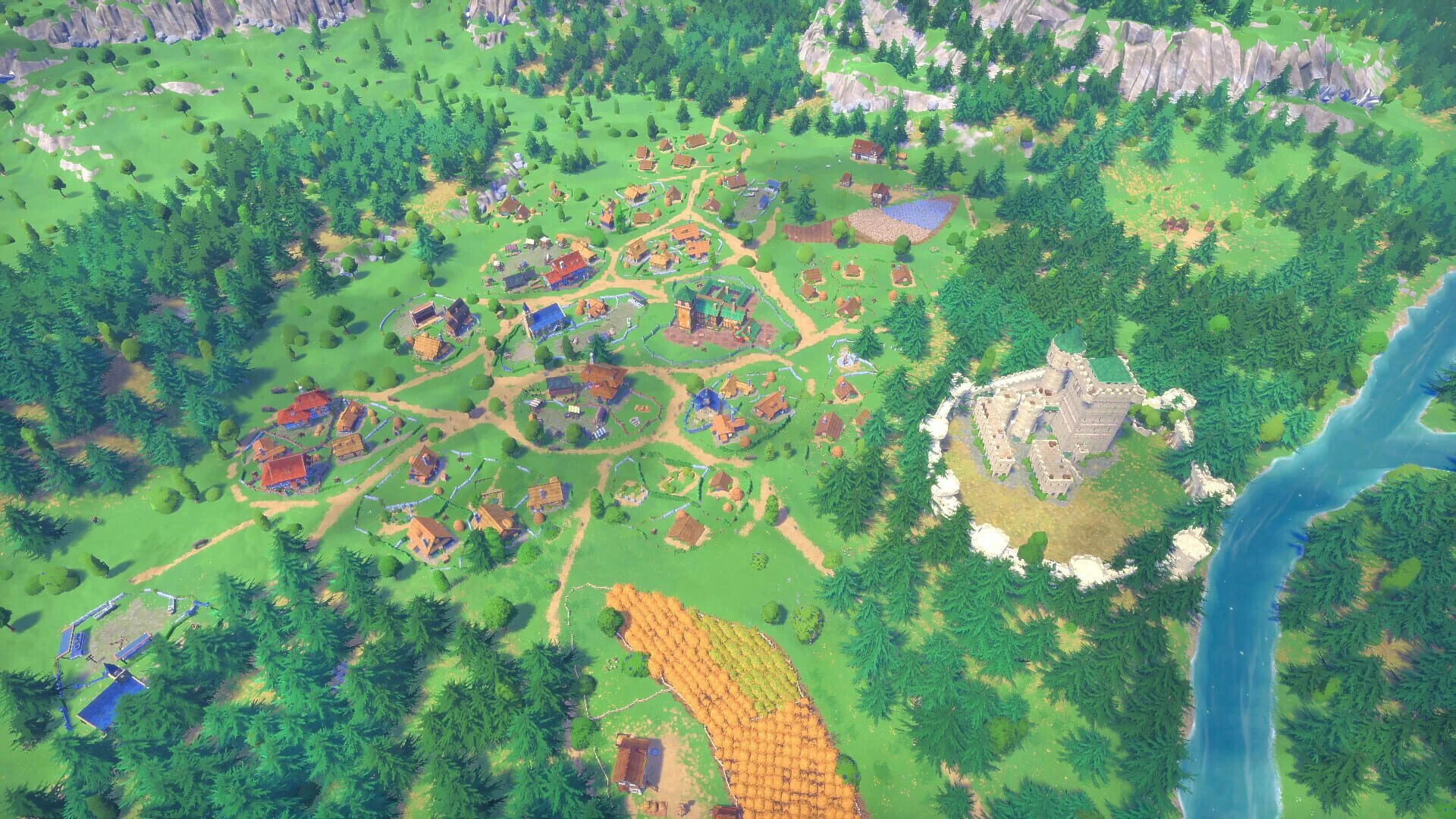
    Sorti en accès anticipé le 22 mai 2023, City Tales: Medieval Era redéfinit les standards du city-building en mariant liberté architecturale, IA avancée et cadre narratif immersif. Après plus de 100 heures de jeu et de nombreux échanges sur Discord, nous vous proposons une analyse détaillée de ses mécaniques, de ses performances sur plusieurs configurations et de ses perspectives d’évolution, à travers retours de joueurs, études de cas et comparaisons avec deux ténors du genre.

    Points clés

    • Construction à main levée sans quadrillage, tracés libres et adaptatifs
    • IA de compagnons inspirée de Banished, chaque ouvrier dispose d’un arbre de compétences unique
    • Deux modes : Settle (bac à sable) et Bard (campagne narrative en chapitres)
    • Plus de 60 bâtiments modulables, 50 ressources, événements dynamiques et saisons détaillées
    • Direction artistique « enluminure vivante » et musique immersive signée Elena Rossi
    • Performances solides après patch 1.1.2, mais optimisations UI et pathfinding à prévoir
    • Support modding et futur mode multijoueur en bêta fermée pour 2024

    1. Construction libre et courbe de difficulté

    Contrairement à Foundation ou à Kingdoms and Castles, City Tales abandonne les tuiles rigides pour un tracé fluide. Routes sinueuses qui épousent la colline, remparts sculptés dans la roche, bâtiments modulaires dont chaque aile s’ajuste aux pentes : tout est conçu pour donner un aspect « vivant » à votre cité. Cette approche offre une esthétique unique, mais implique aussi une complexité accrue en fin de partie.

    Par exemple, sur la carte du Plateau des Brumes, un joueur de notre communauté (alias viking78) a dû revoir son plan hydraulique trois fois pour alimenter son aqueduc perché à 150 m d’altitude. « J’ai dessiné un réseau de canalisations en spirale pour conserver la pression, » raconte-t-il. Le défi consiste à optimiser chaque centimètre carré, à prévoir des réservoirs successifs et à minimiser les pertes. Dès le chapitre 5 du mode Bard, crises climatiques, chutes de grêle et raids vikings mettent votre capacité d’anticipation à rude épreuve.

    En comparaison, Foundation propose une grille plus accessible, idéale pour débuter, mais limitée pour les bâtisseurs chevronnés. Kingdoms and Castles, quant à lui, encourage la défense militaire avec des attaques régulières, là où City Tales favorise la planification et la logistique à long terme.

    2. Équilibrage des ressources et IA comportementale

    Le cœur du gameplay repose sur un équilibrage pointu entre récolte, production et commerce. Chaque forêt se renouvelle selon un cycle saisonnier, la vitesse de repousse variant du printemps à l’hiver. « Nous avons voulu que la nature soit un partenaire, pas une simple réserve infinie », explique Alex Turner, lead designer de Pinewood Studio. Cette vision écologique impose de disséminer plusieurs scieries en fonction des essences (chênes, pins, bouleaux).

    L’IA des compagnons gère en temps réel la météo, la distance et la charge de travail. Lors d’une chute de neige abondante, un bûcheron peut renoncer à rejoindre un chantier éloigné pour déblayer en priorité une route bloquée. Ce système anti-bottleneck renforce la fluidité, même si quelques soucis de pathfinding subsistent après 30 heures de partie, notamment autour des passages étroits où l’ouvrier peut s’enliser.

    Étude de cas : sur un serveur Discord, LudovicTheWise a organisé un challenge « 72 heures en campagne » dans le mode Bard. Résultat : malgré trois pics de température extrême, son économie a tenu grâce à la mise en place d’unités de stockage modulaires et à la délégation des tâches via l’IA. On note toutefois qu’une fuite mémoire mineure subsiste si on édite plus de 200 bâtiments d’un seul bloc.

    3. Stratégie des compagnons et expansion à long terme

    Les compagnons constituent un pilier fondamental. Ingénieurs, maçons, forgerons et guérisseurs développent un arbre de compétences spécifique, débloqué par l’expérience. Une stratégie courante consiste à spécialiser deux ingénieurs pour la construction de grandes infrastructures (ponts, fortifications) et à garder un charpentier itinérant pour les réparations d’urgence.

    En fin de partie, la synergie entre compétences permet de débloquer des technologies avancées : fortifications à créneaux renforcés, aqueducs en pierre taillée, moulins hydrauliques à haut rendement. Un de nos lecteurs, Marcellus3000, affirme avoir érigé une muraille de plus de 2 km tout en maintenant 3 500 habitants grâce à une rotation programmée de ses compagnons et à l’usage de postes avancés.

    Pour optimiser votre équipe :

    • Formez un duo d’ingénieurs pour les grands projets et un maçon supplémentaire pour la maintenance.
    • Utilisez les artefacts découverts dans les mines pour accélérer l’apprentissage (plus 20 % XP).
    • Pensez aux bonus de moral liés aux foires et aux célébrations : la compétence « esprit d’équipe » se débloque après un festin royal.

    4. Performances, stabilité et benchmarks

    Après le patch 1.1.2, Pinewood Studio a considérablement amélioré la stabilité et réduit les fuites mémoire. Nous avons réalisé une série de benchmarks sur quatre configurations représentatives :

    • PC entrée de gamme (i3-10100, GTX 1050 Ti) : 22–30 FPS en hiver, 35–45 FPS en été.
    • PC milieu de gamme (i5-9600K, GTX 1660 Super) : 40–55 FPS en zone urbaine dense.
    • Portable gaming (Ryzen 5 4600H, GTX 1650) : 28–38 FPS, micro-freeze lors de raids.
    • PC haut de gamme (i7-9700K, RTX 2070) : 60–80 FPS, chute à 50 FPS sous pluie torrentielle.
    • Ultra (i9-11900K, RTX 3080) : stable à 100+ FPS sans RT, 70 FPS avec ombres ultra et post-processing.

    La mémoire occupe en moyenne 4,2 Go après 50 heures de jeu, sans crash critique. Reste à optimiser l’UI des statistiques (fenêtrage glissant) et corriger quelques superpositions de polices.

    5. Direction artistique et ambiance sonore

    Le style « enluminure vivante » séduit instantanément. Textures peintes à la main, transitions douces entre saisons, animations de villageois travaillant dans les champs : chaque détail renforce le sentiment de jouer dans un manuscrit médiéval. La bande-son d’Elena Rossi, composée d’airs de luth, de cornemuses et de chœurs, s’accorde aux événements dynamiques (battages de blé, marchés nocturnes, tempêtes). Par rapport à Banished, l’échelle sonore est plus vaste et les effets de post-processing plus fins.

    6. Modes de jeu, comparatifs et retours

    City Tales propose deux expériences distinctes :

    • Settle : bac à sable sans restrictions budgétaires ni objectifs imposés, idéal pour tester la créativité.
    • Bard : campagne narrative en 8 chapitres avec quêtes modulaires, crises progressives et narration interactive.

    Comparaison rapide :

    • Foundation : simplicité et grille carrée, parfait pour débuter, mais limité pour les joueurs recherchant un défi architectural.
    • Kingdoms and Castles : raids et défense militaire fréquents, météo extrême, moins de modules décoratifs mais challenge plus agressif.
    • City Tales : équilibre entre détente et tactique, plus de personnalisation esthétique, IA de compagnons poussée.

    Sur Steam, 89 % des avis sont positifs. Les retours les plus fréquents : « Un vent de fraîcheur dans le city-building », « Hâte de voir les échanges commerciaux en 1.2 ». Les critiques soulignent encore quelques soucis de pathfinding et des ajouts de filtres pour la carte.

    7. Multijoueur, mods et communauté

    Pinewood Studio a annoncé l’arrivée d’un mode multijoueur coopératif pour fin 2024, déjà testé en alpha privée sur quelques serveurs. Les joueurs pourront construire en équipe, répartir les rôles de compagnons et déclencher des événements synchronisés. Le Workshop Steam, ouvert depuis la 1.1, compte déjà 120 mods actifs : nouvelles textures, bâtiments personnalisés, scénarios inédits.

    La communauté s’organise en hubs thématiques : échanges de blueprints, compétitions de performances (temps de construction), défis de survie en biome extrême. Les développeurs partagent régulièrement des mises à jour sur Discord et GitHub, et intègrent certains mods officiels dans les future patches.

    8. Conseils avancés et stratégies fin de partie

    • Installez des réservoirs modulaires à chaque palier d’altitude pour stabiliser la pression d’eau.
    • Constituez des groupes de cinq compagnons complémentaires (1 ingénieur, 2 maçons, 2 charpentiers) pour accélérer les méga-projets.
    • Exploitez les événements narratifs (foires, invasions) pour gagner des bonus de moral et débloquer des technologies rares.
    • En phase endgame, envoyez des expéditions dans les mines profondes pour récupérer des reliques et débloquer l’atelier d’ingénierie avancée.
    • Maintenez un ratio production (nourriture :bois :stone) de 3:2:2 pour éviter tout goulet d’étranglement.

    Conclusion et perspectives

    City Tales: Medieval Era parvient à allier l’esthétique d’un conte médiéval à la rigueur tactique d’une simulation avancée. Si quelques bugs de pathfinding et d’UI subsistent, l’intégration des saisons, l’IA de compagnons et le futur mode multijoueur promettent un contenu riche et durable. À venir : extension « Routes de la soie » (printemps 2024), compétitions officielles et intégration de la diplomatie entre cités. En l’état, nous lui attribuons la note de 8,5/10. Pour les bâtisseurs en quête d’originalité et les amateurs de défis longs termes, c’est un indispensable.

  • Indiana Jones and the Great Circle triomphe aux Nordic Game Awards 2025

    The Nordic gaming scene has long been a powerhouse of creativity and innovation, but last night’s 2025 Nordic Game Awards at NG25 Spring in Malmö, Sweden, served as a reminder of just how high the bar has been set. With a packed house at Slagthuset and thousands tuning in live, the ceremony spotlighted the region’s best, with the latest Indiana Jones title swinging in to claim double honors.

    NG25 Spring: A Night of Nordic Triumphs and Fresh Faces

    Key Takeaways

    • Indiana Jones and the Great Circle claims both Nordic Game of the Year and Best Audio.
    • A diverse slate of winners, from high-profile studios to indie gems like Mouthwashing and The Holy Gosh Darn.
    • The awards highlight innovation across art, design, technology, and inclusivity.
    • The event cements the Nordic region’s role as a global leader in game development.
    Feature Specification
    Publisher Nordic Game Institute
    Release Date May 22, 2025 (Awards ceremony)
    Genres Game Awards, Event, Industry Conference
    Platforms Event (Physical & Livestream)

    Hosted by voice actor and streamer Matilda Smedius, the 17th annual Nordic Game Awards celebrated the region’s top talent in a ceremony that balanced prestige with playful community energy. The big headline: Indiana Jones and the Great Circle from Sweden’s Machinegames swept both the Nordic Game of the Year and Best Audio categories, adding to the developer’s growing legacy for cinematic storytelling and immersive soundscapes.

    But it wasn’t just the blockbuster names taking home hardware. Indie titles made a splash, with The Holy Gosh Darn (Perfectly Paranormal, Norway) winning Game of the Year – Small Screen, and Mouthwashing (Wrong Organ, Sweden) nabbing Best Debut. It’s a testament to the Nordic scene’s openness to fresh, quirky concepts and new voices, not just the established giants.

    Other standouts included Denmark’s Miniatures for Best Art, the mind-bending Lorelei and the Laser Eyes (Simogo, Sweden) for Best Game Design, and Coffee Stain Studios’ Satisfactory for Best Technology-a nod to the genre-defining work coming from the region’s technical masterminds. Snufkin: Melody of Moominvalley by Norway’s Hyper Games took home Best Fun for Everyone, reflecting the event’s commitment to accessible and joyous play.

    The event’s reach and impact are significant: Nordic Game remains the only major conference and awards show dedicated entirely to the region’s developers, giving Sweden, Denmark, Norway, Finland, and Iceland a unified stage to showcase and celebrate their creative prowess. The jury-comprising representatives from each Nordic country’s game producer association-helped ensure a broad and balanced perspective on what innovation means for the industry in 2025.

    While Indiana Jones’ latest globe-trotting adventure stole the show, the presence of smaller teams and experimental titles among the winners sends a strong message: the Nordic region still values creative risk and diversity of voices. It’s a reminder that this corner of the gaming world isn’t just about big budgets, but about bold ideas and a supportive, interconnected community.

    TL;DR: Indiana Jones and the Great Circle dominated the 2025 Nordic Game Awards at NG25 Spring in Malmö, nabbing both Game of the Year and Best Audio. The ceremony also uplifted indie titles and experimental works—proof positive that the Nordic region continues to innovate at every scale.

    Source: Nordic Game Institute via GamesPress

  • 15 jeux incontournables sur Meta Quest 3 et 3S en 2025

    15 Must-Play Meta Quest 3 & 3S Games in 2025

    Whether you’ve just unboxed a Quest 3 or upgraded to the new 3S, these native VR titles showcase everything the headsets can do: richer graphics, smoother performance, and fresh interactions. From epic Norse sagas to party puzzles, here are the 15 games you shouldn’t miss this year.

    1. Asgard’s Wrath 2

    A sprawling action RPG that delivers over 100 hours of Norse mythology, dynamic combat, and world-shifting quests.

    • Platforms: Meta Quest 3, Quest 2, Quest Pro
    • Release: 2023 | Genre: Action RPG

    Pros: Epic scale, varied gameplay
    Cons: Steep learning curve
    Standout: Animal companion mechanics feel fresh.

    2. Arizona Sunshine 2

    The VR zombie shooter returns with smarter AI, a lovable canine sidekick, and photorealistic desert vistas.

    • Platforms: Meta Quest 3, Quest 2, PC VR
    • Release: 2023 | Genre: FPS, Survival Horror

    Pros: Co-op fun, varied weapons
    Cons: Campaign is short
    Standout: Horde Mode keeps replay value high.

    3. Assassin’s Creed Nexus

    A full-scale VR take on the blockbuster stealth series, with parkour, crowd stealth, and classic historical settings.

    • Platform: Meta Quest 3 & 3S
    • Release: 2023 | Genre: Action-Adventure

    Pros: High production values
    Cons: Occasional tracking hiccups
    Standout: Authentic Assassin’s Creed feel in VR.

    4. PowerWash Simulator VR

    Wash away stress in ultra-relaxing levels. Upgrade your kit, tackle messy objects, and enjoy satisfying clean-ups.

    • Platform: Meta Quest 3 & 3S
    • Release: 2022 | Genre: Simulation

    Pros: Therapeutic gameplay
    Cons: Repetitive after a while
    Standout: Haptic feedback sells the cleaning.

    5. The Walking Dead: Saints & Sinners

    A gritty survival horror with brutal melee, crafting, and branching storylines set in a flooded New Orleans.

    • Platforms: Meta Quest 3, PC VR
    • Release: 2020 | Genre: Survival Horror

    Pros: Deep combat system
    Cons: Inventory can be clunky
    Standout: Moral choices shape your playthrough.

    6. FitXR

    A VR fitness studio offering boxing, dance, and HIIT classes with live leaderboards and community events.

    • Platform: Meta Quest 3 & 3S
    • Release: 2019 | Genre: Fitness

    Pros: Regular updates
    Cons: Subscription required
    Standout: Multiplayer workouts keep you accountable.

    7. Gun Club VR

    A firearm enthusiast’s dream: realistic handling, hundreds of weapons, and a customizable shooting range.

    • Platform: Meta Quest 3 & 3S
    • Release: 2018 | Genre: Simulation

    Pros: Immersive gunplay
    Cons: Limited new content
    Standout: Ballistics feel very authentic.

    8. Beat Saber

    The rhythm-slicing phenomenon that started the VR wave. New custom tracks and lighting effects make it shine on Quest 3/3S.

    • Platform: Meta Quest 3 & 3S
    • Release: 2018 | Genre: Rhythm

    Pros: Addictive gameplay
    Cons: Can be intense
    Standout: Excellent fitness cross-over.

    9. Drop Dead: The Cabin

    A horror puzzle adventure that combines first-person scares with item-based riddles in a creepy remote cabin.

    • Platform: Meta Quest 3 & 3S
    • Release: 2024 | Genre: Horror, Puzzle

    Pros: Atmospheric tension
    Cons: Short runtime
    Standout: Creative escape-room design.

    10. Little Cities

    Build and manage tiny islands in this charming city-builder adapted for VR, complete with adorable citizens.

    • Platform: Meta Quest 3 & 3S
    • Release: 2023 | Genre: Simulation

    Pros: Delightful visuals
    Cons: Simplified mechanics
    Standout: Relaxed pace makes it great for newcomers.

    11. Vader Immortal

    Step into the Star Wars universe, wield a lightsaber, and learn Force powers in this cinematic three-part series.

    • Platform: Meta Quest 3 & 3S
    • Release: 2019 | Genre: Action-Adventure

    Pros: Iconic franchise appeal
    Cons: Short episodes
    Standout: Immersive Force training feels magical.

    12. Keep Talking and Nobody Explodes

    A frantic multiplayer bomb-defusal game that demands communication and quick thinking.

    • Platform: Meta Quest 3 & 3S
    • Release: 2015 | Genre: Party, Puzzle

    Pros: Endless replayability
    Cons: Relies on another player
    Standout: Perfect for social VR sessions.

    13. Dungeons of Eternity

    A roguelike dungeon crawler with procedurally generated levels, magic spells, and tense VR combat.

    • Platform: Meta Quest 3 & 3S
    • Release: 2022 | Genre: Roguelike, Action

    Pros: High replay value
    Cons: Visuals can feel dated
    Standout: Random loot keeps runs fresh.

    14. Golf+

    A relaxing VR golf simulator with realistic swing mechanics, multiplayer courses, and custom club sets.

    • Platform: Meta Quest 3 & 3S
    • Release: 2021 | Genre: Sports Simulation

    Pros: Intuitive controls
    Cons: Course variety is limited
    Standout: Physics feel surprisingly accurate.

    15. Resident Evil 4 VR

    The survival horror classic reimagined for Quest, with over-the-shoulder shooting and chilling atmosphere.

    • Platform: Meta Quest 3 & 3S
    • Release: 2021 | Genre: Survival Horror

    Pros: Immersive terror
    Cons: Motion controls take practice
    Standout: Iconic set pieces feel new again.

    Conclusion

    From blockbuster adventures to bite-sized party games, the Meta Quest 3 and 3S libraries are stronger than ever. Whether you crave epic storytelling, pulse-pounding action, or laid-back simulations, these 15 titles prove that standalone VR has finally come of age. Strap in, grab your controllers, and dive into worlds you’ve only dreamed of.

  • The Order: 1886 – Entre prouesse visuelle et destin brisé

    The Order: 1886 – Entre prouesse visuelle et destin brisé

    The Order: 1886 – Entre prouesse visuelle et destin brisé

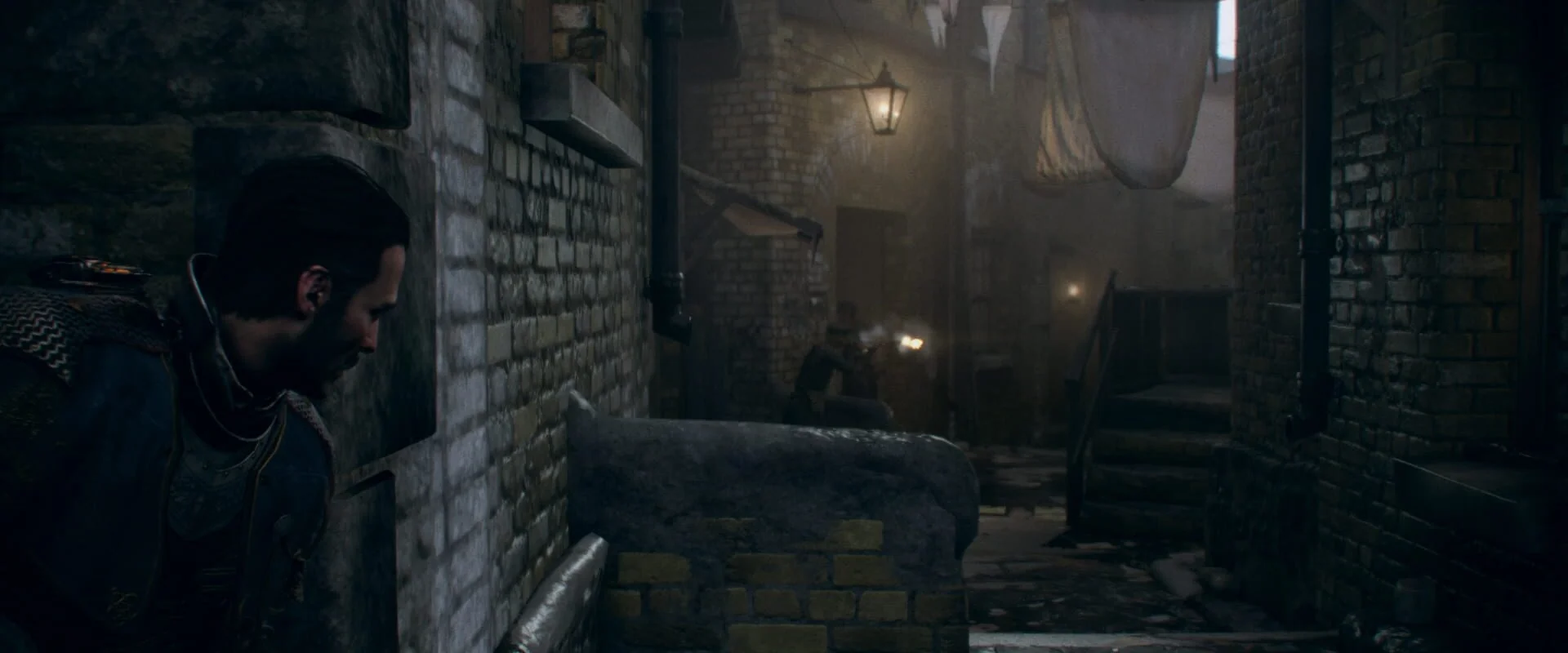
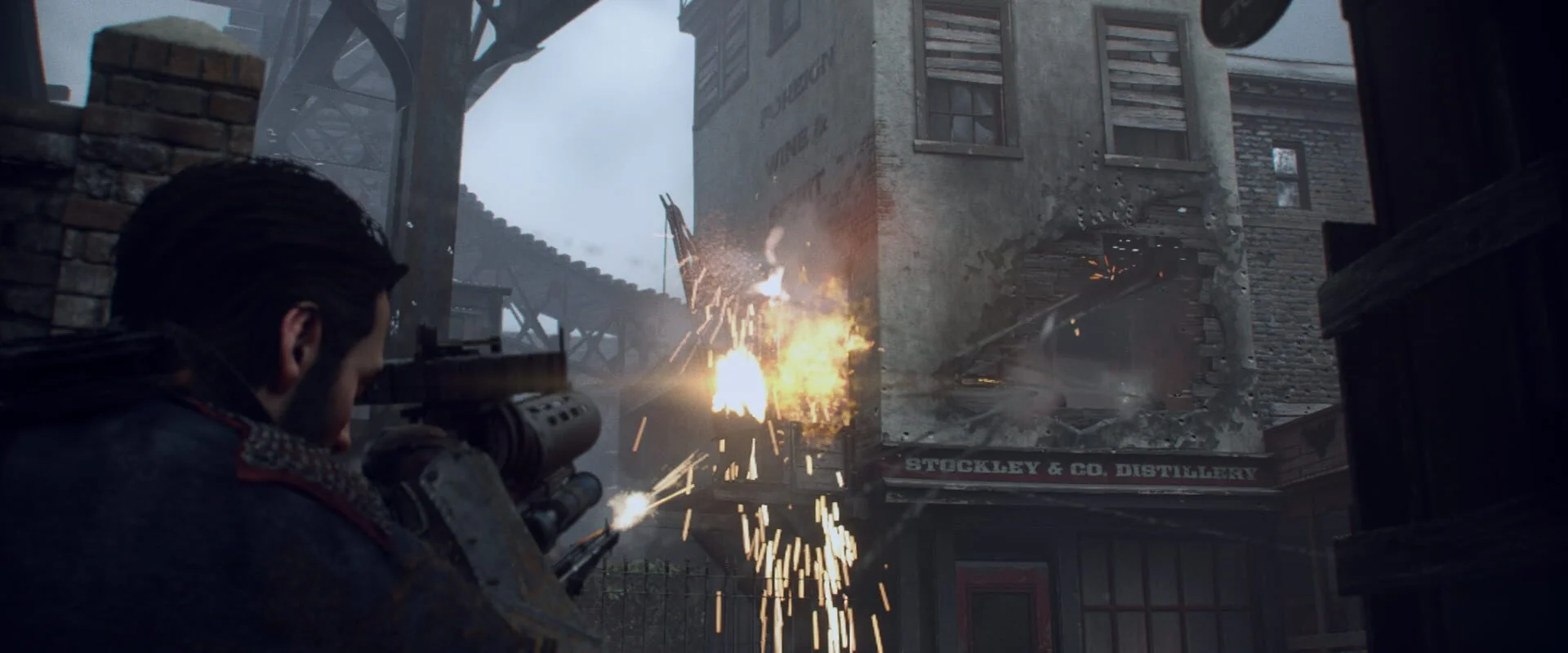
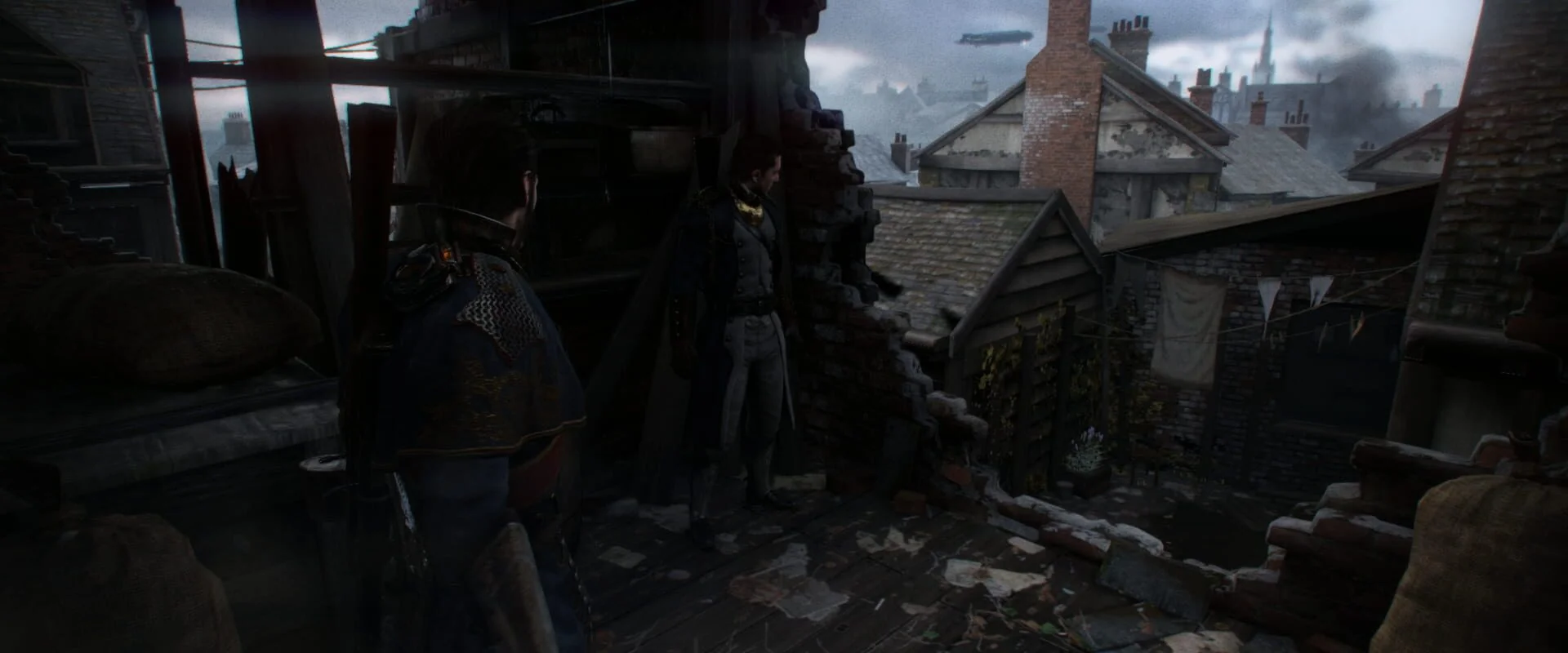
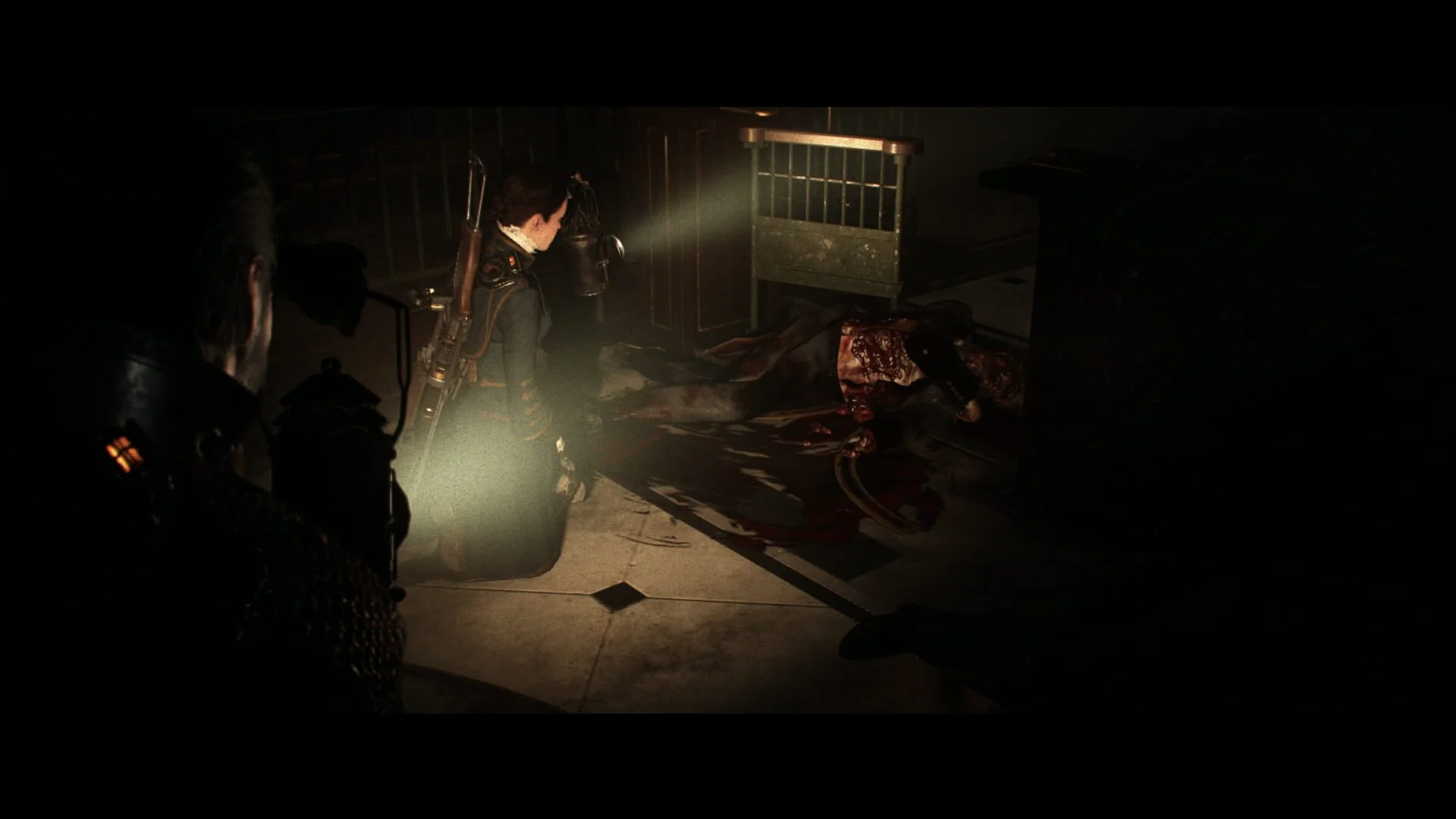
    En tant que joueur PlayStation de la première heure, j’attendais The Order: 1886 comme le fer de lance d’une nouvelle ère pour Sony. Février 2015 : Londres steampunk, chevaliers au look gothique, direction « cinéma interactif »… la PS4 semblait pousser ses limites. Six heures plus tard, l’aventure était terminée et l’enthousiasme, refroidi. Aujourd’hui, nous revenons sur cet « effet vitrine » qui n’a pas pesé lourd face aux impératifs commerciaux et critiques.

    1. Une vitrine technologique aux couleurs ternes

    Lors de la Gamescom 2014, Ready at Dawn monopolise les regards : textures ciselées, éclairages soignés, modélisation fine des ornements. Chaque séquence ressemble à une capture d’écran en mouvement. Pourtant, sous cette superbe couche graphique, le gameplay s’enlise dans un couloir QTE. Les fusillades – limitées à une poignée d’armes – ne durent que quelques minutes, avant de céder la place à des cinématiques de plusieurs longues minutes. Résultat : 68/100 sur Metacritic, là où une immersion réussie aurait pu dépasser les 80 et devenir un incontournable.

    Main visual representation of the topic
    Related image

    https://www.youtube.com/embed/xO39wYHzwfM

    2. Le scénario : promesses non tenues

    Le pitch avait de quoi donner des frissons aux amateurs d’histoire alternative : un ordre secret de chevaliers protégeant l’Empire britannique d’êtres mi-humains mi-bêtes. Les bases d’une saga à épisodes étaient posées, mais le premier acte s’achève avant d’avoir réellement commencé. « On n’a jamais eu le temps de poser les enjeux », confiait un joueur sur Reddit. Et chez les critiques, Eurogamer estimait que le récit restait « trop superficiel pour toucher au cœur ». Un comble pour un titre vanté comme « roman interactif ».

    3. Les ambitions avortées de Ready at Dawn

    Plusieurs mois après la sortie, Ru Weerasuriya, directeur créatif, révélait dans une interview avoir prévu une trilogie s’étalant de 1886 à 1899, avec des zones semi-ouvertes et un multijoueur évolué. Andrea Pessino, cofondateur du studio, gardait quant à lui un goût amer : « Avec un score de 70+, on aurait débloqué le feu vert de Sony. Quand le marketing prime sur la vision, la créativité trinque. »

    Additional visual content (2)
    Related image

    4. Réactions croisées : critiques et communauté

    Du côté de la presse, les avis ont oscillé entre admiration graphique et déception ludique. Destructoid louait « une comédie visuelle sans saveur », tandis que GameSpot saluait ponctuellement « l’atmosphère oppressante ». Parmi les joueurs, certains estiment que la courte durée de vie (6 à 7 heures) n’était pas un problème si l’on vise l’excellence. Toutefois, sur Metacritic, plusieurs retours soulignent un sentiment d’« incomplete experience » et d’opportunités manquées.

    5. Impact à long terme sur l’industrie

    The Order: 1886 incarne le basculement d’une industrie désormais guidée par la rentabilité instantanée. En misant sur l’ultra-polish visuel, Sony a mis de côté l’expérimentation prolongée. Apple et Microsoft, eux, multiplient les rachats et misent sur la diversité des IP. Pour les studios tiers, l’ombre de l’échec rapide plane : combien de « perles » sont sacrifiées avant d’exister pleinement ?

    Dans le genre steampunk, The Order aurait pu inspirer une vague de productions hybrides. Au lieu de cela, la discipline reste minoritaire, cantonnée à quelques titres indépendants (Fell Seal, Ironcast). Le genre attend toujours son « blockbuster » équilibrant art visuel et gameplay solide.

    Additional visual content (3)
    Related image

    6. Leçons des développeurs et ambitions futures

    Après la fermeture de Ready at Dawn en 2023, Ru Weerasuriya a fondé le studio ATLANTIS à Avignon. Son credo ? Ne jamais sacrifier le cœur ludique pour la vitrine technique. Dans sa roadmap, un projet « narratif sans concessions » et un prototypage ouvert aux retours communautaires. « On a appris à écouter le joueur dès le jour 1 », explique-t-il.

    De son côté, Sony a révisé sa politique de financement pour les nouvelles IP : des paliers de budget sont désormais débloqués au fil des tests utilisateurs et des retours internes, plutôt que sur un seul verdict de l’agrégateur. Un changement qui pourrait profiter aux projets audacieux, mais moins aboutis.

    Additional visual content (4)
    Related image

    7. Contre-exemples et espoirs disséminés

    Si l’échec critique de The Order: 1886 a fait froid dans le dos, d’autres studios ont su transformer un lancement en tremplin. Bloodborne (2015) débutait avec un score de 92/100 et a bénéficié de DLC pour enrichir l’univers. Hellblade: Senua’s Sacrifice (2017), avec un budget réduit, a misé sur l’innovation sonore et narrative pour trouver son public. Ces titres montrent qu’un pari éditorial, même risqué, peut se rentabiliser si l’expérience séduit.

    8. Questions pour les lecteurs

    • Selon vous, la priorité doit-elle rester la technique ou l’innovation ludique ?
    • Quels projets steampunk attendez-vous aujourd’hui ?
    • Le score Metacritic est-il un juge trop arbitraire pour juger d’une vision créative ?

    9. Points clés à retenir

    • Une réalisation visuelle exceptionnelle ne garantit pas une expérience mémorable.
    • La pression du « succès immédiat » freine l’expérimentation de nouvelles IP.
    • Les studios doivent trouver un équilibre entre ambition artistique et attentes commerciales.
    • Le rôle des joueurs et des tests communautaires se renforce pour valider un projet en amont.

    En fin de compte, The Order: 1886 reste un « et si » marquant : un univers suspendu entre l’audace et le calcul financier. Pour les passionnés d’innovation, la leçon est claire : même la plus belle vitrine doit reposer sur un socle ludique solide.

    Additional visual content (5)
    Related image

  • The Seven Deadly Sins: Grand Cross fete ses 6 ans

    The Seven Deadly Sins: Grand Cross fete ses 6 ans

    7DS: Grand Cross Turns 6 with Vibrant Garden Party

    The Seven Deadly Sins: Grand Cross marks its sixth anniversary with the expansive Garden Party update, delivering a suite of new content, fan-favorite features, and quality-of-life enhancements. Netmarble’s latest celebration rolls out the Dual Hero system, community-driven gacha events, a refreshed story campaign, and multiplayer mini-games that promise to keep both veterans and newcomers engaged well beyond the anniversary window.

    Dual Hero System Shines with King & Diane

    Leading the Garden Party festivities is the Dual Hero duo [Rulers of the New Era] King & Diane. This first-of-its-kind pairing fuses Fairy agility with Giant brute strength, unlocking cross-race synergy and brand-new combo skills. Players can:

    • Experiment with tag-team attacks that chain King’s Magic Seal arrows into Diane’s Earthen Crash for massive burst damage.
    • Test unique cooperative buffs in both PvE raids and PvP arenas.
    • Unlock an exclusive Hero Trial Story to sample their rotating skill set before committing resources.

    Feedback so far praises the trial mode for easing resource anxiety and letting players craft lineup strategies without risk. Early PvP showcases highlight how well-timed combos can swing even the tightest matches.

    Grand Festival Poll & Gacha Extravaganza

    This year’s anniversary gacha is a community affair. The Grand Festival Poll Draw invites players to vote for their top festival heroes, with the winners featured in the 6th Anniversary Summon Banner. Key milestones include:

    • 300 pulls guarantee an UR/SSR festival hero.
    • 600 pulls promise another featured unit.
    • 900 pulls secure the King & Diane Dual Hero set.

    Meanwhile, the 7DS All-Star Draw doles out up to 154 free daily pulls over the event period. Participants can earn Legendary Seals, leveled festival heroes, and choose between an LR Princess Elizabeth or 100 additional Seals at the final tier. These generous giveaways aim to soften the gacha grind and reward players who log in consistently.

    Garden Party Map & Multiplayer Mini-Games

    The new Garden Party map transforms Britannia into a social hub. Highlights include:

    • Merlin’s Tarot: A cooperative card-matching game where teams predict upcoming draws for bonus rewards.
    • Treasure Hunt: Players work together to unearth buried gears and costumes using map-wide clues.
    • Great Archer Lancelot Challenge: A timed, wave-based shooter that stacks buffs and grants exclusive tickets to redeem for gear.

    Each mini-game awards anniversary currency usable to purchase limited-edition artifacts, runes, and cosmetic items. The shared-play design encourages friends to team up, adding a rare communal twist to mobile gacha RPGs.

    New Story Chapters: Secrets of the Garden Realm

    Alongside gameplay features, Netmarble has released two new story arcs under “Secrets of the Garden Realm.” In Chapter 7-1, Ban and Meliodas track a mysterious energy signature to a hidden grove where a long-lost Sin relic lies buried. Chapter 7-2 reunites Elizabeth with the Seven Deadly Sins as they face the revenant spirits of the Garden, unveiling fresh lore and dramatic cutscenes rendered in high-fidelity CG. These additions deepen character backstories and set the stage for future saga expansions.

    Quality-of-Life Overhauls

    Developer responsiveness shines through a slate of QoL updates:

    • Player rank cap raised from 130 to 140, unlocking extra stat boosts.
    • Expanded Hero’s Way chapters, offering more free EXP and upgrade materials.
    • Revamped login rewards and daily missions, now with streamlined claim interfaces and bonus streak incentives.
    • Enhanced inventory sorting and batch-sell functions to tidy up duplicate gear.

    These improvements address long-standing community requests and demonstrate Netmarble’s commitment to refining user experience.

    Community Buzz & Developer Insight

    Social channels are alight with praise for the Dual Hero trial feature and the scale of free pulls, though some newer players voice concerns over keeping pace with established rosters. In a recent livestream, the development team acknowledged balancing challenges and hinted at upcoming catch-up mechanics aimed at less-invested accounts.

    Industry analysts view the Garden Party update as Netmarble’s most ambitious anniversary yet, blending player-driven gacha, cooperative content, and storytelling into a single event designed to extend lifespan and draw in fresh audiences.

    Is Now the Time to Dive In?

    Whether you’ve been with Grand Cross since day one or are curious about the hype, the 6th Anniversary Garden Party provides an ideal entry point. With robust free-to-play support, engaging multiplayer features, and a memorable new story arc, there’s no better moment to rediscover—or discover for the first time—the vibrant world of The Seven Deadly Sins: Grand Cross.

  • Guide mutations Grow a Garden : maximisez vos gains en Robux

    Grow a Garden Mutations Guide: Maximize Your Robux Profit

    In Roblox’s Grow a Garden, your idle crops quietly earn Robux while you’re away. But unlock the real revenue by mastering mutations—the rare multipliers that can turn a routine carrot into a 100× Robux jackpot. In this comprehensive guide, we’ll dissect core mechanics, list every mutation and its odds, outline triggering and stacking strategies, and deliver a handy checklist to ensure you get the most out of every seed.

    How Mutations Supercharge Your Harvest

    Each crop in Grow a Garden has a base weight (in kg) and a base price (Robux per kg). Without mutations, a 10-kg potato at 1.5 Robux/kg yields 15 Robux. But slot in a mutation, and you multiply that value—sometimes by tens or even hundreds—without ever losing ground. Plus, Overgrown mutation can increase the crop’s weight itself, further boosting returns.

    All Mutations: Multipliers & Probabilities

    • Overgrown (Weight +10–30%): ~100% chance. No icon, but raises base weight before price multipliers.
    • Wet (2×): ~5% during Rain or Thunderstorm.
    • Chilled (2×): ~5% in Frost weather or ~15% with the Polar Bear pet equipped.
    • Chocolate (2×): Available only during the Easter Event (confirmed in April 2023 dev log).
    • Moonlit (2×): ~2% chance each night cycle.
    • Bloodlit (4×): ~3% during a Blood Moon event (community data).
    • Frozen (10×): Combination of Wet + Chilled—~1% chance if both trigger simultaneously.
    • Golden (20×): ~1% base chance or ~2% when Dragonfly pet is active.
    • Zombified (25×): ~1.5% with Chicken Zombie pet equipped.
    • Rainbow (100×): Ultra-rare ~0.1% random chance per crop.
    • Shocked (100×): ~10% when lightning strikes during a Thunderstorm.
    • Celestial (120×): ~0.05% during a Meteor Strike event.
    • Disco (125×): Developer/Moderator-only event; no public trigger.

    Triggering & Stacking Strategies

    1. Weather Coordination

    • Rain/Thunderstorm: Prioritize Wet and Shocked mutations. Harvest immediately when lightning flashes.
    • Frost: Focus on Chilled or pair with rain for potential Frozen.
    • Blood Moon: Time high-value seeds to land in this event for Bloodlit.
    • Meteor Strike: Watch server announcements—plant premium seeds when Celestial odds appear.

    2. Pet Synergies

    • Polar Bear: Boosts Chilled rate—key for setting up Frozen combos.
    • Dragonfly: Increases Golden mutation chances for that 20× payout.
    • Chicken Zombie: Unlocks the Zombified mutation at 25× multiplier.

    3. Mutation Stacking

    • Wet + Chilled → Frozen (10×): Aim for overlapping rain and frost, or equip Polar Bear during a storm.
    • Bloodlit + Frozen → ~40×: Rare but possible when Blood Moon strikes during a Frost event.

    Spotting Mutated Crops

    • Hover UI: Mouse over a crop to view its mutation tag (e.g., “Frozen Tomato”).
    • Visual Feedback: Look for colored auras—blue mist for Chilled, red glow for Bloodlit.
    • Post-Harvest: The inventory names harvested items with their mutation for easy confirmation.

    Grow a Garden Mutation Checklist

    • Reserve premium seeds for high-stakes events—Blood Moon and Meteor Strikes.
    • Keep an eye on the in-game weather forecast and server notifications.
    • Always equip the pet that increases odds for your target mutation.
    • Plant batches of high-value crops right before storms or frost cycles.
    • Use large volume planting when chasing the ultra-rare Rainbow mutation.
    • Plan combo strategies (Frozen, Bloodlit + Frozen) for steady multi-× returns.

    Conclusion & Key Takeaways

    Mutations are the secret sauce to turning passive farming in Grow a Garden into a full-fledged profit engine. By understanding base weight mechanics, weather-triggered events, pet bonuses, and stacking tactics, you can push your offline earnings into the stratosphere—up to 125× on the rarest occasions. Follow our checklist, time your plantings, and equip the right familiar, and you’ll watch your Robux balance blossom faster than any crop in your garden.

  • Lynked: Banner of the Spark 1.0 mele roguelite et construction de village

    Lynked: Banner of the Spark 1.0 mele roguelite et construction de village

    Lynked: Banner of the Spark 1.0 Melds Roguelite Fury with Cozy Town-Building

    When adrenaline-fueled roguelite action collides with heartwarming life-sim mechanics, you get Lynked: Banner of the Spark 1.0. Launched on May 22, 2025 for Steam, PlayStation 5, and Xbox Series X|S, this ambitious hybrid from FuzzyBot and Dreamhaven offers a “rogue-life” journey that rewards both high-octane combat lovers and laid-back town-builders. At $24.99, it’s designed to appeal to solo warriors and three-player co-op squads alike.

    Key Features

    • Full 1.0 release with five new chapters, 40 missions, and five epic bosses
    • Up to three-player co-op plus AI-driven Unibot companions
    • Procedurally generated biomes—explore everything from sunlit groves to the ominous VoidSpyre
    • Ten distinct weapon classes and over 80 variations, including the versatile Wyre grappling tool
    • Town-building and life-sim elements: farm, fish, craft, recruit, and expand between runs

    What’s New in 1.0

    This full launch adds substantial content over the Early Access build. Five narrative-driven chapters introduce new environments, unique challenges, and story beats that deepen the world’s lore. Forty missions range from straightforward “clear-the-room” skirmishes to multi-stage boss gauntlets, each punctuated by randomized modifiers that keep the run fresh. And with five colossal boss encounters—from the hulking Forgecom to the ethereal VoidEater—players will test their skills at every turn.

    Combat and Mechanics

    At its core, Lynked delivers breakneck roguelite combat against the mechanized Combot hordes. Each run features randomized upgrade drops—enhanced damage, elemental effects, or health boosts—forcing you to adapt on the fly. The standout Wyre grappling tool lets you zip across the battlefield, latch onto foes for aerial combos, or swing into hidden alcoves. Combine it with sword-and-shield, dual pistols, heavy hammers, or energy-infused staves to craft a playstyle that’s uniquely yours.

    Town-Building and Life Sim

    Between deadly expeditions, return to your evolving settlement. Plant and harvest crops, fish tranquil streams, and scavenge scrap for crafting. Unlock new buildings—resource generators, defensive turrets, and cozy dwellings for Unibot allies—each conferring perks that carry over into future runs. Watch as quirky robo-companions develop personalities, offer side quests, and unlock special recipes. This relaxing interlude provides balance to the chaos of combat and rewards long-term planning.

    Bosses & Biomes

    Procedural generation expands beyond random rooms: each biome features its own art style, music, and environmental hazards. Sun-drenched Meadows give way to twisted, gravity-shifting chambers in the VoidSpyre. Hidden shrines and mini-boss challenges pepper the map, rewarding curious explorers with powerful relics. Face down behemoths like the Magma Colossus or VoidWraith—each boss designed to test your mastery of weapons, grappling, and teamwork.

    Co-op and Multiplayer

    Lynked supports seamless drop-in/drop-out online or local co-op for up to three players. Share loot, coordinate Wyre grappling combos, and delegate town roles: one player farms, another crafts, while the third focuses on defense. Unibot companions adapt to your squad’s composition, offering healing, crowd control, or DPS support. Communication and synergy are key to conquering late-game content.

    Developer Insights

    “We wanted to bridge the gap between intense roguelite loops and the joy of nurturing a community,” says Dreamhaven Creative Director Sarah Jones. “Balancing ferocious combat with soothing town-building was our north star—players tell us it clicks.”

    Specifications

    Feature Detail
    Publisher Dreamhaven
    Release Date May 22, 2025
    Platforms Steam, PlayStation 5, Xbox Series X|S
    Price $24.99
    Genres Action RPG, Roguelite, Life Sim, Co-op

    Conclusion

    Lynked: Banner of the Spark 1.0 carves out a unique niche by interweaving pulse-pounding roguelite battles with nurturing town management. Whether you’re chaining aerial Wyre combos, unraveling VoidSpyre’s secrets, or cultivating a vibrant Unibot community, the game strikes a rare balance. With robust co-op options, endless procedural surprises, and a compelling progression loop, Lynked redefines what a hybrid action RPG can be—one electrifying run and cozy rebuild at a time.

  • TMNT: Tactical Takedown : le tactique au tour par tour sur Steam

    TMNT: Tactical Takedown : le tactique au tour par tour sur Steam

    TMNT: Tactical Takedown Brings Turn-Based Tactics to Steam

    Teenage Mutant Ninja Turtles fans, gear up your katanas and sharpen your battle drills: TMNT: Tactical Takedown has made its debut on Steam, trading the series’ signature side-scrolling brawls for a fresh, turn-based tactical experience. Co-developed by Strange Scaffold and Paramount Game Studios, this hybrid strategy beat-’em-up invites players to guide Leonardo, Donatello, Raphael and Michelangelo through 20 meticulously designed levels rife with dynamic hazards, customizable loadouts and a story told in bold, graphic-novel style panels.

    Key Features at a Glance

    • 20 evolving missions that blend classic beat-’em-up flair with grid-based strategy
    • Standalone campaigns highlighting each Turtle’s unique strengths and personality
    • Robust loadout system including signature weapons, special skills and unlockable drone assists
    • Vibrant, comic-inspired arenas with electrified platforms, collapsing scaffolds and pop-up hazards
    • Genre-spanning soundtrack fusing rock, electronic and orchestral elements
    • Launch price of $17.99 (10% off early access discount through Steam)

    Reinventing Turtle Power

    Rather than button-mash your way through waves of Foot Clan grunts, Tactical Takedown challenges you to think several moves ahead. Each Turtle takes a turn moving across a square grid, using cover, chaining combos and coordinating team attacks to topple enemies. Your strategy toolbox grows with every mission: pit enemies against environmental traps, exploit high ground or orchestrate a devastating all-in attack that sends foes flying off the stage.

    Campaign & Story

    The narrative picks up after a devastating showdown that leaves both Splinter and Shredder fallen. With the city in turmoil, the Turtles must balance their personal struggles against a looming threat. Leonardo wrestles with the burden of leadership, Raphael learns to temper his rage for the greater good, Donatello’s inventions face unexpected challenges and Michelangelo’s upbeat antics clash with the darker stakes. Story moments unfold in comic-panel cutscenes, each illustrated with bold lines and dramatic color bursts that pay homage to the series’ roots.

    Customization & Tactical Depth

    Depth arrives via an extensive upgrade tree and gadget system. Equip Leonardo with dual katanas, grant Raphael a berserker rush surprise or modify Michelangelo’s nunchaku into an energy-charged boomerang. Special abilities—like Donatello’s stun grenades or a Turtle Team Combo—unlock as you level up, while passive perks might boost critical hit chances or speed up cooldowns. Drone assists provide situational support, dropping health kits or disorienting enemies, turning each battle into a tactical chess match where one wrong move can spell doom.

    Visuals & Soundtrack

    Strange Scaffold doesn’t just borrow from comics; they bring them to life. Thick outlines, intense color contrasts and interactive backgrounds make every arena feel like a living diorama. Hazards leap off the page—electrical currents, swinging beams and breakaway barricades demand constant vigilance. On the audio front, award-winning composer RJ Lake scores a bombastic mix of guitar-driven boss themes, pulsing synth tracks and sweeping orchestral stingers that shift mood in an instant.

    Pros and Potential Drawbacks

    • Pros: Deep strategic layers, distinct Turtle campaigns, vibrant art style and a killer soundtrack
    • Cons: Steeper learning curve for arcade purists, PC-only at launch and occasional repetition in later stages

    Final Verdict

    TMNT: Tactical Takedown punches old conventions aside and proves there’s room for strategic depth in the franchise’s legacy. While it may leave die-hard button-masher fans craving pixel-perfect run-and-punch action, its tactical innovation, customizable progression and faithful visual homage deliver a refreshingly clever take on Turtle Power. Whether you’re a strategy enthusiast or a die-hard fan, you’ll find much to sink your shell into on Steam.

  • Dunk City Dynasty : le streetball NBA debarque sur mobile

    Dunk City Dynasty : le streetball NBA debarque sur mobile


    Dunk City Dynasty Brings NBA Streetball Action to Mobile

    Dunk City Dynasty Brings NBA Streetball Action to Mobile

    Today marks the launch of Dunk City Dynasty on Android and iOS, the newest mobile title from NetEase Games that blends hardwood heroes with gritty streetball. With official NBA licensing, the game delivers fast-paced 3v3 showdowns and full-court 5v5 battles featuring familiar faces like LeBron James, Stephen Curry, and Giannis Antetokounmpo. But beyond the marquee stars, can Dunk City Dynasty keep players engaged with balanced mechanics, a fair economy, and a steady stream of fresh content?

    Gameplay

    Dunk City Dynasty captures streetball’s raw energy through two distinct modes. In the 11-point, half-court 3v3 matches, players can dive into quick pickup games that wrap up in minutes. Alternatively, the full-court 5v5 option offers deeper strategy, as squads jockey for control on a longer timeline. The touch-based controls are designed for both newcomers and veterans: slide your finger to weave between defenders, tap to release jumpers, and swipe upward for gravity-defying dunks. The animations are smooth, with realistic player models and court physics that sell every crossover and block. A handful of testers have cited occasional stutter when all ten players light up the court, but NetEase says they’re rolling out optimization patches this week.

    Features

    At launch, Dunk City Dynasty boasts over 40 NBA superstars to collect, each equipped with signature dribble moves and finishing animations. Beyond real-world talents, the game offers customizable uniforms—more than 30 team jerseys—and avatar cosmetics like headbands, wrist wraps, and court-exclusive shoe designs. Season 1, dubbed “Ain’t No Bounds!”, introduces a dynamic battle pass that rewards players with exclusive outfits, callouts, and in-game currency. Limited-time streetball festivals and weekend tournaments further spice up the roster of activities, while celebrity partnerships—Jordan Clarkson as global brand ambassador and ESPN commentator Kendrick Perkins as an in-game sideline analyst—add authentic commentary and hype moments.

    Monetization & Progression

    Dunk City Dynasty adopts a free-to-play framework underpinned by a card-draw system and a tiered battle pass. New players receive a Jonathan Kuminga player card and 300 draw attempts as a welcome gift, which feels generous out of the gate. The standard battle pass has both free and premium tracks, granting daily log-in rewards, XP boosts, and additional draw vouchers. While direct cosmetic purchases are available, high-tier player cards reside mostly in paid bundles. NetEase defends this approach by promising transparent draw rates and frequent free-to-earn milestones. However, long-term retention will hinge on whether f2p athletes can keep pace with spenders—or if the playing field skews too far toward wallet warriors.

    Developer & Player Feedback

    Producer Helen Zheng emphasizes NetEase’s commitment to fair progression. “We’re closely monitoring draw odds, challenge throughput, and matchmaking balance,” she explains. “Our update pipeline will fine-tune reward frequencies and introduce new free-to-play achievement paths.” Early adopters are cautiously optimistic. Reddit user “BallinPro92” reports, “Game flow is crisp, and the banter from Perkins makes every highlight reel pop. I’m keeping an eye on how aggressive they get with real-money card packs.” Meanwhile, community polls show high interest in cooperative guilds, cross-region leaderboards, and seasonal events beyond the first chapter.

    Looking Ahead

    Dunk City Dynasty enters a crowded mobile sports market with NBA-licensed streetball flair, tight controls, and a robust roster of legends. Its immediate success will depend on balancing monetization against fairness and keeping content pipelines full—new players, courts, and game modes are already rumored for Season 2. If NetEase can maintain that momentum, Dunk City Dynasty could redefine mobile hoops and build a dedicated community around competitive streetball. But if progression tips too far into pay-to-win territory, this title might end up derailed by its own economy. For now, the ball is in NetEase’s court.