Category: Uncategorized

  • Animal Crossing : New Horizons, six ans après

    Animal Crossing : New Horizons, six ans après

    Je voulais acheter Pokémon Pokopia… et j’ai rallumé ma vieille île à la place

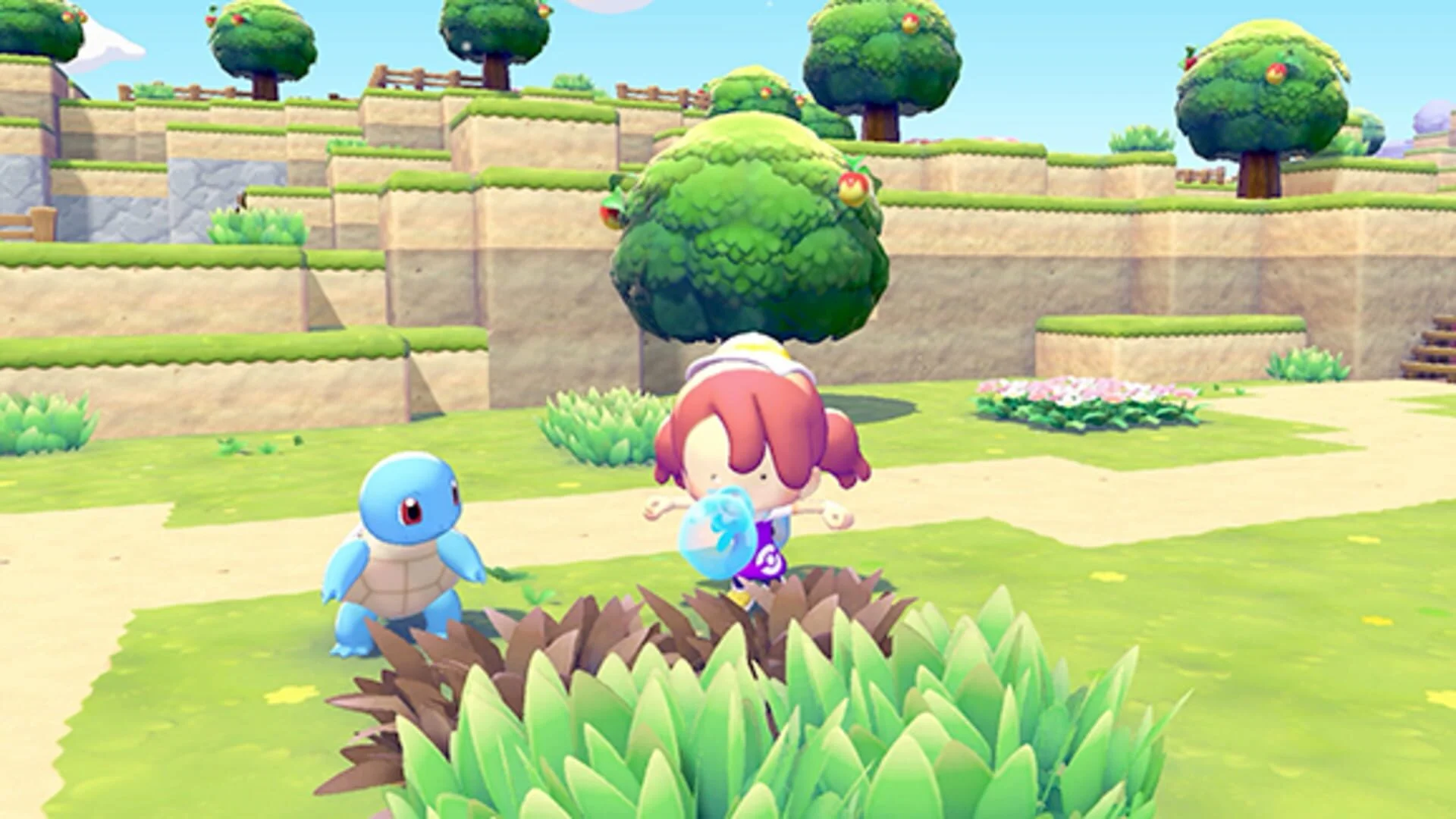
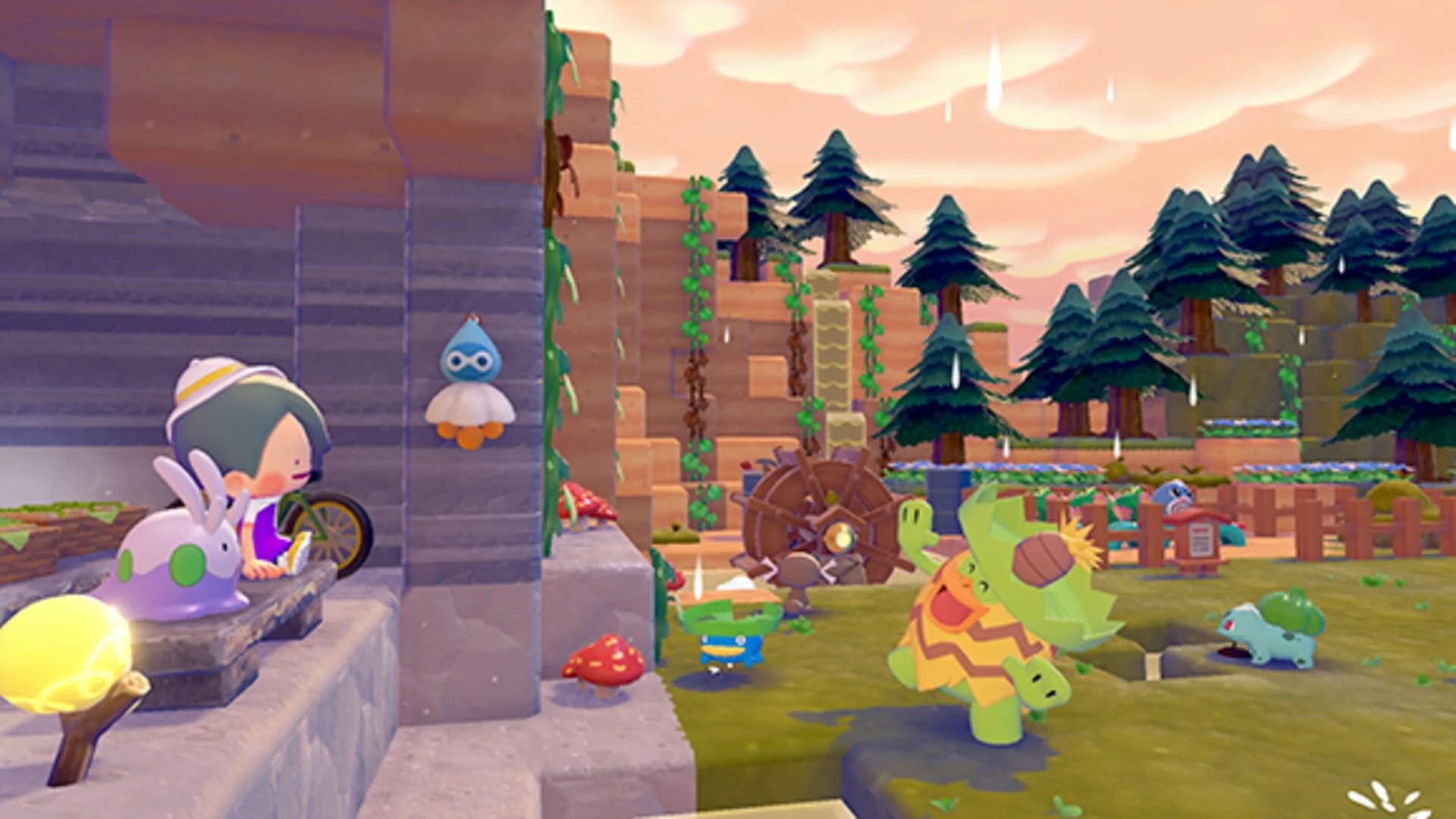
    Je vais être honnête : j’ai failli craquer pour Pokémon Pokopia. Nouveau jeu, nouvelle région, nouveau cycle de hype, le même réflexe pavlovien que j’ai depuis la Game Boy. J’avais déjà le panier prêt, la carte bleue qui frétille. Et puis j’ai regardé le prix, j’ai regardé mon compte, j’ai regardé ma pile de jeux, et j’ai fini par rallumer… Animal Crossing: New Horizons.

    Parce que voilà la vérité que j’ai mis du temps à accepter : en 2026, avec un coût de la vie délirant et des jeux qui flirtent joyeusement avec les 70-80 €, le “nouveau truc à la mode” n’est plus automatiquement la meilleure option. Surtout quand j’ai déjà sur ma Switch un jeu qui fête ses six ans, qui me connaît par mon prénom, qui ne me demande plus un centime et qui continue d’être une des expériences les plus réconfortantes que j’ai eues sur console.

    Animal Crossing: New Horizons est sorti le 20 mars 2020. Six ans, bordel. Six ans que ce truc vit dans ma console, même quand je fais semblant de l’ignorer. Six ans pendant lesquels j’ai pensé “ok, c’est bon, j’ai tourné la page”, pour finalement y revenir au moindre coup de fatigue, de déprime ou de facture EDF un peu trop salée. Et en 2026, au moment où tout le monde fait la danse du portefeuille devant chaque nouvelle sortie, je commence à me dire que c’est peut-être lui, mon vrai “jeu de l’année”.

    Pokémon Pokopia à prix plein, c’est sympa sur le papier… mais on vit dans quel monde, en fait ?

    On va arrêter de faire semblant : les jeux Nintendo à prix plein en 2026, c’est violent. Tu rajoutes l’inflation, le loyer, la bouffe, les transports, et tu te retrouves à calculer si deux soirées au resto valent vraiment moins le coup qu’un AAA qui va peut-être te tenir deux semaines avant d’être rangé sur l’étagère.

    Pokémon Pokopia, j’ai envie d’y jouer. Évidemment. C’est Pokémon, c’est conçu pour titiller la partie de mon cerveau qui a passé des centaines d’heures sur Or/Argent et Émeraude. Mais à un moment, il faut regarder le rapport coût/temps/réel plaisir. Et quand je compare un “nouveau” jeu Switch que je paierai plein pot, bourré de patchs day one et de promesses marketing, face à un Animal Crossing que je possède déjà, que j’aime déjà, qui a reçu une mise à jour 3.0 gratos avec des options Switch 2 (4K, souris pour décorer, multi jusqu’à 12 joueurs)… la balance commence sérieusement à pencher du côté du vieux pote.

    On parle beaucoup de backlog, de “j’ai 40 jeux que je n’ai jamais lancés”. Mais on parle moins de ce que ça fait de revenir sur un jeu qu’on connaît par cœur, en pleine tourmente économique. De se dire : “Je ne vais pas dépenser 70 €, je vais plutôt relancer mon île, boire un café chez Robusto et aller pêcher des daurades en 4K.” Et franchement, en 2026, ça ressemble presque à un acte de résistance.

    Mon île, c’est mon HLM émotionnel

    Je joue à Animal Crossing depuis longtemps, mais New Horizons m’a pris à la gorge comme peu de jeux. Le timing, déjà : mars 2020, confinement, angoisse à tous les étages. Pendant que le monde extérieur partait en vrille, je plantais des tulipes en arc-en-ciel et je calculais le meilleur prix du navet. J’ai vu des amis que je n’avais pas croisés depuis des années débarquer sur mon île pour “juste traîner un peu”. On a fait des anniversaires par visioconférence, des rendez-vous amoureux improvisés sur la plage virtuelle. C’était ridicule, oui, mais ça tenait debout.

    Évidemment, le soufflé est retombé. Après quelques centaines d’heures, j’ai fait comme tout le monde : j’ai rangé la Switch, j’ai râlé sur le manque de nouveautés, j’ai pesté contre Nintendo qui semblait abandonner le jeu au moment où il aurait pu devenir un vrai jeu-service bien pensé (pas un gouffre à micro-transactions). J’ai sauté sur d’autres sorties, j’ai enchaîné les triple A, les indés, les expériences “narratives profondes”. Et puis, petit à petit, j’ai senti le même schéma : hype, rush, abandon.

    Le truc, c’est qu’Animal Crossing, lui, n’a jamais complètement disparu. Ma console me rappelait de temps en temps que Kéké donnait toujours son concert hebdo, que la nature suivait son cycle, que mes voisins continuaient à se demander pourquoi je les avais ghostés depuis 18 mois. Et là, pour les six ans du jeu, j’ai relancé pour “juste jeter un œil”. Trois heures plus tard, j’étais en train de refaire l’allée principale, de repositionner mes ponts, de choisir minutieusement où placer l’hôtel du nouveau patch.

    Je ne dis pas que tout est parfait, loin de là. Mais ce sentiment de rentrer dans un endroit qui a vieilli avec toi, qui ne t’a pas demandé ton numéro de CB à chaque visite, qui ne s’est pas transformé en casino free-to-play… ça commence à valoir plus cher qu’une nouvelle map Pokémon qui se prétend “révolutionnaire” tous les deux ans.

    Screenshot from Animal Crossing: New Horizons
    Screenshot from Animal Crossing: New Horizons

    Six ans plus tard, New Horizons est toujours plus moderne que la moitié des sorties du moment

    Il faut quand même en parler : la version 3.0, sortie en janvier 2026, c’est loin d’être un petit patch cosmétique. Sur Switch 2, Animal Crossing: New Horizons se paye le luxe d’un mode 4K qui rend chaque feuille, chaque pétale de cerisier presque trop joli pour ce que le jeu raconte. On a aussi un support souris pour la déco, qui rend enfin la refonte d’intérieur moins fastidieuse, et du multi jusqu’à 12 joueurs sur une île.

    Alors oui, je sais, ça ne répond pas au fantasme de beaucoup de fans qui rêvent de lieux plus vivants, de vraies nouvelles zones, d’un retour des interactions plus profondes façon vieux opus. L’hôtel au bord du quai, c’est cool cinq minutes, ça renforce surtout l’aspect “Happy Home Paradise bis” : encore plus d’outils pour les architectes obsessionnels, pas forcément plus de vie pour ceux qui attendent des histoires inédites.

    Mais soyons honnêtes : même sans révolution, le simple fait qu’un jeu de 2020 soit encore mis à jour gratuitement en 2026, optimisé pour une nouvelle console, sans passer à la caisse, c’est tout sauf banal dans l’industrie actuelle. Quand je vois certains titres récents me vendre des “patches next gen” payants ou des éditions “Ultimate” pour avoir le droit de jouer dans de bonnes conditions, je regarde New Horizons et je me dis : “Ok, Nintendo est radin sur le contenu, mais au moins ils ne me rackettent pas pour le polish technique.”

    Le vrai luxe en 2026 : un jeu qui ne te demande plus un centime

    On a normalisé un truc absurde : payer 70 € pour un jeu “complet”, puis se faire bombarder de cosmétiques, de passes de combat, d’extensions ou de “collaborations événementielles” à la chaîne. On a l’impression que rien n’est jamais vraiment terminé, que tout est pensé pour te garder dans un tunnel d’achats permanents.

    Animal Crossing: New Horizons, avec tous ses défauts, a basculé dans une autre catégorie à partir du moment où Nintendo a dit en gros : “Voilà, on a fini. Il reste des événements saisonniers, quelques ajustements, mais c’est le jeu.” Loin de me frustrer, ça m’a fait un bien fou. Parce qu’un jeu “fini” signifie aussi que je peux y revenir sans FOMO, sans me demander ce que j’ai raté, sans avoir ce sentiment d’être en retard sur une méta.

    Je n’ai plus peur de poser ma Switch pendant trois mois puis de revenir pour Bunny Day ou Festivale. Mon île ne va pas se transformer en vitrine d’un partenariat avec tel fast-food, je ne vais pas découvrir que mes vêtements préférés sont passés dans un battle pass saisonnier. Le jeu est là, stable, familier. Et en plein contexte de vie chère, ça a une valeur très concrète : c’est du temps de jeu “gratuit” que j’ai déjà payé il y a six ans.

    Screenshot from Animal Crossing: New Horizons
    Screenshot from Animal Crossing: New Horizons

    On sous-estime la puissance économique de ce genre de retour. Une soirée sur mon île, c’est autant de temps où je ne dépense rien. Pas de nouvelles sorties, pas de gacha mobile, pas de “juste un petit skin”. Si tu commences à additionner, ton “vieux jeu” finit par être ton meilleur investissement gaming de la décennie.

    Nostalgie, routine et slow gaming : ACNH comme antidote au FOMO

    Je joue aussi à des trucs très exigeants, des jeux de baston où l’input lag me rend fou, des RPG où je passe 20 minutes dans un menu pour optimiser mes stats. Mais plus les années passent, plus j’ai besoin de ces espaces de respiration. Animal Crossing: New Horizons est devenu exactement ça : un jeu qui n’essaie pas de me “retenir”, qui ne me hurle pas dessus pour que je fasse mes quêtes journalières, qui accepte que je vienne juste pour arroser mes fleurs et écouter Kéké chanter.

    On parle beaucoup de “cosy games” comme d’une mode, mais ACNH a littéralement redéfini ce segment. Et six ans après, il tient toujours la baraque parce qu’il n’a pas tenté de se transformer en autre chose. Il ne s’est pas transformé en service live agressif, il n’a pas rajouté mille systèmes pour me pousser à grinder. Les événements saisonniers de 2026, c’est du recyclage ? Oui. Est-ce que ça m’empêche de ressentir un petit frisson en revoyant les pétales de cerisier tomber fin mars, ou en préparant Toy Day dans mon salon virtuel ? Absolument pas.

    Le truc le plus dingue, c’est que ce rôle de “jeu de confort” n’était peut-être pas prévu à ce point. Nintendo reste silencieux sur l’avenir de New Horizons : pas de gros DLC annoncés, pas de suite, rien de concret pour les 25 ans de la franchise en 2026. Et pourtant, le jeu tourne, la communauté continue, les gens reviennent pour l’anniversaire des habitants, pour refaire leur île, pour utiliser les nouveaux outils de déco comme un grand bac à sable zen.

    À l’inverse, j’ai vu tellement de jeux récents s’effondrer sous le poids de leur propre FOMO. Des saisons qui s’enchaînent, des passes qui périment, des événements limités… Résultat : si tu n’es pas là au bon moment, tu es puni. Animal Crossing, lui, me punit juste avec des mauvaises herbes et deux-trois voisins vexés. Je prends largement ce deal.

    Nintendo fait aussi n’importe quoi, soyons clairs

    Attention, ce n’est pas un plaidoyer pour sanctifier Nintendo. Leur gestion de la licence Animal Crossing depuis le carton monstrueux de New Horizons est au mieux frileuse, au pire complètement à côté de la plaque. On parle du plus gros succès de la série, d’un phénomène culturel, et derrière, c’est silence radio pendant des années, un seul gros DLC payant, puis quelques mises à jour gratifiées du label “c’est bon, on a fait le tour”.

    La mise à jour 3.0 et la version optimisée Switch 2 auraient pu être l’occasion de repositionner le jeu, d’annoncer une vraie seconde vie, un gros pack narratif, des lieux vraiment inédits, une dimension plus sociale encore. À la place, on a des outils de création renforcés, un hôtel sympa mais redondant pour ceux qui ont déjà essoré Happy Home Paradise, et une communication qui se contente de rappeler les événements saisonniers.

    Screenshot from Animal Crossing: New Horizons
    Screenshot from Animal Crossing: New Horizons

    Et pendant ce temps, la rumeur court sur un éventuel nouvel opus, sur des projets parallèles comme Tomodachi Life remis au goût du jour, sur des célébrations d’anniversaire de la franchise qui ne disent pas leur nom. Rien de tout cela n’est clair, rien n’est assumé. Nintendo semble presque avoir peur de son propre succès, comme si la seule stratégie viable était de laisser New Horizons s’éteindre doucement pendant qu’ils préparent autre chose en coulisses.

    Le paradoxe, c’est que cette frilosité joue en faveur de mon argument : puisque Nintendo ne transforme pas ACNH en machine à cash, j’ai la liberté de m’en servir comme refuge personnel, sans pression, sans mise à jour majeure qui bouleverse mon île tous les trois mois. Mais qu’on ne se trompe pas : c’est autant une bénédiction pour mon portefeuille qu’un énorme gâchis de potentiel pour la série.

    Alors, Pokopia ou retour sur l’île ? Mon choix est fait (pour l’instant)

    Je ne vais pas jouer au puriste : je finirai sûrement par acheter Pokémon Pokopia. Peut-être d’occasion, peut-être dans un an, quand j’aurai l’assurance que ce que je paie correspond à un jeu qui en vaut réellement la peine, pas juste au dernier wagon de hype Twitter. Je ne suis pas devenu soudainement imperméable aux nouvelles sorties, je ne vis pas en ermite dans ma maison en bambou.

    Mais là, maintenant, en 2026, avec les prix qui explosent et mon temps de jeu qui se réduit, je n’ai plus envie de jouer au cobaye de luxe. Je préfère investir dans un rapport différent au jeu vidéo : celui où relancer un vieux titre au bon moment est plus satisfaisant que d’acheter le prochain logo Pokémon pour finir par le lâcher au bout de 20 heures.

    Animal Crossing: New Horizons est devenu, malgré lui, le symbole de ce changement. Un jeu qui a déjà prouvé sa valeur, qui a accompagné une période entière de nos vies, qui continue d’être mis à jour techniquement sans nous facturer la moindre ligne de patch, et qui offre toujours ce mélange étrange de routine, de douceur et de contrôle créatif. Un jeu qui, six ans plus tard, reste plus “rentable” émotionnellement et financièrement que la majorité des nouveautés qui se battent pour un créneau dans notre planning saturé.

    Je ne dis pas que tout le monde devrait abandonner les sorties récentes et se réfugier dans le passé. Mais je commence sérieusement à me méfier du réflexe qui consiste à considérer un jeu “fini” comme “jetable”. Si en 2020 tu as payé Animal Crossing: New Horizons au prix fort, et qu’en 2026 c’est encore lui qui t’accompagne pendant que tu comptes tes sous à la fin du mois, ce n’est pas de la nostalgie. C’est un investissement qui a payé.

    Alors oui, Pokémon Pokopia me fait de l’œil. Mais pour l’instant, j’ai un café à prendre chez Robusto, deux ponts à replacer, un concert de Kéké à ne pas manquer et des pétales de cerisier à regarder tomber. Et tout ça, je l’ai déjà payé. Une fois. Ça change tout.

  • World of Warcraft: Midnight’s class balancing is steering the MMO headfirst into a mistake that’s been haunting FF14 for years

    World of Warcraft: Midnight’s class balancing is steering the MMO headfirst into a mistake that’s been haunting FF14 for years

    J’adore WoW, j’adore FF14… et je ne veux pas que l’un copie le pire de l’autre

    Je joue aux MMO depuis assez longtemps pour avoir connu le WoW sans LFG, les raids 40 et les soirées wipe sur Ragnaros. Et en parallèle, j’ai englouti des centaines d’heures sur Final Fantasy XIV, du raid extrême au farm débile de montures. Ces deux jeux sont littéralement les piliers de ma vie de joueur. Du coup, quand je vois World of Warcraft : Midnight commencer à sentir dangereusement la “meta des deux minutes” de FF14, je ne peux pas juste hausser les épaules. Ça touche directement à la façon dont je joue, au plaisir que je prends à monter des alts, à me balader en monde ouvert et à theorycrafter mes classes.

    Oui, je sais : tout le monde hurle que Midnight est “le meilleur moment pour revenir sur WoW”, que les classes sont plus simples, que les raids sont plus stratégiques depuis que Blizzard a flingué la moitié des addons de combat. Je suis d’accord sur une bonne partie de ça. Mais sous cette couche de peinture fraîche, je vois un truc que je connais trop bien côté FF14 : des spécialisations taillées autour d’énormes fenêtres de burst, séparées par des tunnels de mollesse où tu as l’impression de taper avec un cure-dent. En raid coordonné, ça peut être tolérable. Dans le monde ouvert, en leveling d’alts, c’est un enfer mou, incohérent, et franchement pas digne d’un MMO centré sur le farm permanent.

    Les addons sacrifiés sur l’autel de la “stratégie” : bonne idée, mauvaise exécution

    Je vais être clair : sur le papier, je soutiens le coup de hache de Blizzard sur les addons de combat. Mon voleur Hors-la-loi était littéralement piloté par un addon pour une partie de sa rotation. Un petit module qui me disait quand claquer tel bouton pour optimiser, sinon tu te retrouvais à feuilleter un guide de 30 pages pour ne pas être un fardeau en raid. C’était débile. Quand un jeu en arrive à ce stade, ce n’est plus de la profondeur, c’est de la paperasse.

    La promesse des devs, c’était : “on coupe les addons, on simplifie les rotations, et en échange on rend les raids plus stratégiques, pas juste ‘vous tirer dessus avec encore plus de balles’”. Très bien. Mais simplifier ne veut pas dire “tout coller dans une fenêtre de burst et laisser le reste du gameplay se dégonfler comme un soufflé raté”. Or, c’est exactement ce qui se passe avec certaines spés dans Midnight. On a troqué des barres de sorts illisibles contre des profils de dégâts qui ressemblent à un électrocardiogramme en PLS : gros pic, puis ligne plate, puis gros pic, puis re-plat.

    Sur mon voleur Hors-la-loi, ça passe à peu près. La spé est un peu nerfée en raid, mais en monde ouvert je continue à avoir ce feeling de “bagarre permanente” que j’aime tant. Par contre, le jour où j’ai switché sur mon paladin Vindicte et mon chasseur Précision pour les monter dans Midnight, j’ai pris la claque. Fenêtre de burst ? Le mob explose en un GCD. Cooldowns en recharge ? Tu le chatouilles en espérant qu’il meure d’ennui avant toi. C’est là que j’ai commencé à voir le spectre de FF14 se pointer.

    FF14 et sa foutue meta des deux minutes : le futur que je ne veux pas pour WoW

    Côté FF14, j’ai déjà vécu le film jusqu’au générique. Tous les jobs ou presque sont conçus autour du sacro-saint créneau de 120 secondes. Toutes tes grosses compétences de dégâts et la plupart de tes buffs se syncent sur ce timing. Résultat : toutes les deux minutes, tu écrases ton clavier pendant 15 secondes dans un feu d’artifice de critiques, puis tu retournes à une “rotation rivière” improbable, ultra répétitive, en attendant le prochain gong.

    Mon ninja là-bas est l’exemple parfait : deux fenêtres de burst (dont une plus grosse toutes les deux minutes), et entre les deux il enchaîne sa combo en trois coups et claque de temps en temps un ninjutsu. Sur un boss de raid statique, avec le groupe qui aligne tous ses buffs au même moment, ça peut être satisfaisant. Mais dès que tu sors de ce contexte – donjons, monde ouvert, leveling, contenu solo – tout part en vrille. Soit tu ouvres avec tous tes CD et le mob disparaît avant même que ton gameplay ait eu le temps de s’installer, soit le combat dure juste assez pour que tes gros boutons soient en CD et tu t’ennuies ferme.

    Screenshot from World of Warcraft: Battle for Azeroth: Tides of Vengeance
    Screenshot from World of Warcraft: Battle for Azeroth: Tides of Vengeance

    Pire : ce modèle met les devs dans un piège de design. Si ton job n’aligne pas bien ses dégâts avec ce créneau de deux minutes où tout le monde balance ses buffs, tu es mécaniquement derrière. Mais si tu buffes trop ces jobs “non burst” pour les rendre viables en raid, ils deviennent complètement pétés dans le contenu casual où personne ne time quoi que ce soit. Résultat : Square Enix a progressivement raboté, réécrit et homogénéisé plein de jobs pour les faire rentrer dans la grande sphère du burst à 120 secondes. C’est ce que je redoute de voir arriver sur WoW si on ne tire pas le frein à main maintenant.

    Midnight montre déjà les symptômes : profil en dents de scie et leveling incohérent

    Depuis Midnight, Blizzard a non seulement simplifié les arbres de talents, mais aussi complètement retouché la distribution des dégâts sur pas mal de spés. Et les premiers gros patchs d’équilibrage confirment une tendance : au lieu de lisser le DPS, on donne des coups de volant monstrueux sur des capacités clés. On l’a vu dès la première passe de tuning de la saison 1 : Druide Équilibre +20% de dégâts, Paladin Vindicte avec +25% sur ses dégâts de mêlée et son talent Crusading Strikes, pendant que Divine Storm se prenait un -12% en AoE. Moine avec Bombe du tigre amputée d’environ 25% de dégâts en mono-cible, 17% en AoE. Prêtre Ombre +10% sur presque tout, mais lien psychique qui passe de 60% à 20% d’efficacité. Guardian Druid, lui, se prend -10% sur Eclat lunaire et -20% sur plusieurs autres compétences défensives et offensives. Guerrier Protection gagne environ +12% de dégâts via des reworks de talents.

    Pris isolément, ces chiffres ne veulent pas forcément dire “meta burst de deux minutes”. Mais mis bout à bout, ça dessine un truc que je n’aime pas : au lieu de rendre le profil de dégâts plus régulier, on creuse les écarts entre les pics et le reste. Et surtout, on concentre une grosse partie de la valeur dans des compétences sous CD ou dans des fenêtres très marquées, parfois explicitement pensées pour du raid coordonné. Pendant ce temps, les dégâts de base – ton “filler”, tes attaques blanches, ton rotationnel simple — restent tristement anémiques.

    Quand tu es au niveau max, avec un groupe, et que tu t’alignes sur cette danse-là, ça passe encore. Mais en leveling, en monde ouvert, dans les Delves solo, le système Prey, les quêtes journalières, les rares… tu sens tout de suite la fracture. Si toutes tes grosses cartouches sont prêtes, tu atomises n’importe quel mob ou élite. Si elles sont en CD, tu as la sensation d’avoir changé de classe et d’avoir perdu 30 ilvls. Ce n’est pas du “gameplay dynamique”, c’est juste une expérience schizophrène.

    Le problème quand WoW oublie qu’on ne vit pas en raid 24/7

    WoW n’est pas FF14. FF14 a basculé depuis longtemps sur un modèle où le raid (et assimilés) est le cœur du design. Tout le jeu est taillé pour amener la majorité des joueurs à ces combats “spectacle” ultra scriptés. Le reste est plus ou moins un long couloir pour y arriver. Ce n’est pas mon idéal, mais au moins c’est cohérent.

    Cover art for World of Warcraft: Battle for Azeroth: Tides of Vengeance
    Cover art for World of Warcraft: Battle for Azeroth: Tides of Vengeance

    WoW, surtout avec Midnight, assume l’inverse : on te gave de contenu monde ouvert, de systèmes annexes, de farm d’alts, de boucles solo comme les Delves ou Prey. Le message, c’est : “Va jouer dehors, explore, connecte-toi une heure, fais tes trucs.” Très bien. Mais alors pourquoi bordel de merde continuer à tuner les spés comme si la seule chose qui comptait, c’était un log de raid où tout le monde aligne son burst sur un timer parfait ?

    Quand je monte un alt aujourd’hui, je passe mon temps à jongler entre “ok ce pack a fondu instantanément, je n’ai même pas vu mes sorts” et “bon, je spam mon pauvre filler en attendant que mon bouton fun sorte de prison”. Multiply ça par 10, 15, 20 alts sur une extension pensée pour le reroll, et tu comprends pourquoi je commence à enrager. Ce n’est pas un détail d’équilibrage, c’est le cœur de mon expérience de joueur qui prend chair.

    L’argument des défenseurs : “en raid c’est mieux ainsi” (et pourquoi ça ne me suffit pas)

    Je vois déjà les défenseurs du status quo : “Mais en raid, c’est normal de caler les cooldowns tous ensemble, c’est plus lisible, plus facile à équilibrer, les logs sont plus propres, les buffs de groupe ont plus de sens”. Et honnêtement, sur cette partie, je ne suis pas en désaccord. Avoir un point de repère régulier pour les fenêtres de burst, ça aide les RL, ça rend les combats plus prévisibles côté tuning.

    Le souci, c’est quand ce modèle commence à contaminer tout le reste. Quand chaque spé est conçue d’abord comme une machine à DPS un boss immobile pendant 6 minutes avec des timers parfaits, et seulement ensuite comme un kit qui doit être agréable à jouer en solo, en leveling, en world PvP, en contenu semi-organisé. On inverse la priorité. C’est exactement ce qu’a fait FF14, et le résultat, c’est une armée de jobs qui se ressemblent de plus en plus, avec des rotations plates hors burst et un monde ouvert qui tient du décor.

    Je refuse de voir WoW suivre ce chemin-là sans gueuler un coup. Surtout quand Blizzard a justement la réputation d’être beaucoup plus réactif que Square Enix sur l’équilibrage. Le premier gros patch de tuning de Midnight est tombé quelques jours à peine après l’atteinte du niveau max, avec des changements à deux chiffres pour quasiment toutes les classes. Donc oui, ils peuvent corriger la trajectoire. Mais encore faut-il qu’ils reconnaissent que le problème n’est pas juste “X spé est 8% derrière en raid”, mais que la forme même du profil de dégâts est toxique pour tout ce qui ne ressemble pas à un boss en mode poteau.

    Ce que Blizzard devrait faire : lisser les profils, sans retomber dans la surcharge

    La bonne nouvelle, c’est qu’on n’est pas condamnés à choisir entre “surcharge de boutons gérée par addon” et “méta burst de deux minutes façon FF14”. Il y a de la place entre les deux. Quand je parle de “lisser les profils”, je ne dis pas qu’il faut supprimer le plaisir de claquer une énorme fenêtre de dégâts sous Héroïsme. Je dis qu’il faut arrêter de faire dépendre 60% de l’impact ressenti d’une spé de 10 secondes de gameplay toutes les 90 ou 120 secondes.

    Concrètement, ça veut dire : redonner plus de poids au rotationnel de base, aux procs, aux petites fenêtres intermédiaires. Arrêter de nerfer massivement les dégâts de base chaque fois qu’on buff une compétence sous cooldown. Utiliser les passes de tuning non pas juste pour gonfler ou étrangler une poignée de nukes, mais pour corriger la courbe complète du DPS sur une minute. Certains patchs de Midnight vont déjà un peu dans ce sens — par exemple en redistribuant les dégâts du Prêtre Ombre entre ses DoTs, ses sorts directs et Psychic Link — mais on a encore trop de cas où tout le fun est aspiré dans 2 ou 3 boutons.

    Ce n’est pas simple, évidemment. Il faut jongler avec le PvP (d’où des changements “hors PvP seulement” dans les notes de patch), les attentes des raiders, les logs publics qui montent les joueurs les uns contre les autres. Mais c’est précisément pour ça que j’en parle maintenant : parce qu’on est encore assez tôt dans Midnight pour ajuster la philosophie avant que tout soit gravé dans le marbre, comme sur FF14, où la “meta des deux minutes” est devenue une religion dont les devs peinent à se défaire.

    Pourquoi je continuerai à jouer… mais en gardant la main sur le bouton d’alarme

    Je ne suis pas en train de dire que Midnight est un mauvais patch ou que WoW est foutu. Je m’amuse toujours, je raid toujours, je monte encore mes alts. Le housing, les nouvelles zones, les systèmes solo comme Prey et les Delves, tout ça me parle. Blizzard a enfin l’air de se rappeler que tout le monde n’a pas quatre soirs de raid par semaine à bloquer.

    Mais justement : si tu fais de ton MMO un jeu où le monde ouvert et le contenu solo comptent, tu ne peux pas te permettre de piétiner ces expériences au nom d’un méta burst calibré pour les logs Mythique. Les passes de tuning de Midnight, avec leurs buffs / nerfs à +20%, -25%, les réallocations de dégâts qui creusent les écarts entre burst et reste de la rotation, sont un énorme signal d’alarme pour moi. J’ai déjà vu ce film, il se passe à Eorzea, et je n’ai aucune envie de payer deux fois pour le même scénario.

    Je vais continuer à jouer, à râler, à theorycrafter, à surveiller les logs et les patch notes. Mais si la direction reste celle-ci — rotations simplifiées, addons supprimés, et dégâts de plus en plus concentrés dans quelques fenêtres explosives — alors oui, on aura importé le pire de FF14 dans WoW. Et à ce moment-là, il ne faudra pas venir me dire que personne n’avait vu la catastrophe arriver.

  • Mega Man Star Force: Legacy Collection – Preview au-delà des attentes

    Mega Man Star Force: Legacy Collection – Preview au-delà des attentes

    Mega Man Star Force: Legacy Collection Preview – A Quiet DS Oddball That Suddenly Feels Essential

    I went into Mega Man Star Force: Legacy Collection expecting a comfy nostalgia trip and not much more. These were the “other” DS Mega Man RPGs back in the day – the ones I always meant to play after Battle Network and somehow never did. A few late nights with the Legacy Collection later, closing in on the end of the first game, I’ve had to eat a lot of my assumptions.

    This doesn’t just feel like a preservation project. The way Geo Stelar’s story is framed, the subtle character work in his friendships, and the stripped-down but surprisingly sharp combat all click together in a way that honestly hits harder in 2026 than I ever expected from a DS-era spin-off.

    It helps that Capcom has wrapped all three DS titles (and their multiple versions) into one neat package on modern platforms, with optional boosts and tweaks that smooth out most of the handheld-era friction without gutting the original design. The result is a revival that manages to feel both faithful and oddly fresh.

    Key Takeaways

    • Geo Stelar’s character arc is the star: his isolation, grief, and awkward growth give this trilogy more emotional weight than most Mega Man stories.
    • Combat is simple to look at, tricky to master: a stationary, tile-based system that still demands good timing, deck planning, and quick reads.
    • Exploration and sidequests hold up: compact areas, meaningful HP upgrades, and small character-driven errands make wandering worth it.
    • Quality-of-life options are generous but optional: encounter sliders, speed boosts, and power buffs exist, but you can ignore them for a pure, DS-authentic run.
    • A strong preservation effort: all seven original version variants, galleries, music, and modern screen layouts make this a definitive Star Force package.
    • Preview verdict: if the second and third games maintain this level, this could quietly become the best Mega Man spin-off collection yet.

    Geo Stelar’s Lonely Little World Hits Harder Than Expected

    My first real surprise was how quickly Geo Stelar got under my skin. Mega Man as a series has done “stoic hero” and “earnest kid” plenty of times, but Geo is different. When we meet him, he’s not a plucky savior – he’s a depressed, shut-in middle schooler whose dad vanished in space, and he’s basically given up on the whole “normal life” idea.

    He skips school. He avoids people. His mom has reached that heartbreaking point where she’s stopped pushing him. That’s the baseline when the alien FM-ian who becomes “Mega” crashes into his life and, through a mix of irritation and necessity, fuses with him to create this era’s Mega Man.

    The premise sounds like standard anime fare, but living with it over hours instead of in a trailer reel shifts the tone. Geo’s reluctance isn’t a one-scene gag. He doesn’t instantly relish being a hero or embrace his powers. He drags his feet, he complains, he withdraws. And slowly, beat by beat, the game nudges him toward opening up – not just to Mega, but to the kids around him and the wider world.

    I found myself way more invested in those small conversations than I expected from a DS-era Mega Man RPG. A throwaway side errand to help a classmate with a problem felt meaningful because it’s framed as one of Geo’s first genuine attempts to re-engage with other people. That context turns what could’ve been simple “go here, fix that” quests into little emotional footholds.

    Geo’s dynamic with Mega sells it. Mega is gruff, sarcastic, and impatient; Geo is wounded, stubborn, and scared. Their back-and-forth has an almost buddy-cop rhythm, but underneath the jokes you can feel Geo slowly trusting someone again. By the time I hit late-game chapters of the first title, I was more interested in where their relationship was going than in the overarching alien conflict.

    I’ve liked stories in Mega Man Zero and some of the darker Battle Network beats, but Star Force might be the most grounded I’ve seen this universe handle a kid dealing with loss. It’s still light and approachable, but the emotional throughline feels unusually honest for the series.

    A Combat System That Looks Simple, Then Starts Smacking You Around

    On paper, Mega Man Star Force’s combat sounds like a stripped-down version of Battle Network. You still have a “deck” of Battle Cards instead of chips. You still fight on a tiled field. But instead of dancing around a 3×3 grid from a side view, you’re planted on a three-tile line at the back, looking directly at enemies in pseudo-3D.

    Screenshot from Mega Man Star Force 3: Black Ace
    Screenshot from Mega Man Star Force 3: Black Ace

    When I first saw this again on a big screen, I thought, “Oh, this is going to be so much more basic.” You can only sidestep left and right along your back row and occasionally duck behind cover; enemies hop between tiles in front of you, lobbing attacks your way. It’s a little like being stuck at the end of a narrow corridor, trying to read tells and counterattack as waves of weird virus-creatures rush you.

    In practice, that limited movement pushes all the tension into timing and deck building. You’re constantly juggling:

    • Reading enemy patterns fast enough to slide out of danger at the last second.
    • Picking the right Battle Cards from your random draw – you can only chain certain compatible types at once, which forces improvisation.
    • Saving or burning strong cards based on whether you think a tougher encounter is around the corner.
    • Going for counters by tagging an enemy right as they’re about to attack, which is both risky and deeply satisfying.

    The first hour or two lulled me into thinking I could autopilot most fights. Then I walked into a boss in a new area with a slightly off-beat projectile rhythm, misread a couple of attacks, drew the wrong set of cards, and got absolutely deleted. That was the moment I started respecting how nasty this system can be when you’re not paying attention.

    There’s still randomness – the order your cards come up can make a big difference – but it rarely felt unfair. When I died, it was usually because I got greedy trying to squeeze in one more charge shot instead of dodging, or I didn’t adjust my folder (deck) to match a new set of enemy types. Star Force rewards you for putting in that tiny bit of prep: swapping in multi-hit cards for shielded enemies, equipping line attacks when the game starts pairing foes in columns, and so on.

    If you loved Battle Network’s mix of action and deck-building, Star Force lands in a similar “sim-action RPG” pocket, just with a different flavor of stress. Instead of doing graceful grid-dancing, you’re playing high-speed bullet-dodging defense from the back row. I found myself just as hooked – maybe more, because I wasn’t trying to mentally be in nine places at once.

    Exploration and Sidequests: Compact, But Weirdly Addictive

    Outside of combat, Star Force is very much a product of DS-era design – in ways that mostly work in its favor. Areas are small, interconnected pockets of town streets, school corridors, rooftops, and “wave roads” – those digital pathways Geo can access by transforming into Mega Man and slipping into the invisible EM world layered over reality.

    The loop goes something like this: talk to people, catch wind of a problem, hop into the wave world, fight EM viruses, poke around for items and HP upgrades, dive back out to see how that small change affects Geo’s relationships and the wider story. It’s not a sprawling open world, but the density is good. There’s almost always some little reward for taking the long way around a screen or checking a suspicious corner.

    Screenshot from Mega Man Star Force 3: Black Ace
    Screenshot from Mega Man Star Force 3: Black Ace

    The permanent HP upgrades hidden in odd spots give that classic RPG satisfaction – the “I knew there’d be something tucked back here” feeling. I caught myself doing full sweeps of areas I’d technically cleared just because I didn’t want to miss a stray boost. It’s a simple carrot, but it works.

    Sidequests lean more toward bite-sized errands than elaborate multi-part sagas, but they’re elevated by how pointed they are about Geo’s growth. Helping a kid deal with a school problem or fixing some electronic snag isn’t just filler; it’s another excuse for Geo to interact, to care, to show up for people despite his instinct to retreat.

    My one real gripe so far: you can’t stack multiple sidequests at once. Having to track them down and clear them one by one is pure DS-era friction that the Legacy Collection doesn’t really sand down. It’s not a deal-breaker, but there were a few times I wished I could just load up on errands before heading into an area so I didn’t have to double back.

    Quality-of-Life Options: Training Wheels You Don’t Have to Use

    Where the Legacy Collection really asserts itself is in how it modernizes the experience without rewriting it. Across the three games and their original version splits, you’re getting the DS RPGs largely intact – but with a toolbox of tweaks you can choose to mess with or completely ignore.

    • Encounter rate sliders: you can lower how often random battles trigger if you’re just trying to blaze through story beats, or crank them if you want to grind.
    • Speed boosts: options to increase Geo’s movement speed help cut down on backtracking fatigue that would’ve been more noticeable on a modern TV.
    • Damage and reward modifiers: you can gently buff your attack power or tweak rewards like zenny (money), making things more accessible without toggling a blunt “easy mode.”
    • Autosave and cutscene skip: modern comforts that make retrying bosses or revisiting tricky sections much less punishing.

    What struck me is how little I felt compelled to use any of these beyond curiosity. I tried dialing down encounters once just to see how it changed the feel, then promptly set it back because the battle rhythm is part of what I like about Star Force. The collection clearly wants to respect both returning fans who want the original difficulty curve and new players who might just be here for the story and overall vibe.

    There’s also the preservation side: multiple screen-layout options to mimic or modernize the old DS dual-screen setup, a toggle between crisp original pixel art and touched-up visuals, and a surprisingly thorough gallery with art, design materials, card illustrations, and full soundtracks from across the trilogy. For a series that never had the mainstream spotlight of classic or X, seeing this much care put into archiving its history is gratifying.

    How It Feels on Modern Hardware

    I’ve been playing on a modern console hooked up to a big TV, and it honestly took me about five minutes to stop thinking “DS port” and just sink into the game. The tile-based fields and character sprites obviously come from a different era, but the clean lines and bold colors scale up decently. Once you settle on a screen layout you like, your brain fills in the rest.

    Being able to reposition the “second screen” info, stretch or pillarbox, and generally tune the presentation helps a lot. What would’ve felt cramped or awkward with a one-size-fits-all upscale is instead… fine. Not stunning, but more than playable, and comfortably readable from a couch distance.

    Screenshot from Mega Man Star Force 3: Black Ace
    Screenshot from Mega Man Star Force 3: Black Ace

    Audio-wise, the chiptune-style tracks and battle effects have that unmistakable DS timbre, but they hold up aesthetically. The Legacy Collection doesn’t try to aggressively remix or replace them, which I appreciate; the music is part of the texture of this era, and hearing those loops again while paging through the gallery soundtracks is a nice bit of time travel.

    I haven’t hit any technical oddities or noticeable hiccups in the build I’ve played. The game launches quickly, loads are brief, and menus are snappy. In a way, that’s the best compliment you can pay a collection like this: it just gets out of the way and lets the original games breathe.

    Who This Collection Is Really For

    After sinking serious time into the first game and poking into the others, a pattern’s pretty clear. If you fall into any of these camps, Mega Man Star Force: Legacy Collection is squarely aimed at you:

    • Battle Network fans who want a new angle: same broad hybrid of deck-building and action, different perspective, and arguably stronger character focus.
    • Story-driven Mega Man fans: if you care more about character arcs than raw platforming challenge, Geo’s journey is absolutely worth seeing through.
    • RPG players curious about “the other” Mega Man spin-off: this is a clean, modern way to experience three DS RPGs that were easy to miss the first time.
    • Preservation nerds and series completionists: seven historical releases rolled into one, plus galleries and full soundtracks, makes this the definitive Star Force set.

    If you’re expecting cutting-edge visuals or a complete reinvention of the formula, this won’t convert you. The design DNA is very much 2000s handheld: smaller hubs, random encounters, a bit of repetition. But if you’re okay with that structure and you give Geo’s story room to breathe, there’s a surprising amount of heart and mechanical depth waiting under the surface.

    Bottom Line

    Going into Mega Man Star Force: Legacy Collection, I half expected to file it mentally under “nice that it exists” and move on. Instead, I’ve ended up genuinely attached to a kid who didn’t want to go to school, didn’t want to be a hero, and slowly, painfully learns to do both anyway – with a grumpy alien riding shotgun.

    The combat system, which initially looks like a cut-down Battle Network, blossoms into its own tense, timing-heavy style of action. The exploration loop, while compact, kept me combing through wave roads and side alleys for HP boosts and small character moments. And the Legacy Collection’s optional boosts and display tweaks make it easier than ever to live with DS-era quirks without rewriting what these games are.

    As a preview, I’m not slapping a final score on this yet, but based on the first game’s late stages and promising peeks at the sequels, this feels like an 8.5/10 kind of collection in the making – and that’s from someone who barely glanced at Star Force when it was new.

    If the second and third entries maintain this level of character work and refine the combat as much as early impressions suggest, Mega Man Star Force: Legacy Collection might quietly become one of the most rewarding ways to revisit – or discover – Mega Man’s RPG side when it launches on PlayStation 4, PlayStation 5, Xbox One, Xbox Series X|S, Nintendo Switch, and PC via Steam on March 27, 2026.

    TL;DR

    • What it is: A compilation of the entire Mega Man Star Force DS trilogy (including all seven original versions) with modern presentation options and quality-of-life tweaks.
    • Why it stands out: Geo Stelar’s introspective, isolated character arc and his evolving bond with Mega give this spin-off more emotional weight than most Mega Man stories.
    • Combat feel: You’re locked to the back row of a tiled field, dodging and countering in real time while playing the odds with a Battle Card deck – simple layout, surprisingly punishing when you slip up.
    • Exploration: Compact maps, meaningful HP upgrades, and character-driven sidequests make short loops feel satisfying, even if quest stacking is annoyingly limited.
    • Modern upgrades: Encounter sliders, movement speed boosts, damage/reward modifiers, autosave, cutscene skip, screen-layout options, and a big art/music gallery – all optional, all helpful.
    • Early verdict: A respectful, thoughtfully tuned revival that makes Star Force feel relevant again. For fans of Battle Network-style RPG action or strong character stories, this Legacy Collection is absolutely on the “watch closely” list.
  • Test de Ratcheteer DX (Switch) – Un petit Zelda-like parfaitement chez lui sur Nintendo

    Test de Ratcheteer DX (Switch) – Un petit Zelda-like parfaitement chez lui sur Nintendo

    Frozen dungeons, Playdate roots, and a wrench that won me over

    The moment Ratcheteer DX dropped me into its frozen, end-of-the-world colony, I could feel the Playdate DNA humming underneath. This is absolutely a “small” game in 2026 terms: five dungeons, a 4-5 hour runtime, chunky pixels, and a soundtrack straight out of the late ’90s. But over a weekend with the Switch version, it also felt like one of the more confident Zelda-likes I’ve played in a while, precisely because it knows its limits.

    Instead of sprawling checklists and open-world bloat, Ratcheteer DX gives you a tight toolkit, a compact overworld, and a handful of dungeons where almost every screen has a purpose. It’s the kind of game where you feel the constraints of its original Playdate hardware, but in a good way – the systems are lean, the puzzles are focused, and nearly every item you earn pulls double or triple duty.

    It’s not frictionless. The platforming pushed my patience more than once, and there are jumps and ledge interactions that feel harsher than they need to. But by the time I rebuilt the endgame mech and marched it toward the finale, I was genuinely attached to this weird little world and its wrench-wielding mechanic.

    Key Takeaways

    • Short, sharp Zelda-like: About 4-5 hours long, with five compact dungeons and a small but cleverly interconnected overworld.
    • Playdate roots, better controls: The DX version’s button mapping and streamlined menus feel far better suited to Switch and PC.
    • Smart, multipurpose items: Every tool matters both in combat and puzzles, making progression feel intentional rather than bloated.
    • Great chiptune and retro vibes: Strong soundtrack, flexible color palettes, and CRT-style filters sell the nostalgic presentation.
    • Fussy platforming: Tight edge detection, a finicky glide, and certain enemy interactions can be frustrating, especially in later dungeons.

    An ice-age Zelda-like with a blue-collar premise

    Ratcheteer DX starts with a simple, slightly bleak question: when the planet freezes over, do you try to outlast the cold, or freeze yourself and hope for a future thaw?

    You play as a mechanic in an underground cryo colony, keeping the machinery running while most of humanity is literally on ice. Pretty quickly, the game moves beyond that “neat sci-fi prompt” and starts layering in little pockets of story: surface-dwelling survivors who refuse the freeze, an alien race with offbeat, EarthBound-style weirdness, and a slow-burn thread about trust between these different communities.

    What I appreciated is how restrained all of this is. The lore’s there if you talk to people and poke around, but the game doesn’t drown you in monologues. By the time I reached the final dungeon, I had a surprisingly clear sense of who I was protecting and why this frozen world mattered, despite spending most of my time pushing blocks, toggling switches, and whacking enemies with a wrench-sword combo.

    From crank to controller: why DX feels “right” on Switch

    Ratcheteer started life as a monochrome Playdate game built around that handheld’s two face buttons and its now-famous crank. DX takes that exact core and rethinks the interface for standard controllers and keyboard. You can feel the constraints of the original design, but the Switch version honestly feels like where the game always belonged.

    On Playdate, frequent item swapping and map checks meant you were dipping into menus a lot. With DX, your main tools are sensibly mapped to buttons, and I could flip between lantern, drill, jump boots, and my trusty ratchet without pausing the action. It turns what might have been a slightly fiddly, stop-and-start experience into something much smoother and more intuitive.

    After a couple of hours, I stopped thinking about the controls entirely, which is the best compliment I can give a port like this. They don’t feel flashy, they just get out of the way and let the puzzle design breathe.

    Dungeons, tools, and that satisfying Zelda-like “click”

    The dungeon structure is classic top-down Zelda in miniature. There are five major dungeons, each with its own central mechanic, a new tool to learn, and a boss that leans into whatever ability you just picked up. They’re all relatively small – you’re not getting multi-hour labyrinths here – but they’re built with a noticeable confidence.

    Screenshot from Ratcheteer DX
    Screenshot from Ratcheteer DX

    Your starting kit is simple: a lantern to push back the gloom of the underground and reveal enemy weaknesses, and a ratchet-sword hybrid for smacking things and interacting with machinery. It’s basic at first, but as the game adds more tools, the moveset broadens in quietly clever ways:

    • Jump boots open up platforming segments and more vertical puzzle layouts.
    • A drill-shield doubles as both a defensive tool and a way to chew through cracked walls and obstacles.
    • A speed/spin-style tool that will feel very familiar (and very fun) to Sonic fans, especially in sections built around momentum.

    What stood out to me is how rarely any of these feel like one-and-done gimmicks. Once an item joins your arsenal, it keeps being relevant. The game is constantly remixing combinations — jump then glide, drill then spin, lantern then strike — in ways that stay fresh across the whole runtime.

    The dungeons themselves are maybe a touch too similar visually, but structurally they’re nicely honed. Locked doors fold back into shortcuts, side paths reward you with heart pieces and alien runes, and each dungeon has at least one “oh, that’s smart” puzzle moment. It’s not trying to out-puzzle the wildest Zelda temples, but it rarely wastes your time either.

    Each boss leans heavily into your latest tool without resorting to long, tedious phases. They’re short, readable fights with just enough bite to feel satisfying when you finally land that last hit. Beating a dungeon nets you a key component to repair a giant mech, which becomes central to the game’s finale — a neat payoff to what initially feels like a simple collect-the-things structure.

    A compact overworld that respects your time

    Outside of dungeons, the overworld ties everything together in a way that feels almost old-fashioned — in a good way. Areas loop back into each other, early screens hide secrets you can only reach with later tools, and there’s just enough optional stuff tucked into corners to make backtracking feel worthwhile instead of like busywork.

    Scattered stone wells are the big structural trick here. Jump into one, and you drop into an underground network that effectively acts as a fast-travel system. Unlocking new wells as you explore means the map slowly shrinks in a pleasant, mental way: you start the game thinking in separated chunks and end it with a sense of how all the pieces connect under the ice.

    Coming from bloated, checklist-heavy action-adventures, Ratcheteer DX’s scale feels almost refreshing. It’s modest by console standards — you can absolutely clear everything in an evening or two — but there’s very little fluff. When I deviated from the main path, it was usually to chase a visible chest, a suspicious wall, or a short side room I’d mentally bookmarked.

    Screenshot from Ratcheteer DX
    Screenshot from Ratcheteer DX

    Navigation is mostly clear, though there were a couple of stretches where I had that classic “okay, what did I miss?” wander. Those were solved with a round of fast-travel hopping and rechecking older areas, and in fairness, that re-exploration often paid off with extra health or lore nuggets.

    Platforming: the one system that never quite thawed

    If there’s a part of Ratcheteer DX that really rubbed me the wrong way at times, it’s the platforming. Conceptually, I like that the game folds light platforming into its top-down dungeon design; in practice, the execution is harsher than its otherwise cozy tone suggests.

    Edge detection is unforgiving. You’ll think you’re safely lined up on a platform only to slip off the side and take damage. This happens often enough that it starts to erode the otherwise smooth puzzle flow. The glide ability you get partway through the game doesn’t always help either — its arc makes it surprisingly easy to overshoot small ledges.

    A couple of specific design choices add to the irritation:

    • Ghost enemies in the fourth dungeon can snipe you mid-jump, forcing you into pits or hazards in ways that feel borderline cheap.
    • Snow “quicksand” patches punish tiny positional mistakes with a full reset of the room, which got old fast when I was just a pixel or two off.

    None of this is insurmountable — this isn’t a masocore platformer hiding inside a Zelda-like — but I absolutely had stretches where I wasn’t solving puzzles so much as brute-forcing jumps I knew how to do, just not within the game’s extremely narrow margins. A slightly more generous ledge tolerance would have gone a long way.

    Pixel art, palettes, and an evocative chiptune score

    Visually, Ratcheteer DX wears its retro inspiration on its sleeve. If you have fond memories of Game Boy Color or early GBA-era dungeon crawlers, the chunky sprites and simple tilesets will hit the nostalgia center of your brain almost immediately.

    The opening areas are intentionally gloomy. Your lantern only carves out a small bubble of visibility, and the palette is fairly muted. As the game goes on, though, things brighten and soften. Later zones lean into pastel hues and more contrast, and the color work gives certain rooms a surprisingly cozy glow given the apocalyptic premise.

    One of my favorite touches is how DX lets you customize that look. There are multiple palettes and filters baked in, including:

    • Full color — the best way to play, in my opinion, and clearly the one the art is tuned for.
    • Black and white / Playdate-style greys — a nice nod to the original handheld release.
    • Game Boy “pea soup” green — aggressively nostalgic in exactly the way you’d expect.
    • Visual filters like scanlines, dot-matrix, and grid overlays, plus scaling options to get the image sitting just right on modern displays.

    On the audio side, the chiptune soundtrack does a lot of heavy lifting. There’s this melancholic heroism running through the main themes — a sense of trudging on in impossible cold — that fits the setting perfectly. Overworld tracks are wistful without dragging, and the boss music punches just hard enough to feel climactic without clashing with the lo-fi aesthetic.

    Screenshot from Ratcheteer DX
    Screenshot from Ratcheteer DX

    I played entirely on Switch, and performance was rock solid. Ratcheteer DX targets 60fps, and I never saw it dip, even in busier rooms. Between the responsive input and the audio-visual presentation, the game really leans into that “lost cartridge from 1999” fantasy while still feeling modern where it matters.

    Length, pacing, and value

    I wrapped the main story, grabbed a healthy chunk of optional collectibles, and poked every suspicious corner I could find in just under five hours. If you beeline the critical path, you could shave that down; if you’re more methodical than I am, maybe you stretch it past five. Either way, this is very much a weekend game, not a multi-week commitment.

    Given its Playdate origins, that runtime feels appropriate. On Switch and PC, it’s definitely on the shorter side of the Zelda-like spectrum, but the important thing is that it rarely feels padded. New tools arrive at a quick clip, dungeons don’t overstay their central gimmick, and the mech-building meta-goal gives you a simple but effective sense of progress.

    There’s no sprawling post-game or endless challenge mode lurking here; when the credits roll, you’ve essentially seen what Ratcheteer DX has to offer. Personally, I’d rather have this kind of focused, self-contained adventure than another 30-hour collectathon. At its price point, the package feels fair, especially if you’re the type who values craft and pacing over sheer hours.

    Who Ratcheteer DX is (and isn’t) for

    After finishing it, I came away with a pretty clear sense of its ideal audience.

    • You’ll probably love it if: you enjoy classic top-down Zelda, appreciate tight, item-driven dungeon design, and want something you can complete in a couple of sittings without a guide.
    • You’re into retro aesthetics: chiptune soundtracks, pixel art, and playful display filters make you happy, not skeptical.
    • You like focused indies: you’re okay with a game doing one thing very well instead of chasing open-world trends.
    • You might bounce off it if: you’re easily frustrated by fussy platforming, or you want something longer, denser, and more mechanically complex than a lean throwback adventure.

    Bottom line: a small, confident Zelda-like worth thawing out

    Ratcheteer DX feels like a designer taking a second pass at a strong idea and sanding off most of the rough edges. The core was already there on Playdate — a bleakly charming ice-age premise, clever multipurpose tools, tidy dungeon layouts — but the move to Switch and PC gives it the breathing room and control scheme it always deserved.

    The platforming quirks are the one system that never fully gels, and if you’re particularly sensitive to slippery jumps and strict ledge logic, prepare for some gritted teeth in the back half. Yet even with that frustration, the overall package won me over: a melancholy chiptune score, purposeful item design, a world just big enough to reward curiosity, and a finale that pays off the mech-repair framing in a satisfying way.

    It’s not a reinvention of the Zelda-like formula, and it doesn’t need to be. Ratcheteer DX is a compact, confident adventure that understands exactly what it wants to be and sticks the landing more often than it stumbles.

    Score: 8/10 — A charming, tightly designed dungeon crawler that stumbles on platforming but shines almost everywhere else.

    TL;DR

    • Short, focused Zelda-like dungeon crawler set in subterranean cryo colonies during an ice-age apocalypse.
    • Originally a Playdate game, now upgraded for Switch and PC with full color, smoother controls, and visual/audio options.
    • Excellent chiptune soundtrack and retro pixel art, with multiple palettes and filters for extra nostalgia.
    • Five compact but satisfying dungeons built around smart, multipurpose tools and a mech-building endgame hook.
    • Platforming is the weak link, with strict edge detection, tricky gliding, and some frustrating enemy/hazard interactions.
    • Wrapped in about 4-5 hours, it’s a polished, purposeful indie adventure that respects your time and mostly delivers on its ambitions.
  • Vampire Therapist – Test

    Vampire Therapist – Test

    I went into Vampire Therapist expecting a throwaway gag: “ha ha, vampires in therapy.” What I got instead was a nine-hour crash course in Cognitive Behavioral Therapy wrapped in a surprisingly affecting visual novel… where I also happen to be a 200-year-old cowboy vampire.

    By the time the credits rolled on Xbox Series X, I’d laughed at more bad bloodsucker puns than I care to admit, winced my way through stories of abuse and addiction, and caught myself spotting the same “cognitive distortions” in my own thinking that I’d just helped undead clients unpick. It’s weirdly educational, occasionally clumsy, and often excellent.

    Key Takeaways

    • Clever CBT integration: Uses real Cognitive Behavioral Therapy concepts in an approachable way, with memorable names and examples that genuinely stick.
    • Outstanding characters & voice acting: A small but sharp cast of vampires, brought to life by committed performances and strong writing.
    • Heavy themes handled with care: Suicide, abuse, addiction and trauma are central; dark humor keeps it bearable without trivializing them too often.
    • Low player agency: Choices rarely change outcomes and “wrong” answers get corrected, making it feel more like an interactive lesson than a branching story.
    • Chilled, low-stress pacing: Simple mechanics, a nightclub hub, and light minigames make it ideal if you want narrative over challenge.
    • Minor technical issues: A few small glitches and transitions hiccups on Xbox, but nothing that broke the experience.
    • Overall score: 8/10 – a smart, heartfelt visual novel that trades deep interactivity for a unique mix of therapy and vampiric drama.

    Vampires, Nightclubs, and Neuroses: What Vampire Therapist Actually Is

    Vampire Therapist is a BAFTA-nominated indie visual novel from Little Bat Games, first launched on PC in 2025 and now available on PlayStation, Nintendo Switch, and Xbox Series X. You play Sam Wells, a 200-year-old vampire from the Wild West who’s run as far as he can from his past and wound up in Germany.

    Sam stumbles into Immernacht, a sleek vampire nightclub owned by Andromachus (“Andy”), a 3,000-year-old therapist who looks like he stepped out of an immortal fashion shoot. Sam persuades Andy to take him on as a therapist-in-training, and from there the whole game becomes a series of therapy days: sessions with clients, debriefs at the bar with Crimson the bartender, and occasional glimpses into Sam’s own emotional damage.

    Structurally, it’s a classic visual novel: you read a lot, click through dialogue, pick responses, and occasionally play light minigames. There’s no combat, no exploration gauge to manage, no fail states in the usual “gamey” sense. The hook here isn’t systems, it’s talking-and the way those conversations smuggle in cognitive science.

    Real CBT in a Club Full of Bloodsuckers

    The thing that grabbed me hardest is that Vampire Therapist doesn’t just wave vaguely at “therapy” as a theme. It leans straight into Cognitive Behavioral Therapy and builds its entire structure around it.

    Each client session centers on a specific “cognitive distortion”-those unhelpful thinking patterns CBT tries to identify and reframe. The game teaches you how to spot and challenge them, but instead of dense textbook jargon, it rebrands them with vampire-flavored names. My favorite: “Nosferatu Thinking”, a perfect label for all-or-nothing, black-and-white thought patterns.

    Across roughly nine hours, you steadily accumulate a toolkit: spotting catastrophizing, mind-reading, overgeneralizing, and so on. The repetition is deliberate. Through repeated dialogue choices and Andy’s gentle correction when you miss the mark, those patterns started lodging in my brain. Somewhere around hour five, one of my own spiraling thoughts popped up in real life and I caught myself going, “Ah, that’s some textbook Nosferatu Thinking right there.”

    That’s Vampire Therapist at its best: it makes CBT stick by tying it to characters you care about. Helping a vampire reckon with immortality-driven depression is more memorable than reading an example about “Karen who’s anxious at work.” It’s playful, but it isn’t a parody of therapy. Under the jokes, the advice is recognizably aligned with real CBT techniques.

    Important caveat: it’s still a game, not a replacement for an actual therapist. But as a way to demystify what CBT looks and sounds like, it’s surprisingly effective.

    Screenshot from Vampire Therapist
    Screenshot from Vampire Therapist

    Heavy Themes, Dark Humor, and a Tricky Tone

    Before anything else: this game needs a content warning, and it does give you one up front. Throughout Sam’s sessions you’ll confront:

    • Suicidal ideation
    • Emotional and physical abuse
    • Addiction and self-destruction
    • Trauma and complicated grief

    The writing doesn’t shy away from any of that. I had a couple of moments where I just sat with the dialogue for a bit before moving on. The supernatural framing helps create a sliver of distance—you’re talking to vampires, not your neighbor—but the emotions are human and raw.

    To keep the whole thing from becoming unbearable, Little Bat Games layers on dark, often very silly humor. There are blink-and-you-miss-them gags everywhere: coffin décor with a TV, “V-mail,” joke services like “OnlyZealots.” The overall tone reminded me a lot of What We Do in the Shadows—a weird mix of deadpan absurdity and genuine tenderness. I genuinely laughed out loud several times, usually at throwaway asides or visual touches rather than big punchlines.

    Not every joke lands. Some of the more sexual humor leans into that slightly adolescent, wink-wink vibe that wore thin on me by the end. It rarely undercuts the serious scenes, but every so often I found myself thinking, “Okay, we get it. Vampires are horny.” When the script focuses on character-driven wit rather than shock-value naughtiness, it’s much stronger.

    Clients Worth Caring About

    Visual novels live or die on their cast, and here Vampire Therapist is in great shape. Your undead clients are well-drawn (literally and figuratively), all with distinct voices, histories, and problems. I won’t spoil specific arcs because discovering their baggage is half the fun, but this isn’t a row of quirky archetypes wheeled in for a single gag.

    Each client comes back over multiple sessions, slowly opening up as you work through CBT concepts together. One immortal’s storyline slid from overconfident swagger into a surprisingly vulnerable confession that caught me off guard. Another bounces between sardonic humor and downright heartbreaking self-loathing. The more time I spent with them, the more invested I became in nudging them toward healthier patterns—even though, mechanically, I couldn’t really screw them up.

    Screenshot from Vampire Therapist
    Screenshot from Vampire Therapist

    Outside of clients, the core supporting pair is strong:

    • Andy – your impossibly ancient mentor, equal parts suave, weary, and gently corrective. He’s the one who steps in when you misstep, pushing you back onto the right CBT track.
    • Crimson – the bartender who doubles as your post-session debrief partner. These end-of-day chats became a nice ritual; a chance to digest what just happened, both mechanically and emotionally.

    It helps that the voice acting is consistently excellent. Performances feel lived-in rather than over-the-top camp. Andy in particular walks a fine line between aloof and warm, and it works. A lesser performance could easily have tipped him into smug caricature; instead he’s one of the game’s anchors.

    The art style backs all this up with a clean, moody aesthetic. Immernacht’s interiors, client portraits, and small visual flourishes complement the dialogue instead of competing with it. It’s not about flashy animation; it’s about framing a conversation so you want to sit in it for a while.

    Gameplay: Therapy Sessions, Simple Minigames, and… Not Much Choice

    Mechanically, Vampire Therapist keeps things stripped down. Most of your time is spent:

    • Reading dialogue during therapy sessions
    • Choosing responses that align with CBT techniques
    • Talking to Andy and Crimson in between clients
    • Occasionally dropping into small, thematic minigames

    The minigames are intentionally low-friction. One is built around meditation, and that was the only point where I hit a small wall. The first time it popped up, I spent a few minutes fumbling through the mechanics, wishing the game had given me a short tutorial or visual hint. Once I figured it out, it slotted neatly into the whole “practice what you preach” vibe, but that initial confusion stands out in an otherwise very accessible experience.

    Beneath everything sits a very gentle feedback loop: if you pick an unhelpful or incorrect response, Andy often steps in, nudges you toward recognizing the distortion, and gives you another shot. There’s no harsh “you failed the client” screen, no game over, no divergent disaster branch where your bad advice ruins someone’s undeath.

    This is both one of the game’s strengths and one of its clearest weaknesses.

    On the plus side, it means Vampire Therapist is a very low-pressure game. If you’re anxious about making the “wrong” choices in narrative games—especially one about mental health—this design choice is a relief. The focus stays squarely on learning, not on min-maxing client outcomes.

    But as someone who usually loves branching narratives, I also bumped hard against the feeling that my input didn’t really matter. Across my roughly nine-hour playthrough, it became clear that the story beats will land the same way no matter what you do. Andy’s corrections and the lack of consequences dissolve any meaningful sense of risk or agency.

    By the final third, I sometimes felt less like Sam the therapist and more like a student skimming through an interactive CBT workbook. I was still interested, I was still learning, but I wasn’t shaping anything. If you’re coming from heavily reactive visual novels where choices create clearly different routes, this will feel flat.

    Xbox Port: Smooth, With Minor Bumps

    I played on Xbox Series X, where the port is, for the most part, exactly what a narrative-heavy indie like this needs to be: stable, readable, and comfortable to play for long stretches.

    Screenshot from Vampire Therapist
    Screenshot from Vampire Therapist

    Text is clear on a TV, menus are straightforward, and gamepad controls map naturally to the simple inputs. You’re not juggling complex radial menus or twitch timing here, and that matches the vibe perfectly.

    I did run into a handful of small glitches—mostly slightly janky transitions between scenes. They were fleeting: a weird cut here, a brief hitch there. Nothing corrupted a save or broke a sequence, and in a genre where you’re 95% in static dialogue screens, they stayed firmly in the “mildly annoying” bucket.

    The Xbox release also includes some extra content, like a “Couples Therapy” section. It’s thematically consistent with the main story: more focused conversations, another angle on how CBT tools can apply, and a fun excuse to dip back into the world after the main credits.

    Who Vampire Therapist Is (and Isn’t) For

    After living with it for a few evenings, here’s how I’d frame Vampire Therapist to friends.

    You’ll probably get a lot out of it if:

    • You enjoy visual novels and are happy with a mostly linear story.
    • You’re curious about therapy or CBT and want a gentle, narrative-first way to see what it looks like.
    • Dark humor mixed with compassion is your thing, especially if you’re into stuff like What We Do in the Shadows.
    • You’re looking for a low-stress game you can sink into after work without worrying about failing or grinding.

    You might bounce off it if:

    • You want strong player agency, impactful choices, and multiple radically different endings.
    • Reading-heavy games aren’t your speed; this is text-first with minimal traditional “gameplay.”
    • Themes of suicide, abuse, and addiction are too close to home right now; even with humor, it doesn’t sugarcoat them.
    • You’re expecting a full-on comedy; it’s funny, but there’s a lot of emotional weight beneath the puns.

    Bottom Line: A Smart, Kind Take on Undead Suffering

    Vampire Therapist is one of those games that sounds like a joke and then quietly earns your respect. It takes mental health seriously, uses real CBT tools without turning into a lecture, and wraps it all in a stylish vampire nightclub with some of the better indie voice acting I’ve heard in a while.

    Yes, it stumbles. Player agency is paper-thin. A few jokes overstay their welcome. The odd glitch reminds you this is a small-team indie. But none of that outweighed how much I enjoyed hanging out at Immernacht, listening to immortal screw-ups unpack centuries of bad coping mechanisms.

    By the end, I walked away feeling oddly… calmer. Not because the game magically “fixed” anything, but because it made CBT feel understandable and human. If you’re open to a visual novel that prioritizes empathy and education over branching plots, this is absolutely worth sinking your fangs into.

    Score: 8/10 — smart, heartfelt, and refreshingly different, even if it keeps you more on rails than I’d like.

    TL;DR

    • Premise: You’re Sam, a 200-year-old cowboy vampire learning CBT-based therapy from a 3,000-year-old mentor in a German vampire nightclub.
    • Style: Narrative-heavy visual novel with strong writing, excellent voice acting, and a moody, fitting art style.
    • Systems: Mostly dialogue choices and light minigames; “wrong” answers get gently corrected, so there’s no hard fail state.
    • Strengths: Authentic-feeling CBT techniques, memorable clients, deft balance of heavy themes and dark humor.
    • Weaknesses: Very limited player agency, some juvenile sexual jokes, minor technical hiccups on Xbox.
    • Length: Around 9 hours for the main story, plus extra content like a Couples Therapy segment.
    • Verdict: A thoughtful, funny, and surprisingly educational visual novel that’s ideal if you want story and emotional depth more than interactive complexity.
  • Last Escape : Survivre à bord du dernier convoi de Terminus

    Last Escape : Survivre à bord du dernier convoi de Terminus

    Last Escape : Survivre à bord du dernier convoi de Terminus

    Dès septembre 2025, les développeurs de Terminus Zombie Survivors reprennent le flambeau avec Last Escape, une extension qui place la survie sur rail – littéralement. Ici, le moindre craquement de roulette vous rappelle qu’échapper aux hordes de mutants est un défi permanent, aussi bien dans le tumulte urbain que sous terre.

    Évolution par rapport au précédent opus

    Si Terminus Zombie Survivors misait sur l’exploration d’un no man’s land ravagé, Last Escape se concentre sur deux environnements plus restreints mais plus intenses. « Nous voulions voir jusqu’où nous pouvions pousser la tension dans des espaces confinés », explique Léa Moreno, lead level designer. Cette restriction spatiale donne lieu à des rencontres plus percutantes et à un sentiment d’urgence renforcé.

    Plongée sous les décombres : le réseau souterrain

    Les galeries inondées de vapeurs toxiques et de laboratoires clandestins rappellent parfois les couloirs étroits d’un film d’horreur. Durant une session d’alpha test, plusieurs joueurs ont souligné l’importance stratégique de la lampe torche : « Vous finissez par redouter la lumière, elle attire autant qu’elle rassure », confie Julien, bénévole chez la team de test. L’inventaire limité complique chaque décision, et la gestion des pièges mutagènes devient un casse-tête quand une horde surgit sans crier gare.

    La gare fortifiée : du hub à la ligne de front

    À l’inverse des étendues désolées du précédent volet, la gare – sous sa verrière fissurée – devient un vrai quartier général. Il faut entretenir les aiguillages, ériger des barricades et bricoler des tourelles pour résister aux assauts. Certains testeurs regrettent toutefois un équilibre encore perfectible entre phases de construction et d’exploration : « Parfois, on passe trop de temps à réparer plutôt qu’à vivre l’action », note un joueur vétéran.

    Système de Loyauté Dynamique : pactes et trahisons

    Last Escape introduit un mécanisme où chaque échange de ressources modifie la confiance entre survivants. « J’ai trahi mon allié en pleine mission pour mettre la main sur une arme d’élite », admet Clara, early tester. Cet élément narratif enrichit la rejouabilité, mais peut frustrer les joueurs cherchant à maintenir une équipe unie.

    Le convoi blindé : innovation mécanique

    Le clou du spectacle est sans doute ce train blindé, à la fois refuge et champ de bataille mobile. Conduite chorégraphiée avec plusieurs survivants à bord, il demande une coordination accrue : conducteur, artilleurs et ingénieurs doivent collaborer pour adapter la carrosserie, installer mitrailleuses et ateliers d’artisanat. Comparé à l’original, ce système impose un rythme plus soutenu mais peut dérouter les fans habitués à un gameplay plus libre.

    Quêtes secondaires et scénario étoffé

    Au-delà de la trame principale, Last Escape déploie des missions variées – sauvetages désespérés, infiltrations nocturnes, sabotages en règle. Chaque quête dévoile un fragment de l’origine de l’épidémie, même si certains joueurs trouveront le rythme narratif un peu décousu entre deux vagues de mutants.

    Arsenal et personnalisation

    Le catalogue d’armes mêle artisanat rustique et prototypes futuristes, tandis qu’un arbre de compétences permet de spécialiser votre style entre précision, survie ou explosifs. Les modules d’équipement s’avèrent décisifs, mais leur rareté soulève la question de l’équilibre : un excès de modules puissants pourrait réduire la tension recherchée.

    Performances et configuration

    • Moteur : Unity 2024 avec éclairages volumétriques
    • Plateforme : Windows 10/11 (Steam exclusif)
    • Minimum : Intel Core i5, 8 Go RAM, GTX 1060
    • Recommandé : Intel Core i7, 16 Go RAM, RTX 2060+
    • Coop en ligne : jusqu’à 4 joueurs, cross-play Steam

    Verdict provisoire

    Last Escape amplifie l’expérience Terminus en misant sur la tension spatiale et la dynamique d’équipe. Ses innovations, du train blindé aux alliances temporaires, ouvrent la voie à des parties intenses. Reste à voir si l’équilibrage et la courbe d’apprentissage sauront convaincre les vétérans et les néophytes de la survie post-apocalyptique.

  • MANIAC : chaos puzzle néon débarque sur toutes les plateformes

    MANIAC : chaos puzzle néon débarque sur toutes les plateformes

    Console Invasion: Neon Mayhem on Every Platform

    Transhuman Games’ breakout indie dynamo MANIAC blasts its way onto Xbox Series X|S, PlayStation 4/5, Nintendo Switch and PC via Steam, all for a one-time $4.99 purchase. No DLC, no microtransactions—just raw, unfiltered trap-filled chaos. Whether you’re dodging electrified floors, outrunning sniper drones or navigating mind-bending Mirror Mazes, this adrenaline-charged action puzzle throws everything at you in a relentless 20+ level gauntlet.

    From vinyl-scratch sound effects to neon-soaked arenas, every pixel pops as you race toward your next explosive reset. Local two-player couch co-op is live, and online matchmaking with full cross-play lands in an upcoming free update. Strap in for a heart-pounding synthwave journey where every heartbeat triggers a new peril.

    What to Expect

    • 20+ trap-packed stages featuring conveyor belts, electrified switches and exploding barrels
    • Reality-warping Mirror Maze arenas that twist, clone and disorient
    • Reactive synthwave soundtrack synced to your pulse
    • Dark comedy punctuated by razor-sharp quips and enemy taunts
    • Local two-player couch co-op (online matchmaking & full cross-play soon)
    • Assist Mode for casual players; hardcore speedrun leaderboards for vets
    • Seamless cross-save support between Switch, Xbox Series X|S and PC
    • One-time $4.99 purchase—absolutely zero DLC or microtransactions

    High-Voltage Puzzle Warfare

    From the second you hit Start, MANIAC unleashes a calculated barrage of perils. Conveyor belts fling you into spiked walls, automated turret drones patrol each corridor, and a single slip-up triggers an explosive full-stage reboot. “We tied trap triggers to the player’s heartbeat via biometric feedback,” reveals lead designer Alex Rutherford, whose team engineered the infamous “Circuit Breaker” trial. There, you dodge sniper fire, flip four color-coded switches in under five seconds—or experience a spectacular, pixels-everywhere reset. Master the gauntlet and reward yourself with retro glitch animations that unlock hidden lore fragments.

    Twisted Humor & Glitchy Flair

    Death in MANIAC isn’t a somber scoreboard—it’s a punchline. Producer Maria Chen thrives on turning fatal moments into comedic gold. Enemies hurl barbs like “Warm-up’s over—let’s get crispy!” while vinyl-scratch SFX punctuate each blast. Boss fights crescendo with savage one-liners, neon-drenched victory screens erupt into pixel confetti, and every respawn is an invitation to laugh at your own chaotic demise.

    Accessibility & Replayability

    Priced at just $4.99, MANIAC welcomes casual and hardcore alike. Engage Assist Mode to slow down time, catch your breath and Experiment with strategies via unlimited retries. Crank up the speed and challenge the global leaderboards if you crave true difficulty. Local co-op transforms mirrored chambers into cooperative bedlam, while upcoming online matchmaking and cross-play bind every platform community together.

    Design Philosophy

    At its core, MANIAC blends dark humor with pulse-racing mechanics. “We wanted players to taste near-death escapes and laugh at the absurdity,” says Rutherford. Composer Jade Nakamura layered a reactive synthwave score that spikes with every explosion, trap trigger and boss reveal. Neon-drenched art, glitchy audio cues and razor-sharp quips converge into an intoxicating sensory overload that refuses to let up.

    Verdict: Indie Madness Done Right

    With blistering pacing, devious puzzle design and a wicked grin, MANIAC cuts through the noise of overpriced expansions and loot boxes. Whether you’re hunting world records or teaming up for couch co-op carnage, this neon-infused assault delivers endless replay value at an unbeatable price. Plug in, brace your reflexes—and laugh in the face of chaos.

    Technical Specs

    • Developer: Transhuman Games
    • Publisher: Skystone Games
    • Release Date: May 22, 2025
    • Platforms: Xbox Series X|S, PS4/PS5, Nintendo Switch, Steam (PC)
    • Genre: Action Puzzle, Dark Comedy
    • Price: $4.99 (no DLC, no microtransactions)
  • Elden Ring : de l’Entre-Terre au grand écran d’A24

    L’univers d’Elden Ring, phénomène vidéoludique de la dernière décennie, s’apprête à franchir un nouveau palier : le grand écran. A24, maison de production à succès derrière Everything Everywhere All At Once, s’est associée à FromSoftware et Bandai Namco pour porter l’Entre-Terre dans une version live-action dirigée par Alex Garland (Ex Machina, Civil War). George R. R. Martin, co-créateur du lore original, figurerait aux côtés de Garland à la production, garantissant un projet ambitieux et fidèle aux codes sombres imaginés par Hidetaka Miyazaki.

    Un partenariat taillé pour l’Entre-Terre

    Dès mars 2024, la phase de pré-production a été officiellement lancée. Selon le porte-parole de Bandai Namco, « notre priorité est de conserver l’âme ténébreuse et mystérieuse d’Elden Ring, tout en offrant une expérience cinématographique inédite ». La phase suivante, un casting étendu, doit se conclure à l’automne, avec une annonce publique attendue avant la fin de l’année. Le tournage devrait se dérouler entre les mythiques studios Pinewood au Royaume-Uni, les Highlands écossais et plusieurs sites naturels de Californie du Sud, mélangeant décors réels et plateaux modulables.

    Calendrier et ambitions

    • Pré-production : mars–octobre 2024
    • Tournage : novembre 2024–mars 2025
    • Post-production et effets spéciaux : avril 2025–fin 2025
    • Sortie mondiale : premier trimestre 2026

    Avec un budget conséquent et la collaboration d’ILM pour les effets visuels, A24 vise une fresque épique, à mi-chemin entre les atmosphères mystiques du jeu et les ambitions visuelles du cinéma contemporain.

    Vers un casting à la hauteur du défi

    Plusieurs noms de stars circulent déjà. Cillian Murphy serait en tête de liste pour incarner le Sans-Éclat (Tarnished), cet antihéros guidé par la quête de l’Elden Ring. Florence Pugh, pressentie pour le rôle de Melina, apporterait sa présence énigmatique à la mystérieuse guide du protagoniste. Enfin, Tom Hardy serait approché pour camper un puissant boss, incarnant la menace titanesque de l’Entre-Terre. « Nous cherchons des acteurs capables de porter la complexité psychologique et la souffrance inhérentes à cet univers », précise un représentant d’A24.

    Les écueils d’une adaptation ambitieuse

    Transposer l’exploration non linéaire et l’immersion d’un open world en intrigue structurée n’est pas sans risques. Les échecs d’Assassin’s Creed (2016) ou de Doom (2005) soulignent les pièges à éviter : trop d’action, peu de cohérence narrative. À l’inverse, les réussites récentes comme Uncharted (2022) ou The Last of Us (2023) prouvent qu’un scénario solide et un respect scrupuleux du matériau d’origine peuvent produire une œuvre à la hauteur des attentes.

    Alex Garland lui-même reconnaît ce double défi : « Mon objectif est de préserver la dimension sensorielle et l’atmosphère oppressante du jeu tout en bâtissant un récit cinématographique cohérent. »

    Effets spéciaux, musique et direction artistique

    Pour traduire visuellement la grandeur et la décadence de l’Entre-Terre, A24 s’appuie sur Industrial Light & Magic, spécialiste des environnements numériques ultra-réalistes. La bande originale sera confiée au légendaire Ryuichi Sakamoto, dont l’approche musicale devrait renforcer l’émotion et la tension. Les décors mêleront constructions épiques en studio et paysages naturels, créant un équilibre entre fantastique et réalisme brut.

    Un projet sous haute tension

    Au regard du succès planétaire du jeu – plusieurs millions d’exemplaires vendus et une communauté fervente – l’adaptation live-action d’Elden Ring porte un enjeu commercial et créatif majeur. Entre rumeurs de casting, calendrier serré et attentes des fans, chaque étape sera scrutée. Si A24 et ses partenaires parviennent à concilier la folie visuelle de Miyazaki avec la rigueur narrative de Garland, le film pourrait redéfinir le genre des adaptations vidéoludiques.

    En attendant plus de détails sur les interprètes officiels et le déroulé narratif, les amateurs peuvent déjà retrouver la bande-annonce initiale sur la chaîne YouTube de FromSoftware, offrant un aperçu des premières images conceptuelles.

    En résumé : A24, FromSoftware et Bandai Namco s’unissent pour une ambitieuse adaptation d’Elden Ring sous la direction d’Alex Garland. Le tournage débutera fin 2024, pour une sortie mondiale attendue au premier trimestre 2026, avec des effets spéciaux d’ILM et la musique de Ryuichi Sakamoto.

  • Xbox célèbre 10 ans de Witcher 3 avec deux manettes collector

    Xbox célèbre 10 ans de Witcher 3 avec deux manettes collector

    Deux manettes collector pour fêter le 10e anniversaire de The Witcher 3

    Un hommage à l’ère Wild Hunt

    En mai 2015, The Witcher 3: Wild Hunt redéfinissait les standards du RPG grâce à son écriture riche, son monde ouvert magistral et ses quêtes mémorables. Dix ans plus tard, la communauté n’a rien perdu de sa passion pour la saga du Sorceleur. Pour célébrer cet anniversaire, Xbox et CD Projekt se sont associés afin de proposer deux manettes en édition limitée, pensées à la fois pour les collectionneurs et les joueurs exigeants.

    Versions et tarifs

    • Manette classique – 79,99 € : sticks et gâchettes standards, retour haptique et vibration dynamique.
    • Elite Series 2 – Core – 169,99 € : sticks interchangeables, palettes arrière programmables, profils de jeu sauvegardables via l’application Xbox Accessories.

    La version classique offre un rendu visuel et tactile soigné pour un prix accessible, tandis que l’Elite Series 2 – Core justifie son positionnement haut de gamme par des options de personnalisation poussées et une prise en main optimisée lors des sessions marathon.

    Design et détails artistiques

    Les deux modèles adoptent une finition anthracite mate, agrémentée du médaillon du loup emblématique offert à Geralt de Riv. Des gravures glagolitiques délicates parcourent la surface, évoquant les runes et les glyphes que notre Sorceleur préfère déchiffrer avant chaque mission. Sur la poignée droite, une empreinte rouge vif rappelle la trace du sang laissé par les créatures chassées dans les marais ou la forêt de Velen.

    « Nous avons travaillé main dans la main avec les artistes de CD Projekt pour assurer une fidélité totale aux textures et aux couleurs du jeu », confie Marie Dubois, responsable produit Xbox France. Chaque détail, du poids des gâchettes à la rugosité du grip, a été calibré pour transporter l’utilisateur dans l’ambiance sombre et ensorcelante de l’univers du Sorceleur.

    Compatibilité et ergonomie

    Les deux manettes sont compatibles Xbox Series X|S et PC. Grâce à Bluetooth Low Energy et au dongle Xbox Wireless, elles offrent une installation plug-and-play, sans latence notable. Les poignées bénéficient d’un revêtement texturé qui améliore l’adhérence lors de longues sessions de jeu, tandis que les sticks sont conçus pour résister à l’usure.

    Packaging et contenu exclusif

    Livrées dans un coffret collector inspiré des coffres de Geralt, les manettes sont accompagnées d’un set d’autocollants à l’effigie des écoles de sorceleurs (Loup, Chat, Ours) et d’un certificat numéroté, attestant de l’authenticité de chaque exemplaire. L’unboxing est pensé comme une quête en soi : carton texturé, illustrations des sceaux magiques et encart explicatif sur la genèse du projet.

    Disponibilité et conseils d’achat

    Dévoilées en mai 2025, ces manettes sont vendues en exclusivité sur le Microsoft Store, stock limité. La version Elite a déjà montré un taux d’épuisement rapide lors de lancements précédents, mieux vaut donc se préinscrire pour recevoir une alerte dès l’ouverture des précommandes. La livraison est estimée à 2 à 4 semaines selon les régions.

    Réactions de la communauté

    Les forums dédiés et les réseaux sociaux s’enflamment : certains fans décrivent ces manettes comme le « Graal » de leur collection, d’autres regrettent le prix élevé malgré la qualité indéniable. L’utilisateur @NovigradGamer déclare : « J’ai passé des heures à parcourir les contrées de la Peste, je ne pouvais pas passer à côté de cet objet ! »

    Verdict

    Avec ces deux éditions limitées, Xbox parvient à marier esthétique et fonctionnalité, offrant aux amateurs de Witcher un objet collector parfaitement dans l’esprit du jeu. Que vous optiez pour la version classique ou pour l’Elite Series 2 – Core, vous aurez entre les mains une manette qui, au-delà de son design soigné, se révèle très agréable au quotidien. Reste à savoir si le stock limité et le tarif freineront les plus impatients.

  • Terminus: Zombie Survivors – le DLC Last Escape arrive en septembre

    Terminus: Zombie Survivors – le DLC Last Escape arrive en septembre

    Terminus: Zombie Survivors’ ‘Last Escape’ DLC Arrives in September

    If you thought you’d cleared the final walkways of Terminus: Zombie Survivors, think again. Longplay Studios is cranking the tension dial all the way up with Last Escape, the game’s first major DLC. When it hits Steam in September 2025, players will find that “survival” means more than just holding a position—it’s a test of trust, tactics, and timing.

    “Last Escape pushes survivors to their limits with dynamic alliances and unpredictable threats—it’s our most ambitious DLC yet,” says Jana Alvarez, Creative Director at Longplay Studios. “We designed new mechanics around cooperation and betrayal so that every decision carries weight. The high-stakes train finale is the ultimate crucible for player choices.”

    Launch Details & Key Features

    • Release Date: September 2025 on Steam
    • New Zones: Inside the Terminus & The Platform
    • Core Mechanics: Trust-driven alliances, branching quests, railway rebuild
    • Grand Finale: Dramatic train escape with shifting objectives
    • Wishlist Now: Estimated price $7.99–$9.99 (TBD)

    Set immediately after the climactic events of the base game, Last Escape poses a simple question: what happens when your safe haven becomes a death trap? Supplies are dwindling, the undead are swarming, and hostile survivors lurk around every corner. To secure your freedom, you’ll have to restore power to the Terminus, repair broken tracks, and make one final run on a rail car bound for safety—or ruin.

    Two Vast New Battlegrounds

    The DLC introduces Inside the Terminus, a maze of maintenance tunnels, control rooms, and overgrown platforms. Flashlights flicker as you navigate flooded corridors, scavenge mechanical parts, and confront both shambling hordes and desperate human scavengers. Then there’s The Platform: an open-air expanse of derelict railcars and skeletal gantries, where wind-rattled metal and distant groans set the stage for long-range skirmishes and heart-pounding ambushes.

    Trust Is Your Most Valuable Resource

    Unlike the solo scramble of the original, Last Escape rewards teamwork—even if that teamwork involves backstabbing. NPC survivors now carry unique personalities, agendas, and loyalties that shift based on your actions. Help one character fix a signal generator, and another might betray you at the worst possible moment. Forge fragile alliances through dialogue trees, share scarce ammo, or strike deals for medical supplies—just be ready for the consequences.

    Character-Driven Quests & Rare Gear

    Every new NPC offers side missions that delve into their backstories, from a former engineer haunted by past mistakes to a rogue medic torn between saving lives and preserving her own. Completing these quests unlocks powerful relics—prototype weapons, experimental grenades, and custom armor sets. But tread carefully: failing a mission can burn bridges, leading to tougher fights or lost escape routes.

    The Ultimate Train Escape

    All paths converge on a thrilling finale aboard a battered locomotive. Under tight time constraints, you must escort survivors to individual railcars, clear zombie hoards from the tracks, and manage explosive hazards. Dynamic objectives force reroutes on the fly—will you choose the faster but riskier mountain pass or the slower, undead-packed city loop? Every second counts in this nail-biting climax.

    Price, Wishlist & Community Response

    Longplay Studios has opened wishlists on Steam with a placeholder price estimate of $7.99–$9.99. Early trailers have sparked a surge of excitement across social channels, with veterans praising the fresh narrative depth and newcomers intrigued by the promise of cooperative roguelike action. A closed beta later this summer will invite fan feedback on balance adjustments and bug fixes.

    Why Last Escape Matters

    With a reputation for blending tight turn-based mechanics and emergent storytelling, Longplay Studios has built Terminus: Zombie Survivors into a community favorite. This DLC aims to deepen player investment by weaving strategic pivots into both combat and dialogue. The result? A survival saga where every relationship is a potential weapon or liability.

    TL;DR

    Terminus: Zombie Survivors’ first DLC, Last Escape, lands September 2025 on Steam. It features two new zones, trust-based alliances, character quests, and a climactic train escape. Wishlist now; price TBD (est. $7.99–$9.99).

    Feature Specification
    Publisher Longplay Studios
    Release Date September 2025
    Genre Turn-based, Survival, Roguelike
    Platform PC (Steam)

    Source: Longplay Studios via GamesPress