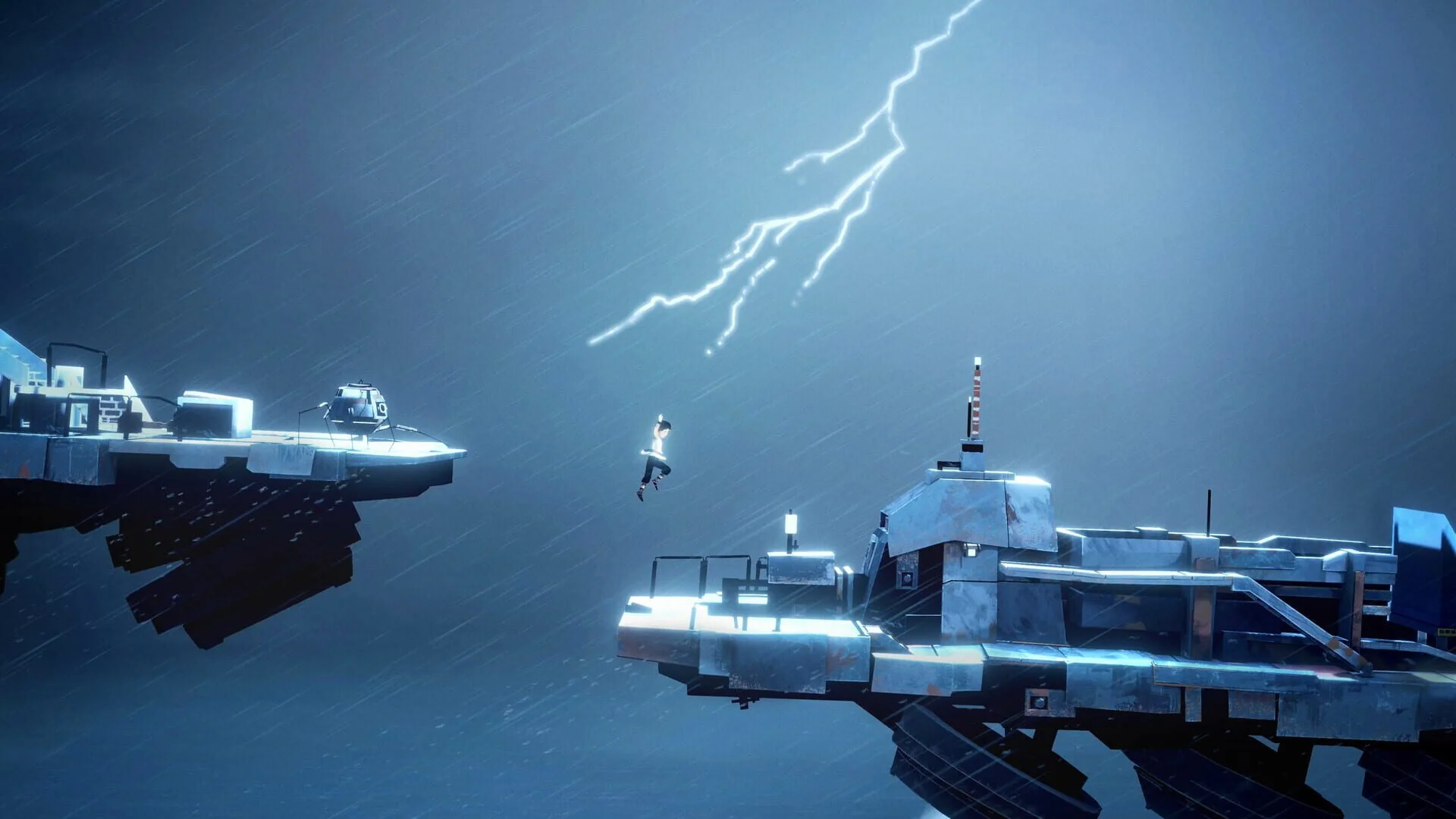
I went into Planet of Lana II expecting more of the same cozy sci-fi wandering from the first game, maybe with a couple of new puzzle twists. A safe sequel. Instead, over a few late-night sessions, I found myself juggling machines, animals, and tight timing windows in ways that made the original feel almost like a proof of concept. This is still the same gentle, wordless adventure at heart – but under the tranquil surface, it’s a much sharper, more confident puzzle game.
Key Takeaways
- Deeper puzzle systems: Machine control and Mui’s new creature-possession abilities combine into bigger, layered challenges that feel natural, not gimmicky.
- Wordless storytelling still shines: The made-up language and expressive animation quietly sell a more personal, intimate story without a single line of readable dialogue.
- Stronger sense of design confidence: Puzzles are consistently clever, more complex than the first game, and rarely feel unfair or brute-forcey.
- Serene but striking presentation: Gorgeous painterly environments and 90s-style sci-fi sound cues create a calm, curious mood that sticks with you.
- Minor drawbacks: A few physics quirks and a weaker sense of long-distance journeying compared to the original slightly dull the overall sense of place.
- Best for returning players: Newcomers are welcome, but the emotional beats and worldbuilding are much stronger if you’ve played Planet of Lana first.
A Familiar Planet, Smaller Stakes, Higher Tension
My first surprise with Planet of Lana II came in the opening scene. Instead of immediately throwing you into cosmic disaster, it starts with something smaller and more intimate: Lana and her little sister poking around old technology while searching for Lana’s cat-like companion, Mui. It’s playful, almost cozy – tag-like games, light environmental hazards, all while you’re quietly being taught the controls.
There’s still no traditional dialogue. Characters speak in a fictional language, and you’re left to read faces, body language, and framing. I love this approach – it trusts you to connect the dots. I’ll admit, I might be slightly off on some nuances, but the emotional throughline is crystal clear.
Where the first game sent Lana out to save her entire village, the sequel narrows the focus: this time, it’s her injured sister who needs help. That sounds “smaller,” but once you’re out in the world picking up the tools and information you need, the stakes feel just as high. If anything, the personal angle hits harder – you’re not saving an abstract crowd, you’re racing to help one person you’ve already bonded with in the opening minutes.
Running underneath all of this is a more pronounced technology-vs-nature thread. Nobody really understands this old tech, but everyone’s using it anyway. Villages are advancing in parallel, strange machines are cropping up, and the world feels like it’s at a tipping point. Lana ends up caught in the middle of this shift, wrestling – silently – with what it means to lean on machinery in a place that was once defined by its wild landscapes.
It’s impressive how much of that conflict the game communicates without a single exposition dump. The world design and your new abilities say far more than any cutscene could.
Layered Puzzles Built on Machine Control and Creature Possession
The big mechanical jump from the first game is simple to explain but surprisingly rich to play: Lana can now directly control certain machines, and Mui can possess specific animals. The magic is in how often the game forces you to combine those two systems with your standard platforming instincts.
Early on, the machine control starts small. You might hijack a piece of tech to drag a box into place or lure a hostile robot away from your path. It feels like an extension of that classic puzzle-platformer language: move, distract, evade. But as you move further into the game, those machines become part of bigger chains – operating switches, manipulating moving platforms, or timing a series of movements to give Lana a split-second opening.
Mui’s possession skills bring a different flavor entirely. Instead of all possessed creatures behaving the same, each one obeys its own little rule set. It’s like slowly learning different “verbs” for the world:
- Fast aquatic creatures that can rocket out of the water, then spit inky distractions.
- Little fuzzball-like organisms that cling to surfaces and act like living fuses, connecting parts of the environment together.
I appreciated how intentional each creature felt. The game rarely throws in a new animal just for the novelty – it’s always teaching you a slightly different logic, one that will be leaned on later in nastier combinations.
What really won me over was how painless the possession system felt in practice. On paper, constantly switching mental gears between Lana, Mui, animals, and machines sounds like a recipe for headaches. In reality, it’s smooth enough that by the midpoint of the game I was actively excited to see a new critter or control point. I wanted to figure out how this new piece could slot into the growing vocabulary of problems the game kept throwing at me.
By the time you’re swapping between Lana, Mui, a machine, and a possessed creature in a single encounter, the puzzles feel legitimately “big” without becoming sprawling logic chores. They’re still screen-sized or room-sized encounters, not giant maze dungeons, but they’re deceptively dense.
Difficulty Curves That Respect Your Brain (and Your Patience)
Before playing, I’d heard Planet of Lana II would be tougher than the first game. That’s true – the puzzles are more intricate, the timing windows can be tighter, and the game expects you to keep more variables in your head at once.
But what impressed me is how well the team remembered their own onboarding lessons from the original. New mechanics arrive gently, usually wrapped in playful or low-stakes situations first. Then, as you settle into your new toolset, the game quietly raises the bar.
There’s a kind of “wave” pattern to the difficulty. Some sections are almost breezy – reminders of mechanics you’ve already seen, or calmer sequences that let you catch your breath. Then you hit a puzzle where your usual approach suddenly doesn’t work. The solution is rarely obscure; instead, the game is forcing you to reframe what you already know.
It feels like trial and error done right. You’ll mess up, mis-time a jump, or misread a creature’s behavior, but the reset loops are fast and forgiving. I never reached the point of angrily brute-forcing my way through by trying every object on every surface. Instead, each failure gave me a slightly clearer read on what the game was actually asking.
Some late-game sequences do flirt with being a bit too tight on timing. There were moments where I could almost hear the designers chuckling, knowing exactly how close they were cutting these windows. But because the controls are responsive and the logic always makes sense, those near-misses feel more like “one more try” moments than controller-throwing ones.
Mui Finally Feels Like a True Partner
Mui was already an endearing companion in the first game, but there were times when she felt more like a moving key than a proper co-op partner. Planet of Lana II fixes that.
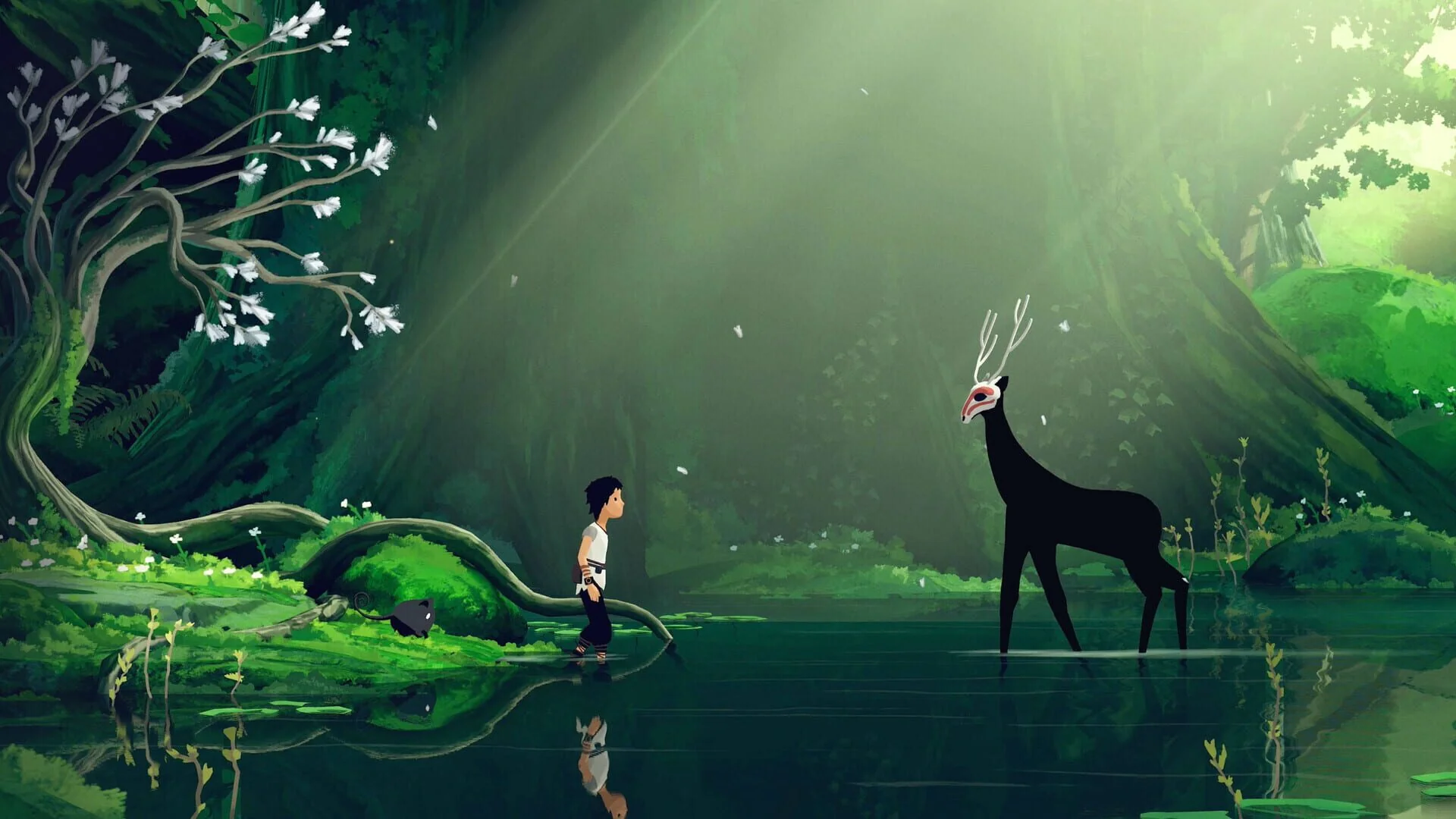
You can command Mui at practically any moment now, and the command system feels more intuitive and snappy. The game clearly communicates what she can and can’t interact with, often “snapping” your commands toward valid objects so you’re not fumbling with the cursor or second-guessing whether the game will register what you’re trying to do.
As the puzzles expand to include machines and possessed creatures, Mui becomes the glue that holds those layers together. Directing her to a vantage point, hopping into a critter, then using that creature to create an opening for Lana while a machine does its thing – when all of that clicks in a single flow, it feels wonderfully orchestrated.
I had several sequences where I finished a multi-step setup, barely squeaked through a moving hazard, and just sat there for a second appreciating how pleasantly complicated it had become. Not complicated in a “read a wiki” way – complicated in a satisfying, clockwork-platformer way.
A Playable Sci-Fi Painting With 90s DNA
Visually, Planet of Lana II is as gorgeous as you’d hope. Every area feels like a shot from a lovingly hand-painted sci-fi artbook. The game knows this, too, and isn’t shy about pulling the camera back once you’ve cleared a puzzle to let the scenery breathe.
The sense of scale is excellent in those quiet moments – sprawling vistas, hints of unfamiliar tech fused with natural landscapes, distant activity that suggests a wider world moving around you. Even when I wished for a better macro map of the world (more on that in a second), individual scenes never stopped being a treat to look at.
The audio work is just as considered. Ambient sounds ground each environment: wind, wildlife, the hum of dormant machinery being coaxed back to life. Layered on top of that are music cues that feel ripped straight from 90s sci-fi movies – not in a derivative way, but in the sense of wide-eyed curiosity, slightly eerie wonder. It’s nostalgic without leaning on any obvious reference.
The blend of serene visuals, understated sound design, and wordless scenes created an immersion that honestly made me forget I was “solving puzzles” in the traditional sense. I was just inhabiting this little corner of a world at a crossroads between nature and technology.
Where Planet of Lana II Stumbles
For all its polish, Planet of Lana II isn’t flawless.
On the technical side, I ran into a handful of physics oddities. Every now and then, Lana’s legs would freak out for a frame or two – stretching off-screen or animating strangely when colliding with certain edges. None of it ever broke a puzzle or forced a restart, but it did pull me out of the moment when it happened. It’s the kind of thing I’d expect to be patched eventually, but it’s worth noting.
The bigger issue for me is the sense of journey. The first Planet of Lana excelled at making you feel like you were steadily moving farther and farther from home. You could almost trace your route in your head. In Planet of Lana II, you’re more often transported between areas instead of traversing them, and that weakens the geography.
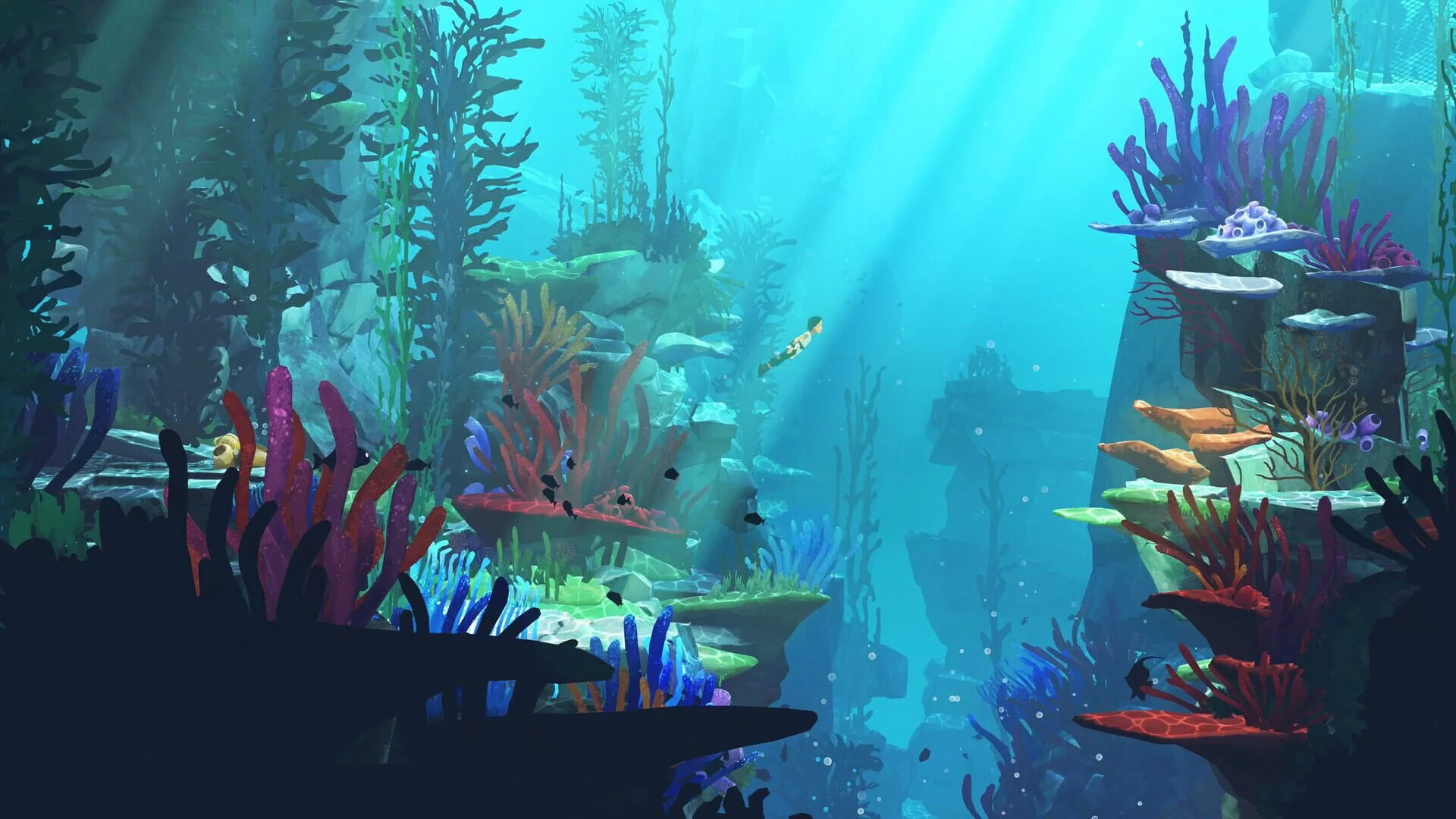
The individual locations are beautiful and memorable, but I rarely felt like I had a clear mental map of how they all related back to Lana’s town. In a story that’s otherwise so grounded and personal, that’s a small but noticeable loss – the world feels more like a series of distinct stages and less like a continuous, lived-in landscape.
Who Planet of Lana II Is For
If you enjoyed the first Planet of Lana, this sequel feels almost tailor-made for you. It respects what worked – the quiet tone, the wordless storytelling, the partnership with Mui – but isn’t afraid to push those ideas much further in terms of complexity and ambition.
If you’re completely new, you can jump in here. There’s a neat opening recap that catches you up on key events. But I’d still strongly recommend playing the original first. Not because you’ll be lost without it, but because the emotional payoff and sense of continuity are just so much richer when you’ve already lived through Lana’s first adventure.
More broadly, if you’re into cinematic puzzle-platformers like Inside, Limbo, or the first Planet of Lana, this should be high on your list. It never becomes a hardcore brain-burner, but it absolutely expects you to engage thoughtfully with its systems. If you just want a breezy, auto-pilot story experience, the increased complexity might feel like a bit of a curveball.
Bottom Line
Planet of Lana II feels like a studio returning to an idea they already nailed once, this time with more confidence and a longer list of “things we wanted to do the first time.” The result is a sequel that’s not louder or flashier, but undeniably more ambitious where it counts: in its puzzle design, its systems, and its thematic throughline.
The new machine-control and creature-possession mechanics mesh together with Lana and Mui’s existing abilities so smoothly that by the end, it’s hard to imagine the series without them. The story stays intimate and personal while gesturing at a world on the edge of transformation. The presentation remains serene and striking, even when the puzzles ramp up the tension.
A few physics wrinkles and a softer sense of overarching journey hold it back from feeling completely definitive, but they don’t come close to undoing how consistently engaging the experience is. For returning players especially, this is exactly the kind of “bigger, smarter, but still itself” sequel you hope to see.
Rating: 9/10 – A quietly bold follow-up that deepens Planet of Lana’s core ideas without losing its soul.
TL;DR
- What it is: A cinematic puzzle-platformer sequel that builds on Planet of Lana with richer puzzle systems and a more personal story, all told without conventional dialogue.
- What’s new: Direct control over certain machines, a refined command system for Mui, and a possession mechanic that lets Mui take over different creatures, each with unique behaviors.
- Why it works: These systems combine into larger, layered puzzles that grow naturally in complexity, supported by smart onboarding and fair challenge curves.
- What’s not ideal: Occasional physics glitches and a reduced sense of long-distance travel and geographic cohesion compared to the first game.
- Who should play: Fans of the original Planet of Lana and players who enjoy thoughtful, atmospheric puzzle-platformers with strong audio-visual storytelling and minimal dialogue.
- Final word: A confident, quietly ambitious sequel that rewards anyone who was curious about where Lana and Mui’s story could go next.
Leave a Reply